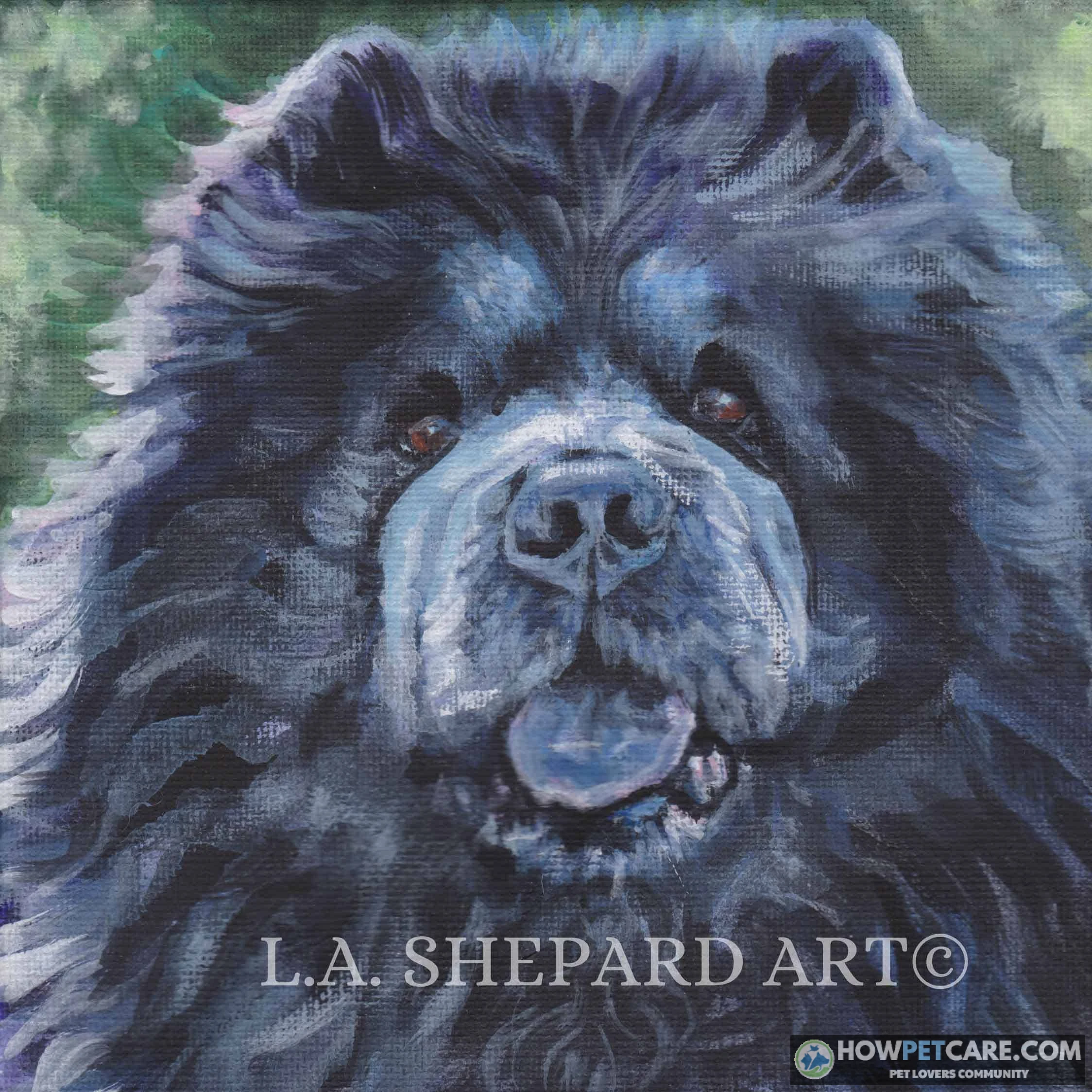

A black Chow Chow is a Chow Chow with a solid black coat—one of the breed’s five AKC-recognized standard colors, not a rare variant or separate breed. In the US, puppies from reputable breeders typically run about $1,000–$3,000; color alone should never justify a surcharge.
Black Chow Chow at a glance: standard color, not a rare variant
Solid black is one of the five standard Chow Chow colors—red, black, blue, cream, and cinnamon—and the AKC breed standard recognizes it. It isn’t a separate breed or a “rare variant,” and it doesn’t come with a special temperament or higher price by default. Coat color alone doesn’t determine temperament, health, or value. A “rare black” premium is marketing, not evidence.
In the US, you can find black Chow Chow puppies through breeders and rescues, though availability varies by region and litter. For a puppy from a reputable US breeder, a realistic current planning range is about $1,000–$3,000. Some show-prospect or high-demand litters are listed above $4,000 (research date: April 2026). Those are asking prices, not verified sale prices; color alone should never justify a surcharge.
If you landed here looking for an “Adopt Me! Black Chow-Chow,” that phrase refers to a Roblox game pet. This article is about the real dog.
This guide explains how to identify a true black coat, what black and blue mean genetically, current US pricing, temperament and household fit, health risks, and how to vet a breeder or rescue.
How to recognize a true black Chow Chow coat
A true solid black Chow Chow has deeply pigmented black guard hairs over a dense double coat. Sun exposure, dirt, coat condition, and seasonal weathering can make black fur look rusty, brown, or grayish, especially along the back, shoulders, and outer guard hairs. The undercoat may also look lighter or grayish when the coat parts. That’s normal and doesn’t, by itself, mean the dog is a different color.

Black Chow Chows can have either a rough or smooth coat. The difference is length and texture, not color: rough coats are longer and have more pronounced furnishings, while smooth coats are shorter and lie closer to the body.
Don’t rely on a single seller photo. Ask for:
- A whole-dog photo in daylight, outdoors or by a bright window—not under orange indoor bulbs or harsh noon sun.
- A parted-coat shot along the back or shoulder to show the roots.
- Clear photos of the face, muzzle, lips, nose leather, and eye rims.
- A recent, unedited video of the dog walking and turning from multiple angles.
- Images from the front, rear, both sides, and of the tail and leg furnishings.
Filters, heavy contrast, studio close-ups, and “beauty mode” can hide fading or dye. If the seller won’t provide daylight photos, sends only tight close-ups, or insists that “black always looks brown in pictures” without offering a coat-parting shot, treat the listing as inconclusive.
Chow Chow puppies can change in appearance as their adult coat comes in. A black puppy’s coat may look softer or slightly different before it matures, and tongue pigment develops over time rather than appearing instantly at birth. Confirm color with the breeder and veterinary records instead of relying on one early photo.
Photo checks for sun-fading, undercoat, and dye
If you suspect the coat has been darkened cosmetically, ask whether the dog was recently bathed, groomed, or photographed for show. If dye residue is a concern, request a damp white towel rub photo. The paperwork should tell a consistent story: the same dog should appear in veterinary records, registration paperwork if applicable, and the seller’s live video.
Puppy coat changes and rough versus smooth coats
Adult coat texture and full pigmentation emerge over the first several months. Chow Chows can be born to parents of different colors if both carry the black color gene, so a black puppy may appear in a mixed-color litter. Ask the breeder how color and parentage are recorded for that specific litter.

Black versus blue Chow Chow: what genetics and color names mean
Black and blue are both recognized solid Chow Chow colors. Put simply, black is the full-strength pigment look, while blue is a diluted version that usually appears slate or gray-toned. Blue isn’t a sun-faded black coat, and weathering that makes black look brownish doesn’t make it genetically blue.
Puppies in the same litter can inherit different coat colors, so a litter may include black puppies even if not every sibling is black. A breeder’s promise based only on the parents’ appearance isn’t reliable documentation. Ask how the breeder records color, parentage, and health testing for each puppy.
Myth: A blue Chow Chow is just a faded black, and a black puppy is automatically rarer or worth more.
Fact: Black and blue are both recognized solid Chow Chow colors. Black is the full-strength pigment look; blue is a diluted version that usually appears slate or gray-toned. A black coat can look brownish from sun, dirt, coat condition, or photos, but that weathering is not genetically blue. Litter mates can inherit different colors, so the parents looking black does not guarantee every puppy is black. Ask the breeder how they record color, parentage, and health testing rather than trusting one puppy photo.
Why black and blue coats look different
In natural light, black coats look deep and evenly pigmented. Blue coats have a cooler, slate-gray cast, though poor lighting or flash photography can make them look like weathered black. Since lighting and camera settings affect how pigment appears, confirm color with video, coat-parting shots, and breeder records—not a single listing image.

How to interpret color claims from a litter
A litter may include black, blue, red, cream, or cinnamon puppies, depending on the genes carried by both parents. “Black parents” don’t guarantee a black-only litter, and “blue parents” don’t guarantee blue puppies. If coat color matters to you, ask which puppies in the current litter are black, how the breeder verifies color, and whether registration or health paperwork reflects the recorded color.
| Coat color | Typical appearance | Recognition and rarity | Price considerations | Photo identification notes |
|---|---|---|---|---|
| Black | Deep solid black; may look rusty or brown when sun-worn, dirty, or shedding | Standard AKC-recognized solid color; not a separate breed or “rare variant” | Should not carry a color premium by itself; pay for health testing, care, and breeder support | Ask for daylight full-body shots plus parted-coat roots; a lighter undercoat alone does not prove another color |
| Blue | Slate/gray dilute look, often described as bluish-gray | Standard recognized dilute color; sometimes marketed as “rare” | “Rare blue” claims can inflate asking prices; compare against documented health and pedigree | Hard to separate from faded black in bad lighting; request video and parent/litter color records |
| Cinnamon | Warm brown/tan range, sometimes lighter around muzzle and furnishings | Standard recognized color; less commonly seen in some regions but rarity varies | Availability may affect price locally; color still should not override welfare and screening | Warm indoor light can exaggerate red/brown tones; compare roots and body, not just guard hairs |
| Cream | Very light ivory to pale tan; nose and eye pigment still matter | Standard recognized color; “white” labels online are often casual descriptions | Pale coats are sometimes hyped; verify the actual recorded color | Overexposed photos can wash cream out; ask for natural-light images with the nose and eyes visible |
In the US standard, these are coat colors—not health guarantees, temperament labels, or automatic price tiers.

Black Chow Chow price in the US: realistic budget and cost factors
Current planning figures: April 2026. A puppy from a reputable US breeder is often listed between about $1,000 and $3,000; some show-prospect or high-demand litters list above $4,000. These are advertised asking prices, not verified sale prices, and local availability changes constantly. A black coat alone doesn’t justify a premium. Treat a “rare black” surcharge as a red flag unless the higher price is clearly tied to documented health testing, pedigree, titles, or included care.
Walk away from unusually low prices, pressure to pay deposits quickly, stock photos, or any extra charge justified only by a claim that black is rare. A fair quote should name exactly what the money buys: health screenings, veterinary care, a written contract, and breeder support after pickup.
Price can depend on pedigree, breeder reputation, health testing of the parents, region and local demand, and included veterinary care such as vaccines, microchipping, and registration. Coat color determines none of these.
| Cost item | Planning range or estimate | What affects the cost | How to verify |
|---|---|---|---|
| Puppy purchase from a reputable US breeder | Often about $1,000–$3,000 advertised; some show-prospect or high-demand litters list above $4,000 | Pedigree, breeder reputation, health testing, region, included vet care, registration, litter demand | Ask for an itemized quote, contract, parents’ health screening records, and proof the puppy in photos is the puppy placed |
| Black-coat “rarity” surcharge | $0 justified | Marketing claims that black is rare, special, or more valuable | Treat as a red flag unless the higher price is clearly tied to health testing, titles, pedigree, or included care |
| Initial vet visit, vaccines, microchip, fecal/deworming follow-ups | About $250–$800 in the first months | Local vet fees, included breeder vet work, boosters still needed | Request the breeder’s vet record and schedule your own exam soon after pickup |
| Spay/neuter or gastropexy discussion if recommended | Commonly $300–$1,200+ | Timing, clinic, region, whether done before placement | Confirm what is already done, what is contractual, and get a local estimate |
| Food and feeding supplies | Roughly $40–$100/month | Size, brand, treats, bowls, slow feeder, storage | Ask what the puppy currently eats and budget a gradual transition |
| Grooming tools or professional grooming | DIY tools about $75–$200 upfront; pro sessions often $60–$150 each | Rough vs. smooth coat, shedding season, coat condition | Ask breeder how often the coat is brushed and whether the puppy has been handled for grooming |
| Training/socialization | About $100–$500 for classes; private help costs more | Puppy class availability, behavior needs, your experience | Prioritize early, reward-based socialization over cosmetic extras |
| First-year total, excluding purchase | Plan roughly $1,500–$4,000 before emergencies | Insurance vs. self-funding, emergency vet costs, grooming choices | Build an emergency buffer; color does not change medical risk |
A higher quote is easier to assess when the seller can explain exactly what it covers—screenings, veterinary care, contracts, and support. The puppy’s black coat isn’t a reason to pay more.

What a breeder’s puppy price should include
Ask for an itemized breakdown covering the puppy, age-appropriate vaccines, deworming, a veterinary health check, microchip or identification, registration paperwork if offered, and a written contract. The contract should spell out placement age, health guarantees and their limits, return policy, and any spay/neuter terms.
Questions to ask before paying a deposit
- Can I see the puppy with its mother and the raising area, in person or by live video?
- What health screening have the parents undergone?
- How is coat color documented for this litter?
- What is the return policy if the placement does not work out?
- What payment methods are accepted, and are deposits refundable?
Temperament, household fit, and everyday care
Chow Chows are often independent, aloof, and reserved with strangers—traits shared by other independent dog breeds—but loyal and protective toward family. The breed is also described as stubborn to train and best suited to experienced owners who are committed to grooming and socialization. Friendliness is not the breed’s default; dependable manners come from training and socialization with people. These traits aren’t linked to coat color: black Chow Chows don’t have a different personality from red, blue, cream, or cinnamon Chow Chows.
Chow Chows shouldn’t be labeled inherently aggressive, and black dogs shouldn’t be singled out as more or less dangerous. Behavior varies by individual and is shaped by responsible breeding, early socialization, respectful handling, and consistent supervision, especially around children and other animals.
The breed’s calm, self-contained style is why it is sometimes listed among dogs that look like cats, but whether a Chow Chow suits a family or apartment depends on the household. The breed can live in an apartment if moderate daily exercise needs are met, but the dog still needs room to move and a calm routine. Supervise all interactions with young children, and introduce other pets carefully.
Socialization and family or apartment fit
Early socialization means introducing the puppy positively to different people, surfaces, sounds, and situations. Puppy classes, gentle handling, and controlled visits can help prevent reactivity. Apartment dwellers should plan daily walks and mental enrichment; a yard alone isn’t enough.

Grooming, shedding, and exercise
Chow Chows have a dense double coat with a wooly undercoat and coarse outer coat. Brush several times weekly, with more frequent brushing during seasonal shedding, and expect heavy coat changes. Don’t shave the coat without veterinary advice; the double coat insulates against both cold and heat. Most adults need moderate daily exercise. In warm weather, provide fresh water and shade, since the heavy coat can increase the risk of overheating.

Chow Chow puppies may be born with pink tongues that darken to blue-black as they grow, commonly completing the change by around six months. The blue-black tongue is a normal breed trait. Ask a veterinarian about unexpected color changes or other symptoms; tongue color alone does not diagnose a mix or indicate quality.
Chow Chow health risks, lifespan, and preventive care
References report a Chow Chow lifespan of about 8 to 15 years. Treat any single figure as an estimate, not a guarantee for an individual dog.
Discuss breed-wide concerns such as entropion and hip dysplasia with a breeder and veterinarian, along with elbow and eye screening where applicable. It is also reasonable to ask about thyroid function, kneecap stability, and skin problems, which are commonly discussed for the breed. These are Chow Chow breed risks, not known consequences of a black coat.
Ask for veterinary records, vaccine and deworming dates, and any hip, elbow, or eye screening results for the parents. Arrange your own veterinary examination soon after bringing home a puppy or adult dog, whatever the source.
Health records and screening questions
- What health testing have the parents undergone?
- Are there eye or orthopedic issues in the family line?
- Can I see the puppy’s vaccine and deworming records?
- What is the breeder’s health guarantee, and what are its limits?

Find and vet a US breeder or rescue before choosing a black puppy
Start with the Chow Chow Club, Inc. breeder referral resources, local breed clubs, and recent club or event contacts. Then confirm current availability directly. Shelters and Chow Chow or northern-breed rescues may have adult dogs as well as puppies. Availability changes, so contact organizations for current listings.

US breeder-vetting checklist
- Start with the Chow Chow Club, Inc. breeder referral and local breed clubs; verify current availability directly.
- Meet by live video at minimum, ideally in person; ask to see the puppy with its mother and the areas where puppies are raised.
- Request written health information: veterinary records, vaccine and deworming dates, and any hip, elbow, or eye screening on the parents where applicable.
- Ask how color, parentage, and registration are recorded; don’t rely on “the photos look black” as documentation.
- Review the contract for placement age, identification or microchip, return policy, spay/neuter terms, health guarantees and limits, and what happens if the puppy cannot stay.
- Ask what support is included after pickup: feeding schedule, socialization notes, grooming guidance, and breeder availability for questions.
- Walk away from stock photos, refusal to answer questions, pressure for instant deposits, irreversible payment before verification, or a “rare black” fee with no documentation.
Rescue and adoption routes
- Search the Chow Chow Club, Inc.’s rescue and referral listings, adoption databases such as Petfinder, local shelters, and northern-breed rescues; ask whether adults are available, not only puppies.
- Request health, behavior, grooming, and history notes; ask what is known, unknown, or still being assessed.
- Confirm post-adoption support: trial periods, return policy, training referrals, and vet-record transfer.

Before choosing, verify the coat if black matters, disregard unsupported rarity claims, budget for lifelong care, and put temperament fit and welfare ahead of color.
| Coat Color | Typical Appearance | Recognition and Rarity | Price Considerations | Photo Identification Notes |
|---|---|---|---|---|
| Black | Deep solid black; may look rusty or brown when sun-worn, dirty, or shedding | Standard AKC-recognized solid color; not a separate breed or "rare variant" | Should not carry a color premium by itself; pay for health testing, care, and breeder support | Ask for daylight full-body shots plus parted-coat roots; a lighter undercoat alone does not prove another color |
| Blue | Slate/gray dilute look, often described as bluish-gray | Standard recognized dilute color; sometimes marketed as "rare" | "Rare blue" claims can inflate asking prices; compare against documented health and pedigree | Hard to separate from faded black in bad lighting; request video and parent/litter color records |
| Cinnamon | Warm brown/tan range, sometimes lighter around muzzle and furnishings | Standard recognized color; less commonly seen in some regions but rarity varies | Availability may affect price locally; color still should not override welfare and screening | Warm indoor light can exaggerate red/brown tones; compare roots and body, not just guard hairs |
| Cream | Very light ivory to pale tan; nose and eye pigment still matter | Standard recognized color; "white" labels online are often casual descriptions | Pale coats are sometimes hyped; verify the actual recorded color | Overexposed photos can wash cream out; ask for natural-light images with the nose and eyes visible |
1Which of the following coat colors is recognized by the AKC standard for Chow Chows alongside solid black?
Blue is one of the five official AKC-recognized standard colors for Chow Chows, representing a slate-gray diluted coat.
2Genetically, what distinguishes a blue Chow Chow from a black Chow Chow?
Black represents full-strength coat pigmentation, whereas blue is a genetically diluted variant resulting in slate-gray fur.
3If a buyer suspects a dog's black coat has been darked cosmetically with dye, which verification method is recommended?
Rubbing the coat with a damp white towel checks for cosmetic dye transfer or chemical residue.
4How does tongue pigmentation typically develop in Chow Chow puppies?
Tongue pigmentation is a developmental trait that emerges gradually, commonly completing by around six months of age.
5What is a realistic planning budget for purchasing a black Chow Chow puppy from a reputable US breeder?
This represents the typical advertised price range for puppies from reputable breeders in the US.
6How does a solid black coat impact a Chow Chow's temperament and behavior?
Temperament is shaped by breeding, handling, and early socialization rather than coat color genetics.
7Why should a Chow Chow's double coat generally NOT be shaved without veterinary advice?
The wooly undercoat and outer guard hairs work together to protect the dog from extreme cold and heat.
8Which health conditions are highlighted as breed-wide risks for Chow Chows?
Ophthalmic issues like entropion and orthopedic issues like hip dysplasia are key screening priorities for the breed.
9Which seller practice should be considered a major red flag when vetting a Chow Chow breeder?
Solid black is a standard color; extra surcharges for color alone without health testing or pedigree justification indicate predatory marketing.
10What visual change can occur when a solid black Chow Chow's coat experiences prolonged sun exposure?
Sunlight, dirt, and seasonal weathering alter outer black fur, causing it to look rusty or brown along the back and shoulders.
FAQ
Do all Chow Chow puppies have pink tongues at birth?
Chow Chow puppies may have pink tongues early on, with pigmentation developing as they grow; the tongue commonly becomes blue-black by around six months. Ask a veterinarian about unexpected color changes or other symptoms.
Can a black Chow Chow’s coat turn brown in the sun?
Black fur can look rusty or brown from sun exposure, weathering, or coat condition, and lighting can exaggerate the effect. Check the coat in natural light and ask for unedited photos before concluding that the dog is a different color.
Can black Chow Chows appear in a litter with other colors?
Yes. A litter can include puppies with different coat colors depending on inherited traits, so not every puppy from black-coated parents will necessarily look identical. Ask the breeder to explain the litter’s parentage and color records.
Does a black coat mean a Chow Chow needs different grooming?
No. Grooming needs depend mainly on coat type and condition, not color. Rough- and smooth-coated Chow Chows both need regular coat care and can shed heavily during seasonal coat changes.