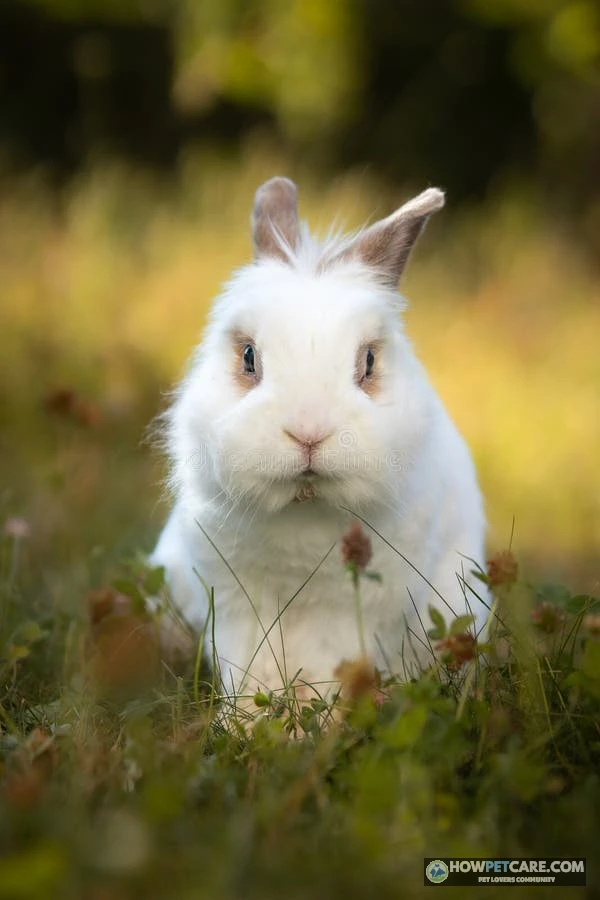

The lionhead rabbit is a compact dwarf breed recognized by its wool mane, typically weighing between 2 and 4 pounds with a lifespan of 7 to 10 years. Proper care requires daily high-fiber grass hay, measured pellets, indoor housing, and regular line combing to prevent skin mats and GI stasis.
Lionhead Rabbit at a Glance: Size, Lifespan, Temperament, and Care Level

A lionhead rabbit can make a wonderful companion, provided you have the time for daily coat care, a strict high-fiber diet, and access to a reliable exotics clinic. Here is what you need to know before committing.
Size & Weight – The lionhead rabbit is a dwarf breed that typically reaches 2 – 4 lb (0.9‑1.8 kg) as an adult. The American Rabbit Breeders Association (ARBA) sets a maximum breed standard of 3.75 lb (≈1.7 kg). Pet-quality rabbits often sit near or slightly under that threshold, making them compact animals that fit comfortably on a lap.
Lifespan – Kept indoors with proper nutrition and routine veterinary oversight, lionheads usually live 7 – 10 years, with many reaching 10‑12 years. Diets low in fiber and delayed treatment of gastrointestinal (GI) issues cut that lifespan significantly.
Temperament – These rabbits are bright, inquisitive, and social. They form close bonds with their main caregivers and thrive on supervised floor time. Because they are a dwarf breed, sudden motions can startle them, and cramped quarters can provoke territorial nipping. They respond well to calm, predictable handling, but young children must never handle them unsupervised, as poor handling easily causes injury.
Care Level – This is not a low-maintenance pet. The dense wool mane, chest bib, and flank skirt demand far more grooming than a typical short-haired dwarf breed. Expect to spend 10‑15 minutes several times a week brushing the coat, alongside quick daily health checks. If that schedule is unrealistic for your household, consider a short-coated breed like the Netherland Dwarf instead.
Hidden Maintenance Reality Check – Grooming is non-negotiable. Skipping it leads directly to painful mats, inflamed skin, and GI stasis from ingested wool. Expect to invest roughly 2‑3 hours per month on coat maintenance for a double-mane adult, and slightly less for a single-mane rabbit.
Lionhead Rabbit Size and Adult Weight
- Typical adult weight: 2 lb (0.9 kg) to 4 lb (1.8 kg)
- Maximum ARBA‑standard weight: 3.75 lb (≈1.7 kg)
- Body length: 10‑12 inches from nose to tail tip.
How Long Indoor Lionhead Rabbits Live
- Average lifespan: 7‑10 years, extending to 10‑12 years with optimal care
- Key longevity factors: unlimited timothy hay, regular exercise, annual wellness exams, and prompt treatment of GI issues.
Lionhead Bunny Temperament and Suitability for Children
- Social needs: Minimum 30‑60 minutes of floor time daily
- Child interaction: Safe only with adult supervision; children must learn gentle handling and never pick the rabbit up by the ears or hindquarters.
- Beginners: Possible if they accept the grooming schedule and have access to a rabbit‑savvy exotics vet.
The Hidden Maintenance Reality Check
Care guides often skip the daily labor: checking for damp wool, scanning for urine scald, and watching for early gut slowdowns. A lionhead’s wool can mat in just a few days if neglected, especially during seasonal shedding. The following sections break down the specific routines that prevent painful tangles and emergency vet visits.
Single-Mane vs. Double-Mane Lionhead Rabbits: Genetics and Adult Coat Changes
Understanding the mane gene helps you anticipate the grooming workload your rabbit will require as an adult.
What Mm and MM Mean
- Mm (single‑mane) – Carries one copy of the dominant mane allele. The rabbit develops a modest head mane and occasionally a faint bib.
- MM (double‑mane) – Carries two copies of the dominant allele. This produces a heavy, full head mane, a dense chest bib, and usually a distinct flank skirt.
- The mane gene is dominant, meaning a single copy always produces wool growth, while two copies intensify coverage across the entire body.
How to Identify Mane Type in a Baby Kit
- 4‑week kits – A double-mane baby usually displays a clear V-shaped wool patch along the flanks or a visible skirt. A single-mane kit shows only a soft wool halo circling the head.
- Visual clues are suggestive, not definitive – Without verified pedigree papers, crossbred lines make visual identification tricky. Ask the breeder for genetic records or wait for the juvenile molt to confirm.
What Happens to the Wool Mane After Juvenile Molting
- Single‑mane kits – The mane often thins around 4‑6 months of age. Flank wool drops away, leaving behind a light ruff.
- Double‑mane kits – Mane, bib, and skirt stay full through adulthood, creating a dense coat that requires frequent brushing.
| Feature | Single Mane (Mm) | Double Mane (MM) | What Owners Should Expect |
|---|---|---|---|
| Around 4 weeks | A mane may appear as a soft ring around the head, with little or no complete flank skirt | Often shows a stronger V‑shaped wool patch, side wool, or a visible skirt | Kit appearance is suggestive, not proof; mixed lines can be difficult to classify |
| Around 4 months | The juvenile mane may thin during a molt; side wool commonly reduces | Head mane often remains fuller, with bib, flank wool, or skirt more likely to persist | Grooming needs can increase as the adult coat develops |
| Full adult maturity | Usually a lighter mane concentrated around the cheeks, forehead, and neck; some individuals retain more wool | Typically denser mane and more persistent bib, skirt, or flank wool | Coat density varies with genetics, age, molt, and condition; inspect the actual coat rather than relying only on the label |
| Genetic shorthand | Generally one mane allele: Mm | Generally two mane alleles: MM | Parentage or breeding records are more reliable than a visual guess in a young or mixed‑breed rabbit |
| Show or pedigree meaning | Does not prove health, breed purity, or show quality | Does not prove health, breed purity, or show quality | Mane genotype is only one trait and is not a substitute for records or a health assessment |
How to Groom a Lionhead Rabbit Without Pulling or Damaging the Skin
Routine line combing keeps the rabbit comfortable and prevents dangerous wool blockages. Use this equipment setup and technique to protect the skin across all friction zones.
Never give a rabbit a bath. Immersion can cause fatal hypothermia and shock. Clean localized spots with a damp cloth only.
Safe Grooming Tools for Wool and Undercoat
| Tool | Recommended Use |
|---|---|
| Wide‑tooth metal comb (spacing ~5 mm) | Initial detangling of loose hair; ideal for mane and skirt. |
| Fine‑tooth metal comb | Checking for small knots close to the skin after the wide‑tooth comb. |
| Soft‑pin slicker brush (light pressure) | Gentle smoothing of fine undercoat; avoid heavy raking. |
| Blunt‑tip grooming scissors (rounded) | Trimming stray hairs only; never cut mats without proper training. |
| Electric clippers (low speed, guard attached) | Severe mats that cannot be combed out; best performed by an experienced groomer or veterinarian. |

Step‑by‑Step Mane, Bib, and Skirt Brushing
- Set the stage – Place a nonslip mat on the floor. Have an assistant steady the rabbit if it tends to bolt.
- Inspect – Check the mane, bib, and skirt with your fingers, feeling for moisture, soil, or broken skin before touching it with a comb.
- Part the wool – Part a narrow section no wider than your comb so the root line is clearly visible.
- Wide‑tooth comb first – Hold the wool base securely against the body to avoid tugging the skin. Angle the comb at ~30° and work outward from tips to roots using short strokes.
- Soft slicker sparingly – Keep the pins flat against the coat surface and run two or three light passes. Never scrape the skin directly.
- Fine‑tooth comb check – Once the section is detangled, glide the fine comb through to catch residual knots.
- Separate loose mats – Gently pull apart small dry mats using your fingers, then work the comb in from the edge while shielding the skin with your free hand.
- Handle friction zones separately – Stretch and flatten the skin around the ears, chin, armpits, and groin before working through these high-friction spots.
- When to stop – If you find a wet, felted mat anchored to the skin, stop combing immediately. Schedule a clipping session with an exotics vet or professional.
- Finish with a skin check – Inspect the skin for abrasions, flaking, or irritation, and reward the rabbit with fresh hay.

Friction‑Zone Grooming Protocol
Use this short protocol for the mane, behind the ears, bib, armpits, groin, and woolly skirt. Work on a nonslip mat at floor level, and stop if the rabbit struggles intensely.
- Check before brushing. Run your fingertips over the area and look for dampness, feces, skin redness, swelling, parasites, or a tight mat. Do not brush over broken or inflamed skin.
- Part the wool. Separate a section no wider than the teeth of your comb so you can see where the hair meets the skin.
- Use the wide‑tooth metal comb first. Hold the wool close to the skin with one hand. With the other, place the comb at roughly a 30-degree angle and work from the loose ends toward the roots using short strokes. The comb should glide through hair, not scrape the skin.
- Use a soft slicker sparingly. Keep the slicker nearly parallel to the coat, use only the tips of the pins, and make two or three light passes. Do not press down or repeatedly rake the same patch.
- Check with the fine‑tooth side. Once the section is open, use a fine‑tooth metal comb from roots toward ends to find remaining small tangles. Support the hair at its base so the skin does not move with the comb.
- Split only loose mats. For a small, dry mat that is clearly separated from the skin, tease it apart with your fingers, then insert a wide‑tooth comb from the outer edge. Keep your fingers between the mat and the rabbit’s skin. Never pull a mat upward.
- Handle friction zones separately. Behind the ears and under the chin need short, gentle strokes; armpits and groin need the skin held flat; the hindquarters must be checked for urine or fecal contamination before any comb touches the wool.
- Stop at the safety line. A felted, wet, skin-level, feces‑soiled, or urine‑soaked mat is not a home dematting project. Do not blindly cut it with scissors. Arrange experienced rabbit grooming or exotics‑veterinary help; clippers are safer than pulling when used by a trained person.
- Finish with a skin check. Look for redness, scratches, dandruff, moisture, or a new lump, then offer hay or a small approved green as a calm reward. During a heavy molt or with a dense double mane, repeat friction‑zone checks daily.
When a Mat Requires Clippers or Veterinary Help
- Severe mat that feels dense, cannot be lifted with a comb, or is attached close to the skin.
- Wet or soiled mat – urine or feces embed the fibers, increasing infection risk.
- Skin irritation – redness, swelling, or a palpable lump.
If you see these problems, contact an experienced exotics vet or groomer. Low-speed guarded clippers remove compacted fur safely; never take scissors to skin-level felted mats at home.
What Lionhead Rabbits Eat Daily: Hay, Greens, Pellets, and Feeding Math
Proper nutrition drives normal gut motility and keeps the lionhead’s coat healthy.
Adult Portions by Body Weight
| Life Stage or Adult Weight | Hay | Leafy Greens | Plain Pellets | Adjustment Notes |
|---|---|---|---|---|
| Growing kit, under about 7 months | Unlimited alfalfa hay, with age‑appropriate pellets as advised | Introduce one mild green at a time in small portions after the rabbit is eating reliably | Follow the pellet label and rabbit‑savvy veterinary advice; growing rabbits generally need more energy than adults | Transition gradually toward grass hay and measured adult portions; do not apply adult calorie limits too early |
| 2 lb adult | Unlimited timothy or other suitable grass hay | About 1 packed cup daily, divided into two servings | About 0.10 cup, or 0.8 tablespoon daily | Use body condition, not weight alone; a sedentary rabbit may need less pellet |
| 4 lb adult | Unlimited grass hay, refreshed daily | About 2 packed cups daily, divided into two servings | About 0.20 cup, or 1.6 tablespoons daily | Measure pellets rather than filling a bowl; keep hay available between meals |
| 5 lb adult | Unlimited grass hay | About 2.5 packed cups daily | About 0.25 cup, or 2 tablespoons daily | This is the baseline calculation: 1/4 cup pellets per 5 lb, or about 0.8 tablespoon per pound |
| 6 lb adult | Unlimited grass hay | About 3 packed cups daily | About 0.30 cup, or 2.4 tablespoons daily | Recheck weight and body condition if pellets crowd out hay or fecal pellets become smaller |
Calculation shortcuts: leafy greens ≈ 1 packed cup per 2 lb daily; pellets ≈ 0.8 Tbsp per pound.
Juvenile Feeding and the Transition to an Adult Diet
- 0‑4 weeks – Feed alfalfa hay and starter pellets formulated for kits (≈ 1 Tbsp per 0.5 lb). Watch stool texture daily.
- 4‑8 weeks – Blend timothy grass hay into the alfalfa, gradually dropping alfalfa down to 25 % of total forage.
- 8‑12 weeks – Introduce plain adult pellets (≈ 0.5 Tbsp per lb) alongside free-choice grass hay.
- 12 weeks onward – Transition fully to the weight-based adult chart above, adjusting portions to match individual metabolism.

Safe Leafy Greens, Treat Limits, and Foods to Avoid
- Approved greens – Romaine lettuce, cilantro, basil, arugula, bok choy, and spring greens. Add one variety at a time and inspect droppings for loose stool.
- Treats – Restrict fruit and root vegetables like carrots, apples, or berries to ≤ 1 Tbsp total per day. Avoid seed mixes, corn, grain clusters, and dairy-based yogurt drops entirely.
- Never – Offer high-calcium alfalfa hay to mature adults, as it contributes to urinary stones and sludge. Keep cedar and pine wood shavings out of the pen; their aromatic phenols inflame delicate airways.

How to Change Foods Without Disrupting the Gut
- Add new items gradually – Mix 75 % familiar food with 25 % new food over 3‑4 days.
- Monitor stool – Check that fecal droppings remain firm, dark, and uniform in size.
- Adjust portions – Scale back the new food immediately if droppings soften or drop in volume.
- Maintain hay abundance – Continuous access to long-strand fiber protects gut peristalsis against sudden dietary shifts.
Hay is the cornerstone of a rabbit’s diet. Never replace unlimited hay with extra pellets or treats; doing so dramatically raises the risk of GI stasis.
Lionhead Housing, Exercise, and Long‑Hair Litter Box Training
A good indoor enclosure protects delicate foot pads, keeps the skirt dry, and provides plenty of running room.
Minimum Features of a Safe Indoor Setup
- Exercise space – An exercise pen or dedicated room measuring at least 150 × 60 × 50 cm serves as the base footprint.
- Flooring – Flat, nonslip surfaces like ceramic tile, laminate, or textured linoleum. Avoid wire-grid floors, which cut into hocks and produce chronic sores.
- Litter box – A wide pan with low sides so the rabbit can enter and turn without dragging its skirt. Keep fresh hay right beside the box to encourage good habits.
- Hide & enrichment – Include a hide house, cardboard tunnels, and untreated chew materials like willow or apple twigs.
- Water – A heavy ceramic dish that resists tipping, scrubbed and refilled daily.

A Long‑Hair Litter Training Method
- Observe natural habits – Identify the corner your rabbit naturally uses for urination, and anchor the pan there.
- Seed the area – Place several soiled paper towels and fresh fecal pellets inside the pan.
- Reward – Offer gentle praise and a leaf of fresh greens as soon as the rabbit steps in and uses the box.
- Gradual expansion – Open up wider floor space only after the rabbit uses the home box reliably.
- Wool‑friendly litter – Select dense paper pellets or kiln-dried aspen that will not cling to skirt fur. Avoid bentonite clay cat litters and untreated pine.
Preventing Wet Wool, Stuck Litter, and Hindquarter Mats
- Check hindquarters daily for urine dampness or stray droppings, wiping clean with a warm, damp cloth.
- Trim skirt wool if dense fibers repeatedly wick up urine, letting an exotics vet handle the trim if you lack experience.
- Spot‑clean litter twice daily, replacing bedding completely once a week.
Daily Exercise and Rabbit‑Proofing
- Minimum 30‑60 minutes of free-roaming exercise outside the enclosure every day.
- Rabbit‑proof electrical cables, toxic houseplants, and tight furniture gaps where a dwarf head could get trapped.
- Provide chew items to grind down continuously growing incisors and molars; normal dental wear supports steady digestion.
GI Stasis, Swallowed Fur, and Other Lionhead Health Risks
Spotting subtle behavioral shifts early is the most reliable way to prevent fatal gastrointestinal complications.
Early Signs of GI Stasis
- Reduced appetite or complete refusal of hay and favorite greens.
- Fewer, smaller, or misshapen fecal pellets; sometimes only cecotropes are produced.
- Lethargy, hiding, or a hunched posture.
- Repetitive position changes, teeth grinding, or pressing the abdomen to the floor.

Why Swallowed Fur Is Not the facts whole Explanation
Swallowed Fur Is Not the Whole Explanation
Rabbits ingest fur routinely when grooming. A blockage develops only when gut motility slows down—a process triggered by low fiber, pain, dental spikes, or environmental stress. Brushing helps, but keeping the gut moving through unlimited coarse hay and daily movement is what actually clears ingested hair.
Emergency Signs That Cannot Wait
- Complete appetite loss for more than a few hours.
- No fecal output for 12 hours.
- Abdominal swelling, hard feel, or sudden pain.
- Labored breathing, collapse, or severe lethargy.
Take the rabbit to an exotics veterinarian immediately if you see any of these indicators.
Preventive Care for a Long‑Haired Dwarf Breed
- Daily appetite & stool checks – note any change.
- Weekly weight tracking – a sudden loss > 5 % signals illness.
- Routine dental exams – teeth that overgrow can impede chewing and gut motility.
- Vaccinations – Myxomatosis and RHDV2 (Rabbit Hemorrhagic Disease) are recommended.
- Fly‑strike vigilance – keep wool clean and dry; wet wool attracts flies.
First‑12‑Hour GI Stasis Checklist
- ☐ Hour 0: Record last normal meal, water intake, fecal output, recent diet changes, grooming session, and any toxin exposure.
- ☐ Check appetite: Offer fresh hay and a favorite leafy green. Refusal is concerning.
- ☐ Check feces: Look for fewer, smaller, or fur‑linked pellets; missing feces is a red flag.
- ☐ Observe behavior: Hiding, low energy, teeth grinding, or a hunched posture suggest stasis.
- ☐ Call a rabbit‑savvy veterinarian at the first clear change; do not wait for 12 hours if appetite or stool declines.
- ☐ Emergency signs: Complete appetite loss, no feces, marked lethargy, abdominal swelling, breathing difficulty, collapse – contact emergency clinic now.
- ☐ Transport: Keep rabbit warm, quiet, in a secure carrier with a towel for traction.
- ☐ Do not force‑feed unless instructed by a veterinarian; improper feeding can worsen obstruction.
- ☐ Follow vet instructions exactly for assisted feeding or medication.
- ☐ At 12 hours, if appetite or feces are still reduced, continue veterinary care.
- ☐ After recovery, review diet, dental health, stressors, and grooming schedule to prevent recurrence.
The True Cost of a Lionhead Rabbit: Setup, Monthly Care, and Vet Reserves
Budgeting accurately for specialized supplies and emergency care prevents difficult financial choices later.
One‑Time Housing and Equipment Costs
| Expense | One‑Time or First‑Year Cost |
|---|---|
| Large exercise pen, barriers, and solid flooring | $180‑$500 |
| Carrier, bowls, litter boxes, hay rack, hide, and storage | $100‑$250 |
| Grooming tools and nail supplies | $35‑$100 |
| Initial wellness examination | $75‑$200 |
| Spay or neuter (if not already done) | $200‑$600 |

Monthly Food, Litter, and Grooming Expenses
| Expense | Recurring Monthly Cost |
|---|---|
| Hay (timothy or mixed grass) | $20‑$45 |
| Plain pellets and leafy greens | $25‑$60 |
| Rabbit‑safe litter | $15‑$35 |
| Grooming supplies (replacement combs, nail files) | $0‑$15 |
| Enrichment and rabbit‑proofing replacements | $5‑$25 |

Spay or Neuter and Routine Veterinary Care
| Expense | Planning Notes |
|---|---|
| Spay/Neuter surgery | Obtain a local estimate; timing depends on age and health. |
| Routine wellness exam (annual) | $75‑$200; includes weight check, dental inspection, and vaccine updates. |
| Preventive health reserve | Save $15‑$40 per month to cover minor issues (nail trims, minor skin care). |
Emergency Fund and First‑Year Total
| Expense | Emergency or Replacement Allowance |
|---|---|
| GI stasis, dental, or other emergency reserve | $500‑$2,000+ (hospitalization, imaging, surgery) |
| Replacement of damaged housing or equipment | $50‑$150 annually |
Illustrative first‑year planning total – A standard initial setup typically totals $1,300‑$3,200 before accounting for emergency medical care. If you cannot maintain an accessible veterinary emergency fund or secure pet insurance, delay adopting until those funds are set aside.
Is a Lionhead Rabbit Right for You? A Pre‑Adoption Checklist
Review these foundational requirements to make sure your home and budget are ready for a lionhead.
- Time Commitment – Can you provide daily feeding, water changes, health checks, and at least 10‑15 minutes of grooming (more during molts)?
- Budget – Do you have a realistic emergency fund of $500‑$1,000 plus ongoing monthly costs?
- Veterinary Access – Is there a rabbit‑savvy exotics veterinarian within reasonable distance, with after‑hours emergency service?
- Housing – Can you set up a large indoor pen or rabbit‑proofed room before adoption?
- Household Compatibility – Are adults available to supervise interaction? Can children be taught gentle handling?
- Grooming Ability – Are you comfortable using a wide‑tooth comb, slicker brush, and recognizing when professional help is needed? If you prefer an easier coat, larger short-furred options like the New Zealand rabbit require significantly less daily brushing.
- Long‑Term Perspective – Do you understand the 7‑12 year commitment and plan for the rabbit’s care if life circumstances change?
Daily and Weekly Time Commitment
| Task | Frequency | Approx. Time |
|---|---|---|
| Feeding & water refresh | Daily | 5‑10 min |
| Hay inspection & refill | Daily | 3‑5 min |
| Grooming (mane, bib, skirt) | 2‑3 × weekly (single‑mane) / 4‑5 × weekly (double‑mane) | 10‑15 min per session |
| Litter box spot‑clean | Daily | 5 min |
| Full enclosure clean | Weekly | 15‑20 min |
| Health check (appetite, stool, eyes) | Daily | 2‑3 min |

Household and Child Compatibility
- Adults should interact with the rabbit on the floor, support its hindquarters during handling, and avoid keeping it confined in small pet store cages.
- Children require close adult supervision; teach them to sit calmly on the floor and pet gently without attempting to lift the animal.
Questions to Ask a Rescue or Breeder
- Age, sex, and spay/neuter status.
- Health records, especially recent wellness exam and vaccination dates.
- Known mane genotype (single vs. double) and parentage.
- Typical litter box habits and any past GI issues.
- What type of housing the rabbit currently uses (wire‑bottom cages are a red flag).
Your Before‑Adoption Setup Checklist
- Large exercise pen with solid flooring installed.
- Unlimited timothy hay supply and fresh water bowl.
- Low‑entry litter box with rabbit‑safe litter.
- Grooming kit (wide‑tooth comb, fine‑tooth comb, soft slicker, scissors, optional clippers).
- Carrier for transport and emergencies.
- List of local exotics veterinarians and emergency clinic phone numbers.
- Budget spreadsheet with initial costs and monthly expense projections.
Meeting these baseline needs ensures your home is fully prepared for the daily routine and specialized care a lionhead rabbit requires.

| Life Stage or Body Weight | Daily Hay Recommendation | Daily Leafy Greens Portion | Daily Plain Pellets Portion | Dietary and Adjustment Notes |
|---|---|---|---|---|
| Growing kit, under about 7 months | Unlimited alfalfa hay | Introduce one mild green at a time in small portions after the rabbit is eating reliably | Age-appropriate pellets as advised (or follow the pellet label) | Follow the pellet label and rabbit-savvy veterinary advice; growing rabbits generally need more energy than adults. Transition gradually toward grass hay and measured adult portions; do not apply adult calorie limits too early. |
| 2 lb adult | Unlimited timothy or other suitable grass hay | About 1 packed cup daily, divided into two servings | About 0.10 cup, or 0.8 tablespoon daily | Use body condition, not weight alone; a sedentary rabbit may need less pellet. |
| 4 lb adult | Unlimited grass hay, refreshed daily | About 2 packed cups daily, divided into two servings | About 0.20 cup, or 1.6 tablespoons daily | Measure pellets rather than filling a bowl; keep hay available between meals. |
| 5 lb adult | Unlimited grass hay | About 2.5 packed cups daily | About 0.25 cup, or 2 tablespoons daily | This is the baseline calculation: 1/4 cup pellets per 5 lb, or about 0.8 tablespoon per pound. |
| 6 lb adult | Unlimited grass hay | About 3 packed cups daily | About 0.30 cup, or 2.4 tablespoons daily | Recheck weight and body condition if pellets crowd out hay or fecal pellets become smaller. |
FAQ
When did the American Rabbit Breeders Association recognize the Lionhead rabbit?
The American Rabbit Breeders Association officially recognized the Lionhead breed in 2014. Official recognition applies strictly to rabbits meeting the ARBA breed standard rather than every pet rabbit sold under the name.
Are Lionhead rabbits hypoallergenic?
No rabbit breed is hypoallergenic. People sensitive to pets typically react to rabbit dander, saliva, urine, or the dust in timothy hay and bedding.
Can a Lionhead rabbit live alone?
A single Lionhead can thrive if provided substantial daily human companionship, though many benefit from a bonded, neutered partner introduced through gradual, supervised bonding.
Can Lionhead rabbits live outdoors year-round?
Indoor housing is strongly recommended because Lionheads are highly vulnerable to temperature extremes, predators, flystrike, and sudden weather shifts.
How can you tell whether a seller is offering a healthy Lionhead rabbit?
Check for bright eyes, dry nostrils, clean hindquarters, normal movement, and well-formed droppings. Avoid sellers who keep rabbits on wire flooring or cannot verify age and diet.