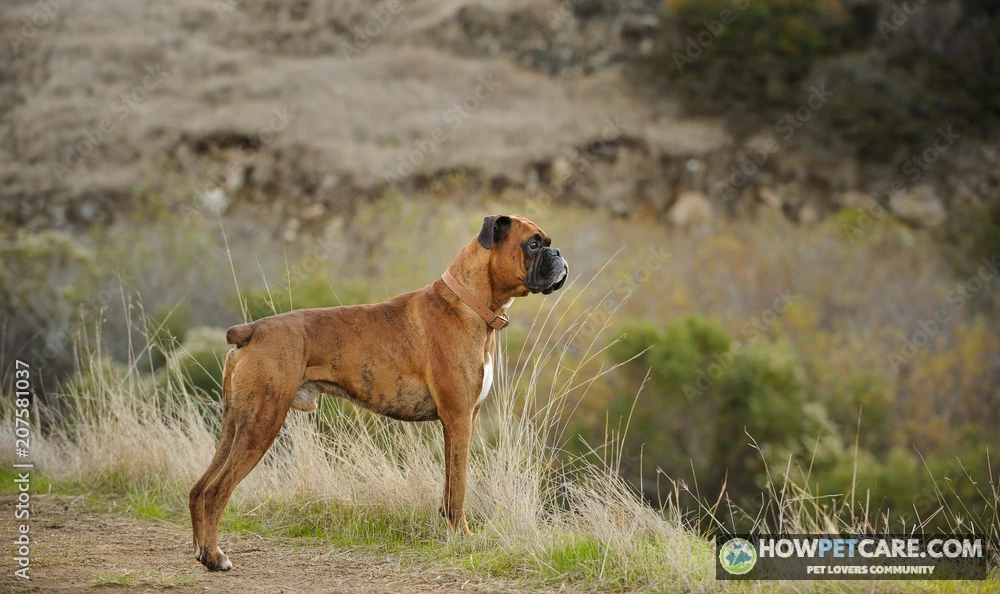

Boxer dogs are medium-to-large, muscular working dogs known for their exuberant energy, deep loyalty, and protective yet playful temperament. Standing 21.5 to 25 inches tall and weighing 50 to 80 pounds, Boxers require 60 to 90 minutes of daily exercise, careful heat management due to their brachycephalic anatomy, and vigilant screening for hereditary cardiac conditions.
A Boxer is an energetic, deeply loyal, and clownish companion, but it is not the right match for every home. As a quick suitability verdict: a Boxer thrives in active households that have at least 60 to 90 minutes each day for exercise and interactive training, possess the physical ability to manage an athletic, 60-to-80-pound dog, and maintain climate-controlled living spaces. Conversely, a Boxer is typically a poor fit under three specific household conditions: first, homes where the dog will be left alone outdoors or in unconditioned spaces during hot or humid weather; second, living situations where adults cannot physically manage explosive greetings and jumping during the first two to three years of adolescent training; and third, households seeking a low-energy, hands-off pet that requires only occasional neighborhood strolls.
Originally bred to hunt large game and serve as multi-purpose utility dogs, Boxers bridge the gap between vigilant working animals and devoted family companions. Deciding to bring one home requires balancing their joyful, affectionate nature against their distinct physiological vulnerabilities, rigorous exercise demands, and significant medical considerations.
Is a Boxer Right for Your Home? Quick Fit Assessment and Breed Overview
Size, Lifespan, and Working Group Characteristics
The American Kennel Club (AKC) officially recognized the Boxer as a member of the Working Group in 1904. While the modern breed took form in Germany during the late 19th and early 20th centuries, its ancestry traces back thousands of years to ancient Assyrian war and hunting dogs circa 2500 BC. In contemporary registries, the Boxer consistently ranks among the most popular breeds in the United States, holding position 18 out of 210 recognized breeds.
Physically, the Boxer standard specifies a square-proportioned, muscular frame with clean bone and a tight, dry skin coat. Male Boxers stand between 23 and 25 inches at the withers and weigh between 65 and 80 pounds. Female Boxers stand slightly shorter at 21.5 to 23.5 inches and generally weigh about 15 pounds less than males, landing around 50 to 65 pounds. The breed has an average lifespan of 10 to 12 years.
Their short, tight-fitting coat comes primarily in fawn (ranging from light tan to deep mahogany) and brindle (a pattern of dark stripes over a fawn background), often accented with crisp white markings on the chest, paws, and muzzle, accompanied by a characteristic black mask. The common name "Boxer" is widely believed to stem from the dog’s tendency to stand on its hind limbs and play-strike with its front paws, although some historians connect the name to historic German regional dialect terms for utility and bull-baiting dogs.

Temperament with Children and Other Household Pets
Boxers are widely celebrated for their patient, protective demeanor toward children. They form intense bonds with their human family and often display an intuitive gentleness with older kids. However, their physical exuberance creates real management challenges in households with toddlers or frail family members. Boxers express happiness with whole-body wiggles, forward charges, and leaping greetings. Without early impulse-control training, a 70-pound adolescent Boxer can easily knock down small children or unbalance elderly visitors.

When it comes to other animals, a Boxer’s prey drive requires deliberate planning. While many Boxers live harmoniously with other medium-to-large dogs, same-sex dog aggression can occur, particularly among intact males. Interactions with cats, rabbits, and pocket pets must never be left to chance. A Boxer’s working lineage involves instinctive chasing behaviors triggered by fast movement.
To help assess your household’s baseline readiness, review the scoring criteria below before acquiring a puppy or adult rescue.
10-Minute Boxer Household Readiness Scorecard
Score your household honestly across these seven categories. Check each box that accurately reflects your current daily living situation:
- ☐ Daily Time Budget (3 pts): You have at least 90 minutes of dedicated, undistracted time daily for physical exercise, mental training, and interactive play (outside of basic bathroom breaks).
- ☐ Thermal Management (2 pts): You live in a climate-controlled home with reliable air conditioning, and your routine allows for summer walks before 8:00 AM or after 7:30 PM.
- ☐ Physical Handling Readiness (2 pts): An adult in the home can physically stabilize a muscular, forward-lunging 60–75 lb dog if startled or triggered by wildlife on a walk.
- ☐ Bouncy Demeanor Tolerance (2 pts): Household members and frequent guests can tolerate whole-body leaning, celebratory jumping, and heavy tail-thumping without fear or frustration during ongoing training.
- ☐ Resident Animal Safety (2 pts): If cats or small pets share the home, you have physical barriers (such as tall, secure gates) and the commitment to manage prey-drive triggers indefinitely.
- ☐ Medical Reserve Readiness (3 pts): You have an established $2,500 emergency veterinary fund OR room in your budget for $75–$130/month specifically for accident-and-illness pet insurance.
- ☐ Supervision Capacity (2 pts): You do not regularly leave adult Boxers isolated for longer than six continuous hours without a midday walker or family member drop-in.
Scoring Interpretation:
- 14–16 points: High Boxer Compatibility. Your routine, physical environment, and finances align well with the breed’s demands.
- 10–13 points: Conditional Fit. You have manageable gaps, likely requiring adjustments such as installing safety barriers, hiring dog walkers, or setting aside extra medical savings.
- Under 10 points: Reconsideration Advised. The high physical energy, heat sensitivity, and ongoing financial obligations may create severe stress for your household.
If your household includes cats or small companion animals, introductions must follow a gradual, staged sequence rather than direct face-to-face meetings.

-
Phase 1: Scent Swapping & Room Separation (Days 1–4)
Confine the cat or small pet to a safe room behind a closed door with dedicated food, water, and litter. Rub a clean towel over the resident pet’s scent glands along the cheeks and neck, and place that cloth beneath your Boxer’s food dish. Rub another towel over the Boxer and position it near the cat’s sleeping zone. Continue this process until neither animal displays agitation, stiffening, or fixated sniffing at the scents.
-
Phase 2: Visual Separation Through Sturdy Barriers (Days 5–8)
Set up a tall, rigid baby gate or two stacked gates in the connecting doorway. Keep the Boxer on a standard 6-foot fixed leash (avoid retractable leads) at a 10-foot distance. The instant the Boxer looks away from the cat and makes eye contact with you, mark the behavior and reward them with high-value treats like cooked chicken. Reinforce an auto-check-in command.
-
Phase 3: Controlled Parallel Exposure (Days 9–14)
Bring the Boxer into the living space wearing a secure chest harness and lead held firmly by an adult. Ensure the cat has vertical escape avenues, such as high cat trees or wide shelves out of reach. Conduct short, five-minute sessions focusing entirely on calm down-stays and treat delivery while ignoring the other animal.
-
Phase 4: Monitoring for Critical Stop Signals
Watch the Boxer closely for predatory arousal. If you observe hard staring (unblinking, dilated pupils with a rigid stance), high-pitched whining or muscle trembling, or a lowered head with stiff-legged stalking, immediately block their line of sight with a blanket or board and lead the dog to another room. If these warning behaviors appear in three consecutive sessions, pause self-directed introductions and contact a certified applied animal behaviorist.
Daily Exercise and Enrichment: Age-Based and Apartment-Safe Routines
An adult Boxer requires 60 to 90 minutes of combined physical exercise and cognitive work each day to remain mentally balanced and prevent destructive behaviors like chewing, digging, or fence running. Because Boxers are intelligent problem solvers, standard walks alone will not tire them out; they become bored quickly with repetitive, unstimulating tasks.
Life-Stage Activity Plans: Puppy, Adult, and Senior
Exercise demands shift dramatically as a Boxer moves through different growth and aging stages. Puppies have soft growth plates that are vulnerable to repetitive impact stress, adults require explosive outlets tempered by self-control, and seniors need gentle joint preservation.
| Life Stage | Physical Exercise (Min/Day) | Enrichment Type | Heat & Safety Precautions |
|---|---|---|---|
| Puppy (Under 12 Mos) | 20–35 min (broken into 5- to 10-minute intervals) | Snuffle mats, loose-surface sniffing, basic clicker work | Zero repetitive running or jumping on hard concrete; keep soft tissue protected |
| Adult (1–7 Years) | 60–90 min (split into two sessions) | Flirt poles, nosework trails, agility drills, hiking | High risk of heat stroke; cancel high-exertion play above 80°F (26.6°C) |
| Senior (8+ Years) | 25–40 min (slow-paced strolls) | Food puzzle boards, scent discrimination, tactile brushing | Avoid steep stairs; walk exclusively on flat grass; keep summer outings under 10 minutes |

To translate these life-stage guidelines into practical daily routines, follow these adaptable daily schedules:
Schedule A: Boxer Puppy (4–8 Months)
- 06:30 AM: Outdoor bathroom break; 10-minute loose-leash sidewalk habituation.
- 07:00 AM: Breakfast served via a slow-wobble feeder or snuffle mat.
- 07:30 AM: Crate rest and nap window (growing puppies require 16–18 hours of total sleep daily).
- 12:00 PM: Midday potty break, followed by 10 minutes of basic impulse games (Sit-Stay, Leave It).
- 05:00 PM: 15-minute sniff-focused walk in shaded grass.
- 07:00 PM: Dinner, followed by 15 minutes of frozen lick-mat or stuffed toy decompression.
- 09:30 PM: Final potty break and overnight crate settling.
- Heat Contingency: If ambient outdoor temperatures exceed 78°F (25.5°C), replace the 5:00 PM outdoor walk with hallway target-touching and rolled-towel kibble hunts indoors.
Schedule B: Healthy Adult (2–6 Years)
- 06:00 AM: 35-minute brisk walk incorporating brief obedience drills at street corners.
- 07:00 AM: Morning meal (wait at least 45 minutes after walking before feeding to reduce bloat risk).
- 08:30 AM – 04:30 PM: Quiet rest period with sturdy chew toys or puzzle devices.
- 05:30 PM: 30-minute structured play (flirt pole with clear "Drop" cues or controlled fetch).
- 06:30 PM: Evening meal (followed by mandatory 60 minutes of calm rest).
- 08:30 PM: 15-minute relaxed neighborhood sniff stroll.
- Heat Contingency: If temperatures exceed 80°F (26.6°C) or humidity is high, cancel afternoon flirt pole or fetch. Substitute a 20-minute indoor scent trail (hiding treats across three rooms) plus a frozen broth block.
Schedule C: Senior Boxer (8+ Years)
- 07:00 AM: Gentle 15-minute level-surface walk (avoiding steep inclines and concrete steps).
- 07:45 AM: Morning meal with prescribed joint supplements and medications.
- 11:00 AM: Rest on an orthopedic bed and gentle passive range-of-motion leg stretches.
- 04:30 PM: 15-minute low-impact yard exploration or slow garden sniffing.
- 06:00 PM: Evening meal served on a raised, stable platform to minimize neck strain.
- 08:00 PM: 10 minutes of tactile grooming with a soft rubber curry brush for circulatory support.
- Heat Contingency: Senior dogs struggle significantly with heat dissipation. Keep all outdoor bathroom visits under five minutes when ambient temperatures exceed 75°F (23.8°C); use indoor cooling pads.
Brachycephalic Heat Safety and Indoor Mental Workouts
The Boxer is a brachycephalic breed, meaning it has a shortened skull, compressed nasal passages, and a shortened palate. Because dogs cool themselves primarily through evaporative panting, this compressed facial anatomy makes the Boxer highly inefficient at regulating body temperature in warm environments. Boxers tolerate temperature extremes poorly—both extreme heat and severe cold—and must live strictly indoors as household companions.
Never rely on a Boxer to self-regulate or stop playing when overheating. Watch for excessive thick ropy drool, dark red or purplish gums, glazed eyes, staggering, or loud, rattling panting. If these signs occur, immediately move the dog to air conditioning, wet their paws and groin with cool (not ice-cold) water, and contact an emergency veterinarian right away.
Apartment living is entirely feasible for a Boxer, provided owners substitute indoor cognitive workouts when bad weather or yard limitations restrict physical running. You can fulfill an adult Boxer’s mental needs indoors through:
- Nosework and Scent Discrimination: Boxers enjoy tracking games. Hide specific scents or high-value treats inside cardboard boxes or under towels throughout living spaces, encouraging methodical hunting.
- Platform and Balance Work: Using non-slip low footstools, practice precision foot placement, pivots, and core-strengthening balance holds.
- Decompression Licking: Licking releases calming hormones in canine brains. Offering frozen food-grade rubber toys, hollow marrow bones packed with wet food, or textured lick mats provides 20 to 30 minutes of low-impact enrichment.

Boxer Puppy Blueprint: The Essential First-Year Milestones
Raising a balanced Boxer puppy requires combining positive-reinforcement training with an organized veterinary preventive care schedule. Because the breed is naturally boisterous, training manners early prevents physical management struggles when the dog reaches its adult weight.
8 Weeks to 6 Months: Vaccines, Socialization, and Foundation Habits
Between 8 and 16 weeks of age, your puppy is within their primary socialization window. This critical period is about building calm neutrality toward the world, not greeting every person or strange dog. Introduce novel surfaces, strange noises, traffic sounds, and unusual sights in a controlled, low-stress manner while pairing them with food rewards.
At home, crate training provides essential structure. Boxers can be oral, mouthy puppies that chew destructively if unsupervised. Teaching bite inhibition—redirecting sharp puppy teeth from human skin onto soft plush toys or chilled rubber teethers—must happen immediately. Establish the "Four Paws on Floor" rule early: whenever the puppy jumps upward to greet you, immediately turn your back, cross your arms, and withhold all eye contact and touch. The second all four paws touch the floor, turn back and quietly deliver calm praise or a treat.

6 Months to 1 Year: Adolescence, Behavior Management, and Vet Checks
During canine adolescence (around 6 to 12 months), Boxers often test boundaries, exhibit selective hearing, and show increased physical drive. Maintain consistency with reward-based training. Avoid harsh physical corrections, as Boxers are sensitive working dogs that tend to shut down or become defensively reactive when handled with force.
Track your puppy’s physical milestones and bring these specific screening questions to every clinic visit:
First-Year Developmental & Clinical Milestone Checklist
☐ Months 2 to 3 (Weeks 8–12):
- Behavior & Home: Establish crate routine; hand-feed portions of meals to build gentle bite pressure; safely expose the pup to 15 novel textures (gravel, metal grates, wet grass) indoors and in private yards.
- Clinical Routine: Initial core vaccination series (DHPP: Distemper, Hepatitis, Parvovirus, Parainfluenza); fecal analysis and deworming; initiate monthly heartworm and flea/tick preventives.
- Vet Check Prompt: "Can you perform a baseline cardiac auscultation today to evaluate for any subtle heart murmurs that could indicate early subaortic stenosis?"
☐ Months 4 to 5 (Weeks 16–20):
- Behavior & Home: Practice loose-leash walking in distracting public areas; reinforce sit-for-greeting routines; manage teething with frozen rubber toys.
- Clinical Routine: Final puppy vaccination boosters; Rabies vaccine; optional lifestyle vaccines (Bordetella, Leptospirosis) based on regional exposure risks; microchip placement.
- Vet Check Prompt: "Are the adult incisors and canines erupting properly without retaining deciduous baby teeth or causing dental misalignment?"
☐ Months 6 to 8:
- Behavior & Home: Introduce long-line (30-foot) recall practice in open fields; continue preventing high-impact jumping from cars or tall furniture to protect developing joints.
- Clinical Routine: Monitor growth rate and bone density; run a baseline blood chemistry panel.
- Vet Check Prompt: "Given this puppy’s growth rate and structural frame, what is your recommended timing for spaying or neutering to minimize orthopedic risks and support proper endocrine development?"
☐ Months 9 to 12:
- Behavior & Home: Proof down-stays on outdoor dog-friendly patios; introduce low cavaletti ground poles for rear-end awareness and joint stability.
- Clinical Routine: Transition to adult annual preventative schedules; run baseline heartworm antigen tests.
- Vet Check Prompt: "Let’s evaluate baseline chest conformation and airway function—do you see any evidence of narrowed nostrils (stenotic nares) or an elongated soft palate that might restrict breathing during warm-weather exercise?"

Regular developmental checks and cardiac screenings safeguard young Boxer health.

Everyday Boxer Dog Care: Grooming, Feeding Math, and Daily Maintenance
Grooming, Skin-Fold Care, and Hygiene Basics
A Boxer’s coat is naturally low maintenance, but routine hygiene is vital for skin health. Their short coat sheds moderately year-round, with heavier shedding cycles in spring and autumn. Grooming them with a rubber curry brush or hound glove once or twice weekly removes loose hairs, stimulates natural skin oils, and keeps the coat smooth.
Due to the Boxer’s facial structure, deep skin wrinkles flank the nose and muzzle. Clean these folds two to three times a week using a damp, unscented wipe or chlorhexidine wipe, followed immediately by drying with a soft cotton pad. Trapped moisture combined with heat creates a prime environment for bacterial and yeast dermatitis.
Nails must be trimmed at least once a month. Boxers have upright, compact "cat feet," and overgrown nails push their toes outward, altering their gait and straining their pasterns and wrist joints. Clean their drop ears monthly with an approved veterinary ear rinse to clear away wax, and brush their teeth daily with pet-safe enzymatic toothpaste to help prevent periodontal disease.

Nutrition, Caloric Math, and Bloat (GDV) Prevention
Boxers require high-quality, complete nutrition suited for medium-to-large active breeds. Rather than relying on generic package feeding charts, use a recognized veterinary formula to calculate your dog’s baseline caloric needs, and adjust from there in consultation with your veterinarian.
To establish a starting point, calculate your Boxer’s Resting Energy Requirement (RER) using their body weight in kilograms:
- Step 1: Convert Weight to Kilograms: Weight in lbs divided by 2.2 = Weight in kg. (For a 65 lb Boxer: 65 / 2.2 = 29.5 kg).
- Step 2: Calculate RER: 70 multiplied by (Body Weight in kg raised to the 0.75 power), or use the standard linear clinical approximation: RER (kcal/day) = (30 x Body Weight in kg) + 70.
- Example for a 29.5 kg dog: (30 x 29.5) + 70 = 955 base calories.
- Step 3: Apply Life-Stage / Activity Multipliers:
- Neutered adult with moderate activity: RER x 1.6 (Approx. 1,528 kcal/day)
- Intact active adult: RER x 1.8 (Approx. 1,719 kcal/day)
- Highly active working or agility dog: RER x 2.0–3.0
- Senior or low-activity dog: RER x 1.2–1.4 (Approx. 1,146–1,337 kcal/day)
Disclaimer: Calorie requirements vary based on metabolism, muscle composition, and environment. Monitor your dog’s Body Condition Score (aiming for 4 to 5 on a 9-point scale, where ribs are easily felt under a light fat layer and an evident waistline is visible from above) and adjust food amounts alongside your veterinarian.
Beyond basic nutrition, Boxer owners must be vigilant regarding Gastric Dilatation-Volvulus (GDV), commonly called bloat. This acute, life-threatening condition occurs when the stomach fills with gas and twists on its axis, cutting off blood supply. Boxers are structurally predisposed to GDV due to their deep, narrow chest cavities.
To reduce bloat risks, follow these safety practices:

- Divide the daily food ration into at least two meals; never feed a single large daily meal.
- Use slow-feeder bowls or puzzle toys to prevent rapid air gulping during eating.
- Avoid vigorous running, playing, or excitement for at least 60 minutes before and 60 minutes after every meal.
- Discourage rapid drinking of large quantities of water immediately after strenuous workouts.
- Learn the classic signs of GDV: non-productive retching (trying to vomit with nothing coming up), extreme restlessness, pacing, a distended or firm abdomen, and pale gums. GDV is an immediate surgical emergency.
Common Boxer Health Problems, Genetic Screenings, and Heart Health
While Boxers are resilient working dogs, they are prone to several significant inherited health conditions. Prospective owners must understand these medical risks to choose puppies responsibly from health-tested parents and monitor adult dogs effectively.
Cardiomyopathy (ARVC) and Heart Screening Protocols
Cardiovascular conditions represent the most critical health concern in the Boxer breed. Two primary heart diseases occur with notable frequency:
- Arrhythmogenic Right Ventricular Cardiomyopathy (ARVC / "Boxer Cardiomyopathy"): A genetic disease characterized by the replacement of normal heart muscle with fibrous, fatty tissue. This disrupts the heart’s electrical conduction system, triggering dangerous ventricular arrhythmias. Affected dogs may experience fainting spells (syncope), exercise intolerance, congestive heart failure, or sudden death. The American Boxer Club recommends that all breeding Boxers undergo annual screening using a 24-hour ambulatory ECG (Holter monitor) to count ventricular premature contractions (VPCs). A DNA test detects a known striatin gene mutation linked to ARVC, but clinical Holter monitoring remains essential because dogs negative for the specific mutation can still develop arrhythmias.
- Aortic Stenosis / Subaortic Stenosis (AS/SAS): A congenital narrowing beneath the aortic valve that forces the heart to work harder to pump blood out to the body. This condition is diagnosed via physical auscultation for heart murmurs, followed by board-certified veterinary cardiologist echocardiograms (ultrasound) with Doppler flow velocity evaluation.
If your Boxer experiences a sudden fainting spell (legs collapsing, temporary loss of consciousness), profound weakness after mild play, or rapid, laboured breathing while resting, schedule an evaluation with a board-certified veterinary cardiologist (ACVIM) immediately. Fainting episodes in Boxers are medical events that require swift evaluation.
Orthopedic Conditions, Cancer Risks, and Genetic Testing
Beyond heart disease, Boxers are prone to several orthopedic, oncological, and endocrine disorders:
- Canine Hip Dysplasia (CHD): Malformation of the ball-and-socket hip joint leading to painful degenerative arthritis. Breeding stock must have pelvic radiographs certified through the Orthopedic Foundation for Animals (OFA) or PennHIP.
- Degenerative Myelopathy (DM): A progressive spinal cord disease that causes loss of coordination and progressive paralysis in the hind legs. A reliable DNA test identifies the mutation in the SOD1 gene. Responsible breeders avoid breeding two carrier dogs together to ensure no puppies develop the condition.
- Hypothyroidism: An autoimmune condition causing the thyroid gland to underproduce metabolic hormones. Signs include unexplained weight gain, lethargy, skin infections, and symmetrical hair loss. It is screened via an annual thyroid blood panel.
- Oncology Concerns (Cancers): Boxers face higher rates of cancer than many other breeds, particularly mast cell tumors (skin cancer), lymphoma, hemangiosarcoma, and brain tumors. Owners should perform a monthly "lump check" by running their hands over their Boxer’s entire body. Have any new skin mass, firm bump, or changing skin tag assessed by a veterinarian promptly with fine-needle aspiration (FNA).
When purchasing a puppy, insist on viewing verifiable clearance certificates from the Orthopedic Foundation for Animals (OFA) for both parents, covering cardiac evaluations by a cardiologist, hip radiographs, thyroid tests, and DM genetic panels.

Real-World Boxer Budget: First-Year, Ongoing, and Emergency Costs
Owning an active, large-breed dog requires dedicated financial planning. A realistic budget accounts for upfront acquisition, recurring care, and an emergency medical reserve for breed-specific risks.
Upfront Acquisition and First-Year Setup Expenses
A puppy from an ethical preservation breeder who conducts comprehensive health testing (OFA hips, cardiologist clearances, annual Holter monitoring, DM genetics) typically costs between $1,800 and $3,500. Adopting an adult Boxer through a recognized breed-specific rescue runs between $300 and $600, which usually includes spaying/neutering, microchipping, and updated vaccinations.
Initial hardware (heavy-duty 42-inch wire crate, orthopedic crate pad, sturdy leashes, front-clip harness, stainless-steel food bowls, and grooming tools) adds roughly $450 to $700. Initial puppy veterinary wellness checks, puppy vaccine boosters, fecal screenings, and flea/heartworm preventatives total approximately $400 to $800 in the first year.
Recurring Annual Maintenance vs. Emergency Medical Funds
Ongoing care involves premium food formulated for large working breeds, regular preventative medications, annual wellness tests, and insurance coverage.
| Cost Category | First-Year Cost (USD) | Annual Ongoing Cost (USD) | Budget Planning Notes |
|---|---|---|---|
| Acquisition (Purchase or Adoption) | $300 – $3,500 | $0 | Purebred health-tested puppy vs. 501(c)(3) rescue adoption fee |
| Veterinary Wellness & Vaccines | $450 – $850 | $300 – $600 | Annual exams, core vaccine boosters, bloodwork, fecal/heartworm tests |
| Heartworm, Flea & Tick Preventives | $250 – $400 | $250 – $450 | Weight-dosed for a 60–80 lb dog across 12 months |
| Quality Nutrition & Daily Treats | $800 – $1,300 | $900 – $1,500 | High-quality large-breed diet; varies by weight and brand |
| Equipment, Toys & Bedding | $400 – $750 | $150 – $300 | Durable chew toys, orthopedic bedding replacement, leashes |
| Training & Group Classes | $200 – $600 | $0 – $200 | Puppy foundation manners, adolescent loose-leash classes |
| Pet Insurance (Comprehensive) | $800 – $1,500 | $900 – $1,800 | Crucial for the breed; covers cardiac workups, oncology, and injuries |
| Emergency Medical Reserve | $1,500 – $2,500 | Replenish as used | Dedicated savings for deductibles, Holter exams, or sudden illness |
| Estimated Totals | $4,500 – $11,400 | $2,500 – $4,850 | Excludes optional costs like professional dog walking or boarding |
Given the Boxer’s predisposition to conditions like ARVC, gastric torsion, and mast cell tumors, pet insurance or a dedicated health savings fund is practically essential. A single cardiac workup with a specialist (echocardiogram, 24-hour Holter monitoring, and consultation) ranges from $1,200 to $2,200, while emergency GDV surgery can exceed $5,000 to $9,000.

| Breed | Energy Level & Style | Coat Care & Shedding | Heat / Climate Sensitivity | Handling & Training Demands | Beginner Suitability |
|---|---|---|---|---|---|
| German Shepherd | High; task-oriented, high drive, needs continuous work | High; dense double coat, heavy year-round shed ("German Shedder") | Low to Moderate; handles cold well, panting cooling efficient with long muzzle | High mental intensity; needs job-focused enrichment to prevent neurotic habits | Low to Moderate (demands daily cognitive work beyond casual walks) |
| Doberman Pinscher | High; focused, endurance-based, driven working drive | Very Low; single coat, light year-round shedding | Moderate; sensitive to extreme cold due to lean frame and lack of undercoat | High focus; requires firm structural leadership and advanced mental stimulation | Low to Moderate (less forgiving of inconsistent boundaries) |
| Rottweiler | Moderate to High; steady, physical, powerhouse endurance | Moderate; double coat requiring weekly undercoat raking and heavy seasonal blow | Moderate; dark coat absorbs heat, broad head allows moderate cooling | High strength management; early socialization mandatory to manage guarding instincts | Low (requires experienced handling and deliberate socialization) |
| Boxer | High; bouncy, explosive bursts, playful through middle age | Low; weekly rubber curry brush, moderate seasonal shed | High; brachycephalic muzzle requires strict summer heat protocols | High physical exuberance; requires strict impulse-control & jump prevention | Moderate (needs commitment to physical management & training) |
Boxer Readiness Checklist: Final Household Decision Framework
Before taking your final steps, consider how the Boxer stacks up against other active working breeds. Many prospective owners are drawn to working dogs for their loyalty, strength, and presence, but different breeds have very distinct day-to-day handling requirements.
Boxer vs. Popular Working Breeds Comparison
| Breed | Energy Level & Style | Coat Care & Shedding | Heat / Climate Sensitivity | Handling & Training Demands | Beginner Suitability |
|---|---|---|---|---|---|
| Boxer | High; bouncy, explosive bursts, playful through middle age | Low; weekly rubber curry brush, moderate seasonal shed | High; brachycephalic muzzle requires strict summer heat protocols | High physical exuberance; requires strict impulse-control & jump prevention | Moderate (needs commitment to physical management & training) |
| Doberman Pinscher | High; focused, endurance-based, driven working drive | Very low; single coat, light year-round shedding | Moderate; sensitive to extreme cold due to lean frame and lack of undercoat | High focus; requires firm structural leadership and advanced mental stimulation | Low to Moderate (less forgiving of inconsistent boundaries) |
| Rottweiler | Moderate to High; steady, physical, powerhouse endurance | Moderate; double coat requiring weekly undercoat raking and heavy seasonal blow | Moderate; dark coat absorbs heat, broad head allows moderate cooling | High strength management; early socialization mandatory to manage guarding instincts | Low (requires experienced handling and deliberate socialization) |
| German Shepherd | High; task-oriented, high drive, needs continuous work | High; dense double coat, heavy year-round shed ("German Shedder") | Low to Moderate; handles cold well, panting cooling efficient with long muzzle | High mental intensity; needs job-focused enrichment to prevent neurotic habits | Low to Moderate (demands daily cognitive work beyond casual walks) |
Next Steps for Prospective Owners
If you have reviewed the financial requirements, confirmed your family can handle a boisterous 70-pound companion, and have a daily exercise plan ready, take these concrete steps toward ownership:

- Decide Between Adoption and Purchasing: If you prefer an adult dog with an established personality and lower exercise volatility, reach out to regional Boxer rescue organizations. Rescues screen adult dogs in foster homes, giving you clear insight into cat compatibility, house manners, and energy levels.
- Screen Breeders Rigorously: If purchasing a puppy, look for breeders involved with regional Boxer clubs or the American Boxer Club. Ask to see official OFA certificates for both parents. Ethical breeders will readily share cardiac test records (including Holter results), hip ratings, and DM genetic reports. Avoid any seller who refuses to provide paperwork or offers puppies without documented parent health clearances.
- Prepare Your Home and Schedule: Set up your indoor cooling spaces, pick up essential management gear (such as sturdy baby gates and non-slip food bowls), locate a local positive-reinforcement trainer, and identify the nearest 24-hour veterinary emergency hospital before your new Boxer arrives.
FAQ
Why are Boxer dogs called Boxers?
The most widely accepted explanation is the breed’s habit of standing on its hind legs and batting or ‘boxing’ with its front paws during play and defense, though some breed historians also trace the name to German regional words describing bull-baiting utility dogs.
How do you train a Boxer puppy to stop jumping on people?
Address jumping by removing all attention—turning away, crossing your arms, and avoiding eye contact—until all four paws touch the floor, then immediately mark and reward with treats or calm affection. Consistent redirection into an alternative incompatible behavior, like an automatic sit, prevents the habit from persisting into adulthood.
Is a Boxer considered a dangerous or high-risk dog breed?
Boxers are not inherently vicious or aggressive; they are classified by kennel clubs as friendly, playful working dogs. However, their physical power, exuberant greeting style, and high prey drive require firm, early socialization and boundary training to ensure safe community behavior.
Should I adopt an adult Boxer or buy a Boxer puppy?
Adopting an adult Boxer through a breed-specific rescue offers an established temperament, house-training baseline, and lower initial fees ($300-$600), ideal for families avoiding puppy chaos. Buying from a certified responsible breeder ($1,800-$3,500) allows multi-generational health screening for heart and hip conditions, which is crucial for managing lifetime genetic health risks.