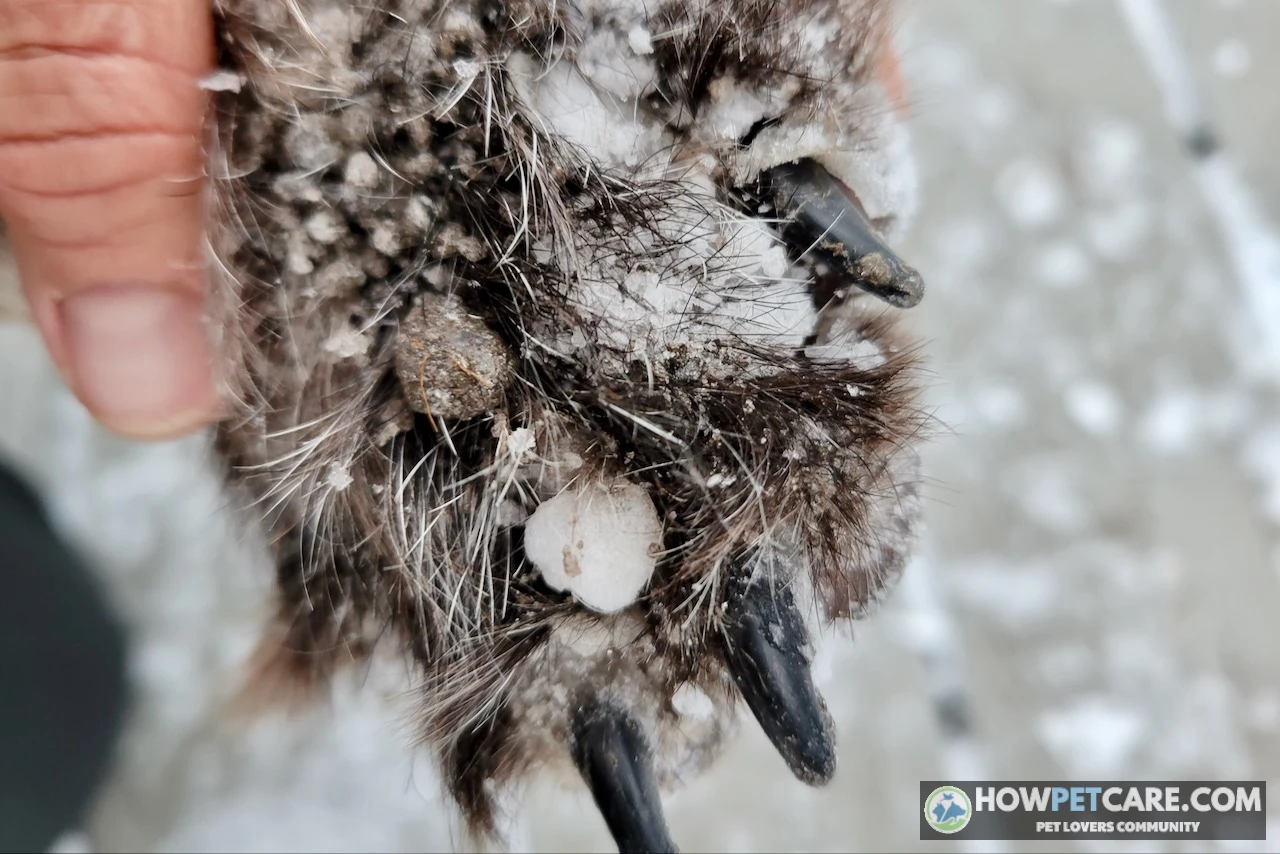

Starting limits for dog paws in snow, then shorten at the first warning sign (paw lifting, slowing, refusing to walk):
- Above ~32°F / 0°C: most healthy dogs need nothing on clean, dry snow; 30–45+ minute walks are fine.
- 20–32°F / -7 to 0°C: average adults ~20–30 minutes; small, short-haired, puppy, or senior dogs ~10–15 minutes with balm or boots.
- Below ~20°F / -7°C: boots for nearly every dog; unprotected outings should be potty-break length only.
- Any temperature on salted sidewalks: boots or a post-walk rinse — salt burns pads and is risky if licked.
- Wet snow, slush, or wind chill: cut every number roughly in half.
Are Dog Paws Okay in Snow? The Short Answer
Most dogs do fine on short walks over clean, dry snow. Trouble starts with prolonged exposure, ice balls, salted or chemically treated surfaces, and sharp ice. The bottom line: healthy adult dogs can handle brief outings around freezing without protection, but the safety window shrinks quickly when the temperature drops, the wind picks up, or sidewalks are salted.
Why dogs’ paw pads handle cold, and where that stops
Dog paw pads are thick, fatty, and richly supplied with blood vessels that act as a counter-current heat exchanger — arterial blood warms the venous return before it circulates back to the body. This system keeps pads functional well below freezing, but it’s not immunity. No dog is immune to frostbite. The mechanism works best in dry cold; wet snow, slush, and standing water conduct heat away from the pads much faster, and chemical de-icers add irritation and toxicity risks that the heat-exchange system can’t offset.
The four paw hazards in winter
Winter brings four main paw hazards:
- Cold and frostbite — prolonged exposure, especially with wind or wet paws, can freeze tissue.
- Snow and ice balls between toes — snow melts from body heat and refreezes on fur, pulling skin and causing pain.
- Road salt and ice melt — crystals wedge between toes, causing chemical burns; licking residue risks gastrointestinal upset or poisoning.
- Cracked or cut pads — dry air, sharp ice crust, and repeated freeze-thaw cycles split the pad surface.
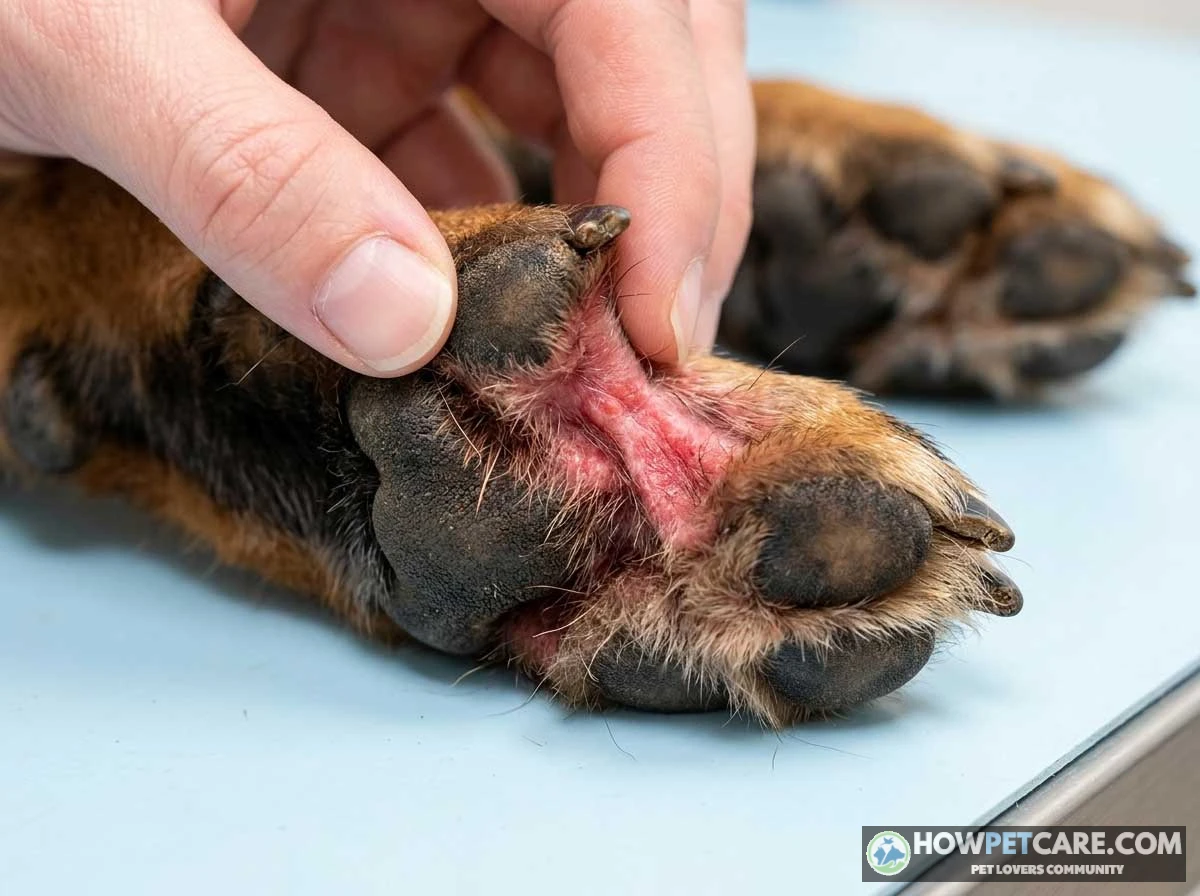
Urban and suburban walkers encounter chemical exposure more often than deep-snow cold injury. The rest of this article covers temperature and time guidelines, a boots-versus-balm decision framework, a pre/during/post-walk routine, and first-aid steps for damaged paws.
How Cold Is Too Cold for Dog Paws? Temperature and Time Guidelines by Dog Type
These are conservative starting guidelines, not universal laws. Individual conditioning, wind, wetness, and surface all shift the numbers, and your dog’s behavior always overrides the chart.
Starting Guidelines for Temperature and Time Outdoors by Dog Type
| Dog type | Mild range (around freezing and above) | Cold range (roughly 20–32°F / -7 to 0°C) | Very cold range (below about 20°F / -7°C) | Notes on wind, wetness and surface |
|---|---|---|---|---|
| Conditioned cold breed (husky, malamute, regularly out in winter) | Normal-length walks, 45–60+ min is fine | 30–45 min, balm optional, check toes at breaks | 15–30 min, watch closely; balm helps prevent ice balls | Wet slush cuts comfort fast; even huskies get ice balls between toes |
| Average healthy adult (lab, collie, mixed breed) | Normal walk, 30–45 min | 20–30 min; balm on salted routes | 10–15 min with boots or balm; keep moving | Standing still in slush halves comfortable time; subtract for wind chill |
| Small or short-haired (chihuahua, dachshund, greyhound, pit mix) | 20–30 min, watch for slowing down | 10–15 min, boots or balm recommended | Potty trips only, roughly 5–10 min, boots strongly advised | Low-slung bellies and thin fur chill pads faster; wet snow is a hard stop |
| Puppy, senior, or health-compromised | 15–20 min easy outings | 5–15 min with protection | Brief potty trips only, boots on, carry back inside if paws lift | Cold tolerance is lowest in this group; err on the short side every time |
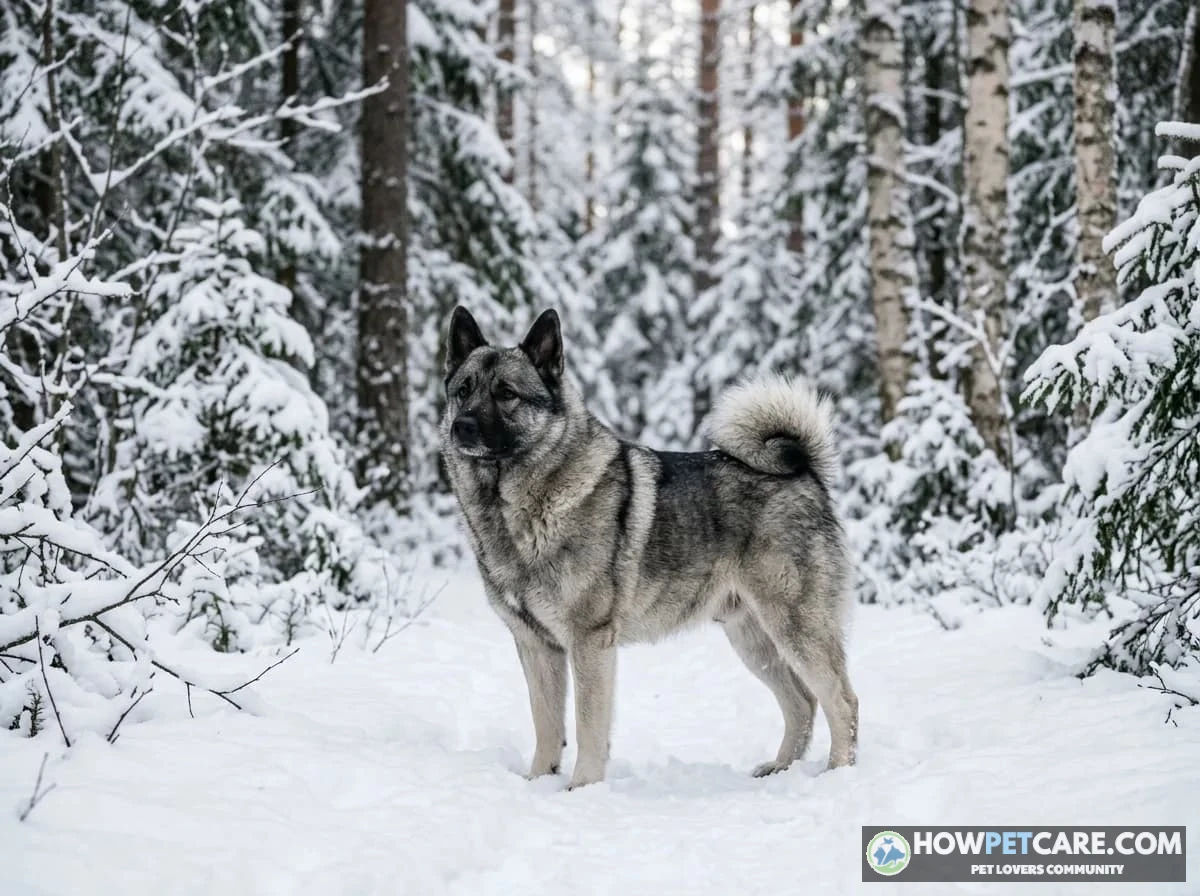
A husky lifting paws at 25°F goes home; a relaxed beagle at 28°F can finish a short loop. Behavior is the ultimate signal.
Max Safe Snow Exposure: Starting Limits by Dog Type and Temperature
Use these as conservative starting points, then shorten them the moment your dog shows warning signs (lifting paws, slowing down, refusing to walk). Wind, wet snow, and salted surfaces all subtract from the numbers — see the notes column.
| Dog type | Mild (around 32°F / 0°C and above) | Cold (roughly 20–32°F / -7 to 0°C) | Very cold (below ~20°F / -7°C) | Notes on wind, wetness, and surface |
|---|---|---|---|---|
| Conditioned cold breed (husky, malamute, regularly out in winter) | Normal-length walks, 45–60+ min is fine | 30–45 min, balm optional, check toes at breaks | 15–30 min, watch closely; balm helps prevent ice balls | Wet slush cuts comfort fast; even huskies get ice balls between toes |
| Average healthy adult (lab, collie, mixed breed) | Normal walk, 30–45 min | 20–30 min; balm on salted routes | 10–15 min with boots or balm; keep moving | Standing still in slush halves comfortable time; subtract for wind chill |
| Small or short-haired (chihuahua, dachshund, greyhound, pit mix) | 20–30 min, watch for slowing down | 10–15 min, boots or balm recommended | Potty trips only, roughly 5–10 min, boots strongly advised | Low-slung bellies and thin fur chill pads faster; wet snow is a hard stop |
| Puppy, senior, or health-compromised | 15–20 min easy outings | 5–15 min with protection | Brief potty trips only, boots on, carry back inside if paws lift | Cold tolerance is lowest in this group; err on the short side every time |
Wind chill, wet snow and slush: when to subtract from the number
Wind strips away the boundary layer of warm air around the pads. Wet snow and slush conduct heat away roughly 25 times faster than air at the same temperature. At 25°F with a 15 mph wind, the effective temperature on exposed pads is closer to 10°F. Standing in melting water or slush cuts comfortable time in half. Adjust the chart downward by one column — for example, treat a "cold" day as "very cold" — when paws are wet or wind chill is significant.
Puppies, seniors, and small short-haired dogs: stricter limits
Puppies have less subcutaneous fat and immature thermoregulation. Seniors often have reduced circulation, arthritis, or conditions that impair sensation. Small, short-haired, or low-slung breeds — Chihuahuas, Dachshunds, Greyhounds, many pit mixes — lose heat through their bellies as well as their paws. For these groups, use the "puppy/senior" row in the chart and subtract further for wet or windy conditions.
Sled dogs and huskies: do cold-adapted breeds need paw protection?
Huskies, Malamutes, and other sled breeds have denser paw pad tissue, more fur between toes, and a more efficient heat exchanger. They tolerate colder temperatures longer — but they’re not immune. Ice balls still form in toe fur, salt still burns, and sharp crust still cuts. On long outings or in wet slush, even conditioned sled dogs benefit from balm to prevent ice-ball buildup and boots on salted routes. The "conditioned cold breed" row assumes a dog that lives in winter conditions regularly; a husky that spends weekdays on a heated couch needs the same ramp-up as any other dog.
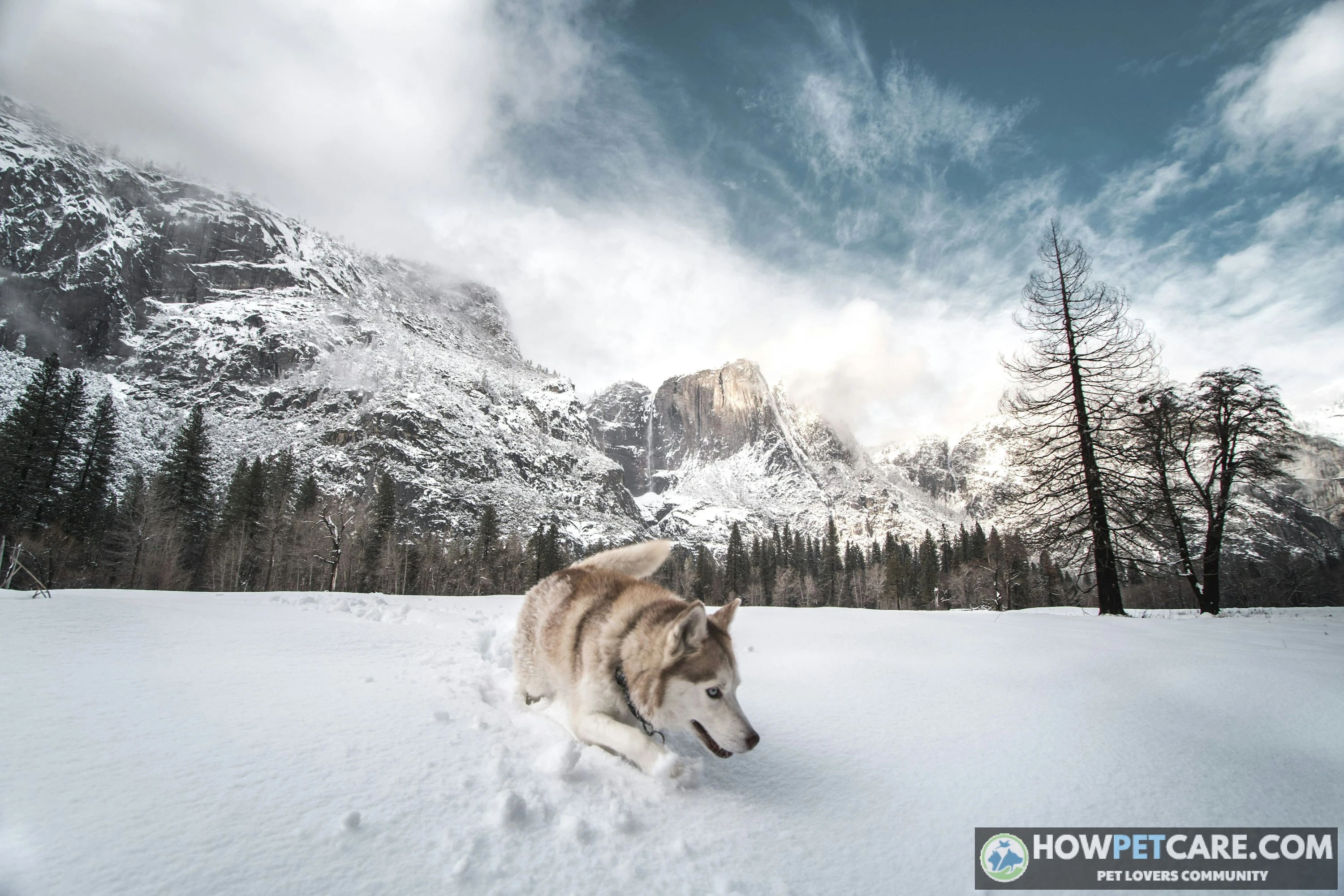
Mid-Walk Warning Signs Your Dog’s Paws Are Too Cold (and What to Do Right Then)
Why does your dog keep lifting its paws in the snow? Common causes include cold pads, ice balls pulling on fur, salt irritation, and cuts from ice crust. Use this checklist to decide whether to keep going or head home.
Mid-walk warning signs
- Lifting or holding up a paw
- Hopping or shifting weight from paw to paw
- Limping
- Slowing down or lagging behind
- Stopping and refusing to walk
- Licking or chewing paws
- Whining or anxious vocalization
- Shivering (whole body, not just paws)
- Tucked posture, tail down
Match each sign to an action
- Alternating paw lifts — Stop, spread the toes, melt clumps with bare hands or lukewarm water — never pull — warm the paw in your hands, and head home if it recurs.
- Refusal to walk or limping — Go home now.
- Persistent licking — Rinse for salt at home; if the dog licked a lot of residue, call a vet.
- Shivering or tucked posture — Whole-body cold; end the walk and warm the dog gradually.
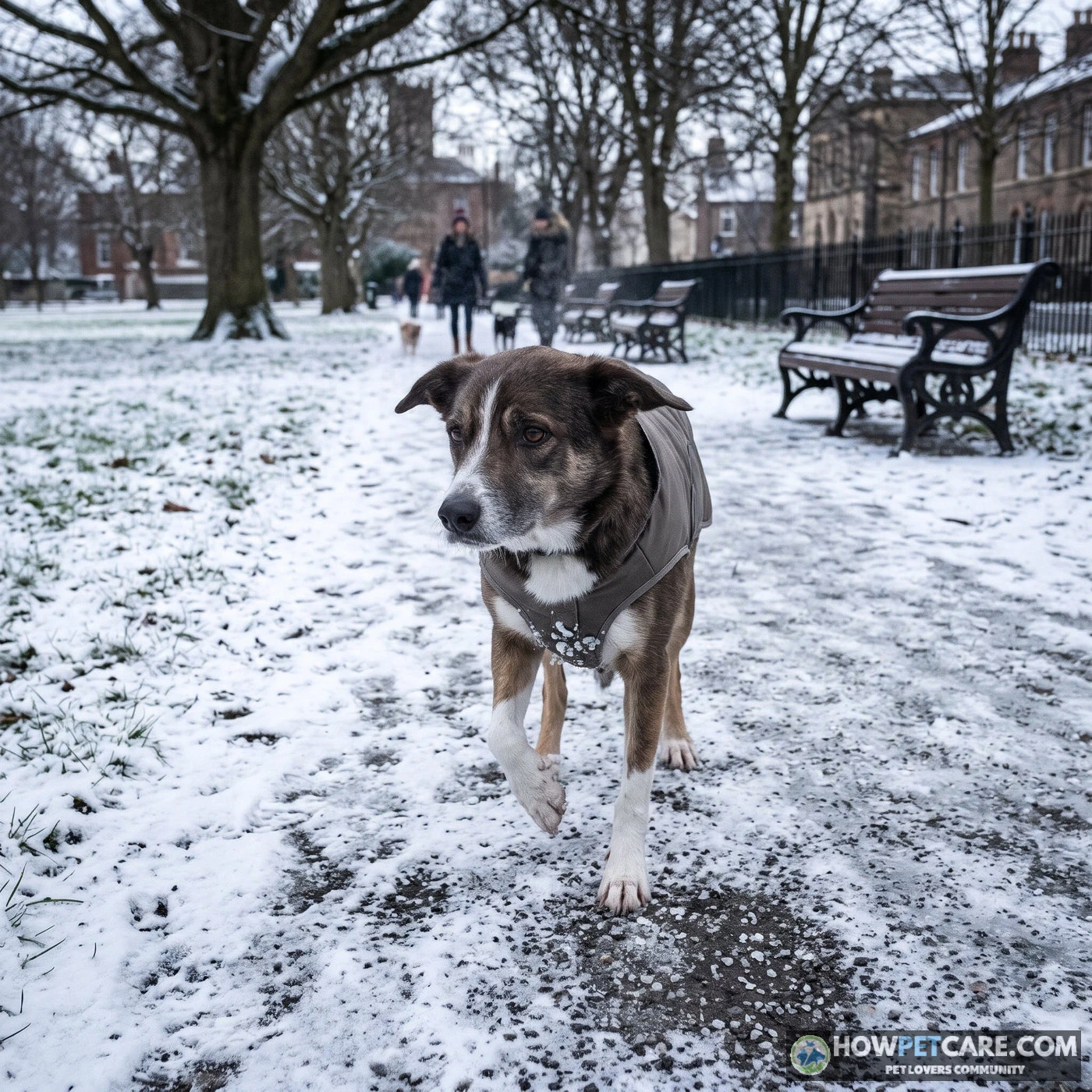
Quick on-the-spot check: spread the toes and look for ice clumps, redness, cracks, blood, and pale or grayish skin. Distinguish ordinary discomfort from signs that need a vet (see the first-aid section).
Dog Boots vs. Paw Balm vs. Petroleum Jelly vs. Nothing: How to Choose
Choose based on temperature band, surface (salted city sidewalk vs. clean trail), dog type, walk length, and how well your dog tolerates boots.
Boots vs. Paw Balm vs. Petroleum Jelly vs. Nothing
| Option | Typical cost | Durability | Protects against | Falls short on | Best use case |
|---|---|---|---|---|---|
| Dog boots | $30–$80 per set | One season or more with care | Salt, ice melt, sharp ice, cold, ice balls | Require fitting and training; some dogs refuse | Salted sidewalks, sub-20°F, long walks, dogs that accept them |
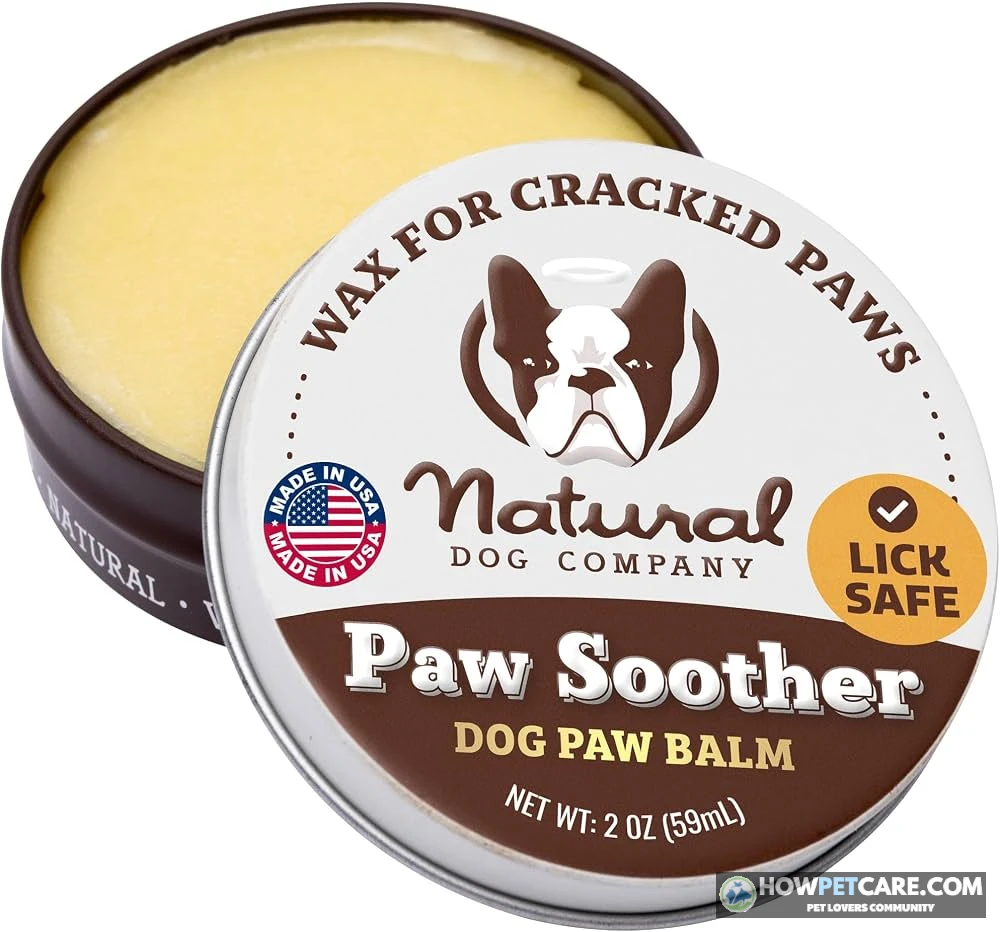
| Commercial paw balm/wax | $10–$25 per tin | Wears off in 20–40 min on wet snow | Ice-ball buildup, dryness, mild salt barrier | Wears off fast, gets licked, less barrier against deep cold | Clean trails, 20–32°F, dogs that won’t wear boots |
| Petroleum jelly (plain) | $3–$5 per jar | Wears off in 10–20 min on wet snow | Light moisture barrier, some ice-ball reduction | Greasy, minimal salt protection, wears off very fast | Budget stopgap for mild days, very short outings |
| Nothing | $0 | N/A | Only the dog’s natural tolerance | No added protection | Healthy adult dogs, short walks, clean dry snow, ~32°F and above |
Boots, Balm, or Bare: A 3-Question Decision Tree
Answer these three questions before you clip on the leash.
Question 1 — What’s on the ground?
- ☐ Heavily salted sidewalk, parking lot, or street → Boots. If your dog refuses boots, use a generous balm layer, keep the walk under 15 minutes, and rinse paws the moment you’re home.
- ☐ Clean snow, groomed trail, or unsalted yard → go to Question 2.
- ☐ Crusty, sharp, or refrozen ice (the kind that crunches and can cut) → Boots regardless of temperature.
Question 2 — What’s the temperature? (skip if you answered boots above)
- ☐ Above ~32°F / 0°C → Bare paws are fine for most healthy dogs. Add balm only if your dog tends to collect ice balls between the toes.
- ☐ Roughly 20–32°F / -7 to 0°C → Balm for most dogs. Move up to boots for small, short-haired, senior, or puppy dogs, or any walk longer than about 20 minutes.
- ☐ Below ~20°F / -7°C → Boots for nearly every dog. Going without protection here means potty-break-length outings only.
Question 3 — Does your dog actually tolerate boots?
- ☐ Yes → use them whenever Questions 1–2 point to boots.
- ☐ No / still in training → balm or petroleum jelly + the shortest reasonable route + a rinse afterward. Start the indoor boot-training plan so this answer changes before the next cold snap.
Budget version: balm or plain petroleum jelly handles mild days; reserve boots for salted routes and sub-20°F cold.
Quick decision guide: boots, balm, or nothing today
If the walk is on salted pavement, boots are the only reliable barrier. On clean snow above freezing, most healthy adults need nothing. Between 20–32°F, balm is the sweet spot for average dogs; small, short-haired, senior, or puppy dogs should step up to boots. Below 20°F, boots for nearly everyone. If your dog refuses boots after genuine training effort, balm plus a shorter route is an acceptable fallback — not a failure.
Is petroleum jelly enough, and when does it fall short?
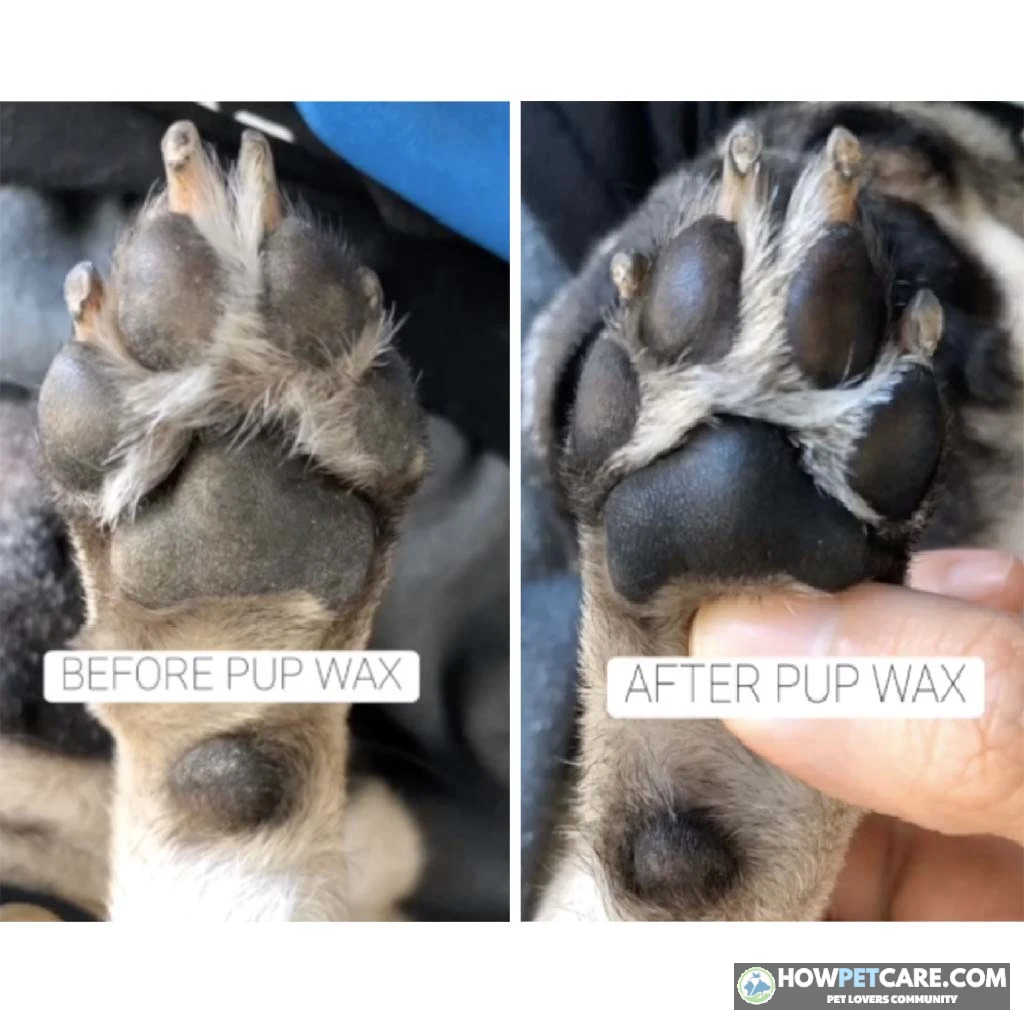
Plain petroleum jelly is a cheap, workable stopgap for light conditions, but it wears off fast, feels greasy, and does less against salt and ice-ball buildup than wax. It provides a thin occlusive layer that slows moisture loss, but it lacks the humectants and anti-ice-ball formulation of commercial paw waxes. Use it for a 10-minute potty break on a dry, cold morning; don’t rely on it for a 30-minute walk on salted sidewalks or wet slush.
How much balm to apply and when to reapply
Apply a thin layer on pads and between toes, rubbing it in rather than caking it on. Reapply before each walk, and on long outings reapply at breaks because it wears off with distance and wet snow. Discourage heavy licking — a quick distraction (treat, toy) right after application helps. For a 45-minute walk in wet snow, plan to reapply at the 20-minute mark.
How to Protect Dog Paws in Snow and Ice: A Before, During, and After Walk Routine
Before the walk
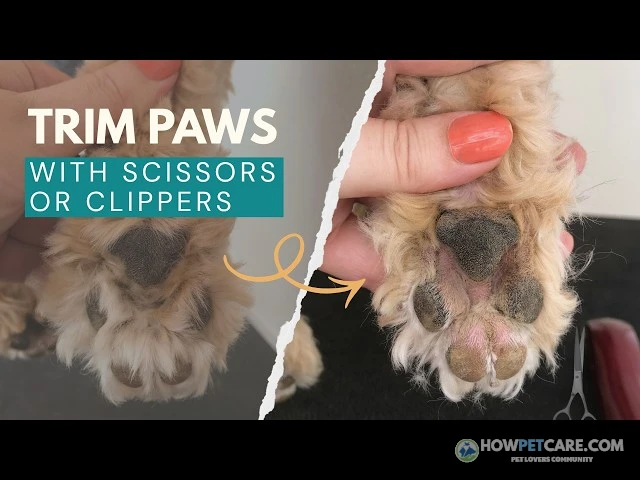
- Trim the fur between toes and around pads — keep it short, not shaved bare.
- Trim nails so they don’t push the toes apart and trap more snow.
- Apply balm or wax (thin layer, rubbed in).
- Put on boots if chosen (see fitting and training section).
- Check the forecast, surface salting, and wind; set your time limit from the chart.
During the walk
- Favor unsalted, packed, or cleared routes.
- Avoid slush puddles and crusty ice.
- Take short breaks to check toes — carry a small towel.
- Stick to your time limits; turn around at the halfway point of your allowed minutes.
Why dogs get snowballs between their paws, and how to remove them
Snow melts from body heat and refreezes on fur and in the gaps between toes. Longer toe fur, wet snow, and temperatures near freezing make it worse. To remove ice balls, stop and let the dog stand, melt the clumps with your hands or lukewarm water, and don’t pull or chip ice off with force. Afterward, check between the pads and toes for fur tangles, redness, and cuts. Prevention: trimming, balm or wax (a technique mushers use), and boots.
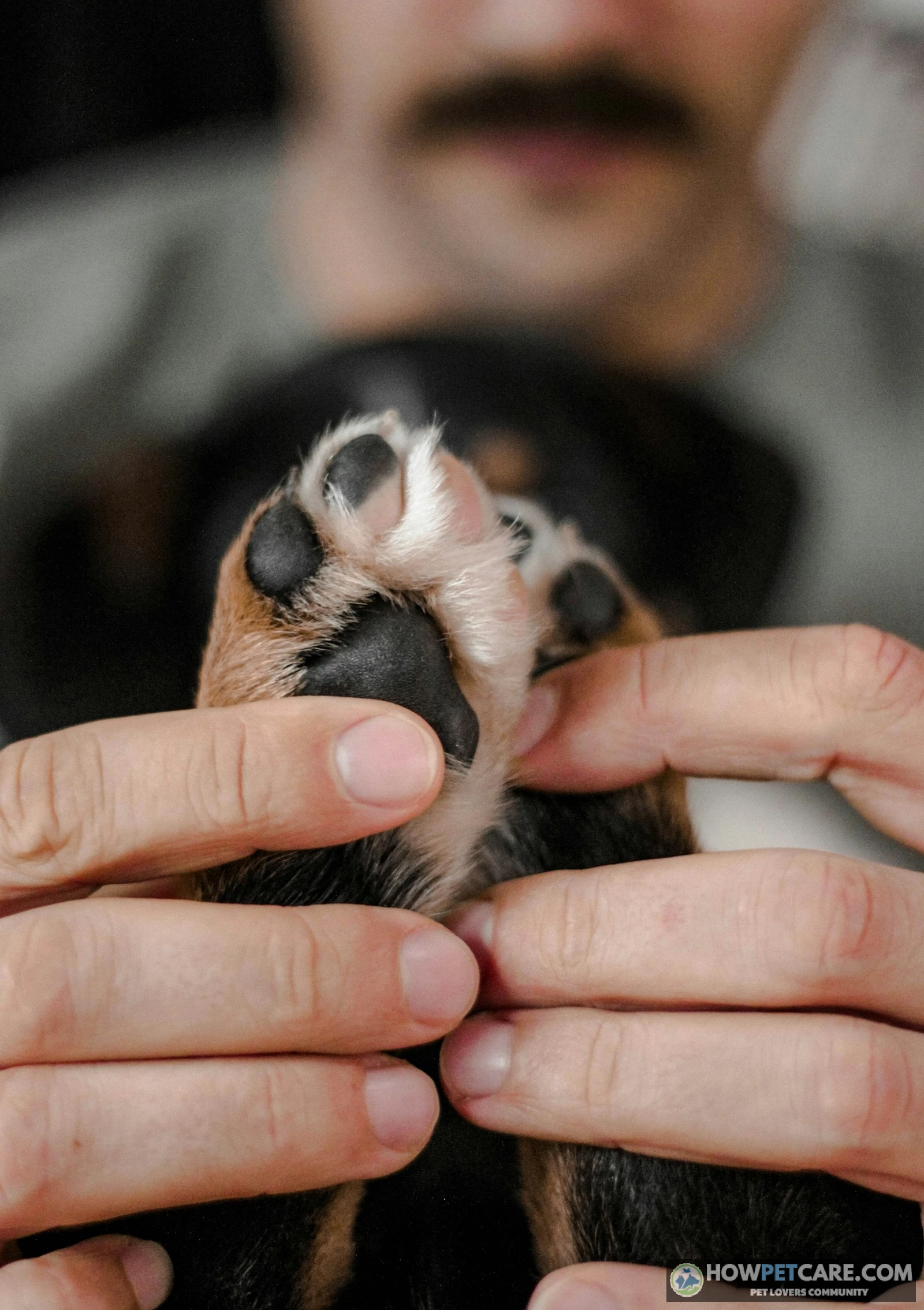
After the walk: how to clean dog paws after walking in snow
- Wipe or rinse paws with lukewarm water.
- Dry thoroughly between toes.
- Check pads for cracks, redness, and cuts.
- Reapply a light moisturizing balm.
- Let the dog warm up away from direct heaters.
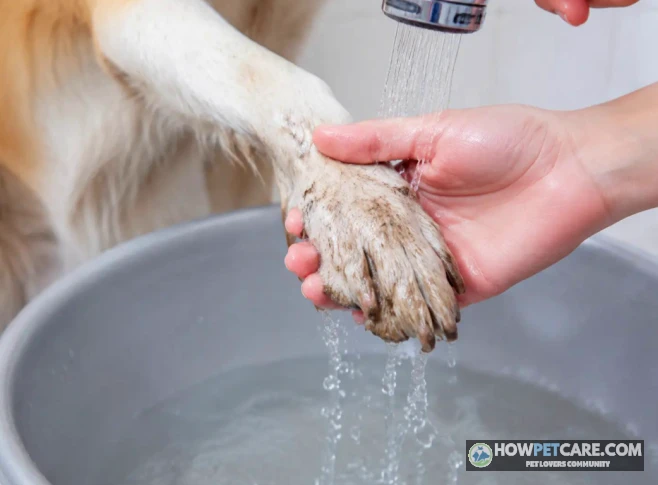
Winter grooming habits that keep pads in shape through the season: weekly trim of toe fur, nail trims every 2–3 weeks, and a light balm application on non-walk days for dogs prone to dryness.
Road Salt, Ice Melt, and Pet-Safe Deicer: What Burns Paws and What’s Dangerous if Licked
Salted sidewalks cause irritation and chemical burns; licking paws afterward adds a poisoning and stomach-upset risk. Antifreeze (ethylene glycol) is highly toxic even in small amounts — keep dogs away from puddles near cars and garages.
De-Icer Decoder: Common Ingredients and Risks to Dogs
| Ingredient | Common products | Paw irritation or burn risk | Risk if licked or eaten | Notes |
|---|---|---|---|---|
| Sodium chloride (rock salt) | Cheapest bagged salt, most municipal road treatment | Moderate–high; crystals wedge between toes and burn | Stomach upset, drooling; large amounts are dangerous | The #1 urban paw irritant; assume any treated public sidewalk has it |
| Calcium chloride | ‘Fast-acting’ and ‘works below zero’ melts | High; generates heat as it dissolves — can genuinely burn wet paws | Vomiting, mouth irritation | Harshest common option on bare pads |
| Magnesium chloride | Many ‘safer’ blended melts | Moderate | Stomach upset in quantity | Milder than calcium chloride but still irritating on long walks |
| Potassium chloride | Some ‘pet-friendlier’ blends | Moderate | Upset stomach; risky for dogs with kidney or heart issues | Check labels — it’s often mixed with harsher salts |
| Urea-based | Some pet-marketed melts | Low–moderate | GI upset; less caustic than salts | Doesn’t melt well in deep cold anyway |
| Calcium magnesium acetate (CMA) / acetate-based | Premium pet-safe and airport-grade products | Low | Low; mild stomach upset | Best realistic pick for your own driveway — costs more |
| Ethylene glycol (antifreeze — not a sidewalk de-icer) | Car coolant puddles near garages and driveways | — | Highly toxic even in a few licks | Different hazard entirely: keep dogs away from any sweet-smelling puddle near cars |
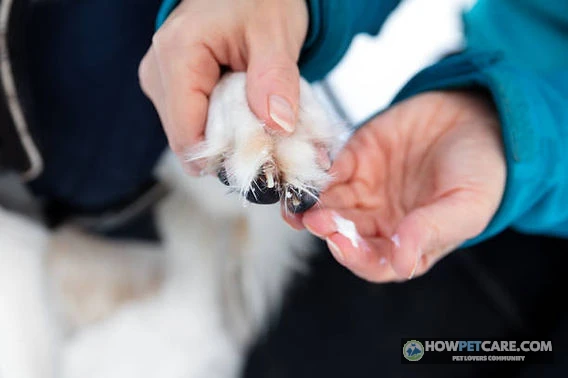
De-Icer Ingredient Decoder: What’s Under Your Dog’s Feet
Don’t shop by the ‘pet-safe’ label — shop by the ingredient list. Most conventional ice melts share a handful of active chemicals:
| Ingredient | Common products | Paw irritation | If licked or eaten | Notes |
|---|---|---|---|---|
| Sodium chloride (rock salt) | Cheapest bagged salt, most municipal road treatment | Moderate–high; crystals wedge between toes and burn | Stomach upset, drooling; large amounts are dangerous | The #1 urban paw irritant; assume any treated public sidewalk has it |
| Calcium chloride | ‘Fast-acting’ and ‘works below zero’ melts | High; generates heat as it dissolves — can genuinely burn wet paws | Vomiting, mouth irritation | Harshest common option on bare pads |
| Magnesium chloride | Many ‘safer’ blended melts | Moderate | Stomach upset in quantity | Milder than calcium chloride but still irritating on long walks |
| Potassium chloride | Some ‘pet-friendlier’ blends | Moderate | Upset stomach; risky for dogs with kidney or heart issues | Check labels — it’s often mixed with harsher salts |
| Urea-based | Some pet-marketed melts | Low–moderate | GI upset; less caustic than salts | Doesn’t melt well in deep cold anyway |
| Calcium magnesium acetate (CMA) / acetate-based | Premium pet-safe and airport-grade products | Low | Low; mild stomach upset | Best realistic pick for your own driveway — costs more |
| Ethylene glycol (antifreeze — not a sidewalk de-icer) | Car coolant puddles near garages and driveways | — | Highly toxic even in a few licks | Different hazard entirely: keep dogs away from any sweet-smelling puddle near cars |
For your own property, use sand or traction grit for grip, apply a pet-friendlier de-icer sparingly, and sweep up leftover granules so the dog doesn’t track or eat them. On public pavement you can’t control, boots or a post-walk rinse are the only reliable defenses.
Choosing a safer product for your driveway
Look for acetate-based (CMA) or urea-based products with no added chlorides. Apply the minimum effective amount — more doesn’t melt faster, it just creates more residue. Sweep up excess after the ice is gone. Sand or poultry grit provides traction without chemicals; combine a light de-icer application with grit for the best balance.
Some products labeled pet-safe still contain magnesium chloride or potassium chloride, which can irritate paws and upset stomachs if ingested. Always read the ingredient list.
How to Measure Your Dog for Boots and Train Them to Wear Them
Measure Paws on Paper + the 5-Day Boot Acclimation Plan
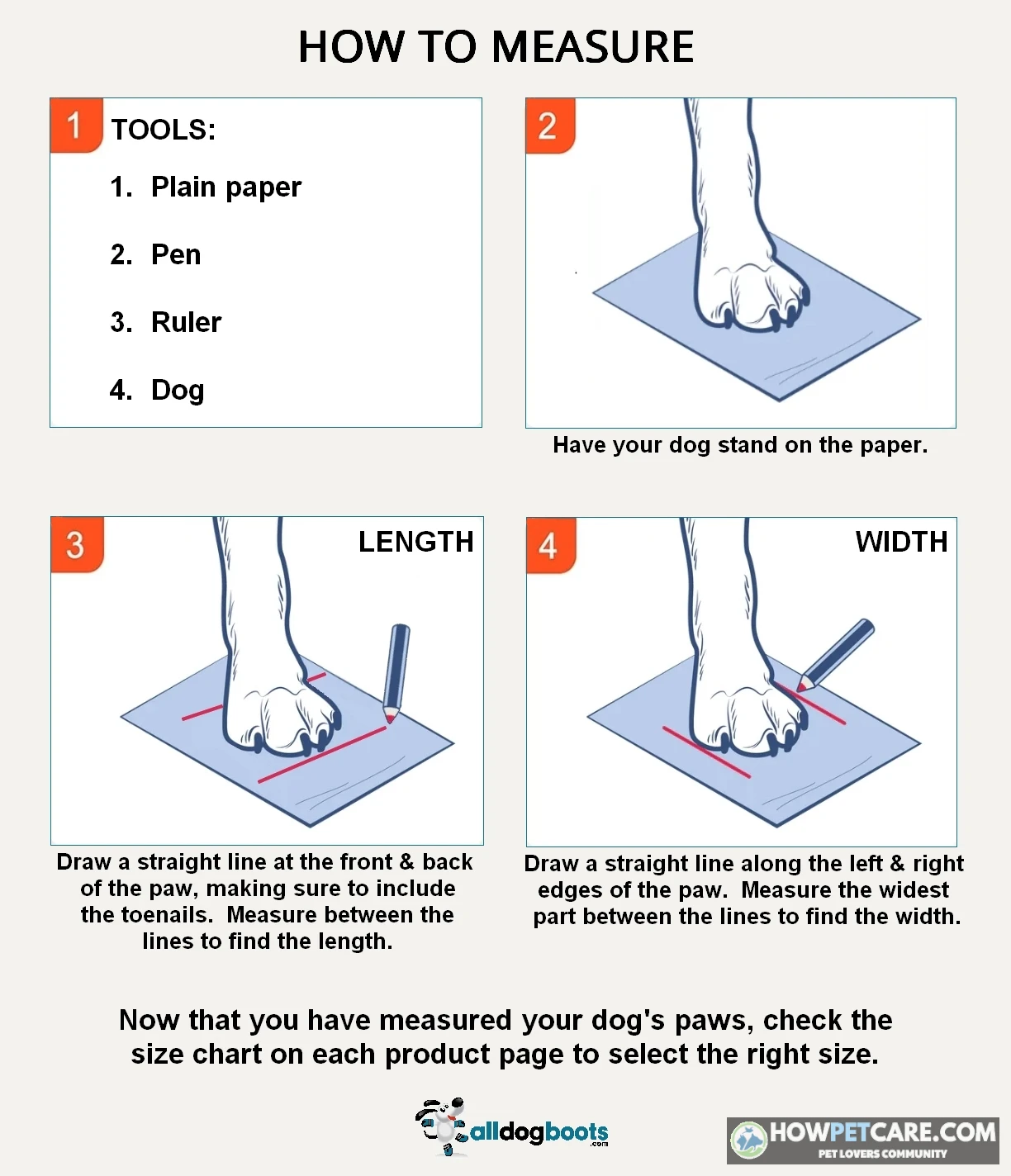
Measuring (10 minutes, one piece of paper):
- Put a sheet of paper on a hard floor — carpet compresses and skews the measurement.
- Stand the dog on it with full weight on the paw you’re measuring. A lifted or curled paw reads too small.
- Lift the opposite front paw slightly so more weight shifts onto the measured paw, then mark the two widest points of the print and the tip of the longest toenail to the back of the pad.
- Measure width across the marks and length nail-to-pad in inches or centimeters.
- Repeat on a rear paw — rear paws are often narrower and may need a different size.
- Compare to the brand’s chart (sizing varies wildly between makers). Between sizes: pick snug over loose — a slipping boot causes rubbing and flies off — and check that the closure sits above the dewclaw without pinching it.
Fit check before first use: toes flat, not curled; no gap at the top strap; boot stays on through 10 indoor steps.
5-day acclimation plan:
- Day 1: Boots on the floor, treats scattered around them. Let the dog sniff. No wearing yet.
- Day 2: One boot, front paw, 10–20 seconds. Treat, remove, repeat 3–4 times.
- Day 3: Two front boots, a few minutes indoors. Expect the ‘high-stepping funny walk’ — it’s normal and fades. Reward calm walking.
- Day 4: All four boots indoors, short hallway walks, play or dinner in boots so they predict good things.
- Day 5: One short outdoor walk (5–10 minutes), then check paws for rub spots.
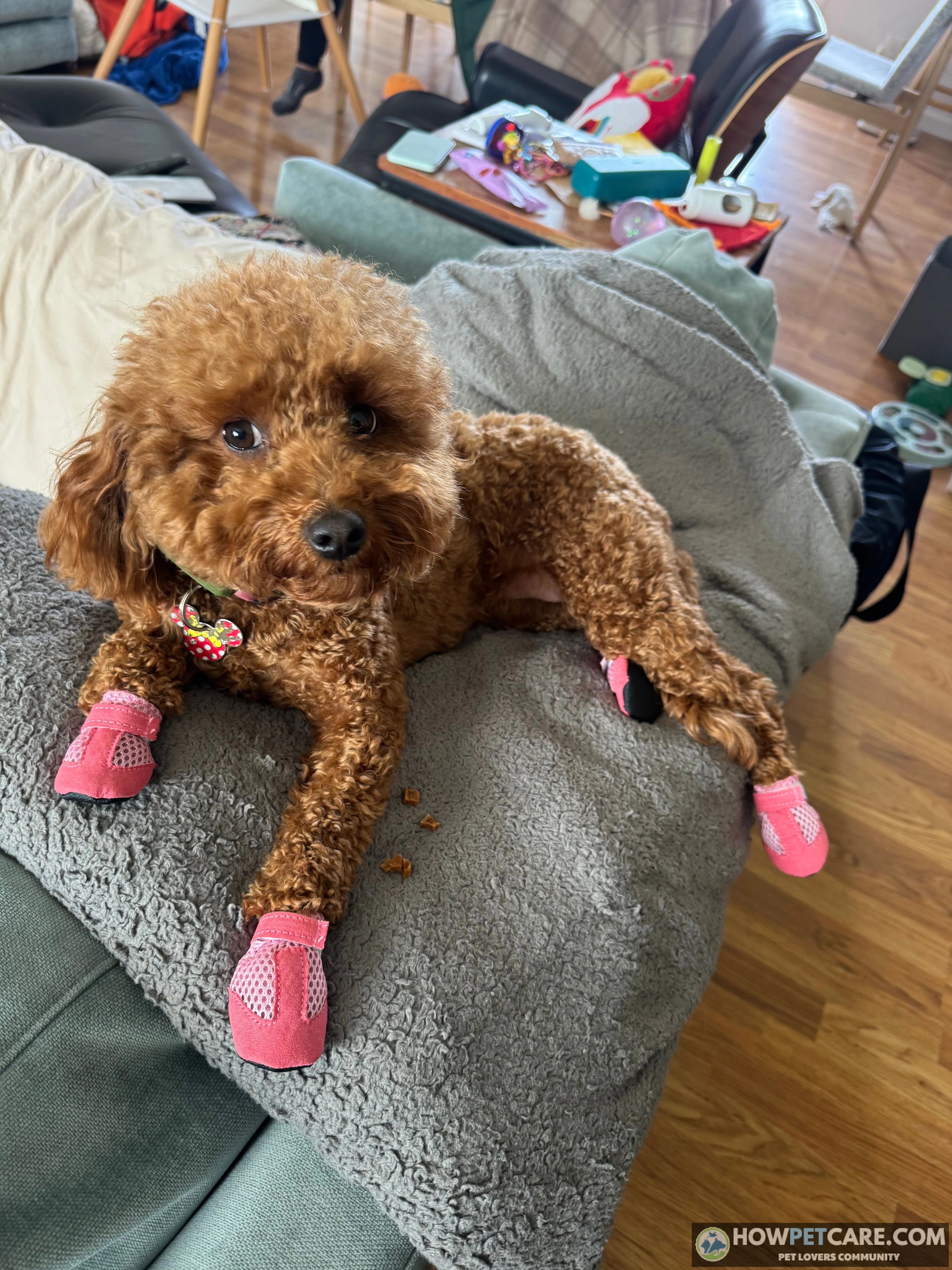
Stop and back up a day if the dog freezes, panics, or chews at the boots. If your dog flatly refuses after a week of patient sessions, balm is a legitimate fallback — not a failure.
Step-by-step measuring
Follow the measuring steps above. The key points: weight-bearing paw, hard floor, measure both front and rear, compare to the specific brand chart, and choose snug over loose.
Boot training in short sessions
The 5-day plan breaks training into micro-sessions that keep the dog under threshold. If the dog shows stress — panting, tucked tail, freezing — end the session and go back a step. Consistency beats intensity: five minutes a day for a week works better than one hour on Saturday.
First Aid for Cracked, Bleeding, Frostbitten, or Chemically Burned Dog Paws
This is first aid until a vet can see the dog, not a replacement for veterinary care.
Paw Symptom → Immediate Response → Vet Threshold
First aid buys time until a vet can see the dog — it doesn’t replace veterinary care.
| What you see | Likely cause | Do right now | Call or see a vet when |
|---|---|---|---|
| Alternating paw-lifting, hopping mid-walk | Cold pads or ice ball between toes | Stop, spread toes, melt clumps with bare hands or lukewarm water (never pull), warm paw in your hands, head home if it recurs | Limping continues after ice is removed and paws are warm |
| Pale, gray, or bluish pads; paws cold and hard | Frostbite | Move indoors, warm gradually with lukewarm water or warm towels; never rub, never use heating pads or hot water | Always — frostbite damage can keep appearing for days |
| Bleeding pad or visible cut | Ice crust or sharp edge | Rinse with lukewarm water, gentle pressure with clean gauze, light bandage | Bleeding doesn’t slow after several minutes of pressure, cut is deep/gaping, or something is embedded |
| Red, raw pads; licking and limping after a salted walk | Salt / chemical burn | Flush paws with lukewarm water for several minutes, wipe between toes, block licking (sock or e-collar) | Skin looks raw or blistered, or the dog licked a lot of residue |
| Paw licking plus vomiting, drooling, or lethargy after a treated-surface walk | Ingested ice melt or antifreeze | Rinse paws, prevent further licking | Immediately — call a vet or animal poison control; antifreeze is an emergency even in tiny amounts |
| Dry, cracked, flaky pads (no bleeding) | Cold, dry air, repeated exposure | Rinse, dry, apply dog-safe balm, keep off salt, use boots or socks outdoors | Swelling, discharge, odor, or a worsening limp — signs of infection |
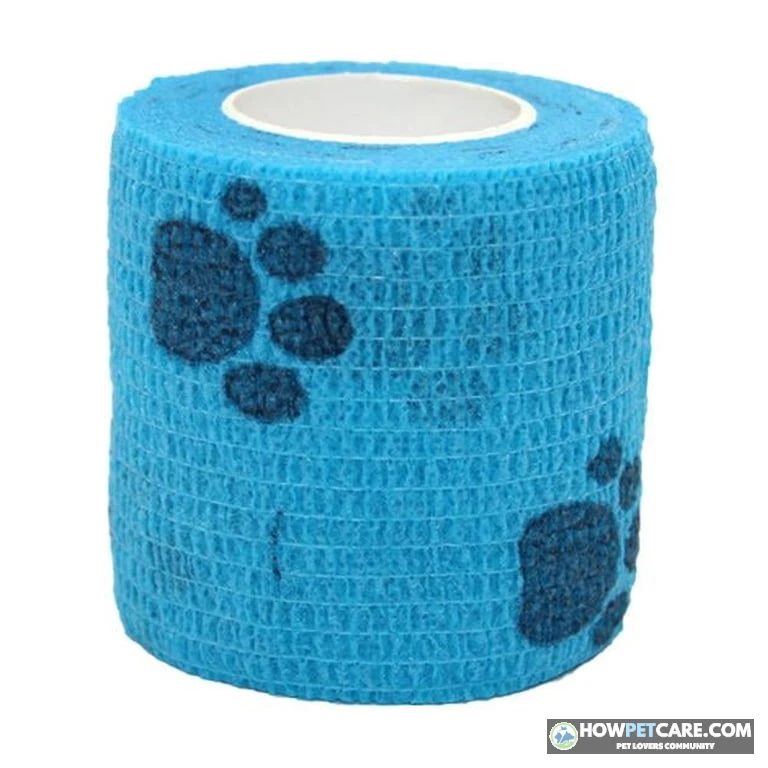
Never do: human painkillers (ibuprofen, acetaminophen are toxic to dogs), hydrogen peroxide or alcohol on raw skin, tight bandages.
Cracked or dry paw pads
Rinse and dry gently, apply dog-safe balm, keep the dog off salt and ice, use boots or socks to protect pads, and monitor for infection (swelling, discharge, odor, worsening limp).
Bleeding or cut paws
Rinse with lukewarm water, apply gentle pressure with clean gauze, and bandage lightly. Call a vet if bleeding does not slow after several minutes of pressure, the cut is deep or gaping, or something is embedded.
Frostbite on dog paws
Signs include pale, gray, blue, or very red skin; cold, hard, or painful paws; later blisters or blackened tissue. Move indoors, warm gradually with lukewarm (not hot) water or warm towels, never rub or massage, avoid heating pads and direct heat, and don’t re-expose to cold. Get veterinary care promptly — damage can appear days later.
Salt or chemical burns
Redness, licking, limping, raw skin after a salted walk. Flush paws with lukewarm water for several minutes, wipe between toes, stop the dog from licking (e-collar or sock), and call the vet. If the dog has licked a significant amount or shows vomiting, drooling, or lethargy, call a vet or poison control right away.
Your Winter Paw Plan: A Quick Checklist by Temperature and Dog Type
Daily checklist
- Check temperature, wind, and surface (salted? icy? clean snow?).
- Pick protection: nothing, balm, or boots (use the decision tree).
- Set a time limit for your dog type from the chart.
- Prep paws: trim fur, apply balm, boots if chosen.
- Walk: watch for warning signs (lifting, hopping, slowing, refusing, licking).
- After: rinse/wipe, dry between toes, inspect, reapply light balm.
Example plans
- Small short-haired city dog (e.g., Chihuahua, 15 lb): 25°F, salted sidewalks → boots, 10-minute limit, rinse immediately.
- Conditioned husky on trails: 15°F, clean snow → balm, 30-minute limit, check for ice balls at 15 minutes.
- Senior Lab on icy sidewalk: 28°F, salted → boots, 15-minute limit, rinse and check for cuts.
- Puppy (4 months, mixed breed): 30°F, unsalted yard → balm, 10-minute potty break, wipe paws.
Season stock-up list
- Towel (dedicated paw towel by the door)
- Paw balm or wax (one tin per month of winter)
- Boots if your dog’s plan calls for them
- Pet-friendlier de-icer for your property (CMA or urea-based)
- Paw-safe wipes for quick cleanups
- Small first-aid kit: gauze, non-stick pads, vet and poison-control numbers
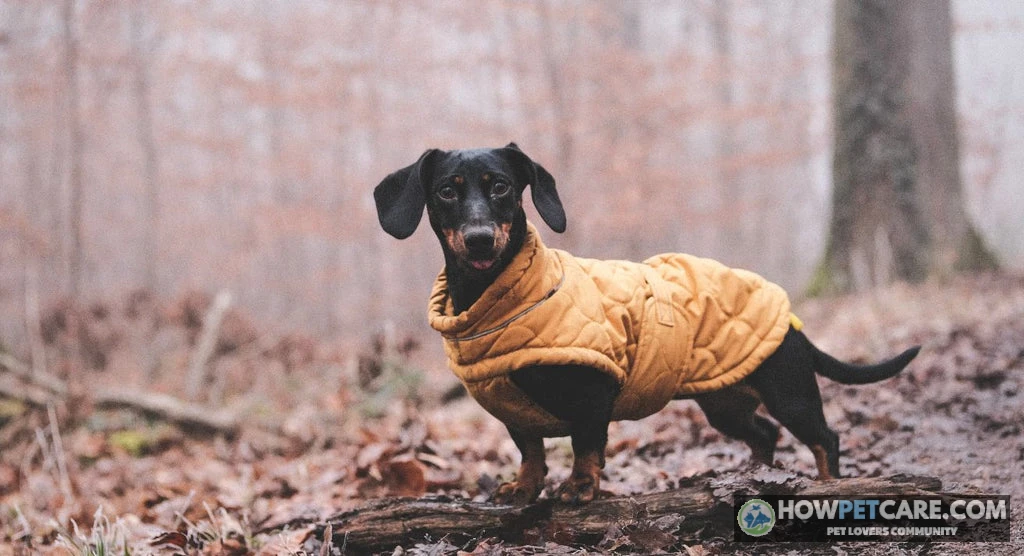
Reminder: When behavior and the numbers disagree, trust behavior and head home. A dog that lifts paws, hops, or refuses to walk is telling you the conditions have exceeded its tolerance — no chart overrides that signal.
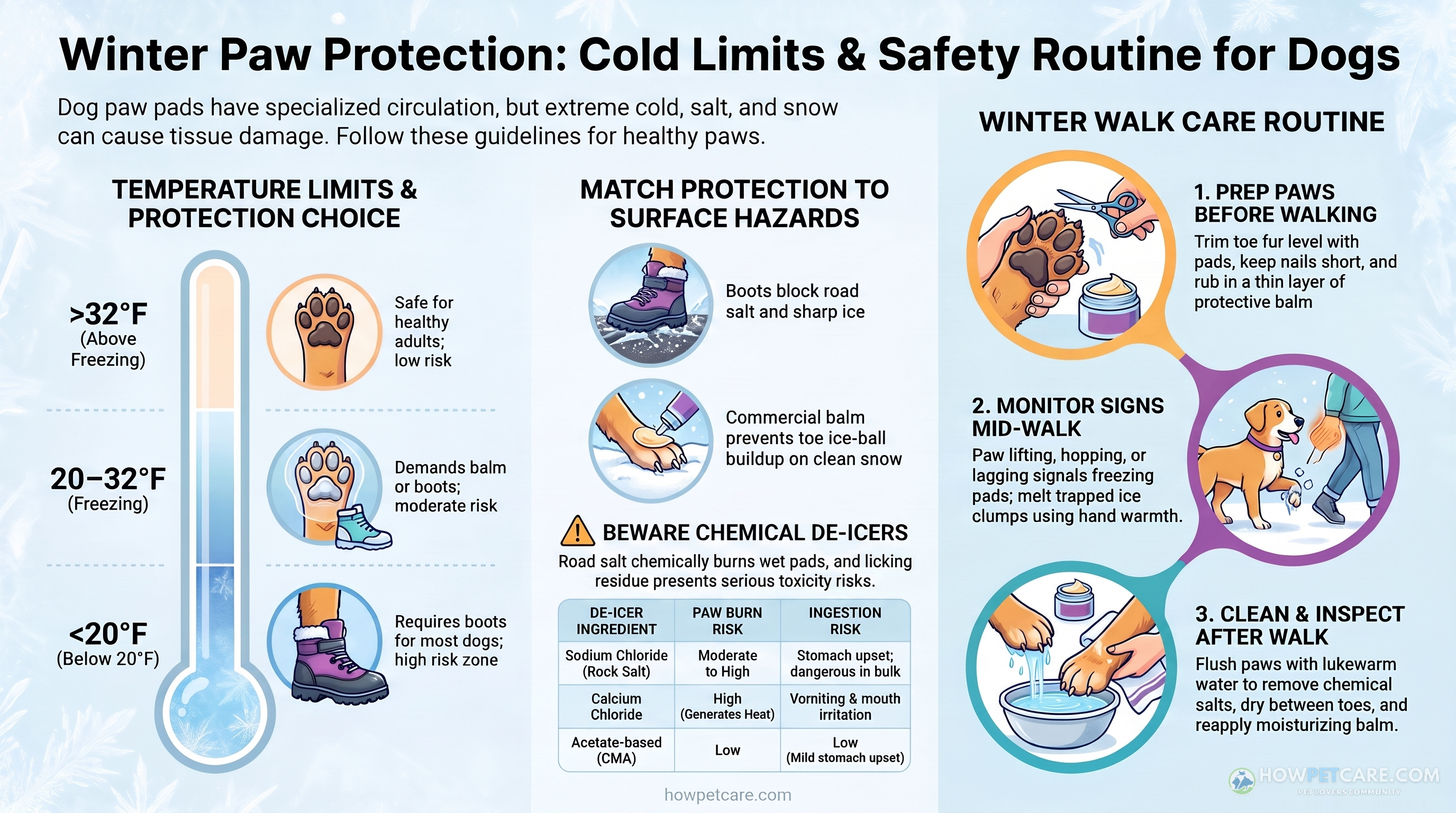
Dog Type Mild Range Time Limit Cold Range Time Limit Very Cold Range Time Limit Environmental & Surface Notes Conditioned cold breed (husky, malamute, regularly out in winter) Normal-length walks, 45–60+ min is fine 30–45 min, balm optional, check toes at breaks 15–30 min, watch closely; balm helps prevent ice balls Wet slush cuts comfort fast; even huskies get ice balls between toes Average healthy adult (lab, collie, mixed breed) Normal walk, 30–45 min 20–30 min; balm on salted routes 10–15 min with boots or balm; keep moving Standing still in slush halves comfortable time; subtract for wind chill Small or short-haired (chihuahua, dachshund, greyhound, pit mix) 20–30 min, watch for slowing down 10–15 min, boots or balm recommended Potty trips only, roughly 5–10 min, boots strongly advised Low-slung bellies and thin fur chill pads faster; wet snow is a hard stop Puppy, senior, or health-compromised 15–20 min easy outings 5–15 min with protection Brief potty trips only, boots on, carry back inside if paws lift Cold tolerance is lowest in this group; err on the short side every time
1An owner notices that their dog's paw pads chill much faster on a 30°F (-1°C) day with wet slush than on a 20°F (-7°C) day with dry snow. What physical principle explains this difference in heat loss?
Water and slush have high thermal conductivity, rapidly stripping heat from pads and overpowering the circulatory counter-current heat-exchange system.
2Which of the following chemical substances found on winter walkways present a high risk of generating exothermic chemical burns or causing severe toxicity if licked off by a dog?
This melt agent generates heat as it dissolves, making it especially hazardous on wet pads where it causes direct exothermic chemical burns.
3What is the correct protocol for measuring a dog's paws to select properly fitting winter boots?
Full weight-bearing spreads the paw to its true functional size, and rear paws are frequently narrower than front paws, requiring separate sizing.
4An owner plans to walk an average healthy adult dog when the ambient air temperature is 25°F (-4°C), but a 15 mph wind creates a significant wind chill. How should the owner adjust the walk duration?
Strong wind chill strips away the boundary layer of warm air around pads, requiring the outing duration to be adjusted downward by one temperature band.
5Why is plain petroleum jelly considered a temporary stopgap rather than a robust solution for standard winter walks on salted city streets?
Plain petroleum jelly creates a thin occlusive barrier that degrades rapidly on wet snow and lacks the wax matrix required to block sharp chemical de-icers.
6Which of the following mid-walk behaviors serve as immediate warning signs that a dog's paws or body are uncomfortably cold and require stopping or heading home?
Paw lifting indicates acute pad pain or discomfort caused by freezing ground, ice balls pulling toe fur, or salt irritation.
7What is the recommended grooming technique for managing fur between a dog's toe pads during the winter season?
Keeping toe fur flush with pad surfaces reduces snow accumulation and ice-ball formation while maintaining a protective barrier over the skin.
8On Day 3 of the 5-day boot acclimation plan, a dog wears two front boots indoors and walks with an exaggerated, high-stepping gait. How should the owner manage this behavior?
High-stepping is a standard sensory adjustment gait as dogs process weight on their feet, and positive reinforcement helps them transition to a normal stride.
FAQ
Can I use coconut oil or human lotion on my dog’s paws?
Plain coconut oil in a thin layer is generally considered safe and can moisturize dry pads, though it offers little protection against ice or salt. Skip human lotions with fragrance, essential oils, or active ingredients, since dogs lick their paws.
Should I trim the fur between my dog’s toes in winter?
Yes, keeping toe fur trimmed short reduces the clumps where snow and ice stick. Trim it level with the pads rather than shaving the skin bare, and ask a groomer if you’re unsure.
Can dogs walk on ice safely?
Short walks on thin ice patches are manageable for most dogs, but slick surfaces cause slips, strained joints, and cuts from sharp crust. Senior and arthritic dogs do best with traction boots or by avoiding icy stretches.
Is it okay if my dog eats snow while on a walk?
A little clean snow is usually harmless. Avoid letting dogs eat snow near roads, driveways, or salted areas, because it can contain deicer, antifreeze, or other chemicals.
How often should I wash my dog’s paws in winter?
Rinse or wipe the paws after every walk on treated or salted surfaces, because residue can burn the skin and be licked off. After walks on clean snow, a quick wipe and dry between the toes is usually enough.