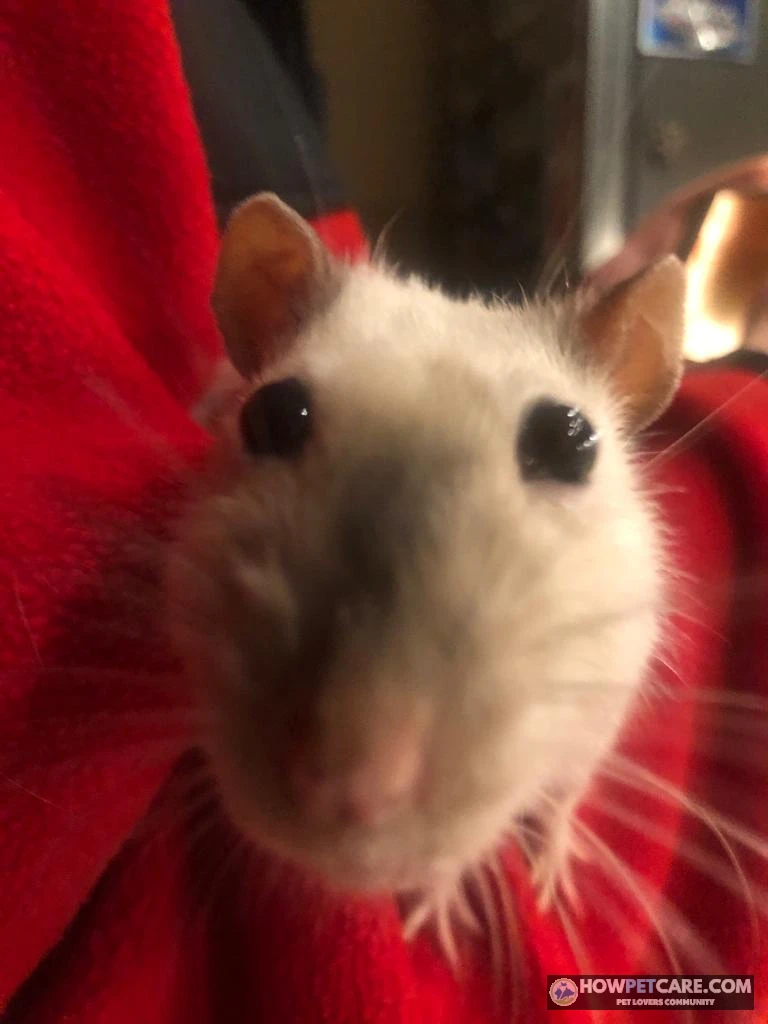

Rat boggling is a rhythmic in-and-out pulsing of the eyes during bruxing. It often signals comfort in a relaxed rat, but a fixed bulge, one-sided movement, injury, breathing trouble, appetite loss, or other illness signs mean you should call a vet.
Rat boggling is the rapid, rhythmic in-and-out pulsing of a rat’s eyes, usually occurring during bruxing—the soft grinding of their teeth. It happens most often when a rat is comfortable and safe, but rats also brux and boggle during stress or pain. Because of that overlap, you always need to evaluate eye movement alongside posture, appetite, breathing, and responsiveness.
If both eyes pulse in sync while your rat rests easily and acts normally, you are almost certainly seeing ordinary boggling. If an eye stays protruded, only one eye moves, or your rat is injured, weak, trembling, or struggling to breathe, contact a veterinarian rather than assuming contentment. This guide provides general health information, not an in-person diagnosis.
Keepers also call this rat eye boggling or rat eye popping. The crucial distinction is that normal boggling is rhythmic and temporary; a fixed or worsening bulge is never something to watch casually at home.
Rat Boggling Is Rhythmic Eye Bulging, Usually a Sign of Contentment
During boggling, the eyeballs appear to vibrate outward from their sockets and slide back, often in rhythm with tooth grinding. The motion can look shocking the first time you see it. In a settled rat, it typically signals contentment, but it does not prove the rat is happy: rats may also brux and boggle when frightened, stressed, or in pain.
Why do rats boggle? The mechanism in plain language
A widely cited explanation points to the masseter and related jaw muscles, which lie directly behind the eye sockets. As these muscles contract during forceful bruxing, pressure and movement around the orbits push the eyes outward. The evidence supplied for this article does not identify a primary anatomical study establishing the mechanism, so treat it as a widely repeated veterinary explanation, not a precisely measured account of what happens in every rat.
The comparison to a purring cat helps illustrate how grinding can accompany comfort, but it is only an analogy. Tooth grinding by itself does not diagnose mood. Take in the whole picture: posture, coat condition, respiration, appetite, and social responses give the grinding its true context.
Quick triage: keep watching, call a vet today, or go to emergency care
- Likely monitor at home: both eyes pulse in rhythm and return to normal; your rat is relaxed, responsive, eating, and breathing normally; the episode stops after a short time or when your rat is distracted.
- Call a vet today: one eye bulges or behaves differently, an eye remains out between pulses, or there is redness, discharge, new lethargy, noisy breathing, or reduced appetite.
- Emergency care: an eye is visibly displaced, your rat collapses, has a rigid or jerking body and is unresponsive, struggles severely to breathe, or has a serious head or eye injury.
What Rat Boggling Actually Looks Like: Annotated Frames and Short Clips
No original or licensed video was supplied with the research materials for this draft, so the sequence below is a movement description—not a purported recording or a substitute for seeing your rat. A real clip should be labeled by a qualified reviewer before publication. The most useful visual cues are whether the eyes move together, whether they return fully between pulses, and what the rest of the body is doing.
Normal boggling: movement sequence
| Moment | What to look for |
|---|---|
| At rest | Eyes are in their usual position; the rat may be settled or being gently petted. |
| Bruxing begins | The jaw makes small, rapid grinding movements; the sound may be faint. |
| Outward pulse | Both eyes appear to bulge outward together. |
| Return | Both eyes move back toward their usual position. |
| Repeat and settle | The paired movement repeats rhythmically, then stops; the rat remains responsive. |
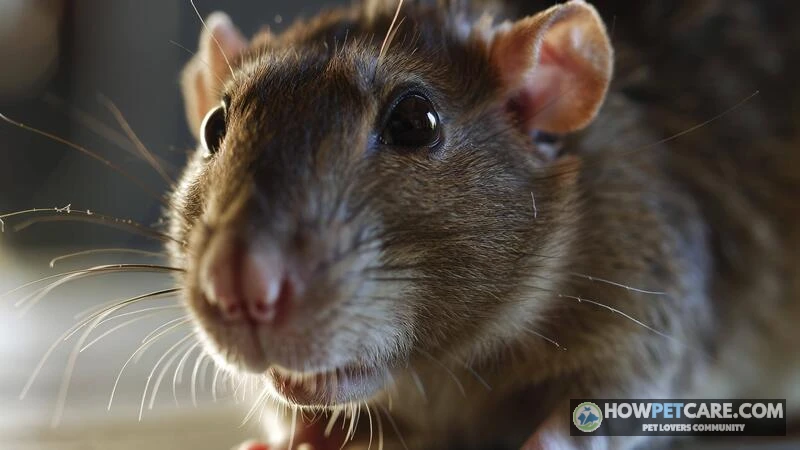
This description provides a visual baseline, not a rule that every healthy rat displays identical intensity. Some movements are subtle quivers; others look dramatic. What matters clinically is that a one-sided or fixed protrusion does not fit the ordinary pattern.
Nystagmus looks distinctly different: the eyes flick or drift involuntarily, often side to side or in a circular pattern, rather than pulsing outward in time with jaw grinding. Seizure activity typically involves body stiffness, jerking, leg paddling, or a sudden loss of responsiveness. A fixed bulge, cloudy cornea, swelling, or visible trauma also requires an entirely different medical response from rhythmic boggling.
How to film your rat so a vet can use the footage
A short phone video shows timing and context far better than a verbal description. Never delay urgent medical care to take video. If your rat is otherwise stable:
- Start recording without moving or disturbing the rat.
- Film for 30–60 seconds so the clip can show more than one pulse and whether the eyes return to normal.
- Get a front view, then a side view if you can do so without interrupting the episode.
- Widen the shot to include posture, breathing, and responsiveness.
- Keep the sound on; note whether you hear tooth grinding.
- Record what happened just before the episode, such as petting, waking, eating, or being alone.
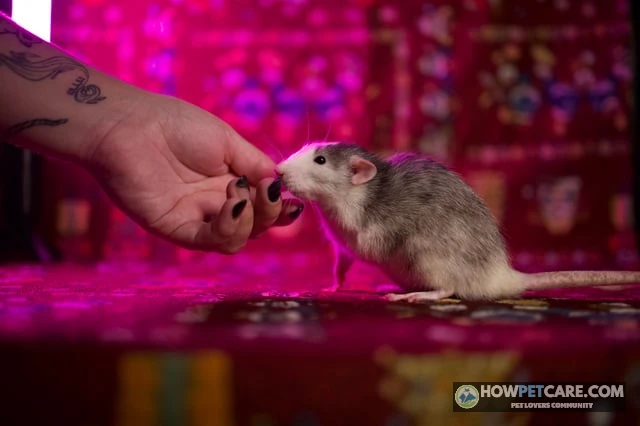
Save the clip with the date and time. An exotic veterinarian can use the movement pattern and full-body view to decide which diagnostic checks to run first.
Bruxing vs Boggling vs Teeth Chattering: Three Different Behaviors
Bruxing is the actual chewing action: the incisors rub against one another, producing a quiet, rapid rasp. Boggling is the visible ocular movement that can accompany vigorous bruxing. A rat can brux without boggling at all, so the two terms do not describe the same thing.
Keepers use “teeth chattering” inconsistently, making the sound quality and physical context far more informative than the label. A sharper, louder clicking or chattering sound, particularly when paired with stiff posture or defensive cues, should never be dismissed as simple contentment.
| Behavior | What you notice | How to interpret it |
|---|---|---|
| Bruxing | Repeated tooth grinding; sometimes soft and hard to hear | A jaw behavior that can occur in different emotional states |
| Boggling | Rhythmic outward-and-in movement of the eyes, often with bruxing | A movement pattern; context determines whether it is reassuring |
| Chattering | More distinct clicking or chattering sound | The term varies; assess posture, trigger, and other symptoms |
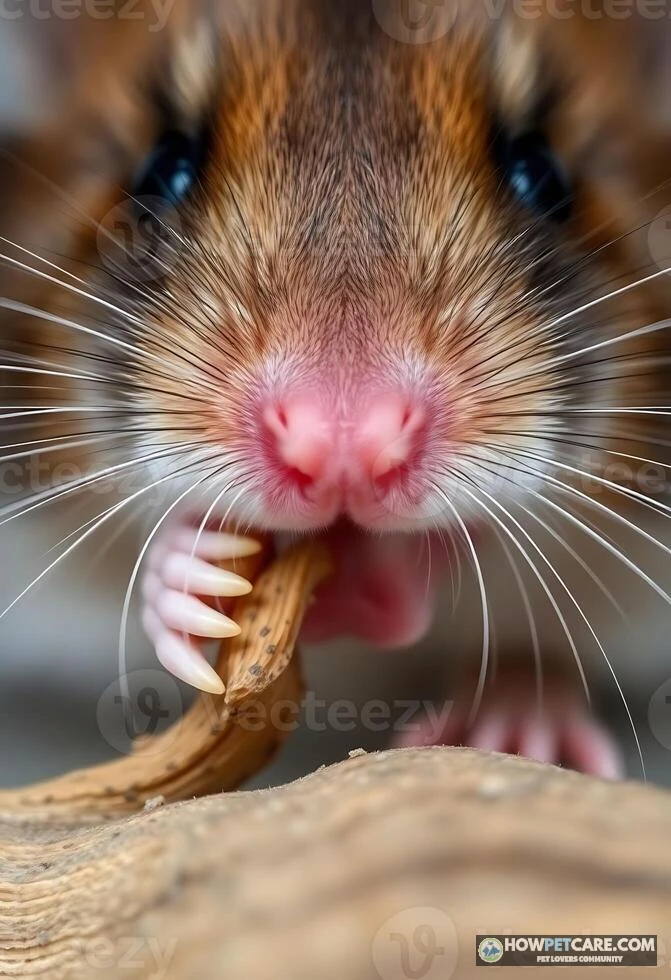
Bruxing and boggling explained: how they overlap
Think of bruxing as the muscular jaw action and boggling as a physical effect that sometimes accompanies it. The eye motion never diagnoses an emotion on its own. A rat bruxing softly while stretched out across your arm is in a very different state than one grinding its teeth while hunched in a corner, withdrawn, and refusing food.
Chattering: when the sound means something else
Listen to whether the sound is soft and regular or sharp, loud, and paired with physical tension. Sound alone cannot diagnose pain or fear. If you hear unusual chattering alongside appetite loss, a hunched back, audible breathing, or sudden lethargy, contact a veterinarian.
Happy Boggling or Stress and Pain? Reading Body Language and Context
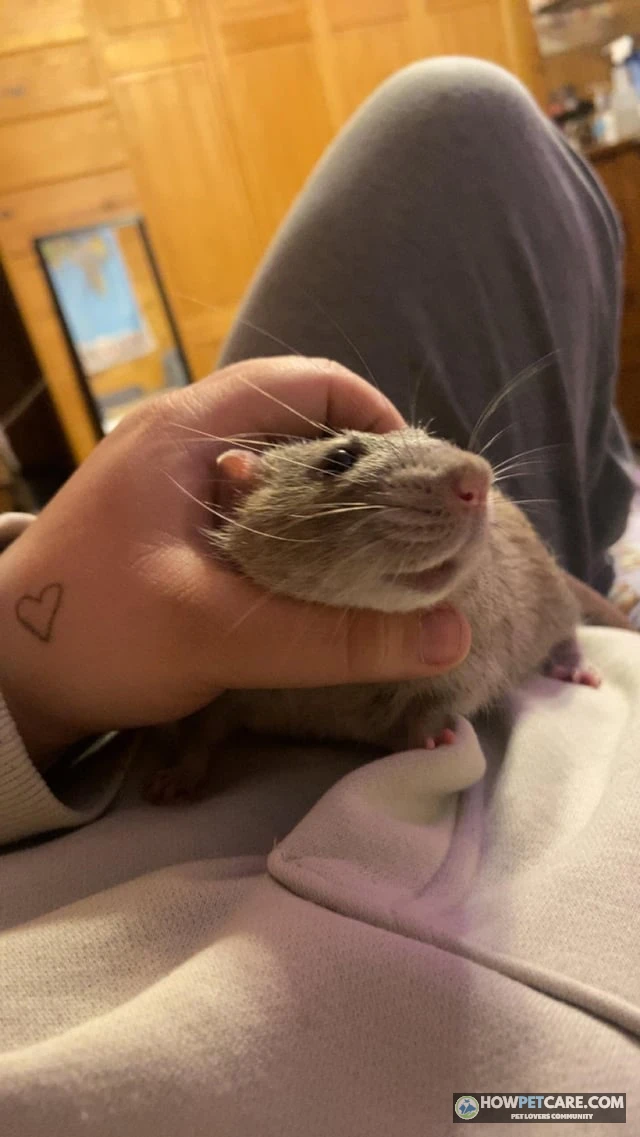
Boggling often appears during calm, pleasant interactions—like gentle scratches behind the ears, resting in a lap, grooming, or settling into a favorite hammock. A loose posture and normal behavior between bouts support contentment. However, that identical jaw motion can occur during severe distress or pain as a possible self-soothing response. That possibility is reported in veterinary-facing guidance; the evidence provided here does not establish how often it happens or prove the function in each individual rat.
Signs your pet rat is happy when boggling
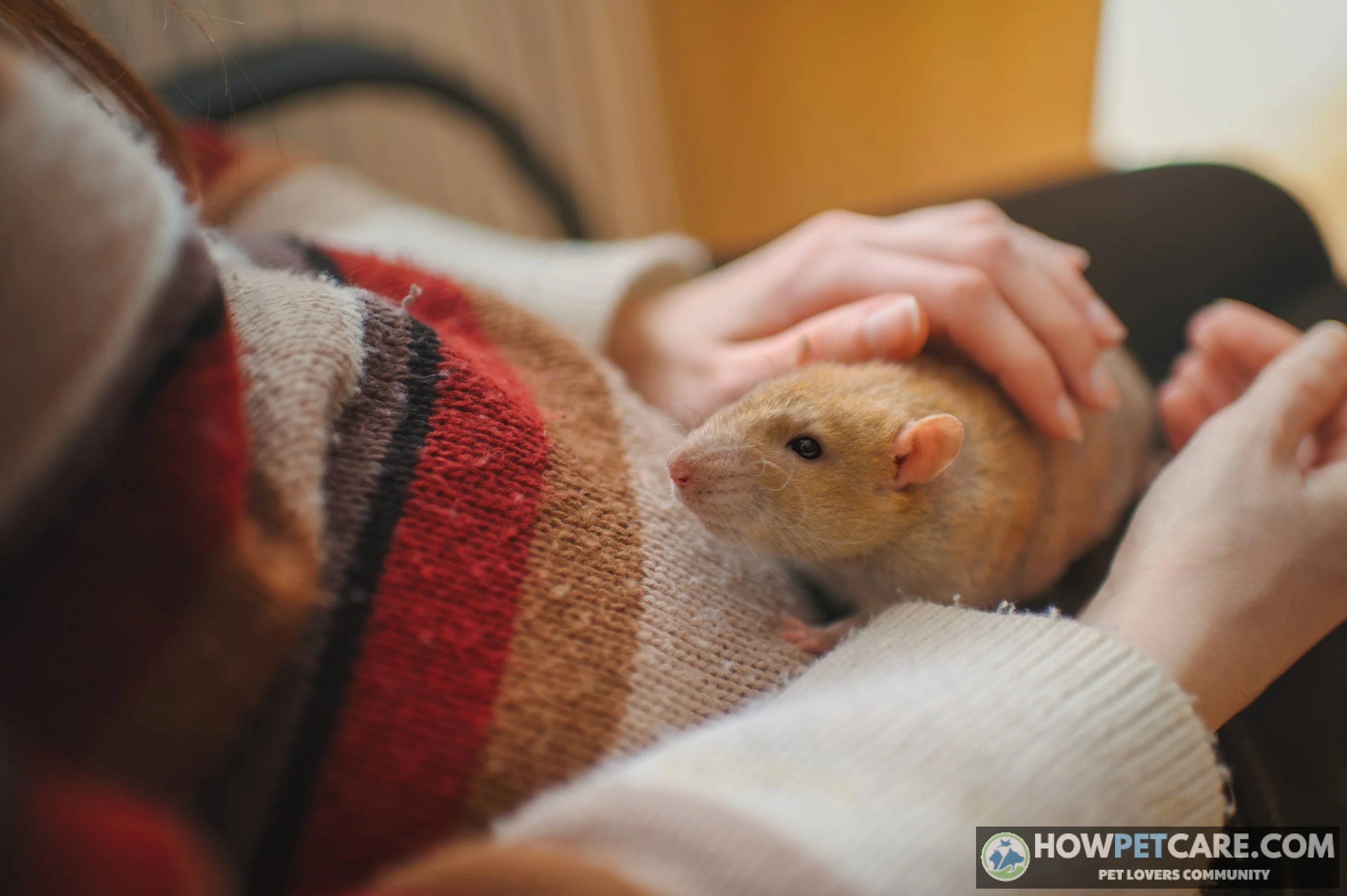
Look for a supple, relaxed body, a sleek coat, soft eyelids, calm whiskers, quiet breathing, and healthy interest in food and surroundings. The rat might boggle while being petted, snuggling a familiar cagemate, or preparing to sleep. If they turn toward your voice, take a favorite treat, and resume their normal routine once the grinding stops, those context cues are thoroughly reassuring.
While boggling is a welcome sight, it is not a test of happiness. Never try to force a rat to boggle, and avoid handling one that clearly wants to step away.
Signs the boggling is stress or pain self-soothing
Take note if your rat sits hunched, tense, frozen, or tucked away in hiding. Puffed fur, squinting eyes, stiff whiskers, and reddish-brown porphyrin stains around the eyes or nose point to physical strain. A drop in appetite, dropping food, weight loss, lethargy, or respiratory noise make the episode far more concerning. Porphyrin staining is a clinical clue to evaluate alongside other signs, not a standalone diagnosis.
| Signal | More consistent with comfort | More concerning for stress or illness |
|---|---|---|
| Posture | Loose, stretched out, or softly curled | Hunched, tense, frozen, or pressed into a hiding place |
| Fur and face | Smooth coat, soft eyes, calm whiskers | Puffed coat, squinting, stiff or pulled-back whiskers |
| Appetite | Eats normally and shows interest in treats | Refuses food, drops pieces, or shows less interest |
| Breathing | Quiet and steady | New clicking, rattling, wheezing, or labored breathing |
| Activity | Normal grooming, exploring, and interaction | Withdrawn, lethargic, or unusually irritable |
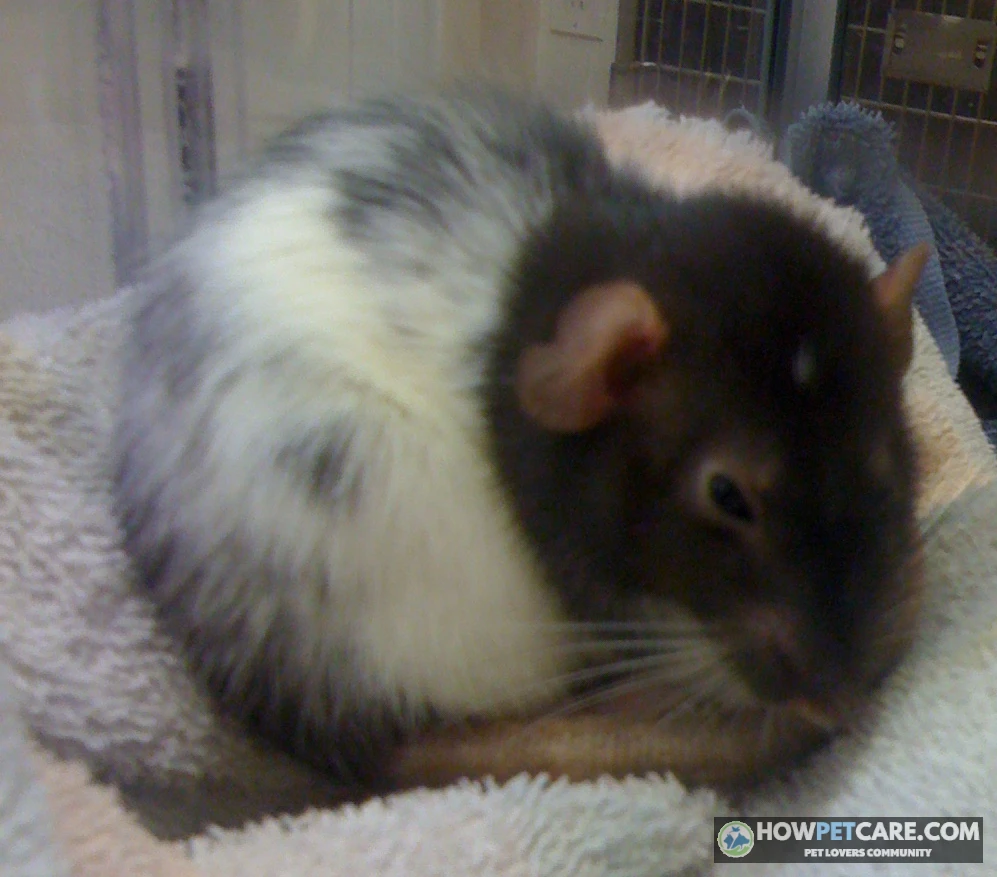
Read these signals together. A rat that grinds continuously despite distractions while displaying several concerning signs deserves a call to a vet, even if the eyes move rhythmically.
Boggling while sleeping, alone, or in a group
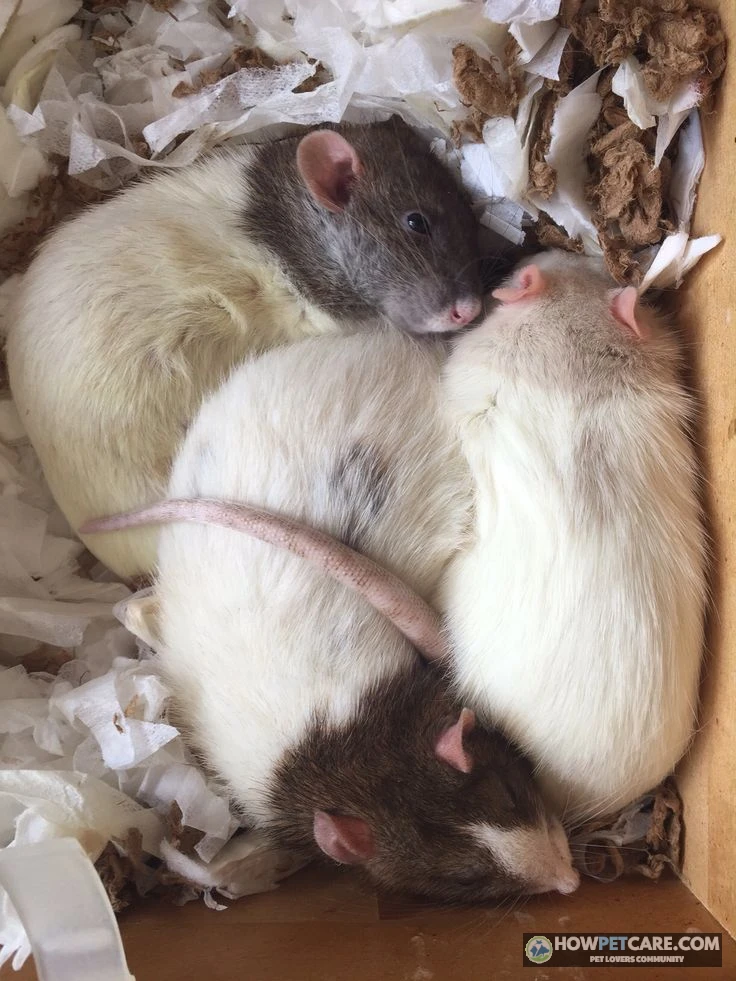
Rats often brux or boggle while drowsy or settling down for a nap, and owners frequently notice it when a rat rests completely alone. The materials available for this draft do not establish how often these situations occur or whether solitary and group-housed rats differ. Do not treat either setting as proof of a particular mood.
Rats communicate through complex body language and social bonds, but one movement rarely tells the whole story. A cagemate nearby can be part of a comfortable rest routine; being alone may simply mean no one else is around to see it. Judge the individual rat’s baseline and physical health signs.
How Much Boggling Is Normal? Frequency, Duration, Age, Sex and Variety
No formal published frequency or duration norms are established in the evidence supplied here. The following are practical owner-observation ranges, not clinical cutoffs: an episode may last a few seconds to around a minute or two, and may happen during petting, a favorite treat, cuddling, or settling down. Some healthy rats boggle often; others rarely or never do. An individual’s usual pattern is more useful than counting episodes against a universal standard.
Typical frequency, duration and intensity
Typical boggling is paired and rhythmic: both eyes pulse outward and return smoothly, often alongside soft bruxing. The intensity ranges from a subtle ocular flutter to an unmistakable bulge. A dramatic pulse can still be entirely normal for that rat if the eyes retract fully and the animal stays relaxed and alert.
A continuous episode that cannot be interrupted, a sudden break from the rat’s typical habits, or an eye that stays protruded is not a situation to monitor casually at home. Contact a vet, particularly if the change comes with appetite loss, hunched posture, or altered breathing.
When “a lot” becomes “too much”
There is no evidence-based episode count that separates normal from abnormal. Focus instead on change and accompanying signs: one-sided movement, a fixed bulge, episodes that continue despite distraction, or a new pattern alongside weight or appetite changes should prompt veterinary advice. A video and brief log can help the clinic assess whether the pattern is changing.
Age of onset, sex differences and fancy varieties (Dumbo, Rex, Hairless)
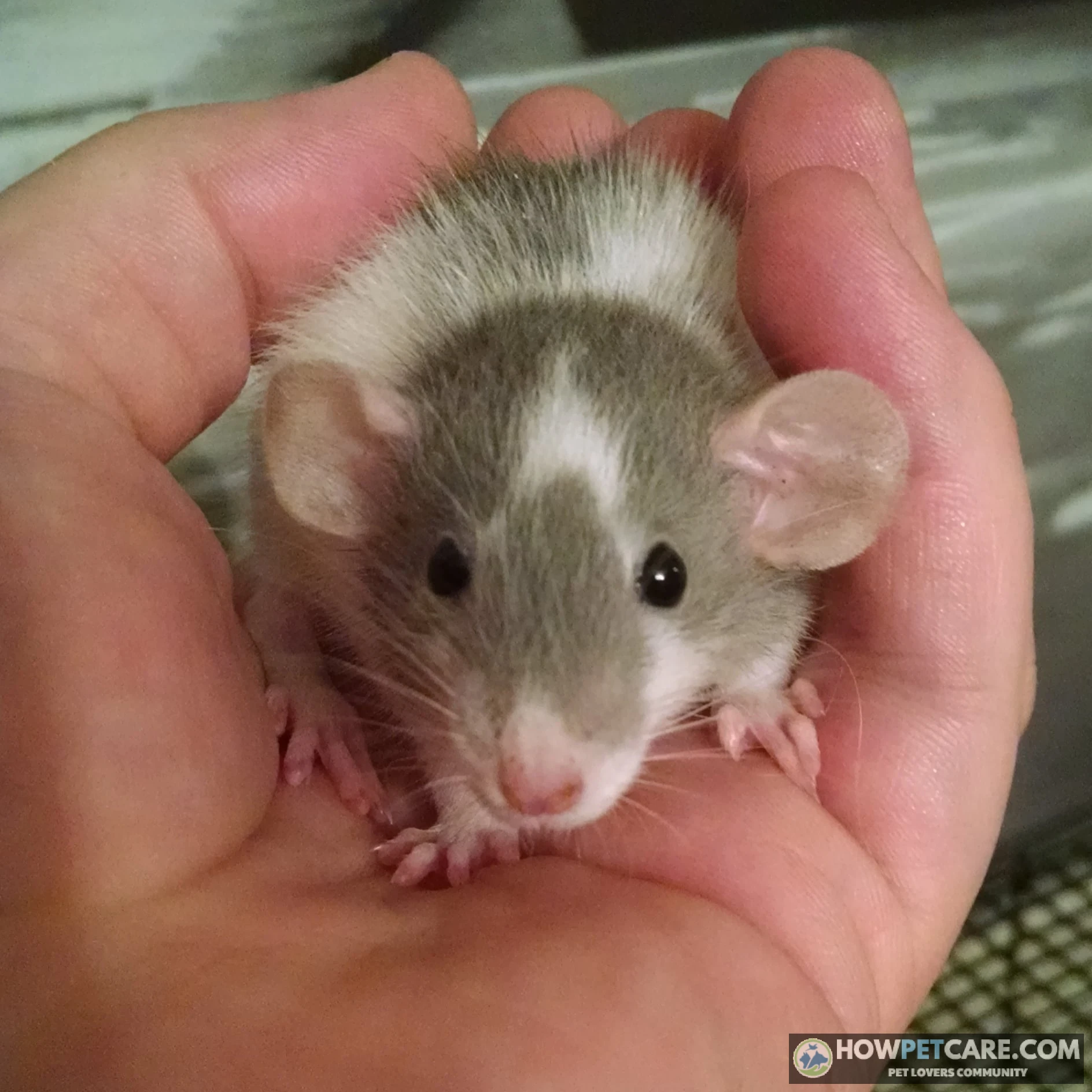
The evidence provided does not establish an age when rats begin boggling. There is also no supported finding here that males or females boggle more, or that Dumbo, Rex, or Hairless varieties have a characteristic boggling pattern. Avoid treating a variety’s appearance as a cause of eye movement.
Some healthy rats rarely or never boggle, and that alone does not mean they are unhappy. Rex and Hairless rats have less visible coat or whisker cues, which can make subtle body language harder to read, but the material provided does not quantify how much that affects interpretation. Rely on posture, appetite, breathing, responsiveness, and the rat’s own baseline for any variety.
Boggling vs Proptosis, Nystagmus, Seizures and Eye Injury: Differential Table
This comparison can help describe what you saw, but it cannot diagnose the cause. If you cannot confidently distinguish normal rhythmic movement from a medical problem, call a veterinarian and share a video if one is available.
| Condition | What the eyes do | One eye or both | Rhythm and duration | Body language and responsiveness | Accompanying sounds or signs | Urgency level |
|---|---|---|---|---|---|---|
| Happy boggling | Eyes pulse outward and return | Usually paired | Rhythmic, temporary | Relaxed and responsive; normal activity between episodes | May occur with soft bruxing | Monitor if all other signs are normal |
| Stress or pain self-soothing | Boggling may look similar to ordinary boggling | May be paired | Can be rhythmic; context is key | Tense, hunched, withdrawn, or otherwise unwell | Appetite change, puffed coat, porphyrin staining, or noisy breathing may occur | Same-day vet if accompanied by concerning signs |
| Proptosis | Eye is displaced forward and remains protruded | Often one-sided, but do not rely on this alone | Fixed, not a returning pulse | May be distressed or unwell | Redness, swelling, trauma, or discharge may be present | Urgent veterinary assessment; emergency if displaced or injured |
| Nystagmus | Eyes flick or move involuntarily, rather than pulsing outward | One or both | Repeated movement that does not match bruxing | May have balance or responsiveness changes | Possible ear or neurologic signs | Prompt vet assessment; emergency for severe signs |
| Seizure activity | Eye movement may accompany abnormal body movement | Not reliably judged by eye symmetry | Episode of abnormal movement; not a regular jaw-linked pulse | Rigid, jerking, paddling, or not responding normally | Collapse or loss of normal awareness may occur | Emergency if seizure signs are present |
| Eye injury or infection | Eye may be swollen, red, cloudy, painful, or discharge may be present | One or both | Not a rhythmic in-and-out pulse | May squint, hide, or resist handling | Bleeding, discharge, swelling, or recent trauma | Same-day vet; emergency for severe injury or displacement |
Proptosis means the eyeball has shifted forward from its normal position; it is not ordinary boggling. Trauma and disease behind or around the eye are among possible causes, and a fixed bulge needs prompt professional assessment. The evidence supplied does not support ruling out causes such as infection or a mass based on appearance alone. Nystagmus is involuntary eye movement and may be associated with ear or neurologic problems; a seizure is more concerning when normal responsiveness is lost.
If you cannot decide which row fits, treat the presentation as the more serious one and call a vet.
Monitor, Same-Day Vet or Emergency? Decision Guide With Typical Vet Costs
Run through the tiers in order. Stop at the first tier where any one of its warning signs applies. If you are unsure, call an exotics veterinarian or emergency clinic and describe what you see.
Keep watching at home
Home monitoring is reasonable only when all of these are true:
- Both eyes bulge together and return rhythmically.
- Your rat looks relaxed, is responsive, and has a smooth coat and normal posture.
- Eating, drinking, and movement are normal.
- The episode ends within a short time or stops when your rat is distracted.
- There is no fixed bulge, eye injury, discharge, or new breathing problem.
Record the episode and check that your rat returns to normal behavior. If the pattern changes or another symptom appears, move to the vet tiers below.
Book a same-day vet visit
Contact a clinic the same day for one-sided or persistent bulging; redness, swelling, or discharge; reduced appetite or dropping food; new lethargy; new clicking, rattling, or wheezing; or episodes that continue despite distraction. These signs do not prove a particular diagnosis, but they are not a reason to rely on a boggling explanation.
Go to emergency care now
Seek emergency care for an eye visibly displaced forward or out of its socket, a severe or bleeding eye injury, collapse, inability to stand, seizure-like rigidity or jerking with poor responsiveness, severe breathing trouble, or recent significant head trauma.
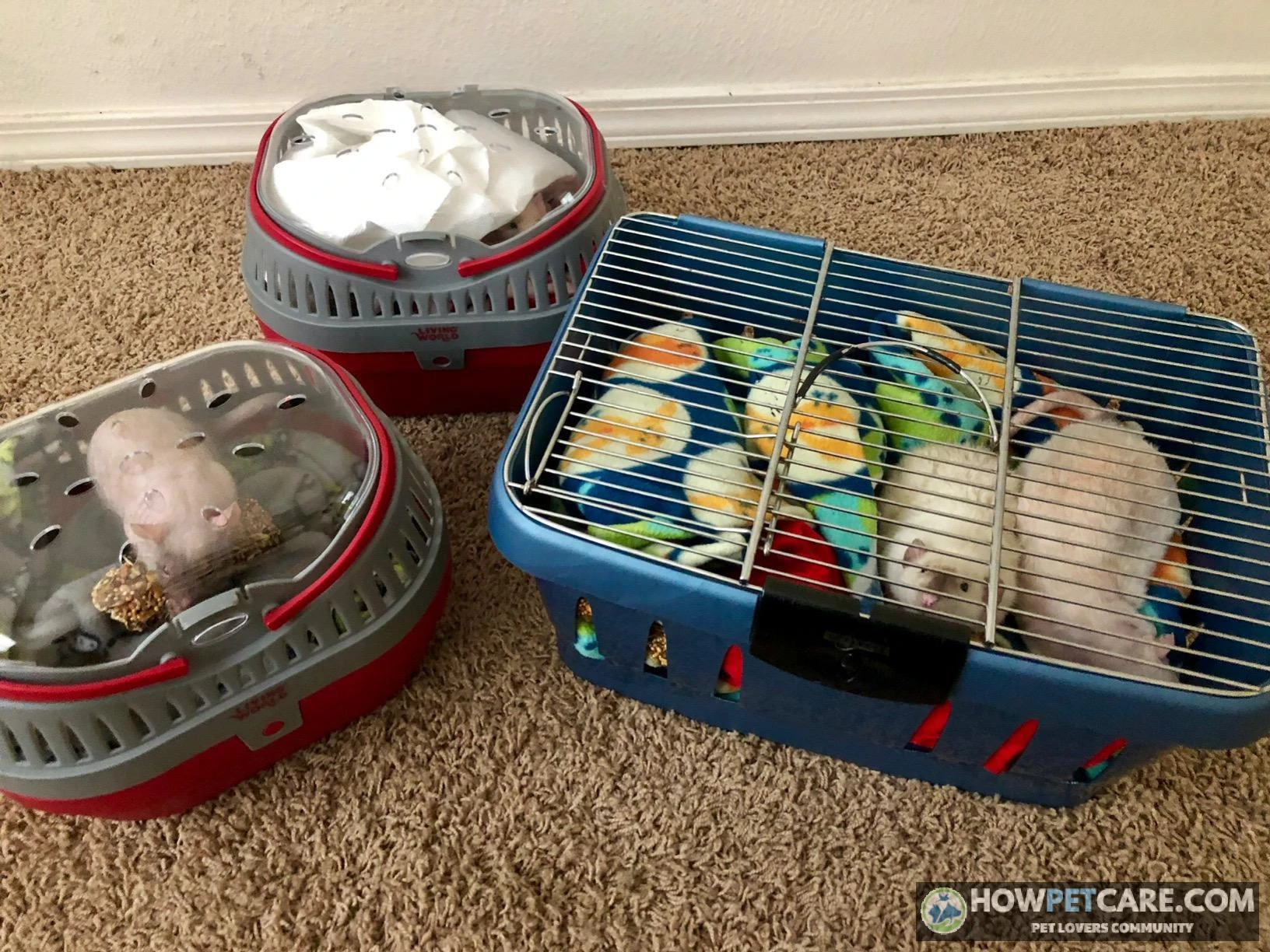
Keep your rat as calm and secure as possible during transport. Do not press on or attempt to reposition the eye, and do not put drops or other products in it unless a veterinarian directs you to. Call the clinic while arranging transport so staff can advise you and prepare.
What a vet workup for eye bulging involves and roughly costs
A veterinarian may check general condition and weight, examine the eyes, inspect the mouth and incisors, and assess breathing. Depending on the findings, the clinic may recommend a more detailed dental exam, sedation, imaging, or other tests. The right workup depends on the animal and exam; a short clip can help the vet distinguish rhythmic movement from a persistent eye or neurologic problem.
No clinic fee schedules or veterinarian-reviewed cost figures were provided for this draft, so reliable 2026 US dollar ranges cannot be stated here without inventing prices. Costs vary by location, clinic, after-hours status, and whether an exotics specialist or further testing is needed. Call ahead and ask for an estimate for the exam and likely next steps; ask the clinic to separate the consultation fee from imaging, medication, sedation, or dental treatment. An incisor trim is not automatically needed just because a rat bruxes—have a vet assess the teeth first.
| Scenario | Action level | What the vet may do | Typical US cost range |
|---|---|---|---|
| Brief, paired, rhythmic movement; rat relaxed and eating normally | Monitor at home | No visit needed unless the pattern changes | Not applicable |
| Persistent or one-sided bulge, redness, discharge, appetite change, or new lethargy | Same-day vet | Exam; eye, mouth, breathing, and weight checks; tests if indicated | Not verified for this draft; call local clinics for an estimate |
| Displaced eye, severe injury, collapse, seizure signs, or severe breathing trouble | Emergency | Urgent examination and treatment; further testing as needed | Not verified for this draft; after-hours and treatment costs vary |
Chew Items, Diet and Dental Checks That Support Healthy Bruxing
Rat incisors grow continuously, and tooth wear matters for dental health. Bruxing alone does not tell you whether the teeth are correctly aligned or worn. A veterinarian should assess abnormal tooth length, uneven incisors, or trouble eating rather than relying on chew items to correct a problem.
Specific chew materials and diet examples
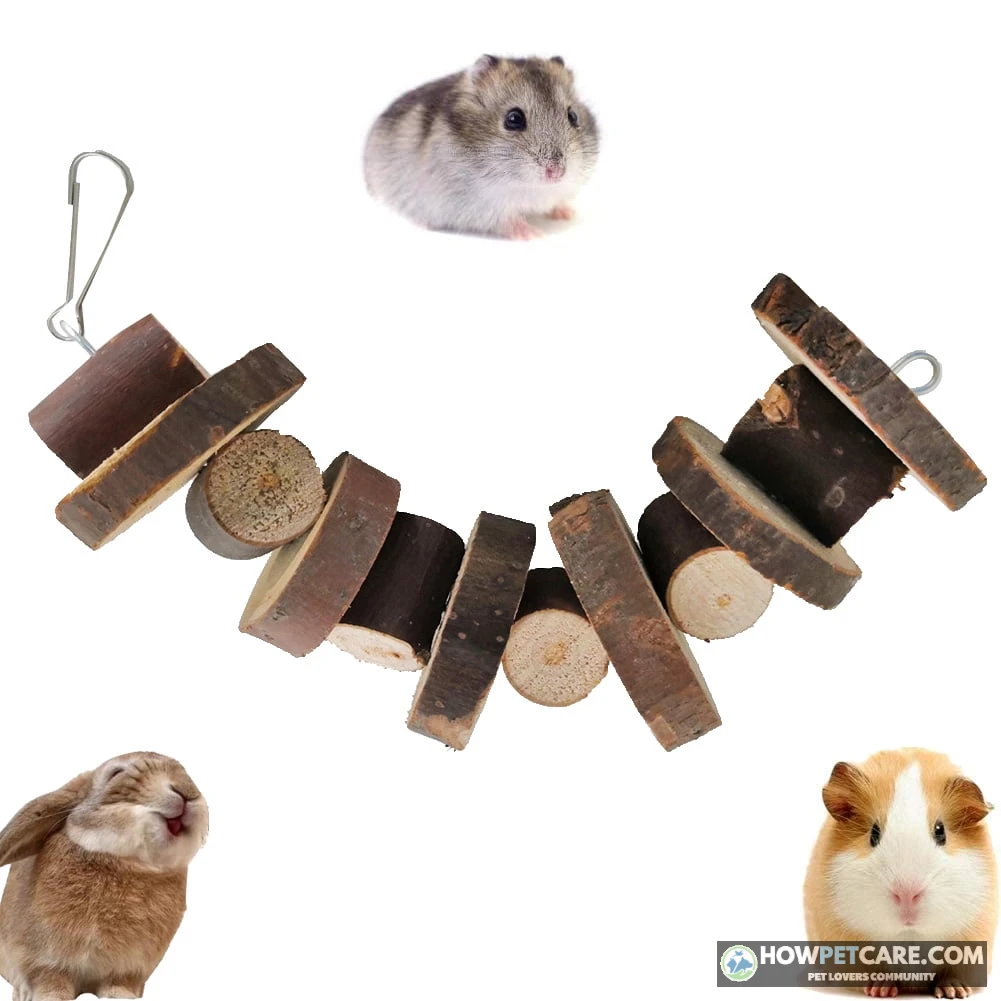
Offer safe opportunities to gnaw, such as untreated wood blocks, suitable branches confirmed safe for rats, and plain cardboard. Use a quality rat lab block or pelleted food as the dietary base, with other foods chosen as appropriate for a balanced diet. Avoid treated, painted, or chemically coated wood and unknown branches; if you cannot confirm a material is safe, leave it out and ask your vet.
How often to check your rat’s teeth
Look at the incisors during routine handling and ask for a dental check at routine veterinary visits. Arrange an earlier exam if your rat drools, drops food, loses weight, eats less, or has teeth that look uneven. Do not trim teeth at home unless a veterinarian has specifically taught and directed you; improper trimming can injure the mouth.
Your Next Steps: A Quick Checklist for the Next Time Your Rat Boggles
- Stay calm and avoid restraining or startling your rat just to inspect the movement.
- Observe for 30–60 seconds if the rat is stable; note whether both eyes pulse and return fully.
- Film the episode from the front and, if practical, the side; include sound and whole-body posture.
- Compare the movement and other signs with the differential table and triage tiers.
- Monitor only if every home-monitoring condition fits; otherwise call a vet at the appropriate urgency.
Keep one log entry per episode. Two weeks of notes can help you see a pattern, but seek care sooner if a warning sign appears.
BOGGLING LOG — Rat: __________

Date and time:
Duration (approximate):
One eye or both:
Trigger or context (petting / treat / settling / alone / other):
Bruxing heard? (yes / no / unsure):
Eyes returned fully to normal? (yes / no):
Posture (relaxed / hunched / other):
Eating normally? (yes / no):
Droppings normal? (yes / no):
Weight, if routinely tracked: ______ g
Notes or video saved:
Most boggling is a normal movement, but no single eye movement can establish how a rat feels. Learn your rat’s baseline, note meaningful changes, and call a veterinarian when the movement is fixed, one-sided, paired with illness signs, or simply unclear.
1What physical mechanism is widely cited as the cause of rat boggling?
Forceful jaw muscle movement directly behind the orbits during bruxing exerts pressure that causes the rhythmic eye pulsing.
2How does bruxing differ from boggling?
Bruxing describes the chewing action of incisors rubbing together, while boggling is the accompanying eye movement that can happen during vigorous bruxing.
3A rat is observed exhibiting rhythmic eye movement while sitting hunched in a corner with puffed fur and porphyrin staining. How should this behavior be interpreted?
Rats can brux and boggle during severe strain or illness, making tense posture and porphyrin stains strong indicators of distress rather than happiness.
4Which of the following scenarios meets the criteria for monitoring a boggling rat safely at home?
Symmetrical rhythmic movement that returns to baseline in a calm, healthy-acting rat is consistent with standard, benign boggling.
5What visual feature distinguishes nystagmus from typical rat boggling?
Nystagmus presents as involuntary flicking or drifting (often side to side or circular), unlike the in-and-out ocular pulsation synchronized with bruxing.
6What is the recommended protocol when transporting a rat to emergency care for a visibly displaced eyeball (proptosis)?
Safe emergency transport focuses on keeping the rat secure and calm while avoiding manipulation or unprescribed treatments that could cause further injury.
7What is the primary purpose of recording a 30–60 second phone video of a stable rat's eye movement for a veterinarian?
A clear video allows the veterinarian to observe symmetry, whole-body posture, respiration, sound, and whether the ocular movement is temporary.
8How do physical traits of fancy rat varieties (such as Rex or Hairless) affect the interpretation of boggling?
Variety appearance does not change the core eye movement pattern, but sparse hair or whiskers require relying more on posture, appetite, and breathing.
9If a pet owner hears sharp, loud teeth chattering paired with appetite loss and a hunched posture, what action should be taken?
Sharp chattering paired with physical strain or reduced appetite signals potential medical issues that require prompt veterinary care.
10Which of the following is a recommended practice for supporting healthy incisor wear in pet rats?
Untreated wood, safe branches, plain cardboard, and quality lab blocks provide suitable opportunities for natural tooth wear.
| Condition | What the eyes do | One eye or both | Rhythm and duration | Body language and responsiveness | Accompanying sounds or signs | Urgency level |
|---|---|---|---|---|---|---|
| Happy boggling | Eyes pulse outward and return | Usually both | Rhythmic, temporary | Relaxed and responsive; normal activity between episodes | May occur with soft bruxing | Monitor if all other signs are normal |
| Stress or pain self-soothing | Boggling may look similar to ordinary boggling | May be both | Can be rhythmic; context is key | Tense, hunched, withdrawn, or otherwise unwell | Appetite change, puffed coat, porphyrin staining, or noisy breathing may occur | Same-day vet if accompanied by concerning signs |
| Proptosis | Eye is displaced forward and remains protruded | Often one eye, but do not rely on this alone | Fixed, not a returning pulse | May be distressed or unwell | Redness, swelling, trauma, or discharge may be present | Urgent veterinary assessment; emergency if displaced or injured |
| Nystagmus | Eyes flick or move involuntarily, rather than pulsing outward | One or both | Repeated movement that does not match bruxing | May have balance or responsiveness changes | Possible ear or neurologic signs | Prompt vet assessment; emergency for severe signs |
| Seizure activity | Eye movement may accompany abnormal body movement | Not in source | Episode of abnormal movement; not a regular jaw-linked pulse | Rigid, jerking, paddling, or not responding normally | Collapse or loss of normal awareness may occur | Emergency if seizure signs are present |
| Eye injury or infection | Eye may be swollen, red, cloudy, painful, or discharge may be present | One or both | Not a rhythmic in-and-out pulse | May squint, hide, or resist handling | Bleeding, discharge, swelling, or recent trauma | Same-day vet; emergency for severe injury or displacement |
FAQ
Can I make my rat boggle?
You can’t reliably trigger it, and you shouldn’t try to force it. Boggling tends to happen when a rat is calm and content, for example during gentle petting or while relaxing with a trusted person. Building trust and offering a quiet, safe environment makes it more likely.
Does boggling hurt my rat?
Normal boggling is not believed to be painful. It is a by-product of jaw muscle movement during bruxing. If the eye looks stuck out, red, swollen, or the rat seems in pain, it’s no longer normal boggling and needs a vet.
Is rat boggling a good sign?
Usually, yes. It most often shows up alongside relaxed bruxing in comfortable rats. Always judge it with the rest of the rat’s body language, because rats can also grind their teeth when stressed or unwell.
Can a rat’s eye actually pop out from boggling?
Normal boggling does not make an eye pop out of the socket. A genuinely displaced or fixed bulging eye (proptosis) is a separate medical problem, usually caused by trauma, infection, or a mass, and it is an emergency.
Why do my rat’s eyes bulge out when I pet it?
Petting often relaxes a rat enough to start soft bruxing, and the jaw muscles’ movement makes the eyes shift in and out. If both eyes move rhythmically and your rat looks relaxed, it is typically a sign of contentment.