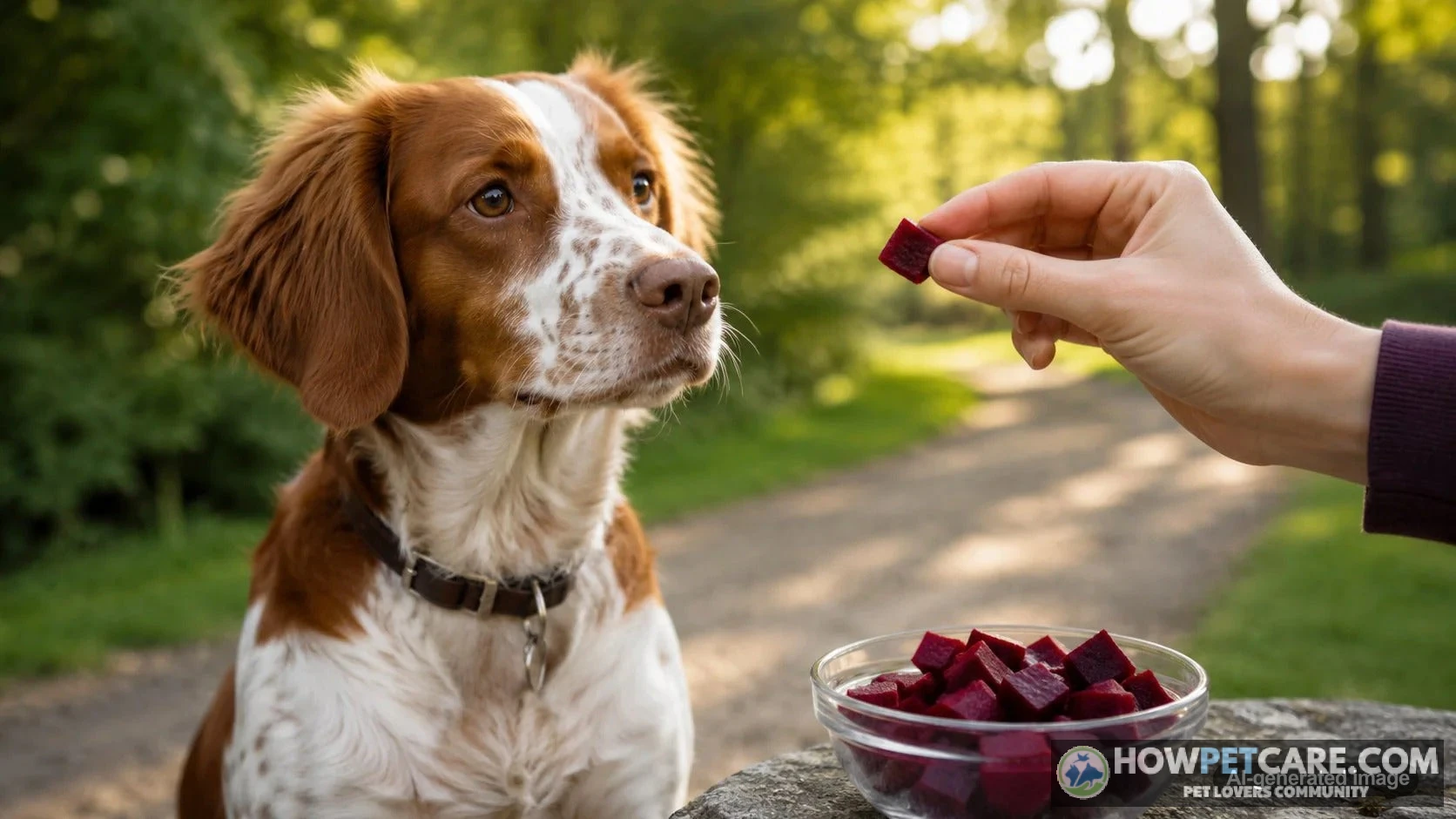

Yes, dogs can eat plain, cooked beets in moderation. Feed unseasoned, boiled or steamed beetroot as an occasional treat, using weight‑based portion limits (e.g., ½ tsp for toys up to 4 tbsp for giants) and avoid raw, pickled or seasoned versions.
If you are wondering, can dogs eat beets? Yes, dogs can safely eat plain red beets in moderation. Plain beetroot is non-toxic to dogs and provides dietary fiber, potassium, and vitamins. Beets must be prepared without seasonings, butter, or salt, and portions need to stay small. Because beets contain naturally occurring sugars and high levels of oxalic acid, overfeeding may cause digestive upset, urinary stress, or bladder stone formation.
Can Dogs Eat Beets? Safety Verdict and Immediate Rules

Beets are not toxic to canines, but they should not be an everyday part of the diet. Fresh garden beets and store-bought roots alike are best used as an occasional topper or high-value treat.
The Immediate Verdict: Safe, Toxic, or Conditional?
Table beets (Beta vulgaris) do not contain systemic toxins that harm canines. A dog that grabs a small piece of plain beet that has fallen on the floor is unlikely to suffer poisoning. The vegetable is conditionally safe: healthy adult dogs can benefit from it when it is prepared properly, while dogs with metabolic or renal conditions face measurable risks.
When you offer beets, follow the 10% treat rule used in canine nutrition. All table foods, vegetables, and commercial treats combined should never make up more than 10% of your dog’s daily caloric intake. The other 90% of daily energy should come from a nutritionally complete, balanced, life-stage-appropriate diet.
When Plain Beets Become Problematic
The root itself is non-toxic, but common culinary preparations can make beets dangerous. Never serve plain beets with:
- Added salt: High sodium leads to dehydration and elevates blood pressure.
- Butter, margarine, or oils: Concentrated dietary fats risk triggering acute canine pancreatitis.
- Garlic and onion: Members of the Allium family cause oxidative damage to canine red blood cells, leading to hemolytic anemia.
- Spices and sweeteners: Pickling spices cause gastrointestinal distress, while artificial sweeteners like xylitol (birch bark extract) are lethal to canines.

Even completely plain beets have nutritional drawbacks. They are rich in oxalic acid, an antinutrient that binds minerals in the urine, as well as simple carbohydrates that can complicate canine metabolic regulation.
Nutritional Value: Evidence-Graded Benefits vs. Superfood Hype
Commercial marketing often presents beets as a superfood cure-all. For dogs, it is more useful to separate established nutritional value from speculative human wellness claims.

Confirmed Canine Benefits: Fiber, Folate, and Minerals
Used appropriately, plain beetroot provides several worthwhile nutrients:
- Dietary Fiber: Beets provide a blend of soluble and insoluble fiber that supports canine digestive health. Insoluble fiber adds bulk to stool and supports regular colon motility, while soluble fiber acts as a prebiotic substrate for beneficial gut flora.
- Folate (Vitamin B9): Vital for amino acid metabolism, DNA synthesis, and red blood cell production.
- Potassium and Magnesium: Essential electrolytes that maintain healthy cellular hydration, nerve impulse transmission, and cardiac muscle function.
- Iron: Contributes directly to hemoglobin synthesis, supporting oxygen transport throughout working muscle tissues.
- Vitamin C and Beta-Carotene: Healthy dogs synthesize their own vitamin C in the liver, though supplemental dietary antioxidants can help reduce free-radical burden during metabolic stress.

Human Health Fads vs. Canine Nutrition Realities
Beets get their deep red color from betalains—water-soluble nitrogenous pigments containing betacyanins and betaxanthins. In laboratory and human clinical settings, betalains show measurable anti‑inflammatory, antioxidant, and vascular‑supportive properties through nitric oxide synthesis pathways.
Those human health claims should not be confused with canine veterinary science. No peer‑reviewed, double‑blind clinical trials show that dietary beets cure inflammation, prevent cancer, improve cardiovascular performance, or resolve chronic skin and coat disorders in dogs. Using beets to treat disease in dogs is clinically unsupported.
Beets are also carbohydrate‑dense compared with other dog‑safe vegetables. A 100‑gram serving of boiled beetroot delivers roughly 44 calories and approximately 7 to 8 grams of net sugars. By comparison, green beans and zucchini have less than half the caloric density and minimal simple sugars. That natural sugar concentration makes beets a less efficient, higher‑calorie vegetable choice for weight‑conscious canines.
If you want to offer vegetables daily, choose lower‑oxalate, low‑sugar options such as steamed green beans, pureed pumpkin, or steamed carrots.
Raw vs. Cooked Beets: Best Safe Preparation Methods

Preparation determines whether beetroot is a manageable snack or an emergency room hazard.
Why Cooked Beets Outperform Raw Beetroot
Some raw‑feeding proponents argue that raw beetroot preserves heat‑sensitive vitamins, but veterinary consensus strongly favors cooked preparation for pet safety. For a raw‑veggie alternative that’s easy on a dog’s teeth, consider cucumber slices instead.
Raw beets present three significant hazards:
- Mechanical Choking Hazard: Raw beet flesh is dense, rigid, and difficult to compress. Dogs often do not chew raw beet chunks thoroughly. Pieces can lodge in the pharynx, trachea, or esophagus, causing life‑threatening respiratory or mechanical obstructions, especially in small breeds.
- Gastrointestinal Foreign Bodies: Unchewed raw beet pieces resist breakdown by stomach acid and can occasionally create partial or complete mechanical blockages in the pylorus or small intestine.
- Antinutrient Density: Raw beets contain intact, crystalline oxalic acid and tough cellulose walls that resist canine digestive enzymes, leading to gas, flatulence, and osmotic abdominal cramping.
Gentle cooking breaks down tough hemicellulose and cellulose structures, softening the vegetable and reducing choking risk while improving nutrient bioavailability. Boiling beetroot also leaches some water‑soluble oxalates into the cooking water, lowering the overall antinutrient burden.
Safe Cooking Steps: Steaming, Boiling, and Pureeing
Follow this preparation protocol to make beetroot safer for your dog’s digestive system:

-
Wash and Scrub Thoroughly
Rinse the beet taproot under cold running water to eliminate all soil, agricultural debris, and surface bacteria.
-
Peel the Tough Skin Entirely
Use a standard vegetable peeler to remove the fibrous outer skin. The outer skin contains bitter, abrasive structural fibers that can irritate your dog’s stomach lining.
-
Steam or Boil Until Fork‑Tender
Place the peeled beet in boiling water or a steam basket. Cook for roughly 30 to 45 minutes until a kitchen fork slides easily through the center without mechanical resistance. Discard the cooking water, which now holds concentrated leached oxalates.
-
Chop into Morsels or Puree Smooth
For medium and large dogs, dice the softened beet root into small, bite‑sized cubes. For toy and small dogs, crush the beet into a smooth puree using a fork or blender to prevent any chance of rapid gulping.
Safe Beet Portion Guide by Dog Weight
Because excessive dietary oxalates and sugars can harm canines, portion control matters. No clinical veterinary consensus currently defines a mandatory, milligram‑level therapeutic beet dose for dogs. The guidelines below are conservative, veterinarian‑backed estimates designed to protect your dog’s renal health and gastrointestinal tract while remaining beneath daily treat caloric limits.
Weight‑Bracketed Daily Feeding Limits
| Dog Size Category | Weight Range (lbs) | Maximum Portion (Cooked/Diced) | Recommended Frequency |
|---|---|---|---|
| Toy | Up to 10 lbs | 1/2 to 1 teaspoon (mashed or finely minced) | Max 1 time weekly |
| Small | 11 – 25 lbs | 1 to 2 teaspoons (diced small) | Max 1–2 times weekly |
| Medium | 26 – 50 lbs | 1 to 1.5 tablespoons (bite‑sized cubes) | Max 1–2 times weekly |
| Large | 51 – 75 lbs | 2 to 3 tablespoons (bite‑sized cubes) | Max 2 times weekly |
| Giant | 76+ lbs | 3 to 4 tablespoons (bite‑sized cubes) | Max 2 times weekly |

Clinical Note: These portions reflect cooked, unseasoned beetroot. Always introduce any new vegetable gradually—offer just a quarter of the suggested portion on day one, then monitor stool quality for 48 hours before offering more.
Frequency: Why Beets Are an Occasional Topper, Not a Daily Staple
Beets should not become a daily addition to your dog’s dinner bowl. Limiting them to once or twice weekly helps prevent continuous dietary oxalate accumulation in the urinary tract and avoids loading the digestive tract with sucrose and fructose. If you want to offer vegetables daily, choose lower‑oxalate, low‑sugar options such as steamed green beans or pureed pumpkin.
Beet Greens, Yellow Beets, Canned, and Commercial Beet Pulp
In addition to traditional red table beets, pet owners may come across other beet varieties, plant parts, and commercial forms.
| Form / Product | Safety Verdict | Key Nutritional Concern | Prep / Serving Recommendation |
|---|---|---|---|
| Plain Boiled / Steamed Beetroot | Safe in moderation | Natural sugars (approx. 7g per 100g) | Peel tough skin completely; boil or steam until fork‑soft; dice into bite‑sized pieces |
| Raw Beetroot | High risk / Discouraged | Severe choking hazard; mechanical GI obstruction; dense indigestible cellulose | Avoid feeding whole or in chunks. If used, grate finely into a micro‑shred topper only |
| Beet Greens (Leafy Tops & Stems) | Unsafe for regular feeding | Concentrated oxalic acid (significantly higher than root tissue) | Exclude from bowl. Oxalates heavily bind systemic calcium and strain renal filtration |
| Canned Beets (Commercial) | Conditionally Safe / Check Label | Sodium additives (often 200–300mg+ per serving); synthetic preservatives | Use only "No Salt Added" varieties packed strictly in water. Rinse thoroughly before serving |
| Pickled Beets | Strictly Toxic | Acetic acid; allium toxicity (garlic, onion powders, cloves) | Never feed. Vinegar causes acute gastroenteritis; onion/garlic causes Heinz‑body anemia |
| Fresh Beetroot Juice | Discouraged | Concentrated free sugars; stripped of beneficial structural fiber | Skip completely. Causes rapid blood glucose spikes and osmotic diarrhea |
| Commercial Beet Pulp (in Kibble) | Safe (Dietary Ingredient) | None when formulated by nutritionists | Standardized pet food fiber source with sugars chemically extracted; entirely distinct from whole beets |

Fresh beetroot juice is strongly discouraged for dogs. Juicing removes the beneficial dietary fiber, leaving a concentrated liquid of simple sugars and free oxalates that can trigger immediate osmotic diarrhea, abdominal cramping, and rapid blood glucose spikes.
Are Leafy Beet Greens Safe?
No, leafy beet greens and fibrous stems are strongly discouraged for dogs. Beet leaves are non‑toxic in the sense that they do not contain lethal poisons, but they naturally accumulate extremely high concentrations of oxalic acid—significantly higher than the root itself. Dietary oxalates bind to circulating calcium and magnesium, making these vital minerals unabsorbable and increasing the excretion of calcium oxalate crystals through the kidneys. Regularly feeding beet greens sharply raises the risk of renal distress and bladder stone formation. Keep garden beet tops out of reach.
Yellow, Golden, and Sugar Beets
Golden or yellow beets are a safe alternative to red beets. Botanically, they are the same species (Beta vulgaris). They have identical macronutrient, caloric, and oxalate levels, but lack the red betalain pigment and instead contain yellow betaxanthins. Yellow beets do not turn your dog’s urine or stool bright red, which can prevent unnecessary owner panic.
Sugar beets, by contrast, are an industrial agricultural crop bred specifically for commercial sucrose extraction. They contain significantly higher sugar concentrations than culinary garden table beets and should not be fed to dogs.
Canned vs. Pickled Beets: Sodium and Toxic Additives
Standard canned beets are often packed in brine with heavy sodium chloride additions to extend shelf stability. An average serving of standard canned beets can contain hundreds of milligrams of excess sodium, creating a real risk of hypernatremia in small dogs or dogs managing heart disease. Only canned beets labeled "No Salt Added" and packed in pure water are safe, as long as they are rinsed thoroughly before serving.
Pickled beets are strictly prohibited for canines. The concentrated acetic acid (vinegar) causes severe gastrointestinal inflammation, vomiting, and abdominal pain. More dangerously, pickling brines almost always contain garlic, onion powders, cloves, or allspice. The allium family triggers oxidative hemolysis, rupturing red blood cells and inducing life‑threatening anemia in dogs.
Whole Table Beets vs. Commercial Kibble Beet Pulp
Many pet parents are confused to see "beet pulp" on high‑end, premium commercial kibble labels while veterinarians also advise caution with whole beets.
The ingredients are functionally different. Commercial beet pulp is the dehydrated, fibrous byproduct left after sugar is industrially extracted from sugar beets. It contains virtually zero residual sugar. Animal nutritionists value dried beet pulp as a moderately fermentable prebiotic fiber. It supports canine stool volume and feeds beneficial intestinal microbiomes without causing blood sugar spikes. Whole garden table beets, in contrast, retain their natural sucrose, water, and oxalates.
Medical Contraindications: Which Dogs Should Never Eat Beets?
For some canines, even a small serving of plain cooked beetroot carries serious clinical risks. Review this clinical checklist before adding beets to your dog’s diet:
Do not feed beets or beet products if your dog matches any of the following clinical flags:
- History of Calcium Oxalate Bladder Stones (Uroliths): High dietary oxalates in beets bind to urinary calcium, accelerating stone formation.
- High‑Risk Urolithiasis Breeds: Miniature Schnauzers, Shih Tzus, Bichon Frises, Yorkshire Terriers, and Lhasa Apsos showing chronic urinary crystals.
- Diagnosed Diabetes Mellitus: The high glycemic load and simple sugars in whole beets destabilize insulin regulation.
- Chronic Kidney Disease (CKD) or Renal Insufficiency: Impaired nephrons struggle to clear dietary oxalates and elevated potassium levels.
- History of Chronic Pancreatitis or Acute GI Sensitivity: High‑fiber and high‑sucrose vegetable pulses can trigger gut dysbiosis or osmotic bouts.
- Puppies Under 6 Months Old: Immature renal filtering and developing gastrointestinal tracts should not be exposed to unnecessary oxalate burdens.

Bladder Stones and Kidney Disease (The Oxalate Hazard)
Oxalic acid in beetroot is metabolized and filtered through the kidneys. In the renal tubules and urinary bladder, free oxalic acid binds tightly to circulating calcium molecules and precipitates into insoluble calcium oxalate crystals. Healthy adult dogs usually flush trace crystals through normal urination.
Dogs predisposed to urinary issues—especially small terrier and companion breeds—may instead develop solid, jagged bladder stones (uroliths) as these microscopic crystals coalesce. Calcium oxalate stones cannot be dissolved through medical diets; they generally require invasive surgical removal (cystotomy) or laser lithotripsy. If your dog has a history of urinary crystals, hematuria, or kidney disease, exclude beets entirely from the diet.
Diabetic Dogs and Sugar Content
Canine diabetes mellitus requires strict dietary consistency. The natural simple sugars in whole beetroot are rapidly absorbed across the intestinal lumen, causing sharp postprandial blood glucose spikes. In an insulin‑dependent diabetic dog, unexpected dietary carbohydrates complicate glycemic regulation and can trigger systemic hyperglycemia. Diabetic canines should receive only low‑glycemic, fiber‑pure vegetables such: steamed broccoli florets or celery.
Why Puppies Should Skip Beets
Canine pediatric development depends on nutritional stability. Puppies have immature, rapidly developing gastrointestinal tracts, sensitive digestive enzyme profiles, and growing renal filtration structures. Introducing dense, high‑oxalate, high‑fiber table vegetables can readily cause osmotic diarrhea, leading to rapid fluid loss and dangerous dehydration.
High dietary oxalates can also interfere with intestinal calcium absorption—a mineral vital for puppy skeletal and dental development. Puppies should receive a balanced, complete puppy diet without table vegetable additions until skeletal maturity, around one year of age.
Troubleshooting: Beeturia vs. Hematuria, Choking, and Triage
If your dog consumed beets—whether you offered them or the dog swiped them from a kitchen counter—unusual symptoms may follow. Knowing how to assess the situation helps prevent both needless panic and dangerous delays in treatment.

Beeturia vs. True Blood (Hematuria): How to Tell the Difference
The most alarming symptom after beet consumption is pink, fuchsia, or blood‑red urine or stool. In most cases, this is beeturia—a harmless physiological discoloration caused by excreted betacyanin and betalain pigments. The canine digestive tract cannot fully break down these water‑soluble compounds, so red pigment passes through the renal system into the bladder and bowels.

To evaluate your dog, use this clear 2‑step diagnostic checklist distinguishing betacyanin pigment staining from true hematuria:
- Step 1 (Color, Timing & Clarity): Betacyanin staining produces a uniform, translucent magenta or bright pink discoloration appearing within 12 to 24 hours of beet consumption, free of clots or debris. True hematuria presents as dark crimson, rusty brown, or cloudy urine with visible mucus or sediment.
- Step 2 (Comfort & Clearance Duration): A dog with harmless betacyanin discoloration urinates comfortably without pain and the pigment clears within 24 to 48 hours. A dog with true hematuria vocalizes, strains frequently with little output (stranguria), licks their genitals persistently, or exhibits discolored urine lasting beyond 48 hours.
For a structured clinical assessment, apply the four‑step protocol below:
-
Step 1: Check the Exposure Clock
Beeturia manifests between 12 and 24 hours following beet ingestion as the vegetable passes through the stomach and intestines.
-
Step 2: Inspect Color and Opacity
Beeturia typically produces a uniform, bright magenta, translucent pink, or fuchsia tint without cloudiness. True hematuria (blood) appears dark crimson, rusty‑brown, or opaque, and frequently contains visible dark clots, stringy tissue mucus, or sediment.
-
Step 3: Assess Elimination Behavior
A dog experiencing beeturia urinates and defecates completely comfortably. A dog with hematuria from a urinary tract infection, bladder stones, or internal trauma shows painful posturing, vocalizes, licks their genitals obsessively, or strains repeatedly with little urine output (stranguria and pollakiuria).
-
Step 4: Apply the 24‑ to 48‑Hour Clearance Rule
Harmless betalain staining clears naturally within 24 to 48 hours once all beet fibers are fully eliminated from your dog’s digestive system. If pink or red discoloration continues past 48 hours, or if your dog demonstrates any pain or lethargy, treat the situation as medical hematuria and seek prompt veterinary evaluation.
What to Do If Your Dog Ate Pickled Beets or Choked
If Your Dog Is Choking on a Raw Beet Chunk:
- Assess the Airway: If your dog is conscious, coughing forcefully, and moving air, allow them to cough to clear the obstruction. Do not poke blindly into their throat with your fingers, which can shove the slippery beet chunk deeper into the larynx.
- Clear the Oral Cavity: Only perform a finger sweep if the vegetable chunk is clearly visible, accessible, and loose in the mouth, while ensuring you do not get bitten.
- Perform Canine Heimlich: If the dog cannot breathe, has blue gums, or collapses, immediately apply canine abdominal thrusts (the Heimlich maneuver suited for your dog’s size) and transport them to the nearest emergency veterinary hospital.
If Your Dog Overeats Plain Beets:
- Monitor GI Signs: Ingesting excessive plain beets commonly causes osmotic diarrhea, flatulence, and vibrant red stool.
- Withhold Rich Treats and Hydrate: Provide continuous access to fresh water to help the kidneys process leached oxalates, and offer a bland diet (such as boiled chicken and white rice) for 24 hours.
- Watch for Distress: If severe vomiting, lethargy, or persistent abdominal pain occurs, consult a veterinarian immediately.
If Your Dog Ate Seasoned or Pickled Beets:
- Read the Jar Immediately: Inspect the ingredient list for toxic components: onion powder, minced garlic, shallots, artificial sweeteners, or excessive salt. Pickling brines containing members of the Allium family trigger oxidative hemolysis and life‑threatening anemia in dogs.
- Calculate Ingestion Volume: Note approximately how many ounces or slices were consumed relative to your dog’s body weight.
- Call Pet Poison Control Immediately: Contact the ASPCA Animal Poison Control Center or your emergency veterinary clinic right away. When allium toxins are involved, veterinary staff must initiate immediate emergency decontamination, such as inducing veterinary‑supervised emesis within a 2‑hour window, followed by activated charcoal and intravenous fluid therapy.
When to Contact the Vet
Beyond choking or toxin emergencies, watch your dog for adverse reactions after any beet feeding. Stop feeding beets and contact your veterinarian if you observe:
- Profuse, watery diarrhea or persistent vomiting persisting beyond 12 hours.
- Signs of intense abdominal cramping, bloating, or guarding of the stomach.
- Facial swelling, lip scratching, or hives, which indicate an acute allergic reaction.
- Lethargy, weakness, pale gums, or dark, coffee‑ground‑like vomit.
- Persistent discolored urine lasting more than 48 hours after eating beets, or any signs of straining while urinating.
Used thoughtfully as an unseasoned, steamed topper, plain beets can be an occasional treat for healthy adult dogs. Your dog’s individual medical history, safe portion limits, and any adverse symptoms should guide every serving.
| Form or Product | Safety Verdict | Key Nutritional Concern | Preparation and Serving Recommendation |
|---|---|---|---|
| Plain Boiled / Steamed Beetroot | Safe in moderation | Natural sugars (approx. 7g per 100g) | Peel tough skin completely; boil or steam until fork‑soft; dice into bite‑sized pieces |
| Commercial Beet Pulp (in Kibble) | Safe (Dietary Ingredient) | None when formulated by nutritionists | Standardized pet food fiber source with sugars chemically extracted; entirely distinct from whole beets |
| Canned Beets (Commercial) | Conditionally Safe / Check Label | Sodium additives (often 200–300mg+ per serving); synthetic preservatives | Use only "No Salt Added" varieties packed strictly in water. Rinse thoroughly before serving |
| Raw Beetroot | High risk / Discouraged | Severe choking hazard; mechanical GI obstruction; dense indigestible cellulose | Avoid feeding whole or in chunks. If used, grate finely into a micro‑shred topper only |
| Fresh Beetroot Juice | Discouraged | Concentrated free sugars; stripped of beneficial structural fiber | Skip completely. Causes rapid blood glucose spikes and osmotic diarrhea |
| Beet Greens (Leafy Tops & Stems) | Unsafe for regular feeding | Concentrated oxalic acid (significantly higher than root tissue) | Exclude from bowl. Oxalates heavily bind systemic calcium and strain renal filtration |
| Pickled Beets | Strictly Toxic | Acetic acid; allium toxicity (garlic, onion powders, cloves) | Never feed. Vinegar causes acute gastroenteritis; onion/garlic causes Heinz‑body anemia |
FAQ
Can dogs drink beet juice?
No, dogs should not drink beet juice. Juicing strips away the beneficial dietary fiber while concentrating the natural sugars and oxalates, which can rapidly upset your dog’s stomach and spike blood glucose levels.
Can dogs eat dehydrated beet chips?
Plain, home‑dehydrated beet chips without oil or salt are safe in tiny quantities as an occasional crunch treat. Commercial beet chips for humans often contain high sodium, cooking oils, and seasonings like onion or garlic powder, which are toxic to dogs.
Why did my dog’s stool turn pink after eating beets?
Beets contain betalain, a natural red‑violet pigment that often passes through the canine digestive system without fully breaking down. This harmless discoloration typically clears up on its own within 24 to 48 hours once the vegetable has passed.