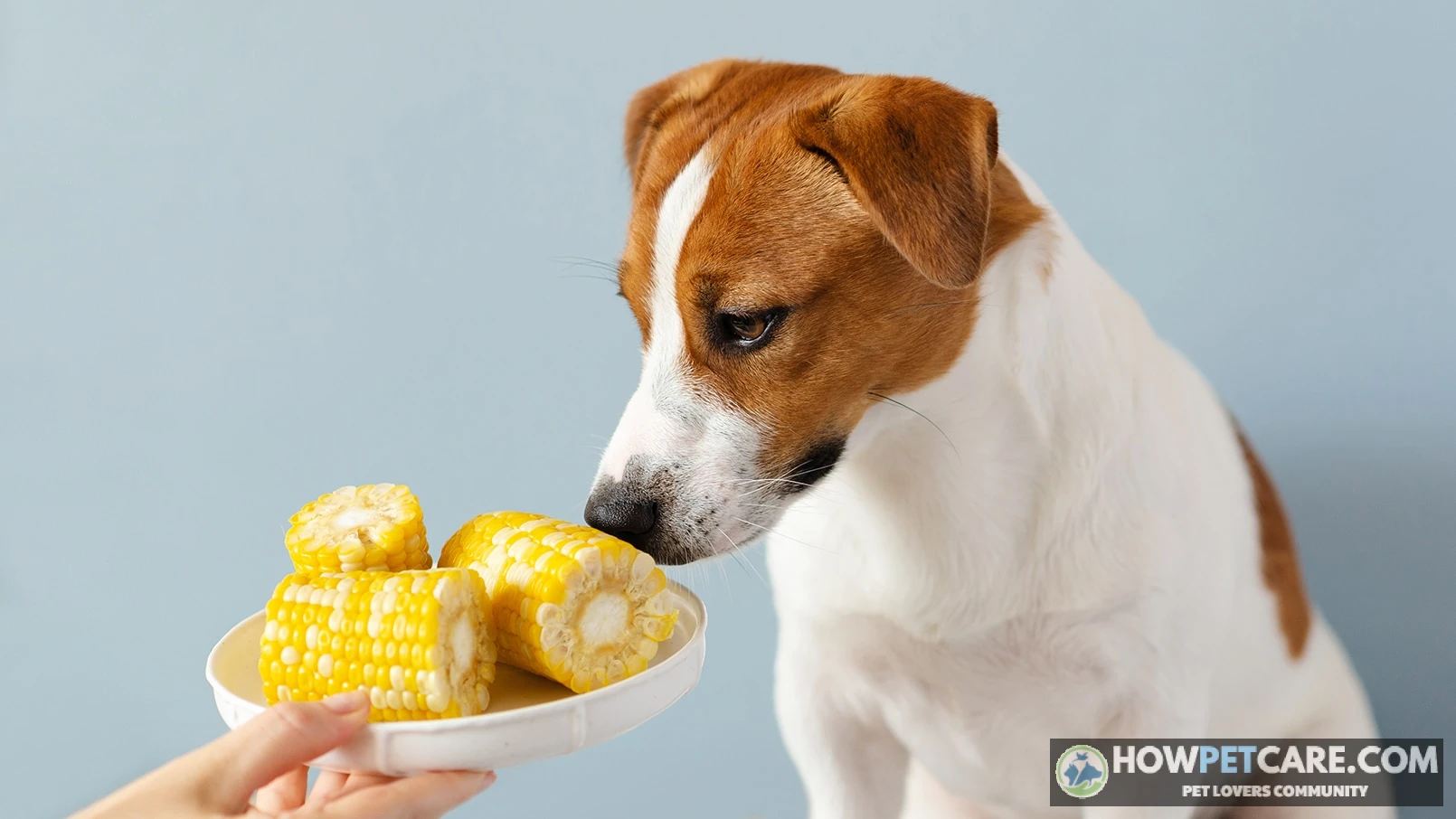

Yes, dogs can safely eat cooked, plain corn kernels removed from the cob. Plain corn provides digestible carbohydrates, fiber, and essential fatty acids. However, never feed corn on the cob, as the woody center cannot be digested and frequently causes dangerous, life-threatening intestinal obstructions requiring emergency surgery.
Yes, dogs can eat plain corn kernels, but they should never eat corn on the cob. Cooked corn kernels served off the cob without butter, salt, or seasonings are safe, non-toxic, and easily digested, making cooked corn far safer than raw corn, which passes through largely undigested. In contrast, the tough central cob poses a severe choking hazard and remains one of the most common causes of intestinal obstructions seen in emergency veterinary clinics.
There is also a major difference between feeding corn as a scrap from the table and finding it in commercial pet food. Kibble manufacturers finely grind and cook whole corn at high temperatures, which breaks down its starches and allows a dog’s digestive tract to absorb the nutrients. Carrots are another dog‑friendly vegetable that many owners include in homemade meals. Whole kernels fed at home are simply an occasional carbohydrate treat and should never replace a balanced diet.
Never feed a dog whole corn on the cob. While the individual kernels are digestible, the inner fibrous cob does not break down in canine stomach acid and frequently creates a fatal gastrointestinal blockage requiring emergency abdominal surgery.
Safe vs. Unsafe Corn Preparations: From Canned Corn to Popcorn

How corn is prepared determines whether it is safe for your dog. Similarly, crunchy veggies like cucumbers can be offered safely when prepared plain. Extra fat, high sodium, and rigid cobs turn an otherwise harmless food into a medical hazard.
| Corn Preparation | Safety Status | Primary Risks & Additives | Serving Verdict |
|---|---|---|---|
| Plain boiled kernels (no butter, no salt) | Safe in moderation | None if plain | Serve ½–1 tsp for small dogs; up to 1–2 tbsp for large dogs |
| Frozen kernels (thawed, no seasoning) | Safe | Choking risk if frozen solid; chewing difficulty | Thaw fully, drain excess water, serve like boiled kernels |
| Canned corn (regular, with salt) | Caution | Added sodium, sugar, preservatives | Rinse under cold water; limit strictly, or choose no-salt-added |
| Creamed corn (dairy, thickeners) | Unsafe | Dairy lactose, thickeners, excess calories | Avoid completely; causes digestive upset |
| Corn tortillas (plain) | Caution | Choking hazard from large pieces; refined carbs | Cut into tiny strips; serve rarely, plain kernels preferred |
| Tortilla chips (plain or flavored) | Unsafe | High sodium, fried oils, onion or garlic powder | Do not feed; high fat and salt trigger gastrointestinal distress |
| Air-popped popcorn (plain) | Safe if fully popped | Unpopped kernels (choking/dental fracture), hulls | Remove all hard unpopped seeds; feed only fluffy pieces |
| Buttered or flavored popcorn | Unsafe | Butter, oils, salt, toxic flavorings | Avoid entirely; excess fat can trigger acute pancreatitis |
| Corn on the cob (raw or cooked) | Unsafe | Choking, physical intestinal obstruction | Never feed; strictly keep out of reach |
| Corn husks (fresh or dried) | Unsafe | Choking, fibrous impaction, gastrointestinal obstruction | Do not feed; tough plant fibers cause physical intestinal blockage |
| Seasoned corn (butter, salt, mayonnaise, onion, garlic) | Unsafe | Toxic alliums, excess sodium, high-fat pancreatitis trigger | Never feed; alliums damage red blood cells and fats upset digestion |
Fresh, Boiled, Frozen, and Canned Kernels
Plain boiled or steamed corn kernels are easiest on a dog’s stomach. Raw kernels have tough cellulose walls that dogs struggle to break down because they lack salivary amylase. While raw kernels are non-toxic, they generally pass straight through the digestive tract without releasing their nutrients.
Frozen kernels are safe as long as they are thawed first. Clumps of rock-hard frozen corn can choke a small dog or crack a tooth, especially in pets with existing dental disease.
Canned corn introduces another concern: sodium. Manufacturers pack standard sweet corn in heavily salted water to preserve it. If you buy canned corn for your dog, choose no-salt-added varieties packed in plain water. If standard canned corn is all you have, rinse the kernels thoroughly under cold running water for several minutes to strip away the surface brine.

Popcorn, Chips, and Tortillas
Plain, air-popped popcorn is safe in small handfuls. However, commercial bagged popcorn, microwave bags, and movie-theater batches carry heavy loads of butter, oil, salt, and artificial seasonings. Unpopped kernels and papery hulls also wedge easily between teeth or catch in a dog’s throat, causing irritation or choking.
Keep processed snacks like tortilla chips and corn chips away from your dog entirely. They are deep-fried, loaded with salt, and frequently coated in onion or garlic powder, which are toxic to dogs. Plain corn tortillas are non-toxic, but their dense, chewy texture poses a choking risk unless sliced into small strips, and they offer little real nutritional value.

Dangerous Additives: Salt, Butter, Garlic, and Onions
Dogs most often run into trouble when eating corn prepared for family meals or barbecues. Unripe tomatoes can be unripe tomatoes toxic and should be avoided. Typical recipes include ingredients that can sicken pets:
- Butter and Cooking Oils: Rich fats can cause immediate digestive upset, including vomiting, diarrhea, and life‑threatening acute pancreatitis.
- Table Salt: Canine kidneys cannot handle human sodium levels. Excess salt causes dehydration, extreme thirst, and potentially sodium ion poisoning.
- Garlic and Onion Powder: Alliums contain organosulfur compounds that cause oxidative damage to canine red blood cells, leading to hemolytic anemia.
- Mayonnaise and Cheese: Common toppings on street corn (elote) add dense calories and lactose that trigger rapid diarrhea.

How Much Corn Can a Dog Safely Eat? Calorie-Based Serving Limits
Corn consists primarily of carbohydrates, so its calories add up faster than many owners realize. To keep your dog at a healthy body condition, treats—including fruit, vegetables, and training biscuits—must never exceed 10% of a dog’s total daily caloric intake.
Plain boiled sweet corn contains roughly 4 calories per teaspoon (about 12 to 14 calories per level tablespoon). Using standard daily energy requirements of roughly 30 calories per pound of body weight for an active adult dog, safe portion ceilings can be determined.
| Dog Size & Weight Class | Approximate Daily Treat Budget | Max Daily Plain Corn Portion | Recommended Frequency |
|---|---|---|---|
| Toy (under 10 lbs) | 20–30 kcal | ½ to 1 teaspoon (2–4 kcal) | 1–2 times per week |
| Small (10–25 lbs) | 30–75 kcal | 1 to 2 teaspoons (4–8 kcal) | 1–2 times per week |
| Medium (26–50 lbs) | 75–150 kcal | 1 to 2 tablespoons (12–24 kcal) | 2–3 times per week |
| Large (51–80 lbs) | 150–240 kcal | 2 to 3 tablespoons (24–36 kcal) | 2–3 times per week |
| Giant (80+ lbs) | 240+ kcal | 3 to 4 tablespoons (36–48 kcal) | 2–3 times per week |

Treat-Budget Mini-Calculator for Corn Treats
Use this calculation to determine how much corn your dog can safely have alongside other snacks:
Daily Calories = [30 × weight_in_pounds]
Total Treat Budget = Daily Calories × 0.10
Remaining Corn Calories = Treat Budget - [other treats fed today in calories]
Max Corn (teaspoons) = Remaining Corn Calories / 4
Worked Example: Allocating Corn Within a Dog’s Daily Treat Budget
Scenario: Emma has a 12-pound small-breed dog named Milo. Milo already receives a daily commercial dental chew that accounts for 30 calories.
- Calculate Milo’s maintenance calories: 30 kcal × 12 lbs = 360 total calories per day.
- Determine the 10% treat budget: 360 kcal × 0.10 = 36 calories maximum from all treats.
- Subtract existing treats: 36 kcal treat budget − 30 kcal dental chew = 6 calories remaining for corn.
- Convert to kernel volume: 6 kcal ÷ 4 kcal per teaspoon = 1.5 teaspoons of corn.
- Apply size-band caps: Toy/small dogs should receive no more than 1 to 2 teaspoons daily.
- Serving Decision: Emma measures out exactly 1½ teaspoons of plain, boiled kernels and adds them to Milo’s bowl.
Treat calories accumulate rapidly. If you give your dog training biscuits, jerky strips, or peanut butter on the same day you serve corn, you must reduce the corn portion accordingly to keep total treats under the 10% threshold.
What to Do If Your Dog Ate a Corn Cob: Triage and Emergency Protocol

If your dog swallows a piece of corn cob, contact a veterinarian immediately rather than waiting for symptoms to appear. Canine stomach acid cannot dissolve the woody structure of a cob. The fibrous core travels intact out of the stomach and into the small intestine, where it plugs the lumen like a cork, stopping blood flow and triggering tissue death.
A dog’s size, the volume ingested, and whether the cob was fragmented will determine how quickly symptoms progress, but no amount of chewed or swallowed corn cob is safe to monitor at home without professional guidance. While a giant-breed dog might occasionally pass a thumbnail-sized scrap, that exact piece can completely block a small dog, and splintered pieces can tear through intestinal walls.
A dog with a developing intestinal blockage can still pass stool for 24 to 48 hours after ingestion. This occurs because stool located downstream of the obstruction in the colon can still be evacuated normally. Continued bowel movements do not exclude an obstruction, so do not assume your dog is clear simply because they defecate after eating a cob.
Differentiating Choking, Upset Stomach, and Bowel Obstruction
Identifying your dog’s physical symptoms helps the veterinary team triage the case quickly:
- Choking (Upper Airway Emergency): Immediate gagging, frantic pawing at the mouth, blue-tinged gums or tongue, inability to inhale, wide-eyed panic. This requires immediate physical airway clearance or emergency transport.
- Gastrointestinal Irritation (Stomach Stage): Salivating heavily, lip licking, gulping air, vomiting partially chewed food or bile, and refusal to eat.
- Mechanical Intestinal Blockage (Surgical Emergency): Persistent retching or vomiting (especially after drinking water), severe lethargy, a hunched posture or groaning when the abdomen is touched, and futile straining to defecate.
Immediate Actions and What to Avoid at Home
-
Step 1: Secure the Dog and Remove Remaining Cob Pieces
Prevent your dog from eating any additional scraps. Safely collect whatever remains of the cob so you can show the veterinary team its approximate size and chew pattern.
-
Step 2: Gather Critical Triage Details
Note the exact time of ingestion, your dog’s approximate weight, and whether they swallowed the cob whole or chewed it into jagged chunks.
-
Step 3: Call Your Veterinarian or Emergency Clinic Immediately
Notify the clinic that you are en route with a suspected foreign body ingestion. If the cob was swallowed within the last 1 to 2 hours, a veterinarian may be able to safely induce vomiting or retrieve it endoscopically before it migrates into the intestines.
-
Step 4: Do NOT Attempt Home Induction or Remedies
Never induce vomiting or attempt home remedies such as hydrogen peroxide, salt, vegetable oil, or laxatives unless explicitly instructed by a veterinarian. The wide, rough diameter of a corn cob can lodge in the esophagus during vomiting, turning an intestinal problem into a fatal airway obstruction.

Nutritional Value and Canine Digestion: Is Corn Good for Dogs?
When incorporated correctly into dog nutrition, corn offers functional dietary value. While it should not replace primary animal proteins, plain corn contains several beneficial nutrients:
- Dietary Fiber: Promotes healthy canine digestion and provides bulk to support regular bowel movements.
- Essential Fatty Acids: Supplies linoleic acid, an omega-6 fatty acid essential for maintaining coat luster and skin barrier integrity.
- Carbohydrates: Provides readily available energy for active dogs.
- Antioxidants: Contains carotenoids such as lutein and zeaxanthin, which support cellular health and vision.
- Vitamins and Minerals: Delivers plant-based vitamin C, B-complex vitamins, magnesium, and potassium.

Why Corn Kernels Appear Whole in Dog Stool
Dog owners often spot whole kernels in their dog’s stool and assume canines cannot digest corn at all. The outer coat of a kernel is composed of cellulose—an insoluble plant fiber that canine digestive enzymes cannot break down.
When a dog gulps kernels without chewing them, the internal starches and nutrients stay sealed inside that fibrous shell. The kernel travels through the digestive tract and exits intact. If the kernel is cracked open by chewing, cooking, or milling, the digestive enzymes extract the nutrients inside, leaving only the empty outer hull in the stool.
Introducing Corn for the First Time: Intolerance vs. Corn Allergies
Introduce corn slowly if your dog has never had it before. True corn allergies are far less common in dogs than reactions to proteins like chicken, beef, or dairy, but they do happen. More often, loose stool or gas is simply a sign of food intolerance caused by extra fiber or starches.
Follow this checklist when feeding corn for the first time:
- ☐ Choose plain, unsalted, boiled kernels only (never raw, buttered, or on the cob).
- ☐ Measure a half-teaspoon (≈2 g) for the initial offering.
- ☐ Feed the portion alongside their normal meal when the dog is relaxed.
- ☐ Observe your dog for 24 to 48 hours for any adverse reactions.
- ☐ Watch for Gastrointestinal Intolerance: Excessive gas, flatulence, abdominal rumbling, loose stool, or vomiting.
- ☐ Watch for True Food Allergy: Pruritus (intense itching), paw licking, red or inflamed ears, skin hives, or face rubbing.
- ☐ Stop feeding corn immediately if either digestive intolerance or allergy signs occur, and seek veterinary escalation if vomiting persists beyond 12 hours, signs of facial swelling develop, or severe lethargy occurs.
- ☐ Record the date and portion size in your pet care records for future reference.
If your dog shows persistent itching, inflamed ears, or repeated skin infections, avoid guessing at food triggers. Have your veterinarian guide you through a structured elimination diet trial to identify the underlying allergy.
Kitchen Safety Checklist: Serving Corn Without the Risks
Preventing accidents comes down to sensible kitchen habits and clear portion rules. Follow this 4-step serving protocol whenever you prepare corn at home:
- Strip Kernels Completely Off the Cob: Never hand a whole or partially stripped cob to a dog, even under direct supervision. Cut the kernels off with a chef’s knife over a cutting board.
- Inspect for Additives: Ensure the portion intended for your dog was set aside prior to adding butter, salt, pepper, oils, onions, or garlic.
- Measure Strictly by Weight Class: Measure the kernels with a standard measuring spoon based on your dog’s weight band, keeping total daily treat calories under 10%.
- Secure Kitchen Trash and Compost Bins: Dogs have keen noses and will readily raid garbage cans for discarded cobs saturated in meat juices or butter. Use locking trash cans, place compost bins behind secure gates, and immediately carry discarded cobs to an outdoor, animal-proof bin after meals.
By serving only plain, cooked kernels in measured quantities and keeping cobs securely out of reach, you can safely share this sweet summer staple without risking your dog’s health.
FAQ
Can puppies eat corn kernels?
Puppies can eat a few plain, fully cooked corn kernels, but their developing gastrointestinal tracts are especially sensitive to dietary changes. Always keep portions minimal—no more than a few kernels—and prioritize their balanced puppy food.
Will a swallowed corn cob dissolve in a dog’s stomach acid?
No, a corn cob will not dissolve in stomach acid. The fibrous cellulose and lignin structure resists digestion completely, which is why swallowed pieces frequently travel into the small intestine and create life-threatening mechanical blockages.
Is canned corn safe for dogs if rinsed with water?
Rinsing canned corn removes some surface sodium, but standard canned varieties often still carry elevated salt and preservative levels. If offering canned corn, choose no-salt-added varieties packed in plain water, or opt for fresh or frozen thawed corn instead.
Why does corn appear whole in my dog’s stool?
The outer hull of a corn kernel consists of cellulose, an insoluble plant fiber that canine digestive enzymes cannot break down. The inside of the kernel may be digested if chewed, but intact kernels pass through the digestive tract largely unchanged.