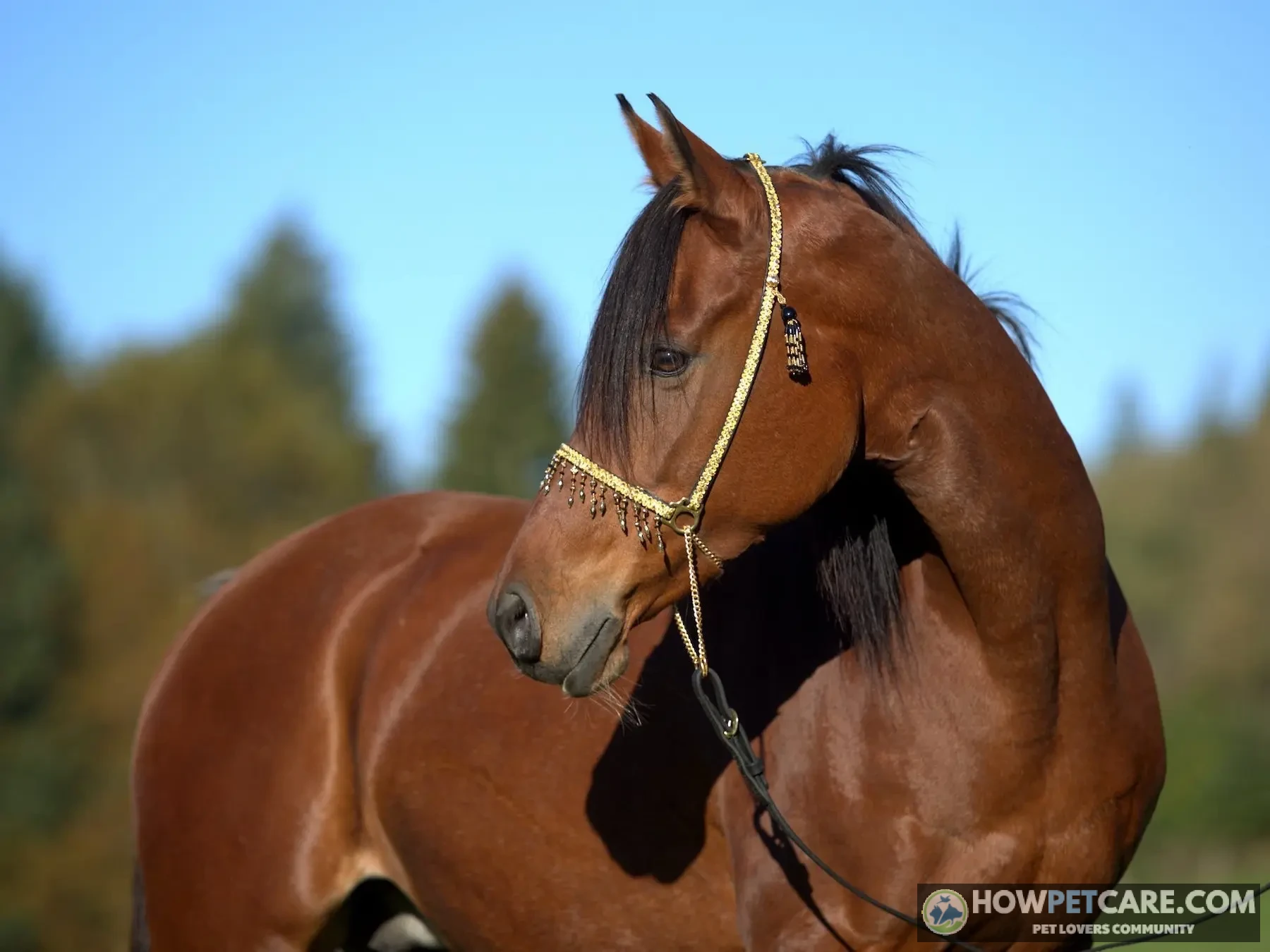

Start with the base color, then check dilutions, patterns, and markings:
- Bay has a red-brown body with black mane, tail, and lower legs.
- Chestnut has a red body with red or flaxen points and no black.
- Black has black body, mane, tail, and points with no red hairs.
- Buckskin, palomino, and dun come from dilution genes.
- Roan, gray, pinto, and appaloosa are patterns over a base color.
- Record facial and leg markings after color and pattern.
Every horse color starts with one of two pigments: red or black. Bay, chestnut, and black are the three familiar base colors, and everything else—palomino, buckskin, dun, roan, gray, pinto, appaloosa, and the rare colors—is a modification of one of those bases. A quick field test keeps beginners out of trouble: bay has a red-brown body with black mane, tail, and lower legs; chestnut has a red body with red or flaxen points; black has black body, mane, tail, and points with no red hairs.
Bay versus chestnut comes down to points: if the mane, tail, and legs below the knees and hocks are black, the horse is bay; if no black appears anywhere, it is chestnut. Black versus dark bay is the harder call. Look at the muzzle, flanks, and soft hair rather than overall darkness; red tones in those areas point to dark bay, while a truly black horse stays black there.
There is no official answer to "how many horse colors are there," because registries define colors differently. This guide organizes horse coat colors by base colors, dilutions, and patterns instead of chasing a fixed count.
The 4 Base Horse Colors: Bay, Chestnut, Black — and How to Name Any Coat
Coat color is determined by multiple genes, not a single gene, which is why prediction gets complicated. The extension gene (E) and the agouti gene (A) form the foundation: they produce black or red base coats. Black base coats can yield black, bay, buckskin, grullo, perlino, and blue or bay roan; red base coats can yield chestnut, cremello, and pearl.
A bay horse has a reddish-brown body with a black mane, tail, and lower legs. A chestnut horse has a reddish coat with a mane and tail the same color or lighter. A black horse has a very dark coat with a black mane and tail. Solid-colored horses have one body color aside from leg or face markings.

| Color | Body Color | Mane and Tail | Legs and Points | Fast Field Test |
|---|---|---|---|---|
| Bay | Red-brown to mahogany | Black | Black below the knees and hocks | Red body plus black points means bay |
| Chestnut | Red to reddish-brown | Red, flaxen, or liver-red | Red, matching the body | No black anywhere means chestnut |
| Black | Black | Black | Black | Black body and points with no red means black |
| Dark bay | Deep brown-black body | Black | Black | Check muzzle, flanks, and soft hair; red tones mean dark bay, not black |
When two horses look almost the same color, check the mane, tail, and lower legs first. Black points point to bay or black; red points point to chestnut.
Master Horse Color Chart: Every Coat Color with Pictures and Descriptions
The chart below groups horse coat colors by category so beginners learn the system, not just a list of horse color names.

| Color | Category | What It Looks Like | What Causes It | Commonly Confused With |
|---|---|---|---|---|
| Bay | Base | Red-brown body with black mane, tail, and lower legs | Black pigment restricted to points by agouti | Dark bay, brown |
| Chestnut | Base | Red to reddish-brown body with red or flaxen mane and tail | Red pigment only; no black pigment | Sorrel, liver chestnut |
| Black | Base | Black body, mane, tail, and points with no red hairs | Black pigment throughout | Dark bay, faded black |
| Buckskin | Dilution | Golden-tan body with black points | One cream gene on a bay base | Dun, palomino |
| Palomino | Dilution | Golden body with white or cream mane and tail | One cream gene on a chestnut base | Buckskin, cremello |
| Dun | Dilution | Sandy to mouse-gray body with dorsal stripe and leg barring | Dun gene on a base color | Buckskin, grullo |
| Roan | Pattern | White hairs mixed through body coat while head and legs stay dark | Roan gene | Gray, rabicano |
| Gray | Pattern | Born dark and lightens with age; may end nearly white | Gray gene | White, roan |
| Pinto/Tobiano | Pattern | Large vertical white patches with white legs | Tobiano spotting gene | Overo, appaloosa |
| Appaloosa | Pattern | Spotted blanket, leopard, or snowflake markings over a base color | Leopard complex gene | Pinto, roan |
| Cremello | Rare dilution | Cream-colored body, pink skin, blue eyes | Two cream genes on chestnut | Perlino, white |
| Perlino | Rare dilution | Cream body with slightly darker points, pink skin, blue eyes | Two cream genes on bay or black | Cremello, palomino |
| Champagne | Rare dilution | Metallic gold, amber, or classic champagne coat with light skin and eyes | Champagne gene | Palomino, buckskin |
| Pearl | Rare dilution | Pale cream coat that may intensify in sunlight | Pearl gene, often needing two copies | Cremello, champagne |
| Brindle | Rare pattern | Vertical striping or mottled coat over a base color | Rare brindle or chimera-related patterning | Roan, appaloosa |
Palomino is a color, not a breed, although color-based registries exist. The AMHA recognizes color patterns including pinto, appaloosa, and pintaloosa.
Rare Horse Colors: Cremello, Perlino, Champagne, Pearl, and Brindle
Cremello and perlino horses must have blue eyes. Cremello has a cream-colored body, pink skin, and blue eyes from two cream genes on a chestnut base. Perlino has a cream body with slightly darker points, pink skin, and blue eyes from two cream genes on a bay or black base. Champagne has a metallic gold, amber, or classic champagne coat with light skin and eyes. Pearl has a pale cream coat that may intensify in sunlight. Brindle shows vertical striping or mottled coat over a base color and is generally considered the rarest.

Rare colors are not automatically health problems or signs of special temperament. Coat color does not predict health, temperament, or suitability, so judge the horse on care, training, and conformation rather than color alone.
Dilution Genes Explained: How Cream, Dun, and Roan Change a Base Color
Dilution genes lighten or alter a base color without replacing it. The cream gene gives one copy that lightens red to palomino and black-based coats to buckskin; two copies produce cremello on chestnut or perlino on bay or black. The dun gene adds primitive markings, especially a dorsal stripe and leg barring, which helps distinguish dun from a plain buckskin or palomino.
Roan mixes white hairs through the body coat while the head and legs stay dark. Roan types are named by base coat: blue roan on black and strawberry roan on chestnut. Gray is different: gray horses are born dark and lighten with age, passing through fleabitten and dapple stages before looking white.

Why Gray Horses Turn White with Age — and What Changes Over Time
- Foal stage: gray foals are often born dark bay, black, or chestnut; look for white hairs around the eyes and muzzle as an early clue.
- Young horse stage: the coat begins to salt-and-pepper, especially over the face, flanks, and topline.
- Mid-life stage: the body lightens to steel gray or dappled gray while the head may stay darker longer.
- Senior stage: many grays become white or flea-bitten gray with small dark specks.
- Care notes: use sun protection on pink-skinned areas, inspect skin regularly for melanoma changes, and avoid harsh whitening shampoos that dry the coat.
A gray horse that looks white can still have dark skin in some areas, but pink-skinned areas need sun protection. Regular skin checks matter because melanoma risk is a common concern in gray horses.

Pinto, Tobiano, and Appaloosa: Coat Patterns vs. Coat Colors
Pinto is a pattern, not a color. Tobiano shows large vertical white patches with white legs, while overo shows more irregular horizontal patches. Appaloosa patterns include blanket, leopard, and snowflake markings over a base color. A horse can be a patterned horse of any base color, so identify the base color first and then name the pattern on top of it.

Name a horse in this order: base color, then dilution, then pattern, then markings. That order prevents calling a pinto "a color" or a palomino "a breed."
Horse Markings Chart: Facial and Leg Markings Every Rider Should Know
Facial and leg markings are described consistently on registration papers.
| Marking | Location | Description | Example Photo |
|---|---|---|---|
| Star | Forehead | Small white spot above or between the eyes | Small white star centered on the forehead |
| Stripe | Face | Narrow white line running down the face | Thin white stripe from forehead toward muzzle |
| Snip | Muzzle | Small white mark on the nose or muzzle | Tiny white snip on the upper lip |
| Blaze | Face | Wide white stripe from forehead to muzzle | Broad blaze covering much of the face |
| Bald face | Face | Extensive white covering most of the face | White face with colored patches around eyes |
| Coronet | Hoof line | White band just above the hoof | Thin white coronet at the top of the hoof |
| Pastern | Pastern | White extending from hoof to pastern | White reaching the lower pastern |
| Sock | Lower leg | White reaching above the fetlock but below the knee or hock | White sock stopping mid-cannon |
| Stocking | Lower leg | White extending to or above the knee or hock | Full white stocking on one foreleg |
| Ermine spots | Dark marking in white | Dark spots inside a white marking | Black spots inside a white stocking |
| Distal spots | Lower leg | Dark spots on the lower leg outside main markings | Small dark spots above the coronet |
To describe a horse accurately for ID papers, use base color + dilution + pattern + markings, in that order. Ermines and distal spots are useful because two horses with the same sock can still differ in these small details.

Horse Color Genetics for Beginners: Simple Rules to Predict a Foal’s Color
Equine coat color genetics begins with the two-pigment system: extension determines red versus black, and agouti determines where black shows. Gray, cream, and roan are dominant; chestnut is recessive. Breeders use agouti and red factor panels together to determine black, bay, or chestnut base colors and predict progeny outcomes.
Simple rules help beginners estimate outcomes without advanced breeding advice. Two chestnuts can produce only chestnut foals because both parents can pass only red pigment. Two palominos can produce roughly 25% chestnut, 50% palomino, and 25% cremello because each parent may pass one cream gene or none. A bay crossed with a black may produce bay, black, or dark bay, so base-color prediction needs parent genotype information, not just appearance.
Prediction is probability, not certainty. DNA color testing panels for base color, dilution, and white spotting are available across breeds and give more reliable answers than appearance alone.
Can You Predict a Foal’s Coat Color? Three Worked Examples
Example 1: Chestnut x chestnut. If both parents are chestnut, the foal is expected to be chestnut because chestnut is recessive and both parents can only pass red pigment.
Example 2: Palomino x palomino. One cream gene on each parent gives roughly 25% chestnut, 50% palomino, and 25% cremello. The exact outcome for one foal is a probability, not a promise.
Example 3: Bay x black. A bay parent can pass red or black pigment depending on its hidden genes, while a black parent usually passes black pigment. The foal may be bay, black, or dark bay, so base-color prediction needs parent genotype information, not just appearance.
Horse Colors by Breed: Which Colors and Patterns Each Major Breed Allows
Breed rules are typical or allowable examples, not universal legal determinations, and registration by color differs from registration by pedigree.
| Breed | Typical Colors | Allowed / Disallowed | Notes |
|---|---|---|---|
| Friesian | Black | Black only for classic registry | White markings are limited or discouraged by many breed standards |
| American Quarter Horse | Bay, chestnut, black, gray, roan, dun, buckskin, palomino, and more | Most colors allowed | One of the most color-flexible major registries |
| Appaloosa | Patterned horses of many base colors | Patterned registry | Base color plus leopard-complex pattern matters |
| Palomino registry | Palomino | Color-based registration | Palomino is a color, not a breed |
| Clydesdale | Bay with extensive white | Traditional color strongly preferred | White markings are part of the classic look |
| American Paint Horse | Pinto patterns over many base colors | Pattern and pedigree rules apply | Paint is a breed; pinto is a pattern |
The most common horse colors in the United States are bay, chestnut, black, and gray, but breed rules skew those averages. A colored foal may be ineligible for registration in a breed with strict color rules, so check registry rules before planning around color.
Your Next Steps: A Field Checklist for Identifying Any Horse’s Color
-
Find the base color
Look at the muzzle, mane, tail, and points. Red body with black points means bay; red points mean chestnut; black throughout means black.
-
Check for dilution clues
Look for a dorsal stripe and leg barring for dun, blue eyes and pink skin for cremello or perlino, or a metallic sheen for champagne.
-
Name any pattern
Identify roan, gray, pinto/tobiano, or appaloosa after the base color and dilution.
-
Record markings
Use the marking names in the facial and leg chart, including ermines and distal spots.
For a definitive answer, use a DNA color testing kit and consult the relevant breed registry color guide. Keep the master chart and marking names handy at the barn or show grounds, and remember that color is a description, not a verdict on the horse’s value.

Color Name Category Visual Appearance Genetic Cause Commonly Confused With Base Pigment (Inferred) Bay Base Red-brown body with black mane, tail, and lower legs Black pigment restricted to points by agouti Dark bay, brown Black, Red Chestnut Base Red to reddish-brown body with red or flaxen mane and tail Red pigment only; no black pigment Sorrel, liver chestnut Red Black Base Black body, mane, tail, and points with no red hairs Black pigment throughout Dark bay, faded black Black Buckskin Dilution Golden-tan body with black points One cream gene on a bay base Dun, palomino Black Palomino Dilution Golden body with white or cream mane and tail One cream gene on a chestnut base Buckskin, cremello Red Dun Dilution Sandy to mouse-gray body with dorsal stripe and leg barring Dun gene on a base color Buckskin, grullo Variable Roan Pattern White hairs mixed through body coat while head and legs stay dark Roan gene Gray, rabicano Variable Gray Pattern Born dark and lightens with age; may end nearly white Gray gene White, roan Variable Pinto/Tobiano Pattern Large vertical white patches with white legs Tobiano spotting gene Overo, appaloosa Variable Appaloosa Pattern Spotted blanket, leopard, or snowflake markings over a base color Leopard complex gene Pinto, roan Variable Cremello Rare dilution Cream-colored body, pink skin, blue eyes Two cream genes on chestnut Perlino, white Red Perlino Rare dilution Cream body with slightly darker points, pink skin, blue eyes Two cream genes on bay or black Cremello, palomino Black Champagne Rare dilution Metallic gold, amber, or classic champagne coat with light skin and eyes Champagne gene Palomino, buckskin Variable Pearl Rare dilution Pale cream coat that may intensify in sunlight Pearl gene, often needing two copies Cremello, champagne Variable Brindle Rare pattern Vertical striping or mottled coat over a base color Rare brindle or chimera-related patterning Roan, appaloosa Variable
FAQ
How many horse colors are there?
There’s no official count because registries define colors differently. Most guides recognize around 15–20 named coat colors, all built from three base colors (bay, chestnut, black) plus dilutions and patterns.
What is the rarest horse coat color?
Brindle is generally considered the rarest, caused by a very uncommon genetic pattern. Champagne and pearl are also rare and mostly limited to specific breeds.
Do a horse’s coat colors change with the seasons?
Yes. Many horses grow a lighter or sun-bleached summer coat and a thicker, darker winter coat, so the same horse can look noticeably different across seasons without any genetic change.
Can two bay horses produce a chestnut foal?
Yes, if both parents carry the recessive red gene. Bay is dominant over chestnut, so two bays can produce a chestnut foal, but two chestnuts can never produce a bay.