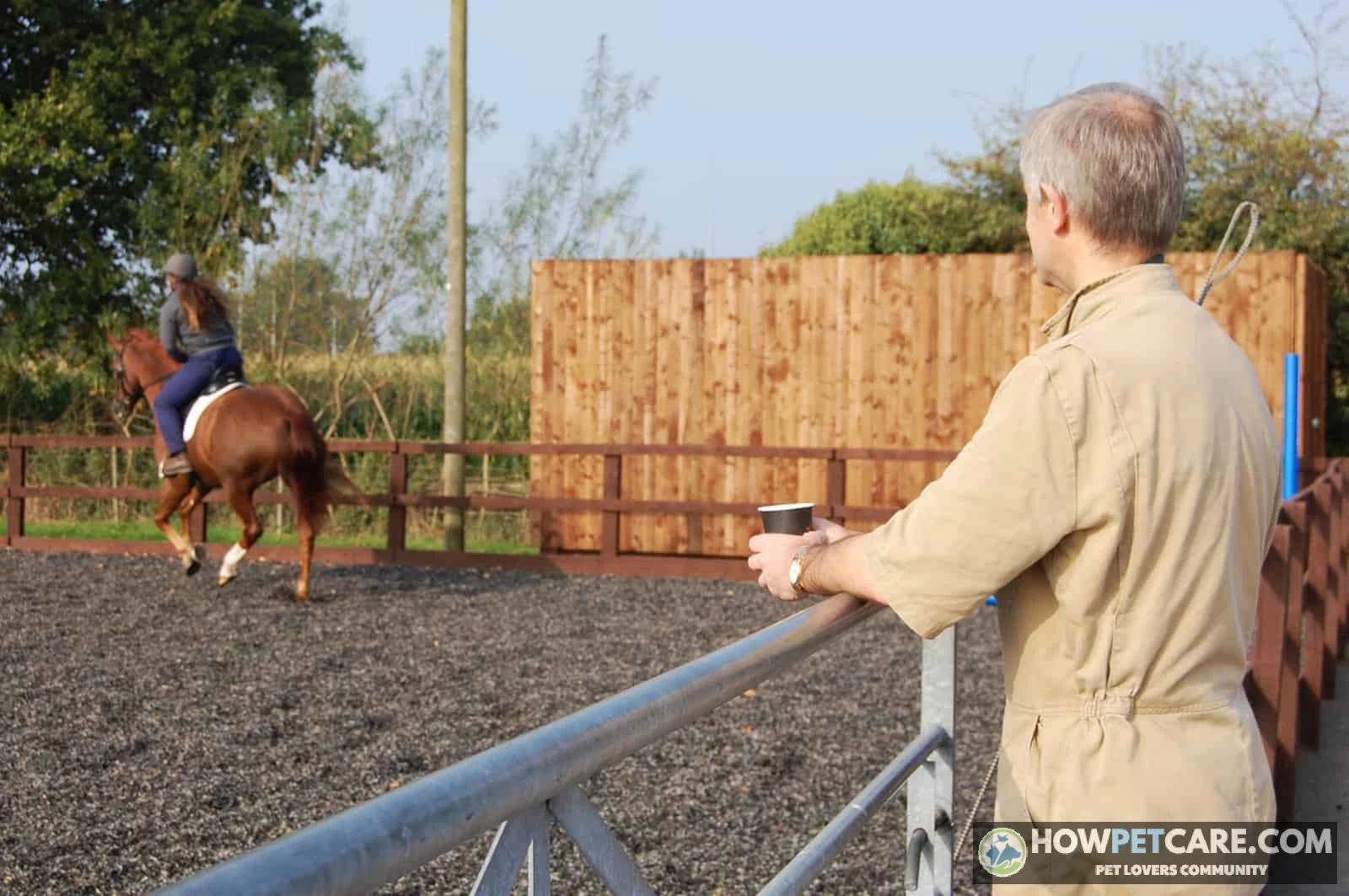

Lameness means an abnormal gait caused by pain, injury, or a mechanical problem in the limbs; in everyday English, it describes something weak or unconvincing. In animals it is a symptom, not a diagnosis, so the cause still needs to be found.
What Lameness Means: The Medical Definition and the Everyday Sense
Lameness is an abnormal gait caused by pain or injury, and in everyday speech it means weak or unsatisfactory. Clinically, it can stem from pain, injury, or a mechanical problem in the limbs or locomotor system, and it points to an underlying problem rather than being a disease itself. Say it LAYM-ness, with a long “a.” In veterinary practice, lameness shows up as a limp, uneven weight‑bearing, or a shortened stride. In ordinary conversation, it describes a weak excuse or unsatisfactory performance. Because it’s a symptom, the veterinarian’s job is to find the cause, not to label the animal “lame” for good.
Lameness vs. Disability, Weakness, and a “Lame Excuse”
Veterinary lameness describes a temporary or treatable gait abnormality. Disability in humans refers to a broader, often long‑term limitation of activity. Calling a weak excuse “lame” is informal, and some people find it insensitive because of the disability connection. Synonyms include limping, gimpiness, halting gait, and, clinically, “claudication.” The opposite of lame in the veterinary sense is soundness: a normal, pain‑free gait. Antonyms for the everyday sense include convincing, strong, or impressive.
Two Signs of Lameness and How to Tell Which Leg Is Affected
Head nod in front‑leg lameness
A horse or dog that favors a front leg will often lift its head as the sore leg strikes the ground and drop it when the opposite leg bears weight. This “head nod” is a reliable indicator of front‑leg pain. Dogs may also lift the front paw briefly or shift weight to the opposite side.
Hip hike and short stride in hind‑leg lameness
When a hind leg is sore, the hip rises on the affected side (hip hike) and the stride gets shorter, especially at the trot. Dogs may show a bunny‑hop gait, where both hind legs move together. Others hold a leg up and refuse to put weight on it.
Subtle signs owners miss
Other clues include a slight limp that disappears on a soft surface, reluctance to turn or circle, heat or swelling in the hoof or joint, a palpable digital pulse in the pastern, or a change in appetite or behavior. For the clearest view, watch the animal on a flat, firm surface at both walk and trot, from the front, side, and rear.

Lameness Across Species: Horses, Dogs, Cats, Cattle, and Humans Compared
| Species | How lameness typically looks | Most common cause categories | Key owner clue |
|---|---|---|---|
| Horse | Head nod on a sore front leg, hip hike on a sore hind leg, shortened stride, reluctance to turn or circle | Hoof problems (abscess, bruise, laminitis), joint disease, tendon or ligament strain | A horse that is “off” at the trot but looks fine at the walk — most lameness shows best at a trot |
| Dog | Limping, toe‑touching, holding a leg up, bunny‑hopping on both hind legs, hesitation on stairs or jumping | Paw injury (cut pad, foreign body, torn nail), cruciate ligament tear, arthritis, muscle strain, hip dysplasia | A limp that appears right after running or jumping usually means an acute injury, not arthritis |
| Cat | Subtle: jumping less, choosing lower perches, grooming one leg more, hiding, stiffness after rest | Soft tissue strain, bite‑wound abscess, arthritis (common in older cats), nail or pad injury | The “limp” may never be visible — a cat that stops jumping onto the counter may be lame |
| Cattle | Arched back, slow deliberate steps, head bobbing, lying down more, weight shifting while standing | Foot problems dominate: sole ulcers, digital dermatitis, foot rot, white line disease | A cow standing with an arched back and hind feet tucked forward is a classic lameness posture |
| Human | “Lameness” is archaic; clinicians say limp or gait disturbance; uneven steps, short step length, or avoiding weight on one side | Sprains and strains, arthritis, fracture, nerve problems (sciatica, spinal issues), vascular claudication | A limp plus leg pain on walking that eases with rest suggests a vascular pattern worth mentioning to a doctor |

Reading the AAEP 0–5 Lameness Scale in Plain English
Vets use the AAEP scale, a standardized 0–5 grading, to describe severity and communicate consistently. Grade 0: nothing. The horse moves evenly at walk, trot, and on circles, and no lameness is perceptible under any circumstances. Grade 1: a flicker of unevenness you can’t reliably catch, such as a slight head bob on one stride in ten. It’s inconsistent — not apparent under all circumstances. Grade 2: a subtle unevenness you keep half‑seeing on a straight line. It’s hard to spot at a walk or straight‑line trot, but shows consistently when circling, on a slope, or on hard ground. Grade 3: a clear, repeatable head nod or hip hike every stride at the trot, consistently observable under all circumstances. Grade 4: lameness that’s obvious even at a walk, with a marked head nod or hitching gait. You can’t miss it. Grade 5: the horse barely puts the leg down, even standing still, with minimal or no weight‑bearing in motion or at rest. One caveat: grading is subjective. A higher grade doesn’t always mean a worse underlying problem, and a mild grade can still signal something serious.
What Causes Lameness and Why Acute vs. Chronic Matters
Lameness is a symptom, and its causes fall into several groups: injury or trauma, joint disease or arthritis, soft tissue strain, hoof or paw problems, infection, developmental disorders, and neurologic disease. In horses, chronic forelimb soreness often leads vets to check for navicular syndrome symptoms alongside other hoof and heel pain. Acute lameness (sudden onset) often points to trauma, a foreign body, an abscess, or a tear. Chronic lameness (weeks or months) more often points to degenerative or developmental causes. The distinction matters because acute cases may need urgent care, while chronic ones call for a workup and long‑term management. Sudden hind‑leg lameness after running can indicate a cruciate ligament tear, muscle strain, hip injury, or a neurologic event such as disc disease or spinal injury. Dragging knuckles or weakness suggests a nerve or spinal issue, which is an emergency.

What a Veterinary Lameness Exam Involves, What It Costs, and How Long Recovery Takes
Steps in a lameness workup
A typical workup starts with a thorough history and a visual gait assessment at walk and trot. Next come palpation of limbs and joints, flexion tests (holding the limb in a flexed position for 30–60 seconds), and hoof testing with hoof testers (horses). Nerve or joint blocks then help localize pain, and imaging such as radiographs, ultrasound, or MRI follows when indicated.

Cost expectations by tier
A basic lameness exam and gait assessment sits at the low tier. Adding radiographs moves the total to the moderate tier. Advanced imaging (ultrasound, CT, MRI) or surgery pushes the cost to the high tier. Costs vary by region, species, and clinic, so request a written estimate before you proceed.
Recovery timelines by cause category
- Minor soft tissue strain, bruise, or hoof abscess: often resolve in days to a few weeks.
- Tendon or ligament injury (e.g., cruciate tear): typically 2–6 months, longer if surgery is required.
- Fracture: weeks to several months depending on bone and species.
- Arthritis and degenerative joint disease: managed rather than cured, with ongoing monitoring; in horses this category includes ringbone in horses.
- Neurologic causes (disc disease, spinal injury): highly variable; some improve quickly, others may result in permanent deficits.
- Laminitis (horses): weeks to months; severe cases may never fully resolve.
Cost tiers are hedged as low, moderate, and high, and the type of imaging or intervention needed is the main driver.
Owner First-Response Checklist: Rest, Monitor, or Call the Vet Now

-
Step 1 — Observe (5 minutes)
- ☐ Identify which limb is affected; film 20–30 seconds of the animal walking or trotting on flat, firm ground.
- ☐ Check the leg and hoof/paw for swelling, heat, wounds, foreign objects, or a strong digital pulse (horses).
- ☐ Note when it started, whether it followed exercise, and whether the animal still bears weight.
-
Step 2 — Restrict
- ☐ Confine the animal: stall rest for a horse, crate or small room for a dog or cat.
- ☐ No forced exercise; avoid making the animal trot repeatedly.
- ☐ Do NOT give human painkillers — ibuprofen, naproxen, and acetaminophen can be toxic to dogs and cats.
-
Step 3 — Choose your path
- ☐ Path A — Rest and watch 24–48 hours. Mild new limp, animal still bears weight, no swelling, eating and acting normally, and the limp is improving.
- ☐ Path B — Vet visit within 1–2 days. Limp persists past 48 hours, keeps coming back, is getting worse, or comes with mild swelling or heat.
- ☐ Path C — Urgent or emergency care now. No weight‑bearing at all, visible deformity, open wound or deep puncture, severe swelling, fever, sudden hind‑leg weakness or dragging, or extreme pain.
If the animal shows no weight‑bearing, a visible deformity, an open wound, severe swelling, fever, sudden hind‑leg weakness, or extreme pain, call a veterinarian immediately. These signs may indicate a fracture, severe infection, or life‑threatening laminitis and require urgent evaluation.
| Species | Clinical Presentation | Common Causes | Key Diagnostic Clues |
|---|---|---|---|
| Horse | Head nod on a sore front leg, hip hike on a sore hind leg, shortened stride, reluctance to turn or circle | Hoof problems (abscess, bruise, laminitis), joint disease, tendon or ligament strain | A horse that is “off” at the trot but looks fine at the walk — most lameness shows best at a trot |
| Dog | Limping, toe‑touching, holding a leg up, bunny‑hopping on both hind legs, hesitation on stairs or jumping | Paw injury (cut pad, foreign body, torn nail), cruciate ligament tear, arthritis, muscle strain, hip dysplasia | A limp that appears right after running or jumping usually means an acute injury, not arthritis |
| Cat | Subtle: jumping less, choosing lower perches, grooming one leg more, hiding, stiffness after rest | Soft tissue strain, bite‑wound abscess, arthritis (common in older cats), nail or pad injury | The “limp” may never be visible — a cat that stops jumping onto the counter may be lame |
| Cattle | Arched back, slow deliberate steps, head bobbing, lying down more, weight shifting while standing | Foot problems dominate: sole ulcers, digital dermatitis, foot rot, white line disease | A cow standing with an arched back and hind feet tucked forward is a classic lameness posture |
| Human | “Lameness” is archaic; clinicians say limp or gait disturbance; uneven steps, short step length, or avoiding weight on one side | Sprains and strains, arthritis, fracture, nerve problems (sciatica, spinal issues), vascular claudication | A limp plus leg pain on walking that eases with rest suggests a vascular pattern worth mentioning to a doctor |

FAQ
Is lameness a disease?
No. Lameness is a clinical sign of an underlying problem, such as injury, joint disease, or a hoof or paw issue. The vet’s job is to find the cause.
How do you pronounce lameness?
It is pronounced ‘LAYM-ness,’ with a long ‘a’ sound as in ‘lame.’
What is the opposite of lameness?
In veterinary medicine the opposite is soundness, meaning a normal, pain-free gait. In everyday speech, the opposite of ‘lame’ might be convincing, strong, or impressive.
Can lameness go away on its own?
Mild cases, such as minor strains or a bruise, can improve with a few days of rest. A limp that lasts more than a couple of days, keeps recurring, or worsens should be examined.
Is it okay to give my dog human pain medicine for a limp?
No. Common human pain relievers such as ibuprofen and acetaminophen can be toxic to dogs and cats. Only give medication prescribed by a vet.