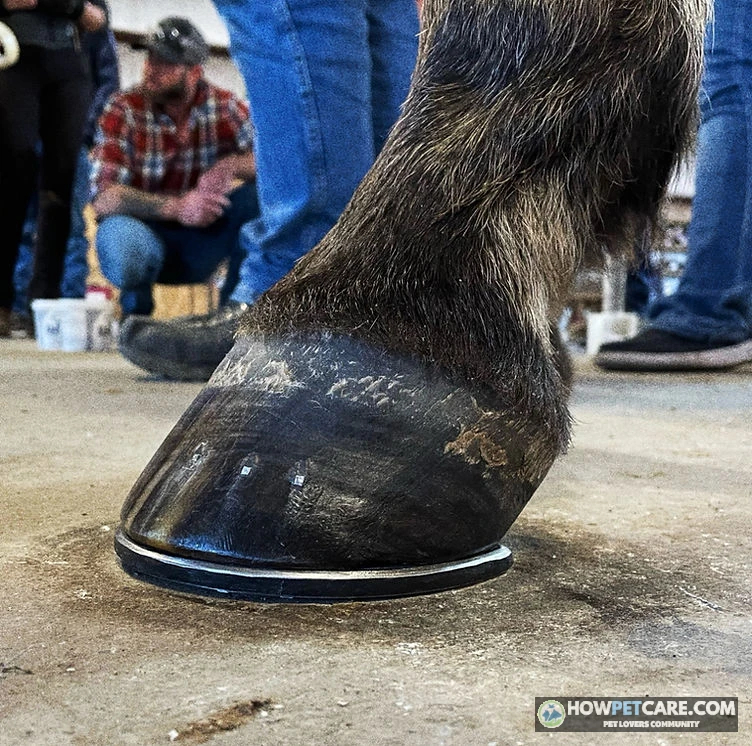

Horses need shoes when their workload, footing, or hoof condition exceeds what the bare hoof can handle. Shoes limit excessive hoof wear on hard or abrasive ground, improve traction, and provide support for diagnosed conditions. Many horses—especially those in light work on forgiving surfaces—stay comfortable barefoot with regular trimming.
Why do horses need shoes? Shoes can limit excessive hoof wear, improve traction, and provide targeted support when a horse’s workload, footing, or hoof condition calls for it. Many horses do well barefoot.
A horseshoe is a protective device fitted to the underside of a hoof. It can help when hooves wear down faster than they grow, when a horse needs more grip, or when a veterinarian and farrier recommend support for a specific problem. Shoes aren’t automatically healthier, and barefoot isn’t automatically better. The choice depends on the individual horse.
Why domestic horses wear shoes: protection, traction, and support
Horseshoes help match hoof protection to a horse’s work and environment. Hard or rocky ground, frequent riding, and abrasive surfaces can wear a hoof faster than it grows. A shoe can reduce that wear, add traction, or provide a platform for a specific support or treatment plan.

Shoes don’t fix every hoof problem. A farrier may be able to address hoof balance and routine care through trimming alone. Cracks, soreness, and other concerns need assessment rather than an automatic shoe. Therapeutic or corrective shoeing differs from routine protection: it’s fitted for an individual need, ideally with veterinary input when a medical condition is involved.
What a horseshoe protects—and what it does not
A properly selected shoe can protect the hoof from excessive wear and may help with traction or support. It can’t make unsuitable footing safe, correct poor management on its own, or guarantee that a horse won’t become lame. Fit, hoof balance, the horse’s movement, and the surface all matter.
Hoof cracks have several possible causes. A farrier can assess the wear and decide whether a shoe, a trim, or another management change is appropriate. Persistent cracks, tenderness, or lameness warrant veterinary or qualified farrier attention.
Hoof anatomy basics: hoof wall and frog
The hoof wall is the hard outer part of the hoof, made largely of keratin. The frog is the softer, triangular structure underneath. The sole, frog, and internal structures also affect comfort and movement, so hoof care involves more than attaching a shoe.

A useful rule is to shoe a horse for a demonstrated need—wear, traction, or a specific support plan—not simply because it is a horse.
Why wild horses may manage barefoot while domestic horses need help
Wild horses move over varied terrain and may travel enough for their hooves to wear naturally. Domestic horses often have different routines. They may spend much of the day in a stall or pasture, then work under a rider on gravel, an arena, pavement, or another demanding surface. Natural hoof wear doesn’t necessarily match that workload.
That contrast is a starting point, not a prescription. Wild horse hooves aren’t a direct model for every domestic horse: breed, hoof quality, movement, terrain, nutrition, workload, and access to regular care all differ. Some domestic horses stay comfortable barefoot with routine trimming; others need shoes or removable protection for their work.

No single barefoot-versus-shod answer fits every horse. The evidence cited here supports the basic reasons shoes are used, but it doesn’t establish a universal performance or welfare advantage for either approach. Be cautious of claims that one method is always superior. Assess the horse’s soundness and hoof wear over time, and consult a vet and farrier about medical concerns.
Do horses feel pain when a farrier fits shoes?
When shoeing is done correctly, the nails pass through the insensitive outer hoof wall, which contains no nerves or blood vessels; properly placed nails shouldn’t hurt. Poor fit or misplaced nails can injure the sensitive structures inside the hoof, however. The fact that shoeing shouldn’t hurt is no reason to ignore new pain.
How a farrier puts on a horseshoe
A farrier examines the hoof, trims and balances it as needed, and selects and shapes a shoe to fit. For a nailed shoe, the farrier drives nails through the insensitive hoof wall and bends or removes the projecting ends. Some shoes are attached with adhesive instead of nails. Training and skill matter: in the UK, the Farriers Registration Council describes a four-year apprenticeship pathway, though requirements differ by country.

When post-shoeing discomfort is a warning sign
A horse may react to handling, tools, or the noise of the work without being hurt. Sudden lameness, marked sensitivity, unusual heat, or reluctance to bear weight after shoeing is different. Contact the farrier promptly, and call a veterinarian for significant or persistent lameness, severe pain, swelling, bleeding, or suspected injury. Don’t assume these signs are a normal adjustment. An abscess needing prompt hoof abscess treatment can look similar and also warrants urgent advice.
Do all horses need shoes? Match protection to work, terrain, and hoof quality
No. Some horses need shoes to protect against excessive wear, improve traction, or support a diagnosed condition. Others are comfortable barefoot with regular trimming. A third option is to keep a horse barefoot for ordinary life and use correctly fitted hoof boots for selected rides.
A shod, barefoot, or hoof-boot decision matrix
Use this matrix as a starting point for discussion, not a diagnosis. A medical history takes priority over a general workload recommendation.
| Workload or discipline | Terrain and hoof wear | Hoof quality or concern | Starting option | What to reassess |
|---|---|---|---|---|
| Pasture-only or light riding | Soft ground; modest wear | Comfortable, no diagnosed condition | Barefoot with regular trims | Chips, flares, tenderness, or changing comfort |
| Weekend trail riding | Mixed dirt and gravel; occasional rocky sections | Generally sound, but sensitive on stones | Barefoot; consider boots for rough rides | Boot fit, rubs, wear between trims |
| High-mileage trail or endurance | Abrasive ground; wear may exceed growth | Thin walls or soles, or recurring tenderness | Discuss shoes, front shoes, or boots with the farrier | Comfort, wear rate, and whether protection is working |
| Jumping or dressage | Arena surfaces, turns, and lateral work | Needs depend on balance, grip, and soundness | Individual plan; barefoot or shoes may suit | Slipping, comfort, shoe loss, and professional feedback |
| Racing | Track surfaces and high-speed work | Rules and individual protocol apply | Farrier and trainer select the setup | Track conditions, rules, wear, and performance |
| Driving or carriage work | Roads and hard surfaces | Road wear or traction concerns | Discuss appropriate shoes and traction aids | Grip versus comfort and wear rate |
| Diagnosed hoof condition | Any surface | Laminitis, navicular syndrome, or another diagnosed problem | Vet–farrier plan; may include therapeutic shoeing | Reassess at the interval the care team recommends |

Raise concerns with a qualified farrier or veterinarian if hoof walls are wearing shorter than they grow, or if you notice repeated cracks, tenderness on familiar footing, slipping, or recurring soreness. These signs don’t prove that shoes are needed. Persistent heat, lameness, or a diagnosed condition calls for veterinary advice. A rarer cause such as a keratoma in the hoof wall can also call for imaging and a vet–farrier plan.
A cautious move from shoes to barefoot starts with a baseline hoof and soundness assessment. The farrier can plan trims around the horse’s balance and hoof condition. The owner can keep early work short on forgiving footing and use fitted boots for rougher rides. Reassess comfort and hoof wear over successive trim cycles. Don’t push a persistently tender horse through the transition; discuss protection and possible medical causes with the care team.
Measuring and fitting hoof boots
Measure each hoof separately after a fresh trim, following the boot maker’s instructions for length and width. Front and hind hooves may need different sizes. Check the sizing chart rather than guessing from a shoe size. Test the boots on a short ride before relying on them for a long or remote route. A boot that rubs, twists, or comes off needs adjustment or a different fit.
Steel, aluminum, composite, glue-on, or hoof boots: compare the options
Material is only one part of the choice. Design, fit, terrain, discipline, and the farrier’s assessment all affect how an option performs. Aluminum shoes are used in racing because they’re lighter than steel, but the evidence cited here doesn’t establish that they’re best for every racehorse or improve every horse’s speed.
| Option or material | Relative durability | Weight | Traction considerations | Typical use | Relative cost |
|---|---|---|---|---|---|
| Steel, nailed | Generally durable for a routine shoeing cycle | Heavier than aluminum | Can be fitted with traction aids where appropriate | General riding, road work, or heavier use | Often the lower-cost conventional shoe option |
| Aluminum, nailed | Can wear faster on abrasive surfaces | Light | Design and surface affect grip; farrier selects the setup | Racing or situations where lower shoe weight matters | Often more than basic steel shoeing |
| Rubber or composite | Varies by product and surface | Varies | Tread design influences grip | Selected comfort or protection needs | Varies; often above a basic trim |
| Glue-on shoe | Varies by shoe and adhesive | Varies | Depends on the shoe design and footing | Cases where nailing is not suitable | Often higher because of materials and fitting time |
| Removable hoof boots | Wear depends on mileage and use | Moderate; varies by model | Tread and fit matter, particularly on trails | Barefoot horses needing protection for some rides | Up-front purchase; parts may need replacement |

Ask the farrier about the trade-offs for your horse’s surfaces and discipline. A shoe that performs well on one footing may not be right for another. Boots are removable, but a poor fit can cause rubbing or loss. Shoes stay on between farrier visits, but they need maintenance and can be lost.
Farrier schedule and realistic hoof-care costs
Many horses need trimming or shoe resets about every 4–8 weeks. The right interval depends on hoof growth, balance, season, workload, and how quickly the horse wears its feet. A farrier may recommend a different schedule for an individual horse.
What changes the farrier bill
These are broad US planning ranges for 2026, not a national price survey. Costs vary by region, farrier, horse, travel, materials, and corrective needs. Ask what the quote includes; veterinary exams and imaging are typically separate. The evidence supplied for this article contains no verified regional price dataset, so use these estimates as budgeting guides and confirm local rates.
| Service or equipment | Typical US price range | What is included | Typical frequency | Budget notes |
|---|---|---|---|---|
| Barefoot trim | About $30–$70 | Trim and balance; no shoes | About every 4–8 weeks | Travel or difficult handling may add cost |
| Front shoes, rear trim | About $80–$140 | Two shoes and trimming all four feet | About every 4–8 weeks | A common option when front feet need more protection |
| Four shoes | About $110–$200 or more | Four shoes fitted and finished | About every 4–8 weeks | Pads or traction aids may cost extra |
| Corrective or therapeutic shoeing | About $200–$400 or more per visit; highly variable | Specialty materials and additional fitting time | Per care plan | Veterinary diagnostics and treatment may be separate |
| Hoof boots | About $80–$200 or more per pair; some sold individually | Boots; owner checks fit | Purchase as needed | Confirm sizing and budget for wear or replacement parts |
| Emergency farrier call | About $75–$250 or more for a call-out, plus work | Travel and urgent assessment or reset | Unscheduled | Confirm the farrier’s emergency fee in advance |
Budgeting for routine care and unexpected work
For a simple comparison, assume a six-week cycle, or roughly nine visits a year, and use the middle of the ranges above. At $50 per trim, a barefoot horse would cost about $450 in trims annually. Four shoes at $150 per reset would cost about $1,350 in routine shoeing. A barefoot horse with boots might cost $450 in trims, plus a $120 pair of boots. If the pair lasts two years, that is about $60 per year for boots before repairs or replacement. These examples exclude travel, emergencies, and medical care.

Budget for the whole plan, not just the price of a shoeing visit. Keep a reserve for a lost shoe, damaged boot, or veterinary assessment, and ask your farrier how often your horse should be seen.
Lost or loose shoe: a safe plan for the ride and the next farrier visit
A loose shoe can catch on the other foot or expose nails. Stop the ride rather than trying to finish the route. If the horse is lame, bleeding, or has a possible puncture, contact a veterinarian.
Before the ride: a hoof-protection checklist
- Check that each shoe feels secure and that no nail or clip is visibly loose.
- For remote or rocky rides, carry a correctly fitted hoof boot if you have one.
- Save your farrier’s contact information and ask in advance how they prefer to handle a lost shoe.
- Choose a route with a way to lead the horse home if needed.
After a lost shoe: when to wait and when to call
- Stop and dismount. If the shoe is dangling or loose, or the horse is lame, don’t continue riding.
- Move to safe footing. Lead the horse to clean, level ground and keep it calm.
- Look without pulling. Check for bleeding, exposed nails, a crack, heat, or marked pain. Don’t hammer, bend, or yank off a dangling shoe; pulling can damage the hoof wall.
- Protect the hoof if safe. Use a correctly fitted hoof boot. If one is unavailable, a clean padded temporary wrap can help protect the foot while you arrange help; keep it secure without constricting the coronet.
- Call the farrier. Explain which hoof is affected, whether the shoe is loose or missing, what you can see, and whether the horse is walking normally. A clear photo may help.
- Call a veterinarian for injury signs. Bleeding, suspected puncture, marked lameness, swelling, or significant pain needs veterinary assessment, not just a shoe reset.
- Wait for advice before resuming work. If the horse is sore or the hoof is damaged, don’t ride until the farrier or veterinarian has assessed the situation.

A missing shoe isn’t always an emergency, but riding on a loose one can make a manageable problem worse. Stop, protect the hoof, and get the right help.

| Option or Material | Relative Durability | Weight | Traction Considerations | Typical Use | Relative Cost |
|---|---|---|---|---|---|
| Steel, nailed | Generally durable for a routine shoeing cycle | Heavier than aluminum | Can be fitted with traction aids where appropriate | General riding, road work, or heavier use | Often the lower-cost conventional shoe option |
| Aluminum, nailed | Can wear faster on abrasive surfaces | Light | Design and surface affect grip; farrier selects the setup | Racing or situations where lower shoe weight matters | Often more than basic steel shoeing |
| Rubber or composite | Varies by product and surface | Varies | Tread design influences grip | Selected comfort or protection needs | Varies; often above a basic trim |
| Glue-on shoe | Varies by shoe and adhesive | Varies | Depends on the shoe design and footing | Cases where nailing is not suitable | Often higher because of materials and fitting time |
| Removable hoof boots | Wear depends on mileage and use | Moderate; varies by model | Tread and fit matter, particularly on trails | Barefoot horses needing protection for some rides | Up-front purchase; parts may need replacement |
FAQ
Why do horses need shoes but cows do not?
Horses and cattle have different hoof structures, body mechanics, and typical work demands. Some cattle also receive hoof trimming or specialized footwear, but routine care depends on the animal and its conditions.
Can a horse switch from shoes to barefoot overnight?
Some horses adapt readily, while others become temporarily tender because the hoof needs time to adjust to new surfaces and loading. Plan a gradual transition with a farrier, appropriate trimming, suitable footing, and boots if needed.
What are horseshoes usually made of?
Many conventional horseshoes are steel, while aluminum, rubber or composite designs, and glue-on options are also used. The appropriate choice depends on the horse’s needs, activity, fit, and terrain.