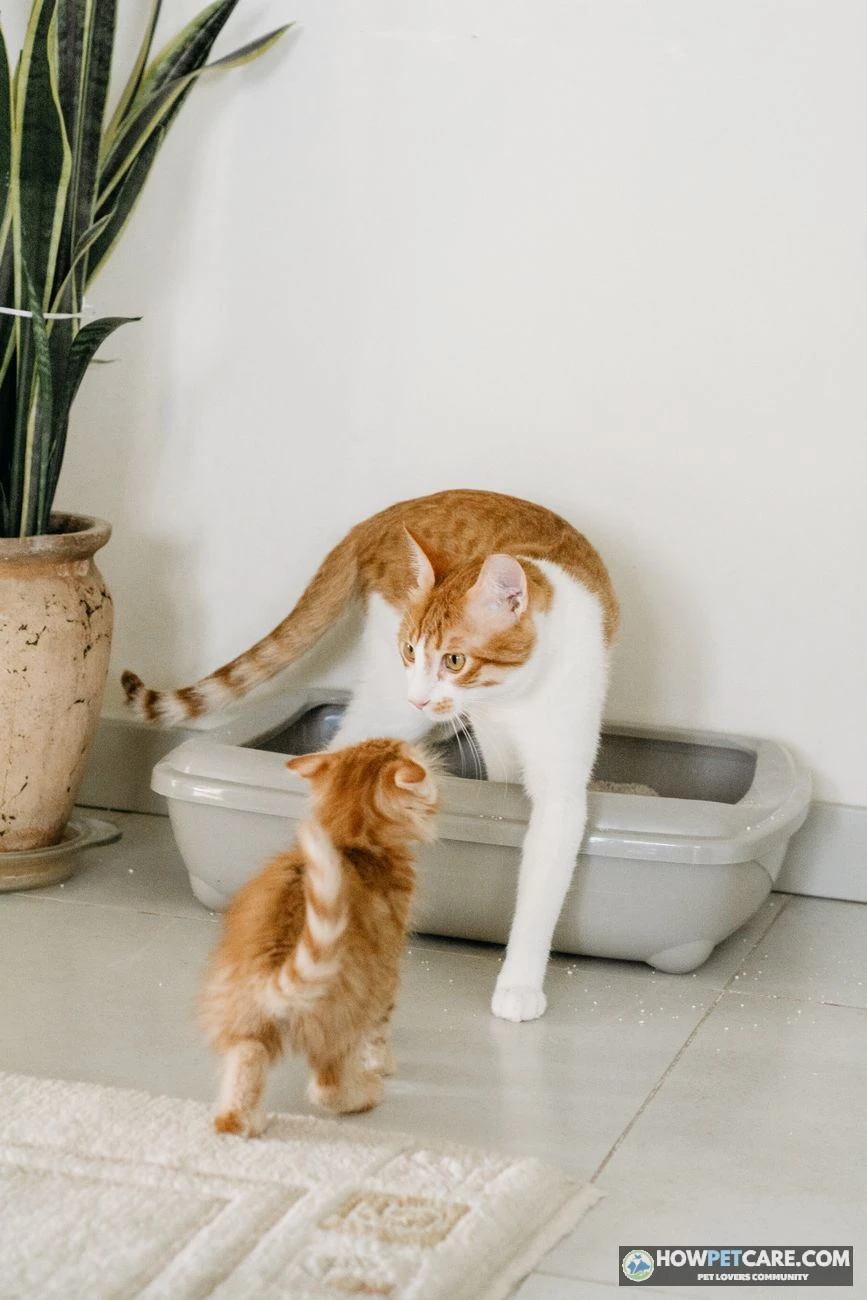

Cat litter is an absorbent granular material made from three main ingredient families: mined clays like sodium bentonite and Fuller’s earth, synthetic silica gel crystals, and plant-based materials such as pine, recycled paper, corn, wheat, and tofu. Many formulas add baking soda, charcoal, or fragrances for odor control.
Cat litter is an absorbent granular material, most commonly sodium bentonite clay, silica gel crystals, or plant fibers such as pine, paper, corn, wheat, and tofu. It’s formulated to absorb feline urine, dehydrate feces, and suppress ammonia odor. Traditional commercial litter is made of mined clay, but today’s products span three material families: mineral, synthetic-mineral, and agricultural or recycled plant matter.
To understand what is cat litter made of, start by separating the base material from any chemical or physical additives blended into the bag. Commercial litters fall into three primary categories:
- Mineral-based litters: Traditional clays, including sodium bentonite, calcium bentonite, Fuller’s earth, attapulgite, and diatomaceous earth. These materials are quarried from natural deposits, then dried or crushed into uniform granules.
- Synthetic-mineral litters: Engineered silica gel crystals made from processed sodium silicate and sulfuric acid, which create a highly porous, amorphous silicon dioxide structure.
- Plant-based and recycled litters: Organic materials from agricultural byproducts or post-consumer waste, including compressed kiln-dried pine wood, recycled newspaper pulp, whole-kernel corn, milled wheat, soybean pulp (okara), walnut shells, cassava root, and grass seed.
Manufacturers also add ingredients to change how litter performs. Clumping agents such as plant starches or guar gum help non-expanding fibers bind together. Deodorizers like sodium bicarbonate (baking soda) neutralize acidic odor compounds, while activated charcoal (carbon) adsorbs volatile sulfur compounds. Dust-suppression agents, often food-grade mineral oils or light vegetable starches, are sprayed onto granules during packaging. Fragrances, essential oil extracts, and chemical antimicrobial treatments are frequently added to commercial blends, though they can trigger sensitivities in cats and humans alike.
Look beyond front-of-pack claims like "all-natural" or "eco-friendly" and check the specific components printed on the packaging. Those details are more useful when comparing products.
Read a Litter Label in 60 Seconds
Use this checklist to inspect your current bag or an online product listing before comparing individual materials:
- Primary Base Material: Look for the dominant ingredient, usually the first item listed or the primary substrate claim. Examples include sodium bentonite clay, amorphous silica gel, compressed pine, recycled paper fiber, whole-kernel corn, processed wheat, or soybean residue (okara).
- Clumping Mechanism: Check whether clumping is mineral-based, as with naturally swelling sodium bentonite, or additive-based, using plant starches, guar gum, or industrial binding polymers added to non-swelling fibers.
- Functional Additives: Look for secondary ingredients such as sodium bicarbonate, activated charcoal, chemical fragrance, antimicrobial coatings, or mineral oil for dust control.
- Regulatory Reality Check: The word "natural" is not a legally protected pet care standard; an "all-natural" formula can still be strip-mined clay or heavily dusty mineral rock. Similarly, "biodegradable" doesn’t guarantee that the product will safely break down in a standard municipal landfill.

Clay Litter: Bentonite, Fuller’s Earth, and What Makes Litter Clump
Clay remains the dominant substrate across the global pet market. Commercial cat litter originated in 1947, when industrialist Edward Lowe gave his neighbor granulated Fuller’s Earth to replace the indoor sandbox. The kiln-dried clay was used in machine shops to soak up industrial oil spills. That discovery transformed pet care from a messy chore involving ashes, dirt, and sandbox sand into a multibillion-dollar consumer packaged goods industry.
Chemically, clay minerals are hydrous aluminum phyllosilicates formed over millions of years through the chemical weathering and hydrothermal alteration of volcanic ash deposits. Their crystalline structure holds an inherent negative ionic charge that attracts and binds positively charged moisture molecules and dissolved salts found in cat urine. Not all clays behave the same way when wet, though.
What is clumping cat litter made of?
Clumping cat litter is almost universally made from sodium bentonite clay. This naturally occurring montmorillonite clay is mined predominantly from geological formations in Wyoming, Montana, and South Dakota. Its defining feature is its swelling capacity: exposed to moisture, sodium bentonite can expand 12 to 15 times its original dry volume.
Under a microscope, sodium bentonite consists of stacked, plate-like crystalline layers. Water penetrates between them, and exchangeable sodium cations attract water molecules, pushing the sheets apart. The result is a firm, cohesive, gelatinous mass that bonds tightly to surrounding dry granules. This seal locks urine into a solid, scoopable mass before the liquid reaches the bottom of the pan.
In some value-tier clumping formulas, manufacturers dilute more expensive sodium bentonite with cheaper calcium bentonite or non-swelling clays. They add binding agents such as guar gum, industrial cornstarch, or carboxymethyl cellulose to make the blend hold together.
Non-clumping clay and Fuller’s earth
Traditional non-clumping cat litter is made from non-swelling clays, primarily calcium bentonite, attapulgite (palygorskite), or Fuller’s earth. Unlike sodium bentonite, calcium bentonite contains divalent calcium cations that restrict water molecules from expanding the mineral lattice. The clay acts like a rigid, mineral sponge.
Non-clumping clay absorbs its approximate weight in liquid within internal pores but doesn’t form cohesive masses. Urine trickles through the granules and settles toward the bottom of the pan. Although calcium bentonite traps immediate liquid, saturated clay can’t be spot-scooped. Pet owners must remove solid feces daily and dump the entire contents of the litter box roughly once a week to prevent foul-smelling anaerobic sludge and ammonia gas buildup. That weekly reset is the core of a clean litter-box routine.
Is cat litter made of clay besides bentonite?
Beyond sodium and calcium bentonite, manufacturers incorporate several specialized minerals into clay formulations:
- Sepiolite: A lightweight, highly porous magnesium silicate clay common in European litters. It absorbs liquid without expanding.
- Attapulgite: A needle-shaped clay structure with high surface area and moderate liquid retention, frequently used in economical non-clumping formulas.
- Zeolites: Microporous aluminosilicate minerals frequently added to premium clay litters. Their open, cage-like molecular framework acts as a chemical sieve, capturing and holding free ammonium ions (NH₄⁺) before they volatilize into airborne ammonia gas.
- Diatomaceous Earth: Fossilized, silica-rich microscopic remains of diatoms. Sometimes used as an additive for insect control or enhanced drying, calcined diatomaceous earth is also occasionally used as a standalone, lightweight mineral litter.

Clay litter remains popular because of its low purchase price, reliable odor suppression, and fine, sandy texture, which appeals to a cat’s instinct to dig and bury. But clay has clear drawbacks: heavy bags, mineral dust that coats household surfaces, tracking on feline paws, and an extractive strip-mining process that leaves an irreversible open-pit environmental footprint.
Silica Gel Crystal Litter: What It Is and How It Absorbs Moisture
Silica cat litter, often sold as "crystal litter," is an engineered, synthetic-mineral litter made from amorphous silica gel. Despite its name, silica gel isn’t a liquid or a true crystalline rock. It’s a rigid, highly porous, vitreous form of silicon dioxide (SiO₂).
To make crystal litter, manufacturers react raw silica sand or quartz with sodium carbonate to produce liquid sodium silicate (water glass). They neutralize this solution with an acid, typically sulfuric acid, to form a silica hydrosol, which solidifies into a gelatinous mass. The gel is washed, dried, and kiln-calcined into transparent or semi-translucent hard beads. An internal network of microscopic capillaries and interconnected pores gives the beads a massive specific surface area—up to 800 square meters per gram.

It’s important to distinguish the amorphous silica gel used in cat litter from crystalline silica. Crystalline silica, such as quartz dust, is classified as a known human lung carcinogen linked to silicosis under chronic occupational exposure. Amorphous silica gel, by contrast, lacks an organized crystalline lattice, does not induce silicosis, and is chemically identical to the non-toxic desiccant packets packaged inside shoe boxes and food containers.
Why silica litter is lightweight and long-lasting
Crystal litter works through physical capillary action rather than chemical clumping. When a cat urinates on silica beads, the liquid is rapidly wicked into microscopic pores. The inner capillary network locks away dissolved urea, salts, and odorous compounds, allowing the liquid water fraction to evaporate into the surrounding air over the following hours.
Moisture evaporates continuously while volatile organic compounds remain trapped within the pore structure. As a result, a single tray of silica litter can handle urine from one cat for three to four weeks without a complete change. Pet owners need to scoop solid fecal waste daily and stir the remaining crystal bed once or twice a day to circulate air and prevent urine from pooling at the base of the pan.
Silica litters weigh roughly half as much as equivalent volumes of bentonite clay, produce very little granular dust, and don’t break down into a muddy slurry. Their texture has drawbacks, however. Rigid, jagged beads can feel uncomfortable on sensitive feline paw pads, and some cats are startled by the crackling or sizzling noise when liquid first touches a bone-dry patch of crystals.
Plant-Based and Biodegradable Litters: Pine, Paper, Corn, Wheat, Tofu and More
Plant-based and recycled litters have expanded significantly across pet retail as consumers have shown interest in renewable materials and lower environmental footprints. Rather than extracting non-renewable minerals from the ground, these alternatives repurpose agricultural side-streams and recycled post-consumer pulp.
Pine and wood litters
Wood-based litters are predominantly made from yellow pine, cedar, or mixed softwoods. The raw timber typically comes from recovered sawdust and shavings from commercial lumber mills. Wood byproduct is kiln-heated to temperatures exceeding 380°F (193°C). This process bakes off volatile hydrocarbon compounds, sterilizes pathogens, and denatures naturally occurring aromatic oils (phenols) that could otherwise irritate a cat’s respiratory tract or liver.
The dried wood fiber is compressed through industrial pellet dies under extreme hydraulic pressure. The wood’s native lignin binds the sawdust into dense, uniform pellets without synthetic glues.
When a cat urinates on compressed pine pellets, moisture breaks the physical lignin bond. The pellets swell and dissolve into loose, fine sawdust that drops through a sifting pan to the bottom of the box. Pine contains natural wood resins that neutralize ammonia odors, making it exceptionally safe, low-dust, and inexpensive. It does, however, require a distinct sifting-box maintenance technique rather than standard clumping scoops.

Recycled paper litter
Recycled paper litter is made from post-consumer newsprint, cardboard, and office paper. The recovered cellulose fibers are shredded, de-inked, sanitized with high-heat steam, treated with natural binders, and extruded into soft, lightweight cylindrical pellets or flat flakes.
Paper litter is virtually dust-free, non-tracking, and chemically inert. It has no sharp edges and doesn’t cling to open wounds or bare skin, making it the universal veterinary standard for post-surgical care, declaw recovery, neuter convalescence, and corneal trauma. Paper has minimal inherent clumping ability and lacks natural chemical deodorizers, however, so pet caretakers must change the litter box frequently (every 5 to 10 days) to prevent moisture buildup and ammonia odor.
Corn, wheat, and grass litters
Agricultural grain litters use complex plant carbohydrates, specifically starches and plant proteins, to replicate the clumping performance of sodium bentonite without quarried clay:
- Whole-Kernel Corn: Made from degermed yellow field corn that is milled and compressed into granules. When urine touches it, native corn starches hydrate, gelatinize, and link together to form a firm, scoopable clump. Natural enzymes in the plant matrix break down sulfur compounds, providing strong odor control.
- Milled Wheat: Uses secondary agricultural wheat that falls below human food-grade standards. The wheat is cracked, ground, and screened. Its water-soluble albumins and gluten proteins create a sticky, cohesive network on contact with liquid, forming removable clumps.
- Grass Seed: Made from fine, fibrous seeds of perennial ryegrass or agricultural forage crops. Grass seed litters are lightweight, produce pale clumps that make feline urine easy to inspect, and bind into soft, easily separated masses.

Tofu litter
Tofu cat litter is a fast-growing category that originated in East Asian markets. Despite the name, it isn’t made from consumer-grade tofu blocks. It’s made from okara, the insoluble, fibrous soybean pulp left behind as an industrial byproduct of manufacturing soy milk and tofu.
The damp okara is dried, ground into a fine flour, mixed with food-grade cornstarch and vegetable gums (such as guar or xanthan gum), and pressed through extruders into slender, noodle-shaped cylindrical pellets. Tofu litter has several practical strengths:
- It clumps quickly on contact with moisture as the starches and gums hydrate.
- The elongated cylindrical pellets don’t stick between a cat’s toe pads, reducing tracking across the home.
- The pellets dissolve readily in turbulent water, making small, individual clumps manageable for residential plumbing where municipal regulations allow.
Other emerging organic options include crushed walnut shells (an abrasive, fibrous, deep-brown byproduct of commercial nut harvesting that controls odors well but can stain light carpets), cassava root (an ultra-dense starch that yields hard, white clumps), and coconut coir (shredded fibrous coconut husks that absorb large volumes of moisture but don’t clump).

Decoding natural, biodegradable, and flushable claims
Pet product packaging often uses ambiguous environmental terminology. Each claim means something different:
- "Natural": Indicates that the starting material originated from a geological or biological source rather than being synthesized from petroleum. Sodium bentonite clay is technically 100% "natural," yet its extraction requires open-pit strip mining that strips topsoil and destroys local habitats.
- "Biodegradable": Signifies that microorganisms, heat, and moisture can break the material down into carbon dioxide, water, and organic biomass over time. Corn, pine, and paper are biodegradable, while non-swelling clays and silica crystals are permanent inorganic minerals that will never biologically degrade in our lifetime.
- "Compostable": Means the product can break down in a managed, high-heat aerobic composting system within a specified timeframe (typically 90 to 180 days) without leaving toxic chemical residues.
- "Flushable": Indicates that individual clumps dissolve in water and pass through standard 3-inch or 4-inch drain pipes without causing physical blockages. It does not mean the material is ecologically safe to introduce to municipal wastewater systems or septic drain fields.
Cat Litter Materials Compared Side by Side
Every cat litter material involves trade-offs in scooping performance, dust, tracking, cost, and environmental impact. No single substrate is best for every household.
| Material | Clumping | Dust Level | Tracking | Odor Control | Weight | Typical Lifespan Before Full Change | Approx. Monthly Cost (1 cat) | Eco-Impact Notes |
|---|---|---|---|---|---|---|---|---|
| Clumping Clay (Sodium Bentonite) | Yes, firm clumps | Low to moderate; some dusty pours | Moderate; fine granules stick to paws | Strong when scooped daily | Heavy | 2–4 weeks with daily scooping and top-offs | $8–$18 | Strip-mined mineral; non-biodegradable; heavy shipping freight |
| Non-Clumping Clay (Calcium Bentonite) | No | Moderate | Moderate | Moderate; urine can pool at bottom | Heavy | 5–10 days for a full change | $7–$15 | Mined mineral; non-biodegradable; weekly full dumping creates high landfill mass |
| Silica Gel Crystals | No; absorbs and releases moisture | Low if pour is controlled | Low to moderate; smooth beads roll | Strong for urine odor until saturated | Light | 3–4 weeks for one cat if stirred daily | $12–$25 | Synthetic thermal processing; non-biodegradable; low mass offsets bag count |
| Pine Pellets | Pellets break into sawdust; non-clumping | Very low | Low for pellets; higher once crumbled | Good natural resin scent; weaker for feces | Medium | 1–3 weeks depending on sawdust buildup | $6–$14 | Reclaimed lumber byproduct; biodegradable; slow decomposition in landfills |
| Recycled Paper | No, or weak soft clumps | Very low | Low | Moderate; requires frequent feces removal | Light to medium | 5–12 days | $10–$20 | Upcycled post-consumer paper; biodegradable; frequent changes elevate packaging waste |
| Corn or Wheat | Yes, starch-based clumps | Low to moderate | Moderate | Good when dry and fresh | Medium | 2–4 weeks with daily scooping | $10–$22 | Renewable agricultural crop; biodegradable; mold risk if kept humid |
| Tofu (Soybean Okara) | Yes, firm clumps | Low | Low; large pellets do not cling | Moderate to good | Light to medium | 2–4 weeks | $12–$28 | Reclaimed food processing waste; biodegradable; low shipping carbon footprint |
| Walnut Shell | Soft to medium clumping | Low | Moderate; dark particles show on floors | Moderate to good | Medium | 2–3 weeks | $10–$24 | Reclaimed nut harvest shell; biodegradable; dark color can obscure urine checks |
| Grass Seed | Yes, soft clumps | Low | Moderate; light seeds carry outside box | Moderate | Very light | 2–4 weeks | $12–$26 | Renewable farm crop; highly biodegradable; light weight cuts transport fuel |

These ranges assume average single-cat usage with routine scooping. Substrates that need frequent full changes—such as paper—can run considerably higher than the figures above in practice; the worked examples in the cost section below show how replacement schedules drive the real number.
Odor control, dust, and tracking
Three aspects of a litter’s physical performance affect daily use:
- Odor Control Mechanics: Clumping clay and starch-based litters seal off odors by forming a physical barrier around waste. Silica crystals trap volatile organic compounds in internal pores while shedding water. Pine litters use natural alpha- and beta-pinene terpenes to mask and neutralize alkaline ammonia. Paper litters have no natural odor-binding chemistry and rely entirely on frequent disposal.
- The Reality of "Dust-Free" Claims: No granular, dried substrate is entirely free of airborne particulate matter. Standard packaging claims such as "99.9% Dust-Free" are self-certified marketing statements. In practice, clay and unwashed silica can produce fine mineral dust when poured, whereas compressed pine pellets and extruded paper produce virtually zero respirable particulate.
- Tracking Factors: Granule mass, diameter, and shape affect tracking. Fine-grained sodium bentonite and lightweight grass seeds cling easily to the fur and webbed paws of long-haired cats. Heavy, cylindrical tofu and pine pellets rarely stick between feline toes, dropping off immediately as the cat steps out of the box.
Environmental impact beyond ‘biodegradable’
Assessing a litter’s environmental impact means looking at its full life cycle, not just where it ends up:
- Resource Extraction: Sodium bentonite mining removes layers of surface soil and rock to reach clay seams, disrupting regional ecosystems. Pine, walnut, and tofu litters, by contrast, use discarded byproducts from existing lumber and food industries, requiring no direct land clearing.
- Manufacturing and Processing Energy: Turning raw silica sand into amorphous silica gel involves energy-intensive chemical synthesis and high-temperature kiln firing. Recycled paper requires minimal thermal processing, while pine pellets are bound purely by physical mechanical pressure.
- Transportation Weight: A single cat requires roughly 30 to 40 pounds of dense clay litter each month. Switching to a concentrated silica, grass, or tofu formula reduces the physical freight weight by 50% to 60%, substantially lowering the carbon emissions associated with distribution logistics.

How Much Does Cat Litter Really Cost Per Month?
It’s tempting to compare litter by the sticker price on the bag. But that price can mislead: monthly litter cost is driven by the replacement schedule, not the initial purchase price.
A $9 bag of non-clumping clay that must be discarded and replaced every six days costs significantly more over a calendar year than a $20 bag of clumping corn or silica crystals that lasts an entire month with routine scooping.
Worked Monthly-Cost Example: One Cat vs Two Cats
These typical consumer scenarios use a standard open litter pan (18" x 24"), maintained at a proper 2-to-3-inch substrate depth with daily solid waste removal and regular top-offs (reflecting typical 2026 US retail pricing):
Single-Cat Household (Monthly Litter Expenses):
- Clumping Clay: Uses roughly 30 lbs of litter per month (one and a half 20-lb bags @ 12/bag) = 18.00 / month.
- Silica Crystals: Uses one 8-lb bag per month with daily stirring and waste removal = $16.00 to $21.00 / month.
- Pine Pellets (Sifting Box): Uses roughly 20 lbs per month (half a standard 40-lb equine/pet bedding bag @ 14/bag) = 7.00 / month.
- Recycled Paper Pellets: Requires a complete box dump every 7 days (roughly three 12-lb bags @ 15/bag) = 45.00 / month.
- Tofu Pellets: Uses two 6-lb bags per month with daily clumping maintenance @ 14/bag = 28.00 / month.
Two-Cat Household (Monthly Litter Expenses across Two Boxes):
- Clumping Clay: Requires frequent top-offs and complete sanitization cycles every three weeks = $32.00 to $45.00 / month.
- Silica Crystals: Dual-cat moisture saturates silica capillaries twice as fast, reducing effective life per tray to 10–12 days = $38.00 to $52.00 / month.
- Pine Pellets: High volume handled economically; sawdust sifted every two days = $14.00 to $20.00 / month.
- Corn / Wheat Clumping: Clumping performance holds well; uses two 15-lb bags = $28.00 to $42.00 / month.

One-cat household estimates
For a single cat, high-efficiency clumping litters (sodium bentonite, corn, and tofu) and long-lasting silica crystals offer the best balance of cost and labor. Removing only the soiled clumps or saturated areas preserves the bulk of the litter bed. Non-clumping paper or economy clay requires frequent total dumps, quickly driving up monthly spending.
Multi-cat household estimates
In multi-cat homes, silica crystal litters can become saturated prematurely. If two or three cats use the same box, the constant volume of urine prevents trapped water from evaporating from the silica pores, turning the bed into an oversaturated slurry within two weeks. For these homes, firm-clumping sodium bentonite, resilient corn blends, or high-volume pine pellet sifting setups deliver more consistent, cost-effective performance.
Is Cat Litter Safe? Dust, Ingestion, Fragrance, and Mold Risks by Material
Cat litter safety depends on matching the material’s physical and chemical properties to your cat’s age, behavioral tendencies, and medical conditions.
Respiratory sensitivity and dust
Inhaled particulate matter from cat litter is a documented trigger for feline asthma, allergic bronchitis, and human upper respiratory tract irritation. Chronic exposure to high concentrations of airborne mineral dust irritates sensitive mucous membranes and deep alveolar tissues.
Processed amorphous silica gel doesn’t cause silicosis, but heavy dust clouds from poorly screened, unwashed silica or fine bentonite clay can cause coughing, sneezing, and wheezing. For cats diagnosed with chronic lower airway disease (feline asthma) or households with asthmatic people, non-mineral, low-dust substrates such as pelletized recycled paper, extruded tofu, or washed, kiln-dried pine are significantly safer choices.

To minimize airborne dust, pour new litter from a low height (no more than 2 to 3 inches above the pan floor), directing it down the inside of the box. Don’t dump litter rapidly from standing height. Keep the litter box in a well-ventilated room rather than an enclosed closet or poorly circulated utility space.
Kittens and litter ingestion
Kittens younger than four months explore their surroundings by mouthing and taste-testing. They also lack mature grooming control and frequently swallow litter particles stuck to their paws.
Ingesting sodium bentonite clumping clay poses a serious risk to young kittens. When it encounters digestive fluids inside a kitten’s stomach or intestines, sodium bentonite expands up to 15 times its dry volume, absorbing gastrointestinal water and forming a firm, dense mass. This can cause a life-threatening intestinal obstruction requiring emergency surgery.
Curious kittens should never be exposed to silica gel crystal litters either; swallowing the desiccating beads can lead to acute throat irritation, gastrointestinal distress, and foreign-body blockage. Kittens under four months of age should be housed exclusively on non-clumping, digestible, or soft substrates, such as compressed recycled paper pellets or non-clumping pine pellets.

Post-surgery, urinary issues, and multi-cat homes
A cat’s medical recovery needs can also shape the choice of litter:
- Post-Surgical Incisions: Cats recovering from abdominal operations, limb surgeries, or declaw procedures must never use clumping clay, dusty grains, or jagged silica crystals. Fine clay and starch powders adhere to moist surgical incision lines, introducing bacteria, causing foreign-body reactions, and triggering surgical site infections. Unscented, shredded or pelletized recycled paper litter is the standard recommendation until skin incisions seal completely.
- Urinary Tract Monitoring: Cats prone to feline lower urinary tract disease (FLUTD), idiopathic cystitis, or urethral blockages require litters that clearly show changes in urine output. Stark-white or pale-colored litters, such as white silica crystals, pale cassava, or light paper, make hematuria (blood in the urine) immediately visible. Dark substrates like crushed walnut shells conceal blood and obscure small, frequent urine spots that signal medical emergencies.
| Cat Situation | Materials Generally Suitable | Materials to Use with Caution | Key Considerations |
|---|---|---|---|
| Kittens under 4 months | Non-clumping paper, pine pellets, non-clumping clay | Any clumping litter (bentonite or starch); silica crystals | Clumping litter swallowed during play or grooming expands in the gut, risking intestinal blockages. |
| Asthmatic or bronchitis-prone cats | Low-dust paper pellets, large tofu pellets, kiln-dried pine | High-dust bentonite clay, powdery silica, heavily scented litters | Mineral dust and added synthetic perfumes inflame feline bronchial airways. Pour low in ventilated spaces. |
| Post-surgical cats | Soft recycled paper pellets, clean shredded paper | Clumping clay, corn/wheat starches, silica crystals, scented blends | Clumping granules stick to moist surgical incisions, introducing bacteria and disrupting sutures. |
| Urinary monitoring (FLUTD, cystitis) | Pale clumping plant litters, white silica crystals, pale paper | Dark walnut shells, blue-dyed silica, dark brown woods | Light-colored litter surfaces allow you to spot small, frequent urinations and pink blood tinges early. |
| Fragrance-sensitive households | Unscented clay, unscented tofu, unscented paper, unscented pine | "Fresh scent," "mountain spring," or chemically perfumed litters | Feline olfaction is roughly 14 times stronger than human smell; heavy masking scents cause box avoidance. |
| Multi-cat homes | High-grade sodium bentonite clay, resilient corn blends | Non-clumping paper or un-sifted pine; silica in undersized pans | Higher waste volume overwhelms non-clumping and silica substrates quickly, leading to odor breakthrough. |
| Budget-constrained households | Pine pellet sifting systems, economy clumping clay | Specialty tofu, premium silica crystals, dyed or fragranced blends | True monthly cost comes from the replacement schedule, not the sticker price; high-volume pine setups are the cheapest to run. |
Mold and storage for grain-based litters
Plant-based litters made from agricultural food crops, specifically corn and wheat, have a vulnerability that mineral clays don’t: susceptibility to fungal contamination.
If grain litters are stored in warm, humid areas such as damp basements, outdoor sheds, or unventilated laundry rooms, spores of Aspergillus flavus and related molds can proliferate on the carbohydrate substrate. These molds produce hazardous mycotoxins known as aflatoxins. Chronic inhalation or ingestion of aflatoxins can cause serious hepatic (liver) damage in felines.
If you use corn- or wheat-based litter, purchase smaller bags that can be used within four to six weeks. Keep bags sealed in airtight plastic containers, store them in cool, dry areas, and completely discard any litter that smells musty, sour, or damp.

Cat feces can harbor Toxoplasma gondii, an intracellular parasite that causes toxoplasmosis. If contracted during pregnancy, toxoplasmosis can lead to severe congenital defects or fetal loss. Pregnant individuals should avoid scooping or changing cat litter entirely. If handling the box is unavoidable, wear disposable waterproof gloves, use a well-fitted mask to prevent inhaling stirred-up dust, scoop the box daily (the parasite oocysts require 24 to 48 hours after excretion to become infectious), and wash hands thoroughly with soap and warm water immediately afterward.
How to Dispose of Cat Litter: Landfill, Compost, or Flush?
Disposal is easy to overlook when choosing a cat litter. What seems convenient indoors can create significant problems for municipal plumbing and local watersheds.
Can cat litter be flushed?
The short answer is: almost never. Manufacturers of tofu, corn, and wheat litters frequently market their products as "flushable," but municipal water authorities and master plumbers strongly discourage flushing any pet waste or litter substrate down household toilets.
Residential plumbing infrastructure and municipal sewer lines are engineered strictly to transport human metabolic waste and standard toilet paper. Dense, swelling plant starches, clumping gums, and fibrous pellets settle in the traps, bends, and lateral lines of private plumbing, creating stubborn blockages that require expensive mechanical clearing. In homes with private septic systems, cat litter disrupts the delicate bacterial biome within the tank, accelerating solid sludge buildup and causing drain-field failures.
More critically, municipal wastewater treatment facilities aren’t designed to neutralize the hardy, infectious oocysts of Toxoplasma gondii. When flushed cat feces pass through sewage treatment plants, viable oocysts survive primary settlement, chlorination, and secondary biological filtration, discharging directly into rivers, bays, and marine coastal ecosystems. Research along the Pacific coast of North America has linked municipal wastewater discharges directly to widespread toxoplasmosis mortalities in wild marine mammal populations, including threatened southern sea otters.
Can cat litter be composted?
Plant-based litters (pine, paper, corn, wheat, and tofu) are technically compostable, but never alongside compost intended for edible vegetable gardens, fruit trees, or herbs.
Feline feces harbor dangerous zoonotic pathogens—including Toxoplasma gondii, Salmonella, Campylobacter, and roundworms (Toxocara cati)—whose transmission stages can survive for months in common garden soil. Standard residential backyard compost piles rarely achieve the sustained, uniform temperatures (140°F to 160°F / 60°C to 71°C throughout the entire pile) necessary to reliably kill these pathogens.
If you choose to compost plant-based litter, use a dedicated, fully enclosed compost bin reserved strictly for non-food landscaping, ornamental flower beds, and shrubs. Always remove solid fecal waste before adding urine-soiled plant litter to the pile. Inorganic litters (clumping clay, non-clumping clay, and silica crystals) must never be placed in compost: they won’t break down and will degrade soil quality.
Which litters break down in a landfill?
For the vast majority of households, the safest disposal route is to bag litter and put it in the regular municipal trash bound for an engineered sanitary landfill.
It’s worth understanding how those landfills work. Modern sanitary landfills are intentionally engineered, tightly capped, anaerobic (oxygen-deprived) environments designed to prevent moisture penetration and ground contamination. They aren’t active compost systems. Under these compressed, anaerobic conditions, even biodegradable materials like corn starch, pine sawdust, and recycled paper break down very slowly. When organic materials do degrade anaerobically in a landfill, they release methane, a greenhouse gas with roughly 28 to 36 times the global warming potential of carbon dioxide over a 100-year timeline.
Mineral litters (bentonite clay and silica gel), meanwhile, undergo no biological decomposition whatsoever. They remain buried as stable, inert mineral mass indefinitely, contributing to the physical weight and volume of the landfill site.
| Material | Trash | Flush | Compost (Non-Edible Gardens Only) | Disposal Notes |
|---|---|---|---|---|
| Clumping Clay (Bentonite) | Yes (Preferred) | Never | No | Will form immediate, concrete-like clogs in plumbing; completely inert in landfills. |
| Non-Clumping Clay | Yes (Preferred) | Never | No | Sinks to pipe traps; inert mineral matter with zero organic degradation. |
| Silica Gel Crystals | Yes (Preferred) | Never | No | Non-biodegradable; synthetic mineral that remains inert inside landfill cells. |
| Pine Pellets | Yes | Not Recommended | Yes (Urine sawdust only) | Sift out feces; unsoiled sawdust can be composted around ornamental trees and shrubs. |
| Recycled Paper | Yes | Not Recommended | Yes (Feces removed) | Cellulose decomposes gradually; safe for residential ornamental flower compost beds. |
| Corn / Wheat | Yes | Caution (Check rules) | Yes (Feces removed) | Gums can clog sewer pipes; carries Toxoplasma risks if flushed; composts well under heat. |
| Tofu (Okara) | Yes | Caution (Small clumps only) | Yes (Feces removed) | Dissolves readily in water, but check municipal wastewater and wildlife protections. |

How to Choose and Switch Cat Litter Without Triggering Box Avoidance
Cats are creatures of habit. Their preference for a litter substrate forms primarily during early development (between 3 and 9 weeks of age). Changes in granule texture, smell, paw feel, or sound can cause sudden distress, leading to house soiling, inappropriate urination on carpets or furniture, and litter box avoidance.
When switching materials, change substrates gradually, whether you’re moving from clay to natural pine or from traditional non-clumping gravel to lightweight silica. Never swap out 100% of an established litter overnight unless directed by your veterinarian for post-surgical recovery.
Step-by-step litter transition checklist
Follow this timeline to help your cat adjust to a new litter material:

-
Day 0: Establish Your Baseline
Confirm your cat’s normal elimination routine. Note daily box visit frequency, average clump size, and behavior. Keep the litter box in its familiar location and maintain your usual scooping schedule.
-
Days 1–3: The 75/25 Mixture
Fill the litter pan with 75% of your cat’s original litter and 25% of the new material. Mix the two thoroughly throughout the box. If you’re switching between completely different textures, such as fine clay and thick pine pellets, you can instead place a second, identical litter box containing the new material directly beside the existing box.
-
Days 4–6: The 50/50 Mixture
If your cat uses the box without hesitation, empty and clean it, then refill it with a 50/50 blend of the old and new litter. Scoop solids daily and watch for signs of uncertainty, such as excessive sniffing, paw-shaking, or balancing on the rim of the box.
-
Days 7–9: The 25/75 Mixture
Increase the ratio to 25% original litter and 75% new material. By this stage, the new substrate will dominate the box’s texture and scent.
-
Days 10–14: Complete 100% Transition
Fill the litter pan completely with the new material at an optimal depth of 2 to 3 inches. Continue scooping daily and monitor box habits closely over the following week.
What to do if your cat refuses the new litter
If your cat begins eliminating beside the box, cries or vocalizes near the pan, perches awkwardly on the plastic edges to avoid touching the granules, or scratches frantically at surrounding walls rather than the litter bed, stop the transition immediately.
Return to the last mixture ratio your cat used comfortably, and keep it there for at least three to four days until regular box visits resume. Once your cat is relaxed, you can try advancing the transition again using smaller 10% increments over three to four weeks.
If litter box avoidance persists after you return to the familiar substrate, contact your veterinarian promptly. Reluctance to step into the litter pan, crying while eliminating, straining to produce urine, frequent unproductive visits, or blood in the urine often point to underlying medical emergencies—such as feline idiopathic cystitis (FIC), urinary tract infections (UTIs), or life-threatening urethral obstructions—rather than a simple preference for a different litter.
FAQ
What was cat litter made of before clay?
Before clay litter was introduced in 1947, cat owners commonly used sand, ashes, sawdust, or dirt. Clay replaced these because it absorbed liquid and odor far better.
What is tofu cat litter made of?
Tofu litter is made from okara, the soybean pulp left over from making tofu or soy milk, usually pressed into pellets. It often clumps and may be labeled flushable, though local rules and plumbing still matter.
What is bentonite clay and why is it in cat litter?
Bentonite is an absorbent clay formed from volcanic ash that swells when it gets wet. Sodium bentonite is used in clumping litter because it binds into solid, scoopable clumps.
Is clumping litter dangerous if a cat swallows it?
Small amounts from grooming paws are generally not harmful for healthy adult cats. Kittens or cats that deliberately eat litter should see a vet, since clumping litter can cause blockages.
Is cat litter safe for humans?
Cat litter is generally safe with normal handling, but avoid breathing heavy dust and wash your hands after scooping. Pregnant or immunocompromised people should take extra precautions because cat feces can carry Toxoplasma.
Which cat litter is best for odor control?
Clumping clay, silica crystals, and some corn or wheat litters tend to perform strongly for odor, but results depend on scooping frequency and the specific product. Cat preference matters as much as the material.