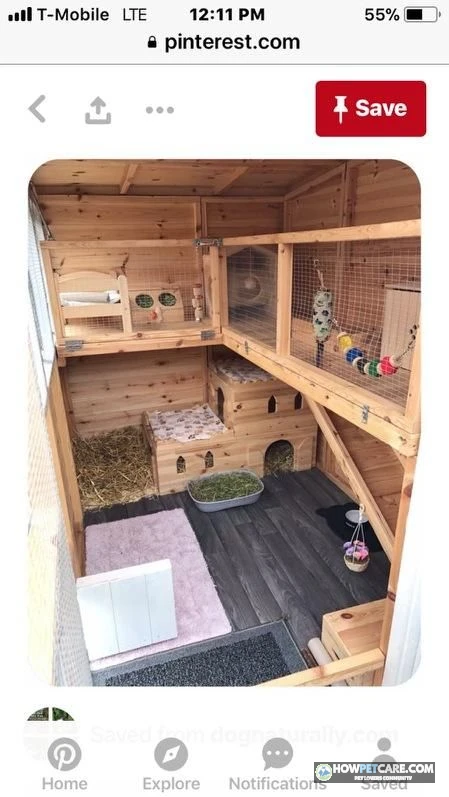

The Flemish Giant rabbit is the largest domestic rabbit breed, typically weighing 15 to 22 pounds and reaching 2.5 to 3 feet in length. Known as "Gentle Giants" for their docile, calm temperament, they require at least 32 square feet of indoor pen space, daily hay, and specialized exotic veterinary care.
A Flemish Giant rabbit brings the physical presence of a medium-sized dog into the quiet routine of a house rabbit. Originating in Flanders, Belgium, during the 16th century, this historic breed was historically bred for meat and fur before earning worldwide affection as a companion animal. Often celebrated as the "Universal Rabbit" because it contributed to the foundation of numerous other large rabbit breeds, the Flemish Giant is widely recognized as the largest domestic rabbit breed in existence.
However, welcoming an animal that easily weighs 15 to 22 pounds and stretches nearly 3 feet in length requires far more than casual admiration. Prospective owners in the United States must translate the breed’s famous gentle reputation into practical daily commitments: dedicated floor plans, specialized veterinary care, and substantial feeding routines. This guide provides the realistic blueprints, budgeting tools, and health protocols necessary to decide whether a Flemish Giant fits your home and how to care for one responsibly.
Flemish Giant Rabbit Profile: Size, Lifespan, and Breed Standards
The Flemish Giant is classified as a semi-arched (or mandolin-shaped) breed. When viewed from the side, the rabbit’s spine arches smoothly upward from behind the shoulders, reaching its peak over the hips and curving downward to the tail. This distinct skeletal conformation gives the breed its imposing silhouette, combined with long, upright ears that typically exceed 6 inches and a massive, broad head.
| Breed Trait | Official Standard / Typical Metric |
|---|---|
| Origin | Flanders, Belgium (16th Century) |
| Body Type | Semi-arched / Mandolin conformation |
| Typical Adult Weight | 15–22 lbs (Females/Does often heavier than Males/Bucks) |
| Typical Adult Length | 2.5–3+ feet |
| ARBA Minimum Weights | Senior Bucks: 13 lbs; Senior Does: 14 lbs |
| ARBA Recognized Colors | Black, Blue, Fawn, Light Gray, Sandy, Steel Gray, White |
| Average Lifespan | 5–8 years |
| Growth Maturation | 12–18 months for complete skeletal growth |

How Big Do Flemish Giant Rabbits Get?
Prospective owners often discover the breed through viral online photos or accounts of historical record-holders reaching 49 pounds and over 4 feet in length. While exceptional outliers occur in domestic lagomorphs, the typical, healthy adult Flemish Giant weighs between 15 and 22 pounds, with an average resting body length of roughly 2.5 to 3 feet.
Unlike dwarf or medium-sized rabbits that finish growing by 5 to 7 months of age, a giant breed follows a prolonged developmental curve. Young Flemish Giants build their bone frame quickly during their first 8 months, but their muscular development, head breadth, and bone density take 12 to 18 months to fully mature.
Their substantial mass also shapes life expectancy. While smaller dwarf rabbits frequently live 10 to 12 years, the Flemish Giant rabbit lifespan averages 5 to 8 years. Their heavier skeletal load, cardiac demands, and susceptibility to degenerative joint conditions require attentive care to support them comfortably through their senior years.

Official Breed Standards and Recognized Colors
In the United States, the American Rabbit Breeders Association (ARBA) maintains the strict breed standard for the Flemish Giant. ARBA establishes minimum weight thresholds rather than maximum weight caps: senior bucks (males over 8 months old) must weigh at least 13 pounds, while senior does (females over 8 months old) must weigh at least 14 pounds. Does generally feature a large, even dewlap—a wide roll of fatty tissue beneath the chin used to insulate nests.
ARBA recognizes exactly seven official varieties (colors) for show in the United States:
- Black: Solid, lustrous jet black over the entire body with dark brown eyes.
- Blue: Dark, solid slate-blue fur with blue-gray eyes.
- Fawn: Rich golden-straw color with white underbelly and brown eyes.
- Light Gray: Agouti pattern showing black ticking over a light gray base, with slate undercolor.
- Sandy: Warm reddish-sandy coloration with dark brassy ticking and white eye circles.
- Steel Gray: Dark charcoal cast tipped with light gray ticking over the spine and flanks.
- White: Pure, snowy white coat with pink (ruby) eyes.

Any other pattern, such as broken or spotted coats, falls outside official ARBA show standards, though non-standard coats appear regularly in pet rescues and mixed litters. Harlequin rabbit showcases a striking broken‑color pattern that many enthusiasts admire.
Temperament in Daily Life: Are Flemish Giants Good Pets?
The Flemish Giant earned its historic moniker of the "Gentle Giant" due to a baseline temperament characterized by calm, docile, and relaxed behavior. They tend to spend much of their day lounging in a contented loaf or stretched out laterally in deep rest. While small breeds are often hyper-vigilant and easily startled, giant rabbits tend to show lower reactivity to ordinary household sounds, such as television audio or gentle foot traffic.
However, a docile temperament does not mean the rabbit behaves like a plush toy or an eager lapdog. A Flemish Giant remains an obligate prey animal with sharp territorial awareness, delicate stress thresholds, and distinct boundaries that human handlers must respect.
Compatibility with Children and Multi-Pet Homes
Families often assume a giant rabbit is naturally child-safe because of its size and sturdy look. In practice, the opposite handling rule applies. Because an adult Flemish Giant weighs upwards of 15 pounds, children must never be permitted to pick up or carry the animal. If a giant rabbit panics, its powerful hind legs can deliver bruising kicks that cause a child to drop it, frequently resulting in fatal spinal fractures for the rabbit.
Ensure children interact with Flemish Giants solely at floor level. Teach children to sit cross-legged on the rug, allowing the rabbit to approach voluntarily for gentle head strokes between the ears. Never allow children to corner, chase, or carry a giant rabbit.
In multi-pet homes, never assume a Flemish Giant’s size protects it from predators. While their mass may prevent a domestic cat from viewing them as prey, dogs retain natural chasing instincts. Even an accidental swat or play-bow from a medium or large dog can cause severe puncture wounds or induce fatal stress-related heart failure in a rabbit. Coexistence requires structured separation using secure gates, and dogs must never have unsupervised access to a rabbit’s living quarters.

Handling Misconceptions: Calm vs. Cuddly
One persistent misconception is confusing a calm baseline demeanor with a tolerance for being carried. Rabbits rely on having their feet grounded to feel secure. Lifting an 18-pound Flemish Giant suspends a heavy skeletal system in mid-air, which triggers deep panic responses in many individuals.
Many Flemish Giants show affection subtly: nudging an owner’s ankle, performing brief ground-level "binkies" (joyful twists and leaps), or lying pressed against an owner’s calf while watching a movie. Expecting a giant rabbit to sit quietly in an adult’s lap like a small lapdog frequently leads to frustration and behavioral resistance.
Indoor Housing and Usable Floor Space Requirements
Standard commercial rabbit cages sold in retail pet supply stores are entirely inadequate for a Flemish Giant rabbit. Housing a 15- to 20-pound lagomorph in a standard cage restricts normal movement, causes extreme spinal compression, and rapidly leads to behavioral depression and severe foot ulcerations. Flemish Giants must live indoors as free-roaming house companions or reside in spacious, custom-built exercise pen (x-pen) enclosures.
Minimum Enclosure Dimensions vs. Usable Exercise Space
An enclosure for a single adult Flemish Giant must offer a minimum footprint of 32 square feet (such as a 4-foot by 8-foot footprint). Enclosure walls must measure at least 42 inches in height to prevent an agile jumper from vaulting over the edge.
Crucially, owners must account for infrastructure displacement. Once you install an oversized litter box, a wooden shelter, and ceramic dishes, interior clearance diminishes significantly.
+-------------------------------------------------------------+
[LITTER & HAY STATION] [WOODEN DUAL-ENTRY] 36" x 24" cement mixing tub [HIDE BOX] 36" x 24" cement mixing tub [HIDE BOX] CLEAR RUNWAY / USABLE FLOOR Dense low-pile rug over closed-cell EVA foam interlocking tiles
+------------------------------------------------------=====--+A detailed space audit demonstrates why these dimensions matter:
- Total Footprint: 32 sq ft (4 ft × 8 ft enclosure using heavy 42-inch exercise pens).
- Infrastructure Footprint:
- Litter and Hay Station: 6.0 sq ft (36 in × 24 in tub)
- Wooden Hideout: 3.0 sq ft (24 in × 18 in)
- Food and Water Crock Zone: 1.5 sq ft
- Total Furnishing Displacement: 10.5 sq ft

A dedicated 32-square-foot indoor enclosure provides adequate space for a Flemish Giant to move and stretch. - Net Unobstructed Usable Floor Space: 21.5 sq ft inside the pen. This allows a 16-pound rabbit to take three consecutive hops, stretch out horizontally at full length, and execute complete turns without pressing against enclosure walls.
- Daily Exercise Allowance: In addition to this base enclosure, giant rabbits need access to an unobstructed room or gated area of at least 32 to 50 square feet for 3 to 5 hours daily to support cardiovascular and musculoskeletal health.

Flooring Essentials to Prevent Sore Hocks
Wire-bottomed caging is dangerous for any rabbit, but for a giant breed, it causes severe, chronic injury. Because rabbits lack protective paw pads and bear heavy weight directly on the fur-covered plantar surface of their rear metatarsals, heavy breeds are prone to pododermatitis (sore hocks).
Hard surfaces like hardwood, laminate, or linoleum provide no traction, forcing the rabbit’s toes to splay and causing chronic joint strain. The ideal base floor consists of closed-cell EVA foam exercise tiles overlaid with tightly woven, dense, low-pile cotton or synthetic runner rugs. This dual layer provides firm traction, cushions downward joint pressure, and resists accidental chewing.

Heavy-Duty Rabbit-Proofing for Living Areas
Because an adult Flemish Giant easily reaches 30 to 36 inches upward when standing on its hind legs, rabbit-proofing must extend higher than standard precautions:
- Electrical Cord Management: Standard split-loom tubing is insufficient against the jaw strength of an adult giant. Encase all wall wiring inside solid PVC conduit, heavy-gauge split steel cord protectors, or raise wiring above 36 inches.
- Baseboard Shields: Install clear acrylic wall guards or solid wooden fencing along baseboards, as large rabbits can splinter exposed trim within minutes.
- Furniture Barriers: Block access underneath low sofas and beds using wire grid storage cubes zip-tied together. An 18-pound rabbit that crawls under low clearance can damage fabric dust covers or become lodged.

Life-Stage Feeding Framework: Daily Hay, Pellets, and Greens
A Flemish Giant’s nutritional requirements shift dramatically between rapid juvenile development and adulthood. A diet designed for a growing kit will induce severe obesity and fatal hepatic lipidosis (fatty liver disease) in a sedentary adult.
Kitten vs. Adult Dietary Transitions
| Age / Life Stage | Grass Hay Type & Quantity | Pellet Requirements | Fresh Greens & Water |
|---|---|---|---|
| Juvenile / Kit (Under 7 Months) | Unlimited clean Alfalfa hay mixed with 2nd-cutting Timothy hay. | Unlimited high-protein alfalfa-based pellets formulated for growing lagomorphs. | Introduce dark leafy greens gradually after 12 weeks of age (one variety at a time). Fresh water daily in heavy crock. |
| Junior Transition (7 to 12 Months) | Taper off alfalfa hay entirely; provide 100% unlimited Timothy or Orchard grass. | Gradually reduce pellets from free-choice down to 1/2 cup daily; transition to timothy-based formula. | 2 packed cups of safe dark greens daily. Monitor fecal output and body condition closely. |
| Mature Adult (12 Months to 5 Years) | 100% unlimited long-stem Timothy, Orchard, or Meadow grass hay (80–85% of total diet). | Strictly measured: 1/3 to 1/2 cup daily of high-fiber timothy pellets (min. 22% fiber). | 2.5 to 3 packed measuring cups of rotational leafy greens. Half-gallon heavy stoneware water crock. |
| Senior Adult (5+ Years) | Unlimited 2nd or 3rd cutting soft Timothy or Meadow grass to accommodate aging teeth. | Adjust based on veterinary body score: increase slightly if muscle wasting occurs, or hold at 1/3 cup. | 2.5 cups safe greens; add joint-support nutraceuticals (glucosamine) under exotic vet guidance. |
Popular snippets occasionally claim that giant rabbits consume an entire bale of hay each week. In reality, a mature Flemish Giant consumes roughly 20 to 25 pounds of hay per month—about one quarter to one half of a standard agricultural bale, provided the hay is kept fresh and dry.

Safe Leafy Greens, Portion Sizing, and Water Delivery
Use the following practical menu for a healthy 15-pound mature adult:
- Long-Stem Grass Hay (80–85% of total diet volume): Continuous access to quality second-cutting Timothy or Orchard grass hay. Keep the litter tub filled with a loose mound roughly equal to the rabbit’s body size. Replenish with 0.75 to 1.25 pounds of clean hay every morning, clearing away damp or soiled strands.
- High-Fiber Timothy Pellets: Offer 1/3 level measuring cup per day (approximately 50 grams). Select pellets with a minimum of 22% crude fiber, maximum 14% crude protein, and under 0.6% calcium. Avoid blends containing corn, dried fruit, peas, or colorful seeds, which trigger intestinal dysbiosis.
- Fresh Leafy Greens: Provide 2.5 to 3 packed measuring cups daily. Rotate three options from this safe list every day: romaine lettuce, green leaf lettuce, red leaf lettuce, cilantro, Italian flat-leaf parsley, dill, mint, and bok choy. Feed high-oxalate greens like spinach, beet greens, and Swiss chard no more than once per week to reduce bladder sludge risks.
- Hydration Delivery: Flemish Giants drink volume comparable to a medium-sized dog. Standard 16-ounce small-animal ball-bearing water bottles force unnatural neck angles and dispense water too slowly, leading to chronic low-level dehydration. Use a heavy 64-ounce (half-gallon) ceramic or stoneware crock placed firmly on the floor. Dump, rinse, and refill it with clean tap or filtered water every 24 hours.

Never feed your Flemish Giant iceberg lettuce (contains lactucarium, causing watery diarrhea), onions, garlic, potatoes, avocado, tomato leaves, chocolate, corn, or commercial yogurt-drop treats. Starchy carbohydrates alter the delicate cecal microflora and can trigger lethal gut stasis within hours.
Low-Stress Handling, Floor Care, and Transport Strategies
Lifting an adult Flemish Giant carries inherent physical risks for both rabbit and owner. A rabbit’s skeleton makes up roughly 7 to 8 percent of its total body mass, while its muscular hindquarters are remarkably dense. When an unsupported giant rabbit kicks violently in mid-air, the opposing leverage can cause sudden lumbar vertebral subluxation or fracture, resulting in permanent rear-leg paralysis.
-
Step 1: Secure the Chest Fore-Quarter
Stand or kneel over the rabbit at floor level. Slide your dominant hand firmly beneath the rabbit’s chest, resting your fingers securely between the front forelegs to control forward momentum.
-
Step 2: Scoop and Support the Full Hindquarters
Simultaneously slide your non-dominant forearm completely underneath the rabbit’s pelvis and hind legs, scooping the entire rear quarter upward so the rabbit sits firmly upon your arm like a shelf.
-
Step 3: Press Close to Your Torso
Lift smoothly with your legs, immediately bringing the rabbit’s body flat against your chest. Keep the rabbit’s spine straight, preventing any twisting or free dangling of the rear feet.
Safe Lifting Technique to Protect the Spine
When holding the rabbit against your chest, maintain firm contact at all times. If the rabbit begins to struggle or kick, do not hold it away from your body. Instead, drop your center of gravity, bend your knees, and return the animal smoothly to the floor.
For owners with back conditions, mobility limitations, or reduced upper-body strength, lifting an uncooperative 18-pound animal is unsafe. In these homes, adopt a floor-level care strategy.

Managing Nail Trims and Grooming Without Heavy Lifting
Routine care can be performed comfortably without lifting the rabbit off the floor:
- The Two-Person Floor Method: One person sits on the floor directly behind the rabbit, gently encircling its ribs and shoulders with a soft bath towel to steady its position. The second person kneels in front, isolating one foot at a time to trim the claw tips using medium-dog guillotine clippers. Keep styptic powder nearby in case you nick the quick.
- Grooming Routines: Flemish Giants have a dense, plush double coat that undergoes major seasonal sheds ("molts") twice a year. During molts, daily brushing with a rubber grooming mitt or a wire slicker brush removes loose undercoat. Because rabbits groom themselves constantly and cannot vomit, regular brushing prevents hair accumulation in the stomach.
Travel and Carrier Requirements for Giant Breeds
Standard plastic cat carriers and soft-sided small-animal bags are unsuitable for Flemish Giants. An adult buck or doe will wedge tightly inside a standard cat box, making emergency removal distressing and painful.
Purchase a heavy-duty, top-loading intermediate dog crate measuring at least 28 to 32 inches in length. Top-loading doors allow veterinary staff to reach inside and comfort the rabbit without forcing the animal to back out of a narrow opening. Line the carrier floor with a non-slip rubber bath mat and a thick layer of fresh hay for stress relief during transit.

Preventive Veterinary Care, Common Ailments, and Emergency Triage
Finding proper medical care is a prerequisite to acquiring a giant rabbit. Rabbits are lagomorphs with unique physiological, dental, and pharmacological needs that general small-animal veterinarians are often not trained to manage. You must locate an exotic animal practitioner certified in companion exotic mammals before bringing your rabbit home.
Finding an Exotic Vet and U.S. RHDV2 Vaccine Protocols
In the United States, Rabbit Hemorrhagic Disease Virus Serotype 2 (RHDV2) is a highly contagious, fatal calicivirus that causes sudden liver necrosis, internal hemorrhage, and death. It can spread via contaminated footwear, biting insects, hay crops, and wild lagomorphs.
Exotic veterinary practices in the United States routinely administer the USDA-approved Medgene RHDV2 vaccine. This vaccine protocol requires an initial dose followed by a booster injection three weeks later, with a single annual booster thereafter. Ensure any prospective exotic vet has steady access to this vaccine protocol.

Early Warning Signs of GI Stasis and Emergency Action
Because of their large cecum, Flemish Giants are susceptible to gastrointestinal (GI) stasis—a condition where gut motility slows or stops completely. Left untreated, intestinal gas builds up, toxins accumulate, and the rabbit enters fatal circulatory shock within 24 to 48 hours.
Use this daily checklist and emergency triage reference to safeguard your rabbit:
Routine Maintenance Cadence:
- ☐ Twice Daily: Verify enthusiastic appetite within 15 minutes of serving pellets and fresh greens. Inspect the litter tub to ensure consistent fecal pellet size, round shape, and steady quantity (50–100+ firm, dry spherical drops per 12 hours).
- ☐ Daily Water Inspection: Confirm normal water consumption from the 64-ounce crock; clean and refill.
- ☐ Weekly Physical Audit: Run flat palms over the ears, jawline, and dewlap to detect hidden dental abscesses. Examine the rear hocks for hair thinning, pinkness, or scabbing.
- ☐ Bi-Weekly Floor Grooming: Brush the double coat using a slicker brush or grooming tool while the rabbit relaxes at ground level.
- ☐ Monthly Weight and Nail Check: Trim claw tips with medium-dog clippers; track body weight using a digital platform pet or postal scale.
Seek immediate emergency veterinary intervention if you observe any of the following symptoms:
- Appetite Cessation: Complete refusal of greens, pellets, or favorite treats for 8 consecutive hours.
- Fecal Stoppage: Zero fecal output over 6 to 8 hours, or small drops coated in clear mucus.
- Pain Posturing: Hunched posture with belly pressed hard against the floor, loud tooth grinding (bruxism), or rapid shallow breathing.
- Hypothermia: Body temperature dropping below 100°F (37.8°C), accompanied by cold ears and lethargy.
Do not administer human medications or attempt syringe feeding if the rabbit’s abdomen feels taut and bloated, as force-feeding against a mechanical intestinal blockage can rupture the stomach.
Realistic Cost Breakdown: Setup, Monthly Supplies, and Medical Care
Caring for an adult Flemish Giant requires an ongoing financial commitment comparable to maintaining a large dog breed, alongside the higher service fees associated with exotic veterinary medicine.
| Expense Category | Initial Setup (One-Time) | Monthly Recurring | Annual / Emergency Reserve |
|---|---|---|---|
| Acquisition or Adoption Fee | $65 – $150 (Rescue adoption fee including spay/neuter) | $0 | $0 |
| Housing & Floor Base | $185 – $340 (Two 42" heavy x-pens, EVA foam underlay, dense runner rugs) | $0 | $0 |
| Feeding & Litter Ware | $70 – $110 (Heavy 64-oz ceramic crock, cement mixing tub, wooden hideout) | $0 | $0 |
| Bulk Grass Hay (Timothy/Orchard) | $0 | $35 – $55 (Approx. 20–25 lbs/mo via bulk farm bales or compressed boxes) | $0 |
| Concentrated Pellets & Produce | $0 | $40 – $65 (5 lbs measured timothy pellets + daily dark leafy greens) | $0 |
| Litter Substrate | $0 | $18 – $30 (Bulk kiln-dried pine pellets or recycled paper pellets, 40-lb bags) | $0 |
| Preventive Veterinary Care | $0 | $0 | $150 – $320 (Annual exotic lagomorph exam, annual RHDV2 vaccine) |
| Dedicated Emergency Reserve | $0 | $0 | $1,500 – $3,000 (Liquid reserve for GI stasis hospitalization, diagnostics, or surgery) |
| Category Subtotals | $320 – $600 | $93 – $150 / month | $1,650 – $3,320 total year-one reserve |
Initial Setup and Acquisition Expenses
Adopting through a dedicated rabbit rescue (such as a local House Rabbit Society chapter) generally costs between $65 and $150. This fee almost always includes spay or neuter surgery, which alone costs $300 to $650 when performed privately by an exotic veterinarian.
Purchasing a pedigree kit from an ARBA-registered show breeder costs between $100 and $300 for pet-quality stock, but you must fund subsequent desexing surgery out of pocket once the rabbit reaches 5 to 7 months of age.
Housing infrastructure forms the largest initial equipment expense. Two 42-inch heavy-gauge metal exercise pens, thick interlocking foam floor tiles, washable low-pile rugs, a high-sided 36-inch industrial mixing tub, heavy stoneware crocks, and a sturdy travel crate total $250 to $450.
Monthly Sustenance and Consumable Budgets
Consumable costs are roughly three to four times higher than those for a dwarf rabbit:
- Hay: Purchasing small 48-ounce bags at retail pet stores is cost-prohibitive. Budget $35 to $55 monthly by sourcing 50-pound compressed bales of premium second-cutting Timothy or local horse-quality Orchard grass from agricultural feed distributors.
- Litter: Standard clay cat litters are toxic if ingested and cause fatal impaction. Plan on using 30 to 40 pounds per month of compressed kiln-dried pine pellets or recycled paper pellets, costing $18 to $30 when purchased in bulk 40-pound bags.
- Fresh Produce: Dark leafy greens like romaine, cilantro, parsley, and bok choy add $30 to $50 to your monthly grocery bill.

Veterinary Retainers and Emergency Medical Funds
Veterinary care is non-negotiable. Standard dog-and-cat emergency clinics frequently turn rabbits away or lack the specialized equipment and medications required for lagomorphs. Exotic emergency clinics charge higher rates for overnight stabilization, supplemental heat, and nasogastric intubation.
A single 48-hour hospitalization stay for severe gastrointestinal stasis or an emergency bloat episode routinely costs $1,200 to $2,500. Maintain an accessible savings reserve of at least $1,500 to $3,000 per rabbit, or secure an exotic pet insurance policy that covers medical illness and diagnostics.
Ownership Decision Checklist: Is a Flemish Giant Right for Your Home?
Before taking steps toward adoption, assess your living space, household dynamics, and financial readiness against the practical realities of caring for a giant breed.
Rex rabbit offers a compact size with a plush, velvety coat that makes it a popular choice for limited spaces.
| Selection Factor | Flemish Giant (14–20+ lbs) | Standard Breed (e.g., Rex / Dutch, 4–8 lbs) | Continental Giant (16–25+ lbs) |
|---|---|---|---|
| Dedicated Enclosure Space | 32 sq ft base pen + 32+ sq ft daily exercise runway | 16–20 sq ft base pen + 20 sq ft daily exercise runway | 36 sq ft base pen + 40+ sq ft daily exercise runway |
| Flooring Sensitivity & Sore Hocks | High. High downward plantar load requires thick foam mats and dense rugs. | Moderate. Needs padded resting areas, but lower mass reduces pressure ulcer risks. | High. Heavy downward load; requires extensive, seamless floor padding. |
| Physical Transport Load | Challenging. 15–20 lb deadweight. Requires a 28"–32" medium dog crate. | Manageable. 4–8 lbs. Easy two-hand lift; fits standard cat carriers. | Challenging. Large mass; requires heavy intermediate plastic or aluminum crate. |
| Consumable Volume (Hay & Litter) | Heavy. Consumes 20–25 lbs hay and 30–40 lbs litter pellets monthly. | Standard. Consumes 5–10 lbs hay and 10–15 lbs litter pellets monthly. | Heavy. Matches or slightly exceeds Flemish Giant consumption. |
| Medication Cost Multiplier | Higher. Sedation drugs, analgesics, and antibiotics are dosed strictly by body weight. | Standard. Lower baseline prescription dosing costs due to smaller mass. | Higher. Weight-based dosing matches Flemish Giant levels. |
| Spinal Fragility Risk | Severe. Long spine and powerful kicks create high risk of lumbar injury if mishandled. | Moderate. Fragile if dropped, but shorter lever arm makes safe handling easier. | Severe. Long skeletal axis; identical risk of lumbar injury from improper lifting. |

Pre-Adoption Home and Lease Compatibility Checklist
- Rental and HOA Compliance: Review your lease agreement carefully. Many residential leases allow caged pets without clarifying weight limits, but landlords may classify an 18-pound free‑roaming lagomorph under canine restrictions or bar exotic pets altogether. Obtain written pet authorization that explicitly mentions a giant house rabbit.
- Household Space Allocation: Measure your available space. Can your living area permanently accommodate a 4-foot by 8-foot exercise pen and leave ample runway for daily supervised exercise without blocking emergency exits or heating vents?
- Physical Capacity: Are adult household members able to safely lift, stabilize, and transport an uncooperative 15- to 20-pound animal during an emergency?
- Veterinary Proximity: Have you verified an accredited exotic mammal veterinary clinic within a 45-minute driving radius that accepts after-hours emergencies?
Screening Ethical Breeders and Rescues
If adopting, partner with an established rescue or an ARBA-registered breeder committed to responsible animal welfare. Avoid casual classified listings, unregulated flea markets, and brokers who offer delivery without documentation.
A responsible source will readily provide:
- Complete medical history, including documented spay/neuter status or pedigree lineage.
- Evidence of parents’ health, temperament, and adult body conformation.
- Clear proof of RHDV2 vaccination status.
- The opportunity to inspect clean, smell-free living conditions.
Comparing Flemish Giants to Standard Rabbit Breeds
If you find your floor plan or budget strained by these giant-breed requirements, consider adopting a standard-sized rabbit such as a Dutch bunny rabbits, Rex, or Havana. A standard 5- to 8-pound rabbit exhibits the same inquisitive, quiet, and affectionate companion qualities as a Flemish Giant rabbit, uses half the floor space, eats a third of the food volume, and fits into standard carriers. Selecting a breed that comfortably fits your living situation ensures a safer, happier home for both you and your rabbit.
| Life Stage | Age Range | Grass Hay Type & Quantity | Pellet Requirements | Fresh Greens & Water |
|---|---|---|---|---|
| Juvenile / Kit | Under 7 Months | Unlimited clean Alfalfa hay mixed with 2nd-cutting Timothy hay. | Unlimited high-protein alfalfa-based pellets formulated for growing lagomorphs. | Introduce dark leafy greens gradually after 12 weeks of age (one variety at a time). Fresh water daily in heavy crock. |
| Junior Transition | 7 to 12 Months | Taper off alfalfa hay entirely; provide 100% unlimited Timothy or Orchard grass. | Gradually reduce pellets from free-choice down to 1/2 cup daily; transition to timothy-based formula. | 2 packed cups of safe dark greens daily. Monitor fecal output and body condition closely. |
| Mature Adult | 12 Months to 5 Years | 100% unlimited long-stem Timothy, Orchard, or Meadow grass hay (80–85% of total diet). | Strictly measured: 1/3 to 1/2 cup daily of high-fiber timothy pellets (min. 22% fiber). | 2.5 to 3 packed measuring cups of rotational leafy greens. Half-gallon heavy stoneware water crock. |
| Senior Adult | 5+ Years | Unlimited 2nd or 3rd cutting soft Timothy or Meadow grass to accommodate aging teeth. | Adjust based on veterinary body score: increase slightly if muscle wasting occurs, or hold at 1/3 cup. | 2.5 cups safe greens; add joint-support nutraceuticals (glucosamine) under exotic vet guidance. |
FAQ
Can a Flemish Giant rabbit live outdoors?
While physically possible in moderate climates with heavily fortified enclosures, Flemish Giants thrive best as indoor house rabbits. Their large size makes them vulnerable to heat exhaustion above 80°F (27°C), flystrike, and predator stress, which indoor housing completely mitigates.
Can you litter box train a Flemish Giant rabbit?
Yes, Flemish Giants naturally prefer to relieve themselves in one consistent spot and can be fully litter trained. Because of their size, standard rabbit pans are insufficient; owners must use large under-bed storage containers or high-sided cement mixing tubs lined with paper-based litter and topped with fresh hay.
How do Flemish Giant rabbits compare to Continental Giants?
Continental Giants (Contis) are typically heavier, have wider heads, and feature denser bone structure than Flemish Giants, often weighing 16 to 25+ pounds. While Flemish Giants are recognized by the American Rabbit Breeders Association (ARBA) in the United States, Continental Giants are recognized primarily by European registries like the British Rabbit Council (BRC).
Is it legal to own a Flemish Giant rabbit in all U.S. states?
Domestic rabbits, including Flemish Giants, are legal companion animals in all 50 U.S. states. However, individual apartment leases, homeowners associations (HOAs), or municipal codes may place limits on the number of caged pets or require specific landlord approval due to potential chew damage.