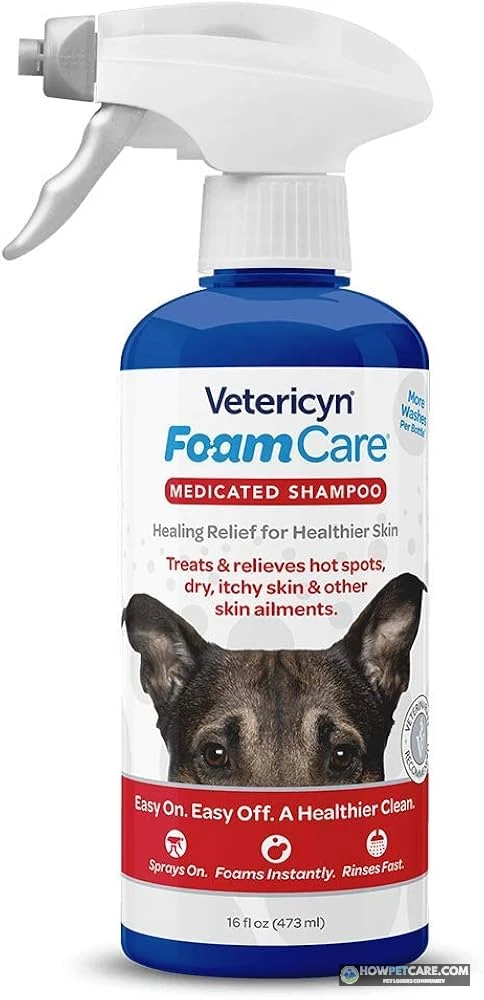

Match the symptom pattern to the active ingredient:
| Condition | Active ingredient | Typical strength |
|---|---|---|
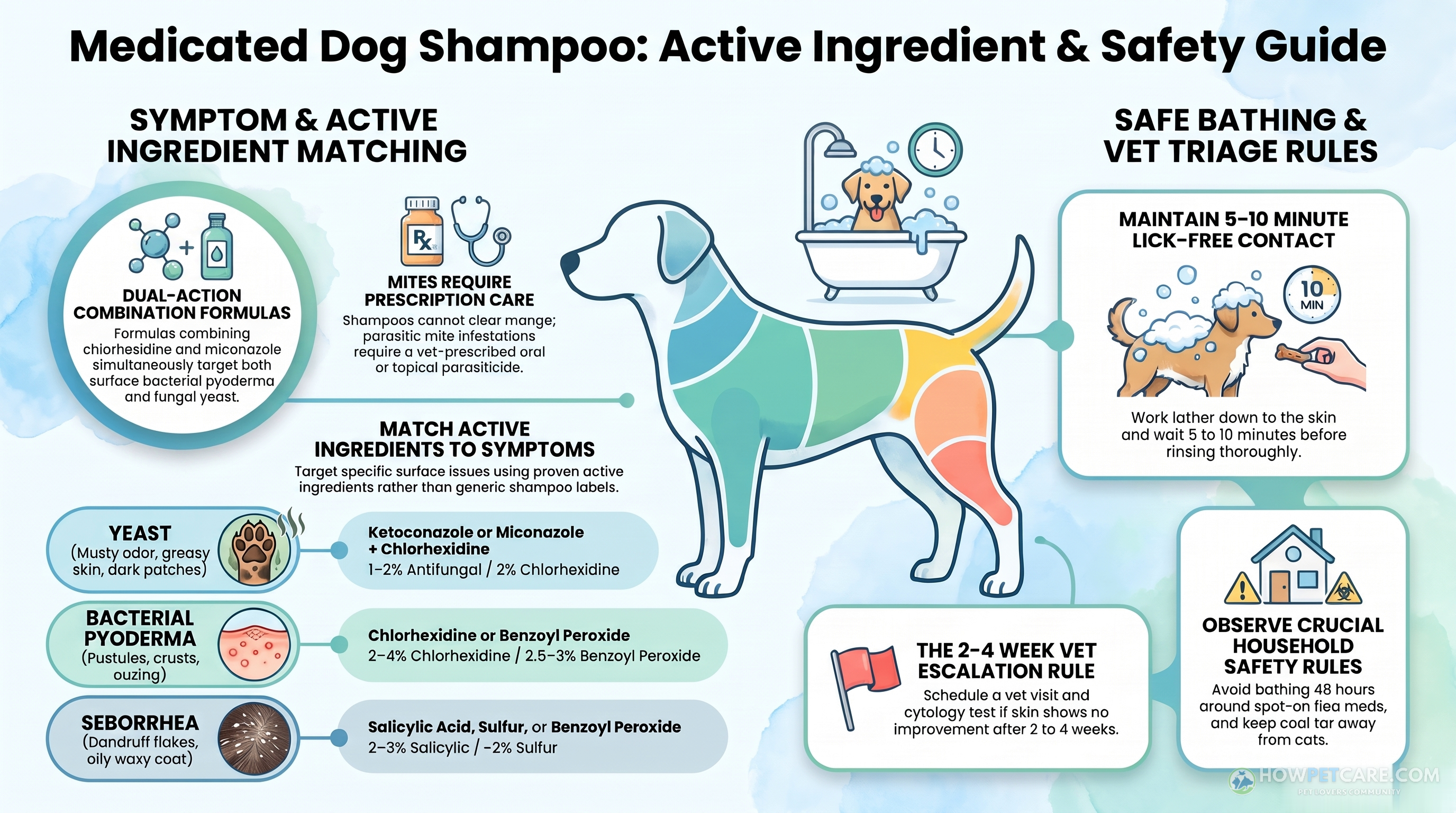
| Yeast (musty odor, greasy skin) | Ketoconazole or miconazole + chlorhexidine | 1–2% / 2% |
| Bacterial pyoderma & hot spots | Chlorhexidine; benzoyl peroxide for greasy coats | 2–4% / 2.5–3% |
| Seborrhea (flakes, oily coat) | Salicylic acid, sulfur, coal tar, selenium sulfide | 1–3% |
| Mange / mites | None — needs a prescription parasiticide | — |
| Itch only | Oatmeal formula; hydrocortisone short-term | ~1% |
Which Medicated Dog Shampoo Matches Your Dog’s Skin Problem
Choose a medicated dog shampoo by matching your dog’s symptoms to an active ingredient, rather than browsing bottle labels first. Shampoo can support treatment, but it won’t cure a deep infection. Check the triage section immediately after this one to decide whether bathing at home is appropriate. The brand-neutral framework below connects common skin patterns with the ingredients used for them.
Symptom cues for each pattern
- Yeast (Malassezia): musty “corn chip” odor, greasy skin, rust-stained paws from licking, and dark, thickened skin, often with ear discharge.
- Bacterial pyoderma: pustules (pimple-like bumps), crusts, circular scaling, and sometimes patches of hair loss.
- Seborrhea: dandruff-like flakes that are dry and white or greasy and yellow, with an oily or waxy coat that feels sticky.
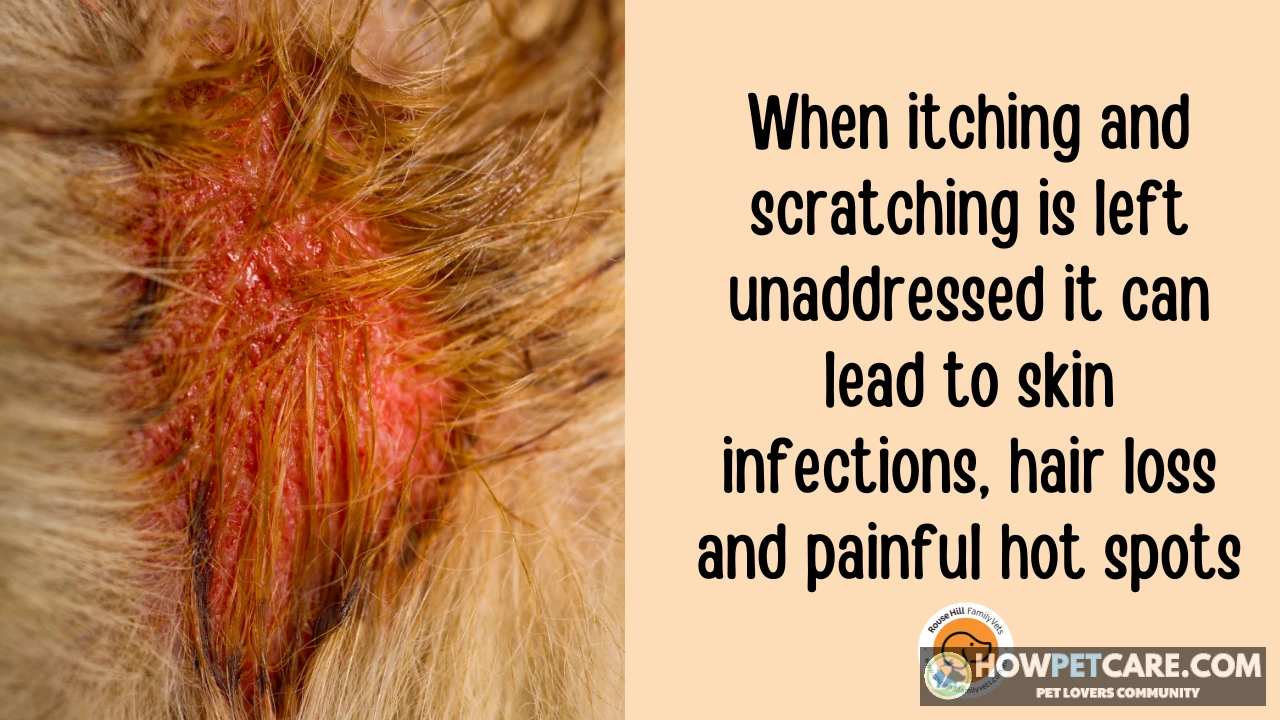
- Hot spots (acute moist dermatitis): moist, red, painful patches that may ooze, usually triggered by itch-scratch cycles.
- Mange / mites: intense itch, patchy hair loss, crusted ear edges or elbows, and sometimes mites visible on a skin scrape.
- Itch only: scratching without odor, lesions, or flakes; possible causes include allergy, dry skin, or a foreign body.
Active-ingredient matching
| Condition & typical signs | Active ingredient to look for | Typical concentration | What shampoo can do | When a vet is needed |
|---|---|---|---|---|
| Yeast (Malassezia) — musty “corn chip” odor, greasy skin, rust-stained paws, dark thickened skin | Ketoconazole or miconazole, ideally paired with chlorhexidine | Ketoconazole 1–2%; miconazole 2%; chlorhexidine 2% as partner | Kills surface yeast, reduces odor and grease in 1–2 weeks | Skin is darkened, bleeding or in the ears; no change after 2–4 weeks |
| Bacterial pyoderma & hot spots — pustules, crusts, circular scales, moist red oozing patches | Chlorhexidine; benzoyl peroxide for greasy, clogged coats | Chlorhexidine 2–4%; benzoyl peroxide 2.5–3% | First-line topical for superficial infection (per ISCAID guidance) | Spreading lesions, pus, pain, fever, or deep draining spots |
| Seborrhea — dandruff flakes or an oily, waxy coat | Salicylic acid, sulfur, coal tar, or selenium sulfide | Salicylic 2–3%; sulfur ~2%; selenium sulfide 1% | Slows flaking, degreases, normalizes skin turnover | Sudden onset with weight or thirst changes (possible thyroid/hormone cause) |
| Mange / mites — intense itch, patchy hair loss, crusted ear edges or elbows | No shampoo reliably kills mites; lime sulfur dip is an adjunct only | — | Cleans and decontaminates skin before prescription treatment | Always — mites need a prescription parasiticide |
| Itch only — scratching but no odor, lesions or flakes | Oatmeal-based soothing formula; hydrocortisone shampoo for short courses | Hydrocortisone ~1% | Temporarily calms itch while you watch for a pattern | Itch lasting over 2 weeks usually means allergy — find the cause, don’t keep masking it |
Rule of thumb: combination formulas (e.g., miconazole 2% + chlorhexidine 2%) cover yeast and bacteria in one bottle. They’re the closest option to a formula that does both.
Check These Signs First: What Shampoo Can Treat and What Needs a Vet
Before buying a bottle, assess your dog’s condition. Home bathing may be reasonable for mild, localized problems: mild musty odor with intact skin, light flaking or a greasy coat, mild itch without broken skin, in a dog that’s eating, playing and acting normally. Red flags — spreading lesions, pus or draining spots, foul odor with discharge, patchy hair loss, painful skin or growing hot spots, facial swelling, hives, fever or lethargy, infections that return within weeks, a puppy under 12 weeks or a pregnant dog, or no improvement after 2–4 weeks of correct use — call for a vet visit before you buy. The full checklists follow in the triage block below.
The 2–4 week rule: if you see no clear improvement after 2–4 weeks of correct use, or the condition worsens at any point, stop guessing and see a vet. A veterinary dermatologist can use skin cytology (tape or slide) to distinguish yeast from bacteria, culture to investigate resistant or recurrent infection, skin scrapings to check for mites, and biopsy for unusual lesions. ISCAID guidelines on superficial bacterial folliculitis (Hillier et al., 2014) and the Malassezia dermatitis guidance (Bond et al., 2020) both support topical chlorhexidine and miconazole-based therapy. Deep pyoderma, widespread demodicosis, sarcoptic mange and allergy-driven itch need prescription treatment or treatment of the underlying cause. Shampoo can’t replace it.
Stop-Shopping Triage: Book a Vet If Any Box Checks
Red flags — see a vet first:
- ☐ Lesions spreading or multiplying over days
- ☐ Open sores, pus, or moist draining spots
- ☐ Foul odor combined with any discharge
- ☐ Hair loss in distinct or expanding patches
- ☐ Skin that’s painful to the touch, or hot spots that keep growing
- ☐ Facial swelling, hives, fever, or a lethargic dog
- ☐ Infections that clear and return within weeks (recurrence points to an underlying cause)
- ☐ A puppy under 12 weeks, a pregnant dog, or a dog with a known illness
- ☐ No improvement after 2–4 weeks of correct, on-label shampoo use
Green lights — reasonable to try a shampoo first:
- ☐ Mild musty odor with intact skin
- ☐ Light flaking or a greasy-feeling coat
- ☐ Mild itch with no broken skin
- ☐ Dog is otherwise eating, playing and acting normally
If none of the red boxes is checked, use the ingredient table to choose a shampoo. If any red box is checked, the shampoo aisle can wait. Cytology (a ~$40–80 slide test at most clinics) will tell you what you’re dealing with.
Best Medicated Dog Shampoos by Condition, With Concentrations and Prices
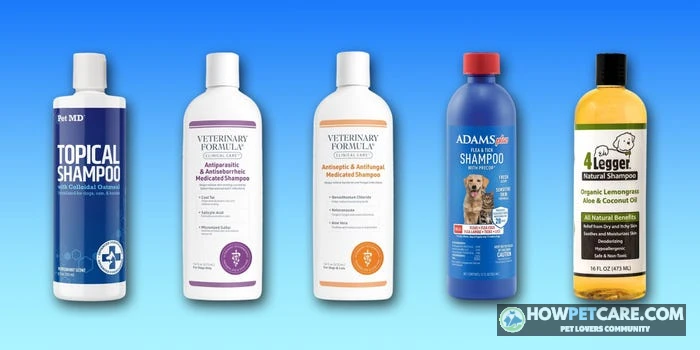
A useful product comparison should show active ingredients, concentrations, size, price, and price per ounce. The table draws on verified label data as of 2026 and includes drugstore-tier and veterinary-channel options for comparing price and strength.
Medicated Shampoo Comparison: Actives, Price per Ounce, Best Fit
| Product | Active ingredients & concentration | Best for | Price & size | Price per ounce | Scent, residue & coat notes | Tier |
|---|---|---|---|---|---|---|
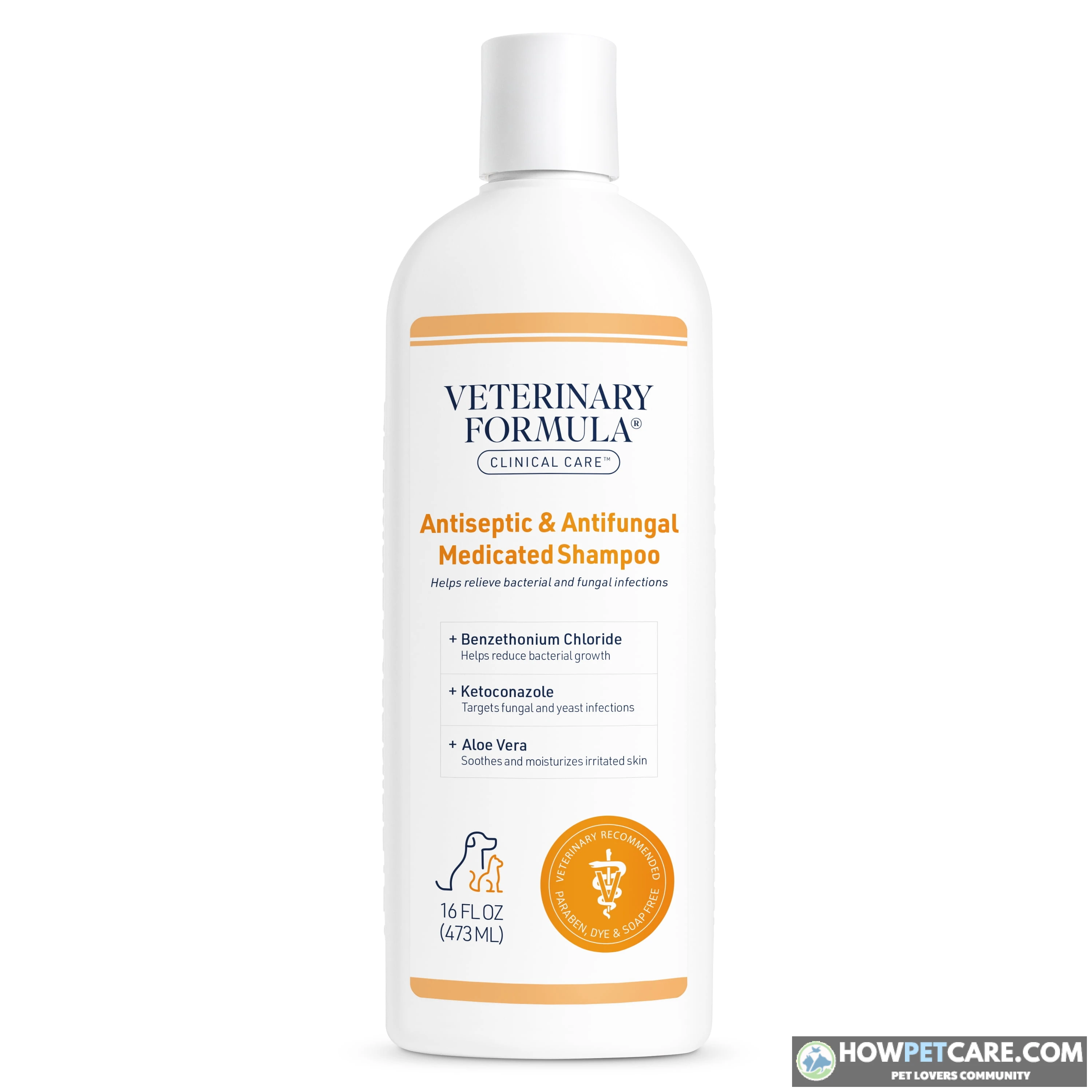
| Veterinary Formula Clinical Care Antiseptic & Antifungal | Ketoconazole 1% + benzalkonium chloride (no % listed) | Mild yeast odor, light mixed infection | ~$10–13 / 16 oz | ~$0.65–0.80 | Light scent; rinses clean on most coats | Drugstore |
| Pet MD Medicated Shampoo | Chlorhexidine 2% + ketoconazole 1% | Budget combo for yeast + bacteria | ~$14–18 / 16 oz | ~$0.90–1.10 | Mild scent; slight residue on heavy coats | Drugstore |
| TropiClean OxyMed Medicated | Salicylic acid + colloidal oatmeal (no % listed) | Flakes, mild seborrhea, itch-prone skin | ~$11–15 / 20 oz | ~$0.55–0.75 | Oatmeal scent; gentle, low-lather | Drugstore |
| Dermabliss Anti-Bacterial & Anti-Fungal | Chlorhexidine 2% + ketoconazole 1% | Yeast/bacterial issues in sensitive-skin dogs | ~$18–24 / 16 oz | ~$1.10–1.50 | Safflower oil base; less drying than most | Mid / vet-channel |
| MiconaHex+Triz (Dechra) | Miconazole 2% + chlorhexidine 2% + TrizEDTA | Confirmed yeast; recurrent skin infection | ~$17–22 / 8 oz | ~$2.10–2.75 | Nearly fragrance-free; TrizEDTA boosts antibacterial effect | Vet-channel |
| Virbac Ketochlor | Ketoconazole 1% + chlorhexidine 2% | Mixed yeast + bacterial dermatitis | ~$19–26 / 8 oz | ~$2.40–3.25 | Clean scent; moderate lather | Vet-channel |
| Douxo S3 PYO | Chlorhexidine 3% + Ophytrium | Bacterial pyoderma; dogs needing skin-barrier support | ~$28–32 / 6.7 oz | ~$4.20–4.80 | Light green scent; smallest bottle on the list | Vet-channel |
| Pet MD Benzoyl Peroxide | Benzoyl peroxide 3% | Greasy seborrhea; clogged follicles | ~$15–19 / 12 oz | ~$1.25–1.60 | Drying — pair with conditioner; can bleach fabrics and lighten dark coats | Drugstore |
Budget vs. vet-strength verdict: for mild odor or flakes, the $0.65–0.90 / oz drugstore tier performs close to premium bottles. Consider the vet-channel price when cytology has confirmed yeast, an infection keeps returning, the skin is sensitive, or your vet has prescribed a protocol around a specific formula.
Worked example: the 60-lb yeasty Golden Retriever
The dog: a 60-lb golden retriever with a double coat, a musty “corn chip” smell, greasy skin behind the ears, and rust-stained front paws from licking. There are no open sores and no fever, so the triage list gives a green light.
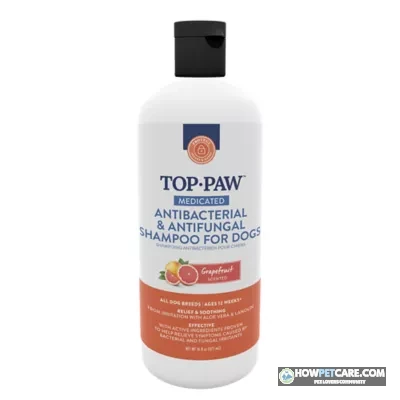
The ingredient call: this is the classic Malassezia pattern → miconazole 2% or ketoconazole, ideally combined with chlorhexidine.
The product at each budget:
- Budget (~$10–13): Veterinary Formula Clinical Care, ketoconazole 1% — enough for a first mild case.
- Vet-channel (~$18–22): MiconaHex+Triz, miconazole 2% + chlorhexidine 2% — the choice if the smell returns after round one.
Per-bath amount: for a dog weighing 60 lb with a dense double coat, use ≈ 2–3 tablespoons (30–45 ml) per bath. Wet the coat thoroughly and work the lather down to the skin in sections. Set a phone timer for 10 minutes and offer a peanut-butter lick mat to prevent foam licking. Rinse until the water runs completely clear.
The 3-week schedule:
- Week 1–2: two baths per week, with the full 10-minute contact time.
- Week 3: one bath if odor and grease are fading.
- Track: rate the odor 0–5 each bath day. Expect the smell to drop noticeably by bath three.
Exit rule: odor and grease gone by week 3–4 → taper to monthly or stop. Still yeasty at week 4 → visit the vet for skin cytology rather than buying a stronger bottle. Recurring yeast usually means an underlying allergy needs treatment.
How to Use Medicated Shampoo: Amount by Weight, Contact Time and Rinsing
Shampoo volume by body weight and coat type
Approximate starting volumes (always confirm against the product label):
| Dog weight | Short coat | Medium coat | Thick or double coat | Notes on contact time and rinsing |
|---|---|---|---|---|
| ≤ 10 lb (toy) | ½–1 tsp (2–5 ml) | 1–2 tsp (5–10 ml) | 1–2 tsp (5–10 ml) | Use less for small dogs; rinse until water runs clear. |
| 10–25 lb | 1–2 tsp (5–10 ml) | 2–3 tsp (10–15 ml) | 1–2 Tbsp (15–30 ml) | Medium dogs need enough to reach the skin beneath the coat. |
| 25–50 lb | 2–3 tsp (10–15 ml) | 2–3 Tbsp (30–45 ml) | ¼–⅓ cup (60–80 ml) | Short coats need less product; for double coats, use the higher end. |
| 50–90 lb | 3–4 Tbsp (45–60 ml) | ¼–⅓ cup (60–80 ml) | ⅓–½ cup (80–120 ml) | Part thick coats so product reaches the skin; use the top of the range. |
| 90 lb + | ¼–⅓ cup (60–80 ml) | ⅓–½ cup (80–120 ml) | ½–¾ cup (120–180 ml) | For very large dogs, always follow the bottle’s dose recommendation. |
Step-by-step protocol
- Wet the coat fully with lukewarm water. Don’t pour water over the head; use a cup or gentle spray for the neck and face.
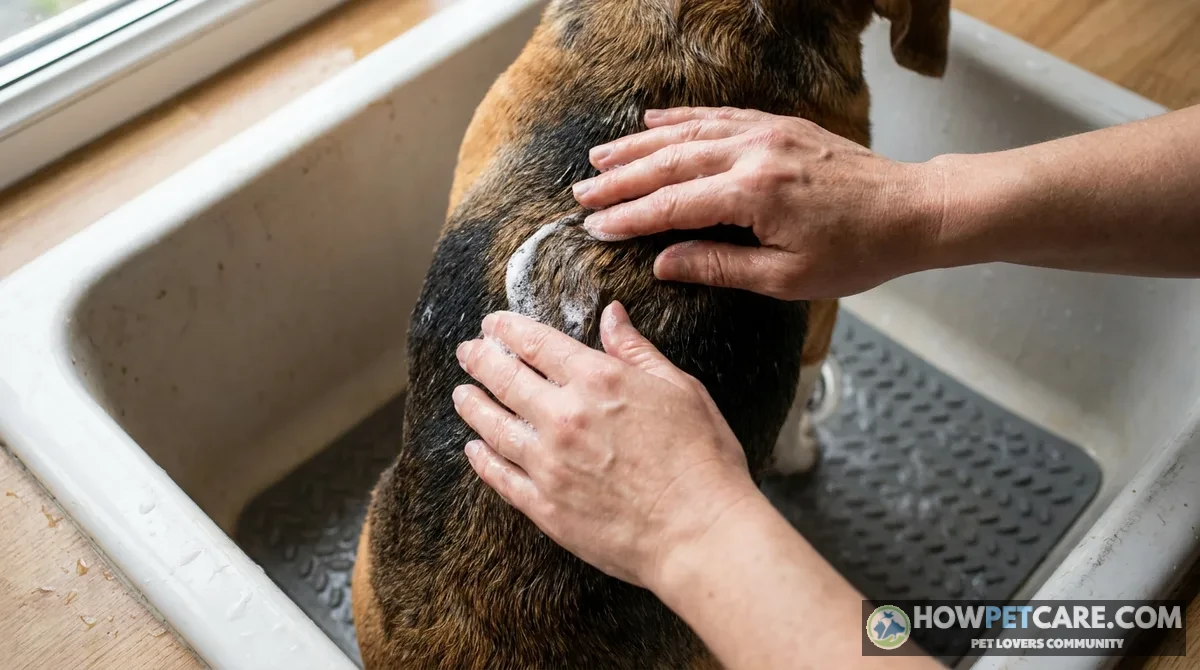
- Apply the shampoo in sections, working it down to the skin. For double-coated dogs, part the hair and apply it directly to the skin.
- Keep the shampoo in contact for the time stated on the label, typically 5–10 minutes. Set a phone timer, and part thick coats to ensure full contact for the required time.
- Rinse until water runs clear. Residue on the skin will itch and may counteract the medication.
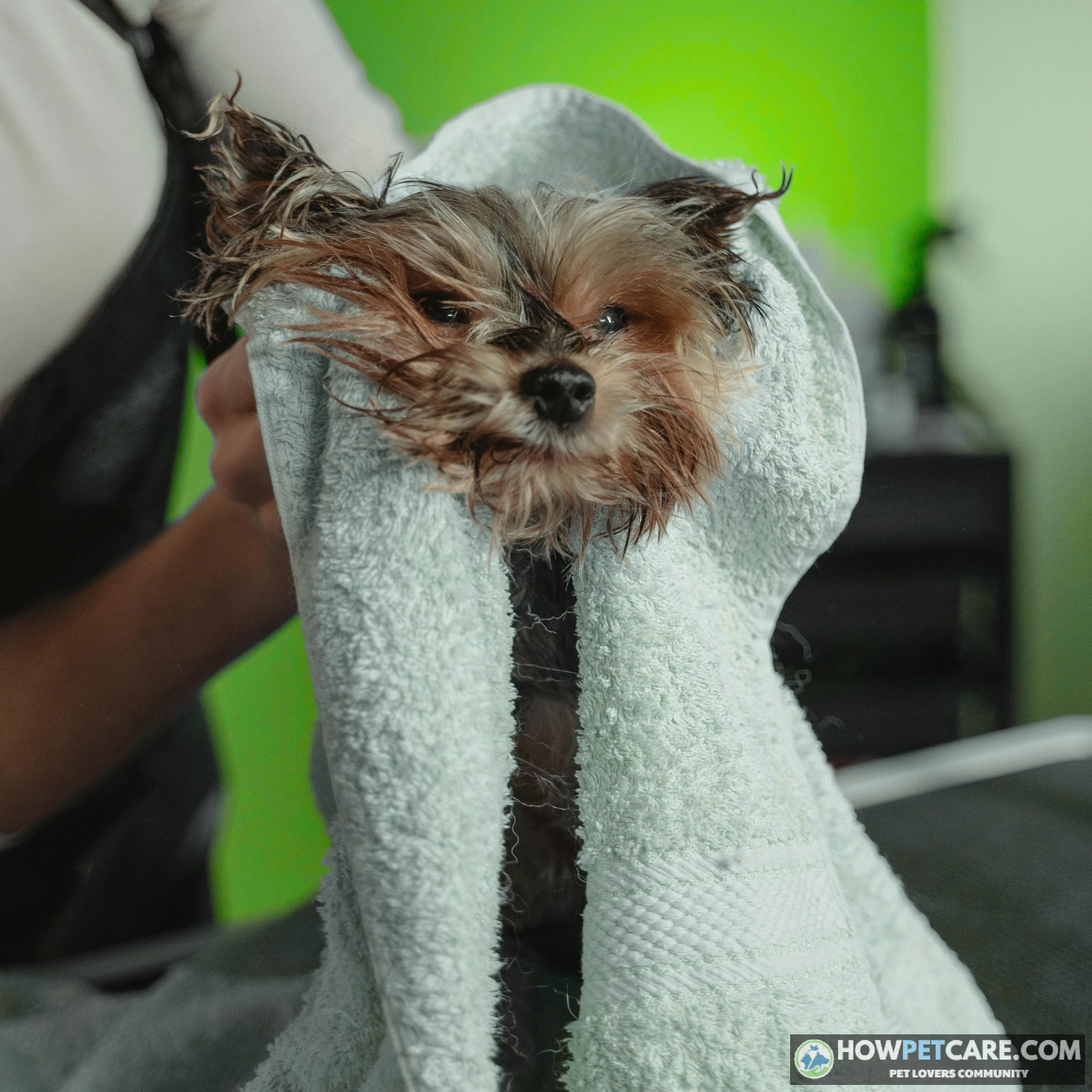
- Dry fully. Pat with towels, then use a cool or low-heat blow-dryer. Dry skin folds thoroughly, since moisture feeds yeast.
Protecting eyes, ears and mouth
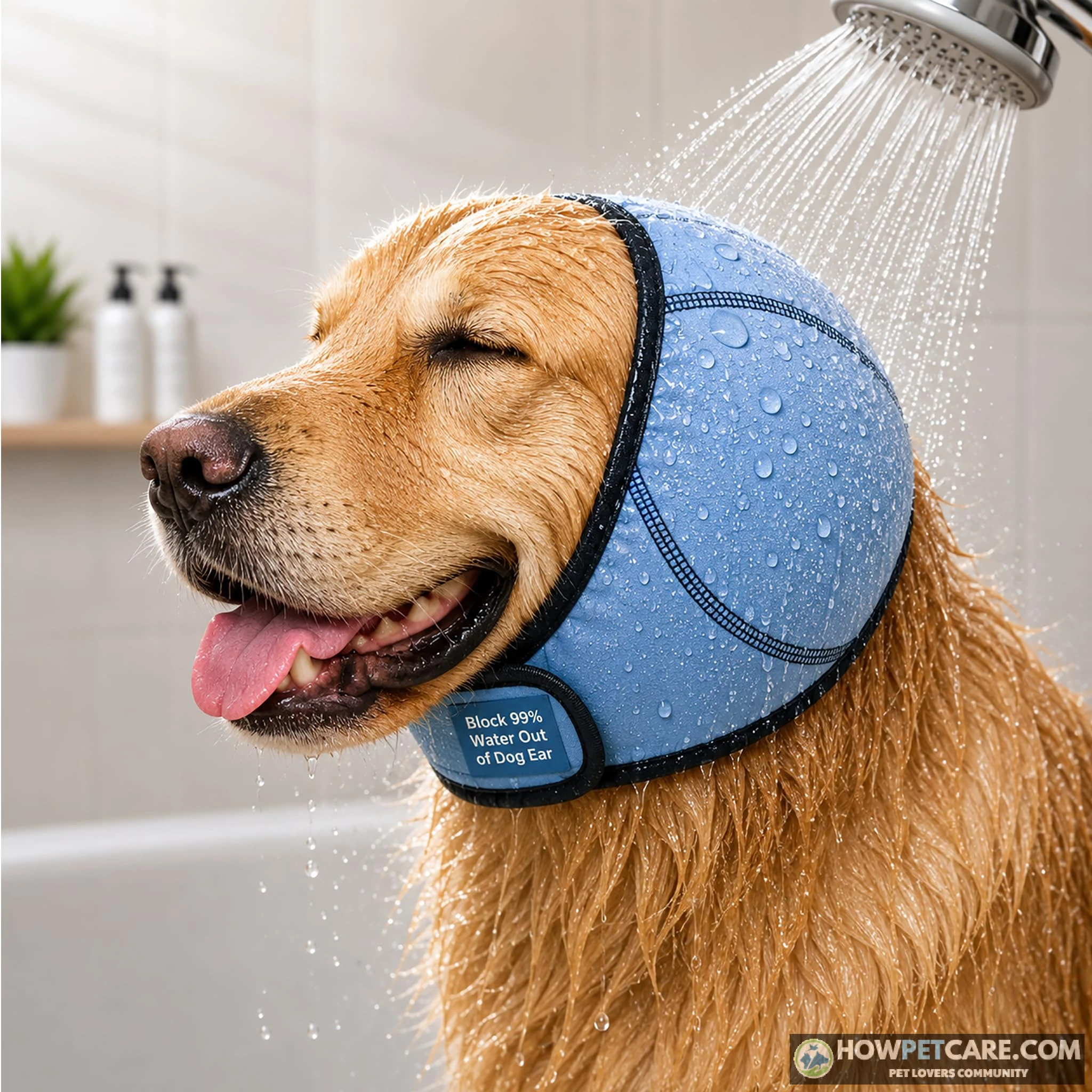
- Eyes: apply a veterinary-approved eye ointment as your vet advises before the bath, or cover the eye area with a hand during rinsing.
- Ears: gently place a cotton ball in each ear opening. Remove it immediately after the bath and dry the outer ear with a towel.
- Mouth/foam: if your dog tends to lick lather, offer a lick-mat with peanut butter or a frozen treat during the bath to distract the dog and prevent ingestion.
What to expect after the first bath
You may notice a temporary decrease in odor and slightly less greasiness. Dogs with sensitive skin can develop mild redness. If redness, hives, swelling, increased itch, or vomiting appear within hours, rinse the shampoo off fully and contact a vet before the next bath.
How Often to Bathe and When to Taper Off or Stop
Starting schedule and maintenance schedule
- Active infection: bathe 2–3 times per week for the first 2–4 weeks, then reduce to once weekly as the condition improves.
- Maintenance (prevention of recurrence): bathe once every 1–2 weeks, or as your vet directs, especially if your dog is prone to yeast recurrences.
- Follow the label or your vet’s protocol. If your vet advises it, continue for a few days after visible clearing to ensure the infection is fully suppressed.
Tapering
Move from active treatment to maintenance, then stop when odor, redness and flaking are gone. Re-evaluate if signs return in the first weeks after stopping.
Resistance risk
Prolonged, unsupervised use of chlorhexidine or antifungals can select for resistant organisms or mask an underlying allergy or endocrine problem. That’s another reason to use the 2–4 week improvement window. If the condition returns shortly after stopping, see a vet for diagnostics rather than switching to a stronger shampoo.
Hydrocortisone and lidocaine shampoos
Limit use to short courses (typically no more than 2 weeks). Long-term steroid exposure can thin the skin and mask infection. Check with a vet if your dog needs longer use.
Over-bathing dries skin
Over-bathing strips the skin barrier. If the skin becomes dry, pair medicated baths with a vet-approved conditioner or moisturizer.
Safety Limits for Puppies, Pregnant Dogs, Cats, Other Medications and Licked Foam
Puppies under 12 weeks
Many medicated shampoo labels set an age minimum (often 12 weeks or older). For puppies under about 12 weeks, ask a vet before using any medicated product. Don’t use chlorhexidine or antifungals on very young puppies without guidance.
Pregnant and lactating dogs
Safety studies for chlorhexidine, ketoconazole and miconazole in pregnant or lactating dogs are limited. Check with a vet rather than using these products routinely without guidance.
Cats in the household
Coal tar is toxic to cats. Other actives can also cause irritation or ingestion problems, so keep cats out of the bathroom during the bath and separate from the wet dog until dry. Rinse the tub thoroughly after use.
Dogs with other conditions
- Liver disease: ketoconazole absorption may be affected if the dog licks the shampoo; use caution and consult a vet.
- Sensitive skin: some actives (e.g., coal tar, high-strength benzoyl peroxide) can irritate. Choose a formula labeled for sensitive skin.
- Existing prescriptions: liver disease, steroids, antibiotics or other topicals on the skin all warrant a vet check before bathing.
Flea and tick spot-ons
Don’t bathe right before applying a spot-on. Wait the label interval (often 48 hours before or after) so shampoo doesn’t strip the product oils that spread the treatment. Check the specific spot-on label and ask the vet about steroid, antibiotic or other topical medications used at the same time.
What to do if your dog licks the foam
- Rinse the mouth with water and prevent further licking.
- A taste is usually harmless; watch for drooling, vomiting or diarrhea.
- If more than a lick was swallowed — or the dog is small — call your vet or the Pet Poison Helpline (855-764-7661) / ASPCA Poison Control (888-426-4435).
Adverse reactions after the first bath
If redness, hives, swelling, worse itch or vomiting appear within hours, rinse the shampoo off fully and contact a vet before the next bath.
Interaction & Household Safety Quick Reference (Check Before Every Bath)
- ☐ Spot-on flea/tick timing: bathe at least 48 hours before applying a spot-on, or wait 48 hours after. Shampoo strips the oils the product spreads through. Check your specific product’s label.
- ☐ Cats in the house: coal-tar formulas are toxic to cats and must never be used near them. Keep cats out of the bathroom during the bath and rinse the tub afterward.
- ☐ Puppies under ~12 weeks: check the label’s age minimum, and ask a vet before using any medicated product on very young puppies.
- ☐ Pregnant or lactating dogs: published safety studies on chlorhexidine, ketoconazole and miconazole in these dogs are limited. Check with a vet rather than assuming use is safe.
- ☐ Other medications in play: liver disease (ketoconazole absorption risk if licked), steroids, antibiotics or other topicals on the skin → check with the vet before bathing.
- ☐ Dog licked the foam: rinse the mouth with water and stop further licking. A taste is usually harmless; watch for drooling, vomiting or diarrhea. If more than a lick was swallowed — or the dog is small — call your vet or the Pet Poison Helpline (855-764-7661) / ASPCA Poison Control (888-426-4435).
- ☐ After the first bath: redness, hives, swelling, worse itch or vomiting within hours = rinse the shampoo off fully and contact a vet before the next bath.
Shampoo vs. Wipes, Sprays and Mousses, and Where to Buy
Format comparison
- Shampoo: best for whole-body disease, generalized infection, or dogs that tolerate baths. It provides the longest contact time and the most thorough coverage.
- Mousse or spray: useful for spot-treatment (e.g., a single hot spot, skin folds, or paws) and for dogs that dislike or can’t tolerate a full bath. Apply only to the affected area; avoid over-application on healthy skin.
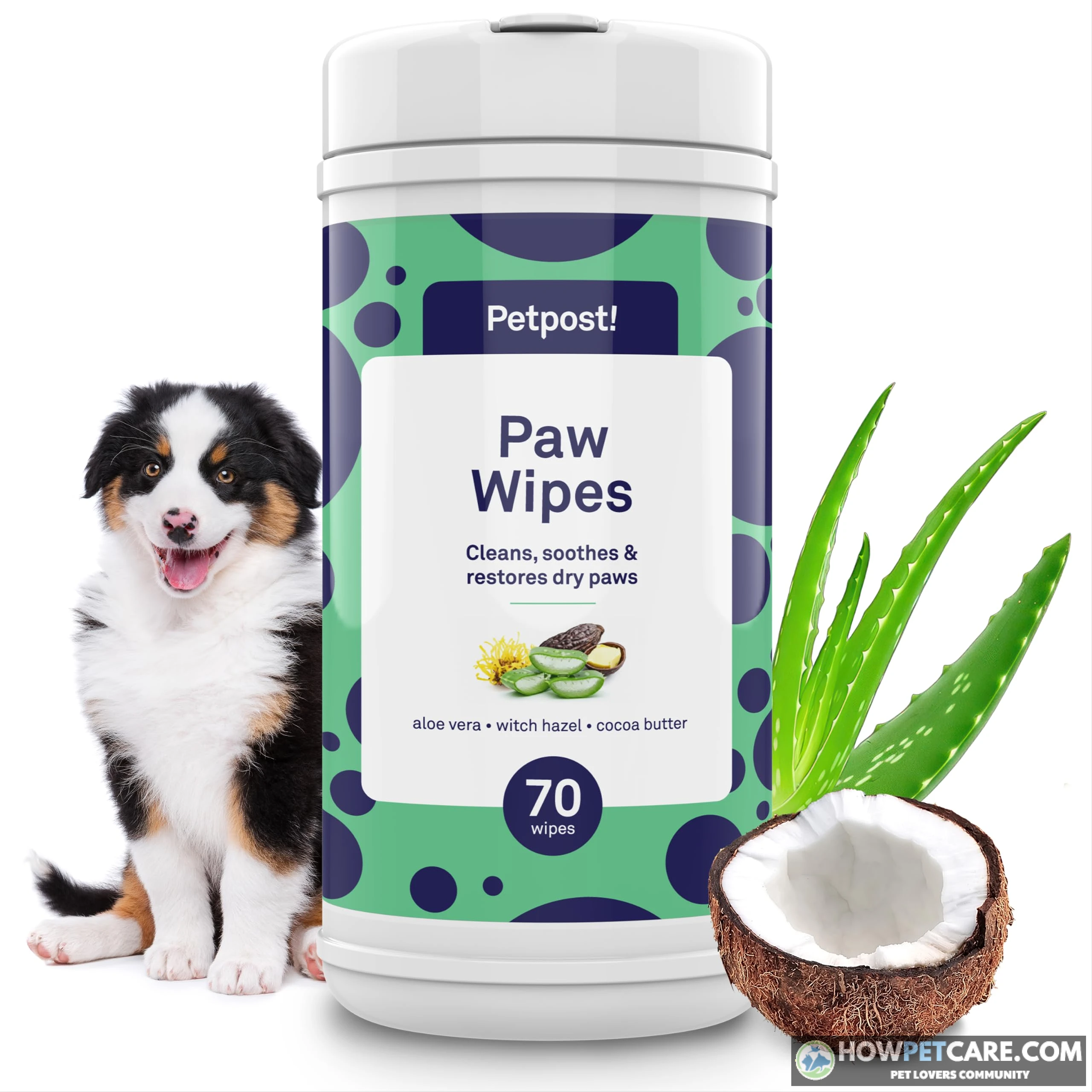
- Wipes: convenient for paws, skin folds, chin, and quick clean-ups between baths. They don’t provide the 5–10-minute contact time needed for systemic infection control.
Prescription status
Most antibacterial and antifungal shampoos with chlorhexidine, ketoconazole, miconazole or benzoyl peroxide are sold over the counter. Some veterinary-channel brands (e.g., Douxo S3 PYO, MiconaHex+Triz) are sold through vet clinics or vet-authorized online pharmacies. Check each product’s label and regional rules.
Buying channels (Amazon, Walmart, Chewy, vet clinic)
- Amazon, Walmart, Chewy: these offer wide selection, often competitive prices, and convenient home delivery. Marketplaces carry counterfeit or old-stock risks, so buy from authorized sellers and check the manufacture date.
- Vet clinic: clinics offer access to prescription-only or specialized veterinary lines, with guaranteed authenticity and professional guidance, though prices are higher.
- Trade-offs: marketplaces make it easier to compare prices and read reviews, but carry a higher authenticity risk. Vet clinics provide expertise at a premium. Wherever you buy, verify the active-ingredient list and concentration on the label.
Your Pick-and-Bathe Checklist: Buy the Right Shampoo and Know When to Call the Vet
Three-step decision path
- Identify the symptom pattern (yeasty odor, pustules, greasy coat, itch only, etc.).
- Match it to the active ingredient using the decision table (ketoconazole/miconazole for yeast, chlorhexidine for bacteria, salicylic/sulfur/coal tar for seborrhea).
- Choose between the budget and vet-strength tier based on infection severity, recurrence history, and vet guidance.
Pre-bath checklist
- ☐ Confirm there are no red flags from the triage list (no spreading lesions, no pus, no fever, no puppy under 12 weeks without vet approval).
- ☐ Check the label’s age and species limits (coal-tar = dogs only; some chlorhexidine products are cat-safe).
- ☐ Prepare a timer for the 5–10-minute contact period.
- ☐ Gather towels, cotton balls for ears, and a lick-mat or treat for distraction.
- ☐ Pick a bathing day clear of spot-on flea/tick application (at least 48 hours before or after).
Post-bath checklist
- ☐ Dry the dog thoroughly, paying special attention to skin folds, between toes, and the ear canals.
- ☐ Track odor, redness and itch in a simple log (note the date, bath number, and 0–5 rating).
- ☐ Check the dog at 2 weeks and 4 weeks after starting the shampoo regimen.
- ☐ If odor, redness or flaking have faded, taper to monthly or stop. If they’re unchanged or worse, schedule a vet visit for cytology rather than buying a stronger bottle.
Escalation rule
No improvement in 2–4 weeks, spreading lesions or pain → book a vet visit with cytology rather than buying a stronger shampoo.
Product Name Active Ingredients & Concentration Best For / Target Condition Price & Size Price Per Ounce Coat & Scent Notes Product Tier Veterinary Formula Clinical Care Antiseptic & Antifungal Ketoconazole 1% + benzalkonium chloride (no % listed) Mild yeast odor, light mixed infection ~$10–13 / 16 oz ~$0.65–0.80 Light scent; rinses clean on most coats Drugstore Pethttps://howpetcare.com/medicated-dog-shampoo/ MD Medicated Shampoo Chlorhexidine 2% + ketoconazole 1% Budget combo for yeast + bacteria ~$14–18 / 16 oz ~$0.90–1.10 Mild scent; slight residue on heavy coats Drugstore TropiClean OxyMed Medicated Salicylic acid + colloidal oatmeal (no % listed) Flakes, mild seborrhea, itch-prone skin ~$11–15 / 20 oz ~$0.55–0.75 Oatmeal scent; gentle, low-lather Drugstore Dermabliss Anti-Bacterial & Anti-Fungal Chlorhexidine 2% + ketoconazole 1% Yeast/bacterial issues in sensitive-skin dogs ~$18–24 / 16 oz ~$1.10–1.50 Safflower oil base; less drying than most Mid / vet-channel MiconaHex+Triz (Dechra) Miconazole 2% + chlorhexidine 2% + TrizEDTA Confirmed yeast; recurrent skin infection ~$17–22 / 8 oz ~$2.10–2.75 Nearly fragrance-free; TrizEDTA boosts antibacterial effect Vet-channel Virbac Ketochlor Ketoconazole 1% + chlorhexidine 2% Mixed yeast + bacterial dermatitis ~$19–26 / 8 oz ~$2.40–3.25 Clean scent; moderate lather Vet-channel Douxo S3 PYO Chlorhexidine 3% + Ophytrium Bacterial pyoderma; dogs needing skin-barrier support ~$28–32 / 6.7 oz ~$4.20–4.80 Light green scent; smallest bottle on the list Vet-channel Pet MD Benzoyl Peroxide Benzoyl peroxide 3% Greasy seborrhea; clogged follicles ~$15–19 / 12 oz ~$1.25–1.60 Drying — pair with conditioner; can bleach fabrics and lighten dark coats Drugstore
1A dog presents with a musty 'corn chip' odor, greasy skin behind the ears, and rust-stained front paws from frequent licking. Which active ingredient combination is specifically recommended to address this skin pattern?
Musty odor, greasy skin, and saliva-stained paws represent the classic Malassezia (yeast) pattern, which responds best to antifungal agents like ketoconazole or miconazole combined with an antiseptic partner like chlorhexidine.
2Which of the following symptoms or situations are considered 'red flags' that require a veterinary visit before attempting home treatment with medicated shampoo? (Select all that apply.)
Painful skin and rapidly growing hot spots indicate deeper or progressing inflammation that over-the-counter shampoo cannot safely manage alone.
3Why is it necessary to schedule medicated baths at least 48 hours before or after applying a topical spot-on flea and tick treatment?
Topical spot-on treatments rely on the natural lipid layer of the skin to spread across the body, and bathing immediately before or after removes these essential oils.
4Which household safety precautions must be followed when using a coal tar medicated shampoo on a dog? (Select all that apply.)
Coal tar is toxic to felines, so cats must be isolated from room air and splash zones during application.
5What immediate first-aid step should an owner take if a dog licks a small amount of medicated shampoo foam during a bath?
A single taste of shampoo lather is typically harmless; rinsing the oral cavity clears residual soap while monitoring for GI upset.
6Which of the following describes the primary advantage of medicated shampoo over spot-treatment formats like mousses, sprays, or wipes?
Bathing with medicated shampoo ensures full body saturation and allows for the 5–10 minute contact period required to treat widespread surface infections.
7Which active ingredients listed in the source material are used to manage seborrhea by degreasing the coat and normalizing skin turnover? (Select all that apply.)
Salicylic acid (2–3%) acts as a keratolytic agent to slow flaking and normalize skin turnover.
FAQ
Do I need a prescription to buy medicated dog shampoo?
Most medicated dog shampoos with chlorhexidine, ketoconazole, miconazole or benzoyl peroxide are sold over the counter. Some veterinary-channel brands are sold mainly through clinics or vet-authorized pharmacies. Check the label and your local rules.
Can one medicated shampoo treat yeast, bacteria and seborrhea?
Some combination formulas, such as chlorhexidine plus miconazole or ketoconazole, cover both bacteria and yeast. Seborrhea usually needs a separate antiseborrheic ingredient such as sulfur, salicylic acid, coal tar or benzoyl peroxide, so match the shampoo to the diagnosed problem.
Can medicated shampoo treat mange?
Shampoo alone does not reliably clear mange. Demodex and sarcoptic mites generally need a prescription antiparasitic from a vet, and a benzoyl peroxide shampoo may be used only as support. Get a skin scrape before treating.
Is oatmeal shampoo the same as medicated shampoo?
No. Oatmeal shampoo soothes and moisturizes dry or mildly itchy skin but does not treat yeast or bacterial infection. Medicated shampoo contains an active ingredient such as chlorhexidine or ketoconazole for those infections.
Can I use human dandruff shampoo like Nizoral on my dog?
Ketoconazole human shampoos are sometimes used under veterinary direction, but they are not formulated for a dog’s skin pH and can irritate or be harmful if licked. Ask a vet first and consider a dog-specific product instead.