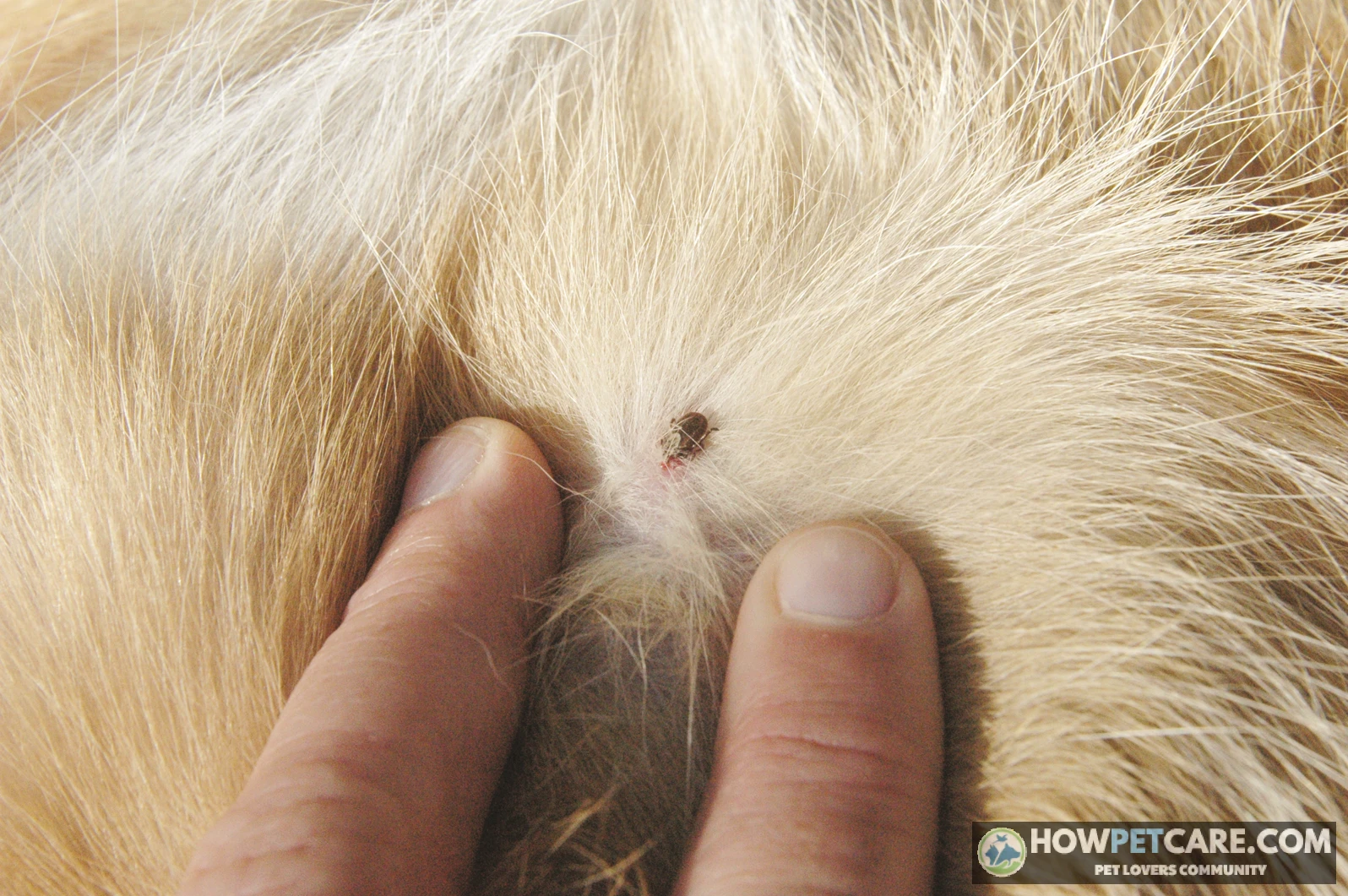

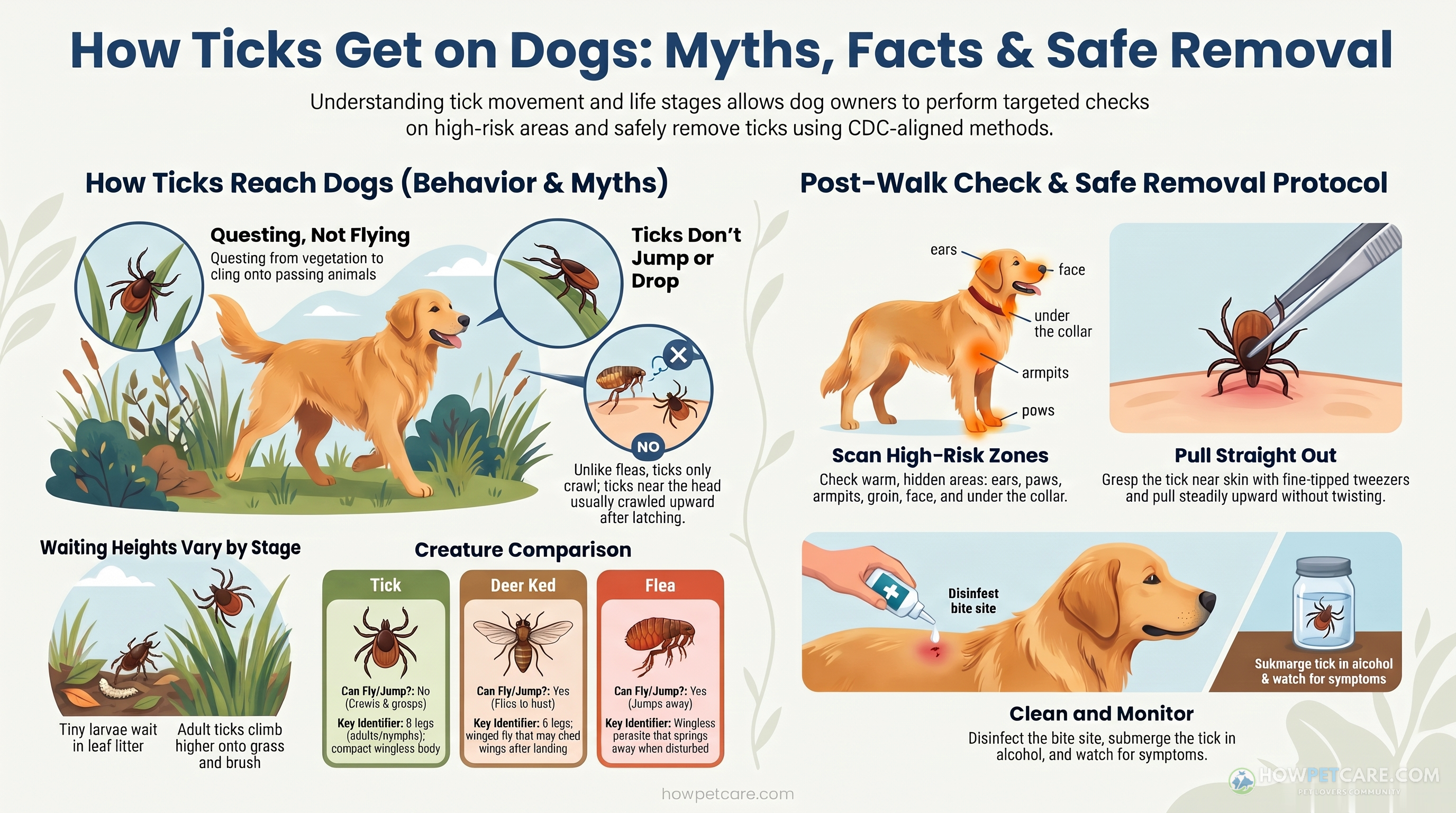
No—ticks can’t fly or jump. They have no wings, and their legs are built for crawling and clinging. Ticks reach dogs by questing: waiting on grass or brush with front legs extended, then grabbing the coat as a dog brushes past and crawling to the skin to attach.
Do ticks fly? No—they can’t fly or jump. Ticks have no wings, and their legs are built for crawling and clinging, not leaping. Most ticks reach dogs by waiting on grass or brush, then grabbing the coat as the dog passes and crawling through the fur to a place where they can attach.
If you saw something fly onto your dog, it may have been a deer ked or another winged insect rather than a tick. Here’s how ticks actually get onto dogs, where to check, and how to remove one safely.
Do Ticks Fly? No, and They Can’t Jump Either
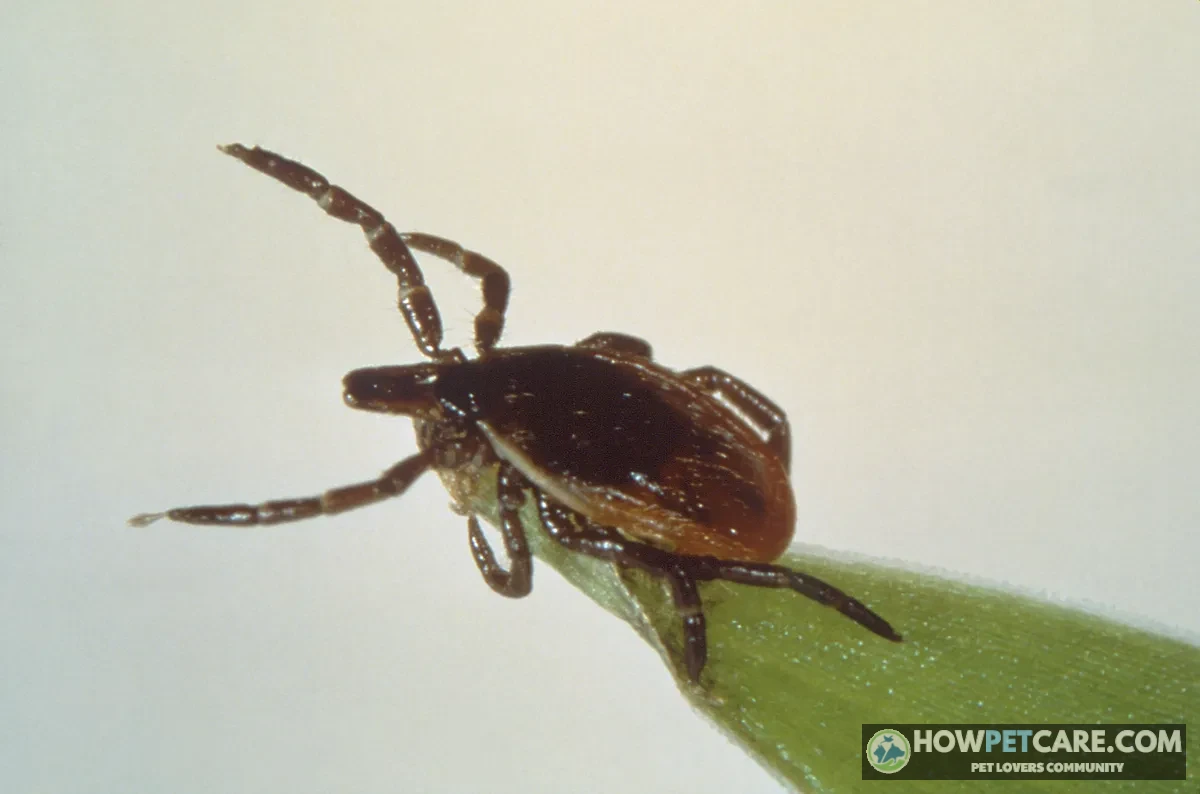
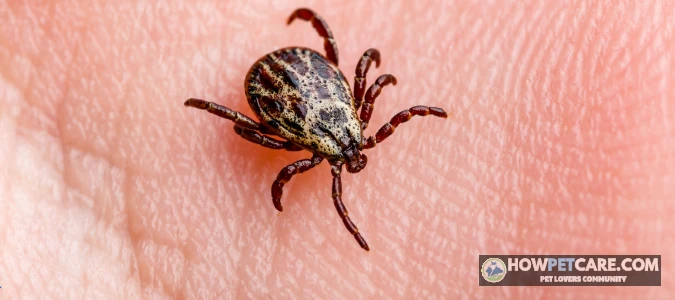
Ticks have no wings, so they can’t fly. Nor can they jump the way fleas do. They’re arachnids—the group that includes spiders and mites—not insects. Adult and nymph ticks have eight legs; larvae have six.
Fleas are wingless too, but they can jump. Ticks move by crawling and grabbing onto a passing host—a dog brushing past vegetation, for example.
How Ticks Get on Dogs: Questing, Not Flying
Many ticks use a behavior called questing. They wait on vegetation with their front legs extended, ready to grab an animal or person that brushes past. A dog walking through tall grass, leaf litter, or brush can pick up a tick on its legs, chest, belly, or face. From there, the tick crawls through the coat toward skin.
Ticks commonly wait in leaf litter, grass, brush, and woodland edges. Deer ticks—also called blacklegged ticks—and American dog ticks, often called wood ticks, use this general strategy.
Can ticks jump from grass to dogs?
No. A tick may wait on grass and grab the dog once the coat touches it, but it won’t jump across a gap. Ticks reach hosts by crawling or grasping onto them from vegetation, the ground, or another animal.
Do ticks fall from trees onto pets?
Ticks don’t normally drop from trees onto dogs. They wait on vegetation or near the ground, then latch on when an animal brushes past. A tick found on your dog’s head or ears may have crawled upward after getting on lower down.
| Common belief | What actually happens | Why people believe it |
|---|---|---|
| “Ticks fly onto dogs.” | Ticks have no wings; they grab the coat when a dog brushes past vegetation. | A small tick can go unnoticed until it is found later. |
| “Ticks jump like fleas.” | Ticks crawl and cling—they don’t jump. | Both are parasites found on pets, but fleas really do jump. |
| “Ticks drop from trees.” | Ticks generally wait on vegetation or near the ground, then crawl on after latching. | Ticks found near the head may have crawled there. |
| “Wind blows ticks through the air.” | Wind isn’t an established way ticks reach dogs; they commonly spread by hitching rides on hosts. | A tick found on clothing or near a door may have arrived on a person or pet. |

How Ticks Find Your Dog: Heat, CO2, and Slow Crawling
Ticks don’t chase dogs around the yard. They wait for a host to come close, grab on, and crawl through the coat. They can pick up cues from nearby animals—carbon dioxide, heat, odors, and movement. A sensory structure on the front legs, called Haller’s organ, helps them sense their surroundings.
Ticks crawl; they don’t move with the speed of a jumping flea or a flying insect. After getting onto a dog, a tick may wander through the coat before attaching. That delay is one reason a check after a walk can catch a tick before it settles in.
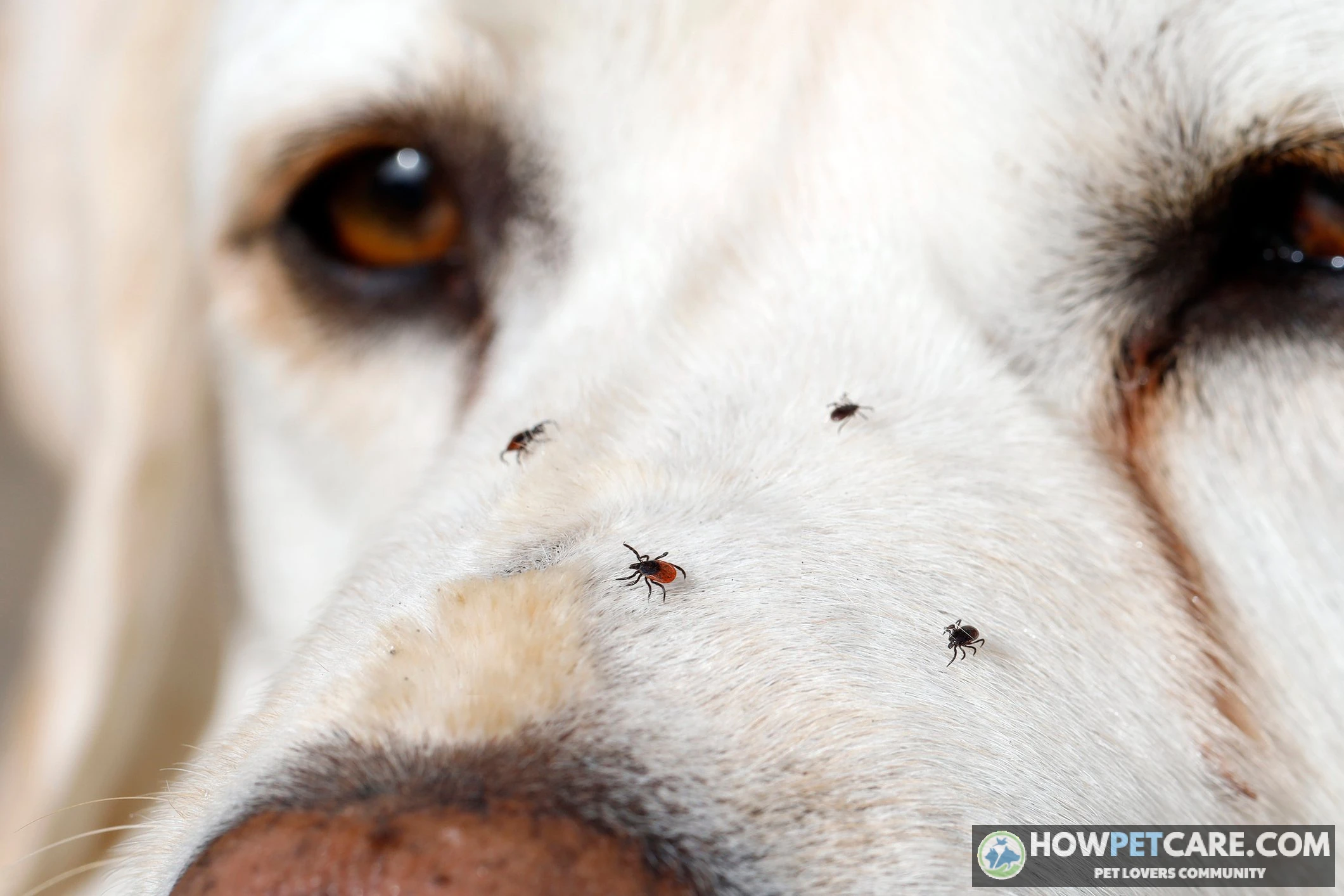
Why ticks end up near the head, neck, and ears
A tick may latch on wherever the dog brushes against it, then crawl through the fur. The head, neck, and ears are easy for owners to notice, while skin hidden under the collar is easy to overlook during a quick check. Finding a tick there doesn’t mean it fell from above.
Why a tick can seem to appear overnight
A tick can be tiny and hidden in the coat, then become easier to feel or see after it attaches and feeds. Some ticks are as small as a pinhead, so one found later may have been on the dog all along without being noticed. The practical rule: after time outdoors in tick habitat, check by touch as well as by sight.
Larvae, Nymphs, and Adults Wait at Different Heights
Ticks pass through three life stages: larva, nymph, and adult. Their typical waiting places vary by species and habitat, so treat the pattern below as a guide, not a guarantee.
| Life stage | Relative size | Where it waits (general pattern) | Where it may reach on a dog |
|---|---|---|---|
| Larva | Smallest; can be difficult to see | Leaf litter and close to the ground | Paws, between toes, and lower legs |
| Nymph | Very small | Leaf litter and low vegetation | Legs, belly, and chest |
| Adult | Larger than a larva or nymph | Grass and brush | Legs, flanks, chest, neck, or ears |
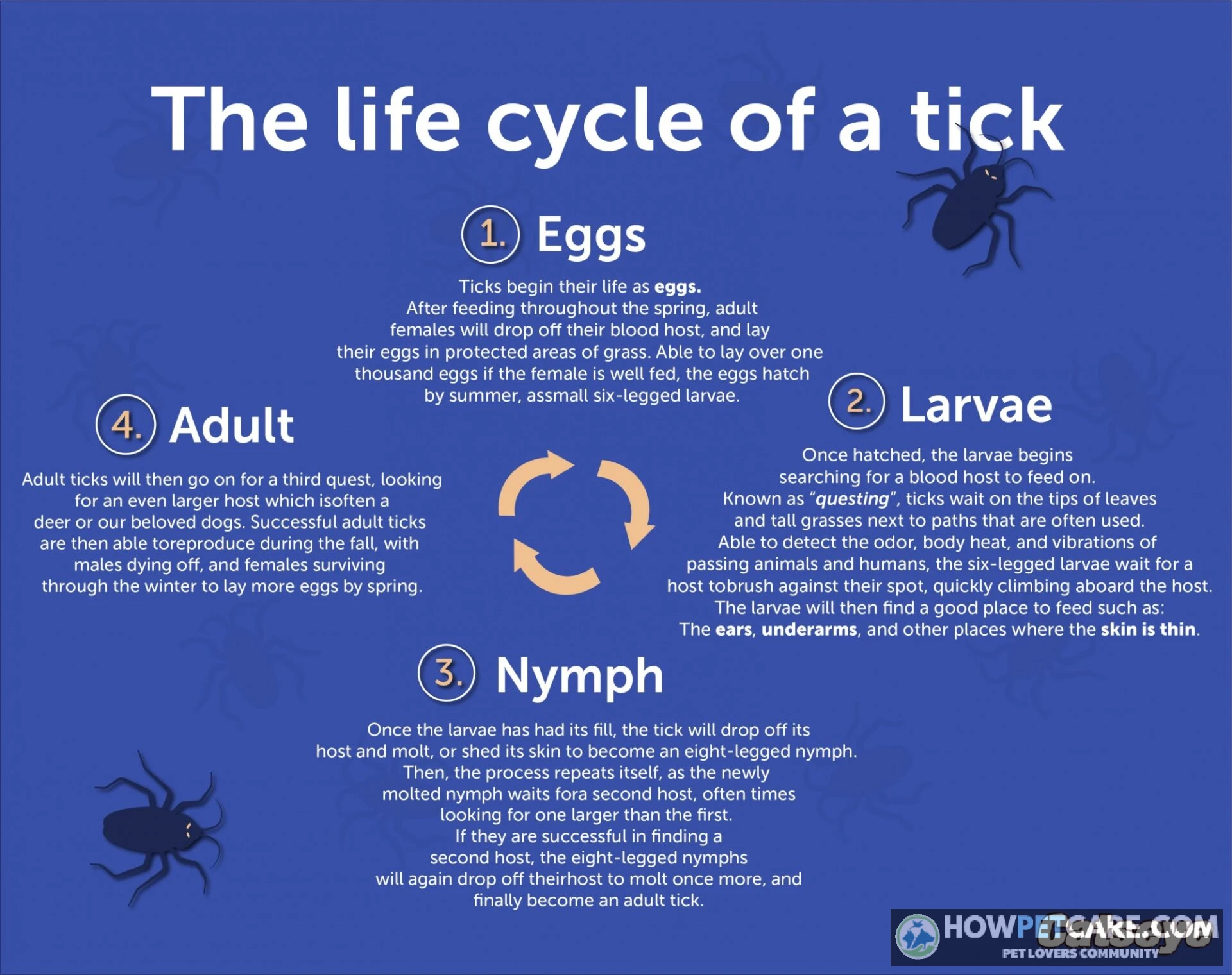
A dog’s route through vegetation matters as much as the tick’s waiting height. Low vegetation can brush the paws and belly; taller grass or brush can touch the chest and sides. Tick species don’t all behave the same way, so check the whole dog instead of relying on one expected location.
The “Flying Tick” You Saw Was Probably Something Else
A winged insect on a dog can look like a tick at first glance, especially if it vanishes into the coat. Deer keds and winged ants are two possibilities. Fleas are another common source of confusion, but for a different reason: jumping.
| Creature | Has wings? | How it moves | Where you see it | How to tell it from a tick |
|---|---|---|---|---|
| Tick | No | Crawls and grasps onto a passing host | Vegetation or attached to skin | Eight legs as a nymph or adult; six as a larva; doesn’t fly or jump. |
| Deer ked | Yes before landing; may shed wings on a host | Flies to a host, then crawls | On or near deer; may also land on people or dogs | A winged fly with six legs; some lose their wings after landing. |
| Winged ant | Yes | Flies during seasonal swarms | Swarms near buildings, patios, or lights | Look for a narrow waist and distinct body sections. |
| Flea | No | Jumps | On pets, bedding, and carpets | Often springs away when disturbed; does not stay attached like a feeding tick. |
Deer ked vs. tick
A deer ked is a fly, not a tick—though it’s nicknamed the "tick fly" or "flying tick," which is where much of the confusion comes from. It can fly to a host and then crawl. Some deer keds shed their wings after landing, which can make them look more tick-like. If you see wings, or the insect clearly flew before landing, a tick is unlikely.
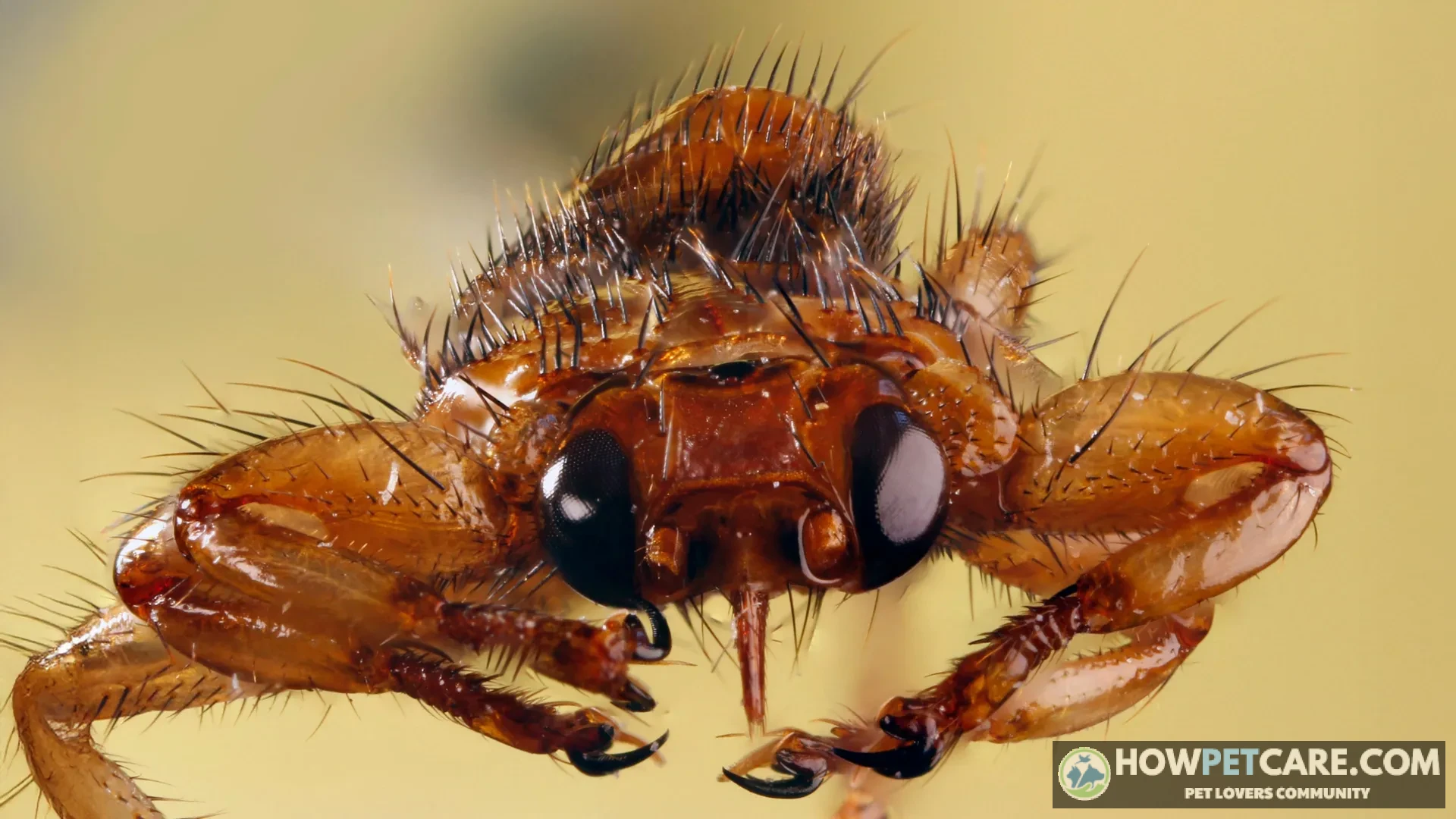
Winged ant vs. tick
Winged ants appear in seasonal swarms. Their wings and narrow waist tell them apart from ticks, which have no wings and a compact body.
Flea vs. tick: why the jumping myth persists
Fleas jump; ticks don’t. If the creature springs away when you part the fur, it may be a flea. A tick usually crawls, and once attached, it stays put while feeding.
If you can’t identify what you found, take a clear close-up photo or put the specimen in a sealed container. Then ask your veterinarian or a local university extension office for help.
Can Wind or Static Electricity Move Ticks Through the Air?
Ticks don’t fly, and wind isn’t a known routine way for them to travel between hosts. They spread to new places mainly while attached to animals such as deer, birds, and rodents.
Can strong wind blow ticks onto a dog?
There isn’t enough evidence to say that wind commonly blows ticks onto pets. For dog owners, the better-supported concern is contact with tick habitat—vegetation, leaf litter, and animals carrying ticks.
What the electrostatic attraction study actually found
A 2023 study in Current Biology found that static electricity can pull some ticks across a small air gap. Researchers Sam J. England and Daniel Robert tested nymphs of the castor bean tick (Ixodes ricinus) and saw attraction across distances from millimeters to centimeters.
That’s a short-range passive pull, not flight. The tick doesn’t flap, steer, or travel across a yard under its own power. The finding suggests static charge may help bridge a tiny gap when a host is already close; questing and crawling are still the practical explanation for how ticks get onto dogs.
Post-Walk Tick Check for Dogs: Where to Look
Check your dog as soon as you can after a walk in tick habitat, in good light. Run your fingertips through the coat against the direction of hair growth, looking and feeling for small bumps. Long or dense fur can hide ticks, so a visual scan alone may miss one.
Step-by-step check routine for long and short coats
- Ears: Check in and behind each ear, including folds.
- Paws: Look between the toes and around the paw pads.
- Legs and armpits: Feel the legs and the skin where the front legs meet the body.
- Chest and belly: Part the coat and inspect the underside.
- Groin and inner thighs: Check these warm, less visible areas carefully.
- Collar and harness: Remove them and check the covered skin and coat underneath.
- Face and neck: Look around the eyelids, lips, chin, and neck.
- Tail and rest of the body: Check the tail base, flanks, and back.
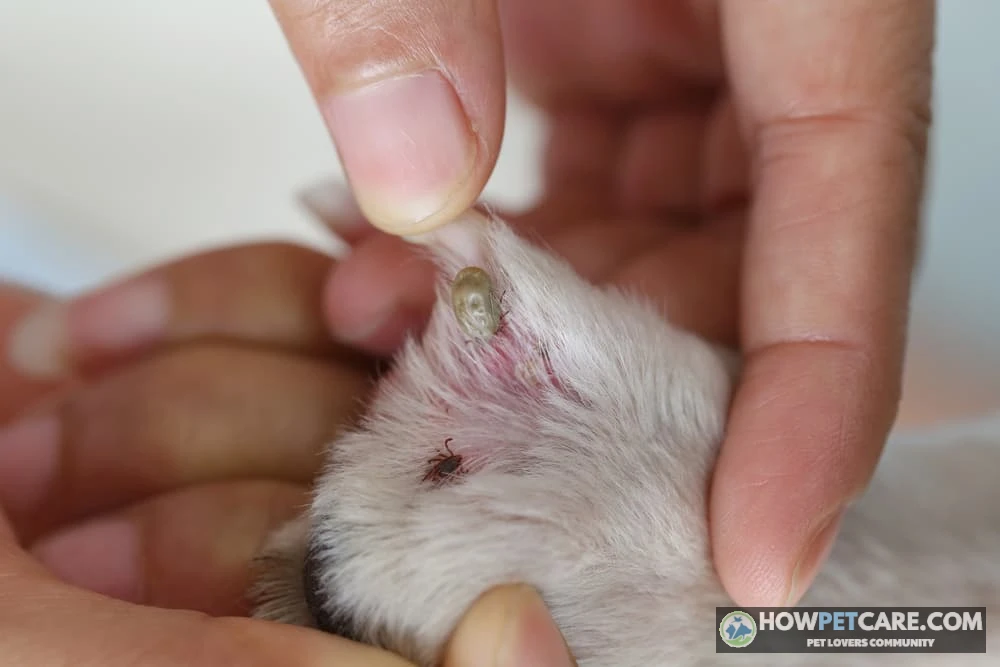
Also check yourself, the dog’s bedding, the car, and the entryway. Ticks can hitchhike indoors on a pet’s coat, and checking pets after coming inside helps reduce the chance of bringing them into the home.
Where ticks usually attach on a dog
Ticks can attach wherever they reach skin, but pay particular attention to warm, hidden, or easy-to-miss areas: ears, armpits, groin, inner thighs, between the toes, under collars and harnesses, and around the face. Don’t skip the rest of the body; a tick can attach somewhere unexpected.
How to Remove a Tick From a Dog Safely
Use fine-tipped tweezers or a tick-removal tool, and wear gloves if possible—the steady-pull method below matches CDC guidance for tick removal. Remove the tick promptly rather than waiting for it to detach on its own.
Step-by-step removal
- Part the fur so you can see where the tick meets the skin.
- Using fine-tipped tweezers, grasp the tick as close to the skin as possible.
- Pull upward steadily and straight out. Don’t twist, jerk, squeeze, or crush the tick.
- Clean the bite area and your hands. If you want a veterinarian to identify the tick, put it in a sealed container; otherwise, dispose of it by submerging it in rubbing alcohol (plain water isn’t reliable—ticks can survive submersion for days), wrapping it tightly in tape, or flushing it.
- Note the date and where on your dog you found it, then watch the bite site and your dog’s health.
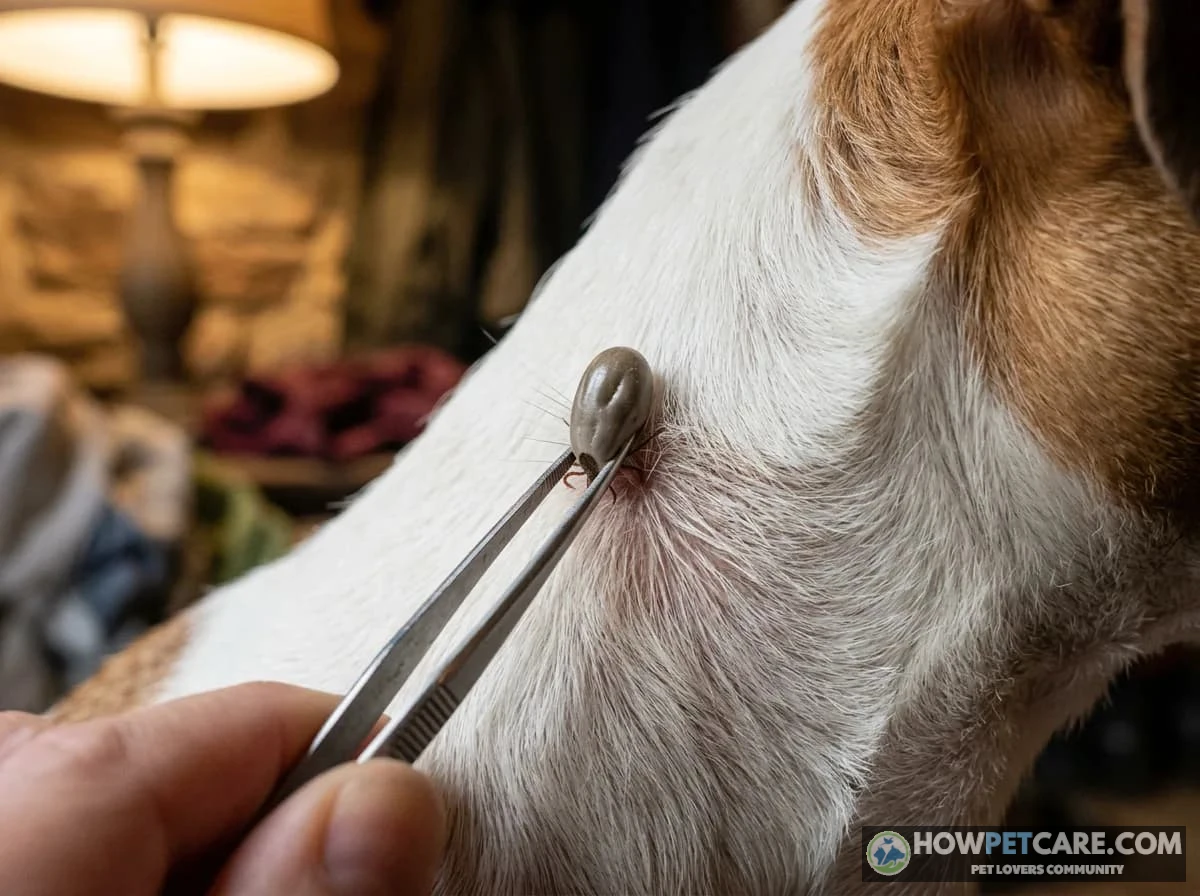
Do not burn the tick, cover it with petroleum jelly or nail polish, or apply alcohol while it’s attached. Don’t try to make it back out by irritating it, and don’t twist it while pulling. These approaches can injure your dog or interfere with removal; use steady traction instead.
What to do if the head stays in
If a small part remains in the skin after removal, don’t dig aggressively at the area—the skin usually pushes the remnant out on its own. Clean it and call your veterinarian for advice, especially if the site stays red or swollen or your dog seems unwell. Tick-borne diseases, including Lyme disease, are one reason to take prevention and prompt removal seriously. This article is not a diagnosis or treatment guide.
Keep Ticks Off Your Dog: A Prevention Checklist for Walks and the Yard
Prevention works best as a routine: reduce contact with tick habitat, check the dog after exposure, and ask your veterinarian which flea and tick treatment fits your dog and region. Options may include oral or topical preventives and tick collars. Dog and cat products aren’t interchangeable; use a product only as directed for the animal it’s labeled for.
Before and during walks
- Talk with your veterinarian about a preventive plan for your dog and local tick risks.
- Keep your dog near the center of trails and away from tall grass and brush when possible.
- Check your dog after walks during tick season, even short ones.
- Use only repellents and parasite products labeled for dogs. Don’t apply human repellent to your dog unless your veterinarian specifically tells you to.
Yard tick control basics
Mow regularly, clear leaf litter and brush, and keep play areas maintained. If your yard borders woods or dense vegetation, a barrier such as gravel or wood chips can help separate the lawn from that edge. These steps reduce suitable tick habitat; they don’t guarantee a tick-free yard.
Your next steps
Before the next walk, make sure your dog’s prevention plan is current. During the walk, limit contact with tall grass and brush. Afterward, check the ears, paws, armpits, belly, groin, collar area, face, and tail base. In the yard, keep grass and leaf litter managed. If you find a tick, remove it with fine-tipped tweezers and call your veterinarian if the bite site or your dog’s condition concerns you.
FAQ
How long can a tick stay attached to a dog?
A tick can stay attached for several days while it feeds, until it is full and drops off on its own. Removing it as soon as you find it lowers the chance of disease transmission.
Can ticks bite through a dog’s fur?
Ticks do not bite through fur. They crawl through the coat until they reach skin, then attach. Thick or long coats make ticks harder to spot, so check by feel as well as by sight.
Can my dog bring ticks into the house and give them to me?
Yes. A tick that has not yet attached can ride in on your dog’s coat and later crawl onto furniture, bedding, or people. Checking your dog and brushing off the coat after walks helps prevent this.
Should I take my dog to the vet after removing a tick?
Call your vet if the mouthparts stay in the skin, the bite site stays red or swollen, or your dog seems tired, stops eating, or limps. Otherwise, clean the area, note the date, and watch your dog over the following weeks.
Are ticks active in winter?
Some ticks stay active on mild winter days when temperatures are above freezing, so check your dog after walks in cold months too. Activity depends on species and local climate, so ask your vet about your area.