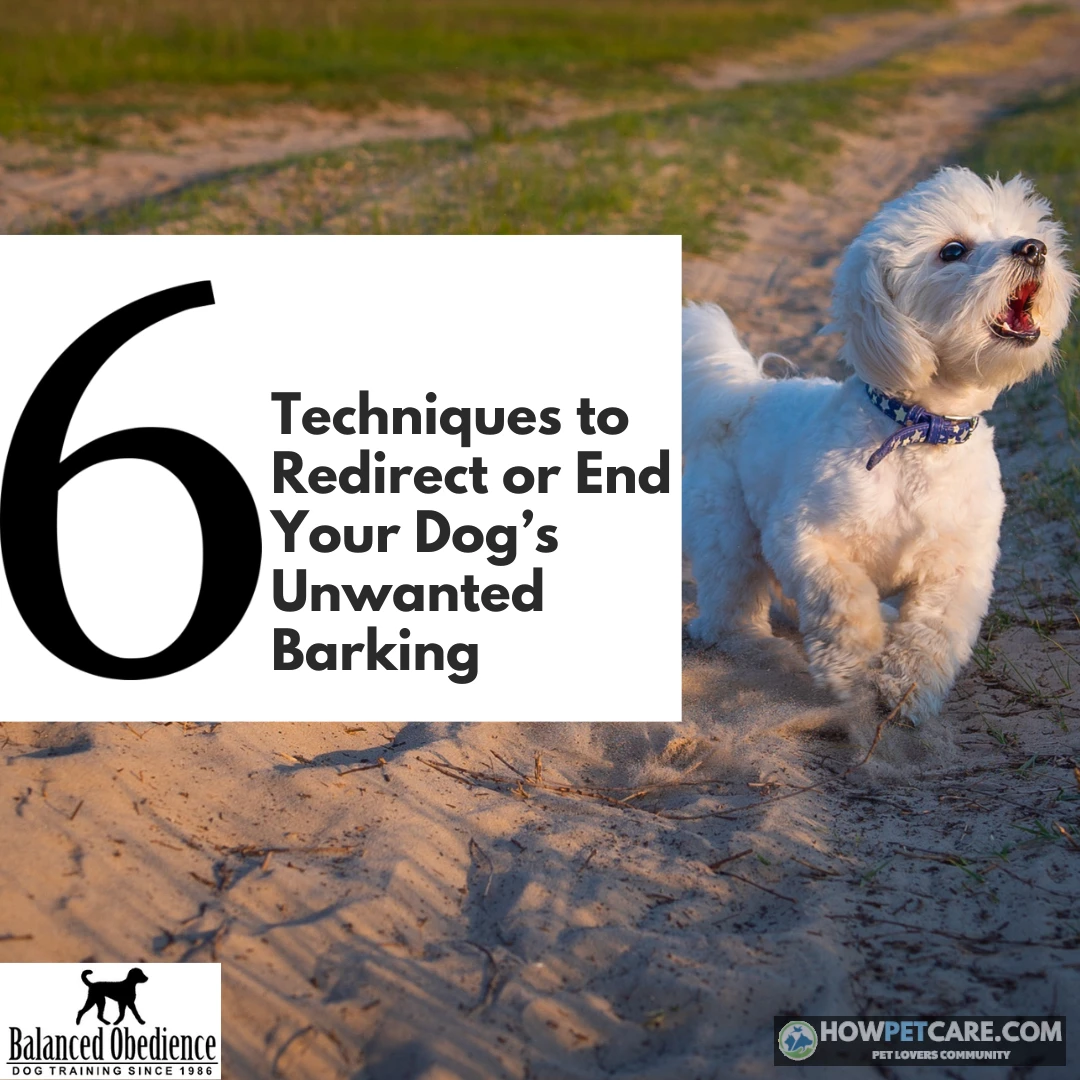

To stop dog barking, block the visual trigger, scatter high-value treats on the floor to engage scent reflexes, and remain silent to avoid matching their arousal. For lasting results, identify the root trigger, teach an incompatible behavior like "go to mat," and capture natural pauses with a reward to reinforce a "quiet" cue.
Immediate Emergency Triage: How to Quiet a Barking Dog Right Now
When a sudden bark erupts at 2 am in a shared‑wall apartment, the goal is silence now and no fear later. This four‑step protocol stops vocalization within seconds, preserves your dog’s trust, and buys time to establish a sustainable long‑term plan. It relies entirely on humane management: no shouting, shock, or aversive collars.
-
Zero‑Vocal Cue (0‑5 s)
Approach the dog from the side, keep your mouth closed, and avoid saying “shh,” “no,” or the dog’s name. Direct eye contact and loud tones mimic a barking partner, driving up heart rate and arousal.
-
Visual Interruption & Treat Blitz (5‑15 s)
Slide a solid barrier—blinds, a tall pillow, or the back of a chair—between the dog and the trigger (door, window, hallway). Simultaneously scatter 10‑15 pea‑sized, high‑value treats (freeze‑dried liver, hot‑dog slivers) onto the floor directly in front of the dog. Sniffing physically alters the respiratory pattern required to bark.
-
Sound Buffer & Relocation (15‑45 s)
While the dog searches the floor, turn on a brown‑noise machine, a bathroom exhaust fan, or a box fan set against the shared wall. Gently guide the dog using a loose harness into a designated low‑stimulus room (interior bedroom or bathroom) with no sightline to the hallway.
-
Reset & Record (45‑60 s)
Give the dog a frozen lick mat or a Kong filled with peanut butter in the quiet space. Note the time, trigger, and observable body language in your bark tracker. The dog shifts into a calm activity, ending the immediate crisis.
Why Yelling or Repeating “No” Accentuates Barking Spells
Dogs respond to vocal pitch before verbal meaning. A sharp “no!” raises your pitch, which an aroused dog naturally matches. That creates a reactive loop where each bark feeds on your rising volume. The emergency triage breaks this cycle with a silent sensory shift, engaging the dog’s natural calming reflexes through scent.

Identify the Bark Triggers: Observable Body Language and Root Causes
Effective training requires an accurate diagnosis rather than generic advice on how to stop dog barking. Understanding why do dogs bark starts with reading your dog’s posture, ear set, tail carriage, and vocal cadence. Each physical profile reflects a distinct emotional motivation that calls for its own targeted management plan.
Alert and Territorial Barking vs. Fear Barking
Alert / Territorial: The dog stands tall, ears prick forward or upward, and the tail is carried high or vibrates. Vocalizations are sharp, rapid bursts directed at doors, windows, or property lines. This is a protective alarm response.
Fear: Weight shifts backward over the hindquarters, the tail tucks, and the ears flatten against the skull. Barks often start as a low rumble before spiking into sharp bursts as the dog retreats or crouches. The objective here is creating distance from a perceived threat.

Boredom Barking vs. Demand Barking
Boredom: A flat, rhythmic “boof… boof” with little pitch variation, frequently accompanied by pacing along fences or interior walls. Energy remains low; the dog is looking for mental stimulation.
Demand / Attention: High, repetitive yaps paired with unbroken eye contact, an elevated head, and distinct pauses to gauge your reaction. The dog wants an explicit payout: food, a door opened, or physical play.
Observe the combination of ears, tail, and bark tempo. Use this to choose the correct column in the decision matrix below.
| Bark Type & Motivation | Observable Body Language & Sound | Immediate Environmental Fix | Long‑Term Behavioral Protocol | When to Escalate |
|---|---|---|---|---|
| Hallway / Window Alert (Territorial/Alarm) | Stiff stance, forward‑pinned ears, tail held high/vibrating; sharp, rapid staccato bursts toward doors or glass. | Apply opaque static‑cling film to lower 3 ft of windows; install door‑draft sweep; run continuous brown noise at entryway. | Desensitization & Counterconditioning (DS/CC): Pair low‑volume recorded hallway steps with high‑value food; teach an incompatible “Go to Mat” 10 ft from entry. | Dog lunges at glass, snaps at door frame, or fails to calm within 60 s after stimulus ends. |
| Demand / Frustration (Operant Control) | Direct eye contact, bouncy or pawing body, head tilted up; single shrill yaps spaced with pauses to watch owner. | Remove attention: cross arms, turn torso 90°, step behind a gate. Zero eye contact, zero speech. | Differential Reinforcement of Other behavior (DRO): Reward calm eye contact or lying down. Require “Sit” before opening doors or feeding. | Escalates to nipping clothing, body‑slamming, or barking >15 min during extinction bursts. |
| Isolation Distress / Solitude Panic | Pacing, heavy panting, drooling, wide “whale eyes”; repetitive high‑pitched vocal loops, howling. | Cease solitary confinement; bring crate into bedroom or allow open‑bed sleep beside owner. | Systematic Desensitization below panic threshold: micro‑absences 1‑5 s paired with frozen lick mats. | Self‑injurious behavior, urination/defecation in crate, or refusal to eat treats. |
| Fear / Defensive Barking | Weight shifted backward, tail tucked, ears flattened; low‑pitched rumble escalating to staccato while backing away. | Increase distance 10‑20 ft, screen sightlines with body or parked car. | Open‑Bar conditioning: Stream continuous treats the moment fear stimulus appears, stop treats when stimulus vanishes. | Displays defensive posture (bared teeth, lunging) or freezes at everyday sights. |
| Boredom / Under‑Stimulation | Flat, rhythmic single barks; pacing loops, no specific target. | Immediate olfactory decompression: scatter kibble across snuffle mat or rolled towel. | Daily indoor cognitive enrichment: frozen slow‑feeders, 15 min structured nosework, rotating natural chews. | Development of secondary compulsive habits (tail‑chasing, flank‑sucking). |
| Nocturnal Disorientation / Pain | Wandering at night, stuck behind furniture, staring at corners; sudden high‑pitched whining or bark spikes. | Nightlights, non‑slip runner rugs, low‑entry orthopedic bedding near owner. | Veterinary workup: rule out osteoarthritis, systemic pain, vision/hearing loss, Canine Cognitive Dysfunction. | Sudden onset in dogs >8 years with no prior alert barking. |

Crate Barking and Solitude: Demand Barking vs. Separation Anxiety Triage
A crate can serve as a secure den or trigger intense confinement panic. Telling the difference between normal demand barking and true separation distress protects your dog’s welfare.
The Dangerous Myth of “Letting Them Bark It Out”
The belief that dogs must cry it out assumes an animal will naturally self‑regulate under severe distress. In reality, sustained vocal panic floods the bloodstream with cortisol, sensitizes neural fear circuits, and often cements chronic separation anxiety. Leaving a panicking dog unassisted causes genuine emotional harm.

Nighttime Crate Management for Puppies and Adult Dogs
- 15‑Minute Diagnostic Baseline – Set a timer once baseline needs (potty break, fresh water) are satisfied. If the dog settles within 10‑15 minutes, you are usually dealing with demand barking.
- Visual Access – Keep the crate where the dog can see your bedroom doorway. A baby gate maintains clear sightlines without granting free run of the house.
- Enrichment Inside – Provide a lick mat frozen with bone broth, a Kong packed with peanut butter, or a durable chew. This frames the crate as a site of value rather than social isolation.
- Emergency Exit – If the dog pants frantically, drools heavily, or claws at the door, open the latch calmly. Walk the dog into a quiet space and offer a high‑value treat. Keep the crate door open until the dog regulates; closing it during panic reinforces confinement phobia.
If any two items in the Separation Distress checklist (see below) are true, the barking is a medical‑level emergency. Seek a veterinary behaviorist immediately.
Bark Triage Checklist: Demand Barking vs. Separation Panic vs. Pain
Run through these diagnostic markers before selecting an intervention.
Group A: Demand Barking Indicators
- ☐ Direct eye contact between vocal bursts.
- ☐ Bark softens when you turn away or cross arms.
- ☐ Dog readily eats kibble or treats while barking.
- ☐ Settles within 10‑15 min if ignored completely.
- ☐ No physiological signs of panic (dry paws, normal breathing).
Group B: Separation Distress & Confinement Phobia
- ☐ Profuse drooling, damp paw prints, rapid hyperventilation.
- ☐ Ignores high‑value foods when alone.
- ☐ Scratches or bites exit points (crate bars, door frames).
- ☐ Vocalizations intensify over time rather than extinguish.
- ☐ Uncharacteristic urination/defecation inside crate.
Group C: Medical & Pain Indicators
- ☐ Sudden onset in an older dog with no prior barking.
- ☐ Struggles to lie down, shifts weight constantly.
- ☐ Starts barking when touched from behind or when navigating corners.
If Group B displays ≥2 signs, address the problem as separation anxiety. If Group C displays any sign, arrange a veterinary evaluation before attempting behavioral modification.
Step-by-Step Dog Barking Training: Teaching the “Quiet” Cue and Alternative Behaviors
Reward‑based training replaces unwanted vocalizations with reliable, quiet actions. The system outlined below establishes a functional quiet cue and links it to an incompatible physical task.
How to Teach “Quiet” Without Teaching Bark‑for‑Treat Chains
Phase 1 – Capture the Natural Pause
- Let the dog bark naturally. Most dogs pause for about 2 seconds after an initial burst. The second that lull occurs, mark it with a clicker or marker word (“yes”) and deliver a high‑value treat right to the mouth.
- After 5‑10 consistent reps, layer in the verbal cue “quiet.” Deliver the cue only during the natural pause, then feed immediately.
- Slowly increase the required pause to 3‑4 seconds before rewarding, using the 3‑bark baseline observed in canine vocalization studies.
Phase 2 – Incompatible Replacement Behaviors
- Go to Spot: Teach the dog to target a mat set 8 feet (≈2.5 m) back from the door and lie down on cue. Maintaining that distance demonstrably cuts door‑triggered reactivity. Run at least 10 repetitions per session (30‑90 seconds each).
- Touch: Train a two‑finger nose touch so the dog pivots its head toward your hand, breaking its visual lock on the environment.
Phase 3 – Systematic Desensitization & Counter‑Conditioning (DS/CC)
Begin at a distance where the dog stays completely below threshold (for example, 20 ft from the hallway door). Play an audio track of low‑volume footsteps while delivering a continuous stream of treats. Close the gap by 2‑3 ft each clean round, rewarding relaxed posture well before the dog fixates.
Common Traps
- Giving the quiet cue before the dog pauses creates an accidental bark‑to‑get‑treat chain.
- Standard kibble often fails against intense triggers; switch to freeze‑dried liver or string cheese once arousal climbs.
Training the “Go to Mat” Replacement Behavior
- Lay a distinct mat near the entryway. Lure the dog onto it with a treat on leash, click when all four paws land, and reward.
- Introduce your verbal cue, such as “place.”
- Build duration on the mat before releasing; work up to a solid 30‑seconds stay before rewarding.
- Ask for the behavior intermittently during real‑world entryway sounds. The dog learns to take a designated station rather than charging the front door.

Troubleshooting High‑Arousal Barking at Hallways, Windows, and Other Dogs
Even a well‑drilled dog will struggle when a trigger gets too close or intense. If treats and redirection stop working, adjust the physical distance and upgrade your food rewards immediately.
When Treats Fail: Lowering the Stimulus Threshold
A dog pushed past its emotional threshold cannot process food rewards. Knowing how to get dog to stop barking during these moments requires lowering the intensity using three adjustments:
- Increase working distance by 5‑10 ft.
- Switch to higher‑value rewards, such as diced hot dogs or freeze‑dried liver.
- Mask environmental noises with steady brown noise to muffle incoming audio spikes.
Managing Apartment Hallways, Buzzers, and Window Passersby
- Window Reactivity: Apply frosted static‑cling film across the bottom window panes, or arrange furniture to block clear views of pedestrian traffic.
- Hallway Footsteps: Add draft sweeps under entry doors, mount an acoustic panel inside the frame, and play recordings of soft steps paired with treats.
- Emergency U‑Turn: When an unexpected trigger rounds the corner, turn smoothly, guide the leash toward the opposite wall, and reward a fast glance away rather than fighting leash tension.

Low‑Mobility and Small‑Space Mental Enrichment to Prevent Boredom Barking
Handlers unable to manage 60‑90 minutes of daily roadwork can exhaust vocal energy through structured cognitive workouts indoors.
Olfactory Work: High‑Burn Mental Games for Small Rooms
- Snuffle Mat Scatter: Work 20‑30 small treats deep into a snuffle mat. Extended searching activates the parasympathetic system and lowers baseline stress.
- Box Search: Set out three inverted cardboard boxes, hide food under one, shuffle their order, and say “find it.” Switch boxes periodically to keep the problem novel.
- Scent Trails: Drag a rag dipped in weak broth along the floor, leave a reward at the trail’s end, and release the dog to follow the line.

Passive Decompression Tools for Busy or Limited‑Mobility Handlers
- Frozen Slow‑Feeder Bowls: Pack wet food into an uneven slow‑feeder and freeze it overnight. Clearing the meal demands 10‑15 minutes of sustained physical focus.
- Natural Chews: Bully sticks, split bones, or beef tendons prompt sustained chewing, which triggers calming endorphin release.
- Lick Mats: Spread plain kefir or peanut butter across a textured silicone mat and freeze; repetitive licking reliably soothes anxious dogs.
Establish a balanced daily schedule by pairing a 15‑minute scent workout with a 10‑minute chew. Focused mental work burns energy quickly and helps remove the urge to bark out of boredom.
The Truth About Anti‑Bark Collars: Behavioral Fallout and Why Gadgets Backfire
Bark‑control gadgets treat the vocal symptom while leaving underlying fear and arousal completely unaddressed.
Punishment‑based collars (shock, citronella, ultrasonic) create an aversive association with the trigger. A dog may learn to avoid the stimulus but also to fear any nearby person or animal, increasing defensive aggression.
Symptom Suppression vs. Emotional Resolution
- Ultrasonic Units: These emit high‑frequency noise when triggered. Dogs habituate to the sound quickly; vocalization returns, but baseline stress stays elevated.
- Citronella Collars: Spraying an aerosol irritant coats the dog’s nasal passages. The lingering odor remains long after the dog goes quiet, creating unnecessary stress.
- Static/Shock Collars: Delivering an electric pulse can provoke redirect biting, forward lunging, or widespread generalized anxiety.
Veterinary behaviorists consistently emphasize that these devices fail to teach an alternative behavior. They suppress the warning signal and elevate the risk of future aggression.

Progress Tracking, Medical Triage, and When to Hire a Qualified Professional
Careful tracking clarifies what works and flags when a case needs clinical assistance.
Medical Red Flags: When Excessive Barking Stems from Pain or Aging
- Sudden onset in senior dogs (>8 years) with no earlier history of alarm barking.
- Vocalizing tied to movement, such as rising, lying down, or climbing stairs.
- Accompanying physical signs: gait stiffness, hesitation before jumping, or changes in food intake.
If these signs appear, arrange a physical exam to check for joint pain, sensory decline, or cognitive dysfunction.
Vetting Behavior Professionals: Credentials to Look For and Red Flags to Avoid
Credible certifications
- DACVB – Diplomate of the American College of Veterinary Behaviorists.
- CSAT – Certified Applied Animal Behaviorist (IAABC).
- CDBC – Certified Dog Behavior Consultant (Behavior & Training Council).
- CCPDT – Certified Clinical Professional Dog Trainer (APDT).
Red flags
- Reliance on dominance concepts or “pack leader” explanations.
- Use of shock collars, prong collars, or physical corrections in practical sessions.
- Inability to provide a written plan built around measurable milestones.
When screening an expert, confirm:

- Their active credentials and direct clinical case history.
- A clear requirement for veterinary clearance on sudden behavior changes.
- A training plan grounded in reward‑based counterconditioning.
Dog Barking and Threshold Behavior Tracker
Log your daily work using the template below. Tracking distances, trigger types, and recovery times reveals whether your dog’s working threshold is actually improving.
========================================================================
DATE & TIME: [ e.g., Oct 14, 5:30 PM ]
SESSION TYPE: [ ] Walk  [ ] Apartment Hallway  [ ] Window / Yard
------------------------------------------------------------------------
1. TRIGGER IDENTIFIED:
   [ ] Approaching dog on leash   [ ] Delivery person / Door buzzer
   [ ] Hallway footstep / Noise   [ ] Other: ________________________

2. TRIGGER DISTANCE AT FIRST DETECTION:
   Approximate feet/meters: _________ ft / m

3. DOG'S AROUSAL RATING (1‑5):
   [ ] 1 – Alert: Ears up, looks at trigger, responds instantly to name
   [ ] 2 – Fixated: Stares hard, slow response to food, body tenses
   [ ] 3 – Over Threshold (Mild): 1‑3 barks, stiff posture, takes high‑value food only
   [ ] 4 – Over Threshold (Moderate): Continuous barking, lunging, ignores treats
   [ ] 5 – Acute Flood: Screaming/frenzy, cannot take food, dilated pupils

4. INTERVENTION EXECUTED:
   [ ] Emergency U‑Turn (Walk)   [ ] Treat Scatter / Sniff Shield
   [ ] Distance Increase (>20 ft)   [ ] Brown noise + Visual blocker applied

5. VOCAL DURATION & LATENCY TO CALM:
   Total seconds barking lasted: ____________
   Time from trigger exit to dog relaxing / taking food: ________ min/sec

6. CRITICAL ADJUSTMENT FOR NEXT SESSION:
   [ ] Increase starting distance by: ______ ft
   [ ] Upgrade reward value (e.g., from kibble to hot‑dog/liver)
   [ ] Add physical visual barrier (e.g., window cling / parking behind cars)
========================================================================
Weekly Evaluation Rule: If latency to calm does not drop by at least 20 % over seven logged entries, you are working too close to the trigger. Double your starting distance for the following week.
The Path Forward
You have a practical system to work through:
- A four‑step emergency protocol to silence late-night barking humanely.
- A trigger matrix translating body language into specific training fixes.
- A diagnostic checklist separating demand vocalizations from genuine separation distress.
- A training plan for building a quiet cue alongside an incompatible mat behavior.
- Distance and reward adjustments for over‑threshold episodes.
- Small‑space enrichment options for limited‑mobility routines.
- Clear reasoning on why anti‑bark devices fail long‑term.
- A tracking log paired with objective standards for selecting a trainer.
Use the emergency steps when noise spikes unexpectedly, then layer in systematic training sessions. Consistent criteria and low‑stress management will steadily reshape your dog’s emotional response. If separation anxiety or physical pain complicates progress, consult a board‑certified veterinary behaviorist (DACVB) or a certified behavior consultant (CSAT). Systematic training protects your household peace without compromising your dog’s well‑being.
| Bark Type & Motivation | Observable Body Language & Sound | Immediate Environmental Fix | Long-Term Behavioral Protocol | When to Escalate |
|---|---|---|---|---|
| Hallway / Window Alert (Territorial/Alarm) | Stiff stance, forward‑pinned ears, tail held high/vibrating; sharp, rapid staccato bursts toward doors or glass. | Apply opaque static‑cling film to lower 3 ft of windows; install door‑draft sweep; run continuous brown noise at entryway. | Desensitization & Counterconditioning (DS/CC): Pair low‑volume recorded hallway steps with high‑value food; teach an incompatible “Go to Mat” 10 ft from entry. | Dog lunges at glass, snaps at door frame, or fails to calm within 60 s after stimulus ends. |
| Demand / Frustration (Operant Control) | Direct eye contact, bouncy or pawing body, head tilted up; single shrill yaps spaced with pauses to watch owner. | Remove attention: cross arms, turn torso 90°, step behind a gate. Zero eye contact, zero speech. | Differential Reinforcement of Other behavior (DRO): Reward calm eye contact or lying down. Require “Sit” before opening doors or feeding. | Escalates to nipping clothing, body‑slamming, or barking >15 min during extinction bursts. |
| Isolation Distress / Solitude Panic | Pacing, heavy panting, drooling, wide “whale eyes”; repetitive high‑pitched vocal loops, howling. | Cease solitary confinement; bring crate into bedroom or allow open‑bed sleep beside owner. | Systematic Desensitization below panic threshold: micro‑absences 1‑5 s paired with frozen lick mats. | Self‑injurious behavior, urination/defecation in crate, or refusal to eat treats. |
| Fear / Defensive Barking | Weight shifted backward, tail tucked, ears flattened; low‑pitched rumble escalating to staccato while backing away. | Increase distance 10‑20 ft, screen sightlines with body or parked car. | Open‑Bar conditioning: Stream continuous treats the moment fear stimulus appears, stop treats when stimulus vanishes. | Displays defensive posture (bared teeth, lunging) or freezes at everyday sights. |
| Boredom / Under‑Stimulation | Flat, rhythmic single barks; pacing loops, no specific target. | Immediate olfactory decompression: scatter kibble across snuffle mat or rolled towel. | Daily indoor cognitive enrichment: frozen slow‑feeders, 15 min structured nosework, rotating natural chews. | Development of secondary compulsive habits (tail‑chasing, flank‑sucking). |
| Nocturnal Disorientation / Pain | Wandering at night, stuck behind furniture, staring at corners; sudden high‑pitched whining or bark spikes. | Nightlights, non‑slip runner rugs, low‑entry orthopedic bedding near owner. | Veterinary workup: rule out osteoarthritis, systemic pain, vision/hearing loss, Canine Cognitive Dysfunction. | Sudden onset in dogs >8 years with no prior alert barking. |
FAQ
What is the 3-bark rule, and should I use it?
The 3-bark rule allows your dog to give three alert barks when a trigger appears (acknowledging their natural instinct to notify you), after which you calmly say ‘thank you’ or ‘quiet’ and redirect them to a mat or treat scatter. It works well for alert barking because it acknowledges their communication rather than demanding unnatural total silence, but it is unsuitable for dogs suffering from fear reactivity or panic.
Can I use a muzzle to stop my dog from barking while I work from home?
No, you should never use a muzzle to silence a barking dog. Muzzles that hold a dog’s jaw shut prevent panting, drinking, and temperature regulation, posing severe heatstroke risks, while basket muzzles still permit full barking. Using a muzzle as a silencing device causes intense frustration and worsens the underlying behavioral trigger.
Why does my dog bark out the window at delivery drivers even after they leave?
Dogs perceive the driver’s departure as proof that their barking successfully drove the intruder away, creating an accidental, self-reinforcing loop. When the adrenaline spikes from this perceived ‘victory,’ the dog remains in an elevated state of autonomic arousal for several minutes, causing lingering vocalizations.
Do white noise machines actually help reduce nuisance barking in apartments?
Yes, white or brown noise machines reduce nuisance barking by elevating the ambient sound floor, which dampens the sharp contrast of sudden hallway noises like footsteps or closing elevator doors. Brown noise is particularly effective because its deeper, lower frequencies mask heavy foot traffic and structural thuds better than standard white noise.