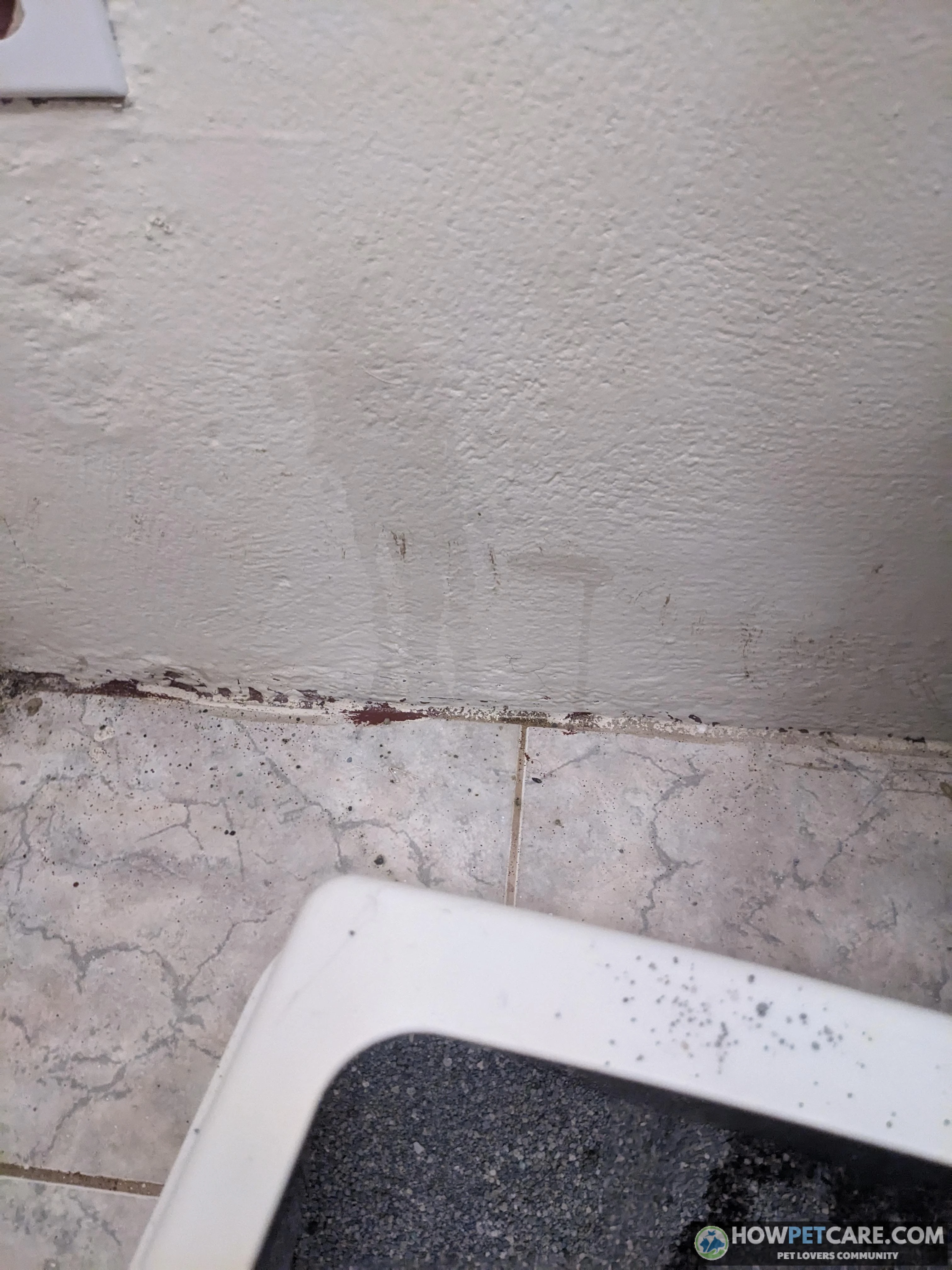

Yes—female cats can spray. Intact females are more likely to spray around heat cycles and territorial boundaries, while spayed females still spray in an estimated 5% of cases, usually because of stress, anxiety, or environmental change. Spraying is urine marking on vertical surfaces, not ordinary urination, and can occur indoors in both intact and spayed cats.
Do female cats spray? Yes—female cats can spray. Intact females are more likely to spray around heat cycles and territorial boundaries, while spayed females still spray in an estimated 5% of cases, usually because of stress, anxiety, or environmental change. Spraying is urine marking on vertical surfaces, not the same as ordinary urination, and it can happen indoors in both intact and spayed cats.
Yes—Female Cats Spray, and Here’s How Common It Is
Female cats, intact or spayed, can spray to mark territory or communicate. Risk differs by reproductive status: intact females are more likely to spray because of heat cycles and mate attraction, spayed females because of stress or conflict, intact males are the highest-risk group, and neutered males still spray in an estimated 10% of cases. For comparison across all fixed cats, see do neutered cats spray to understand how neutering affects marking behavior.
What spraying looks like in female cats
Spraying is a marking behavior. A cat usually backs toward a vertical surface, raises the tail, and releases a small amount of urine. Normal urination empties the bladder, usually in a squatting posture on a horizontal surface such as a litter box or floor.

How spay status changes risk
| Status | Relative spraying likelihood | Key drivers |
|---|---|---|
| Intact female | Higher | Heat cycles, mate attraction, territorial boundaries |
| Spayed female | Moderate | Stress, multi-cat tension, environmental change |
| Intact male | Highest | Territory marking, mating competition |
| Neutered male | Lower, but not zero | Stress, territory, established habits |
Spaying reduces hormone-driven spraying but does not guarantee it stops. Sources disagree about how common spraying is in females versus males: some veterinary sources emphasize that males spray more often, while others stress that female spraying is common but often misunderstood as rare.
Female Cat Spraying vs Medical Urination: Side-by-Side Comparison
To tell if your female cat is spraying, start with posture, target, and volume clues; medical urination more often involves squatting, straining, frequent small voids, or litter-box avoidance.
Spraying posture and target surfaces
Spraying posture is usually tail-up, backing toward a wall, door, furniture leg, or other vertical surface. The amount is small. The odor can be strong because the urine dries on a surface rather than soaking into litter.
Medical urination warning signs
Medical urination warning signs include squatting low, straining, crying, blood, cloudy urine, frequent small puddles, or no urine at all. These signs can indicate a urinary tract issue and should not be treated as behavior alone.
| Feature | Spraying (urine marking) | Possible medical urination problem |
|---|---|---|
| Posture | Tail raised, backing toward a surface | Squatting low over the ground or litter |
| Volume | Small amount | Small, frequent voids or larger puddles |
| Surface | Vertical walls, furniture, doors | Horizontal floors, bedding, litter box area |
| Odor | Strong, pungent marking odor | Often less pungent; may smell abnormal |
| Urgency | Not usually urgent by itself | Urgent if straining, crying, or little or no urine |

If the distinction is unclear, veterinary testing is needed before attributing the behavior to stress.
Why Female Cats Spray: Hormones, Heat, Stress, and Territory
Intact female triggers
Intact females may spray around heat, mate attraction, or territorial boundaries. Spraying can begin around sexual maturity, often around six months of age, although timing varies by individual cat.
Spayed female triggers
Spayed females often spray because of stress, anxiety, multi-cat tension, or environmental change. Spaying removes the main hormonal driver but does not remove stress-driven marking.
Household stressors
Common triggers include a new pet, an outdoor cat visible at a window, schedule changes, moving, conflict over food or resting spots, and litter-box problems. Some cats are more stress-sensitive, but breed-specific claims should be treated cautiously unless supported by veterinary guidance.

Red-Flag Triage: When Spraying-Like Behavior Needs Urgent Veterinary Care
A sprayed area can mask a medical problem. Document the time, posture, surface, and amount of each episode. Do not punish the cat, because punishment increases stress and can worsen spraying.
Emergency signs
- Straining to urinate, crying, or producing only drops
- No urine passed in 12–24 hours
- Blood, strong odor change, or cloudy urine
- Lethargy, vomiting, hiding, or belly pain
- Repeated small puddles outside the litter box
These signs can indicate an infection, obstruction, or another urinary condition.
Action path:
- Any emergency sign above: seek same-day veterinary care.
- No emergency signs but new behavior: monitor closely, document episodes, and book a routine veterinary exam.
- Do not punish, confine without water access, or delay cleaning while waiting for care.
Same-day versus routine care
Same-day care is appropriate for straining, little or no urine, blood, pain, vomiting, or lethargy. Routine care is appropriate for new but stable marking without pain or urinary distress. A sprayed area is not automatically an emergency, but it is a reason to rule out urinary disease when the cause is uncertain.
Costs Owners Should Expect for Exams, Urinalysis, and Behavior Treatment
Costs vary by region and clinic, but owners should expect a basic veterinary exam and urinalysis first, then additional testing only if the veterinarian recommends it. Budget-conscious owners can ask for a staged plan rather than every test at once.

Diagnostic cost ranges
| Service or item | Typical cost range | When it is needed |
|---|---|---|
| Physical exam | Roughly $60–$150 | First visit for new marking behavior |
| Urinalysis | Roughly $30–$80 | To screen for infection, crystals, or blood |
| Urine culture | Roughly $80–$200 | When infection is suspected or urinalysis is abnormal |
| Imaging or bloodwork | Roughly $150–$500+ | When obstruction, stones, or systemic disease is suspected |
| Follow-up visit | Roughly $50–$120 | After initial results or treatment |
Behavior and home-setup costs
Behavior-focused costs can include pheromone diffusers, extra litter boxes, enzyme cleaner, washable barriers, and a behavior consultation. Low-cost, lease-safe options include daily scooping, unscented litter, temporary plastic or washable covers over sprayed areas, and blocking window views of outdoor cats.
Spayed Female Cats That Still Spray: A Troubleshooting Branch
Spaying does not guarantee spraying stops. For spayed females, focus on stress, territory, resources, and litter-box comfort.
Resource and territory checks
- Count litter boxes: aim for one per cat plus one extra.
- Check box size, low entry, unscented litter, and daily scooping.
- Map marks to triggers: new pet, outdoor cat at window, schedule change, or conflict.
- Add separate feeding, water, scratching, and resting stations.
- Block window view of outdoor cats and add predictable play sessions.
- Recheck for pain, arthritis, or litter-box aversion with your veterinarian.
- Escalate to a behavior-focused veterinary visit if marks continue after 30 days.

Litter-box fixes
A box that is too small, too dirty, too close to conflict, or filled with scented litter can trigger avoidance. Try a larger open box, unscented litter, daily scooping, and placement in a quiet but accessible area. Avoid sudden litter changes unless the current litter is clearly disliked.
When medication may be discussed
Medication is a veterinary decision. It may be discussed when stress-driven marking continues after environmental and litter-box changes, or when pain, anxiety, or another medical issue is suspected. Owners should not start or adjust medication without veterinary guidance.
Realistic Timelines: What to Expect From Pheromones, Cleaning, and Environment Changes
First 72 hours
Clean all marked spots with enzymatic cleaner, add one extra litter box, and keep the routine stable. Expect fewer new marks if the trigger was minor and the cat uses the box normally.
Two-week checkpoint
By the two-week checkpoint, continue the pheromone diffuser in the main conflict area, reduce loud changes and visitors, and count marks. Improvement by this point may look like less pacing, hissing, or over-grooming. A realistic checkpoint is 50% or fewer of baseline incidents.
Four-to-six-week checkpoint
Adjust box placement, add vertical space or separate resources, and continue cleaning. Marks should become rare and predictable. At the 30-day checkpoint, review triggers, photos, and veterinary notes. If there is no clear reduction, escalate to veterinary or behavior support.
| Timeframe | Action | What improvement looks like |
|---|---|---|
| Days 1–3 | Clean all marked spots with enzymatic cleaner; add one extra litter box; keep routine stable | Fewer new marks; cat uses box normally |
| Days 4–7 | Install pheromone diffuser in the main conflict area; reduce loud changes and visitors | Less pacing, hissing, or over-grooming |
| Day 14 checkpoint | Count marks, note time and location, check litter-box preference | 50% or fewer new incidents versus baseline |
| Days 15–30 | Adjust box placement, add vertical space or separate resources, continue cleaning | Marks become rare and predictable |
| Day 30 checkpoint | Review triggers, photos, and veterinary notes | Clear reduction or a defined next step with the vet |
Cleaning, Odor Removal, and Prevention Plan You Can Start Today
Odor removal steps
Use an enzyme cleaner on sprayed surfaces and re-treat if odor returns. Some veterinary sources warn that simply wiping a spot may not remove the signal and the cat may mark again to restore it, so thorough enzymatic cleaning matters. For porous or washable items, follow product directions and allow full drying before reintroducing the item.

Prevention checklist
To stop a female cat from spraying, clean every mark, reduce the trigger, improve litter-box access, and rule out urinary disease when signs are uncertain.
- Clean every marked spot thoroughly with enzyme cleaner.
- Add one extra litter box in a low-conflict area.
- Keep feeding, play, and sleep routines predictable.
- Block views of outdoor cats and add vertical space.
- Separate resources in multi-cat homes.
- Track incidents by date, time, location, and trigger.
- Schedule veterinary follow-up if marks continue or any red flag appears.
When to escalate
Escalate when there is no improvement after 30 days, when red flags appear, when the cat avoids the litter box, or when household conflict is ongoing. Veterinary confirmation should come before attributing spraying solely to stress.
A useful rule of thumb: spraying is a communication or stress signal, not spite. The goal is to remove the trigger, make the litter box easy to use, clean marks thoroughly, and get veterinary help early when urinary signs appear.

| Reproductive Status | Relative Spraying Likelihood | Estimated Spraying Percentage | Key Triggers and Drivers | Primary Prevention and Action Steps |
|---|---|---|---|---|
| Intact male | Highest | Not in source | Territory marking, mating competition | Not in source |
| Intact female | Higher | Not in source | Heat cycles, mate attraction, territorial boundaries | Not in source |
| Neutered male | Lower, but not zero | 10% | Stress, territory, established habits | Not in source |
| Spayed female | Moderate | 5% | Stress, multi-cat tension, environmental change, anxiety | Thorough enzymatic cleaning of marked spots, adding an extra litter box in a low-conflict area, keeping routines predictable, blocking window views of outdoor cats, adding vertical space/separate resource stations, focusing on litter-box comfort, and consulting a vet to rule out urinary issues. |
FAQ
What age do female cats start spraying?
Spraying can begin around sexual maturity, often several months of age, but the exact timing varies by individual cat. Spayed females may spray later in life due to stress, anxiety, or environmental changes.
Do female cats spray their owners?
Female cats usually spray objects, walls, doorways, or vertical surfaces rather than people directly. If urine is deposited on belongings or near an owner, it is often still territorial or stress-related marking rather than aggression.
Do female cats spray in the house?
Yes, female cats can spray indoors, especially when marking territory, responding to stress, or living in a multi-cat household. Indoor spraying is a common reason owners seek veterinary or behavior help.
How often do female cats spray?
Frequency varies widely, from occasional marking during a specific trigger to frequent daily episodes. A sudden increase, especially with straining or blood, should be treated as a possible medical issue.
What does female cat spray smell like?
Cat spray often has a strong, sharp ammonia-like odor that can linger on vertical surfaces. The smell may be more noticeable than ordinary urine because the cat deposits a smaller amount on a surface where it dries.