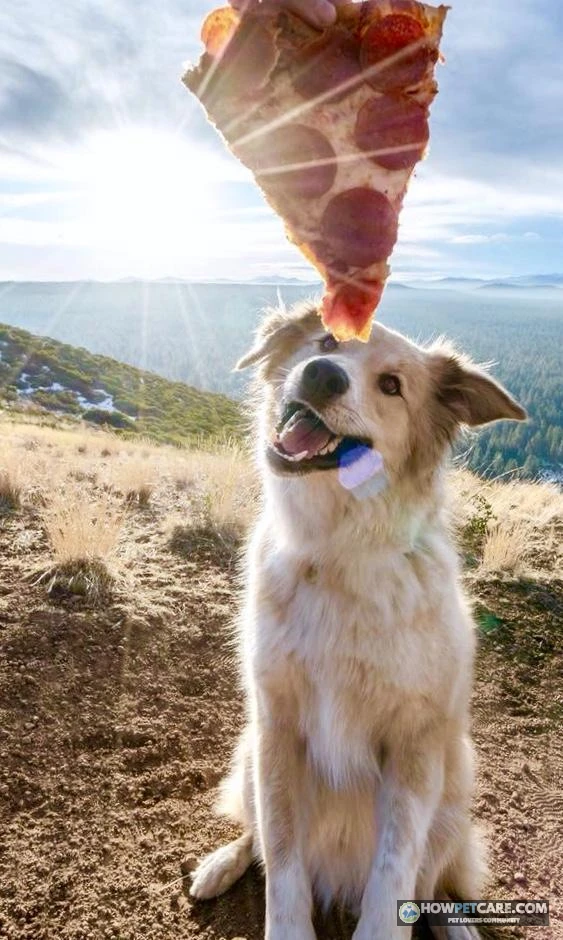

No—dogs should not eat pepperoni. It’s high in fat and sodium, and many brands are seasoned with garlic or onion, which can damage a dog’s red blood cells. One small slice is unlikely to harm a healthy dog, but call a veterinarian after a large or unknown amount, or if the label lists garlic or onion.
Can dogs eat pepperoni? The safety verdict
No—dogs should not eat pepperoni as a treat. This salty, fatty processed meat may also contain garlic or onion, which can harm dogs. A healthy dog that steals one small slice may have no symptoms or only mild digestive upset. The risk depends on the dog’s size and health, as well as the amount and ingredients eaten. Pepperoni isn’t automatically poisonous in every small exposure, so don’t panic—but don’t assume a larger amount is harmless.
If your dog is choking, collapsing, having a seizure, struggling to breathe, or repeatedly vomiting, seek emergency veterinary care now. Call a veterinarian promptly if the amount is large or unknown, the ingredient list includes garlic or onion, your dog swallowed packaging, or your dog has a relevant medical condition.
My dog ate pepperoni: what should I do now?
Take these steps before deciding whether to monitor your dog at home:
- Stop access. Move the remaining pepperoni, pizza, and packaging out of reach.
- Estimate the exposure. Note your dog’s weight, how many slices or pieces are missing, when the food was eaten, and whether your dog swallowed a casing, wrapper, or large piece.
- Check the label. Keep the package or take a clear photo of the ingredients and nutrition panel. Look for garlic, onion, seasoning blends, sodium, and fat. If the pepperoni came from pizza or another prepared food, include the sauce and other toppings in your description.
- Make fresh water available. Don’t force water, induce vomiting, or give medication or home remedies unless a veterinarian tells you to.
- Call if the exposure is concerning or unclear. Contact your veterinarian or an animal poison control service if your dog ate a substantial or uncertain amount, is small or medically vulnerable, swallowed packaging, or develops symptoms. Don’t wait for symptoms after a concerning exposure.

Have your dog’s weight, the estimated amount, the time eaten, and the label ready when you call. These details help the veterinary team assess the actual product rather than relying on the word “pepperoni” alone.
How much pepperoni is too much for a dog?
There’s no universal slice count that separates a safe exposure from a toxic one. Risk depends on slice size, the product’s recipe and seasoning, your dog’s health, and any other food eaten. The examples below are triage prompts, not toxic-dose cutoffs or guarantees of safety.
For illustration, a hypothetical deli-style label lists about 570 mg sodium and 13 g fat per 30 g serving of 16 slices. That works out to roughly 2 g per slice, 35 mg sodium, and 0.8 g fat per slice. Brands vary, so use your product’s actual serving size and nutrition facts. These example calculations aren’t a named product’s verified label and shouldn’t be treated as universal nutrition values.
| Dog weight | Amount eaten | Example sodium and fat exposure | Suggested response | Important qualifications |
|---|---|---|---|---|
| 5–15 lb | 1–2 example slices | About 35–70 mg sodium and 0.8–1.6 g fat | If the dog is well and the amount and ingredients are known, monitor; call if uncertain | A small snack is a larger relative load for a small dog. |
| 5–15 lb | 4 or more example slices | About 140 mg or more sodium and 3.2 g or more fat | Call a veterinarian for advice | Be especially cautious with a history of pancreatitis or a high-risk ingredient. |
| 5–15 lb | Half a pack or unknown amount | Cannot estimate without the package | Call a veterinarian promptly | A substantial or uncertain exposure warrants advice regardless of size. |
| About 30 lb | 1–2 example slices | About 35–70 mg sodium and 0.8–1.6 g fat | If well and the exposure is known, monitor | Digestive upset is still possible. |
| About 30 lb | 4 or more example slices | About 140 mg or more sodium and 3.2 g or more fat | Call if symptoms appear, ingredients are concerning, or you are unsure | Do not treat this as a validated safe threshold. |
| About 30 lb | Half a pack or unknown amount | Cannot estimate without the package | Call a veterinarian promptly | Include the product label and any other food eaten. |
| About 70 lb | 1–2 example slices | About 35–70 mg sodium and 0.8–1.6 g fat | If well and the exposure is known, monitor | A larger dog may receive a smaller dose per pound, but individual risks remain. |
| About 70 lb | 4 or more example slices | About 140 mg or more sodium and 3.2 g or more fat | Monitor only if well and ingredients are known; call if concerned or symptoms develop | Prior pancreatitis or other illness lowers the threshold for calling. |
| Any size | Half a pack or unknown amount | Depends on the pack and recipe | Call a veterinarian promptly | Do not rely on body size alone to dismiss a substantial exposure. |

One slice versus half a pack: why body weight matters
A 2 g example slice eaten by a 10 lb dog is a larger exposure per pound than the same slice eaten by a 70 lb dog. That helps explain why the same number of slices can matter more for a small dog. It does not establish that a particular number is safe or dangerous: seasoning, fat, health history, and product size also matter.
Call promptly after a half-pack exposure or an unknown amount, even if your dog is large and seems normal. Dogs with a history of pancreatitis, heart disease, kidney problems, or a prescribed fat-restricted diet need individualized advice. A smaller amount may be worth discussing with a veterinarian.
How to use the nutrition label
Use this calculation for each nutrient listed on the package:
Amount eaten ÷ serving size × nutrient per serving = estimated nutrient eaten.
For example, if the serving is 30 g and your dog ate about 6 g, multiply each listed serving value by 6 ÷ 30. This estimates the sodium and fat consumed, but it doesn’t turn a nutrition label into an acute poisoning threshold. Daily diet guidance depends on the dog’s needs and health, and a normal daily allowance isn’t the same as a dose that causes poisoning.

Pepperoni symptoms and the 24–48 hour watch window
Symptoms and their onset vary. The windows below are approximate guides, not diagnostic deadlines. Salt-related effects can begin within hours, while pancreatitis and onion- or garlic-related injury may emerge later. A symptom-free first day—or even 48 hours—doesn’t rule out delayed problems when allium ingredients were present.
| Possible problem | Approximate onset | Signs to watch for | When to seek veterinary care |
|---|---|---|---|
| Choking or obstruction from a large piece, casing, or wrapper | Minutes to hours | Gagging, retching, drooling, trouble swallowing, repeated unproductive vomiting, or a painful or swollen belly | Emergency care for choking or breathing trouble; call promptly for possible obstruction. |
| Digestive upset from fat or seasoning | Often within hours; timing varies | Vomiting, diarrhea, gas, reduced appetite, or mild belly discomfort | Call if vomiting repeats, symptoms worsen, there is blood in the stool, or signs persist. |
| Excess sodium | Can begin within hours after a sufficiently large exposure | Unusual or intense thirst, increased urination, restlessness; severe cases can include weakness, tremors, wobbliness, or seizures | Call promptly for marked thirst or a concerning exposure; emergency care for tremors, seizures, or severe weakness. |
| Pancreatitis | May develop over the following hours or days | Repeated vomiting, abdominal pain, a hunched or “prayer” posture, loss of appetite, lethargy, or diarrhea | Contact a veterinarian promptly at the first concerning signs, especially with prior pancreatitis. |
| Garlic or onion-related red blood cell damage | May be delayed for days | Weakness, pale or yellowish gums, dark or reddish urine, rapid breathing, or reduced stamina | Call a veterinarian promptly if exposure is possible or any signs appear; do not wait for symptoms. |

Early digestive upset and sodium-related signs
After eating rich, seasoned food, a dog may develop vomiting, loose stool, or reduced appetite. Excess sodium is a separate concern. Severe sodium poisoning is associated with much larger exposures than a couple of ordinary slices, but the actual amount and the dog’s condition matter. A dog with limited water access or a substantial exposure needs prompt veterinary advice. Don’t try to manage severe signs at home.
Pancreatitis and delayed allium warning signs
The fat in pepperoni can contribute to digestive upset and may trigger pancreatitis, particularly in dogs with a previous episode or other risk factors. Watch for repeated vomiting, belly pain, refusing food, and unusual lethargy. Garlic and onion can damage red blood cells; signs may be delayed, and the amount in a seasoned product may be hard to determine. If the label lists either ingredient, ask a veterinarian whether your dog needs follow-up, even if the first day passes without symptoms.
Why is pepperoni bad for dogs?
Several features make pepperoni a poor dog treat:
- High fat: Rich foods can cause digestive upset, and a high-fat meal may trigger pancreatitis in susceptible dogs. The risk is more concerning for a dog with a history of pancreatitis or a condition requiring a restricted diet.
- High sodium: The dose depends on the product and amount eaten. A sufficiently large salt exposure can cause sodium toxicity in dogs, and severe cases need urgent veterinary care.
- Garlic and onion: Some pepperoni seasonings include garlic or onion powder. These ingredients can damage red blood cells, and the exact dose in a slice is often unknown. You can’t reliably tell how much it contains from the flavor or appearance alone.
- Spices and processing: Pepper, paprika, and other seasonings can irritate a dog’s digestive system. Pepperoni is also a cured, processed meat; preservatives such as nitrates or nitrites are another reason not to make it a routine treat. For immediate triage, the total exposure, fat, sodium, and ingredients matter more.

Pepperoni isn’t automatically an acute poison after every small bite. The practical concern is that owners can’t reliably judge a product’s seasoning or a dog’s individual response by slice count alone.
Turkey, plant-based and pizza pepperoni: are any safer?
A different label or preparation doesn’t make pepperoni dog-safe. If pizza is involved, cheese safety for dogs is part of the total exposure too. Check the actual ingredient list and account for the total amount eaten.
| Variant | Verdict | Why it matters |
|---|---|---|
| Turkey pepperoni | Not a recommended treat | Some products are lower in fat, but can still contain substantial sodium and garlic or onion seasoning. |
| Plant-based or vegan pepperoni | Do not assume it is safer | It may still be salty, fatty, and seasoned with onion or garlic. Check the full ingredient list. |
| “Uncured” or “no nitrates added” | Not a safety guarantee | Those claims do not remove the salt, fat, or seasoning concerns. |
| Slice picked off pizza | Still not recommended | The pepperoni remains seasoned; sauce, cheese, and other toppings may add fat or ingredients such as garlic and onion. |
| Pepperoni sticks or jerky | Same concerns; assess by weight | A stick can contain much more meat than a slice. Count and piece shape do not reveal the dose. |
| Casing or wrapper swallowed | Call a veterinarian | The concern includes choking or an intestinal blockage, not just the meat’s ingredients. |
| Pizza rolls or mixed snacks | Check the whole ingredient list | The filling and surrounding food add ingredients, so the pepperoni alone does not describe the exposure. |
| Raw versus cooked pepperoni | Neither is a safe treat | Cooking does not reliably remove sodium or make garlic and onion safe. |

Pepperoni versus salami, bacon and sausage for dogs
Salami, bacon, and sausage aren’t safer substitutes. Their salt, fat, and seasoning vary considerably by brand and recipe, so compare package labels rather than assuming one type is safe. The table gives broad, approximate food-composition ranges per 100 g; it isn’t a substitute for the product label, and seasoning varies. No single verified label dataset is available here to establish these figures for every product. Use them only as general context, not as exposure calculations.
| Meat | Approximate sodium per 100 g | Approximate fat per 100 g | Possible garlic or onion seasoning | Dog safety verdict |
|---|---|---|---|---|
| Pepperoni | About 1,500–1,800 mg | About 40–46 g | Common in some blends | Not a recommended treat; often combines high salt and fat. |
| Turkey pepperoni | About 1,200–1,500 mg | About 15–25 g | Possible | May be lower in fat, but can remain salty and seasoned. |
| Hard or Genoa salami | About 1,700–2,300 mg | About 26–37 g | Possible | Not a safer choice; some products are especially salty. |
| Cooked bacon | About 1,700–1,900 mg | About 40 g or more | Possible in flavored varieties | Salty and fatty; plain bacon is not a routine dog treat. |
| Cooked pork sausage | About 750–1,000 mg | About 25–30 g | Possible in seasoning blends | Ingredients vary; check carefully for garlic and onion. |

These ranges are approximate, not verified values for a specific product. Read the label and tell your veterinarian which food was eaten, how much, and when. Use the comparison to assess an accidental exposure, not to choose a processed meat to share.
Your next steps: monitor, call or seek emergency care
Use this checklist as a starting point. It doesn’t replace veterinary advice, and symptoms or uncertainty should lower the threshold for calling.
Monitor at home may be reasonable only if all are true:
- Your dog is acting normally, and the amount eaten is small and known.
- The dog did not swallow casing, wrapper, or packaging.
- There is no suspected garlic or onion exposure, or your veterinarian has advised monitoring.
- Your dog has no relevant medical history, such as prior pancreatitis, and no condition that changes dietary risk.
- You can observe your dog and contact a veterinarian if signs develop.
Make fresh water available, save the package, and watch appetite, energy, vomiting, stool, thirst, gums, and urine. If your veterinarian recommends a bland diet, ask whether plain rice for dogs is appropriate. Follow your veterinarian’s recommended monitoring period. Continue to seek advice beyond 48 hours if garlic or onion may have been involved, because some signs can be delayed.
Call your veterinarian promptly if any of these apply:
- Your dog ate a substantial amount, the amount is unknown, or the product’s ingredients are unclear.
- Your dog is small and ate more than a tiny taste, or has a history of pancreatitis, heart or kidney disease, or a prescribed restricted diet.
- The label lists garlic or onion, or your dog swallowed casing, wrapper, or packaging.
- Your dog develops vomiting, diarrhea, abdominal discomfort, unusual thirst, weakness, reduced appetite, or lethargy.
Seek emergency veterinary care now for choking, trouble breathing, collapse, seizures, severe weakness, or repeated vomiting. Don’t wait for the rest of the checklist if an emergency sign is present.

When you call, provide your dog’s weight, the estimated amount, the time eaten, and the ingredient list. Follow the veterinarian’s instructions, including any monitoring period that extends beyond 48 hours.
For future rewards, choose a complete dog-safe treat or a few small pieces of plain, cooked, unseasoned lean meat if appropriate for your dog’s diet; our guide to safe human foods for dogs can help you choose better options. Pepperoni, salami, bacon, and sausage are processed meats—not worthwhile shortcuts for a treat.
This guide was reviewed for veterinary accuracy and reflects general information only—it is not a diagnosis or treatment plan. Your own veterinarian, who knows your dog’s health history, is the right source for advice about a specific exposure.
| Meat | Approximate sodium per 100 g | Approximate fat per 100 g | Possible garlic or onion seasoning | Dog safety verdict |
|---|---|---|---|---|
| Pepperoni | About 1,500–1,800 mg | About 40–46 g | Common in some blends | Not a recommended treat; often combines high salt and fat. |
| Hard or Genoa salami | About 1,700–2,300 mg | About 26–37 g | Possible | Not a safer choice; some products are especially salty. |
| Cooked bacon | About 1,700–1,900 mg | About 40 g or more | Possible in flavored varieties | Salty and fatty; plain bacon is not a routine dog treat. |
| Turkey pepperoni | About 1,200–1,500 mg | About 15–25 g | Possible | May be lower in fat, but can remain salty and seasoned. |
| Cooked pork sausage | About 750–1,000 mg | About 25–30 g | Possible in seasoning blends | Ingredients vary; check carefully for garlic and onion. |

FAQ
Can pepperoni kill a dog?
A small accidental bite is not automatically life-threatening, but a large exposure, toxic seasonings or serious complications can be dangerous. Contact a veterinarian promptly after a substantial or uncertain ingestion, and seek emergency care for severe symptoms.
Should I make my dog vomit after eating pepperoni?
Do not induce vomiting unless a veterinarian specifically instructs you to. The right response depends on what was eaten, when it happened and your dog’s condition.
Can a puppy eat pepperoni?
No. Puppies can be especially vulnerable because of their small size, so contact a veterinarian if a puppy eats an uncertain or substantial amount or develops symptoms.
Can dogs with a history of pancreatitis have one pepperoni slice?
Do not intentionally give pepperoni to a dog with a history of pancreatitis. If your dog ate some, contact your veterinarian for individualized advice, even if the dog seems well.