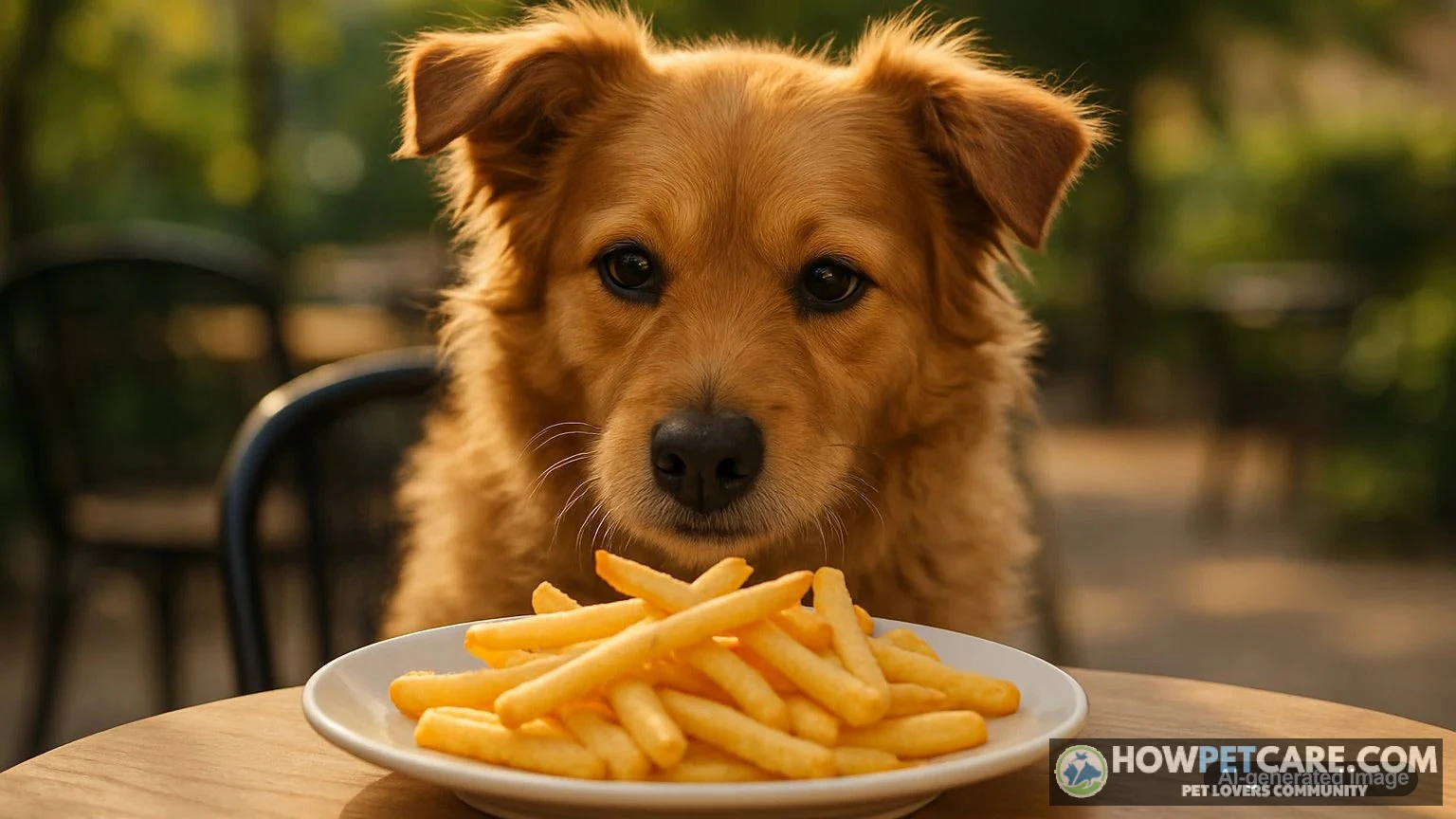

Dogs should not eat french fries as a treat. A tiny piece of plain, cooked fry may not make a healthy dog ill, but there is no universally safe amount. Fat and salt can cause digestive problems, and large exposures may contribute to pancreatitis or sodium toxicity. Onion or garlic seasoning is toxic; call a veterinarian if your dog ate a large amount, risky seasoning, or develops symptoms.
If you’re asking can dogs eat french fries, the answer is that dogs should not be given them as treats. A "tiny amount" means only a crumb or small piece, not a handful; even that isn’t a guaranteed safe dose, especially for a small dog or one with a history of pancreatitis. Frying, salt, and seasonings can cause digestive problems or more serious illness. Onion- or garlic-seasoned fries raise a separate toxicity concern. If your dog already ate fries, use the exposure guide below and call your veterinarian when the amount, ingredients, or your dog’s health makes the risk uncertain.
Early changes can matter before vomiting or diarrhea: belly guarding, a hunched posture, restlessness, or loss of appetite may accompany pancreatitis or digestive upset; unusual thirst, agitation, or weakness can occur with salt-related illness. These signs aren’t diagnostic. Seek emergency veterinary care now for tremors, seizures, collapse, severe weakness, repeated vomiting, or a painful or swollen abdomen.
Can Dogs Eat French Fries? The Short Verdict and What "A Tiny Amount" Means

A dog may eat a small piece of plain, cooked fry without becoming ill, but fries aren’t recommended as routine food or a regular treat. Their fat and salt can contribute to digestive upset; a large or fatty meal may contribute to pancreatitis, and a substantial salt exposure can cause sodium toxicity. Garlic and onion powders used in some seasonings are toxic to dogs.
No validated number of fries is safe for every dog. A piece that’s trivial for a large, healthy dog is a larger dose for a toy breed. For practical purposes, "tiny" means a bite-sized fragment rather than a whole serving; it doesn’t promise that the dog won’t react. Don’t use a universal "one or two fries are fine" rule for puppies, dogs with relevant health conditions, or seasoned fries.
Consider three categories: a very small piece of plain fry in a healthy dog may be low concern; a larger amount calls for monitoring and possibly a vet call; a large exposure, risky seasoning, or concerning symptoms calls for prompt veterinary advice. Fries aren’t typically treated like foods such as grapes or xylitol-containing products, but that doesn’t make every fry product safe. If an incident has already happened, use the next section’s guidance.
My Dog Already Ate French Fries: Your First 10 Minutes

Remove remaining food, packaging, and sauces so your dog can’t eat more. Note when it happened and estimate what was eaten. Keep packaging or take a photo of the food and ingredient list if available.
Gather these details before calling: your dog’s weight, age, breed, health conditions and medications; the approximate amount; whether the fries were salted, seasoned, cheesy, or served with a sauce; and whether packaging was swallowed. Offer access to fresh water, but don’t force your dog to drink or give home remedies.
Call a veterinarian promptly if your dog ate a large amount relative to its size, is a puppy, has had pancreatitis, follows a low-fat or sodium-restricted diet, or ate fries seasoned with onion or garlic. Garlic and onion powders are a reason to get professional advice even if the dog looks normal.
Don’t induce vomiting unless a veterinarian or poison-control professional specifically directs you to do so. Whether it’s appropriate depends on the food, amount, timing, and dog; inducing vomiting at home can cause harm. Never use salt or another home emetic.
Quick Exposure Classifier: Harmless, Monitor, or Call Now
| Exposure | Dog and timing | What to do |
|---|---|---|
| A crumb or small piece of plain, cooked fry | Healthy adult dog, acting normally | Remove access, provide normal access to water, and observe. Call your vet if unsure or symptoms develop. |
| More than a small bite, or an amount you cannot estimate | Especially a small dog; any time after eating | Call your veterinarian for case-specific advice. Share the dog’s weight, estimated amount, ingredients, and time eaten. |
| Fries with garlic or onion seasoning, or a substantial amount of another topping | Any dog, even if currently well | Call a veterinarian or pet poison service promptly; ingredients and dose matter. |
| Repeated vomiting, severe weakness, tremors, seizures, collapse, or a painful/swollen abdomen | Any amount, at any time | Seek emergency veterinary care now. |
| Fry or sauce packaging swallowed | Any dog | Call a veterinarian; obstruction or other packaging-related risks are separate from the food exposure. |

How Many French Fries Are Too Many? Limits by Weight, Breed, and Fry Type
Body weight affects exposure: the same piece of food makes up a larger share of a small dog’s intake than a large dog’s. But weight alone can’t predict whether a dog will become ill. Fry size, oil, salt, toppings, underlying health, and individual sensitivity all matter.
No evidence here establishes a dependable sodium or fat threshold per pound of dog—or a specific count of fries that triggers salt toxicity or pancreatitis. Sodium toxicity generally involves a substantial salt exposure, but that doesn’t make fries harmless, and there’s no fixed fat dose that predicts pancreatitis in an individual dog. Use the table as a cautious triage guide, not a safe-dose chart.
Weight-Band Exposure Guide
| Dog weight band | Example breeds | A small taste | When to monitor or call | Notes |
|---|---|---|---|---|
| Under 5 kg (11 lb) | Chihuahua, Yorkshire Terrier, Pomeranian, Toy Poodle | A crumb or small fragment is a more cautious ceiling than a whole fry | Call for more than a small taste, any seasoning, or any symptoms | The same fat and sodium in a fry is a larger exposure relative to body size. |
| 5–10 kg (11–22 lb) | Miniature Schnauzer, Shih Tzu, French Bulldog | Avoid offering a whole fry as a planned treat | Call for more than a small bite, risky toppings, or a dog with health concerns | Miniature Schnauzers are among breeds often considered more prone to pancreatitis. |
| 10–20 kg (22–44 lb) | Beagle, Corgi, Border Collie | A small accidental bite may be lower concern if plain and the dog is well | Call for more than a small bite, seasoning, or symptoms | A larger dog isn’t immune to a fatty-food reaction. |
| Over 20 kg (44 lb) | Labrador, Golden Retriever, German Shepherd | A small accidental piece may be lower concern if plain | Call for more than a small bite, risky seasoning, or symptoms | Don’t let size reassure you if the dog has prior pancreatitis or other risk factors. |

These categories are intentionally conservative, not measured toxic-dose boundaries. If the portion is near the "call" description, contact a veterinarian rather than trying to calculate a precise threshold. The evidence available doesn’t establish exact milligrams of sodium or grams of fat that are safe for each weight band.
Pancreatitis-Prone Breeds and Health Conditions

Miniature Schnauzers are a familiar example of a breed associated with increased pancreatitis concern; Yorkshire Terriers and other dogs may also have individual or breed-related risk. A dog with previous pancreatitis deserves particular caution. Obesity, diabetes, and a veterinarian-prescribed low-fat diet are also reasons to call sooner after a fatty-food exposure.
Fat and sodium are different concerns: sodium contributes to salt exposure, while a rich, fatty meal may provoke digestive problems or pancreatitis in a susceptible dog. Fries are also calorie-dense compared with many dog treats. Occasional sharing can become a habit that contributes to excess calories and pet obesity. A single incident is different from regularly adding fries to a dog’s diet, but neither is a reason to make them a routine treat.
Hour-by-Hour Action Timeline After Your Dog Eats Fries

0–2 Hours
Confirm the amount, preparation, and time eaten; check whether seasoning, sauce, or packaging was involved. Call a vet promptly for a large exposure, an at-risk dog, or onion or garlic seasoning. Two hours is sometimes cited as a window in which a veterinarian may consider inducing vomiting, but this isn’t permission to do it at home: only a professional can decide whether it’s appropriate.
Keep water available without forcing it. Don’t give hydrogen peroxide, salt, mustard, or another home emetic. Don’t try to counteract the fries with oil, milk, or another food.
2–12 Hours
Check your dog periodically for changes in energy, appetite, posture, comfort, thirst, and urination. Avoid more fries, rich food, and extra treats. Don’t make a sudden fasting or feeding plan without veterinary advice, particularly for a puppy or a dog with a medical condition.
Call your veterinarian if your dog develops diarrhea, seems unusually restless or uncomfortable, refuses food, becomes weak, or drinks and urinates much more than usual. Seek emergency care for repeated vomiting or severe weakness. Don’t wait for every possible symptom to appear before asking for advice.
12–24 Hours and Beyond
Continue watching for digestive upset and signs of abdominal pain. Pancreatitis may become apparent after the first few hours, so a normal first check doesn’t rule it out. If signs persist or worsen, contact a veterinarian urgently. Seek emergency care for repeated vomiting, marked pain, or severe weakness; contact a veterinarian urgently for marked lethargy or inability to keep water down. Ongoing vomiting or diarrhea beyond 24 hours warrants veterinary attention.
A veterinarian may recommend a bland diet in some mild digestive cases, but don’t assume boiled chicken and rice is right for every dog or for suspected pancreatitis. Ask first; some dogs need a different feeding plan or examination. For more on rice portions and bland diets for dogs, consult the feeding guide.
Seek emergency veterinary care for collapse, seizures, tremors, severe weakness, repeated vomiting, a hard or swollen abdomen, or marked abdominal pain. These signs can’t be safely diagnosed at home. Don’t wait for the monitoring period to end.
Early Warning Signs Before Vomiting or Diarrhea Appears

Changes in posture, behavior, thirst, and comfort can matter before obvious stomach symptoms. These signs overlap, and none can diagnose pancreatitis or salt toxicity by itself. Use them as reasons to contact a veterinarian, not as a home diagnostic test.
Pancreatitis vs. Salt Toxicity vs. Simple Upset
| Sign | Possible pancreatitis pattern | Possible salt-overload pattern | Possible simple digestive upset | Action |
|---|---|---|---|---|
| Posture or movement | Hunched stance, "prayer" stretch (front down, rear up), reluctance to lie down, or guarding the belly | Restlessness may occur; severe neurologic changes are an emergency | May be quiet but usually moves comfortably | Pain, guarding, or persistent prayer posture: call promptly. |
| Appetite and behavior | Less interest in food, hiding, restlessness, or reluctance to be touched | Unusual agitation or, later, weakness or poor coordination | Mildly quieter, with normal comfort | A clear change from baseline deserves attention. |
| Thirst and urination | May be unchanged or reduced if nauseated | Markedly increased thirst and urination may be concerning | Usually near normal | Sudden, extreme thirst after a salty exposure: call a vet. |
| Drooling or lip-licking | Can accompany nausea | Can occur with nausea or distress | May be brief | Persistent signs or several signs together: call. |
| Vomiting or diarrhea | May develop and can be persistent | Can occur; neurologic signs are particularly concerning | Mild symptoms may settle, but can’t be assumed harmless | Repeated vomiting: emergency care; blood or worsening symptoms: urgent veterinary advice. |
| Tremors, seizures, collapse | Severe illness can cause weakness or collapse | Tremors, seizures, or loss of coordination are emergency signs | Not expected | Emergency veterinary care now. |

Salt-related and pancreatic problems can overlap with ordinary digestive upset. You can’t reliably distinguish them from symptoms alone. Keep a short log of the time eaten, amount, water intake, appetite, behavior, and any symptoms; it gives the veterinarian useful context. Avoid repeatedly pressing the abdomen to test for pain.
McDonald’s, Burger King, Homemade, Air-Fried, Sweet Potato, Hash Browns, and Chips: Which Risks Differ?
The main practical differences are how much fat and salt the food contains, how much your dog ate, and whether it has potentially harmful seasonings. Restaurant recipes and portion sizes vary, so check current chain nutrition information rather than relying on a remembered number. A restaurant serving is meant for a person, not a dog.
Fry Type Comparison
| Item | Typical preparation | What changes the risk | Practical judgment |
|---|---|---|---|
| McDonald’s or Burger King fries | Deep-fried and salted | Fat and sodium vary by recipe and serving; a full serving can be a large exposure, especially for a small dog | Don’t share a serving; call about a substantial amount relative to your dog’s size. |
| Homemade oven fries | Baked, sometimes brushed with oil | Oil and salt can be controlled, but added fat still matters | Plain cooked potato is a better choice than seasoned fries, but isn’t needed as a treat. |
| Air-fried fries | Cooked with less or no added oil, depending on recipe | Less oil may reduce fat compared with deep-frying; salt and toppings still matter | Not automatically safe; assess the oil, salt, and seasoning. |
| Restaurant sweet potato fries | Often fried and salted | "Sweet potato" doesn’t remove the risks from oil, salt, or toppings | Plain baked sweet potato is a more suitable occasional option in a small amount. |
| Hash browns | Usually fried and salted | Can be fatty; recipes may include onion or other seasonings | Check ingredients and call if onion or garlic is present. |
| Potato chips | Fried, salted, and easy to eat quickly | High salt and fat per small snack; flavored varieties may include onion or garlic powder | Avoid sharing, especially flavored chips. |
| Plain boiled potato | Cooked without oil, salt, or seasoning | Less added fat and sodium than fries | A small plain portion is distinct from fries, but shouldn’t replace balanced food. |

The comparison is about preparation, not a claim that one exact brand has a universal risk level. One fast-food chain’s fries may differ from another’s, and nutrition figures can change. For a dog that ate fries, the actual portion and ingredients matter more than the restaurant name.
Seasonings and Toppings That Raise Urgency
Salt increases sodium exposure; large amounts can be dangerous, although the evidence here doesn’t establish a universal toxic dose. Garlic and onion, including their powders, are more concerning ingredients because they’re toxic to dogs. Call your veterinarian or a poison service if either appears on the ingredients or was added to the food.
Ketchup isn’t a safe fix for fries: it adds salt and sugar, and some products contain onion or garlic ingredients. Cheese and butter add richness and fat; chili, gravy, and loaded toppings can add more fat, salt, or seasonings. A tiny lick of plain ketchup is different from eating a large amount, but check the label and seek advice if the ingredients or amount are uncertain. For more on cheese varieties and portions for dogs, see the feeding guide.
Cold or leftover fries aren’t made safe by cooling. They may still be salted and greasy, so judge them by the same ingredients and amount as fresh fries.
Raw, green, or sprouted potato is a separate food-safety issue from ordinary cooked fries. Raw potato contains solanine, which can cause digestive and neurologic problems; dogs should only be offered fully cooked, unseasoned potato. Acrylamide can form in high-heat cooking, but the evidence here doesn’t establish a dog-specific exposure threshold; it isn’t the main factor for triaging a single fry incident.
Puppies and Sensitive Dogs: Why One Fry Isn’t the Same Risk

Puppies are small, so a single fry represents more food relative to body size than it does for a large adult dog. Their balanced puppy diet also leaves little reason to add salty, fatty table food. A tiny fragment of plain fry may not cause a problem in a healthy puppy, but it isn’t a recommended treat; call your veterinarian if the puppy ate more than a taste, ate seasoning, or develops any symptoms.
Use extra caution with senior dogs and dogs with prior pancreatitis, obesity, diabetes, kidney or heart disease, or a sodium-restricted or low-fat prescription diet. For these dogs, even a modest exposure may justify a call because their individual care plan matters more than a general rule. Don’t offer fries to a dog with a known dietary restriction without the veterinarian’s approval.
Vet Care and Typical Costs After a Large Fry Exposure
A veterinarian will consider the amount and ingredients, time since ingestion, body weight, medical history, and current signs. Depending on the case, care may involve an examination, blood tests, checking electrolytes or sodium, pancreatic testing, anti-nausea medication, fluids, pain relief, or monitoring in hospital. Not every dog needs every test or treatment.
Typical Treatment Steps
For an asymptomatic dog, a veterinary professional may recommend observation at home or an examination based on the exposure. If symptoms develop, the clinic can assess hydration, abdominal pain, and other signs and decide whether tests or treatment are needed. Severe pancreatitis or salt toxicity may require hospitalization and supportive care. Don’t wait for severe symptoms if your dog ate a large amount or a concerning ingredient.
Cost Ranges and What Drives Them
There’s no reliable single price for fries-related veterinary care: costs vary substantially by region, clinic, time of day, tests, treatment, and length of stay. A phone consultation or routine examination generally costs less than emergency evaluation, diagnostic testing, or hospitalization, but an estimate must come from the clinic. Ask for an itemized estimate and whether staged testing or payment options are available. A pet poison service may charge a consultation fee; ask about the fee before proceeding.
Cost shouldn’t delay emergency care for seizures, collapse, repeated vomiting, severe pain, or other red flags. If you’re uncertain whether the exposure merits a visit, calling a veterinary clinic promptly can help determine the next step.
Safer Swaps and a Personal Fry Policy for Your Dog
If your dog begs when fries are on the table, offer a dog treat or a small piece of plain carrot, green bean, or cucumber instead, provided that food suits your dog. Plain baked sweet potato or a little plain cooked potato may also be options for some dogs, but skip oil, butter, salt, and seasoning. Introduce unfamiliar foods cautiously and check with your veterinarian if your dog has a medical diet or sensitive digestion. For more options, consult the guide to human foods for dogs.
Keep treats, including people food, within a small share of daily calories. The commonly used guideline is that treats should make up no more than 10% of a dog’s daily calories; your veterinarian can help set an appropriate amount for your dog’s size and health. Fries aren’t a good way to use that treat allowance because their fat and salt offer no nutritional advantage.
Dog-Safe Alternatives to Fries
Choose plain, appropriately sized pieces of carrot, green beans, cucumber, or a commercial dog treat. Avoid adding salt, oil, butter, garlic, onion, sauces, or seasoning. Keep portions modest and account for all treats when feeding the dog’s regular food.
Printable Decision Checklist
Before deciding to monitor or call, check:
- Weight and age: Is your dog small, a puppy, or otherwise more vulnerable?
- Amount: Was it a crumb, a few bites, or a serving-sized portion? If you can’t estimate, say so when you call.
- Ingredients: Were there onion or garlic powders, heavy salt, cheese, butter, sauce, or other toppings?
- Health history: Has your dog had pancreatitis or been prescribed a low-fat or sodium-restricted diet?
- Symptoms and timing: Is your dog acting normally, or are pain, vomiting, unusual thirst, weakness, tremors, or other changes developing?

If any answer raises concern, call a veterinarian with those details rather than relying on a universal fry count. For the future, set a household rule: no routine fries, no seasoned scraps, and keep takeout bags and trash out of reach.
| Item | Typical Preparation | Risk Factors | Practical Advice |
|---|---|---|---|
| McDonald's or Burger King fries | Deep-fried and salted | High fat and sodium content vary by recipe and serving size; full servings pose significant exposure risks, especially for small dogs | Do not share servings; consult a veterinarian if a substantial amount is consumed relative to the dog's size |
| Restaurant sweet potato fries | Deep-fried and salted | High oil, salt, and topping content; sweet potato base does not eliminate dietary risks | Do not offer fried sweet potato fries; opt for plain, baked sweet potato in small amounts as an occasional option |
| Hash browns | Fried and salted | High fat content; recipes frequently contain onion or other harmful seasonings | Check ingredients carefully; contact a veterinarian immediately if onion or garlic is present |
| Potato chips | Fried and salted | High salt and fat density per small snack; flavored varieties frequently contain toxic onion or garlic powder | Avoid sharing chips, especially flavored varieties, due to quick consumption risks |
| Air-fried fries | Cooked with minimal or no added oil | Reduced fat compared to deep-frying, but salt and additional seasonings remain hazardous | Assess oil, salt, and seasoning levels; air-frying does not automatically make the item safe |
| Homemade oven fries | Baked, sometimes brushed with oil | Controllable oil and salt levels, but added fat still poses health risks | Plain cooked potato is preferred over seasoned fries, though unnecessary as a treat |
| Plain boiled potato | Cooked without oil, salt, or seasoning | Low added fat and sodium compared to fried options | A small, plain portion is safer than fries, but should not replace balanced dog food |

FAQ
Are french fries toxic to dogs?
Plain potato fries are not classically toxic, but their fat, oil, and salt can cause digestive upset, and a large or fatty meal may contribute to pancreatitis. Garlic or onion seasoning is toxic to dogs and warrants professional advice.
Can dogs eat french fries with ketchup?
Ketchup adds sugar and sodium, and some products contain onion or garlic ingredients. Check the label and contact a veterinarian if your dog ate a large amount or the ingredients are uncertain.
Can dogs eat cold or leftover french fries?
Cold fries are not more dangerous because of their temperature, but cooling does not remove salt, fat, or seasonings. Judge the risk by the ingredients and amount eaten.
Is it okay to give my dog a fry from the drive-thru as a treat?
It’s best to avoid fries as a routine treat because they offer no nutritional advantage and can be salty and fatty. Be especially cautious with small dogs and dogs with pancreatitis or other health concerns.
Are air-fried fries better for dogs?
Air-fried fries may contain less added oil, depending on how they’re prepared, but salt and seasonings still matter. They are not automatically safe or a recommended dog treat.