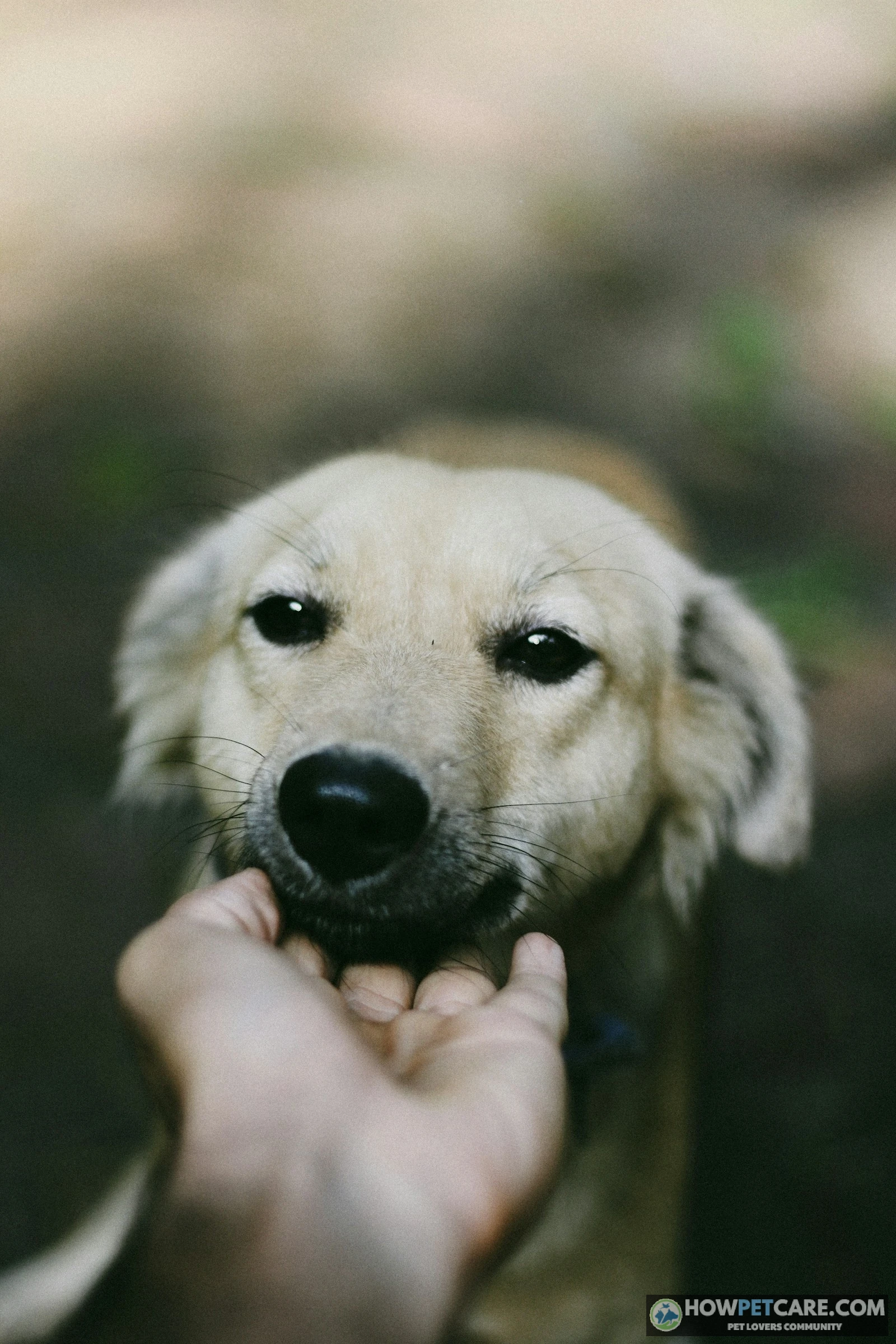

Dogs lick people to communicate—affection, explore taste and scent, relieve stress, or signal discomfort. A soft, relaxed lick with loose body language is a friendly greeting, while a brief, stiff lick with pinned ears is an appeasement warning. Persistent, frantic licking may indicate nausea, pain, or compulsive behavior and should be evaluated by a vet.
Dogs lick their owners to communicate affection, gather sensory information, diffuse social tension, or manage internal discomfort. When your dog licks your skin, their brain releases dopamine and endorphins, providing an immediate calming sensation that reinforces the action. While standard greeting licks are normal social interactions, persistent or repetitive licking often signals underlying anxiety, nutritional triggers, digestive distress, or an appeasement warning meant to create space.
Understanding what drives this habit requires examining both canine biology and the context of the moment. If you are asking yourself, "why does my dog lick me so much?" consider that a pet tasting salty residue on your hands after a workout has a very different motivation than an anxious dog stiffening its shoulders while methodically working on your wrist. By reading the subtle physical cues that accompany each lick, you can identify the root cause, protect your household from medical risks, and redirect persistent licking toward calm, healthy alternatives.
Why Your Dog Licks You So Much – Core Reasons in a Nutshell
Canine licking is a fundamental communication tool rooted in early maternal care and pack dynamics. Puppies learn to lick their mother’s muzzle to solicit regurgitated food and receive maternal grooming that regulates their body temperature and digestion. In adulthood, dogs adapt these motor patterns to interact with humans across four primary categories.
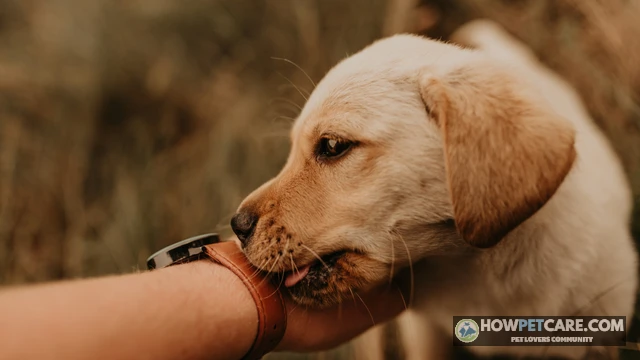
Affection & bonding
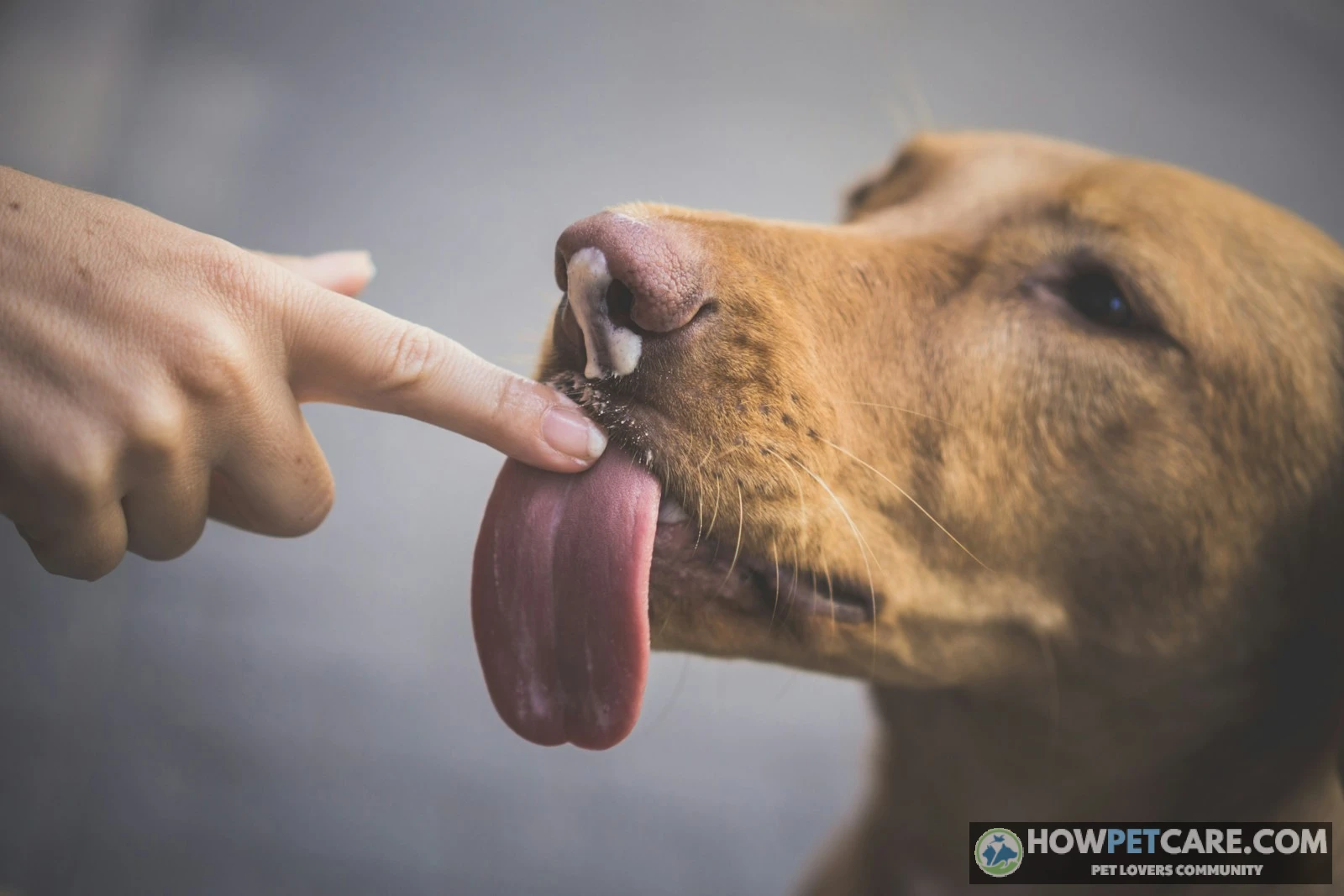
Licking serves as a primary social bonding mechanism in domestic canines. When your dog licks your face, hands, or arms during a calm reunion, the repetitive action triggers an internal cascade of neurochemicals. Licking prompts the release of endorphins and dopamine in the canine brain, inducing a tranquil, content state. This reciprocal grooming mirrors pack rituals, confirming safety and social cohesion. For many dogs, offering a few soft licks when greeting you after work is simply the canine equivalent of saying hello, reflecting the broader social instincts behind why do dogs lick in familial environments.
Taste & scent triggers
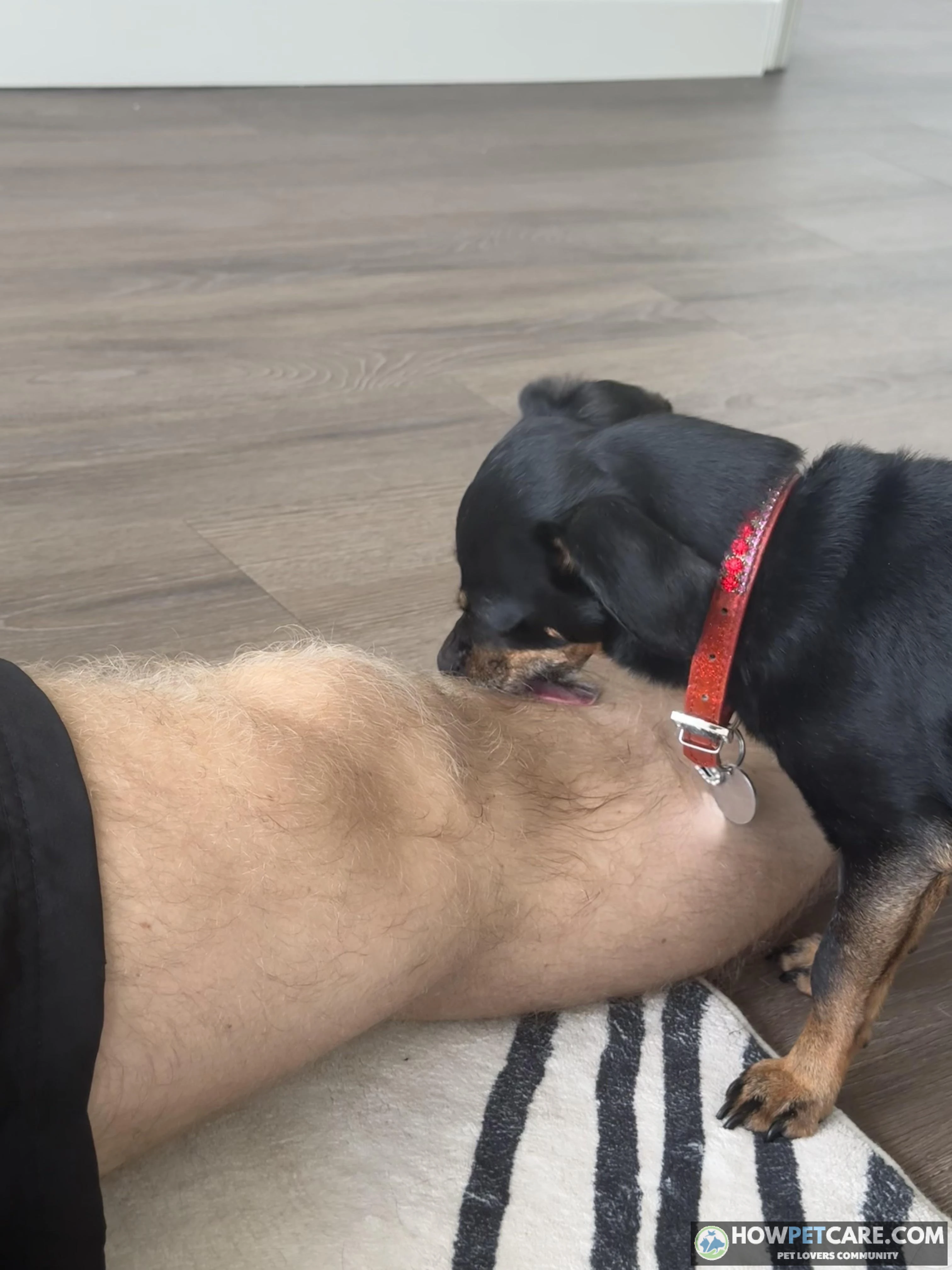
Why is my dog licking my skin, hands, and feet so persistently? Human skin is a dynamic sensory landscape for a canine. While humans possess roughly five times fewer taste buds than dogs rely on comparative olfactory integration, canine scent capability is 10,000 to 100,000 times sharper than our own. In humans, smell accounts for roughly 80% of what is perceived as flavor. Consequently, your dog easily detects microscopic traces of sweat, natural oils, and food residue on your skin. Human sweat contains sodium chloride and acidic secretions that taste appealingly savory to dogs. Dogs frequently target exposed hands, ankles, or feet after you exercise or step out of the shower because your skin holds a concentrated blend of body chemistry, moisture, and scented bath products.
Stress‑appeasement signals
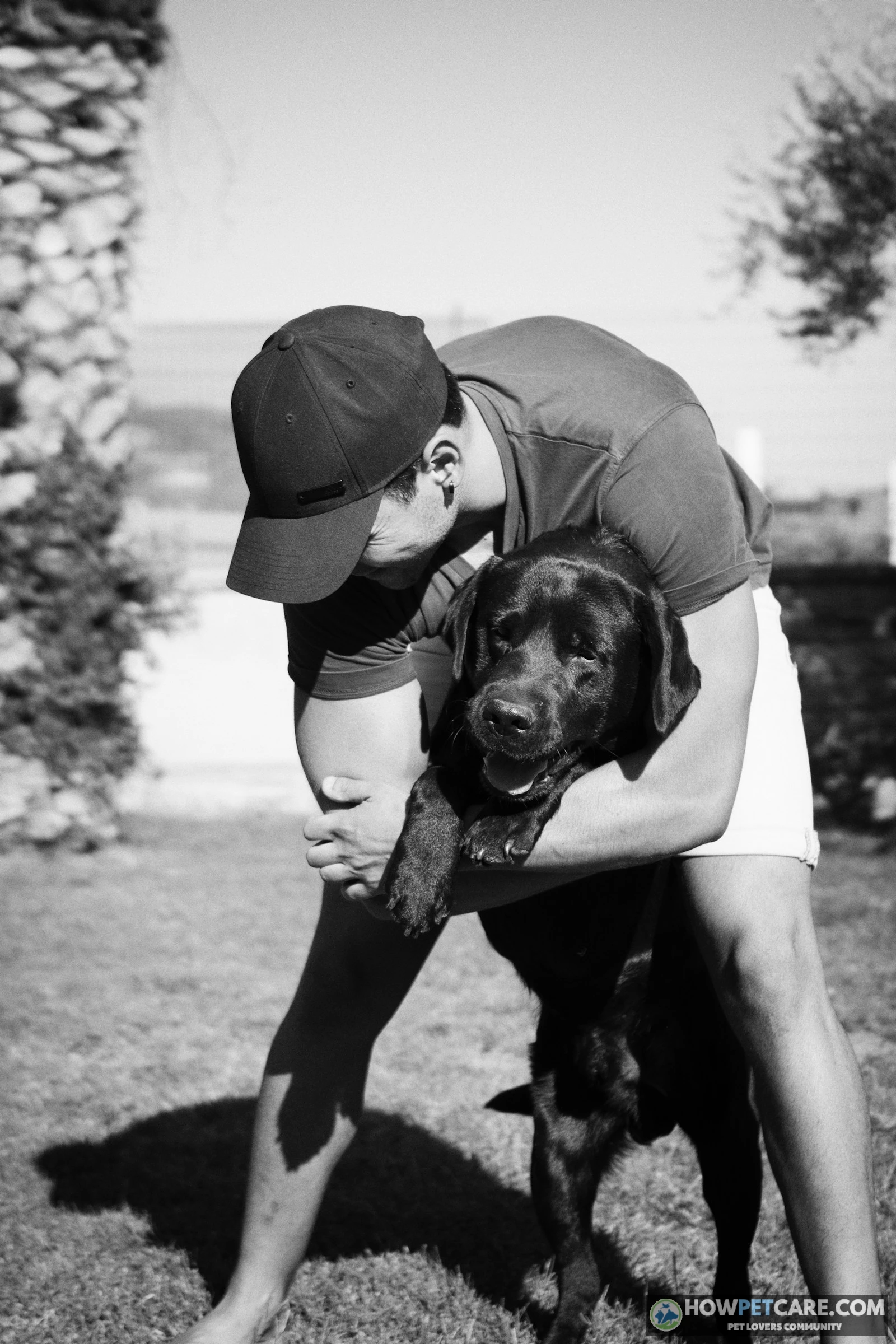
Not every lick expresses affection or sensory curiosity. In canine communication, submissive posture and appeasement licking function as de‑escalation tools. If a dog feels crowded, overwhelmed by direct eye contact, or nervous during handling, they may offer a low‑posture, tentative lick. This behavior communicates a desire to avoid conflict and maintain physical distance. When owners lean over a dog to give a tight hug and receive a lick on the chin, they frequently mistake a defensive appeasement plea for an affectionate kiss.
Medical discomfort cues
Excessive dog licking behavior can emerge spontaneously as a physiological reaction to internal distress. Nausea, gastrointestinal inflammation, acid reflux, or dental pain frequently trigger repetitive oral behaviors. When a dog experiences gastrointestinal upset, they produce excess saliva and feel discomfort in the esophagus and mouth. To combat nausea, dogs lick human skin, carpets, furniture, or their own lips continuously. When an owner wonders why is my dog licking everything in sight, gastric distress or nausea is often the silent culprit. Systemic dermatological allergies or localized joint pain can also manifest as displaced licking directed at whatever surface is closest—often an owner’s hands or legs.
Behavioral Decoding Matrix: Affection Licking vs. Appeasement Warning
Distinguishing between affection and appeasement is critical for household safety. While a genuine affection lick indicates relaxation, an appeasement lick is a defensive signal that asks the human to stop an invasive interaction. Misinterpreting an appeasement lick as affection and continuing to crowd, hug, or restrain the dog can cause the animal to escalate up the canine ladder of aggression—transitioning from appeasement to withdrawal, growling, snapping, or biting.
Affection‑lick cues
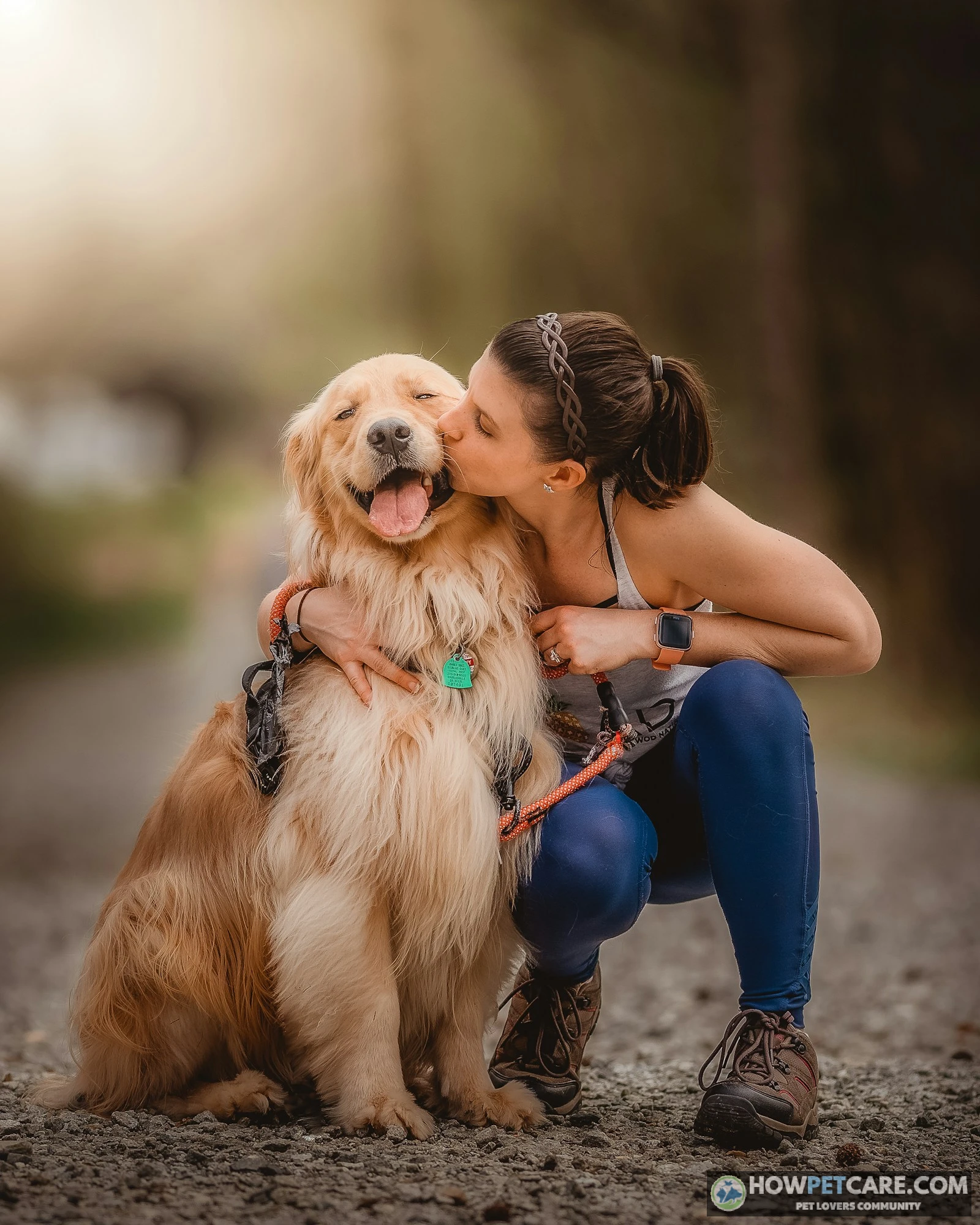
When a dog licks out of authentic social affection, their entire body reflects loose, fluid energy. The eyes remain soft with relaxed eyelids, showing no white sclera around the iris. The ears rest in a neutral or slightly forward position without pinning flat against the skull. The tail wags in a wide, sweeping horizontal arc at spine level, engaging the dog’s entire rear end. The licking itself is typically soft, gentle, and rhythmic. If you move your hand away, the dog remains calm, leaning in gently for petting or resting their head on your lap.
Appeasement‑warning cues
An appeasement lick exhibits completely different structural mechanics. A slow, extended, single‑tongue swipe—frequently called a "Please Stop" lick—occurs when a dog feels cornered, handled roughly, or pressured around sensitive areas or valued resources. During an appeasement lick, the dog’s body stiffens. The ears pin tightly backward against the head, the brow wrinkles, and the eyes may display "whale eye," where the whites of the eyes show as the dog averts its gaze. The tail is often tucked between the hind legs or held low and still. If you ignore this warning and continue hugging or reaching toward the dog, they may escalate to a hard freeze, a low growl, an air snap, or a defensive bite.
| Cue Type | Lick Rhythm | Ear Position | Tail Position | Body Tension | Interpretation |
|---|---|---|---|---|---|
| Affection Greeting | Soft, rhythmic flutter | Forward or neutral | Loose, wagging | Relaxed, loose muscles | Seeking social contact; reinforces bond |
| Appeasement / Stress | Slow, single‑tongue swipe | Back / pinned | Low or still | Slight stiffness | Calming signal; dog wants space or reassurance |
| Sensory Foraging (Salt / Sweat) | Rapid, intermittent licks | Neutral | May wag lightly | Leaning forward, focused on skin | Taste/scent driven; attracted to salt/sweat |
| Medical / Nausea | Forceful, mouth‑open licking; may include lip‑smacking | Back | Tail tucked or low | Stiff, tense | Discomfort or nausea; may signal pain or GI upset |
How to use the matrix during everyday interactions
Apply this matrix whenever your dog initiates licking during grooming, cuddling, or play. If you are petting your dog and they begin licking your wrist, stop moving your hands and conduct a five‑second "consent test." Lean back slightly to relieve spatial pressure. If the dog has loose body language and nudges your hand to resume petting, the licking was affectionate. If the dog leans away, licks their own nose, yawns, or keeps their muscles rigid, they were asking for space. Respecting these appeasement signals prevents escalation and protects your relationship.
Never yell at, push, or punish a dog for offering appeasement licks or low growls. Harsh punishment suppresses these early warning signals, teaching the dog that polite communication fails and causing them to skip directly to biting when stressed.
 You might be wonderingWhy does my dog stare at me?Why Does My Dog Stare at Me? Read the Body LanguageRead the answer
Medical Triage Decision Tree for Sudden‑Onset Licking
If your dog suddenly starts licking you, the floor, or themselves obsessively without any prior history of this behavior, do not assume it is a behavioral quirk. Acute, frantic licking is one of the most reliable clinical indicators of physical pain, gastrointestinal distress, or metabolic imbalance.
Nausea & gastrointestinal clues
Acute nausea in dogs presents very differently from human nausea. Dogs cannot verbally express stomach discomfort; instead, they experience hypersalivation and an urgent biological need to clear foul tastes or soothe esophageal burning caused by acid reflux. Clinical indicators of gastrointestinal distress include frantic, wide‑mouthed licking of owner skin, bedding, or bare walls, accompanied by loud lip‑smacking, frequent swallowing, and gulps of air. The dog may repeatedly paw at their mouth or drop their front chest to the ground while keeping their rear legs elevated in a "prayer position" to relieve abdominal pressure. Pancreatitis, foreign object ingestion, dietary indiscretion, and inflammatory bowel flare‑ups routinely trigger this acute behavior.

Pain, injury or dermatological irritation
Dogs frequently redirect their oral focus when managing chronic or acute pain. A dog suffering from severe arthritis in their hips or spine may lick an owner’s accessible hands continuously while resting beside them as a displaced coping mechanism. Dogs with atopic dermatitis, food allergies, or flea allergy dermatitis often lick human skin immediately after gnawing at their own inflamed paws or flanks. Systemic skin discomfort elevates stress hormones, driving the dog to seek endorphin release through oral licking.
Allergy & environmental triggers
Sudden‑onset licking can also point to environmental chemical exposure or nutritional anomalies. If a dog licks obsessively after walking across a lawn treated with synthetic fertilizers or floor‑cleaning chemicals, the dog may be reacting to oral irritation from grooming those substances off their paws. In rarer clinical settings, electrolyte imbalances or specific micronutrient deficiencies can prompt mineral‑seeking habits, causing dogs to obsessively seek the sodium present on human perspiration.
To determine whether your dog requires an emergency veterinary evaluation or a routine behavioral plan, run through this 60‑second medical audit:
- Step 1: Observe the lick pattern — Note whether the licking is rhythmic and calm or frantic, wide‑mouthed, and impossible to interrupt.
- Step 2: Check for GI red flags — Inspect for repeated lip‑smacking, excessive drooling, audible stomach gurgling, pawing at the face, retching, or sudden refusal of high‑value treats.
- Step 3: Palpate the body — Gently press along the abdomen, spine, and major joints. Watch for flinching, muscle guarding, head turns, or rapid respiration indicating pain.
- Step 4: Inspect dermatological contact zones — Examine the paws, groin, and armpits for erythema (redness), hot spots, flea dirt, or chemical odors.
- Step 5: Review environmental changes — Check whether the dog recently ingested a new diet, human food scrap, household cleaner, or lawn product.
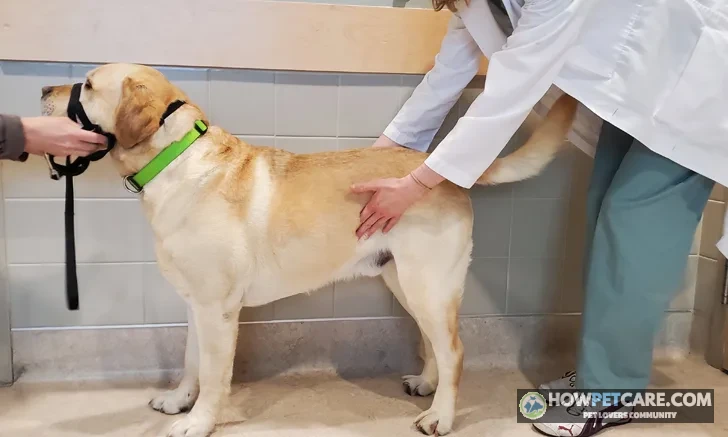
If your audit reveals accompanying signs of nausea, abdominal guarding, lethargy, or repeated vomiting, contact your veterinarian immediately. If the physical audit is clear and the dog can be easily redirected, the behavior is primarily sensory or psychological.
When Licking Becomes Compulsive – Recognizing Canine Compulsive Disorder (CCD)
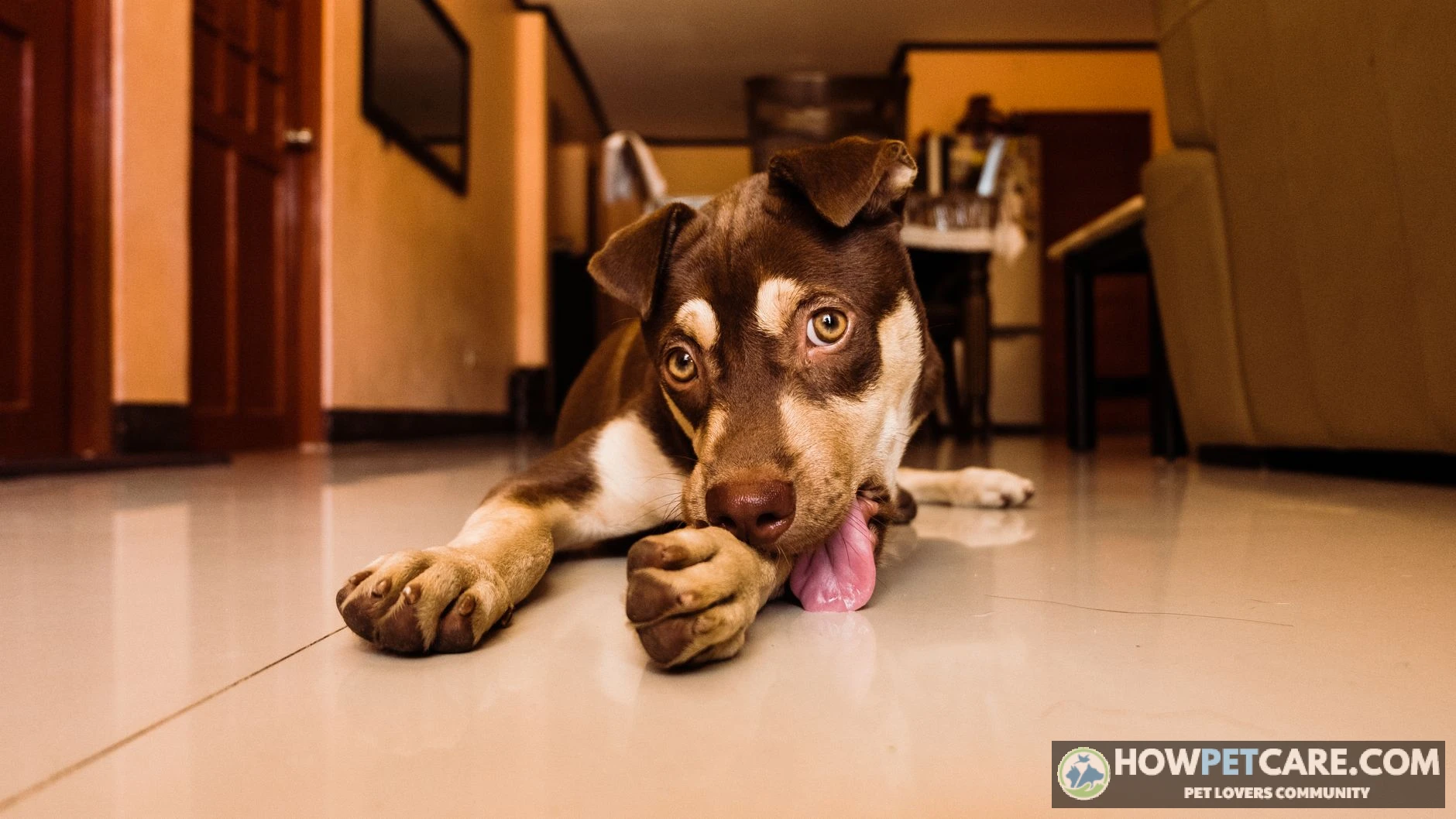
Licking crosses the threshold from normal communication into pathology when it becomes stereotypic—meaning repetitive, invariant in form, and devoid of an obvious biological goal. In clinical veterinary behavior, this state is classified as Canine Compulsive Disorder (CCD), a condition analogous to human Obsessive‑Compulsive Disorder (OCD).
Diagnostic markers of CCD
Normal self‑soothing or greeting licking lasts for a few seconds to a few minutes and stops when the stimulus leaves or the dog falls asleep. In contrast, CCD‑driven licking is characterized by specific diagnostic markers:
- Duration: The licking continues uninterrupted for more than 5 to 10 minutes at a time and occurs across multiple daily sessions.
- Resistance to Redirection: The dog cannot be distracted by high‑value food, squeaky toys, opening doors, or verbal commands. If physically blocked, the dog shows mounting distress, trembling, or agitation.
- Contextual Inappropriateness: The dog licks obsessively regardless of context—waking up in the middle of the night to lick a bedpost, obsessively licking an owner’s leg until raw, or even a dog licking air repeatedly with vacant eyes.
- Physical Lesions: The compulsive drive may redirect toward the dog’s own anatomy, resulting in lick granulomas—ulcerated, raised areas of hairless, chronically infected skin typically found on the carpus (wrist) or paws.
Differentiating CCD from normal self‑soothing
Self‑soothing licking is an adaptive coping mechanism. A dog unsettled by distant thunder may give their owner a few gentle licks on the wrist to settle down and relax. In these everyday cases, once the dog settles or the thunder passes, the behavior concludes. The dog remains tethered to their environment. In true CCD, the repetitive motor pattern takes on an autonomous neurochemical life. When a dog excessively licks without the capacity to disengage, the dog appears trapped in a dissociative loop, unresponsive to environmental cues and incapable of self‑terminating the cycle without human intervention.
Treatment pathways
Compulsive licking rarely resolves with standard obedience training alone. Because CCD involves abnormalities in central serotonergic and dopaminergic neural pathways, recovery requires a dual‑track veterinary approach. Consult a board‑certified veterinary behaviorist or a general practitioner experienced in behavioral medicine. Clinical management typically combines environmental enrichment, elimination of known triggers, and medical management using selective serotonin reuptake inhibitors (SSRIs) like fluoxetine or tricyclic antidepressants like clomipramine. These medications balance neurotransmitter levels, lowering arousal enough for behavioral modification techniques to work.
Safety First: Dog Saliva Risks and Human Topical Toxicities
Allowing your dog to lick your skin presents mutual medical risks. While normal contact with healthy, intact adult human skin is usually harmless, dog saliva carries specific zoonotic pathogens. Everyday lotions, sunscreens, and transdermal medications applied to human skin pose life‑threatening toxic risks to dogs.
Zoonotic transmission basics
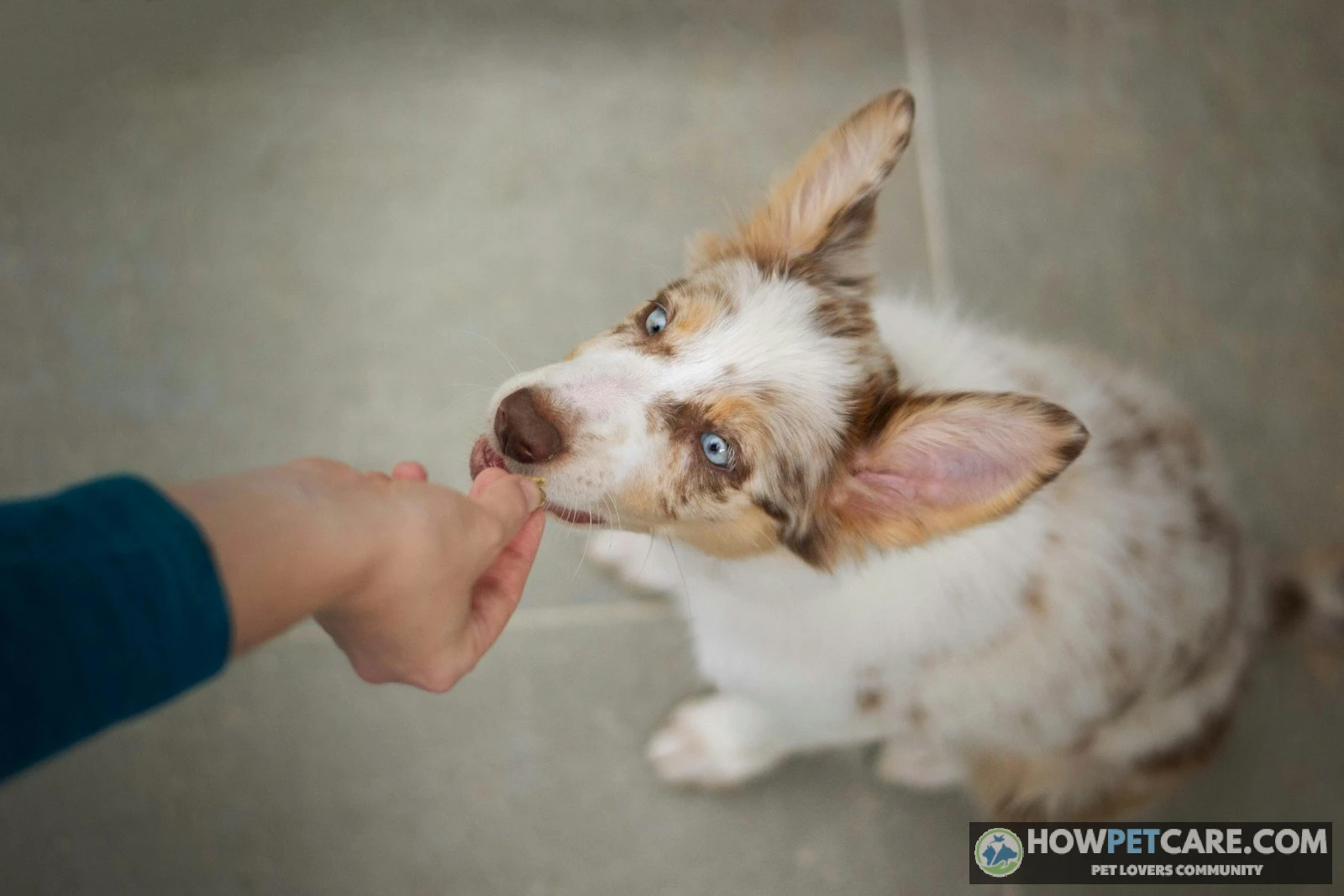
A persistent myth claims that a dog’s mouth is cleaner than a human’s. Canine oral flora contains a diverse population of aerobic and anaerobic bacteria. Among the most concerning is Capnocytophaga canimorsus, a normal commensal bacterium found in the saliva of up to 74% of healthy dogs. While harmless to canines, Capnocytophaga can cause severe systemic infections in humans if introduced into open wounds, broken skin, or mucous membranes (including the mouth, nose, and eyes). Immunocompromised individuals, elderly adults, diabetic patients, and people without functional spleens face serious risks, including purpura fulminans, peripheral gangrene, sepsis, and endocarditis. Never allow a dog to lick open scratches, surgical incisions, or cracked eczema patches.
Human product toxicity checklist
The greater and more acute threat often flows in the opposite direction: from human skin to canine internal organs. Millions of pet owners apply daily dermatological creams, topical medications, and cosmetics—especially transdermal hormone creams and hair treatments—without realizing that micro‑ingestion through repetitive licking can be fatal to their pets.
| Product / Ingredient | Potential Effect on Dog | Toxicity Level |
|---|---|---|
| Minoxidil (hair‑growth solution) | Systemic absorption can cause acute heart failure, pulmonary edema, severe hypotension, and death | High |
| Topical hormone creams (estrogen, testosterone) | Severe endocrine disruption, bone marrow suppression, alopecia, and reproductive organ toxicity | High |
| Topical NSAIDs (diclofenac, flurbiprofen) | Severe gastrointestinal ulceration, acute renal failure, and intestinal perforation | High |
| Calcipotriene (vitamin D analog for psoriasis) | Hypercalcemia, systemic organ calcification, and irreversible acute kidney injury | High |
| Essential oils (tea tree, eucalyptus, pennyroyal) | Central nervous system depression, ataxia, tremors, and liver failure | High |
| Hydrocortisone cream | Polyuria, polydipsia, vomiting, and long‑term adrenal suppression | Moderate |
| Over‑the‑counter anti‑itch lotion (pramoxine) | Nausea, hypersalivation, and vomiting if ingested in moderate quantities | Moderate |
| Benzocaine (anesthetic gels, sunburn relief) | Methemoglobinemia—oxidative damage to red blood cells preventing oxygen transport | Moderate |
| Pure Aloe Vera gel (commercial preparations) | Mild gastrointestinal upset, diarrhea, and cramping due to saponins | Low |
Immediate first‑aid steps
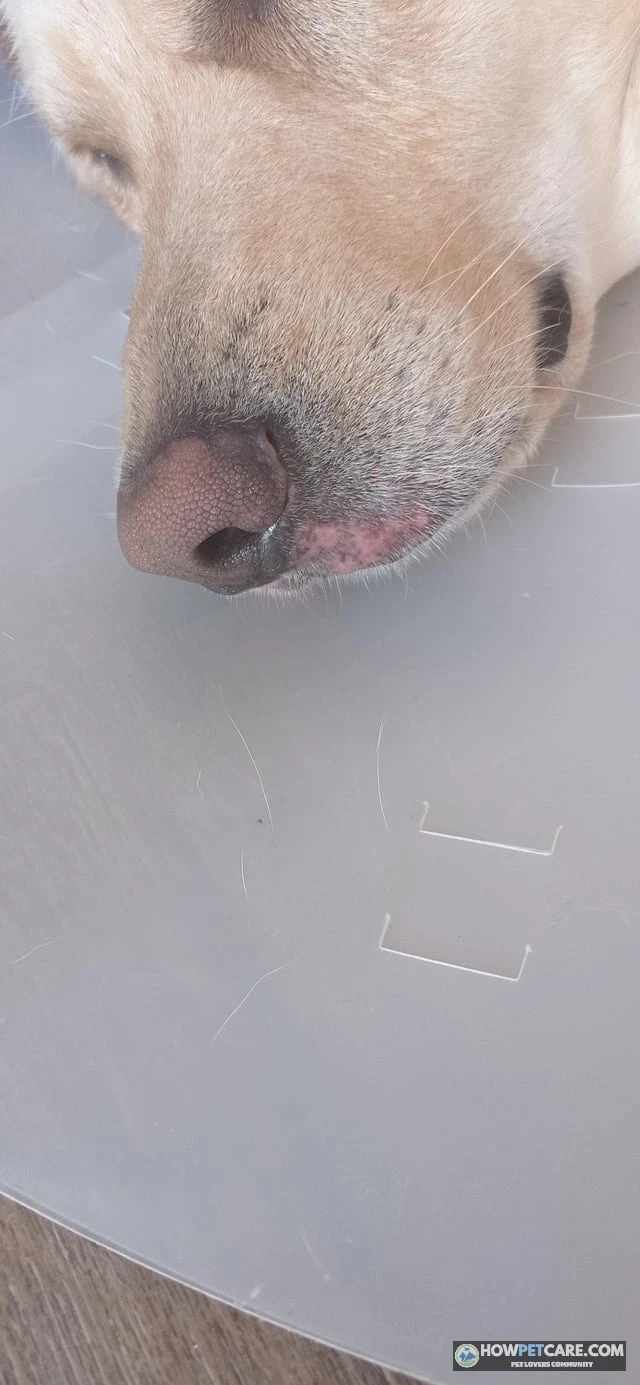
If your dog licks an area of your skin treated with high‑toxicity compounds—particularly minoxidil, topical hormone creams, or prescription topical NSAIDs—treat it as an emergency. Do not wait for symptoms such as vomiting, staggering, or collapse to develop. Immediately wipe your dog’s mouth and tongue with a wet cloth to remove unabsorbed chemical residues. Call your veterinary hospital or an animal poison control center right away, have the product packaging in hand, and proceed to an emergency clinic.
For routine safe hygiene, wash skin thoroughly with warm soap and water after applying lotions or medications before interacting with your pet. If your dog licks a minor cut on your body, immediately flush the wound with warm water and antibacterial soap for at least five minutes, then monitor the site closely for redness, swelling, or fever.
Minoxidil (Rogaine) is exceptionally toxic to both dogs and cats. Exposure to even trace amounts—such as licking an owner’s scalp, face, pillowcase, or hands—can trigger rapid, irreversible cardiovascular collapse within hours.
Positive Redirection Protocol: Stop Obsessive Licking Without Punishment
Scolding, pushing, or using aversive deterrents like spray bottles to stop persistent licking damages your canine bond and increases stress‑induced oral habits. If licking stems from anxiety or appeasement, punishing the dog elevates their stress, intensifying their urge to lick. The most effective behavioral modification technique is classical counterconditioning and differential reinforcement of an incompatible behavior (DRI).
-
Step 1 – Identify and Capture the Trigger
Observe the preliminary micro‑behaviors your dog performs right before licking—such as a specific head tilt, a slight paw lift, or a fixed gaze at your hands. The moment this intention occurs, deliver a calm, neutral bridge word such as "enough" or "touch." This marker signals that the current interaction is pausing without introducing fear or frustration.
-
Step 2 – Offer an Incompatible Alternative Behavior
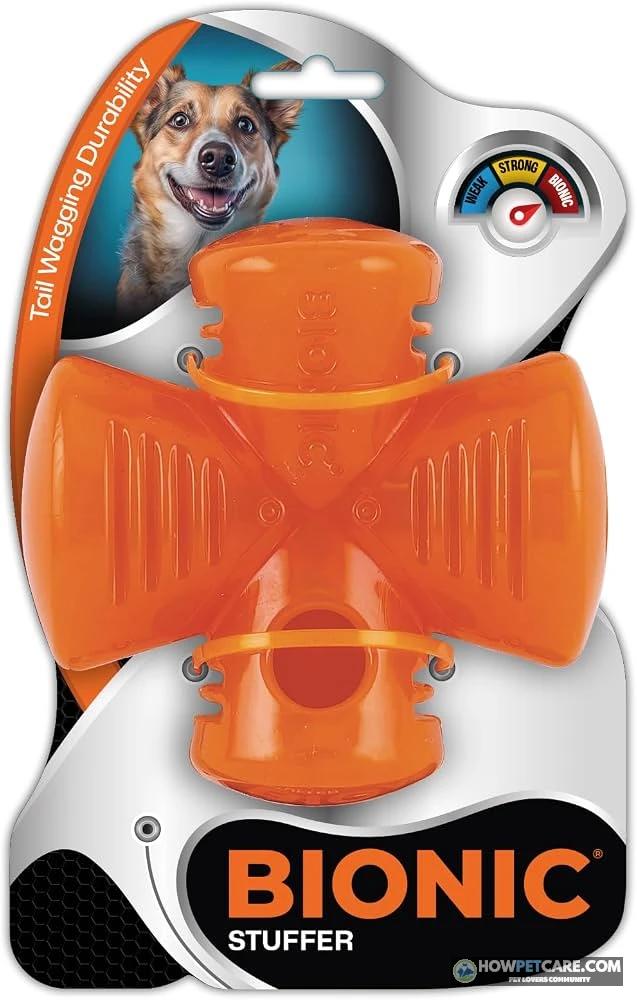
Immediately present a behavior that cannot be performed simultaneously with licking your skin. Ideal alternatives include targeting their nose to your closed fist ("touch"), holding a designated rubber chew toy, sitting on a designated mat, or foraging for scattered kibble on a snuffle mat. Placing a high‑value chew item within inches of their muzzle redirects their natural oral drive toward an appropriate object.
-
Step 3 – Reinforce with Immediate High‑Value Value
Within 2 to 3 seconds of your dog engaging with the alternative toy or holding a calm "sit‑stay," provide quiet verbal praise or drop an appetizing treat. This rapid delivery cements the association that keeping their tongue away from your skin yields superior rewards.
-
Step 4 – Fade the Verbal Bridge and Generalize
After several consecutive successful redirections, begin fading the verbal bridge word. Simply shift your body posture or introduce the alternative chew toy the moment your dog approaches, allowing the environmental cue to drive the calm behavior. Practice this routine across different rooms, after showers, and when visitors arrive to generalize the response.
When applying this protocol, maintain consistency across all household members. If one person allows the dog to lick their face for ten minutes while another person blocks it, the dog is placed on a variable reinforcement schedule. Variable reinforcement makes behaviors significantly more resistant to extinction. Consistency across every handler is essential for smooth learning.
Quick‑Action Checklist: Diagnose, Protect, and Train in One Go
Implement this unified action plan to address your dog’s persistent licking safely, accurately, and humanely:
- Read the Posture First: Check your dog’s ears, eyes, and spinal tension against the Behavioral Decoding Matrix. If the dog displays pinned ears, stiff muscles, or whites in the eyes, treat the licking as an appeasement warning: stop touching the dog, step back, and grant them personal space.
- Run the 60‑Second Medical Audit: Before treating licking as a behavioral flaw, rule out nausea, esophageal reflux, localized joint pain, or skin allergies. If lip‑smacking, vomiting, or lethargy accompanies the licking, schedule a veterinary visit.
- Screen for CCD Indicators: If the licking is frantic, exceeds 5 to 10 minutes per session, cannot be interrupted by food or play, and creates lick granulomas, arrange a formal evaluation with a veterinary behaviorist.
- Secure Skin Safety: Never allow a dog to lick broken human skin or surgical wounds due to Capnocytophaga bacterial risks. Wash your hands and arms thoroughly after applying any topical creams—paying strict attention to minoxidil, NSAIDs, and steroid ointments.
- Execute Non‑Punitive Redirection: Eliminate physical punishments and shouting. Mark the onset of licking with a calm bridge word, redirect your dog’s focus to an incompatible chew toy or snuffle mat, and reward calm interactions consistently across all household members.
 You might be wonderingWhy does my cat stare at me?Why Does My Cat Stare at Me? Decode the SignalsRead the answer
FAQ
What signs indicate that my dog’s licking is driven by nausea rather than affection?
Look for accompanying lip‑smacking, frequent pawing at the mouth, drooling, reduced appetite, or vomiting—these together suggest gastrointestinal upset rather than a friendly lick.
Which over‑the‑counter skin creams or medications can be dangerous if my dog licks them off me?
Products containing minoxidil, ibuprofen, naproxen, hydrocortisone, retinoids, or high‑strength antiseptics can cause severe toxicity when licked and should be avoided or fully rinsed off before contact.
Can a deficiency in sodium or other nutrients cause my dog to compulsively lick my skin?
Yes, electrolyte imbalances (especially low sodium) or B‑vitamin deficiencies can trigger salt‑craving licking; a balanced diet and a quick blood panel can confirm if a deficiency is present.
How do I read my dog’s posture to know if a lick is a friendly greeting or an appeasement warning before a bite?
A friendly greeting lick is paired with relaxed ears forward, a soft wag, loose body, and steady eye contact; an appeasement lick shows flattened ears, a lowered tail, stiffened muscles, averted gaze, and a rapid, brief lick that often precedes a pause in contact.