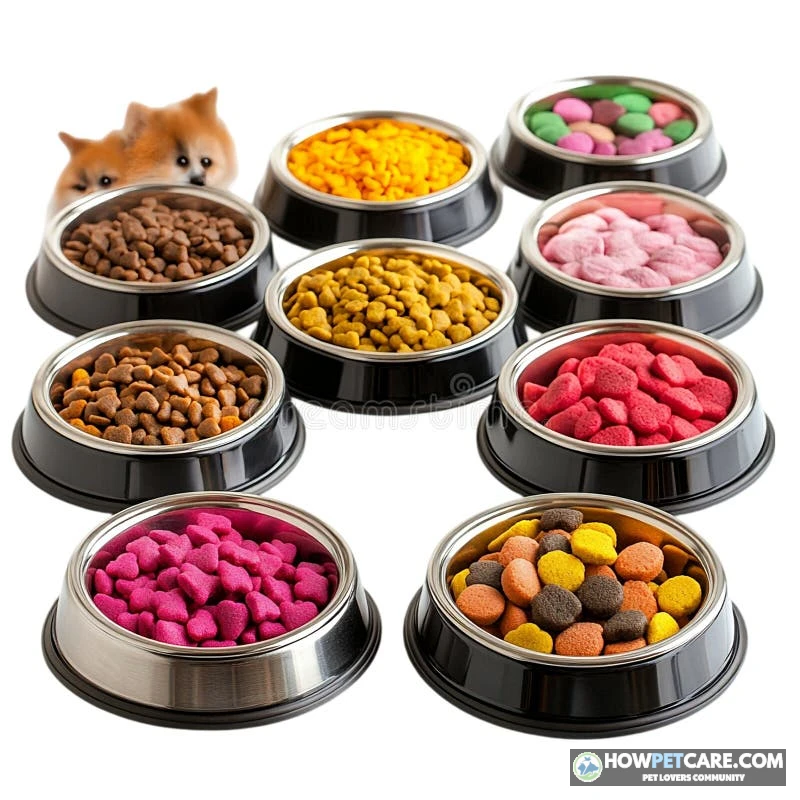

Start with a named-protein, low-calorie treat that fits your dog’s size and life stage, then keep total treats under 10% of daily calories. Compare options by calories per piece, ingredients, price per treat, and your dog’s dietary needs before buying.
Healthy dog treats complement a complete, balanced diet without overloading calories, artificial additives, or unsafe ingredients. They should be small, nutrient-dense, and matched to your dog’s size, life stage, and dietary needs. The best choices list a named animal protein among the first three ingredients, provide a clear calorie statement, and avoid red-flag preservatives and artificial colors. Use the comparison table below to shortlist 3–5 options, then verify feeding amounts with the 10% calorie rule worked out in this guide.
Best Healthy Dog Treats by Need, Size, and Life Stage
The treats below were selected for ingredient quality, calorie density, and fit for specific dietary needs, sizes, and life stages. PetMD veterinary experts have noted that treats should not exceed 10% of a dog’s overall diet and that calorie counts vary widely by treat, so always check the package before feeding.
| Treat | Dietary need | Best for | Calories per treat | Key ingredients | Price range | Rating |
|---|---|---|---|---|---|---|
| Zuke’s Mini Naturals | Training, low-calorie | Puppies, adult dogs, training sessions | 3 per treat | Chicken, pork, turkey, sweet potato | $10–$16 | 4.7 |
| Old Mother Hubbard Classic Crunchy | Budget-friendly | Adult dogs, everyday snacking | 25 per treat | Wheat flour, chicken by-product meal, oatmeal | $6–$9 | 4.5 |
| Fruitables Pumpkin & Banana | Low-calorie, digestion | Adult dogs, weight management | 8 per treat | Pumpkin, banana, oatmeal, flaxseed | $8–$12 | 4.6 |
| Wellness Soft Puppy Bites | Puppy, training | Puppies under 1 year | 4 per treat | Lamb, salmon, DHA, flaxseed | $9–$13 | 4.7 |
| Blue Buffalo Health Bars Senior | Senior, joint support | Dogs 7+ years | 20 per treat | Glucosamine, chondroitin, oatmeal, chicken | $9–$14 | 4.5 |
| Cloud Star Tricky Trainers Soft & Chewy | Training, small dogs | Small breeds, reward training | 3 per treat | Chicken, dried egg, flaxseed | $8–$12 | 4.6 |
| Zuke’s Hip & Action | Joint support, large dogs | Large breeds, senior dogs | 12 per treat | Glucosamine, chondroitin, turmeric | $13–$18 | 4.6 |
| Old Mother Hubbard Grain-Free Puppy Biscuits | Grain-free, puppy | Puppies with grain sensitivity | 28 per treat | Pea flour, chickpeas, chicken | $10–$15 | 4.5 |

How to use this shortlist
Start by matching your dog’s profile to the "Best for" column, then confirm the calorie count fits your dog’s daily treat allowance. If your dog has a confirmed grain allergy, choose a grain-free option only after veterinary confirmation. For weight management, prefer treats at 8 calories or fewer per piece. For training, use 3-calorie soft treats so you can reward frequently without exceeding the 10% rule. For broader guidance on dogs and treats, compare ingredient quality, calorie density, and life-stage fit before settling on a routine.
Calorie and feeding quick reference
| Dog size | Typical daily calories | Treat calorie target | Feeding frequency | Portion notes |
|---|---|---|---|---|
| Small (under 20 lb) | 250–500 kcal | 25–50 kcal | 2–3 small treats/day | Cut larger treats; avoid choking hazards |
| Medium (20–50 lb) | 700–1,100 kcal | 70–110 kcal | 3–6 treats/day | Mix training treats with one biscuit |
| Large (50–90 lb) | 1,300–1,800 kcal | 130–180 kcal | 4–8 treats/day | Choose durable chews; monitor calories |
| Giant (90+ lb) | 1,800–2,500+ kcal | 180–250 kcal | 5–10 treats/day | Divide treats across the day |
The rule is straightforward: treats should be no more than 10% of a dog’s total daily calories, with the remaining 90% from complete and balanced dog food.
How to Choose Healthy Dog Treats: Ingredients, Calories, and Claims
A healthy dog treat centers on limited ingredients, a named protein source, and minimal fillers. PetMD veterinary experts recommend prioritizing high-quality proteins, simple ingredients, and no added artificial colors or flavorings. Texture, size, and purpose should match the dog’s age, dental health, weight, and training needs.
Calorie budgeting by dog size
The 10% rule means treats are capped at one-tenth of daily calories. Here is a worked example:
Example A — Small dog (15 lb, ~400 kcal/day): treat allowance is 40 kcal/day. At 3 kcal per training treat, that allows up to 13 treats daily; at 25 kcal per biscuit, only 1 treat.
Example B — Medium dog (45 lb, ~950 kcal/day): allowance is 95 kcal/day. At 3 kcal each, up to 31 treats; at 25 kcal each, up to 3 treats.
Example C — Large dog (80 lb, ~1,650 kcal/day): allowance is 165 kcal/day. At 3 kcal each, up to 55 treats; at 25 kcal each, up to 6 treats.
Quick formula for any dog: find total daily calories from the food label or your vet, multiply by 0.10 for the treat target, divide by calories per treat on the package, and round down — never up — subtracting any table scraps or dental chews given that day.

Claim substantiation checklist
- ☐ The word "natural" appears with no USDA organic seal — "natural" is unregulated for dog treats.
- ☐ "Organic" claimed but no USDA Organic or certified-organic ingredient list visible.
- ☐ Preservatives BHA, BHT, or ethoxyquin listed among first six ingredients.
- ☐ Artificial colors (Red 40, Yellow 5, Blue 2) listed anywhere on the label.
- ☐ Propylene glycol used as a humectant in soft treats.
- ☐ Meat by-product meal listed as the first ingredient without a named whole meat source.
- ☐ Corn, wheat, or soy listed before any animal protein in a treat marketed for allergies.
- ☐ "Flavor" or "natural flavor" used instead of a specific protein name.
- ☐ Xylitol or birch sugar listed — this is toxic to dogs even in small amounts.
- ☐ No guaranteed analysis or calorie statement on the package.
 You might be wonderingIs olive oil good for dogsIs Olive Oil Good for Dogs? Safe Dosage & RisksRead the answer
Grain-Free vs Grain-Inclusive and Natural vs Organic Tradeoffs
Grain-free treats may help dogs with confirmed grain allergy or sensitivity, but grain-inclusive treats suit most healthy dogs and provide fiber and steady energy. Organic certification offers verified pesticide-free ingredients at a higher price, while "natural" is unregulated and may still contain synthetic preservatives. Choose based on your dog’s health needs — allergy history, weight, digestion — not because a label sounds premium.
| Choice | Best for | Potential downside | When to choose |
|---|---|---|---|
| Grain-free | Dogs with confirmed grain allergy or sensitivity | Often higher in peas, potatoes, or legumes; may be higher calorie | Only after vet confirms grain issue |
| Grain-inclusive | Most healthy dogs; dogs needing fiber and steady energy | Not suitable for confirmed grain allergies | Default choice for dogs without grain sensitivity |
| USDA Organic | Owners wanting certified pesticide-free ingredients | Significantly higher price; "organic" does not mean low-calorie | When budget allows and certification matters to you |
| Natural (unregulated) | Broad availability, lower cost | Term is unregulated; may still contain synthetic preservatives or fillers | Read ingredient list; do not assume quality from the word alone |

Vet-backed guidance: choose based on your dog’s health needs, not marketing labels.
Tradeoff ranking by dietary need
For weight management, prioritize low-calorie grain-inclusive treats with named protein. For allergy-prone dogs, verify the specific allergen with your veterinarian before switching to grain-free. For owners prioritizing certification, USDA Organic is the only regulated claim; "natural" alone guarantees nothing.
Healthy Treats for Puppies, Seniors, Small Dogs, and Large Dogs
Puppies need smaller, softer, lower-calorie treats with age-appropriate textures, while adult treats may be too hard or calorie-dense. Senior dogs benefit from softer textures, joint-support ingredients like glucosamine and chondroitin, and lower-calorie options. Small dogs require portion control and choking-risk reduction; large dogs need durable treats for dental health and calorie moderation. For safe treats for puppies, start with soft textures and small portions, then adjust as your veterinarian recommends.

Size and life-stage fit checklist
- Puppy: soft texture, 3–4 calories per treat, DHA for development.
- Senior: softer bite, joint-support ingredients, reduced calorie density.
- Small dog: tiny pieces, crumb-free, cut to size to prevent choking.
- Large dog: durable chews, dental benefit, calorie moderation to prevent weight gain.
Homemade Healthy Dog Treat Recipes and Safe Human Foods
Simple homemade recipes using pumpkin, sweet potato, and omega-3 sources offer control over ingredients. PetMD lists 10 human foods as healthy dog treats: carrots, blueberries, apples, peanut butter, pumpkin, green beans, sweet potatoes, watermelon, plain yogurt, and cucumbers, plus bananas as a bonus. Carrots support eye health, coat shine, and dental health via plaque-scraping crunch, but must be cut to size to prevent choking. Blueberries provide antioxidants, vitamins C and K, and may reduce inflammation and support cognition in older dogs. Apples offer vitamins A and C, fiber, and dental benefits, but cores and seeds must be removed.

Safe versus toxic food guide
Safe: carrots (cut to size), blueberries, apples (no core/seeds), peanut butter (xylitol-free), pumpkin, green beans, sweet potatoes, watermelon (no seeds/rind), plain yogurt, cucumbers, bananas.
Toxic or dangerous: xylitol/birch sugar, chocolate, grapes and raisins, onions, garlic, macadamia nuts, alcohol, cooked bones, excessive fat. Xylitol is toxic to dogs even in small amounts — check labels on peanut butter and baked goods.
Store homemade treats in airtight containers, refrigerate moist recipes, and discard any batch that smells off or shows mold. Homemade treats are not appropriate for dogs with diagnosed allergies or medical conditions without veterinary guidance.
Budget and Availability: Healthy Dog Treats at Walmart and Beyond
Budget-friendly healthy treats include Old Mother Hubbard Classic Crunchy at $6–$9 and store-brand options at Walmart and local pet stores. Compare price per treat, not just price per bag, and watch for promotions, subscriptions, and free shipping thresholds. Chewy and Amazon offer subscription savings and free shipping on orders over $49.

Retailer comparison and savings tips
- Walmart and local pet stores: best for budget picks and immediate availability.
- Chewy/Amazon: subscription discounts, wider selection, free shipping thresholds.
- Brand storefronts: single-ingredient chips like Farm to Pet Chicken Chips (4.9/5 from 2,008 reviews, from $13.95) for premium protein options.
- Always verify recall status before first use, regardless of retailer.
Safety, Recalls, and Feeding Rules for Healthy Dog Treats
Check ingredient sourcing, preservatives, recalls, and regulatory substantiation before feeding. The FDA and manufacturer websites post recall notices. Feeding frequency should keep treats under 10% of daily calories. Choking risks are highest for puppies and small dogs — supervise and cut treats to size. Contact a veterinarian about treat-related reactions such as vomiting, diarrhea, itching, or coughing.
Recall and safety verification steps
- Check the FDA pet food recall list and manufacturer website before first use.
- Read the full ingredient list and guaranteed analysis.
- Confirm no red-flag preservatives or artificial colors.
- Introduce gradually over 3–5 days; watch for reactions.
- Stop and contact your vet if symptoms persist.
Buyer Checklist and Final Shortlist by Dog Profile
- ☐ I checked the guaranteed analysis and confirmed protein and fat levels match my dog’s life stage.
- ☐ I read the calorie-per-treat number and calculated how many treats fit in my dog’s 10% daily allowance.
- ☐ The first three ingredients include a named animal protein, not by-product meal or a grain filler.
- ☐ No red-flag ingredients (BHA, BHT, ethoxyquin, artificial colors, propylene glycol, xylitol) appear on the label.
- ☐ The treat size and texture match my dog’s size and chewing ability.
- ☐ I verified any "organic" claim with a USDA seal; I treated "natural" as marketing, not proof.
- ☐ I compared price per treat, not just price per bag.
- ☐ I know where to check for recalls (FDA or manufacturer website) before first use.
- ☐ I have a plan to introduce the new treat gradually over 3–5 days.
- ☐ I know to stop feeding and contact my vet if my dog shows a treat-related reaction.
Profile-based shortlist: small dogs and puppies — Zuke’s Mini Naturals or Cloud Star Tricky Trainers; weight management — Fruitables Pumpkin & Banana; seniors — Blue Buffalo Health Bars Senior or Zuke’s Hip & Action; grain-sensitive puppies — Old Mother Hubbard Grain-Free Puppy Biscuits; budget — Old Mother Hubbard Classic Crunchy. Introduce any new treat gradually and track tolerance over the first week.
 You might be wonderingCoconut oil for dogsCoconut Oil for Dogs: Safety, Uses, Calories and RisksRead the answer
FAQ
Can puppies eat the same healthy treats as adult dogs?
Not always. Puppies usually need smaller, softer, lower-calorie treats with age-appropriate textures and ingredients, while adult treats may be too hard or calorie-dense.
Which preservatives are acceptable in healthy dog treats?
Look for clearly named preservatives and avoid vague claims; mixed tocopherols and rosemary extract are commonly used, but suitability depends on the dog’s sensitivities and veterinarian guidance.
How do I store homemade dog treats safely?
Cool treats completely, store them in airtight containers, refrigerate moist recipes, and discard any batch that smells off or shows mold.
What signs show a treat may not suit my dog?
Watch for vomiting, diarrhea, itching, excessive gas, changes in appetite, or coughing and choking; stop the treat and consult a veterinarian if symptoms persist.