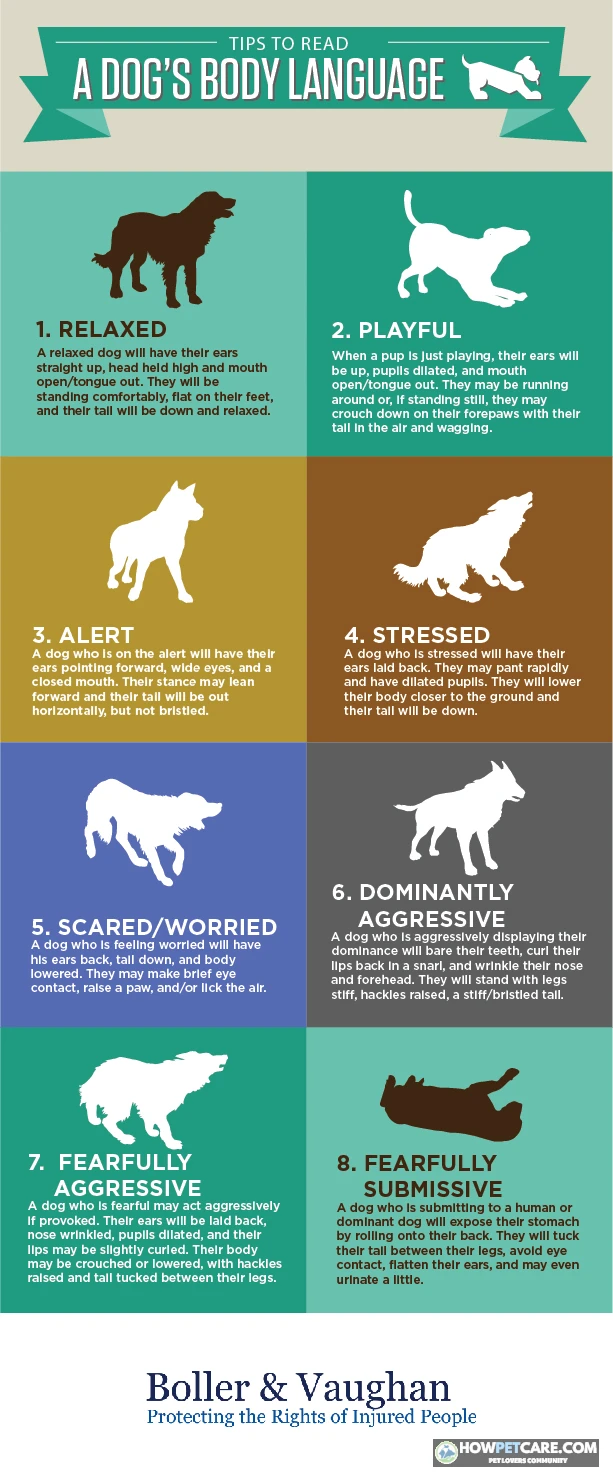

Yes—dogs can be dangerous, but fatal attacks are rare while bites are more common. Risk is uneven: children, older adults, and people around unfamiliar or aroused dogs face more danger. Supervision, reading stress signals, giving dogs space, and calm responses prevent most incidents.
Yes, dogs can be dangerous, but most do not seriously injure people, and fatal attacks are rare. Bites are much more common than deaths. Children and people who cannot easily move away face greater risks. Learning to read a dog’s behavior, supervising children, and knowing how to respond to an encounter can reduce danger without treating every dog as a threat.
Are dogs dangerous? Rarely, but the risk is real and uneven
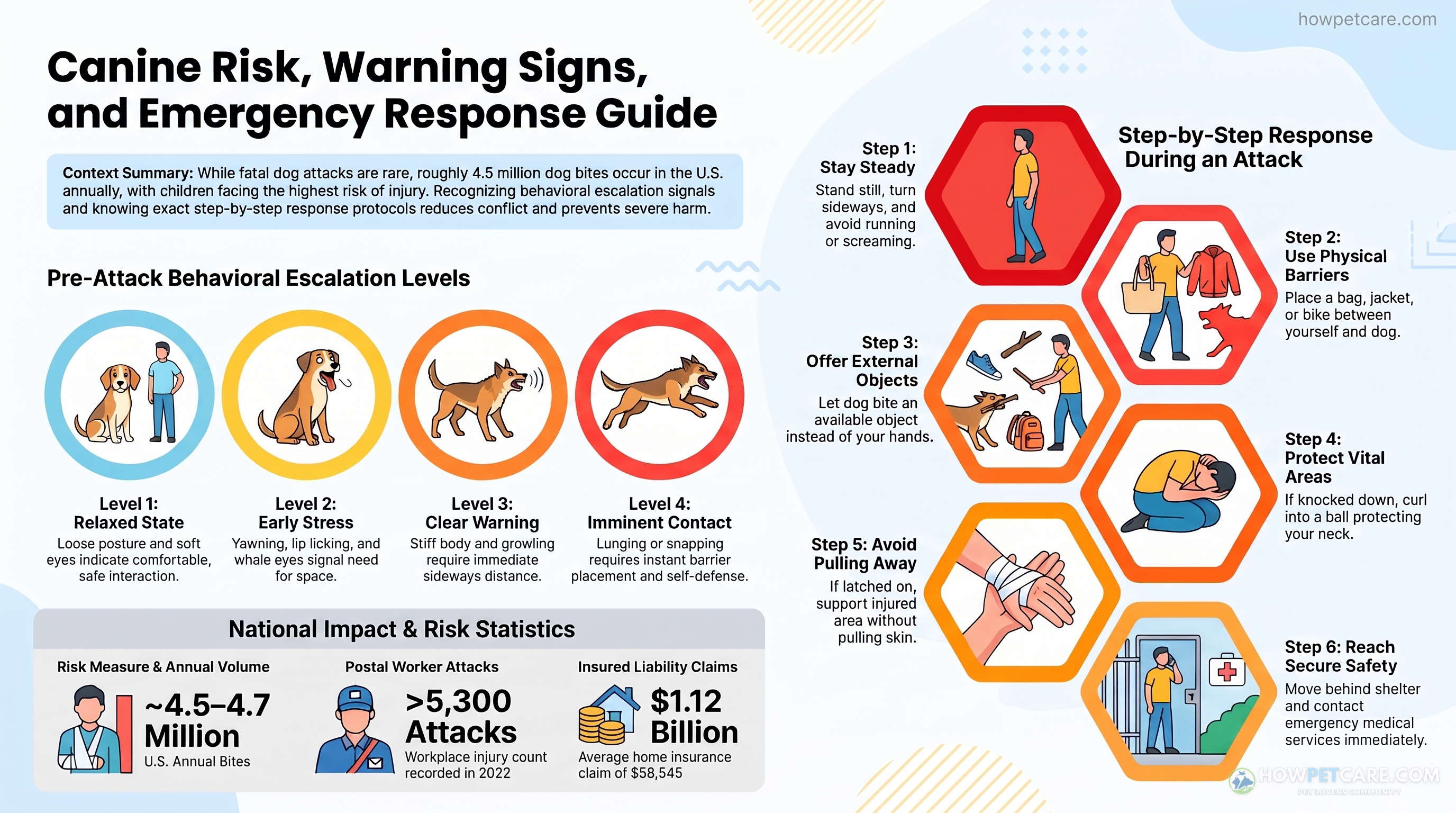
The United States has no complete registry of dog bites. A Centers for Disease Control and Prevention (CDC) estimate often cited by the American Veterinary Medical Association (AVMA) puts the number at about 4.5 million bites a year, with roughly 800,000 people seeking medical attention. These are modeled estimates, not a count of every bite reported to a single national database. [#N]
Fatality counts are much smaller and vary by method. CDC death-certificate data and media-based tallies do not identify cases in the same way; a commonly cited range is about 30 to 50 deaths per year. [#N] The CDC stopped collecting dog-breed information in fatality surveillance after 1998 because breed identification and reporting were unreliable. A low average risk does not make a severe attack less consequential for the person harmed.
| Year or measure | Estimated bites | Injuries requiring medical care | Reported fatalities | Source and method notes |
|---|---|---|---|---|
| Annual national estimate | About 4.5–4.7 million | About 800,000 | Not included in bite estimate | CDC estimate cited by AVMA; modeled, not a yearly registry count. |
| Workplace reports, 2022 | Not applicable | More than 5,300 USPS employees attacked | Not applicable | USPS counted attacks on postal employees, not all bites. |
| Insured liability claims, 2023 | Not applicable | Not a medical-care count | Not applicable | Insurance Information Institute data report $1.12 billion in homeowners’ dog-bite liability losses and an average claim of $58,545. Claims represent insured cases, not all bites. |
| Annual fatality estimate | Not applicable | Not applicable | About 30–50 | CDC-derived estimates vary by years and method; media tallies may differ. |
The fatality range is small compared with the U.S. population, but it averages risk across people with different levels of exposure. Children, older adults, and people who regularly encounter unfamiliar dogs do not face the same risk. Bite estimates also miss incidents that are never reported or treated, so no single figure captures every encounter.
How dog risk compares with cats and other everyday hazards
Dogs and cats pose different risks. Dogs cause more severe traumatic injuries and account for the fatal attacks discussed in national dog-bite statistics. Cats bite less often, but their narrow punctures can be difficult to clean and may become infected. A bite from either animal deserves attention; a deep puncture or concern about infection warrants medical advice.
Dog attacks are one of many hazards people manage, not a reason to fear ordinary contact with dogs. For context, CDC data for 2022 record about 42,500 U.S. motor-vehicle deaths, far above annual dog-attack deaths. That comparison concerns fatalities, not the overall burden of injury. Dog bites are much more common than fatal attacks, and their consequences can include lasting physical and emotional harm.

Who bears most of the risk
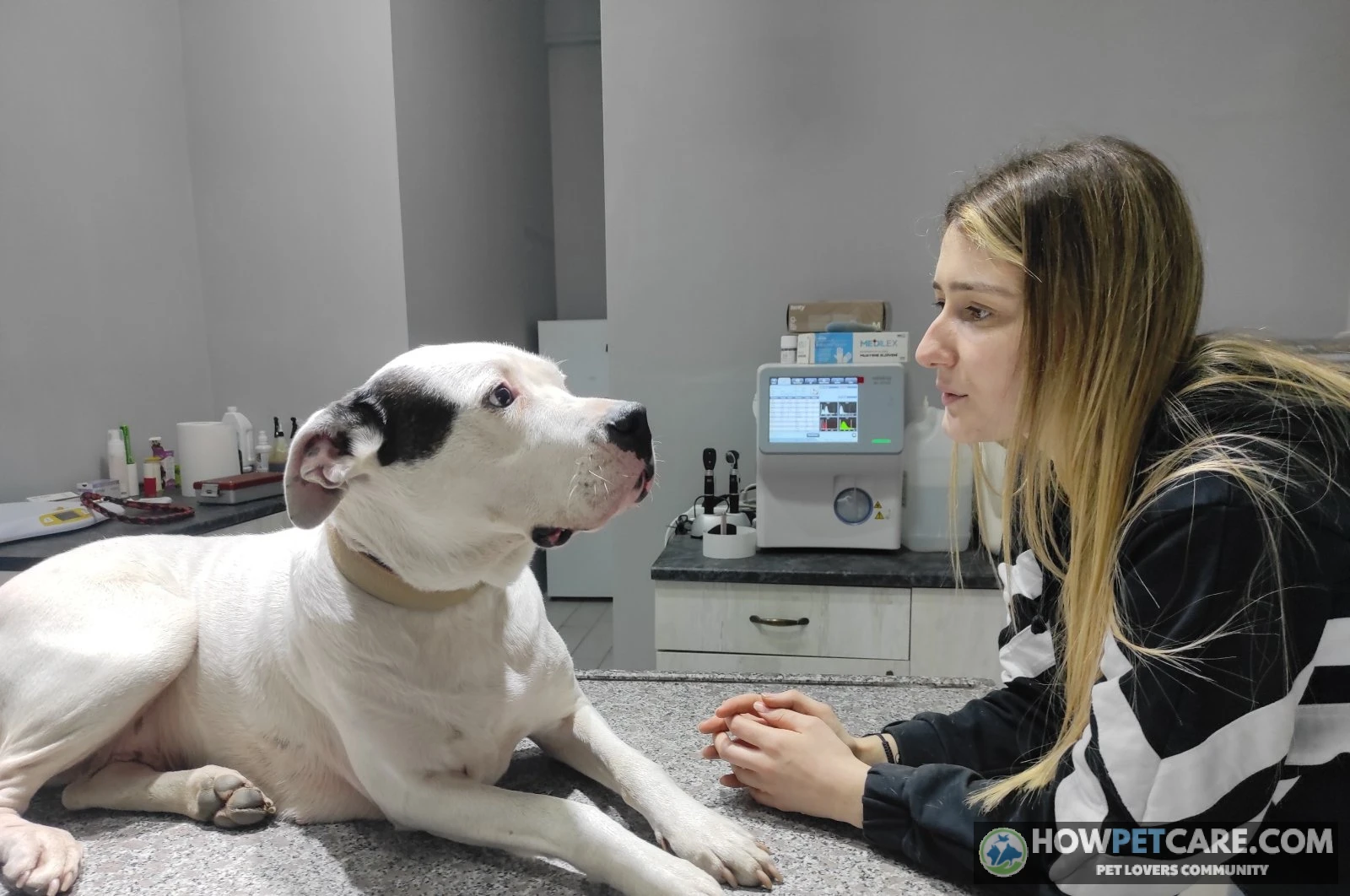
Children are particularly vulnerable: they are smaller, may not recognize canine body language, and can bring their faces close to a dog’s mouth. CDC data have identified children ages 5–9 as a high-risk group for bites, while very young children are especially vulnerable to severe head and neck injuries. Older adults and people with limited mobility may have less ability to create distance or protect themselves if a dog charges. Even a familiar family pet can bite, so familiarity is no substitute for active supervision.
Why dogs become aggressive, and how to read the warning signs
Aggression is a behavior, not a diagnosis or proof that a dog is “bad.” A dog may growl, snap, or bite when frightened, hurt, cornered, guarding food or objects, protecting territory, frustrated, or highly aroused. Predatory chasing can also put smaller animals at risk. Poor socialization, neglect, chaining, past experiences, genetics, and inadequate owner supervision may contribute, but no single factor predicts whether an individual dog will bite.
Pain or illness can suddenly change a dog’s behavior. A dog that once tolerated handling may react when touched near an injury. Puppies learn bite inhibition—the control of jaw pressure—through appropriate play and social experience. A dog with poor bite inhibition may cause more damage if it bites.
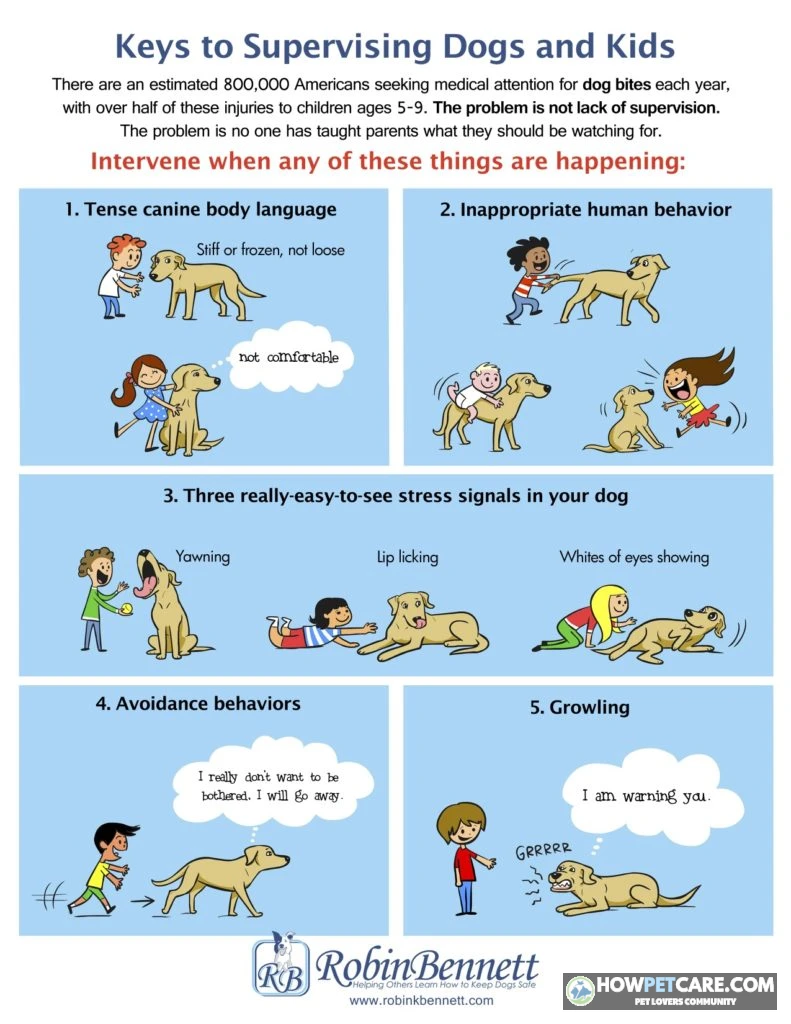
Pre-attack warning signs by escalation level
Use this checklist as a reason to give a dog space, not as a guarantee that an attack will or will not happen. Read the whole body: a wagging tail can indicate arousal, not friendliness.
| Escalation level | Body language and behavior | What it may mean | What to do |
|---|---|---|---|
| Relaxed | Loose body, soft eyes, balanced posture, and a loose, easy tail movement | The dog appears comfortable at this moment | Ask the owner before approaching; let the dog choose whether to come closer. |
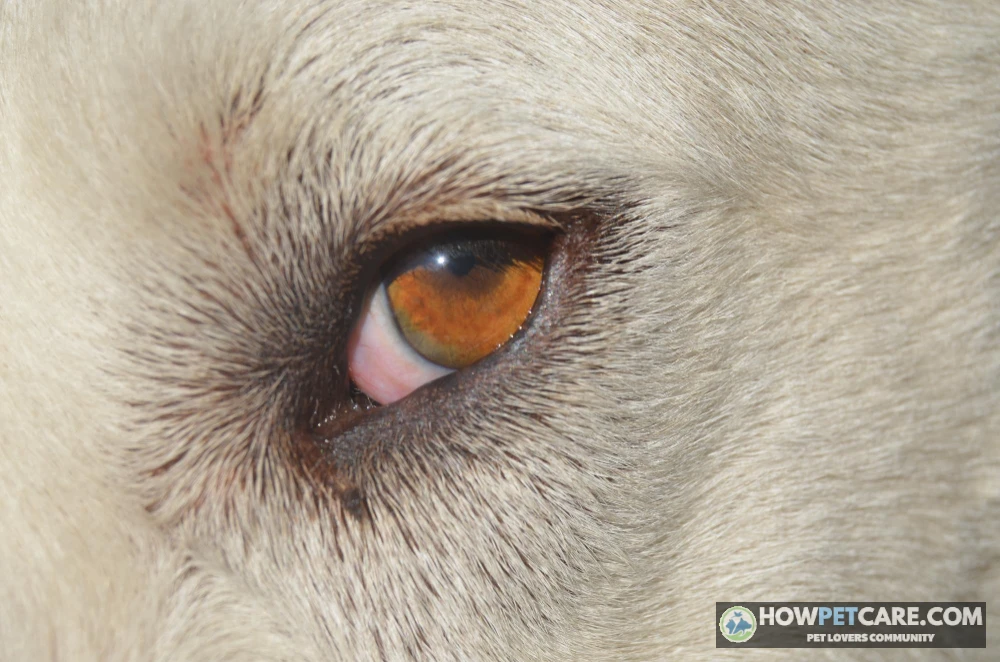
| Early stress | Lip licking, yawning when not tired, showing the whites of the eyes (“whale eye”), turning away, tucked tail, backing up | The dog may want distance | Stop moving toward the dog. Give it room and calmly move children away. |
| Clear warning | Freezing, stiff legs, closed mouth, hard stare, growling, curled lip, rigid high tail, or weight shifting forward | The dog may bite if pressure continues | Stop, angle your body sideways, avoid staring, and create distance using a barrier if possible. Do not punish the growl. |
| Imminent or contact | Lunging, snapping, repeated charges, grabbing clothing, or advancing with a fixed stare | An attack may be starting or underway | Protect your face and neck, use an object as a barrier or target, and get behind shelter when possible. |
Punishing a growl can suppress an important warning without changing the dog’s fear or discomfort. A quiet dog isn’t necessarily a safe dog; freezing and a hard stare can signal serious tension. If a dog repeatedly shows aggression, consult a veterinarian to check for pain or illness and seek a qualified behavior professional.
Can a dog with a bite history be rehabilitated?
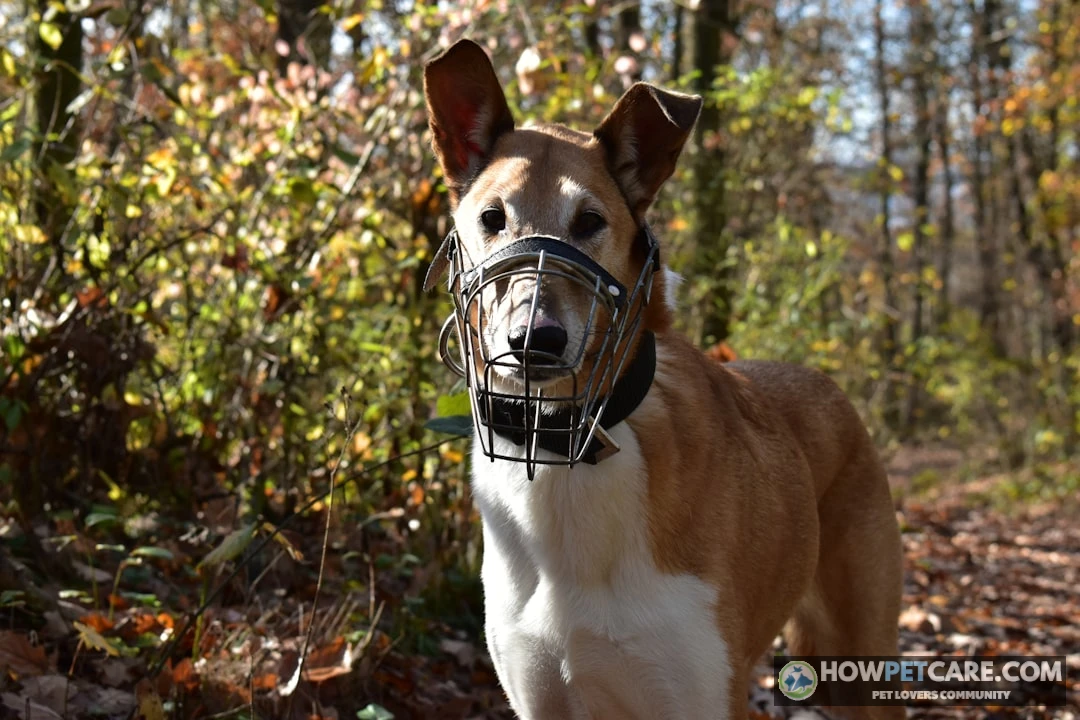
Some dogs improve with veterinary care, careful management, and qualified behavior modification. Progress depends on the circumstances and severity of past incidents, the dog’s behavior in different settings, and whether the household can reliably prevent risky situations. A professional may recommend positively conditioned muzzle training as a safety measure. Rehabilitation cannot promise that a dog will never bite again, so risk management remains necessary. Temperament testing can offer a snapshot, but it cannot reliably predict every behavior at home or in a future situation.
Are some dog breeds more dangerous than others? What the evidence and breed bans show
Large dogs can cause more severe injuries than small dogs because of their size and strength. Fatality and severe-injury reports have often identified bully-type dogs and mixes, as well as Rottweilers, but those reports do not establish a definitive breed ranking or an individual dog’s likely behavior.

Why breed rankings mislead
Identifying a breed by appearance is unreliable, especially for mixed-breed dogs. Reports may label the same dog differently, and the number of dogs of each breed in the population is not known accurately enough to calculate clean bite rates. The CDC ended breed-specific fatality tracking after 1998 because of identification and reporting problems. Bite frequency and injury severity are different questions, too: smaller dogs can bite, while a large dog may be capable of causing more damage.
Myth: A breed ranking can tell you whether an individual dog is safe. Fact: Breed alone cannot predict an individual dog’s behavior; history, health, socialization, supervision, and the situation all matter.
Does breed-specific legislation work?
Breed-specific legislation (BSL) restricts or bans dogs based on breed or appearance. Supporters argue that restrictions can reduce exposure to powerful dogs and prevent catastrophic injuries. Critics, including many veterinary organizations, argue that breed labels are difficult to apply consistently and that laws should focus on an individual dog’s conduct and the owner’s responsibilities. The AVMA has opposed breed-specific policies, and a veterinarian survey reported that 75% of respondents viewed BSL as a negative animal-welfare issue.
Evidence that breed bans reduce bites overall is contested. The Netherlands lifted its ban after a review found no clear safety benefit, while some U.S. jurisdictions have repealed breed bans and shifted toward behavior-based rules. These examples do not prove that every policy has the same outcome. Owners may still face breed-related insurance exclusions, rental restrictions, local muzzle rules, or seizure proceedings after an incident. Check local rules and insurance terms rather than assuming one policy applies everywhere.
What matters more than breed
A dog’s prior behavior, response to handling, health, socialization, training, and the owner’s ability to supervise and manage it are more useful considerations than a label alone. Before adopting, ask about bite history and observe the dog in more than one context. A dog can behave differently in a shelter than at home, and no brief test guarantees safety.
Dogs and children: why kids are at highest risk and the supervision rules that work
Children may approach dogs face-first, hug them, grab fur or toys, or startle them while they eat or sleep. A dog that tolerates an adult may still react to a child’s fast, unpredictable movements. Many child bites involve a dog the child knows, which is why “our dog is friendly” is not a supervision plan.
Supervision rules for parents
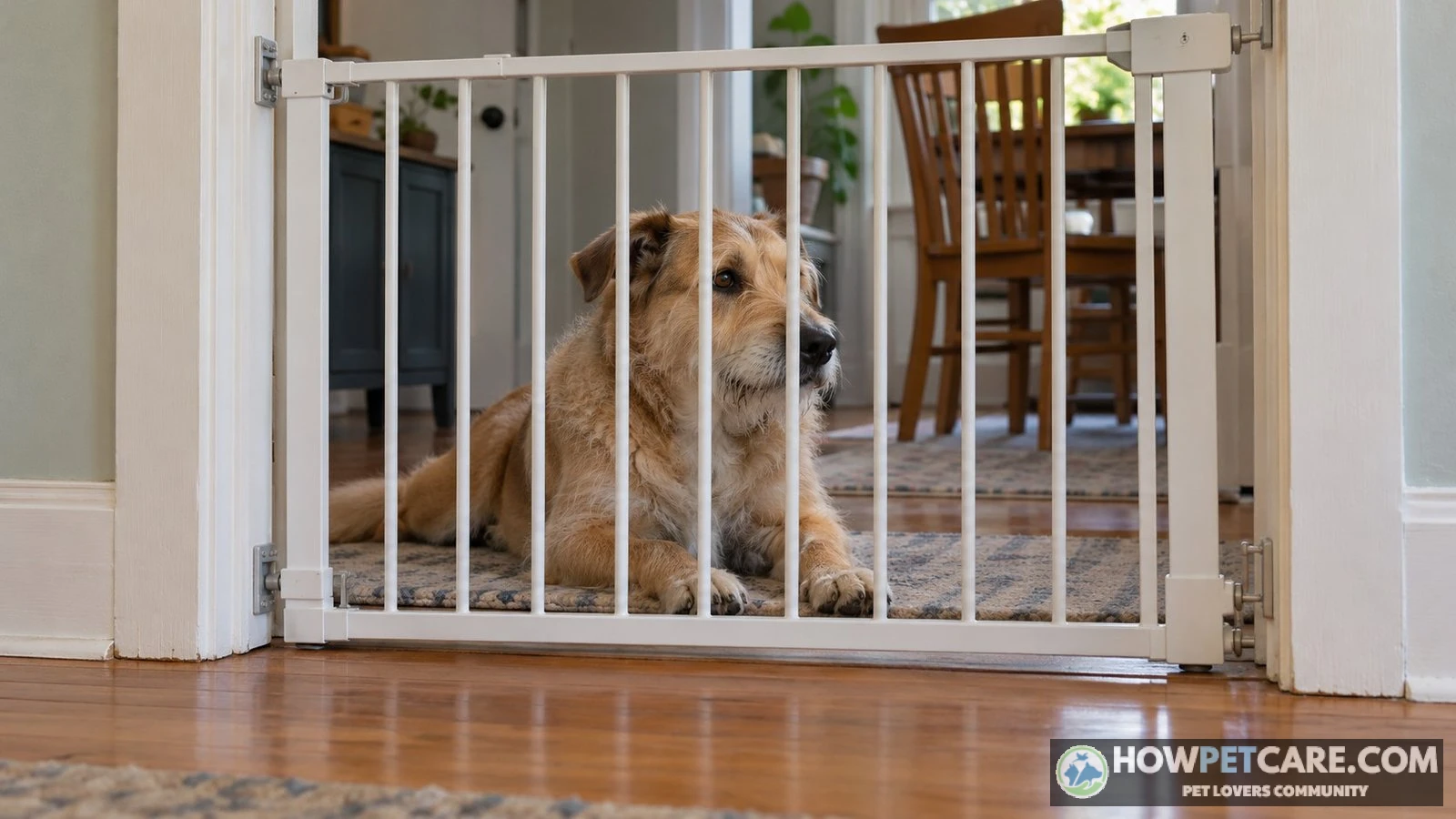
Never leave an infant or toddler alone with a dog, even a trusted family pet. Supervision means an attentive adult is close enough to intervene—not simply in the same room or distracted by a phone. If you can’t actively supervise, use a secure barrier to separate the child and dog.
Give the dog a retreat area, such as a gated room or crate used appropriately, where children are never allowed to follow. Separate dogs from children during meals, high-energy play, and other situations that make dogs excited or protective of food and toys. Don’t make a dog share its resting space or prized possessions.
Teaching kids to read dogs
Teach children to ask the owner before petting and to let a dog approach rather than cornering it. They should not touch a dog that is eating, sleeping, chewing, nursing puppies, tied up, or trying to move away. Teach them not to hug, climb on, tease, or grab a dog. If an unfamiliar dog approaches, tell the child to stand still like a tree, keep hands close, and avoid screaming or running while an adult creates distance.
Before adopting, ask about the dog’s history with children and arrange calm, closely supervised meetings. A temperament test is not a guarantee. For a newborn, keep early introductions controlled and give the dog a child-free retreat; never leave baby and dog together without direct adult supervision.
Older adults and people with mobility limitations also need practical separation and supervision plans. Dogs can seriously injure smaller household pets, particularly when chasing or guarding resources. Keep animals separated unless their interactions are known to be safe and actively supervised.
How to safely approach or avoid unfamiliar, stray, and off-leash dogs
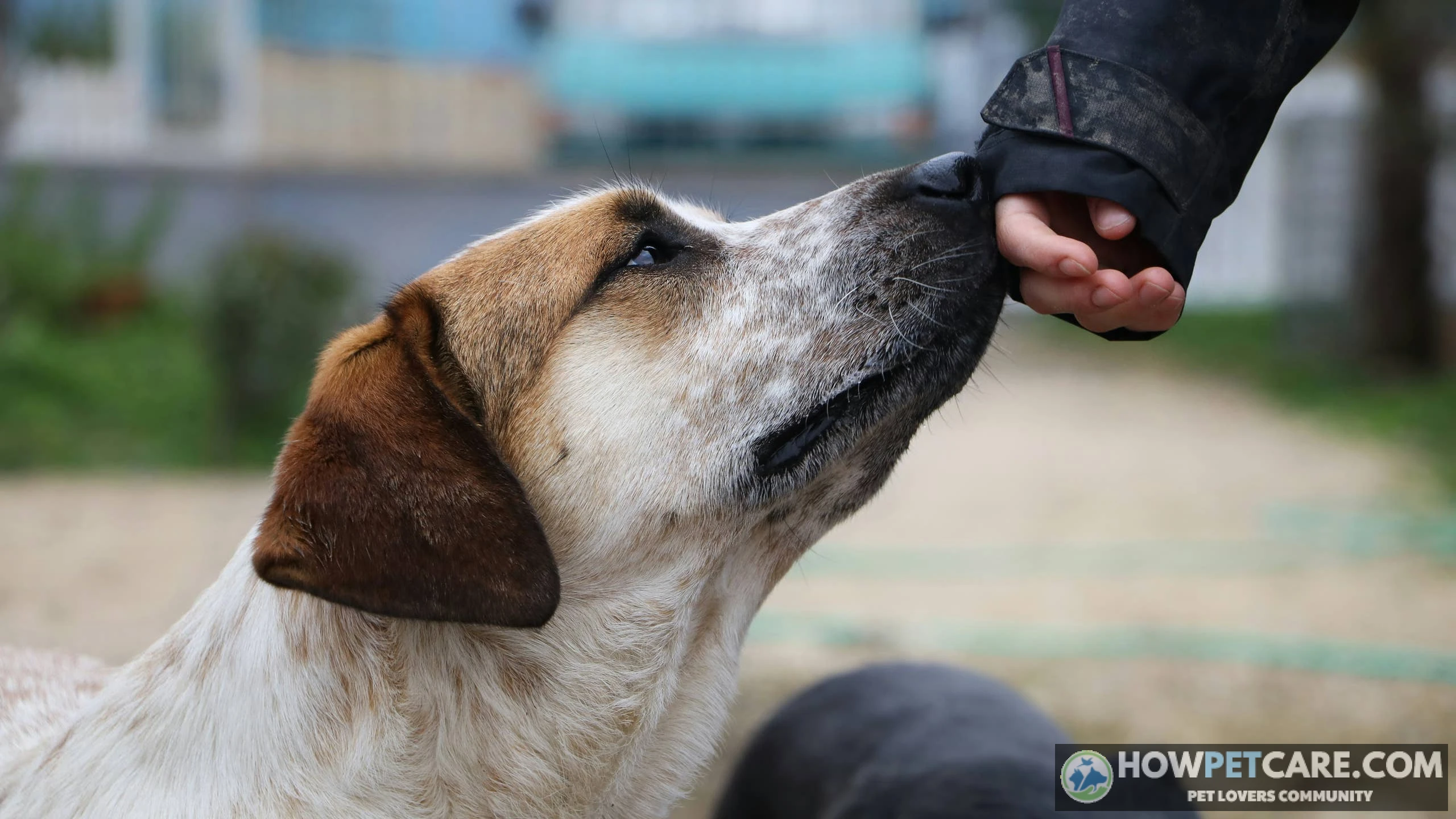
When meeting a dog with its owner, ask permission first. Let the dog choose whether to approach, keep the interaction brief, and pet the chest or shoulder rather than reaching over its head. Stop if it turns away, stiffens, freezes, or shows other stress signals. Don’t approach dogs that are eating, sleeping, nursing puppies, tethered, behind a fence, or trapped in a corner.
Off-leash neighbor’s dog versus a stray: what changes
If a neighbor’s off-leash dog comes toward you, avoid sudden movement and don’t run. Stand still or back away slowly at an angle, avoid a hard stare, and place a bag, bicycle, jacket, or other object between you and the dog. Once you’re safe, tell the owner and report repeated or threatening incidents to local animal control. Leash requirements vary by location, so check local leash laws.
Treat an unfamiliar stray more cautiously. Don’t approach, feed, corner, or try to catch it. Give it a clear way to leave, avoid direct eye contact, and contact animal control or the local non-emergency line. Because you may not know its vaccination status, avoid contact and ask the local health department for guidance if you’re bitten or scratched.

Running, cycling, and walking routes
If a dog approaches while you’re jogging or cycling, stop rather than trying to outrun it. Use your bike, bag, or another object as a shield, and leave the area slowly once the dog loses interest. Running and sudden movement can trigger chasing; there is no solid evidence that dogs attack because they can smell fear. Don’t attempt to break up a dog fight with your hands.
What to do during a dog attack: step-by-step
A dog encounter can change quickly. Focus on reducing stimulation, creating distance, and protecting your head and neck. If a child is with you, lift and shield the child if you can do so without moving into the dog’s path; otherwise use your body or an object as a barrier. If your own dog is being attacked, avoid reaching between the animals or grabbing collars near their mouths. Call for help and use a solid barrier if available.
-
Stop and stay steady
Do not run, scream, or stare hard. Stand still or slow to a stop, turn slightly sideways, and keep your hands close.
-
Put something between you
Use a bag, jacket, bicycle, stroller, car door, trash can, or fence as a barrier. In a low, firm voice, say “No” or “Go home” once.
-
Offer an object, not your hands
If the dog is about to make contact, place an object between you and its mouth. Let it bite the object rather than reaching toward its face.
-
Protect your head and neck
If knocked down, curl into a ball, tuck your chin, cover your ears and neck with your hands, and stay as still as possible.
-
If the dog is latched on
Do not pull the bitten part away; pulling can worsen tearing. Support the injured area, call for help, and wait for an opportunity to get behind a barrier.
-
Get to safety and seek help
When the dog disengages, get indoors or behind a secure barrier. Call 911 for severe bleeding, head or neck injuries, or another emergency. Note the dog’s appearance and where it came from when safe.
Dog-specific deterrent sprays, air horns, and other tools may be restricted by local law and aren’t guaranteed to stop an attack. A barrier is often more dependable than trying to use a tool accurately under stress. If you carry a deterrent, learn its limitations and check the rules where you live.
After a dog bite: first aid, when to seek care, and who to report it to
Even a small-looking puncture can injure deeper tissue or become infected. Wash the wound and get professional advice promptly when the bite breaks skin, especially if the wound is deep or the person has a higher risk of complications.
First aid in the first 15 minutes
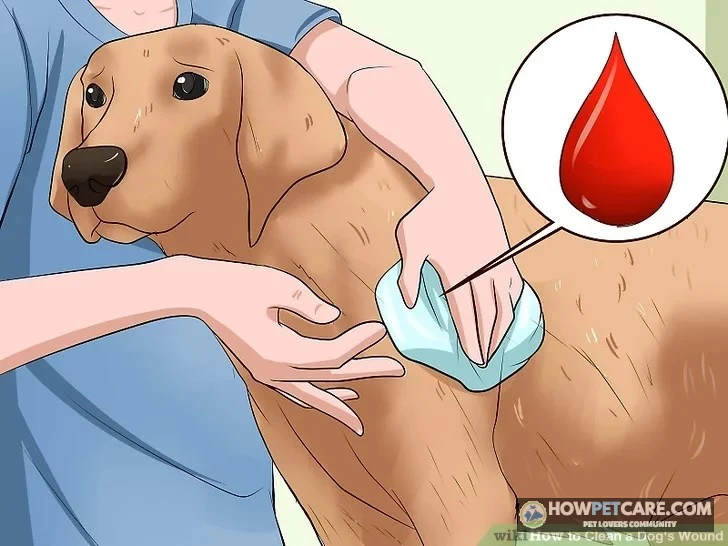
Apply firm, steady pressure with a clean cloth to control bleeding. Once bleeding is controlled, wash the wound thoroughly with soap and running water for several minutes and cover it with a clean dressing. Don’t try to close a deep puncture at home. Call 911 for severe bleeding, difficulty breathing, or a serious head or neck injury.
When to go to urgent care or the ER
Seek urgent medical care for deep punctures; wounds that won’t stop bleeding; bites to the face, head, hands, joints, or genitals; numbness or loss of function; and any bite involving a child, older adult, or person with diabetes or a weakened immune system. A clinician can assess damage, clean the wound, determine whether antibiotics are appropriate, and check tetanus vaccination status. Redness, swelling, warmth, pus, increasing pain, or fever can indicate infection and should prompt medical attention.
Rabies, tetanus, and infection risk
Ask the owner for the dog’s rabies vaccination records if possible, but don’t delay medical care while trying to get them. For a known, healthy dog, public-health authorities may recommend observation for 10 days; a stray, wild animal, unavailable dog, or uncertain circumstances can change the rabies response. Contact a clinician or local health department promptly so they can assess whether rabies post-exposure treatment is needed. Don’t decide on your own that vaccination or treatment is unnecessary.
Reporting and documenting the bite
Once immediate medical needs are addressed, contact local animal control or police using the appropriate non-emergency channel. Reporting requirements vary, and medical providers may also have reporting duties. Record the dog’s description, owner’s name and contact information, location, and any vaccination information. Photograph the wound over time, preserve relevant clothing if practical, collect witness contact details, and keep medical records and incident-report information.
Contact the owner’s homeowners or renters insurer if appropriate, and keep copies of all communication and expenses. Claim rules and deadlines vary by state; a qualified local professional can explain options for a specific case.
Long-term consequences of a serious dog bite: costs, trauma, liability, and what happens to the dog
The consequences of a bite range from a cleaned wound to surgery, rehabilitation, lost work, and emotional distress. Costs depend on wound depth, location, infection, insurance, and whether specialists or follow-up care are needed. There is no reliable single price for a dog bite. As an insurance benchmark, the Insurance Information Institute reported an average homeowners’ dog-related liability claim of $58,545 in 2023. [#N] That is an average claim payment, not the typical bill for every bite or a promise of compensation.
What dog bite treatment actually costs
| Severity level | Typical treatment | Cost context | Source and year |
|---|---|---|---|
| Superficial wound | Cleaning, dressing, and monitoring; clinician advice if needed | Costs vary with care setting and insurance | No reliable national average established. |
| Puncture or laceration | Wound evaluation, irrigation, possible antibiotics or tetanus booster | Cost depends on location, depth, and whether imaging or repair is needed | No comparable national range established. |
| Emergency or complex injury | Emergency evaluation, repair, imaging, or admission | Charges can rise substantially with surgery or hospital care | Actual costs vary by facility and case; ask the provider and insurer for estimates. |
| Reconstruction or rehabilitation | Specialist repair, follow-up, and therapy when needed | Multiple procedures and extended care can add costs | Highly case-specific; no single reliable range is established. |
| Insured liability claim | May include medical costs and other covered losses | Average dog-related homeowners’ liability claim: $58,545 in 2023 | Insurance Information Institute. |
An insurer’s average claim is not the same as a victim’s medical bill: claims can include more than treatment, and many bites never produce an insurance claim. Keep itemized bills and records of missed work, follow-up care, and out-of-pocket expenses.
Psychological aftermath: fear, PTSD, and getting help
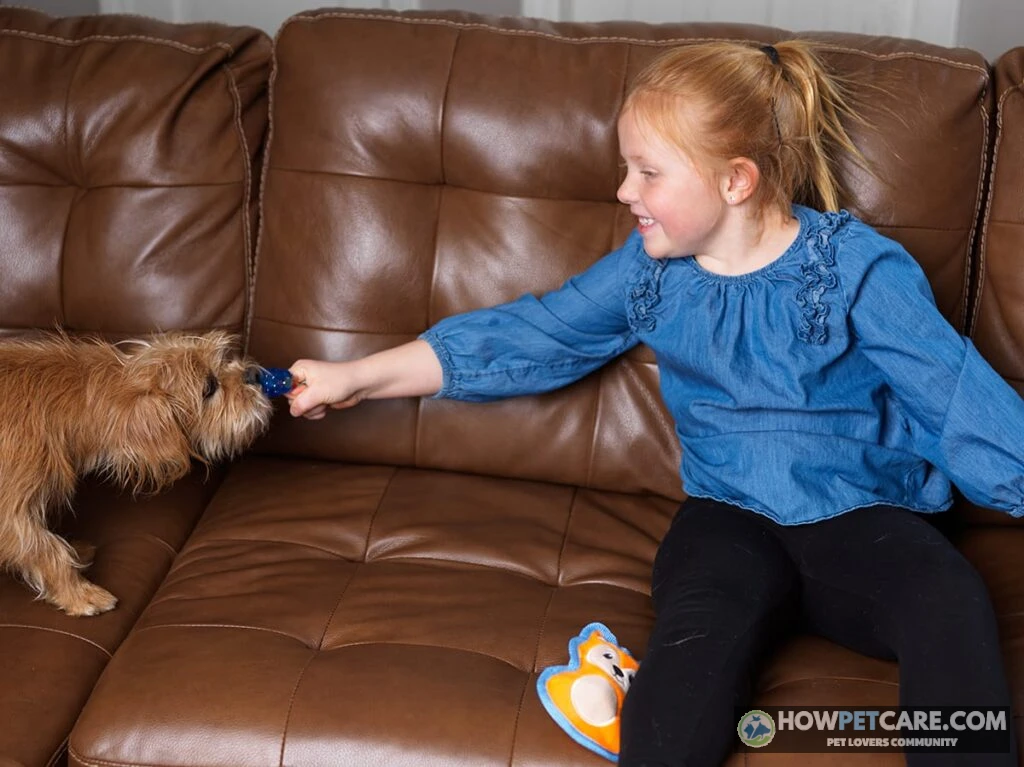
A serious attack can leave a person afraid of dogs, anxious outdoors, or troubled by nightmares and intrusive memories. Children may become clingy, have sleep problems, or replay the event in their play. Many people recover, but persistent distress deserves attention. Contact a pediatrician or primary-care clinician if symptoms interfere with daily life or don’t ease; a mental-health professional can assess whether trauma-focused therapy may help. Don’t force a child to approach dogs as a way to “get over it.” Any gradual exposure should be guided by a qualified professional.
Owner liability and dangerous-dog laws
State laws differ. In strict-liability states, an owner may be responsible for a bite without proof of a previous bite; in one-bite or negligence systems, whether the owner knew or should have known about the dog’s risk can matter. Rules may also depend on where the victim was, what the victim was doing, and the circumstances of the incident. This is a general explanation, not legal advice; consult a local attorney or relevant agency for a particular case.
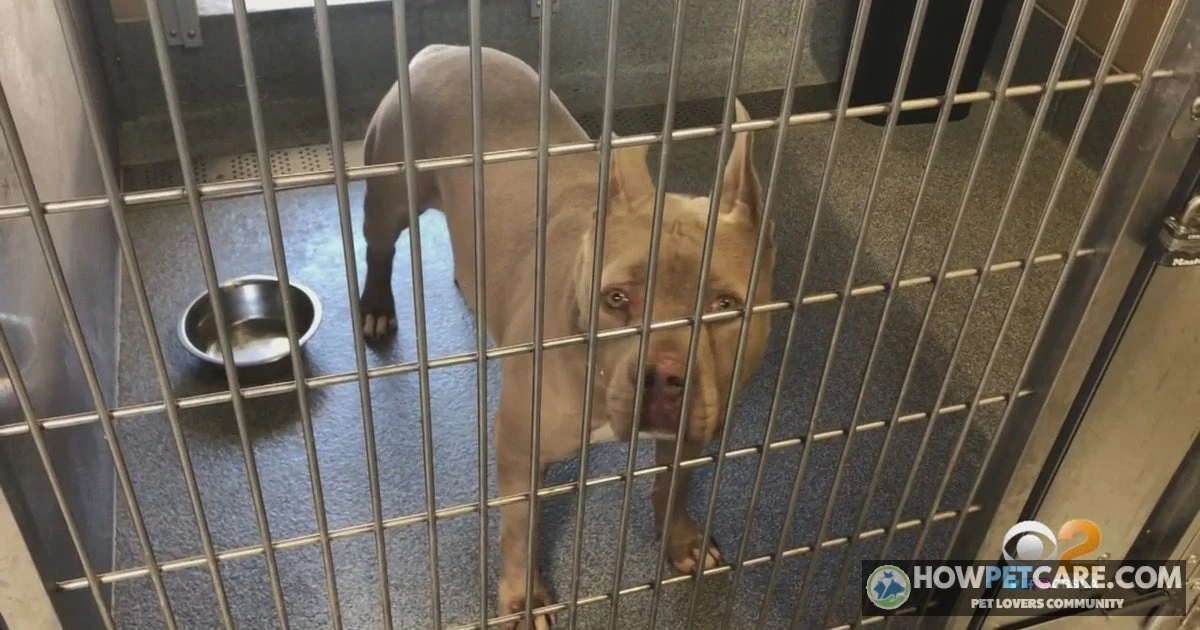
After an incident, authorities may investigate, and a dog may be placed under quarantine or subject to confinement, leash, muzzle, registration, or insurance requirements. Dangerous-dog designations commonly involve a process for notice and a hearing, and some jurisdictions provide an appeal. Exact procedures and consequences vary locally.
What happens to the dog after a serious bite
An incident does not lead to one automatic outcome. Authorities may require a rabies observation period, assess the circumstances and injury, and impose safety restrictions. Depending on local law and the severity and history of the behavior, outcomes can include continued management, rehoming under strict conditions, or euthanasia. Owners should cooperate with animal control, follow any safety order, and seek a veterinary assessment and qualified behavior help. Victims can ask the relevant agency how to obtain the incident report and what public-health steps apply.
Your dog-safety action plan: a checklist for families, owners, and walkers
Checklist for parents and families
- Keep infants and toddlers separated from dogs unless an attentive adult is within arm’s reach.
- Teach children to ask before approaching, leave eating or resting dogs alone, and never hug or climb on them.
- Give the dog a retreat space children cannot enter, and separate pets during meals and high-energy activity.
- If an unfamiliar dog approaches, teach children to stand still and call for an adult rather than running.
Checklist for current and prospective dog owners
- Arrange veterinary care when behavior changes; pain or illness can contribute to aggression.
- Socialize and train humanely, supervise interactions, and follow local licensing and leash laws.
- Keep rabies vaccination current and maintain secure containment.
- Choose a dog by its individual history and needs, not breed label alone; ask directly about bite history and behavior around children and other animals.
- Seek a veterinarian or qualified behavior professional at the first concerning behavior, and use management tools recommended for your dog.
If a bite just happened: a quick decision guide
Wash the wound with soap and running water, control bleeding, and cover it. Seek urgent care for deep wounds, bites to sensitive areas, impaired movement or sensation, or a higher-risk victim; call 911 for a severe emergency. Ask about rabies and tetanus assessment, report the incident to local animal control or police, and preserve photographs, witness details, and medical records. If there is an active threat or immediate danger, get behind a barrier and call 911.
For most people, the risk of a fatal dog attack is low, but the risk of a bite is real and uneven. Consistent supervision, space for dogs to retreat, and calm responses to warning signs make everyday life safer for people and dogs alike.
FAQ
Do dogs attack because they can smell fear?
There is no solid evidence that dogs attack because they smell fear. Running, screaming, or sudden movements can trigger a chase or defensive reaction, so staying still and calm is the safer response.
Are small dogs less dangerous than large dogs?
Small dogs can bite just as often, but their bites usually cause less serious injuries. Large dogs account for most severe injuries and fatalities because of their size and bite strength.
Are most dog bites from strangers’ dogs?
No. Most bites come from a dog the victim knows, such as the family dog or a neighbor’s or friend’s dog. This is especially true for children, which is why supervision matters even with a familiar pet.
Can temperament testing tell me whether a dog will bite?
Temperament tests have limited predictive power, and a dog can behave differently in a shelter and at home. The most useful information is the dog’s bite history, behavior in several settings, and an evaluation by a qualified veterinary behaviorist or trainer.
How soon does a dog bite wound show signs of infection?
Infection signs such as redness, swelling, warmth, pus, or fever can appear within 24 to 72 hours, and sometimes sooner. See a doctor promptly if you notice them, or right away for deep punctures, bites to the hands or face, or if you have diabetes or a weakened immune system.