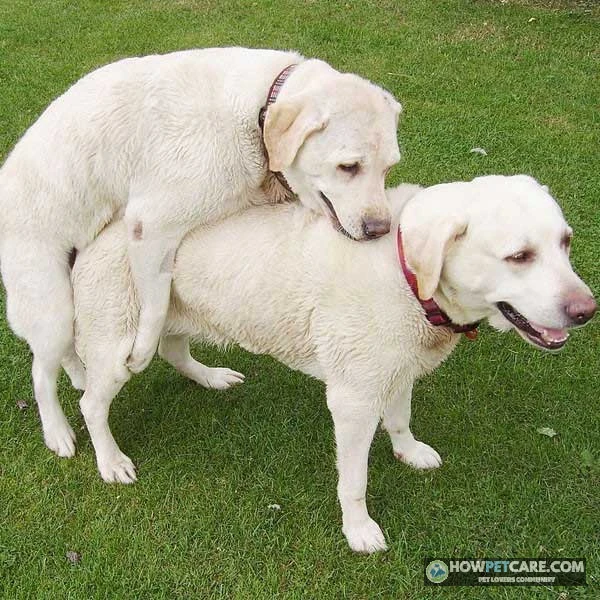

Dogs hump for several reasons—excitement, play, stress, sexual motivation, or a learned habit—not to dominate you. To reduce it, watch for triggers, calmly interrupt, and reward an alternative like going to a mat. New, persistent, or painful humping with urinary or skin changes needs a veterinary check.
Dog humping can be a response to excitement, play, stress, sexual motivation, or a learned habit. It isn’t a reliable sign that your dog is trying to dominate you. Dogs of either sex may hump, whether or not they’ve been spayed or neutered.
To reduce unwanted mounting, notice what happens just before it starts. Calmly interrupt when it’s safe, then reward a different behavior. If humping is new, persistent, painful, or accompanied by urinary or skin changes, contact your veterinarian rather than treating it as only a training issue.
Dog humping: first check for medical red flags
Mounting alone can’t tell you whether your dog has a medical problem. Discomfort from skin or urinary issues can occur alongside mounting, so pay attention to changes in behavior. This guide can help you decide what to do next, but it can’t replace a veterinary assessment.
A quick vet-or-training checklist
Work through these checks in order. If more than one applies, follow the most urgent route.
- Emergency veterinary care: Your dog can’t urinate, seems to be in severe pain, or has significant bleeding. Don’t wait for a training appointment.
- Contact a veterinarian promptly: You notice straining, frequent small urinations, blood in the urine, crying while urinating, or other signs of pain. A urinary tract infection is one possible cause, but only a veterinarian can assess what’s going on.
- Book a prompt veterinary visit: Humping starts suddenly in an adult dog, or you notice excessive genital licking, discharge, swelling, irritated skin, pain when touched, or mounting that’s unusually persistent and difficult to interrupt.
- Prioritize safety and professional help: Your dog freezes, growls, snaps, guards an object, or can’t be moved safely. Create distance without grabbing or punishing, then contact your veterinarian and a qualified behavior professional.
- Ask about specialist help: The behavior repeats in different settings, interferes with sleep or daily activities, causes injury, or keeps escalating despite management. Start with your veterinarian and ask whether a referral to a veterinary behaviorist is appropriate.
- Start tracking and training: Your dog otherwise seems well, humps occasionally in predictable situations, and can readily disengage. Arrange a routine veterinary check if the behavior persists or changes.

A dog that is trying but unable to urinate needs emergency veterinary care. Severe pain or significant bleeding also warrants emergency attention.
Why dogs hump: read the trigger, not just the movement
Dogs may hump for several reasons, and a single episode rarely reveals which one applies. Excitement, play, stress, sexual motivation, and learned responses can all play a part. Discomfort may be a factor, too.
Mounting is a behavior, not a diagnosis: what happens before and after matters more than the movement alone. A dog that humps during an intense greeting may need a quieter introduction. New mounting paired with genital licking calls for a veterinary assessment.
Is dog humping a sign of dominance? Don’t assume your dog is trying to be the “alpha.” Mounting another dog can happen during a social interaction, including when arousal is high or play skills are poor. It doesn’t establish a dog’s status or justify a confrontation.

| Possible driver | Common context or signs | First response |
|---|---|---|
| Excitement or play overload | Mounting starts during a busy greeting, wrestling, or frantic play; the dog may struggle to slow down. | Interrupt early, lower the activity level, and reward a break. |
| Stress or displacement | Humping follows a noise, unfamiliar visitor, restraint, or another uncomfortable event; the dog may look tense, turn away, yawn, or lick its lips. | Ease the pressure and give the dog space; don’t scold. |
| Attention-maintained habit | People consistently laugh, talk, push, or chase after the behavior, and mounting returns in similar situations. | Keep your reaction neutral, redirect safely, and reward an appropriate way to get attention. |
| Sexual motivation | An intact dog mounts around a dog in heat or shows other sexually motivated behavior. | Prevent access and discuss individual expectations for spaying or neutering with a veterinarian. |
| Possible discomfort | Mounting is new or happens with licking, urinary changes, discharge, irritation, or pain. | Contact a veterinarian instead of assuming it’s a behavior issue. |
| Possible compulsive pattern | Repetitive mounting is hard to interrupt, happens across settings, causes injury, or disrupts daily life. | Arrange a veterinary assessment and ask about behavior support. |
The table offers clues, not a home diagnosis. A dog may have more than one reason for humping. Body language and surroundings matter more than any single sign.
What the target and timing can tell you
If you’re wondering, “Why does my dog hump my leg?” consider what happened just before. A visitor arriving, a burst of play, or a long stretch without attention may be part of the pattern. A person’s leg is simply an available target; it doesn’t prove sexual intent or dominance.
Dog humping blankets and pillows can become part of a routine or get linked to a familiar object. A dog may keep choosing one pillow because of its texture, smell, or history, but the choice alone doesn’t tell you why. If you don’t want the behavior, limit access to the object while you teach an alternative.
A dog that seems to hump everything—or humps the air—may be responding to excitement, stress, or a practiced habit. Keep a record of when it happens. If air humping is new, persistent, hard to interrupt, or paired with licking or urinary changes, ask your veterinarian about it.

Attention-seeking or anxiety-driven displacement?
Attention-maintained humping may continue because people reliably respond, even if they laugh or scold. Stress-related displacement is different: the dog may mount when it doesn’t know how to cope with a difficult situation. Excitement and anxiety can both contribute, and a single episode can’t establish either one.
Look across several entries in a log. Does humping follow busy greetings or an uncomfortable event? What changes when you reduce pressure and give your dog space? Don’t deliberately upset your dog to test an idea. If the pattern remains unclear, share your observations with your veterinarian or a reward-based trainer.
Why female, neutered, and spayed dogs may still hump
Female dog humping is normal behavior. On its own, it doesn’t indicate a health problem or an attempt to dominate. Females may mount during play, excitement, stress, or sexual cycling. Spayed females and neutered males may hump, too; surgery doesn’t eliminate every motivation for the behavior.
What neutering can—and cannot—change
Neutering may reduce hormone-driven mounting in some male dogs, and the effect is generally more apparent in males than females. It won’t switch off excitement, stress, attention-seeking, or an established habit. A neutered dog that still humps may need the same trigger management and training as any other dog.
Available evidence doesn’t provide a reliable percentage for predicting whether surgery will stop an individual dog’s humping. A sound numerical comparison between males and females isn’t available here, either. The outcome depends on what motivates the behavior and on the individual dog.
Changes aren’t necessarily immediate after surgery: hormones don’t disappear overnight, and a learned behavior may continue after hormone levels fall. Rather than expecting a fixed deadline, ask your veterinarian about recovery, follow-up, and what’s reasonable for your dog’s age, health, and behavior. Continue humane management once your veterinarian says normal activity can resume.

Puppy humping versus new humping in an adult dog
Puppies may mount during play or excitement, even before sexual maturity. As a dog approaches puberty, hormones may become another motivation. Occasional puppy humping doesn’t automatically mean something is wrong, but gently interrupt if it bothers another dog or person.
Some dogs hump less as they mature or their circumstances change. Others continue, especially when the behavior has become well practiced. There’s no dependable age at which every puppy grows out of it. A sudden change in an adult dog deserves closer attention to health, routine, and stressors—even if an occasional, lifelong habit has never caused trouble.

What to do when puppies hump so much
Notice when play starts to get frantic. Call your puppy away for a brief, pleasant break, reward four paws on the floor, and offer a familiar activity before play resumes. Keep interactions short enough that both dogs stay comfortable, and make time for your puppy to rest.
If humping is frequent, hard to interrupt, or accompanied by irritation or urinary changes, contact your veterinarian. A reward-based trainer can also help you adjust play and teach an alternative before the habit becomes more established.
A step-by-step, no-punishment plan to reduce humping
The goal isn’t to make your dog feel bad about mounting. Prevent repeated practice, notice rising excitement sooner, and make an alternative behavior worthwhile. Don’t yell, hit, pin, or intimidate your dog. Punishment adds stress and doesn’t teach what to do instead.
Use the schedule below as a starting point, not a promise. Some dogs respond quickly in easy settings. A long-standing habit, frequent triggers, pain, or anxiety can slow progress. Address medical or safety concerns first.
Interruption → redirection → reinforcement
-
Week 1: Find the pattern and prevent rehearsals
Record when mounting happens, what it targets, and what came before. Use gates, distance, quieter greetings, and play breaks to reduce predictable triggers while you start teaching.
-
Weeks 1–2: Teach a neutral interruption cue
In a quiet room, say a word such as “this way” once. When your dog turns toward you, mark the response with “yes” and give a treat. Practice for a few minutes at a time, then gradually try it with mild distractions.
-
Teach a place to go
Place a mat on the floor. Reward your dog for approaching it, then for stepping onto it. Gradually reward staying there briefly before adding a cue such as “mat.” Practice without guests or exciting play first.
-
Weeks 2–3: Interrupt and redirect early
When you notice your dog’s usual buildup, use the practiced cue. As the dog disengages, guide it away to the mat or scatter a few treats on the floor to find. Reward the alternative, especially when the dog chooses to disengage without a cue.
-
Give a calm break if mounting resumes
If the dog quickly returns to mounting, calmly move it behind a gate or into a safe, quiet area when you can do so without conflict. A short break of about 1–2 minutes can pause play; allow more time if needed for the dog to settle. The break is management, not punishment.
-
Weeks 3–6 and beyond: Practice gradually
Repeat with manageable distractions before trying harder situations. Review your log weekly, reward early disengagement, and reduce the difficulty if your dog cannot respond. Increase access to guests or play only as your dog succeeds.
In a real encounter, it might go like this: your dog focuses on a guest’s leg; you say “this way”; your dog turns; you say “yes,” walk together to the mat, and reward. If your dog is already mounting and doesn’t respond, calmly create separation if it’s safe. Don’t repeat the cue or wrestle.
You may see improvement in a quiet room within days or a couple of weeks. Reducing a practiced habit in real-life situations may take several weeks or longer; setbacks don’t mean the plan has failed. These are planning estimates, not guarantees. If consistent work hasn’t brought meaningful improvement after a few weeks, the behavior increases, or interruption becomes unsafe, ask your veterinarian and a certified dog trainer who uses positive reinforcement for help.

If your dog notices a guest and then chooses to look away or go to the mat, reward that decision. You do not need to wait for mounting to start before practicing.
A trigger log to find the pattern
Keep the log somewhere handy, and include ordinary days as well as difficult ones. Estimate duration if you can’t time it safely; don’t delay separating dogs or people to complete an entry.
| Date and time | Target and setting | What happened just before | Dog’s behavior and duration | What the owner did | What happened next |
|---|---|---|---|---|---|
| Example: Tuesday, 6 p.m. | Guest’s leg, living room | Doorbell rang; guest entered | Jumped, then mounted briefly | Called dog away and rewarded on mat | Settled behind gate; no further attempt |
| Your entry |
After you’ve made several entries, look for patterns: a particular time of day, a noisy arrival, a certain stage of play, or an object left within reach. Use what you notice to arrange a break earlier next time. Take the log to a veterinary or training appointment if needed.

What to do when your dog humps a guest, child, or another dog
Plan ahead when possible. Have a gate ready, practice the mat cue before visitors arrive, and use a properly fitted leash under adult supervision if it helps you guide your dog safely. Don’t leave a leash attached to an unattended dog where it could snag. In the moment, focus on separation and safety—not perfect training.

Exact words and actions for the moment
A guest or another adult: Say, “Sorry—I’m giving the dog a quick break.” Ask the guest to stand still and avoid pushing, grabbing, or scolding. Use your practiced cue to call your dog away. If the dog is already wearing a leash and you can handle it safely, guide them away. Reward disengagement, then move behind a gate or to the mat. If mounting resumes, keep the dog separated while everyone settles.
A child or vulnerable person: Say, “I’ve got the dog—let’s give them space.” An adult should separate them promptly, using a barrier or safely handled leash where possible. Move the child or vulnerable person away if that’s safest. Don’t ask a child to push the dog off, hold its collar, or manage the interaction. Supervise future contact closely, and use a barrier when active supervision isn’t possible.
Another dog: Say, “Let’s pause play,” and call your dog away before the other dog has to respond. If a safe recall isn’t possible, use an available leash or barrier without reaching between dogs in conflict. Give both dogs time to settle. Resume only if both appear comfortable and willingly return to loose, mutual play. If mounting starts again right away, end the session. At a crowded dog park, leaving may be safer and simpler than trying to train through repeated excitement.
When interruption triggers a growl or snap
A growl is a warning, not proof that a bite will happen. Take it seriously: stop reaching toward the dog or its object. Don’t grab the collar, pin the dog, or punish the warning. Move people away and use a gate or door to create distance if you can do so safely. Don’t put your hands between dogs or attempt a leash grab that puts you within biting reach.
Contact your veterinarian and a qualified behavior professional before trying that interruption again. If someone is in immediate danger and you can’t safely separate them, seek local emergency assistance rather than escalating the confrontation yourself.
When humping becomes compulsive and needs specialist help
Occasional mounting with a recognizable trigger that stops readily and doesn’t distress anyone differs from a repetitive pattern that takes over a dog’s day. Repetition alone doesn’t prove a compulsive disorder. Still, seek an assessment if the behavior is prolonged, hard to interrupt, happens across situations, causes injury, or interferes with sleep, eating, or normal interaction.
Normal, medical, or compulsive: decision points
- Likely manageable behavior: Your otherwise well dog mounts occasionally during a predictable event and can disengage. Track triggers, prevent unwanted contact, and practice the training plan.
- Possible medical contribution: Mounting starts suddenly or comes with licking, urinary changes, skin irritation, discharge, swelling, or pain. Contact your veterinarian; urgent urinary signs need prompt care.
- Possible compulsive or serious behavior concern: Mounting is repetitive, escalating, hard to interrupt, injurious, or disruptive to daily life. Arrange a veterinary assessment and ask whether a referral to a board-certified veterinary behaviorist is appropriate.
- Safety concern: Growling, freezing, snapping, or guarding appears when you interrupt. Stop physical intervention, create distance, and involve your veterinarian and a qualified behavior professional.

Your veterinarian can look for possible pain, skin, or urinary contributors and help decide what to do next. For persistent compulsive patterns, severe anxiety, or safety concerns, a veterinary behaviorist can assess the full picture. Medication may be considered after veterinary assessment as part of an individualized plan, alongside management and behavioral support—not as a substitute for them.
| Possible Driver | Common Context or Signs | First Response | Urgency Level (Inferred) |
|---|---|---|---|
| Excitement or play overload | Mounting starts during a busy greeting, wrestling, or frantic play; the dog may struggle to slow down. | Interrupt early, lower the activity level, and reward a break. | Routine training/management |
| Stress or displacement | Humping follows a noise, unfamiliar visitor, restraint, or another uncomfortable event; the dog may look tense, turn away, yawn, or lick its lips. | Ease the pressure and give the dog space; do not scold. | Routine training/management |
| Attention-maintained habit | People consistently laugh, talk, push, or chase after the behavior, and mounting returns in similar situations. | Keep your reaction neutral, redirect safely, and reward an appropriate way to get attention. | Routine training/management |
| Sexual motivation | An intact dog mounts around a dog in heat or shows other sexually motivated behavior. | Prevent access and discuss individual expectations for spaying or neutering with a veterinarian. | Routine training/management |
| Possible discomfort | Mounting is new or happens with licking, urinary changes, discharge, irritation, or pain. | Contact a veterinarian instead of assuming it is a behavior issue. | Prompt veterinary assessment |
| Possible compulsive pattern | Repetitive mounting is hard to interrupt, happens across settings, causes injury, or disrupts daily life. | Arrange a veterinaryhttps://howpetcare.com/dog-humping/ assessment and ask about behavior support. | Prompt veterinary assessment |
FAQ
Why does my dog hump the air?
Air humping can occur with excitement, play, stress, or a learned mounting habit, but it can also accompany discomfort. Note when it happens and contact your veterinarian if it is new, persistent, difficult to interrupt, or paired with licking, pain, or urinary changes.
Is humping always sexual?
No. Dogs may hump during play, excitement, stress, or as a learned behavior, and the target alone does not establish sexual motivation. Timing and context are more useful clues.
Can my dog hump a particular pillow because of its smell or texture?
A specific pillow may have become a familiar, rewarding outlet or may be associated with a particular texture, smell, or routine. Track when your dog seeks it out, then manage access and redirect to a trained alternative if the behavior is unwanted.
Will a dog growling when interrupted bite?
A growl is a warning, not a guarantee of a bite, but it signals that the situation needs careful management. Stop reaching for the dog, create distance with a barrier, and get guidance from your veterinarian and a qualified behavior professional.