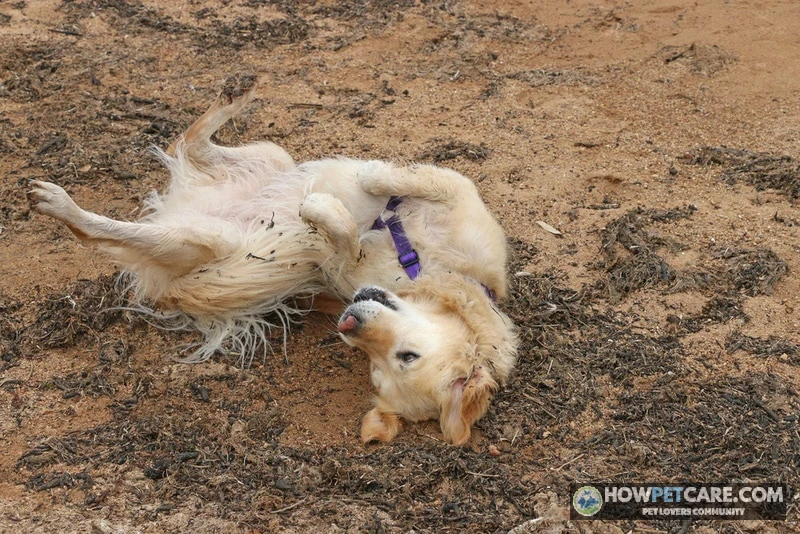

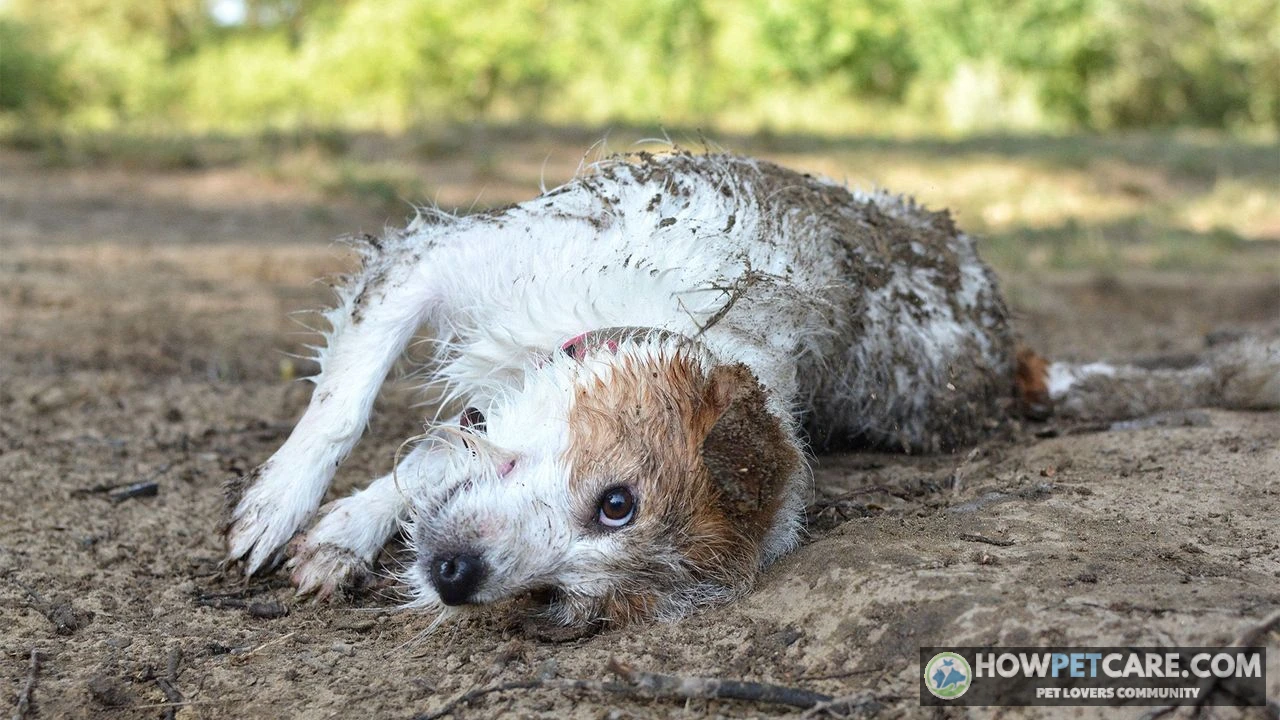
Nobody knows for sure why dogs roll on dead animals. The leading theories are scent sharing (carrying odors back to a social group), scent masking, scent marking, and simple enjoyment of the intense smell. An occasional carcass roll is normal canine behavior—clean the coat and monitor for signs of illness.
If you just watched your dog drop a shoulder and grind its neck into a rotting carcass, you may be feeling equal parts disbelief and nausea. But why do dogs roll on dead animals? Nobody knows for sure. Researchers have proposed that dogs may carry scent information back to a group, mask their own scent, mark an item with their scent, or simply enjoy the intense smell. An occasional carcass roll is almost always normal canine behavior, not proof of a medical condition, emotional trauma, or a sudden behavioral breakdown.
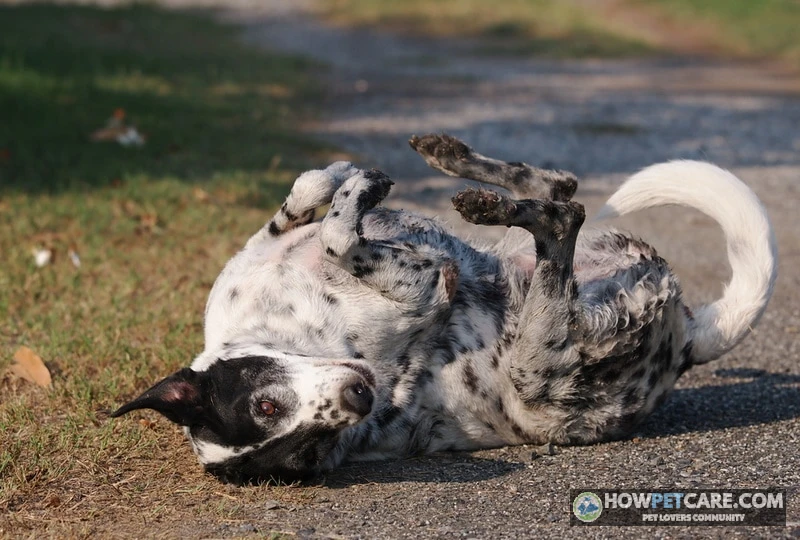
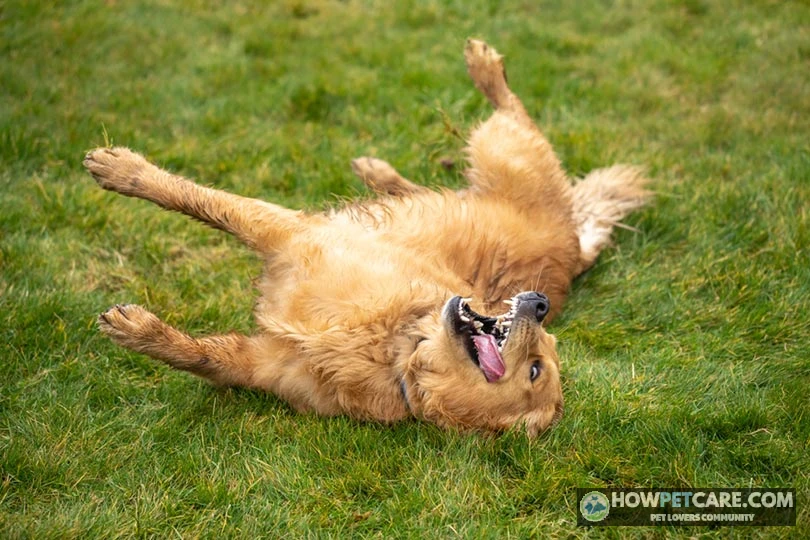
Veterinarians and animal behavior researchers call this scent rolling. A dog deliberately presses its body—most often the side of the face, neck, and shoulder—against a pungent surface, then slides across the ground with vigorous kicks. It’s different from the affectionate head-rubbing or body-leaning dogs direct at their owners. Rubbing against a person can communicate social bonding, deposit familiar domestic scents, or solicit petting. Carcass rolling targets concentrated, decomposing organic matter.
If your dog just rolled in a carcass, focus on containment: prevent it from licking the contaminated fur, keep it off carpets and upholstery, and head to the cleaning steps and health checks below.
How to Stop a Dog From Rolling on Dead Animals
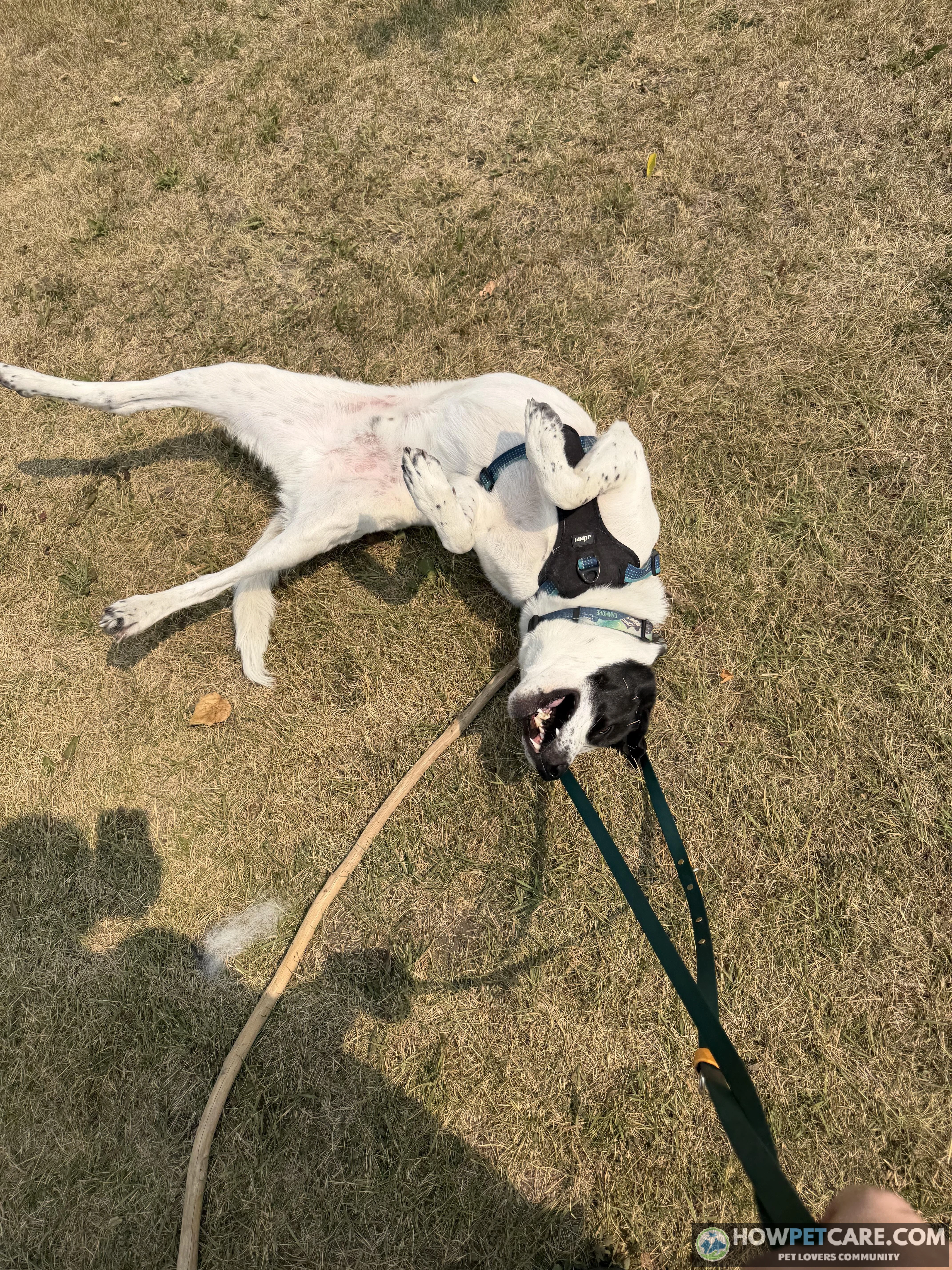
Prevention combines attention to your surroundings with responsive training. Once a dog is in mid-roll, the sensory reward is hard to compete with, so your best opportunity comes before its shoulder hits the dirt.
Start by scanning your yard, fence lines, and walking routes for dead wildlife, including birds, rodents, squirrels, and dried earthworms. Remove carcasses safely with heavy gardening gloves or an inverted plastic trash bag, and dispose of the remains in a sealed outdoor bin according to local wildlife ordinances. On walks through wooded areas, open fields, or rural trails where dead wildlife is common, replace loose off-leash roaming with a standard six-foot leash or a fifteen-foot biothane long line. That keeps exploration within reach.
Practice ‘leave it’ before encountering a carcass
Positive reinforcement can help you build a response strong enough to interrupt an instinctive behavior. Don’t use punishment, physical corrections, or shock devices. Positive reinforcement means adding a high-value motivator to increase a desired behavior. Punishing or scolding a dog around a carcass can create frustration, damage trust, or prompt the dog to grab the carrion and run off to swallow it whole.
Teach a reliable "leave it" in a low-distraction setting with everyday rewards before testing it around wildlife remains.
-
Step 1: Seed the cue with a low-value item
Hold a piece of plain dry kibble in your closed fist. Present your fist and stay silent while your dog sniffs, licks, or paws at your fingers. The split-second your dog pulls its nose back—even a single centimeter—mark the action with a clear word like "yes!" and feed a higher-value reward, such as roast chicken or freeze-dried liver, from your opposite hand. Repeat until your dog immediately pulls back when it sees your fist. Then say "leave it" as you present the fist.
-
Step 2: Graduate to floor-level items
Place a piece of low-value kibble on the floor and cover it securely with your foot or hand. As before, mark and reward the precise moment your dog disengages. Once it readily looks away, uncover the item. If your dog dives forward, cover it immediately without speaking. Repeat until your dog backs away within one second for five consecutive repetitions.
-
Step 3: Work past uncovered temptations
Set an uncovered treat on the floor and stand directly over it with your dog on leash. Reward every voluntary look-away. Next, walk your dog past the treat on leash, marking and rewarding generously whenever it passes without lunging or craning its neck toward the floor.
-
Step 4: Raise the stakes with pungent target smells
Introduce realistic, pungent odors by placing a piece of sardines, mature cheese, or a scrap of dried fish skin inside a ventilated plastic container. Practice at home, then in your enclosed yard, and finally on quiet outdoor paths. Keep your dog safely leashed throughout.
-
Step 5: Proof on daily outdoor walks
On walks, cue "leave it" at the first sign of scent interest—a locked gaze, stiff tail, or sudden directional pull—instead of waiting for physical contact. Give a generous, high-value reward every time your dog disengages.
Mark the moment your dog disengages, not the sniffing. If you cue "leave it" and offer a treat after your dog has grabbed or rolled on the item, you’ve inadvertently taught a "drop it" or "trade" protocol. Trading is useful, but prevention depends on rewarding the decision to turn away.
Interrupt the pre-roll sniff and reward the turn
Dogs show a brief sequence before scent rolling. It begins with intense, localized sniffing as the dog freezes over a single spot on the ground. Its ears typically angle forward, its body stiffens, and it pauses for a split second before bending its front legs and dropping one shoulder toward the ground.
Intervene during that focused sniff. As soon as you see your dog fixate on a patch of grass or dirt, give your "leave it" cue or a practiced recall whistle once, in a bright, upbeat tone. Take two quick steps backward from the object to encourage your dog to follow. The moment it turns its head and shoulders away from the scent, mark the movement and deliver an exceptional reward, such as string cheese, warm hot dog slices, or an energetic game of tug.
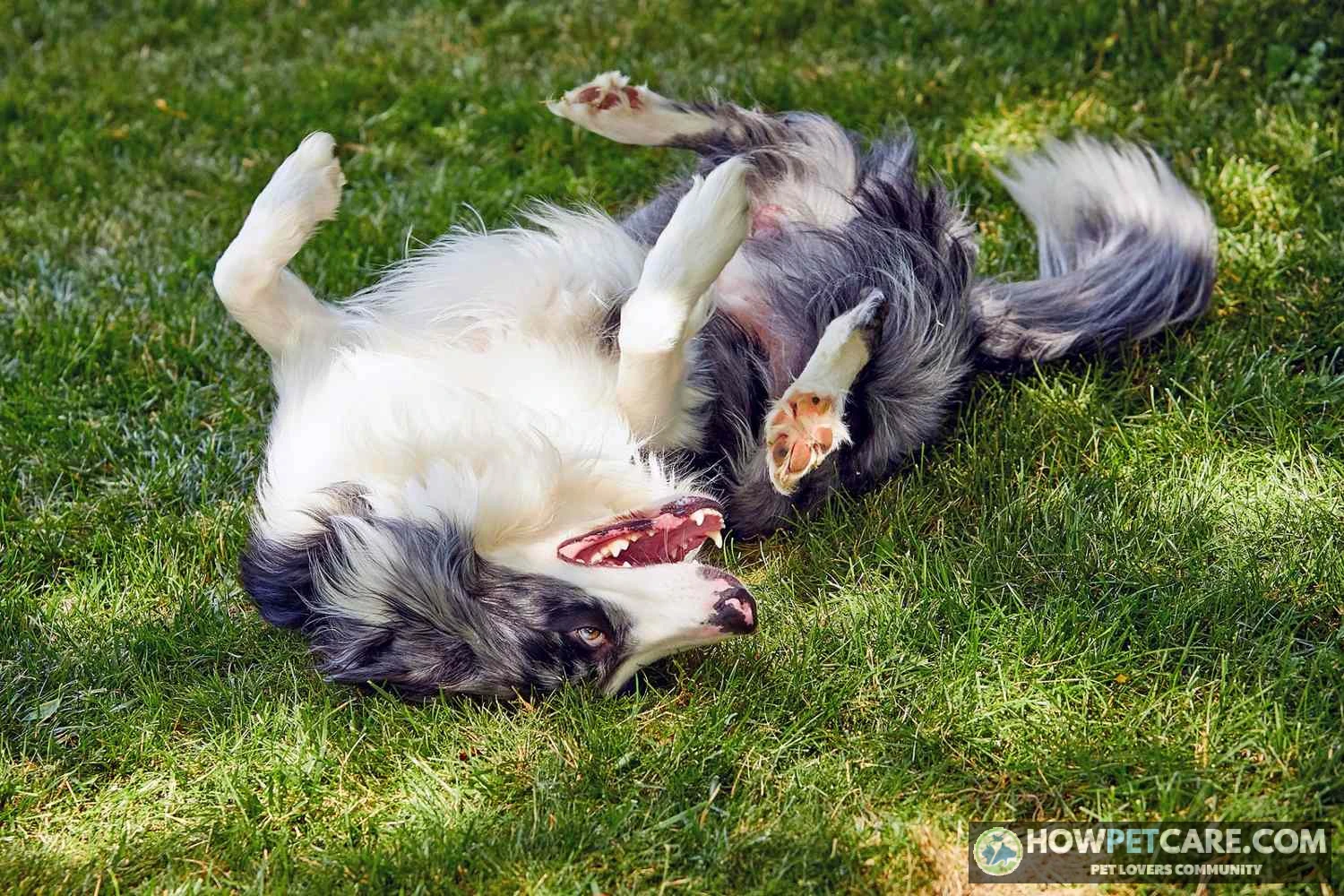
If the odor has your dog so absorbed that it doesn’t respond, don’t shout or pull aggressively. Step forward calmly, grasp the leash close to the collar or harness, and guide your dog away from the scent. Secure it, then make a note to practice at a lower difficulty level next time.
Scent-Rolling Theories: What Is Evidence and What Is Guesswork?
Dogs experience smells differently than we do. A domestic dog has roughly 300 million olfactory receptors in its nasal cavity, compared with an estimated 6 million in a human nose. That anatomical difference makes a dog’s sense of smell tens of thousands of times more sensitive than ours. Dogs perceive much of their world through chemical signatures, so an odor we find nauseating can contain a wealth of biological information for them.
Observing what a dog does, though, isn’t the same as proving why it does it. Scent rolling is widely recognized as an innate behavior rooted in the evolutionary heritage of wild canids like gray wolves. Popular accounts often present speculative evolutionary theories as fact. The four main theories below show what has been observed and what remains uncertain.
Scent sharing, scent masking and marking
| Proposed explanation | What observations actually show | Evidence status | What remains unproven |
|---|---|---|---|
| Scent sharing (carrying odors back to the pack) | Wolves at Wolf Park have been observed rolling in unusual smells (carrion, perfume, motor oil), and packmates actively sniff the scented wolf’s neck and face upon return. | Working hypothesis with observational support in captive wolves | Whether the conscious purpose is communication, and whether domestic dogs retain this specific pack function. No controlled experiments exist on domestic dogs. |
| Scent masking (olfactory camouflage to hide from prey) | Canids rub carcasses on their bodies. Popular culture assumes this conceals predator odor to aid hunting. | Popular but heavily disputed hypothesis | Lacks empirical proof. Renowned animal behaviorist Patricia McConnell disputes this, noting prey animals rely primarily on vision and hearing, and carnivores with layered scents are not magically undetectable. |
| Scent marking (depositing personal odor onto the item) | Dogs possess scent glands around their face and neck and deposit secretions when rubbing vigorously against objects. | Plausible mechanical side effect with untested purpose | Whether dogs roll with the explicit intent to claim an object, or whether scent deposition is merely an unintended mechanical byproduct of physical friction. |
| Simple sensory pleasure (hedonic olfactory reward) | Dogs voluntarily seek out pungent compounds, and sensory stimulation triggers neurological dopamine release, creating intrinsic positive reinforcement. | Consistent with neurobiological and behavioral observation | Whether dopamine release is the evolutionary primary driver of the behavior or simply an internal reward mechanism supporting another functional purpose. |
Each theory could explain aspects of canid behavior, but none has been experimentally verified in domestic dogs. Scent masking is widely cited on pet blogs, yet behaviorists have pointed out flaws in the idea. Dr. Patricia McConnell notes that prey species like deer and rabbits have extraordinary survival senses: they don’t simply ignore the sound, silhouette, and movement of an approaching predator because it smells like a rotting carcass. Predators also generally hunt downwind to keep their natural scent from preceding them, reducing the practical value of carrion-based camouflage.
Scent sharing has stronger observational support. Researchers and educators at Wolf Park in Battle Ground, Indiana, documented captive wolves coating their necks and shoulders in unfamiliar odors—including animal carcasses, mint extract, and perfume—before returning to the group. Pack members then investigate, lick, and sniff the scented area. Rolling may act like a mobile bulletin board, allowing a canid to bring sensory samples of distant resources back to the pack. But applying observations of captive wolf packs directly to a domestic dog rolling on a dead squirrel in a suburban backyard remains an unproven leap.
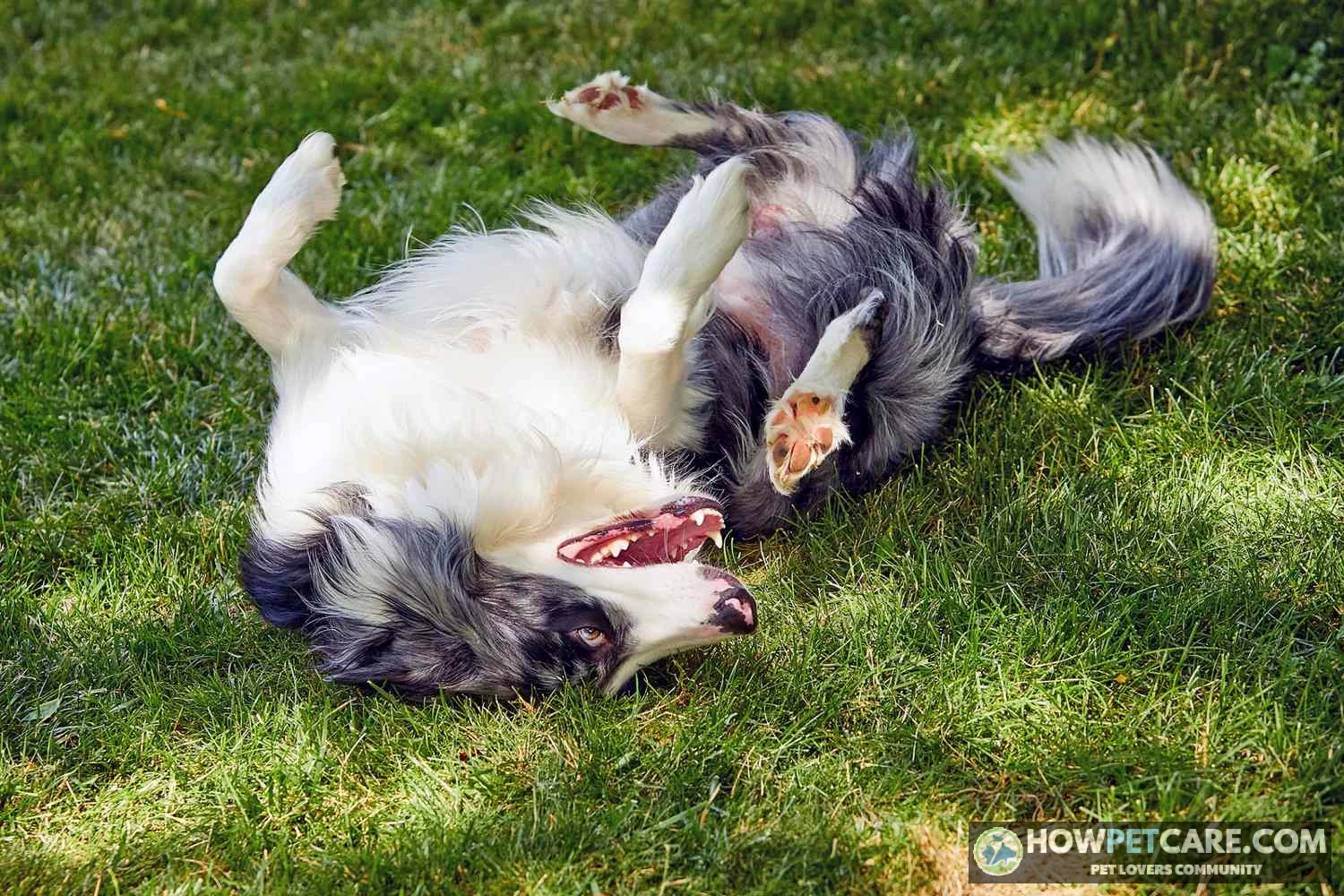
Territorial scent marking is another plausible hypothesis. When a dog rubs its cheeks, neck, and shoulders against an object, it leaves secretions from cutaneous sebaceous glands. Some ethologists speculate that dogs may be trying to overlay their individual scent on a novel discovery. Others suggest dogs may roll to replace artificial odors, such as synthetic flea treatments or floral grooming shampoos, with organic scents and restore their natural canine olfactory identity.
Sensory pleasure offers another explanation. Rolling in pungent odors stimulates sensory pathways that release dopamine in the canine brain, producing an immediate, self-reinforcing sensation of enjoyment. Rather than carrying out a calculated hunting strategy, a dog may simply find the experience satisfying.
What wolf observations can and cannot tell us about dogs
Studies of wild canids provide useful context, but they aren’t automatic substitutes for research on domestic dogs. A notable 2024 study of scent rolling in free-ranging and captive wolves provided detailed movement and contextual data, confirming that wolves preferentially apply pungent scents to their head and neck regions. The observations support the existence of the movement pattern, but the authors stop short of claiming that household pets roll for identical evolutionary purposes.
Thousands of years of artificial selection and domestication have reshaped dogs’ brains, social structure, and survival instincts. Wolves live in structured packs where collective food tracking is vital to survival; household dogs rely on humans for food. Wolf ancestry is an informative backdrop, not proof that a companion dog is trying to coordinate hunting routes or conceal itself from wild game.
 You might be wonderingWhy do dogs do?Why Do Dogs Do That? Weird Behaviors Decoded and When to WorryRead the answer
Can Rolling on a Carcass Make a Dog Sick?
It’s natural to worry about infection or poisoning after your dog rolls in carrion. The risk depends on the type of exposure, not simply on whether contact occurred.
Exposure routes: fur contact, licking and ingestion
The health risks depend on how pathogens or other hazards reach your dog:
- Intact fur and skin contact: A brief roll that leaves decomposing matter only on intact skin and a healthy coat presents the lowest biological risk. Pathogens generally can’t penetrate healthy, unbroken canine skin. The immediate concern is secondary contamination: a dog may transfer bacteria to its tongue while grooming, or family members—especially small children, older adults, or immunocompromised people—may touch the coat and ingest pathogens through hand-to-mouth contact.
- Licking and grooming: Licking contaminated fur can introduce bacteria into the digestive tract. Carrion often harbors pathogens such as Salmonella, Campylobacter, and Escherichia coli. A dog’s highly acidic stomach and short gastrointestinal transit time offer some natural resistance, but a significant bacterial load can still cause acute gastroenteritis, with vomiting, watery diarrhea, abdominal cramping, and dehydration.
- Active ingestion of tissues or bones: Chewing, biting, or swallowing parts of a carcass raises the risks considerably. Rotting matter can introduce dangerous bacterial endotoxins, including the lethal neurotoxin produced by Clostridium botulinum, which causes botulism. Swallowed bones can splinter and cause perforation or life-threatening blockages in the esophagus, stomach, or intestines.
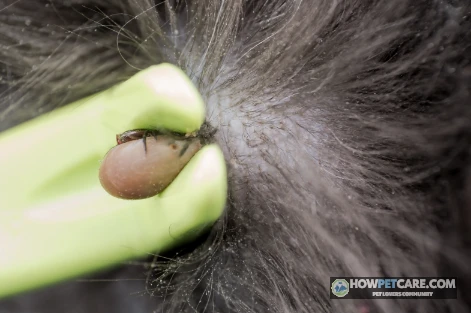
- Broken skin and external parasites: Bacteria can enter directly through an active hot spot, an open scratch, or a puncture caused by exposed skeleton fragments. That can lead to severe localized abscesses or systemic cellulitis. Dead animals can also leave fleas, ticks, and mites seeking living hosts. Ticks detaching from a carcass can latch onto your dog and transmit vector-borne diseases such as Lyme disease, anaplasmosis, or Rocky Mountain spotted fever.
- Secondary chemical poisoning: A carcass can also contain active chemicals. If a rodent, bird, or small mammal died after ingesting commercial rodenticides (anticoagulant rat poisons, bromethalin, or cholecalciferol) or agricultural pesticides, those agents may remain in its tissues. A dog that eats even a small portion of a poisoned carcass is at immediate risk of secondary toxicosis.
Carcasses, poop and garbage: different risk profiles
Dogs don’t limit scent rolling to dead mammals and birds. They may also target animal feces and rotting household waste. Although owners often group these habits together, the hazards differ.
| What your dog rolled in | Likely driver (all unproven) | Main health risk | Recommended response |
|---|---|---|---|
| Dead animal / carcass | Strong scent-rolling trigger; instinctual response to carrion odors | Bacterial enteritis (Salmonella, Campylobacter), ectoparasites (fleas/ticks), and lethal toxicity if secondary poisons or botulinum toxins are swallowed | Complete decontamination wash; 72-hour clinical observation; contact a vet if carcass tissue was ingested or open skin wounds exist |
| Animal feces (poop) | Attraction to digested metabolic proteins; attempts to mask natural scent or mark | Intestinal parasites (giardia, coccidia, roundworms, hookworms) and viral pathogens (parvovirus in unvaccinated dogs) via grooming | Targeted coat wash with degreasing dog shampoo; prevent self-grooming; consult a vet if diarrhea develops or parasite preventatives have lapsed |
| Household garbage / compost | Opportunistic scavenging behavior; attraction to high-fat food waste and decomposition | Mold mycotoxins (tremorgenic mycotoxins), foreign body obstruction (plastic wrappers, bones), pancreatitis from rancid fats | Inspect oral cavity and skin for punctures or glass cuts; full coat wash; immediate emergency veterinary care if moldy food was eaten |
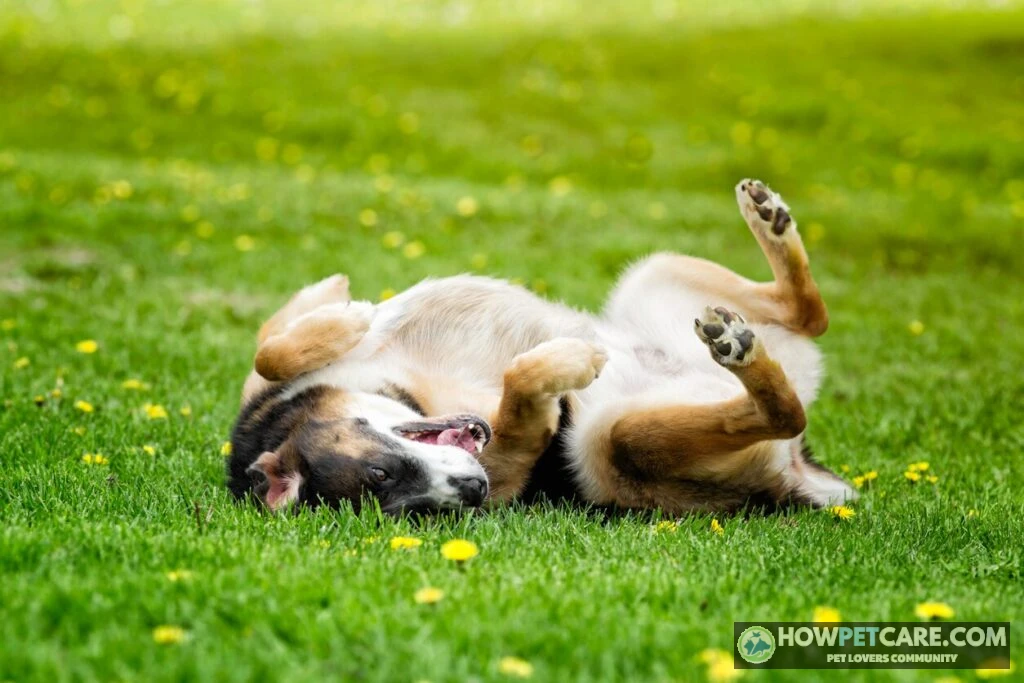
Rolling on an intact carcass carries minimal danger when contact is limited to healthy fur and followed by prompt washing. Ingesting or rolling in fresh animal feces, by contrast, carries high parasitic risks, while decomposing garbage can contain dangerous debris and toxic molds. Whether material was swallowed is a key distinction between routine hygiene and a potential veterinary emergency.
How to Clean and Deodorize a Dog After a Carcass Roll
A methodical cleanup can protect your home, your family, and your dog’s skin when its coat is covered in decomposing matter.
Supplies and first steps
Gather supplies before bringing your dog indoors or turning on the water:
- Heavy-duty disposable nitrile gloves (2–3 pairs)
- A secure leash
- Paper towels and plastic sealable grocery/trash bags
- Plain warm water and dedicated dog shampoo
- Baking soda (pure sodium bicarbonate)
- Clean, dry utility towels
- A wide-tooth metal comb
Never apply household disinfectants, chlorine bleach, essential oils, or undiluted human hair products to a dog’s skin. Bleach causes severe chemical burns. Common essential oils, including tea tree, pennyroyal, and eucalyptus, are toxic to dogs when absorbed through the skin or licked from fur. Tomato juice doesn’t work either: it coats the fur in an acidic red paste without breaking down the lipid-binding organic compounds responsible for the rotting odor.
Secure your dog on a leash right away. Take it to an uncarpeted area, such as an outdoor wash station, unfinished basement, or enclosed bathroom, and keep it away from carpet, bedding, children, and other pets. Wrap a temporary towel around its neck or fit an Elizabethan recovery collar (cone) to prevent self-grooming while you prepare the bath.
Wash, rinse and check the skin
This 20-minute decontamination protocol covers the cleanup while protecting sensitive facial tissues:
-
Step 1: Put on gloves and isolate the area
Put on nitrile gloves. Keep your dog on a non-slip surface, with the leash tethered or held securely by a second person. Contain the dog to avoid spreading carrion fluids.
-
Step 2: Perform dry manual debris removal
Before adding water, use paper towels and gloved hands to remove bits of fur, bone fragments, dried flesh, maggots, or soil from the coat. Seal the debris in a plastic waste bag immediately. Wetting the coat first can turn dry particles into a muddy slurry and drive decomposing oils deeper into the undercoat.
-
Step 3: Spot-rinse with lukewarm water
Use a handheld spray nozzle to direct lukewarm water only over the soiled patches, typically the side of the face, neck, shoulder, and chest. Keep water and runoff clear of the eyes, ears, nostrils, and mouth so pathogens don’t reach sensitive mucous membranes.
-
Step 4: Degrease with dog shampoo
Apply a generous amount of canine deodorizing shampoo or enzymatic dog shampoo directly to the wet area. Work the lather down to the skin and massage for a minimum of 3 to 5 minutes to lift and emulsify the organic fats carrying the odor. For severe, oily deposits, you may work a single small dab of plain, original Dawn dish soap into the neck or shoulder fur only—never near the head. Rinse thoroughly for at least 90 seconds to avoid drying the skin.
-
Step 5: Neutralize persistent odors with baking soda
If a distinct rotten odor remains after the initial soap rinse, make a gentle deodorizing rinse by mixing 3 tablespoons of pure baking soda into 1 quart of warm water. Pour it over the affected fur, work it through the coat, and let it sit for 3 minutes. Rinse completely with clear, warm water.
-
Step 6: Dry, inspect, and sanitize
Dry your dog thoroughly with clean utility towels. In good light, carefully check the exposed skin for ticks, scrapes, bite wounds, and raw abrasions. Launder used towels in hot water with detergent, sanitize the wash area thoroughly with household disinfectant, and dispose of your nitrile gloves. Scrub your hands with soap and hot water for 30 seconds.
If the skin looks severely red or inflamed, appears painful after washing, or still smells unbearable after two complete wash cycles, stop the home cleanup. Contact a professional groomer with commercial hydro-surge bathing equipment or consult your veterinary clinic rather than scrubbing the coat raw with harsh chemicals.
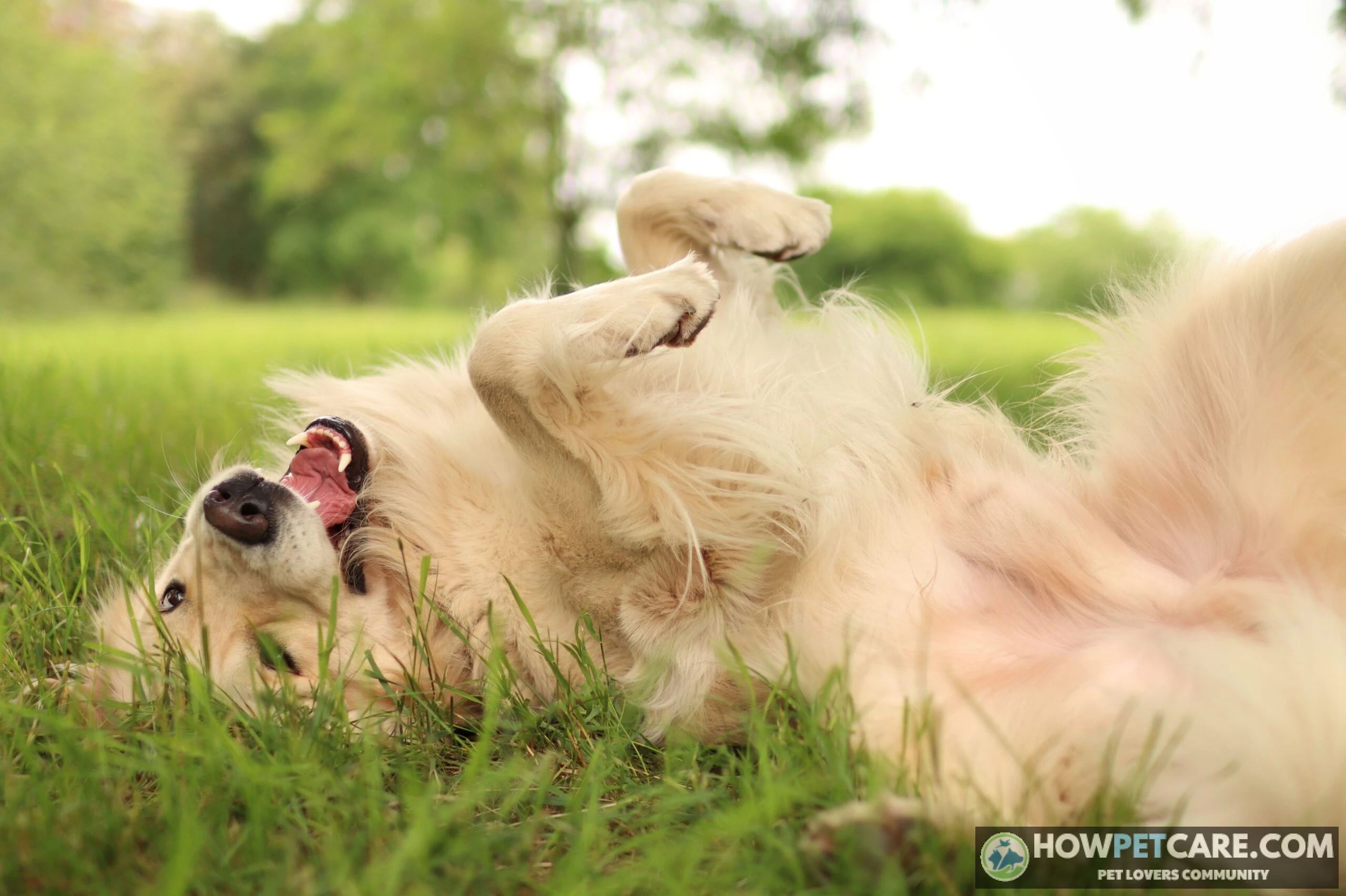
Which Dogs Roll More, and When Is It a Behavior Concern?
Almost any dog may occasionally roll on a dead bird or dried earthworm. Veterinary behaviorists and owners nevertheless note patterns in how often different dogs seek out the behavior.
Scent-oriented breeds with a strong natural prey drive roll more often. Hounds, such as Beagles, Bloodhounds, Bassets, and Coonhounds, have anatomically superior olfactory systems and an innate drive to track and interact with wild odors. Sporting and hunting breeds, including Labrador Retrievers, Golden Retrievers, Pointers, and Spaniels, as well as working Terriers such as Jack Russell Terriers and Fox Terriers, also tend to investigate pungent outdoor targets and drop their shoulders into them. These tendencies aren’t a definitive genetic ranking, but they reflect how working dogs interact with field odors.
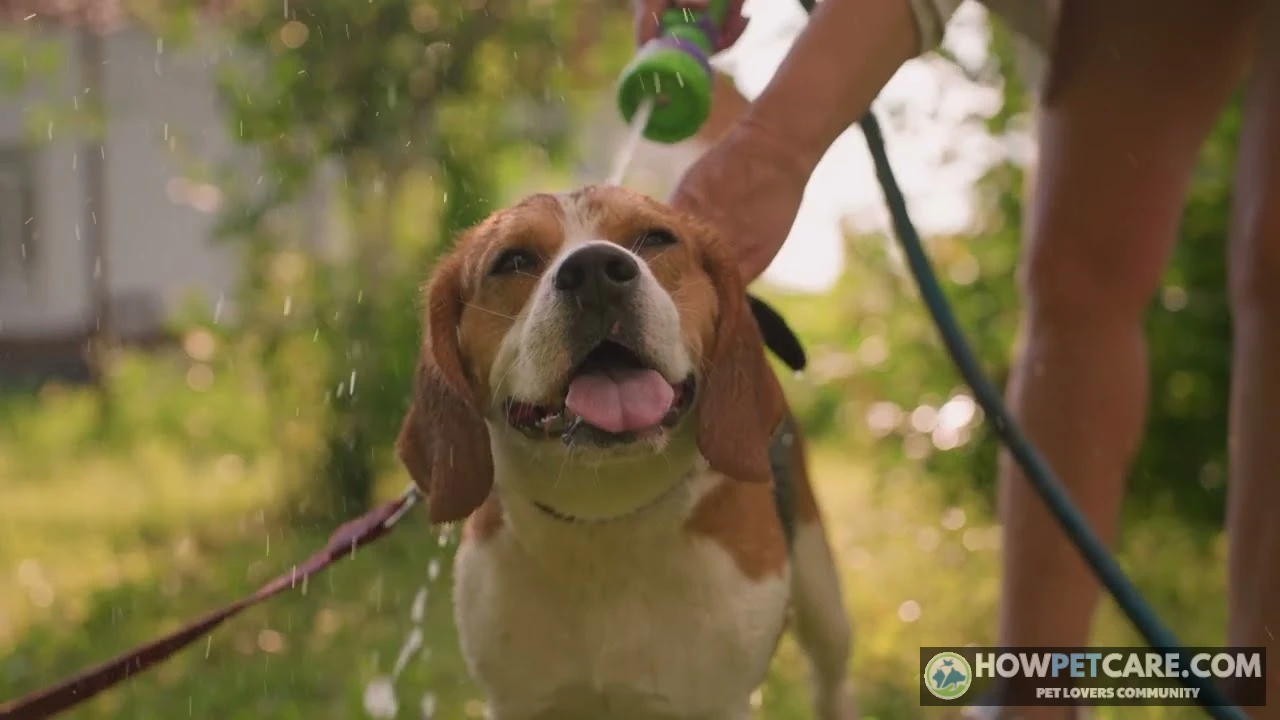
Age plays a part too. Puppies and adolescent dogs are often especially curious and explore outdoors with less impulse control than mature adults. As dogs grow older and receive consistent recall and impulse training, their urge to roll can often be redirected.
[Environmental Exposure / High Prey Drive]
                     │
                     ▼
        [Intense Pre-Roll Sniffing]
                     │
         ┌───────────┴───────────┐
         ▼                       ▼
[Normal Canine Rolling]   [Obsessive / Repetitive Behavior]
 - Occasional event        - Continuous pacing & distress
 - Easily interrupted     - Cannot be redirected with high-value cues
 - Returns to play         - Accompanied by frantic itching, scratching,
 - No skin inflammation      skin sores, or generalized pica
         │                               │
         ▼                               ▼
 [Standard Hygiene &]            [Veterinary & Professional]
 [Positive Training ]            [Behavioral Evaluation    ]
An occasional roll after encountering dead wildlife is standard dog behavior. Medical problems and compulsive patterns look different. Consider consulting a veterinarian or certified behaviorist if you notice any of these signs:
- Repetitive, frantic rubbing: A dog that constantly throws its face, neck, or body against carpets, furniture, or outdoor dirt without a specific dead scent present may have severe dermatological distress, such as atopic dermatitis, ear infections, cutaneous allergies, or flea allergy dermatitis.
- Uncontrollable fixation: A dog that enters a trance-like state and obsessively seeks decomposing items while ignoring environmental cues, high-value rewards, and human interaction may be experiencing chronic environmental stress, extreme boredom, or an underlying compulsive disorder.
- Co-occurring pica: Compulsively swallowing soil, rocks, decaying debris, and other non-food items alongside rolling is known as pica. It warrants a comprehensive veterinary workup to rule out gastrointestinal malabsorption, severe anemia, or endocrine disorders. Don’t try to diagnose a behavioral disorder without professional veterinary input.
After a Carcass Roll: When to Call the Vet and What to Do Next
Most encounters end once the dog is clean and the owner has recovered some peace of mind. Still, decomposing wildlife can carry pathogens, parasites, and chemical toxins, so watch your pet closely over the next few days.
Use this 72-hour clinical checklist to match the exposure to the appropriate action:
| Exposure or sign | Recommended action | Urgency |
|---|---|---|
| Fur contact only; skin intact; zero ingestion; dog alert and playful | Execute the 20-minute decontamination wash protocol; inspect for ticks; monitor appetite and stool for 72 hours | Non-urgent / Routine home care |
| Visible ticks, fleas, or minor unbroken skin irritation found during bathing | Remove parasites with fine-tipped tweezers; apply vet-approved parasite control; monitor skin | Call vet within 24–48 hours |
| Animal was licked, carried in mouth, or partially chewed; teeth/mouth touched carcass | Clean coat and flush mouth with fresh water; call vet clinic for guidance; initiate strict 72-hour monitoring | Call vet same day |
| Broken skin, animal bites, bleeding puncture wounds, or embedded skeletal fragments | Cleanse wound gently with warm saline; prevent self-licking; visit veterinarian for wound care and antibiotics | Same-day veterinary visit |
| Confirmed ingestion of bones or soft tissues; carcass found near active rodent poison bait stations | Contact animal poison control or emergency vet clinic immediately; do not induce vomiting unless instructed | Immediate veterinary emergency |
| Emergence of clinical signs: persistent vomiting, bloody diarrhea, extreme lethargy, fever, trembling, or seizures | Transport dog directly to the nearest 24-hour veterinary emergency facility | Immediate life-threatening emergency |
If you need to call your veterinarian, record the details of the encounter first. Note the exact time and date, the location (suburban lawn, agricultural field, hiking trail), and the animal species if you can identify it (rodent, bird, fish, deer). Tell the triage staff whether your dog is current on core vaccinations, especially rabies and leptospirosis, and confirm the date of its last veterinary-grade flea and tick preventative.
Your dog’s instinct to roll in decomposing matter may be unpleasant, but it reflects an ancient behavior. A calm cleanup, careful observation for health changes, and positive reinforcement training can help you manage the habit and keep your dog safe on future walks.
 You might be wonderingWhy do dogs kick after pooping?Why Do Dogs Kick After Pooping? Normal Marking vs. ProblemRead the answer
FAQ
Why does my dog roll on dead worms or fish?
Dead worms and fish produce strong odors that may attract scent rolling, but the precise motivation is not established. Prevent licking or eating them, clean the coat and contact your vet if ingestion or symptoms are a concern.
Does rolling on a dead animal mean my dog wants to eat it?
Not necessarily: rolling and eating are different behaviors, and one does not prove the other will follow. Interrupt access because some dogs may also lick or eat the remains.
Should I punish my dog for rolling in something smelly?
No. Punishment after the roll is unlikely to teach the dog what to do instead and can damage trust. Prevent access where possible and reward an early response to a practiced cue.
Why does my dog roll in smelly things right after a bath?
Some ethologists suggest dogs roll to overlay artificial odors—like floral shampoos or synthetic flea treatments—with organic scents and restore their natural canine smell, though this remains unproven. Switching to a mild, unscented dog shampoo may reduce the urge.