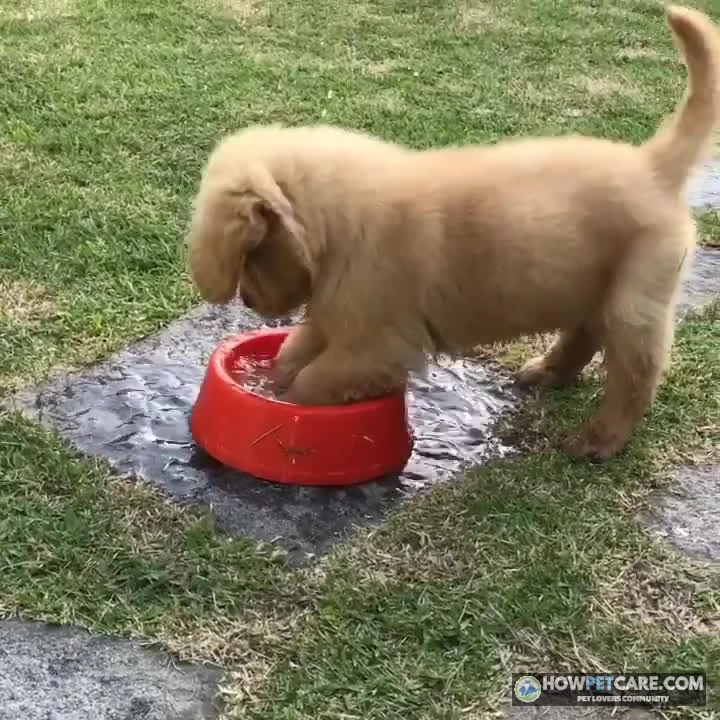

Most puppies dig in their water bowl out of play, curiosity, instinct, boredom, or attention-seeking — it’s rarely a health problem on its own. To stop it: match the cause to a heavy ceramic, weighted, or no-spill bowl, offer a splash tray or digging box as a legal outlet, and calmly interrupt and redirect. Call the vet only if digging comes with constant drinking or frequent urination.
Why Your Puppy Digs in the Water Bowl, and What to Do First
For most puppies, pawing and splashing in the water bowl is normal play, curiosity, or instinctive digging. On its own, it’s rarely a health problem. If your puppy also drinks constantly and urinates very frequently, see the medical section later in this article. Otherwise, start by matching the behavior to a likely cause, then choose a bowl and redirection plan that address it. You’ll also find weight-based water amounts and an age-based checklist to help you decide when to call the vet.
Puppies often treat their water bowl like a toy. Water makes sounds and reflects light, while a swipe of the paw creates splashes that are fun to watch. Some puppies may dig to test the water’s depth or surface, tapping into an ancestral urge to prepare a drinking spot. Others splash out of boredom or to get your attention. If you react every time, the bowl can become a game. In a small number of puppies, excessive pawing overlaps with polydipsia (drinking far more than normal), which can signal metabolic conditions such as diabetes, kidney disease, or Cushing’s disease. These conditions are uncommon in puppies under six months.
Three first moves can help most households right away:
- Use a heavier or anchored bowl. A ceramic or weighted bowl resists tipping when a puppy paws at it.
- Place a mess mat underneath. A silicone mat with a raised lip contains splashes and protects your floor.
- Observe and note when the behavior happens. Look for a pattern after naps, after play sessions, or when you’re busy. Those clues can help you choose a fix in the sections that follow.
If you measure your puppy’s 24‑hour water intake above roughly 100 ml per kilogram of body weight, or notice new accidents, lethargy, weight loss, or a sudden change in appetite, talk with your vet. Otherwise, you can try the management plan below. Playful splashing is usually just a phase.
Why Puppies Dig, Splash, and Tip Over Their Water Bowls (and the Fix for Each Cause)
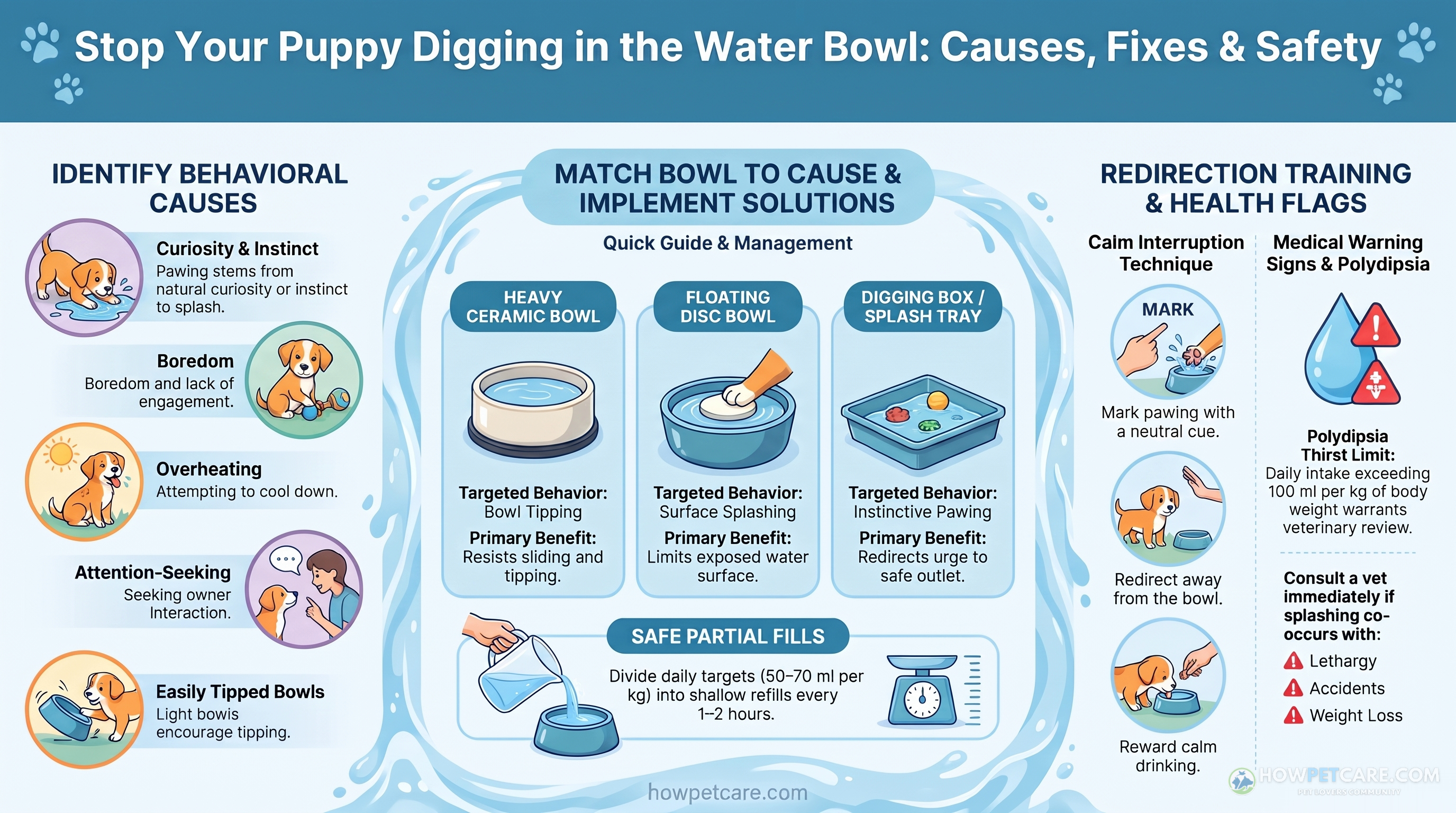
Puppies dig, splash, and tip their bowls for several reasons. The signs below can help you identify what your puppy is doing and choose a fix that fits.
Play and curiosity
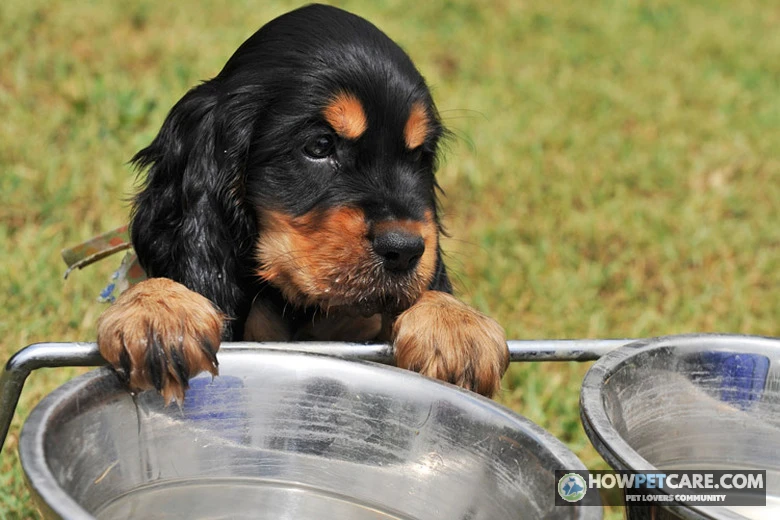
Puppies are naturally inquisitive. A water bowl on the floor is a novel object: the water moves, makes sounds, and reflects light. A puppy who paws at the surface is often investigating cause and effect: "If I push here, splash happens." This is most common in puppies under twelve weeks of age.
Signs: The puppy paws gently, often after a nap or when first waking. The bowl may slide a few inches, but the puppy usually loses interest after a few swipes.
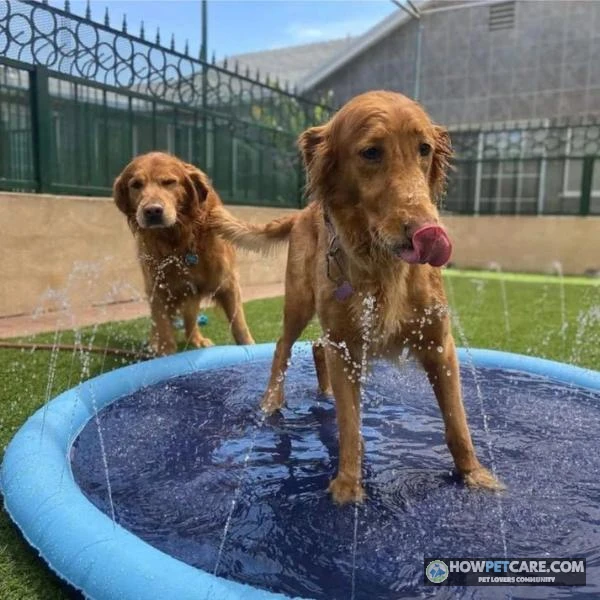
Fix: Provide a stable ceramic or weighted bowl and a mess mat to contain the water. You can also offer a separate, shallow "splash tray" outdoors, giving your puppy somewhere to splash without soaking the kitchen floor.
Instinctive digging and pawing
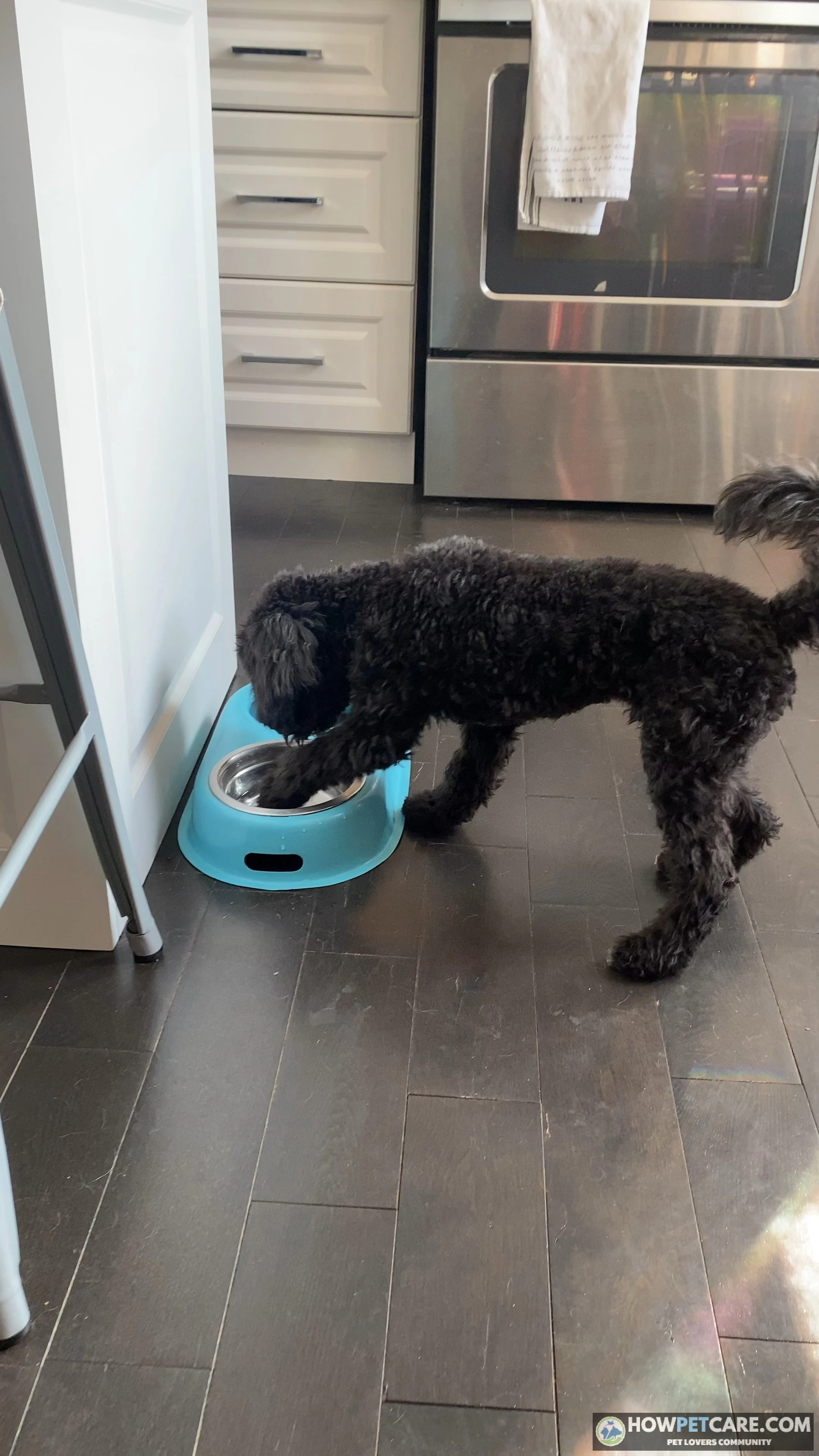
Before dogs were domesticated, wild canids would scratch at the ground to uncover a hidden water source or create a shallow depression that kept water from spilling. Some puppies retain this instinct, especially when the bowl is shallow or has a large water surface.
Signs: The puppy repeatedly pushes a paw at the bowl’s rim or bottom, sometimes scratching at the floor beside it. This may happen regardless of how much water is in the bowl.
Fix: Give your puppy another outlet for digging. A small digging box filled with safe substrate, such as shredded paper or puppy‑approved sand, can redirect the behavior. Pair it with a no‑spill bowl that exposes less of the water surface.
Boredom and a need for enrichment
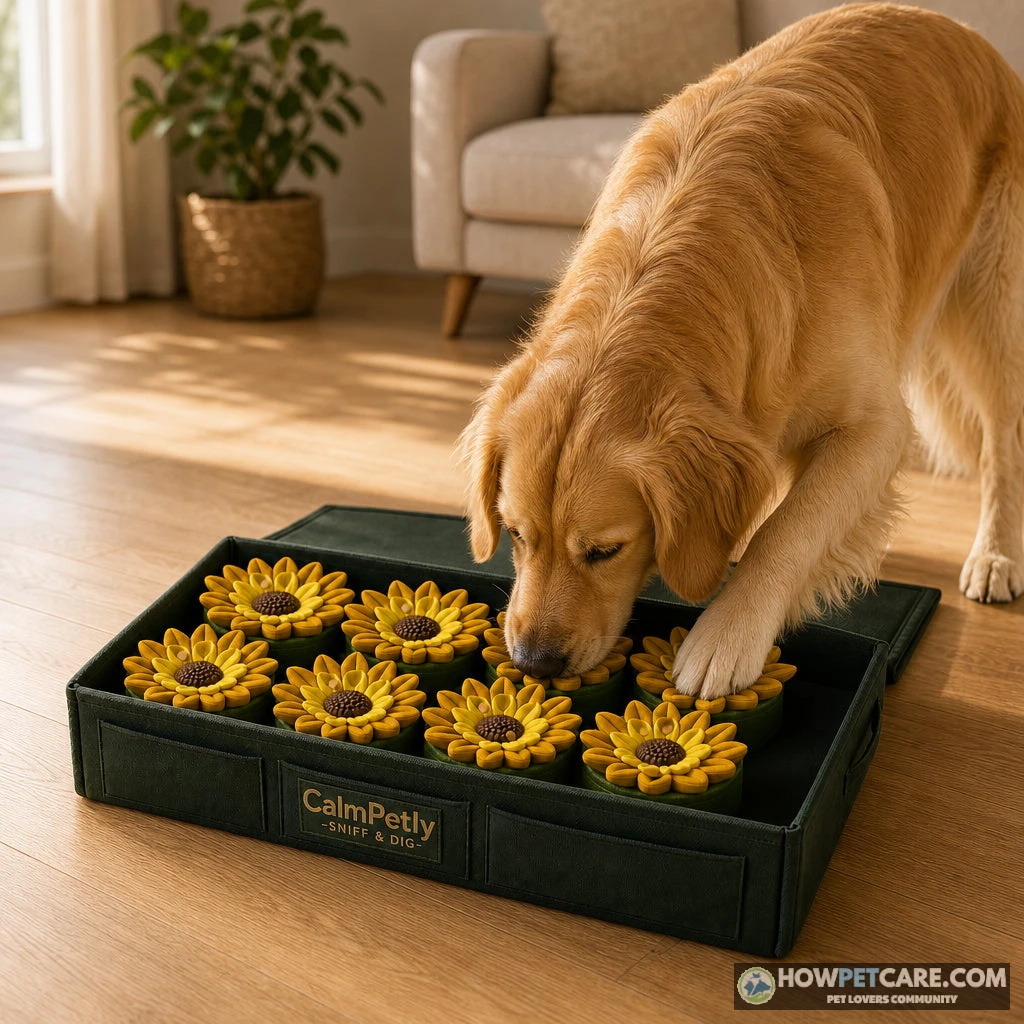
A puppy without enough mental and physical stimulation may turn everyday objects into entertainment. The water bowl is always available and responds to a playful paw, making it a tempting toy.
Signs: Splashing peaks when the puppy has been alone for a while, after a period of minimal activity, or when the owner is preoccupied. The puppy may also chew the bowl rim or drag toys to the bowl.
Fix: Increase daily enrichment. Short training sessions, puzzle feeders, scent games, and 15‑minute play bursts spaced throughout the day can make boredom‑driven splashing less likely. Rotate toys so the bowl feels less novel.
Attention‑seeking
If an owner looks, talks, or laughs every time a puppy paws the bowl, the puppy can learn that splashing brings attention. Even a negative reaction is still attention.
Signs: The puppy looks at you immediately after splashing, or paws the bowl specifically when you’re on a phone call or busy with chores.
Fix: Use a calm, neutral interruption (see the "Calm Interruption Technique" walkthrough later in this article). Don’t scold or splash back. Instead, interrupt and redirect your puppy to a toy or chew, then reward calm drinking.
Heat and cooling off
On warm days, a puppy may step into or paw at the water bowl to cool down. This is more common in breeds with thick coats or brachycephalic breeds that overheat quickly.
Signs: The puppy steps fully into the bowl, lies partially in it, or paws at the water on a hot afternoon. The behavior often stops once the puppy moves to a cooler spot.
Fix: Offer shade, a cool tile floor, and a separate shallow splash pool outdoors in hot weather. Keep the drinking bowl in a cooler part of the house, away from a sunny window or heating vent.
Why puppies tip the whole bowl
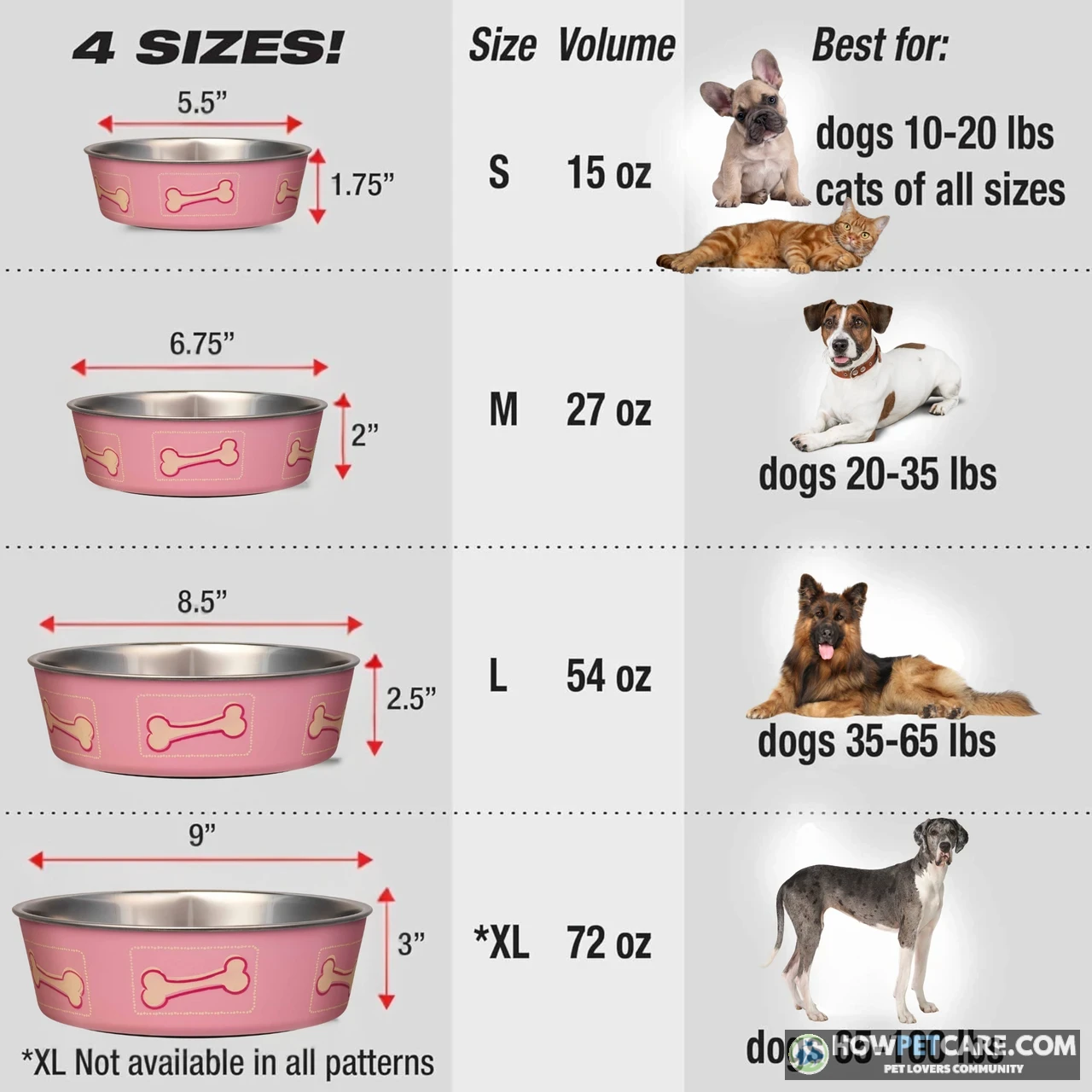
The most common cause of a full‑bowl spill is a light bowl that slides or tips when a puppy pushes on its rim. Bowls too small for the puppy to stand in comfortably can also encourage tipping if the puppy tries to use the bowl as a step.
Signs: The entire bowl flips over, often leaving all the water on the floor. This frequently happens during excited moments, such as right after mealtime or when the owner returns home.
Fix: Choose a bowl with a wide, heavy base or clip it to the side of a pen. A non‑slip mat or weighted ceramic bowl can also resist tipping when a puppy leans on it. If your puppy chews the rim, a stainless‑steel bowl with a non‑detachable base is a safer option.
A short self‑diagnosis cue for each cause
| Cause | When it happens | What the puppy does just before | What the puppy does after |
|---|---|---|---|
| Play/curiosity | After naps, first thing in the morning | Stares at bowl, lifts a paw | Loses interest after a few swipes |
| Instinctive digging | Regardless of time | Repeatedly pushes paw at rim | May scratch at floor |
| Boredom | After long periods alone | Chews toys, drags items to bowl | Returns to bowl repeatedly |
| Attention‑seeking | When owner is busy | Looks at owner after splash | Owner reacts, reinforcing behavior |
| Heat | Hot afternoon, after exercise | Steps into bowl, lies in water | Moves to cooler spot |
| Tipping | Light bowl, excited moments | Pushes rim, bowl slides | Whole bowl flips, water on floor |
The Best Water Bowl for a Puppy That Digs and Splashes: Matching Bowl Type to Cause
The right bowl can reduce splashing and tipping, but no single bowl stops the behavior on its own. This table compares five common types, the causes they address, and their trade‑offs.
| Bowl type | Best for which cause | Pros | Cons | What it won’t fix |
|---|---|---|---|---|
| Stainless steel (standard) | Baseline pick for any cause; hygiene | Cheap, nearly indestructible, dishwasher‑safe, light to move | Light weight means it slides and tips easily; noisy when pawed | Tipping, splashing, or paw‑play on its own |
| Heavy ceramic | Puppy who tips or pushes the bowl | Hard to tip, stays put, slow to scratch | Can crack or chip (sharp edges); must be lead‑free glazed; heavier to clean | Splashing — water can still fly even if the bowl stays put |
| Weighted / non‑slip base | Tipping, pushing, and "bowl hockey" | Resists tipping and sliding on hard floors | Some have removable rubber rings a puppy can chew off; still fully splashable | Boredom or attention‑seeking digging |
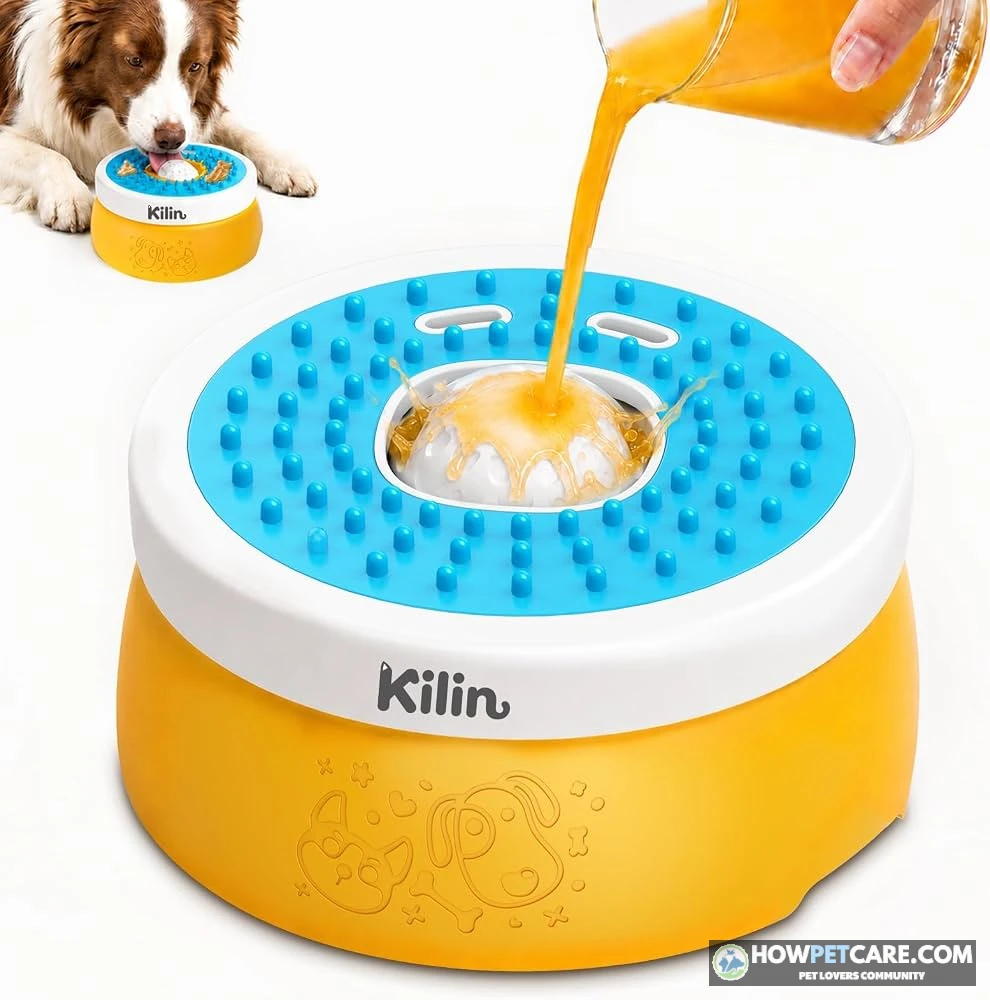
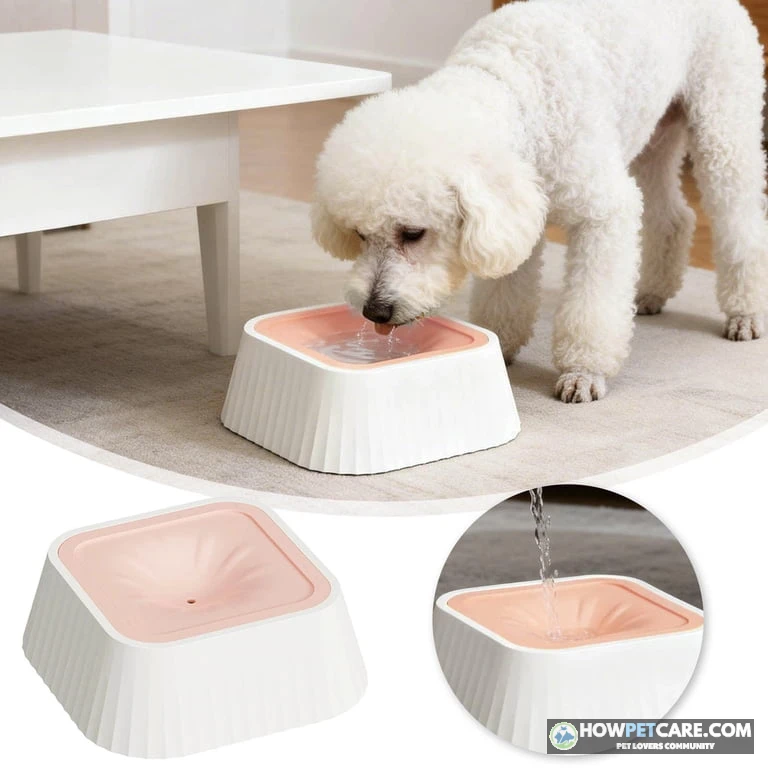
| No‑spill / floating disc | Splashing and paw‑dipping | Exposes only a small water surface, so paws stay drier; slows gulping | More parts to disassemble and wash; some puppies chew the disc; a few figure out how to press it down for fun | The urge to dig — the puppy may just work harder at it |
| Water fountain | Encouraging drinking in puppies who like moving water | Fresh circulating water; some puppies drink more | Moving water can invite more play in diggers; cord is a chewing hazard; pump needs regular cleaning | Digging — often makes paw‑play worse; supervise early use |
Honest note: No bowl stops the behavior by itself. Choose one that limits your puppy’s particular move—tipping, splashing, or dipping—and pair it with the redirection plan to help the urge fade.
How Little Water Can You Leave in the Bowl? Safe Amounts That Don’t Risk Dehydration
The popular advice to "just put less water in the bowl" only works if you still meet your puppy’s daily hydration needs. Here’s the math for partial‑filling safely.
Daily water math for your puppy’s weight
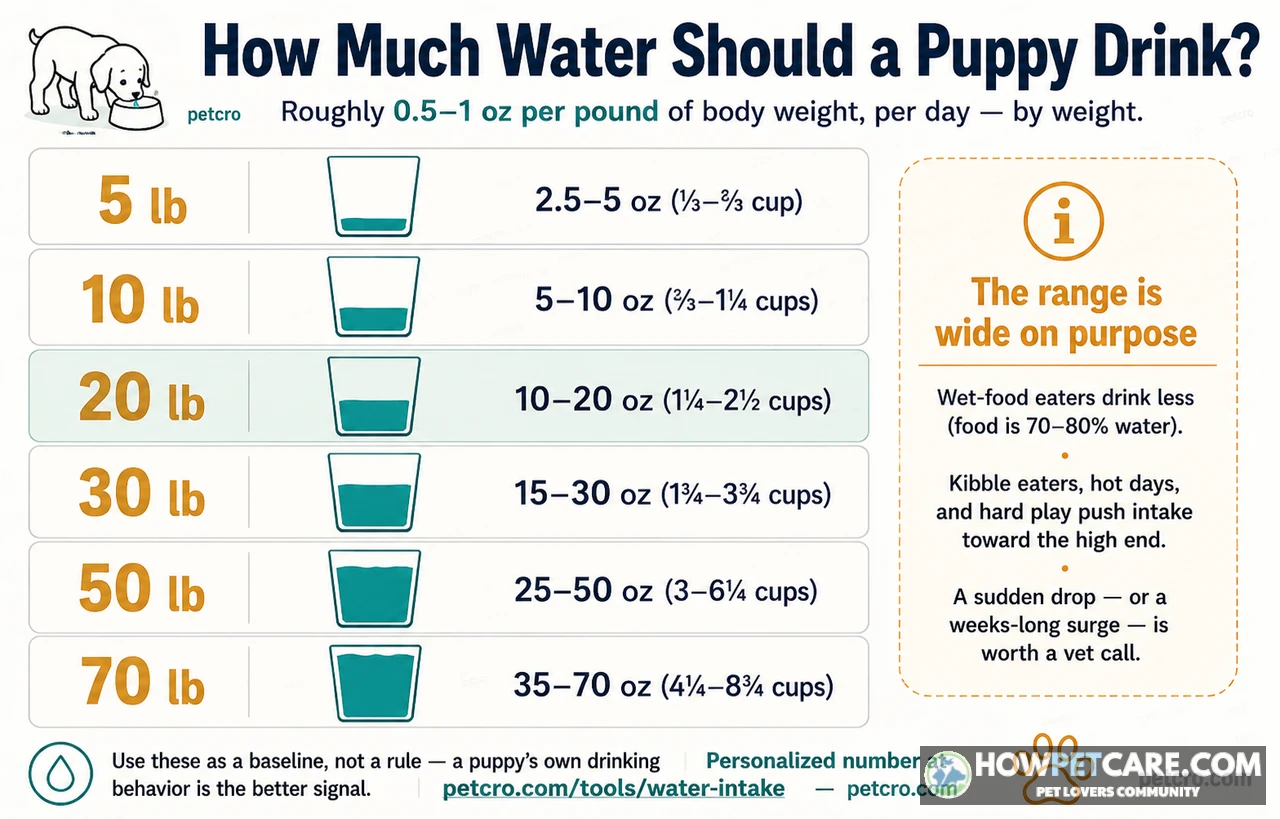
Veterinary guidelines suggest that adult dogs drink roughly 50–70 ml of water per kilogram of body weight per day. Puppies, active puppies, warm weather, and dry kibble can push this range higher. Use the examples below to calculate a daily target for your puppy’s weight.
Worked examples by weight
| Puppy weight (kg) | Low end (50 ml / kg) | High end (70 ml / kg) |
|---|---|---|
| 3 kg (≈ 6 lb) | 150 ml / day (≈ 0.6 cup) | 210 ml / day (≈ 0.9 cup) |
| 5 kg (≈ 11 lb) | 250 ml / day (≈ 1.1 cup) | 350 ml / day (≈ 1.5 cup) |
| 8 kg (≈ 18 lb) | 400 ml / day (≈ 1.7 cup) | 560 ml / day (≈ 2.4 cup) |
| 10 kg (≈ 22 lb) | 500 ml / day (≈ 2.1 cup) | 700 ml / day (≈ 3.0 cup) |
A standard stainless‑steel bowl holds 300–500 ml when filled to the brim. Even a modest splash can empty it in a single session.
Partial fills done safely
Instead of one full bowl, offer several small refills throughout the day. For example, a 4 kg puppy’s daily target of 280 ml (high end) can be given as ≈ 60 ml (¼ cup) fills every 1–2 hours while someone is home. That’s roughly 4–5 refills across the day, totaling 240–280 ml if the final refill is smaller. A 60 ml fill is deep enough to drink from but too shallow to dig in effectively, reducing splashing without risking dehydration.
How to implement:
- Measure your puppy’s weight.
- Multiply by 50–70 ml to get the daily range.
- Divide that number by the number of waking hours you can supervise (typically 8–10 hours). The result is the refill amount per interval.
- Set a timer or link refills to routine events, such as after each nap, play session, or meal.
- Refresh the water at each refill rather than just topping up stale water.
Signs the puppy isn’t getting enough
Watch for these dehydration cues, especially during the first few days of partial‑fill management:
- Dry or tacky gums
- Low energy or lagging behind on walks
- Sunken eyes
- Skin that is slow to spring back when gently lifted at the scruff
If you see any of these signs, increase the daily volume immediately and consult your vet. A measured intake consistently above about 100 ml per kg per day is also worth mentioning to your veterinarian, as it can signal polydipsia linked to metabolic conditions.
A 7‑Day Plan to Stop Your Puppy Digging in the Water Bowl
This day‑by‑day plan brings the training and management steps together. Each day builds on the last, so everyone in the household should follow the same approach.
Day 1: Set up
- Choose a bowl type that matches the likely cause (see the bowl‑type table). For a puppy who tips the bowl, pick a heavy ceramic or weighted model. If splashing is the main issue, a no‑spill floating‑disc bowl may help.
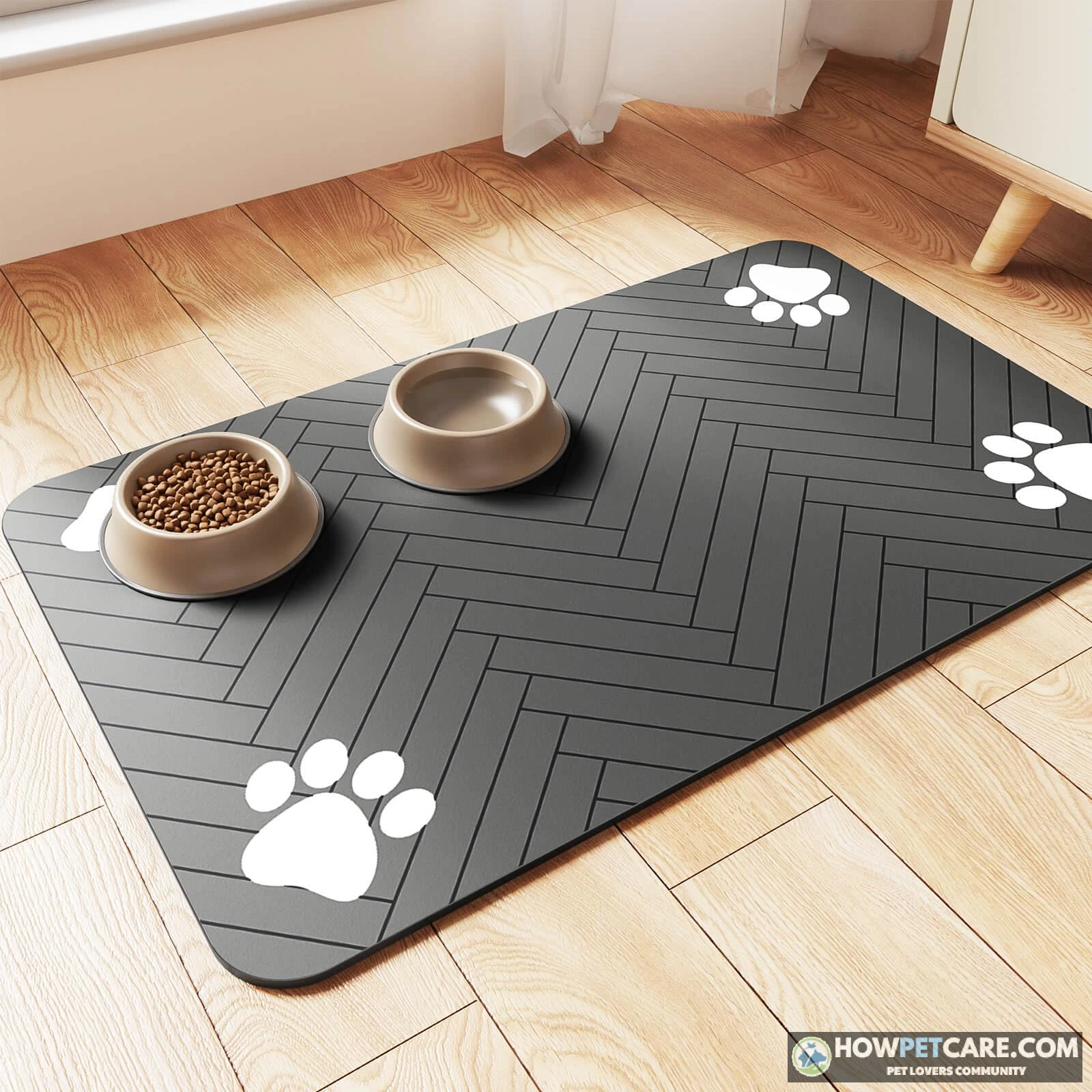
- Place the bowl on a non‑slip mess mat or a silicone tray with a raised lip to contain splashes and protect your floor.
- Set the room. If possible, pick a spot with a washable floor, such as tile, vinyl, or linoleum. Avoid carpeted areas until the habit improves.
- Measure the daily water target using the weight‑based math from the previous section. Write the target somewhere you’ll see it, such as on the fridge.
- Observe and note when digging happens in the first 24 hours. Jot down the time of day, what your puppy was doing just before, and what happened afterward. Use this observation window to confirm the likely cause.
Days 1-2: Observe and note
- Keep a simple log in a notebook or phone note. Record each incident’s time, context, and behavior type (pawing, splashing, tipping).
- Note patterns, including incidents after naps, after play, or when you’re on a call.
- If you have multiple puppies, note whether one is more prone to the behavior than the other.
Days 2‑4: Interrupt calmly and redirect
Each time you catch your puppy pawing or splashing, use the Calm Interruption Technique:
-
Watch for the wind-up.
Most puppies telegraph the behavior: they stare at the bowl, shift their weight forward, or lift a front paw. Catching that moment is easier than reacting to the splash.
-
Give one neutral cue.
Give a single calm "ah‑ah" or tongue click from where you’re standing. Don’t use your puppy’s name (save it for good things) or shout; a loud reaction can turn the bowl into an attention jackpot.
-
Wait for the paw to drop.
As soon as all four feet are on the floor, even for a second, that’s your window. If the paw stays up, wait quietly. Don’t repeat the cue more than twice, or it becomes background noise.
-
Redirect away, not at the bowl.
Toss a treat a few steps away from the bowl, or offer a chew or a quick sniff game in another spot. The puppy should learn "leaving the bowl = something better appears over there."
-
Reward calm drinking.
If the puppy comes back and drinks normally, mark it with a quiet "yes" and a treat on the mat. You’re rewarding the calm drinking you want to see.
Consistency rules: Everyone in the household should use the same cue and redirect. Never splash back, push the puppy away, or scold; a big reaction can reinforce the game. If your puppy keeps returning to the bowl within seconds, that’s a signal of boredom, not stubbornness. End the session with 5 minutes of structured play, then reset.
Days 3‑5: Add a legal outlet
Puppies have an instinctual need to paw and dig. A designated outlet makes them less likely to target the water bowl.
- Shallow splash tray: Fill a plastic tray or shallow kiddie pool with a few centimeters of water and supervise outdoor use. Many puppies will splash there instead of in their drinking bowl.
- Digging box: Fill a small cardboard box or plastic bin with shredded paper, puppy‑safe sand, or crumpled newspaper. It gives your puppy a place to dig without making a water mess.
- Rotate the outlet: Offer the splash tray or digging box at the times of day when digging usually occurs, such as after naps or play.
Days 5‑7: Reward calm drinking and review progress
- Continue the interruption‑redirect cycle, but begin lengthening the gaps between treats. Reward the first few calm drinks of the day, then taper to one reward per successful bowl‑session after the first week.
- Review your observation log from Days 1‑2 and check whether incidents per day have decreased. Even a reduction from "every hour" to "a few times a day" is progress.
- If progress is slower than expected, revisit the bowl type. A different base weight or a no‑spill disc may make a noticeable difference.
- Keep up daily enrichment, such as puzzle feeders and short training sessions, to reduce boredom.
What to expect: Improvement is usually gradual. By the end of the seventh day, you should see fewer incidents per day, but zero by day 7 isn’t guaranteed. If there’s no change after two weeks of consistent management, consider consulting a professional dog trainer or your vet to rule out underlying anxiety or medical issues.
When Do Puppies Outgrow Digging in the Water? Normal Behavior by Age and Breed
Puppy behavior changes rapidly across the first year, including water‑bowl digging. These age‑based milestones show what’s typical, what to watch, and when a habit may persist longer.
Age‑based milestones
| Age range | Typically normal | Worth watching | Call the vet |
|---|---|---|---|
| 8‑12 weeks | Exploring with paws and mouth is typical; splashing is usually curiosity. | If the puppy paws excessively and empties the bowl within minutes each time. | If splashing is accompanied by constant drinking (above ~100 ml / kg / day) or new accidents in a house‑trained puppy. |
| 3‑5 months | Play and teething energy peak; the habit often becomes a boredom or attention pattern. | If the puppy paws the bowl when left alone for more than an hour, or if splashing escalates despite added enrichment. | If the puppy drinks far more than the 50‑70 ml / kg range and urinates more frequently, including night‑time accidents. |
| 6 months and older | Many puppies have eased off by then. Persistence into adolescence is more often a habit or an under‑met exercise need. | If the puppy continues to splash regularly and the behavior does not respond to bowl changes or redirection. | If the puppy shows any of the red‑flag symptoms listed in the medical section (lethargy, weight loss, vomiting, pot‑bellied appearance, poor coat). |
Do retrievers and water breeds dig more?
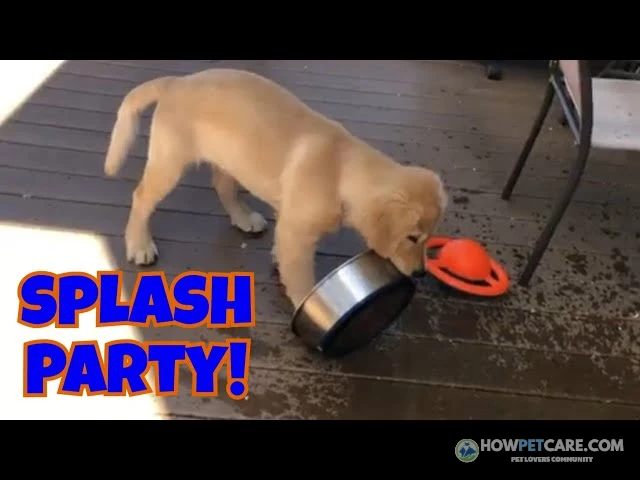
Retrievers, spaniels, and other water‑loving breeds may play more with water, so owners can expect a longer phase without assuming there’s a problem. This breed tendency is anecdotal and varies by dog: some Goldens may splash proudly during every drink, while a Terrier mix may ignore the bowl entirely. Consider your puppy’s breed and energy level, then manage the behavior with the same cause‑to‑fix approach outlined earlier.
Normal‑versus‑concerning checklist
Answer yes or no to each question. Your answers can help you decide what to do next.
- ☐ Is your puppy under 6 months old? Younger puppies splash more; under 6 months, digging alone is usually normal play.
- ☐ Does the digging happen at predictable playful times — after naps, after play sessions, or when you’re busy — rather than alongside constant drinking?
- ☐ Measured over 24 hours, is your puppy drinking less than ~100 ml per kg of body weight? (A 5 kg puppy staying under ~500 ml / day is in the normal zone.)
- ☐ Is urination normal — the same frequency as usual, with no new accidents in a house‑trained puppy and no waking at night to pee?
- ☐ Are energy, appetite, and weight normal? Your puppy is playful between splashing sessions and eating as usual.
- ☐ Is the digging the ONLY unusual thing? There’s no vomiting, lethargy, pot‑bellied look, or dull coat.
How to read your answers:
- Yes to all six → almost certainly play. Use the 7‑day plan and check again in a week.
- No to the drinking or urination question → measure intake for one full day, then call the vet with your numbers.
- No to energy, appetite, or "only unusual thing" → don’t wait; call the vet today even if the splashing itself looks playful.
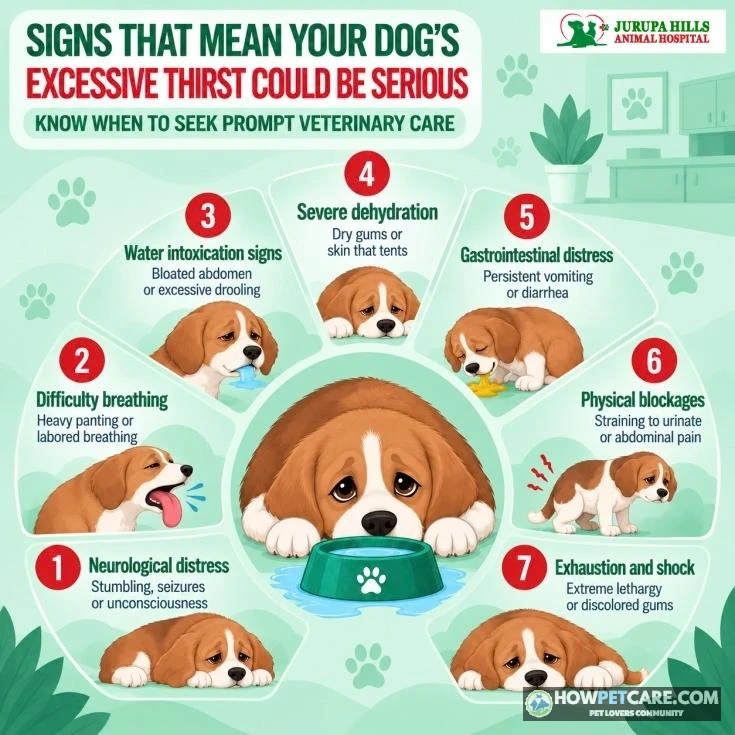
Digging Plus Heavy Drinking: When It’s a Medical Red Flag and When It’s Just Play
Playful splashing alone, with normal energy, appetite, and urination, is not a medical sign. When digging is paired with excessive thirst, though, it’s worth considering whether a vet visit is needed.
What polydipsia looks like
Polydipsia is the medical term for drinking far more water than usual. In puppies, a measured intake above roughly 100 ml per kilogram of body weight per day is considered elevated. Accompanying signs include:
- Asking for water constantly, even shortly after a drink.
- Emptying the bowl quickly and repeatedly needing it refilled.
- More frequent urination, or larger volumes each time.
- Accidents in a house‑trained puppy, or waking at night to pee.
Conditions vets consider with excessive thirst
Vets typically rule out the following when a young puppy presents with polydipsia:
- Diabetes mellitus – uncommon in puppies under six months, but possible, especially in overweight individuals.
- Kidney disease – congenital or acquired; often accompanied by lethargy, poor appetite, or vomiting.
- Cushing’s disease – rare in puppies and more typical in senior dogs; signs include a pot‑bellied appearance, thin skin, and hair loss.
- Urinary tract infection – more common in female puppies; may cause frequent, small urinations and sometimes blood in the urine.
Other signs that change the picture: lethargy, weight loss, a sudden onset of the behavior, vomiting, a pot‑bellied look, a dull coat, or excess thirst that persists for more than a day or two without an obvious cause, such as a hot day or increased exercise.
How to gather useful information before the call
Before calling the vet, collect these details to help the veterinarian triage faster:
- 24‑hour water intake measurement. Measure exactly how much water your puppy drinks in a full day. Use a marked measuring cup and note every refill.
- Urination count. Note how many times your puppy urinates in 24 hours and whether any are accidents or night‑time trips.
- A short video of the behavior. A 30‑second clip of your puppy pawing or splashing gives the vet visual context.
- Notes on diet and environment. Mention any recent diet changes, hot weather, or increased activity.
Call‑the‑vet‑today versus mention‑at‑the‑next‑visit guidance
| Situation | Action |
|---|---|
| Playful splashing only, normal energy, appetite, and urination | No vet visit needed; proceed with the 7‑day plan and the normal‑versus‑concerning checklist. |
| Measured 24‑hour intake above ~100 ml / kg / day or new accidents / night‑time urination | Call the vet and share your numbers and video. Mention it at the next routine visit if the intake is only mildly elevated and the puppy seems fine otherwise. |
| Any of the "other signs" (lethargy, weight loss, vomiting, pot‑belly, poor coat) or sudden onset persisting > 2 days | Call the vet today. These signs are more likely to indicate an underlying condition that needs prompt evaluation. |
Wet Paws, Slippery Floors, and Mold: Managing the Mess Around the Bowl
Splashes can leave you with wet paws, slippery floors, and mold. Managing the mess helps keep your puppy comfortable and your home safe.
Wet paws and skin health
Constantly damp feet can lead to irritation, interdigital dermatitis (inflammation between the toes), or yeast overgrowth, especially in puppies with fur between their toes. Watch for:
- Redness or swelling between the toes.
- A yeasty or musty odor.
- Brown or pink staining on light‑colored fur.
- The puppy licking or chewing at its paws more than usual.
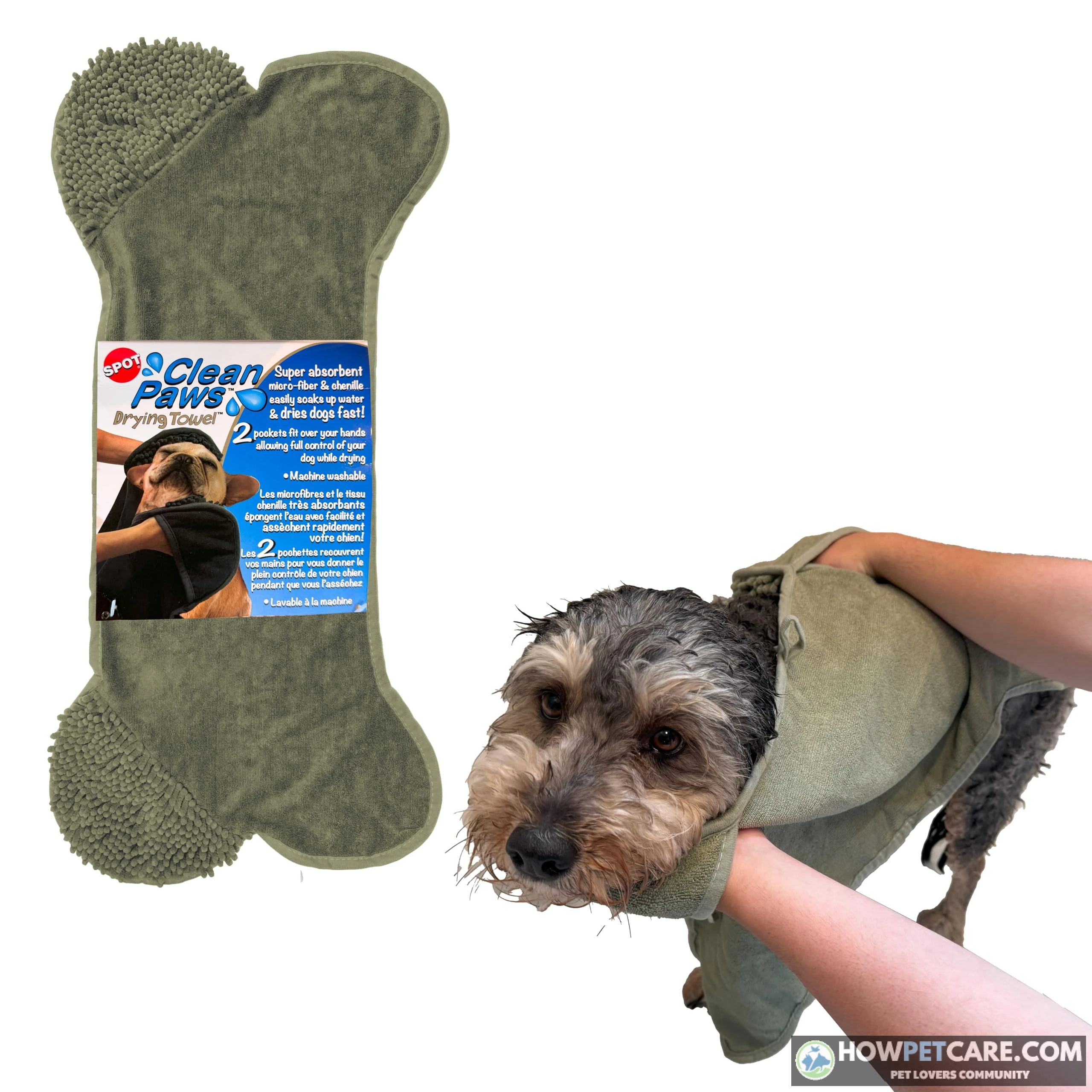
Simple prevention: After each splash session, towel the paws dry, pressing gently between the toes and pads, where moisture lingers longest. If redness, odor, or licking persists for more than a couple of days, consult your vet. Interdigital irritation and yeast overgrowth are common and easily treated when caught early.
Floor protection and slip risk
A wet hard floor is a slip hazard for a puppy’s still‑developing joints and for adults in the house. These strategies can help:
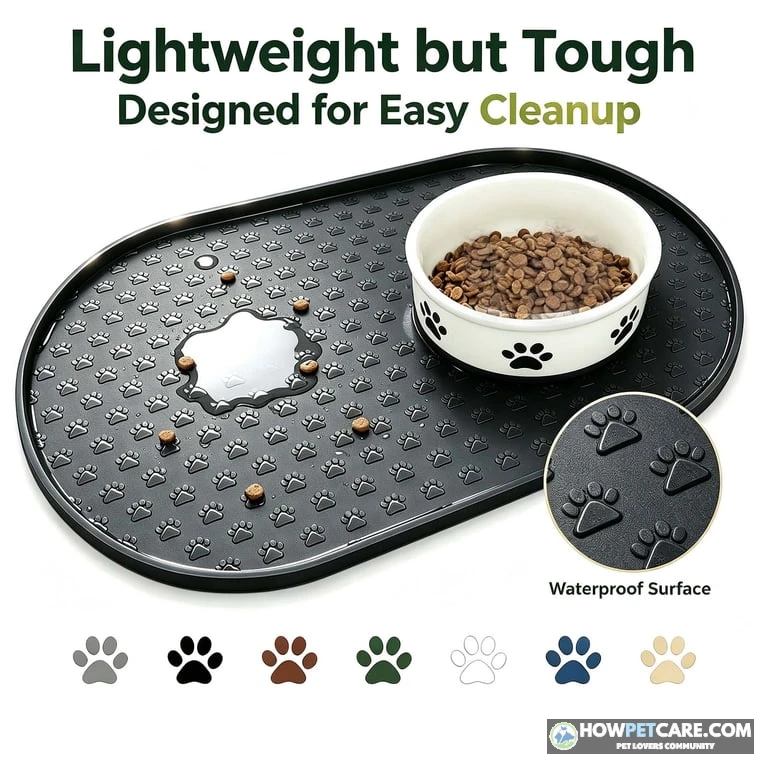
- Raised‑lip silicone mat or tray: Contains splashes within a defined area.
- Absorbent or waterproof mat: Placed underneath the bowl mat, it catches water that escapes the lip.
- Non‑slip surface: Place the whole setup on a non‑slip rug or mat to prevent the bowl and puppy from sliding during eager drinking.
- Tile or utility area: If possible, put the bowl in a kitchen or laundry room where the floor is naturally water‑resistant.
Weekly routine: Lift the mess mat or tray, dry the floor underneath completely, and check wood or laminate for swelling or discoloration. Standing water under a mat can lead to mold and floor damage.
Bowl hygiene
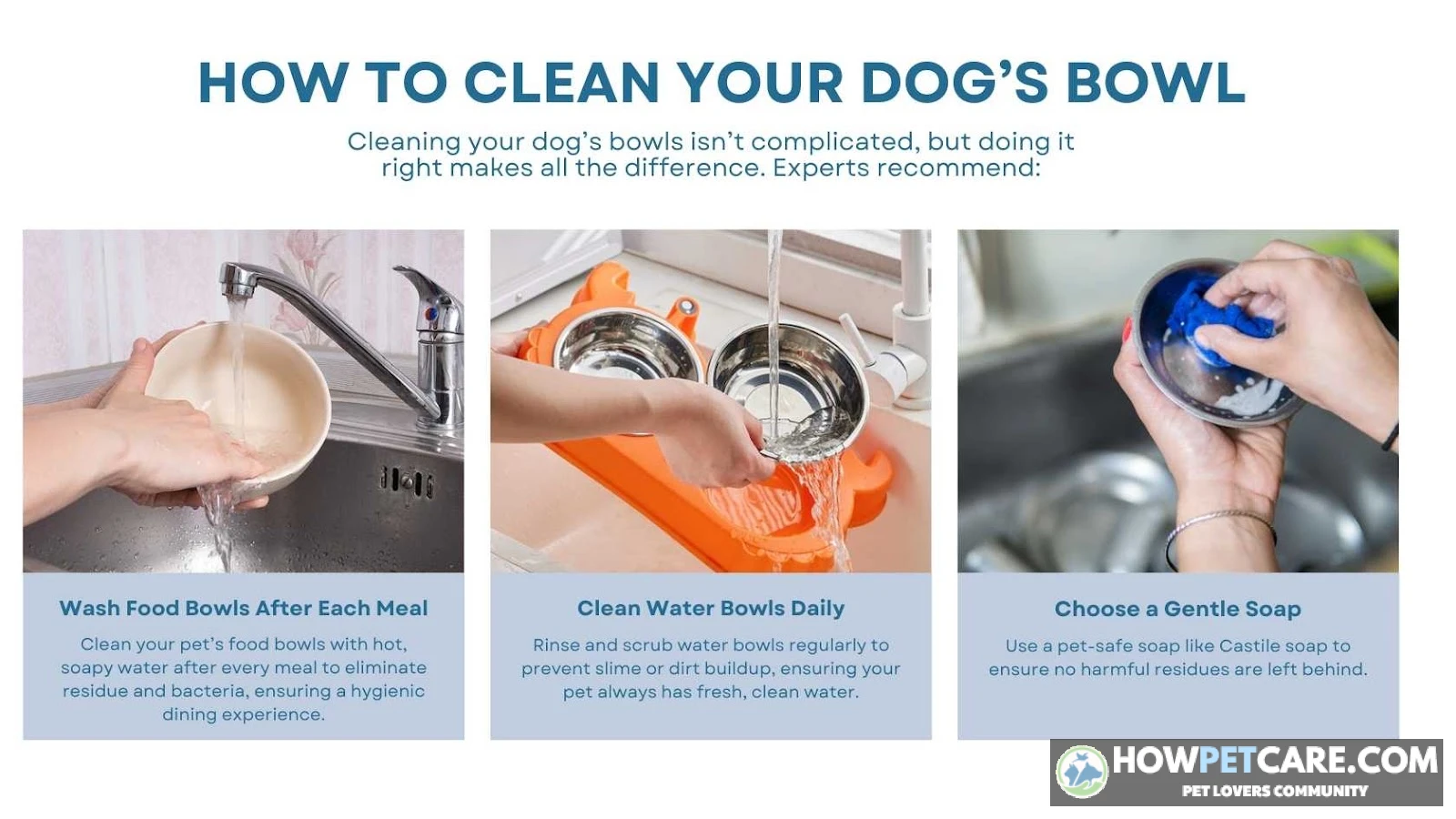
Splashed water and drool quickly build a biofilm layer on the bowl’s surface. Wash the bowl daily with hot soapy water; a quick rinse won’t remove the slippery film. A clean bowl also reduces the chance that your puppy will avoid drinking because the water tastes or smells off.
Your Next Steps: Pick the Likely Cause, the Bowl, and the Plan
Use this short decision checklist to put the plan into action today.
Step 1: Identify the most likely cause
Use the cause‑cue table from earlier to match what you see with a likely cause:
- Pawing mainly after naps or when bored → Likely play or boredom.
- A bowl that tips easily, or a puppy pushing it with force → Likely tipping.
- Splashing that appears to seek attention → Likely attention‑seeking.
- Stepping into the bowl in hot weather → Likely cooling off.
Step 2: Rule out red flags
Run through the normal‑versus‑concerning checklist in the age section above. If you answer "no" to the drinking or urination question, measure your puppy’s 24‑hour water intake and talk with your vet.
Step 3: Pick the bowl type that matches the cause
Refer to the bowl‑type comparison table and choose one that limits your puppy’s particular move:
- Tipping puppy → Heavy ceramic or weighted bowl.
- Splashing puppy → No‑spill floating‑disc bowl.
- Paw‑play puppy → No‑spill bowl plus a digging box or splash tray outlet.
Place the bowl on a mess mat in an area with a washable floor.
Step 4: Set the safe daily water target and refill schedule
Use the weight‑based math from the "How Little Water Can You Leave in the Bowl?" section. Divide the daily target into small refills every 1–2 hours while supervised, and refresh the water at each refill.
Step 5: Start the 7‑day redirection plan and track incidents per day
Begin on Day 1 as described in the seven‑day plan. Keep a simple log of incidents per day. By Day 7, you should see a reduction; if not, adjust the bowl type or increase enrichment.
Decision guidance: when to keep going, when to adjust, when to ask a vet or trainer
- Keep going: Incidents are decreasing, even if not yet zero. Continue the plan for another week.
- Adjust the setup: If one bowl type isn’t helping after a week, try a different type from the comparison table, or add a legal outlet such as a splash tray or digging box.
- Ask a vet: Do this if 24‑hour water intake is consistently above ~100 ml / kg / day, or if you notice red‑flag symptoms such as lethargy, weight loss, vomiting, or accidents.
- Ask a trainer: Consider this if the behavior doesn’t improve after two weeks of consistent management, or if you suspect anxiety or compulsive behavior.
1A puppy gently paws at the surface of its water bowl right after waking up from a morning nap. The bowl slides slightly, but the puppy quickly loses interest after a few swipes. Which underlying cause best explains this behavior?
Paw swipes shortly after waking up in young puppies represent natural investigation of cause and effect as they explore moving water.
2Which of the following management strategies help minimize water messes and prevent tipping without addressing the internal urge to dig?
A heavy ceramic bowl resists sliding and flipping when pushed, though water can still splash if pawed.
3An owner observes that their puppy continuously dips its paws into the water bowl and splashes liquid out. Which bowl design specifically addresses paw-dipping by limiting the exposed surface area of the water?
Floating-disc bowls cover most of the water surface, exposing only a small amount of liquid so paws remain dry.
4An active 5 kg puppy requires water at the upper standard range of 70 ml per kg of body weight per day. If the owner plans to offer partial fills across 10 supervised waking hours, how much water should be placed in the bowl for each hourly refill interval?
At 70 ml/kg, a 5 kg puppy requires 350 ml daily (5 × 70 ml). Dividing 350 ml by 10 intervals yields 35 ml per refill.
5During the Calm Interruption Technique, what is the appropriate reaction immediately after a puppy lifts a paw to splash in its water bowl?
A calm, neutral marker interrupts the wind-up without providing the high-energy attention that can reinforce attention-seeking behaviors.
6Why might introducing an electric circulating water fountain exacerbate digging behavior in a puppy that paw-plays out of boredom?
Dynamic, moving streams of water heighten curiosity and play drive in puppies inclined to treat the water bowl as a toy.
7Which of the following physical indicators suggest that a puppy managed with partial water refills is becoming dehydrated?
Dry or sticky oral mucous membranes are a classic clinical indicator of fluid loss.
FAQ
Is my puppy digging in the water because he’s hot?
It can be. On warm days puppies sometimes paw at or step into water to cool off. Move the bowl to a shaded spot, offer cool fresh water, and give a shallow splash tray outdoors if you suspect this.
Should I scold my puppy for splashing in the water bowl?
Scolding usually doesn’t help, and it can turn the bowl into a game or make drinking stressful. Calmly interrupt, redirect to a toy or a splash tray, and reward the puppy for drinking calmly.
Can I give my puppy somewhere else to splash?
Yes. A shallow splash tray or small kiddie pool outdoors, filled with a few centimeters of water and supervised, gives the urge somewhere to go. It often reduces splashing in the drinking bowl.
Should I take my puppy’s water away at night?
Many owners lift the water 1-2 hours before bedtime during house training, but this isn’t right for every puppy. Ask your vet, especially for very young puppies, small breeds, and hot weather.
Does a puppy tipping the bowl mean he is thirsty?
Not usually. Tipping is more often play or a light bowl that moves when the puppy pushes on it. If tipping goes with constant drinking and frequent urination, mention it to your vet.