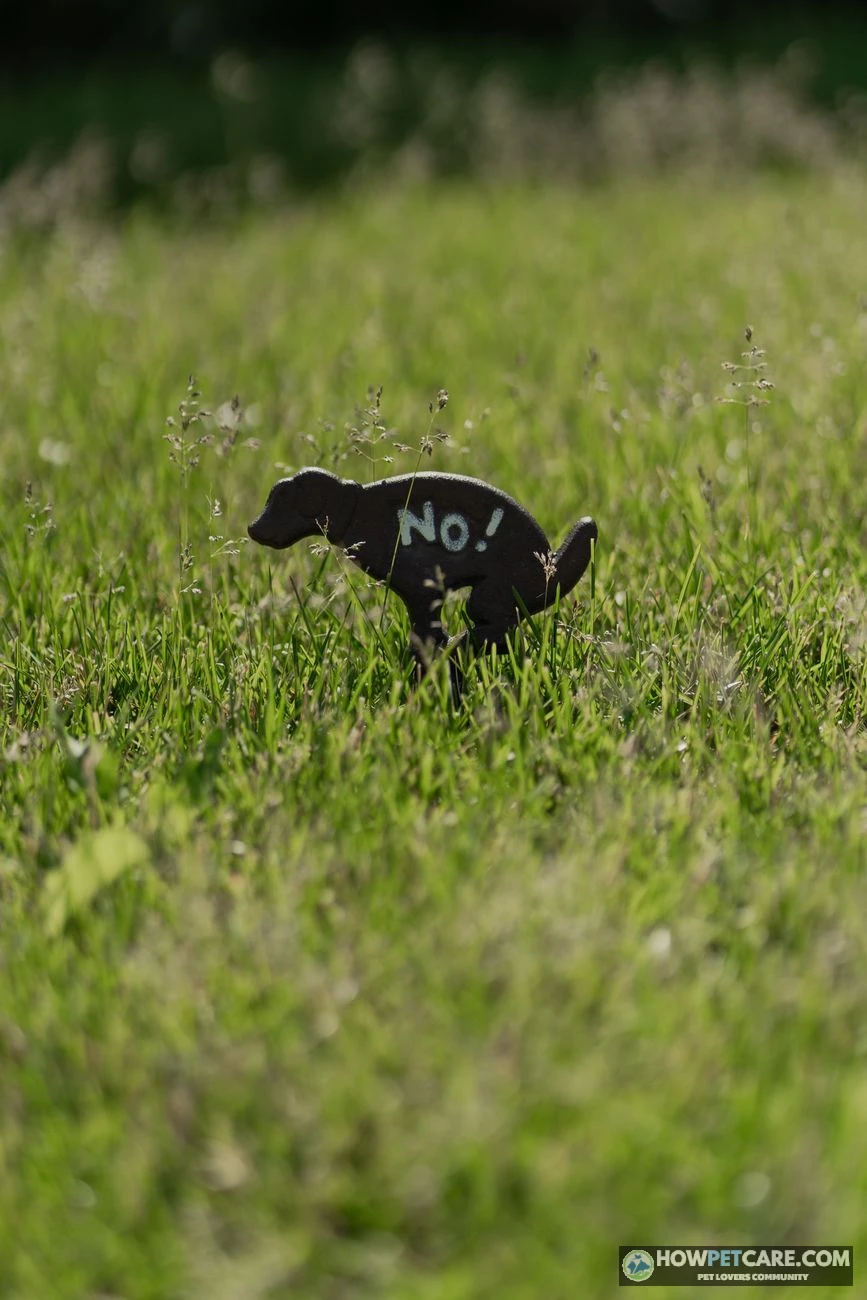

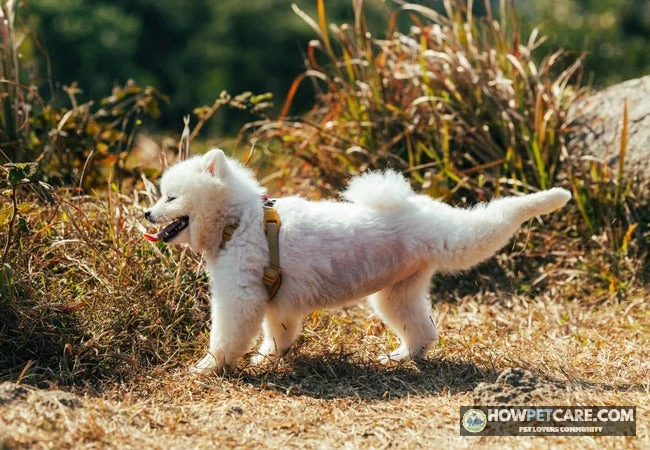
Dogs kick after pooping to scent-mark: glands near the paw pads are thought to leave odor while the backward scrapes create a visible mark near the stool. Called ground scratching, it’s normal communication—not burying—and usually needs no intervention unless it injures paws or damages your lawn.
Dogs Kick After Pooping Because It’s Normal Scent Marking
Dogs often kick after pooping as a normal scent-marking behavior. The backward scrapes leave a chemical and visual message for other dogs. They may tear up grass or scatter dirt, but usually there’s no reason to worry.
This behavior is called ground scratching. Dogs may do it after peeing, too. Some make a few gentle scrapes; others send turf flying, while a different mid-squat habit—dogs staring at you while pooping—can look just as personal. If your dog seems comfortable and moves on normally, you can usually let it happen. If the kicking damages your lawn or wears down your dog’s paws, you can redirect it or offer a more suitable surface.
Why it looks like burying but isn’t
A dog scraping its feet after pooping may look as if it’s trying to cover its waste, like a cat. But a dog’s feet usually push backward, often away from the poop. The scuffed ground is better understood as part of a communication display than an attempt to hide the stool.
There’s no need to interrupt a healthy scratch just because it looks odd. Pick up the poop as usual and give your dog room to finish.
How Ground Scratching Works: Paw Glands, Pheromones and Visual Marks
The three signals a kick leaves behind
Ground scratching seems to combine several kinds of information in one display:
- Scent near the paws: Dogs have glands associated with their paw pads and the skin between their toes. Contact with the ground is thought to leave scent, though exactly what transfers and how other dogs interpret it remain uncertain.
- A visible mark: Scraped soil or torn grass can make the spot easier for a passing dog to notice.
- The elimination site: Feces or urine already leave odor in the area. Scratching disturbs the ground nearby, potentially adding another cue.
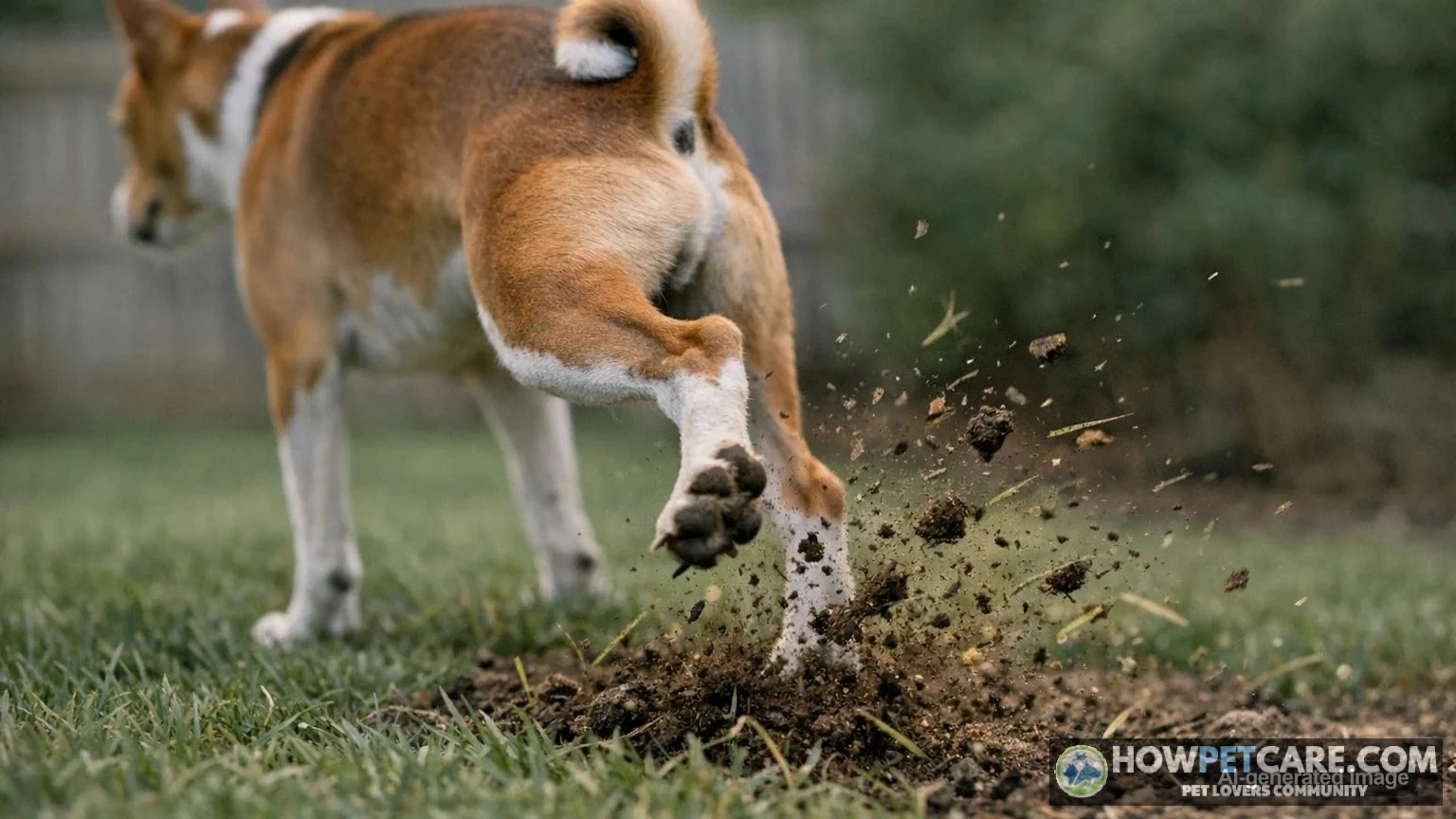
Think of it as a layered message, not a sentence with a precise translation. A dog may notice the scratched patch, investigate its smells, or do both. A kick alone can’t tell us exactly what the dog intends to communicate.
Anal glands, often called anal sacs, are separate from the glands near the paws. Their secretions can add scent around the rear and may be released with stool. The backward kick itself doesn’t necessarily express those sacs. Kicking alone isn’t a reason to assume your dog has an anal-gland problem.
What science still doesn’t know about paw-gland scent
Paw scent is sometimes described as pheromones: chemical signals that affect another animal of the same species. That’s a plausible shorthand, but it goes beyond what the available evidence can confirm. The precise compounds involved in a dog’s ground-scratching signal—and whether another dog can identify the scratcher’s sex, age or reproductive status from that scent alone—remain open questions in the supplied research.
Ground scratching is consistent with canine communication, but a visible scratch does not tell us exactly what another dog smells or understands.
Where the instinct comes from
Ground scratching is often discussed alongside scent and visual marking in other canids, including wolves. Its apparent role in communication fits an evolutionary explanation, but watching a dog kick can’t establish the exact origin of that individual behavior. Nor is a kick automatically a threat; dogs may do it during an ordinary potty routine.
Which Dogs Kick Most? Sex, Breed, Age, and the Dog That Never Kicks
Male vs. female dogs
Both male and female dogs may scratch after eliminating. Sex alone can’t predict whether your dog will do it, how forcefully it will kick, or how often. Some accounts link ground scratching with territoriality and report differences between males and females, but that doesn’t make it a reliable guide to any individual pet.
The supplied research also doesn’t provide enough evidence to rank breeds by how often they kick. A large dog may cause more visible damage because its feet are bigger or its kick is stronger. That doesn’t prove its breed scratches more often.
Puppies and senior dogs
Puppies may kick after pooping. A brief scratch followed by normal play or exploration is generally not concerning. Young dogs can also move awkwardly as they develop; if an awkward movement persists, causes distress or comes with limping, contact your vet.
The available evidence doesn’t establish a dependable age-by-age pattern for ground scratching. With an older dog, focus on changes in comfortable movement rather than assuming a change in kicking is simply part of aging.
“My dog never kicks. Is something wrong?”
No. Some dogs scratch, and others don’t. A dog that has never kicked but otherwise eliminates and walks comfortably doesn’t need to learn how.
If a longtime kicker suddenly stops and also seems stiff, limps, avoids using a back leg or struggles to poop, call your vet. It’s the accompanying signs—not the absence of a scratch—that make the change worth discussing.
Multi-dog homes and busy walking routes
You might notice more scratching on a route used by other dogs, in a shared yard or after a change in the household. Context can affect behavior, but an increase by itself doesn’t prove your dog is guarding territory or feeling anxious.
For a week or two, note the location, surface, whether other dogs were nearby, and what your dog did before and after scratching. That record gives you a useful baseline if the behavior changes or you decide to seek help.
Kicking After Pooping vs. Peeing, and on Grass vs. Dirt vs. Concrete
After pooping vs. after peeing
Dogs may scratch the ground after either a bowel movement or urination. In both cases, the kick may add a visual mark and scent from the paws to a spot that already carries the dog’s odor. Your dog may favor one occasion, but the evidence here isn’t enough to say that one reliably leads to stronger kicking across dogs.
Owners sometimes describe a small backward scrape as “wiping paws.” If it happens right after elimination, it may be the same kind of ground scratching, just less dramatic. Repeated paw wiping at other times—especially with licking or discomfort—shouldn’t automatically be treated as marking.
Grass, dirt, mulch and gravel
| Context or surface | What the dog may leave behind | Typical owner problem | Paw or lawn risk | What to do |
|---|---|---|---|---|
| After pooping on grass | Fecal odor, possible paw scent and scuffed turf | Torn grass or bare patches | Turf damage; check paws if the ground is rough | Pick up stool; accept the scratch or redirect it |
| After peeing on grass | Urine odor, possible paw scent and scuffed turf | Urine spots and scratched grass | Lawn discoloration or bare patches | Rinse the spot and protect recovering grass |
| Dirt or loose soil | Possible paw scent and visible scratches in disturbed soil | Dust, holes or mud | Abrasive debris or damaged landscaping | Inspect the area for sharp objects; consider a designated patch |
| Rounded gravel or suitable mulch | Possible paw scent and displaced material | Scattered substrate | Some dogs dislike the texture; sharp pieces can injure paws | Choose smooth material and check paws |
| Concrete or pavers | Possible paw scent; less obvious surface disturbance | Scraping noise or damaged nails | Repeated friction can abrade pads or nails | Inspect feet and offer a softer surface |
| Light “paw wiping” after elimination | A smaller scuff and possible scent | Usually none | Depends on the surface and repetition | Observe; intervene if feet show wear |
These are practical possibilities, not measurements of how much scent transfers to each material. A smooth surface may show little disturbance, while dusty or softer pavers can still show scuffs.
Concrete and pavers: paw-injury risks and what to check
An occasional scrape on pavement isn’t automatically harmful. Repeated, vigorous scraping—especially on rough or hot pavement—can wear down pads or nails. After walks, check between the toes and under each paw for redness, raw areas, cracks, embedded debris, or worn and split nails. Also watch for limping or reluctance to walk.
Keep nails appropriately trimmed, and offer grass, soil or another comfortable surface when you can. Contact your vet about a raw pad, split nail, limping or damage that persists. A protective boot may help some dogs, but ask your vet about fit and treatment if a paw is already injured.
Does Spaying or Neutering Stop Ground Scratching? What the McGuire Shelter-Dog Study Found
A shelter-dog study by McGuire and colleagues is sometimes cited in discussions of sex, reproductive status and ground scratching. The study’s original methods and results aren’t verified in the evidence available for this article, so its sample size, comparisons and findings can’t be reported reliably here.
The supplied research leaves unresolved whether spaying or neutering reduces this particular behavior. That doesn’t prove surgery has no effect; it means the available evidence can’t support a dependable promise.
To limit lawn damage, try a designated potty area or reward-based redirection rather than scheduling surgery solely to stop scratching. Discuss reproductive decisions with your veterinarian in light of your dog’s overall health and circumstances.
Normal Marking or Something Else? A Checklist for Anxiety, Compulsion and Pain
Normal ground scratching is usually brief, follows elimination, targets the ground and ends with the dog moving on comfortably. Use this checklist to decide what to watch and whom to contact. It can’t diagnose the cause of a behavior.
Normal vs. worth a vet call: the 60-second checklist
Probably routine marking:
- ☐ The scratching follows a poop or pee and stops on its own.
- ☐ The feet scrape backward against the ground rather than repeatedly striking at the body.
- ☐ Your dog walks away with its usual comfortable gait.
- ☐ Its body looks relaxed afterward, and it can return to the walk.
- ☐ There’s no visible straining, crying or repeated licking at the rear.
- ☐ The pads and nails have no new raw spots, cracks or damage.
Call your vet:
- ☐ Your dog strains or seems painful while pooping, or you notice blood or mucus in the stool.
- ☐ It repeatedly scoots, licks or chews its rear.
- ☐ It limps, cries out, avoids a back leg, or develops a stiff or lopsided kick.
- ☐ A pad is raw or cracked, or a nail is worn or split.
- ☐ A sudden change in scratching comes with discomfort or another change in health.
Seek behavior help:
- ☐ Scratching lasts a long time, is hard to interrupt, happens away from potty spots or interferes with normal activities.
- ☐ Kicking comes with pacing, trembling, a tucked tail or other signs of distress, especially in a particular setting.
A short scratch isn’t a diagnosis, and no proven number of seconds separates normal from abnormal. Look at your dog as a whole and note changes from its usual pattern. Excessive or frantic kicking can sometimes occur with anxiety.
| Category | What you see | When it happens | What the dog does afterward | Next step |
|---|---|---|---|---|
| Routine marking | Brief backward scrapes, comfortable movement | Usually just after elimination | Settles or continues the walk | Watch; no intervention is needed if there is no damage |
| Possible anxiety | Scratching alongside trembling, pacing or other distress | Often in a particular stressful context | May remain unsettled or try to leave | Discuss changes with your vet; seek a qualified reward-based trainer if appropriate |
| Repetitive behavior of concern | Prolonged scratching, difficult interruption, interference with normal activity | May occur away from elimination | May return repeatedly to scratching | Start with your vet; ask about a veterinary behaviorist |
| Possible pain or medical issue | Limping, straining, rear-end licking, damaged paws or vocalizing | During or after a potty trip, or at other times | May avoid movement or continue licking | Call your vet |
These categories can overlap. A painful paw, for example, may change your dog’s behavior and leave it unsettled. Have your vet assess a new or persistent problem before treating it as purely behavioral.
Contact a veterinarian promptly if your dog repeatedly strains without producing stool, has significant bleeding, cannot bear weight, or seems in severe pain. If your regular clinic is unavailable, contact an emergency veterinary clinic.
Before an appointment, take a short video if it’s safe. Note when the behavior started, how often it happens, the surface, possible triggers, and any changes in stool, appetite or movement.
How to Reduce Kicking After Pooping: A Cue-and-Reward Protocol With a Realistic Timeline
You don’t have to train away normal communication. If scratching damages your lawn or makes walks on hard surfaces uncomfortable, work to reduce it or move your dog to a better spot. Some dogs will still give a small kick, and progress can take several weeks or longer.
Step 1: Choose your marker and your cue
Use “Yes” as a marker. It tells your dog which action earned a reward. Choose “Touch” for a nose-to-hand target, or “Let’s go” to invite your dog to turn and walk with you. Practice before you need either cue at the potty spot.
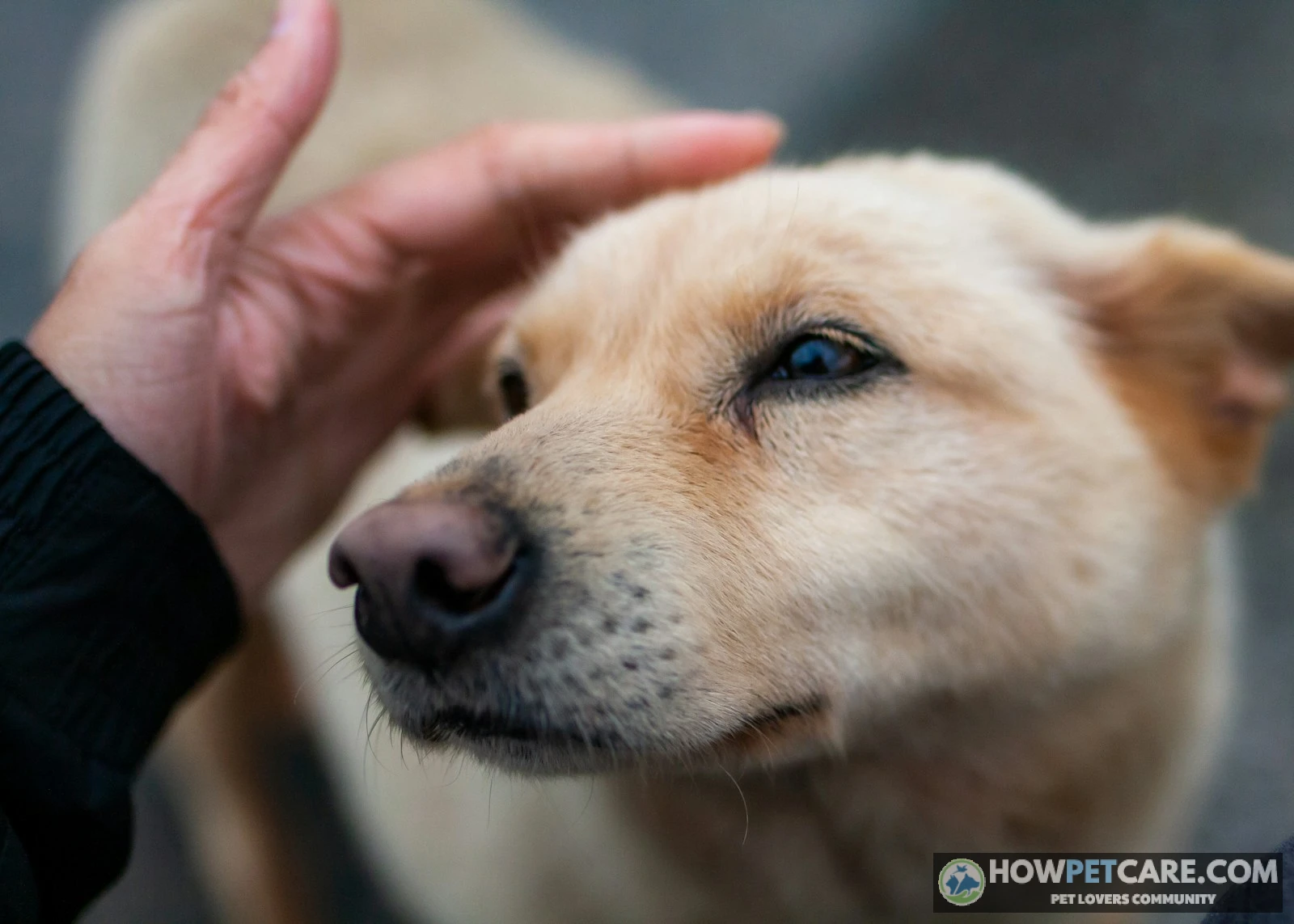
For a hand target, hold an open palm near your dog. When its nose touches your hand, say “Yes” and immediately give a small treat. Repeat in short sessions. Then hold your hand a little to the side so your dog turns toward it. Add “Touch” as your dog starts to understand the movement.
Step 2: Reward the turn after the stool finishes
Take your dog to its usual spot on a loose leash and let it finish without interruption. As soon as the bowel movement is complete, cue “Touch” or “Let’s go”—before the kicking starts, if possible. Mark the turn toward you with “Yes,” then deliver the treat promptly at your side. The marker should identify the action you want, not simply the moment the stool falls.
If your dog kicks first, don’t scold or pull it away. Wait for a pause, cue the turn and reward it. Next time, have your hand and treat ready sooner. Give your dog enough leash slack and space to eliminate comfortably.
Week-by-week timeline
| Week | Goal | Cue and reward | Where to practice | Sign you’re on track |
|---|---|---|---|---|
| 1 | Teach the movement | Say “Touch” or “Let’s go”; mark and reward each successful turn | Indoors, then a quiet yard | Your dog readily turns toward you without potty-time pressure |
| 2 | Use it after elimination | When your dog finishes, cue the turn; say “Yes” as it turns and promptly feed at your side | Usual potty spot | Your dog can turn toward you after pooping, even if a small kick happens first |
| 3 | Build consistency | Continue rewarding successful turns; begin varying food rewards only when the response is reliable | Usual spot and a quiet new place | Your dog responds in both locations without repeated cues |
| 4 and beyond | Add distractions gradually | Reward generously in harder settings; return to easier practice if needed | New routes or at a comfortable distance from other dogs | Your dog can respond in more than one setting |
This is a practice plan, not a promised deadline. Stay at a stage longer if your dog needs more time, and keep rewarding often when you introduce a harder location. Pick up the poop after your dog has moved aside.
Troubleshooting and what not to do
If your dog is too focused on the environment to respond, practice farther from distractions or return to the familiar spot. If it seems worried, stop and give it room. A qualified reward-based trainer can help you get the timing right. Scratching that’s persistent, distressing or hard to interrupt calls for a veterinary assessment and possibly a veterinary behaviorist.
Don’t punish the kick, shout or use leash corrections. Make the alternative easy and rewarding; don’t turn potty time into a source of stress.
Protecting Your Lawn Without Training the Instinct Out of Your Dog
If your dog enjoys a good scratch and its paws are healthy, protect the lawn by changing where the behavior happens rather than trying to stop it. A defined potty zone concentrates the wear in one manageable area, though it won’t eliminate scratching.
Building a gravel or mulch potty zone
Choose a low-traffic corner away from vegetable beds and play areas. For a medium-size dog, a roughly 6-by-6-foot starting area offers room to turn; adjust it to suit your dog, yard and the number of dogs using it.
-
Choose the surface
Use smooth, rounded pea gravel, suitable untreated mulch, or loose soil. Avoid sharp stone and cocoa mulch. If your dog eats stones or mulch, ask your vet about a safer surface.
-
Define the edges
Add low, secure edging to help contain scattered material. Check that there are no sharp edges or protruding fasteners.
-
Guide your dog there
At potty time, walk your dog to the area on a loose leash. Give it time to sniff and choose a comfortable position.
-
Reward the location
After elimination, offer a treat for using the area. Let your dog scratch there if the surface and its paws are safe.
-
Keep it clean
Pick up stool promptly, rinse gravel as needed, and rake or replace dirty substrate. Check the surface regularly for sharp debris.
Gravel can be rinsed, but some dogs find it uncomfortable. Mulch can scatter and needs replacing; soil is easy to scratch but may get muddy. Introduce the area gradually rather than forcing a reluctant dog onto a surface it dislikes. Your dog may need consistent guided trips before choosing the area on its own.
Repairing scratched turf
Rinse urine spots with water, reseed bare patches according to the seed instructions, and keep your dog off recovering areas while the grass establishes. A temporary barrier can protect a repair while your dog continues its usual potty routine elsewhere.
What to Do Next: A Decision Guide for Your Dog
- Brief scratching, comfortable dog, no damage: Let it happen and keep an eye on your dog’s usual pattern.
- Damaged lawn or a rough walking surface: Set up a suitable potty zone, teach the turn-away cue, or do both. Check paws after vigorous scraping.
- Pain, limping, straining, rear-end symptoms or injured paws: Call your veterinarian instead of trying to train through the problem.
- Persistent distress or repetitive scratching that disrupts daily life: Start with your vet and ask whether a qualified trainer or veterinary behaviorist should be involved.
The goal is a comfortable dog and a manageable routine—not the elimination of every normal scratch.
1What is the primary function of a dog kicking backward after eliminating?
Ground scratching serves as a multi-layered communication display combining scent deposits from paw pads with visual disturbances in the grass or dirt.
2How do the scent glands involved in ground scratching relate to a dog's anal glands?
Paw-pad glands leave scent where the feet scrape, whereas anal sacs are located near the rear and function independently of leg kicking.
3What does current scientific research confirm regarding the chemical signals left by a dog's paw pads during ground scratching?
While scent transfer occurs during contact, the specific chemical compounds and exact message decoded by other dogs are still open scientific questions.
4According to the source material, which demographic factor reliably predicts how often or forcefully an individual dog will kick after pooping?
Ground scratching varies widely among individual dogs regardless of their sex, breed, or developmental stage.
5How should a pet owner view a dog that has never displayed ground scratching after eliminating?
Not all dogs engage in ground scratching, and a dog that has never kicked requires no intervention if it moves without discomfort.
6What primary physical risk does frequent, vigorous ground scratching on concrete or pavers present?
Repeated friction against rough or hot pavement can abrade paw pads, wear down nails, or cause painful splitting.
7What does the source material state regarding the effect of spaying or neutering on ground scratching?
The provided research does not support a dependable claim that spaying or neutering will eliminate or reduce ground scratching.
8Which sign observed during or after elimination indicates a potential medical problem rather than routine marking?
Straining, gait changes, or constant rear-end licking point to physical pain, anal gland discomfort, or mobility issues that require veterinary care.
9When implementing a cue-and-reward protocol to reduce kicking, when is the optimal moment to give the redirection cue ('Touch' or 'Let's go')?
Prompt timing right after elimination captures the dog's attention before the automated kicking pattern begins.
10Which handler response should be strictly avoided when managing a dog that kicks after pooping?
Punishing a natural instinct causes unnecessary stress at potty time; redirection should always be positive and reward-based.
| Context or Surface | What the Dog May Leave Behind | Typical Owner Problem | Paw or Lawn Risk | What to Do |
|---|---|---|---|---|
| After pooping on grass | Fecal odor, possible paw scent, and scuffed turf | Torn grass or bare patches | Turf damage; check paws if the ground is rough | Pick up stool; accept the scratch or redirect it |
| After peeing on grass | Urine odor, possible paw scent, and scuffed turf | Urine spots and scratched grass | Lawn discoloration or bare patches | Rinse the spot and protect recovering grass |
| Dirt or loose soil | Possible paw scent and visible scratches in disturbed soil | Dust, holes, or mud | Abrasive debris or damaged landscaping | Inspect the area for sharp objects; consider a designated patch |
| Rounded gravel or suitable mulch | Possible paw scent and displaced material | Scattered substrate | Some dogs dislike the texture; sharp pieces can injure paws | Choose smooth material and check paws |
| Concrete or pavers | Possible paw scent; less obvious surface disturbance | Scraping noise or damaged nails | Repeated friction can abrade pads or nails | Inspect feet and offer a softer surface |
| Light “paw wiping” after elimination | A smaller scuff and possible scent | Usually none | Depends on the surface and repetition | Observe; intervene if feet show wear |
FAQ
Do dogs kick after pooping to cover it up like cats do?
Generally no. Cats often scratch to bury waste, but a dog’s kick is usually aimed backward and mostly spreads scent and creates a visible mark. Burying is not the main purpose.
Why does my puppy kick after pooping?
Puppies often start ground scratching as they mature or after watching other dogs, and it can be partly playful or imitative. Brief kicking after elimination is typically normal, but contact a vet if it comes with straining, pain, or other changes.
Does kicking after pooping mean my dog has anal gland problems?
Not by itself. Anal gland trouble more often shows up as scooting, licking or biting the rear, or a strong odor. A normal kick after elimination is not a sign of anal gland problems.
Should I stop my dog from kicking after pooping?
Usually you don’t need to, because it is a normal communication behavior. Redirect it only if it damages your lawn or injures your dog’s paws, and use rewards rather than punishment.
Why does my dog scratch the grass after both peeing and pooping?
Both urine and feces carry scent, and scratching adds scent from the paws and a visible mark. Dogs commonly scratch after either one.