
Dog intelligence is a profile of abilities—learning, memory, problem-solving, and reading social cues—shaped by a dog’s senses and experience, not a single IQ score. Dogs perceive the world mainly through smell, along with dichromatic vision and high-frequency hearing, so how a dog performs on any task depends on what it can detect.
Dogs are not miniature humans with fewer mental skills. They have a distinctive mix of abilities shaped by their sensory world, their experiences, and their long history of living and working with people. They learn associations, remember events, solve problems, and read human gestures—but no single test captures all of those abilities.
Understanding dog intelligence and perception together makes everyday behavior easier to read. A dog that misses a hand signal may be absorbed in a scent; one that gives up on a puzzle may be asking for help rather than failing to reason. This guide explains what research can tell us and offers a safe way to observe your own dog’s strengths.
How Smart Are Dogs Compared to Humans? What the Two-Year-Old Comparison Gets Right and Wrong
The short answer: what “average dog intelligence” means and doesn’t mean
Canine cognition is the collection of processes a dog uses to perceive, learn, remember, solve problems, and respond to its social and physical surroundings. It is a profile of abilities, not a single measurable equivalent of a human IQ score.
Dogs can be skilled at learning routines, following human gestures, and picking out meaningful smells. Humans are far stronger in complex language, symbolic reasoning, and sophisticated toolmaking. Those differences make any single cross-species ranking misleading.
Why the “human-equivalent age” comparison breaks down
Psychologist Stanley Coren has compared the mental abilities of an average dog to those of a child around two to two-and-a-half years old. That’s a rough analogy drawn from selected abilities, including aspects of language comprehension—not a finding that dogs develop like children across the board. [#N]
A dog doesn’t have a toddler’s full developmental profile, and a toddler doesn’t have a dog’s sensory equipment. The analogy can start a conversation about particular tasks, but it can’t tell you how a dog experiences the world or predict how an individual dog will behave.
Why cognition can’t be separated from perception
A problem is only available to a dog’s mind if the dog can detect the relevant information. A visual puzzle, a whispered cue, and a scent trail place different demands on the senses. When researchers compare canine intelligence, task design matters as much as the result.
How Is Canine Intelligence Measured, and Where Do Coren, Dognition, and g-Factor Models Disagree?
Researchers measure canine intelligence by asking dogs to perform tasks under specified conditions: remembering where food was hidden, choosing a container after a person points, or navigating around a barrier. Each task offers a window into a skill, not a direct view of everything the dog knows.
Three models compared: what each claims and where it falls short
| Framework | Origin and method | What it claims | Strengths | Limitations |
|---|---|---|---|---|
| Coren’s three types | Stanley Coren’s framework distinguishes instinctive, adaptive, and working/obedience intelligence; his breed rankings draw on obedience judges’ assessments. | Dogs show inherited working tendencies, individual problem-solving skills, and responsiveness to training. | Separates trainability from other abilities. | Judge-based rankings emphasize command responsiveness and are not comprehensive cognitive tests. |
| Dognition | Brian Hare and colleagues developed owner-run games covering empathy, communication, cunning, memory, and reasoning. | A dog’s cognition can be described across several dimensions. | Encourages owners to notice more than obedience. | Owner-selected participants and home conditions vary; profiles are not validated IQ scores. |
| General-factor, or g, research | Arden and Adams tested a battery of tasks in 68 Border Collies. | Performance across different tasks may share a general component. | Tests whether some abilities tend to vary together. | One breed and a limited sample cannot settle the question for all dogs. |
| Laboratory test batteries | Researchers use standardized tasks for abilities such as memory, self-control, and gesture-following. | Individual skills can be measured and compared under defined conditions. | More control over instructions and environment. | Motivation, prior experience, sensory ability, stress, and subtle handler cues can still influence results. |

The main disagreement isn’t whether dogs have multiple skills: they clearly do. It’s how much those skills share an underlying general ability. Arden and Adams’s findings support investigating a general factor, but they don’t establish a universal dog IQ scale. [#N]
Why “dog IQ” isn’t a single validated number
A food puzzle may measure problem-solving ability, but it also depends on interest in the food and willingness to touch the container. A pointing task probes social intelligence, but the dog must notice the gesture and have a reason to approach a bowl.
Other useful terms include working memory, or holding information in mind briefly; associative learning, or learning that events go together; and object permanence, the understanding that an object continues to exist when hidden. Researchers design different tasks to examine each skill, with varying degrees of success.
Reading a breed ranking critically
Coren’s familiar breed intelligence ranking is tied heavily to obedience and working responsiveness. That’s useful if the question is how readily dogs respond to commands; it isn’t a complete ranking of memory, social understanding, or independent problem-solving.
A dog can perform poorly because a task is unfamiliar, unrewarding, physically difficult, or stressful. Before reading a result as a limit on intelligence, weigh those alternatives.
Do Dogs Understand Words? What Chaser, Rico, and Newer Studies Actually Show
Dogs can learn that certain spoken sounds predict objects, actions, or rewards. The harder question is how closely that learning resembles the way humans understand language.
Rico and fast mapping
In a 2004 study by Juliane Kaminski, Josep Call, and Julia Fischer, Rico, a Border Collie, selected familiar objects by name and sometimes chose a new object when given an unfamiliar label. The researchers interpreted this as learning by exclusion: the novel word was matched to the novel object rather than to one with an established name.
That finding is intriguing, but selecting an object doesn’t demonstrate human-like language. It shows what Rico did under the conditions of the experiment.
Chaser and the 1,000-word claim
Chaser, another Border Collie, learned the names of more than 1,000 objects, according to research by John Pilley and Alliston Reid. [#N] She received extensive, deliberate practice; her achievement shouldn’t be treated as a typical dog’s vocabulary or as proof that dogs understand words exactly as children do.
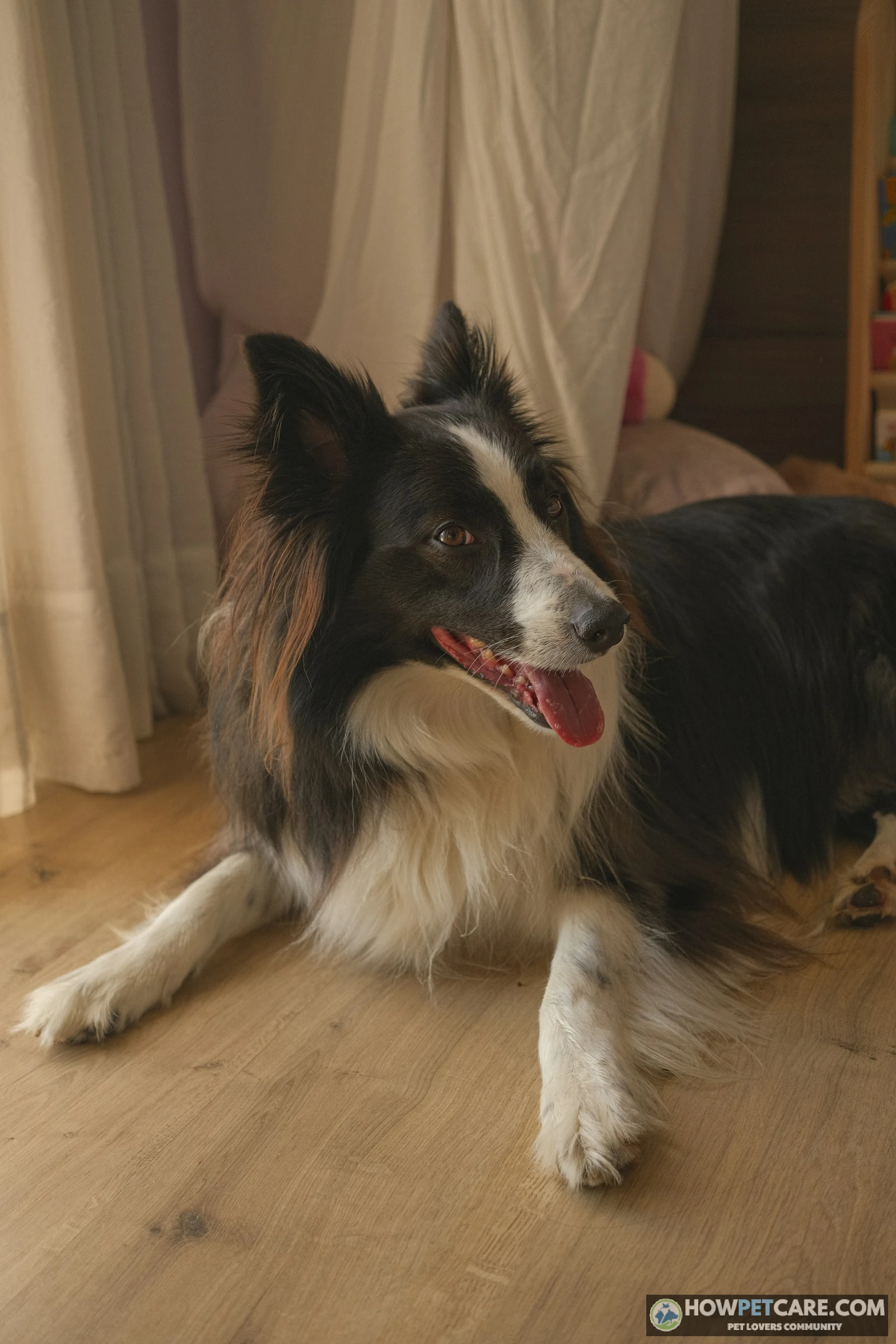
Research on unusually talented word-learning dogs continues to explore why some individuals learn object labels so readily. Such dogs are informative precisely because they’re exceptional, not because every dog is expected to match them.
Words, tone, and the dog brain
Dogs can use both the sounds of words and vocal tone. In a 2016 brain-imaging study, Attila Andics and colleagues reported different neural responses associated with familiar praise words and intonation. This doesn’t mean every dog understands every word we say; context, repetition, and tone still matter.
More recently, a 2024 study by Marianna Boros and colleagues used brain responses to investigate whether hearing familiar object words activated expectations about corresponding objects. The results support a form of object-word association in the dogs tested, while leaving open how broad or human-like that understanding is.

How Dogs Perceive the World: Smell, Vision, and Hearing Compared With Ours
How dogs perceive the world around them isn’t simply a dimmer or sharper version of human experience. Different senses contribute different information, and their importance changes with the situation.
| Sense | Dog | Human | What it means for how dogs experience the world |
|---|---|---|---|
| Smell | Highly developed olfactory system; sensitive to odor information people often miss. | Smell is useful but often less central to everyday navigation. | A familiar patch of ground can contain information about other animals and recent activity. |
| Vision | Dichromatic vision: dogs distinguish blue and yellow hues, while red and green are harder to separate. | Typical human color vision distinguishes an additional range of hues. | A blue toy may stand out better than a red one against green grass. |
| Hearing | Sensitive to frequencies above the range many humans hear; ear movement can help with sound direction. | Typical hearing has a lower upper-frequency limit. | Sounds from equipment or the environment may be noticeable or uncomfortable to a dog before a person notices them. |
| Touch | Whiskers and other touch receptors help gather close-range information. | People rely heavily on touch through their hands. | Physical contact and nearby obstacles can matter when a dog investigates or navigates. |
Smell: the dog’s primary sense
A dog’s nose samples a changing mixture of odors. Those odors can help reveal who has been nearby and, as the scent changes, offer clues about a trail. A sniff-heavy walk is therefore an information-gathering activity, not necessarily a delay.
The olfactory system detects airborne odor molecules; dogs also have a vomeronasal organ involved in detecting certain chemical signals. Exact receptor counts vary across sources and animals, so no single number is a reliable measure of an individual dog’s scenting ability.
Research suggests dogs can discriminate some odors associated with human stress. That doesn’t mean a dog can read the cause of a person’s fear from smell alone: it may also respond to posture, voice, movement, and learned context.
Vision: what colors and motion dogs actually perceive
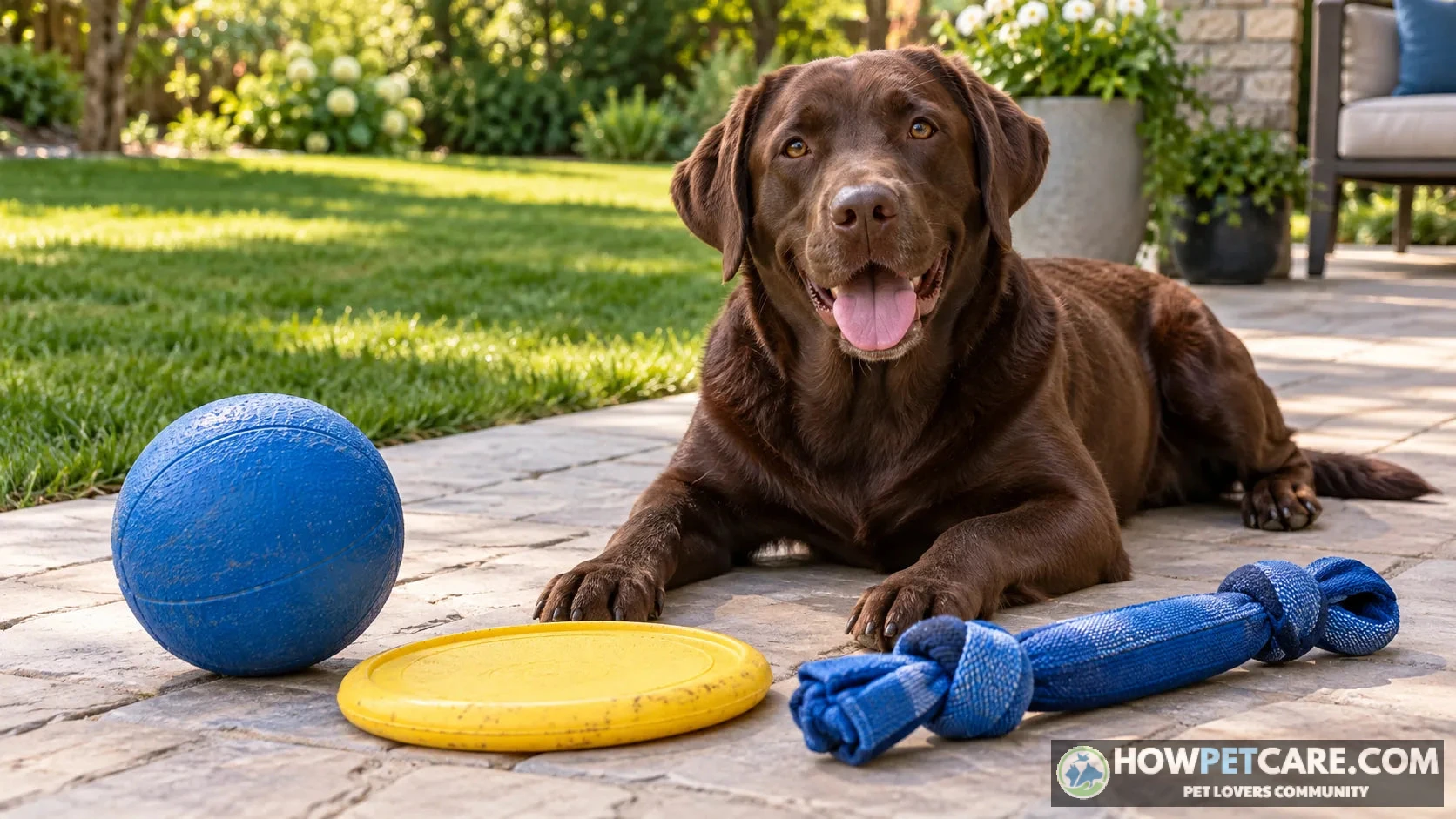
Dogs have dichromatic vision, not black-and-white vision. Blue and yellow are useful choices when you want a toy to contrast with its surroundings. A red toy may be harder to pick out on grass, although brightness and background also matter.
Dogs’ visual abilities differ from ours in other ways, including acuity and sensitivity in low light. A dog that fails to find a stationary toy across a room may not have forgotten the task; the toy may simply be hard to see.
Hearing: ranges, direction, and tone
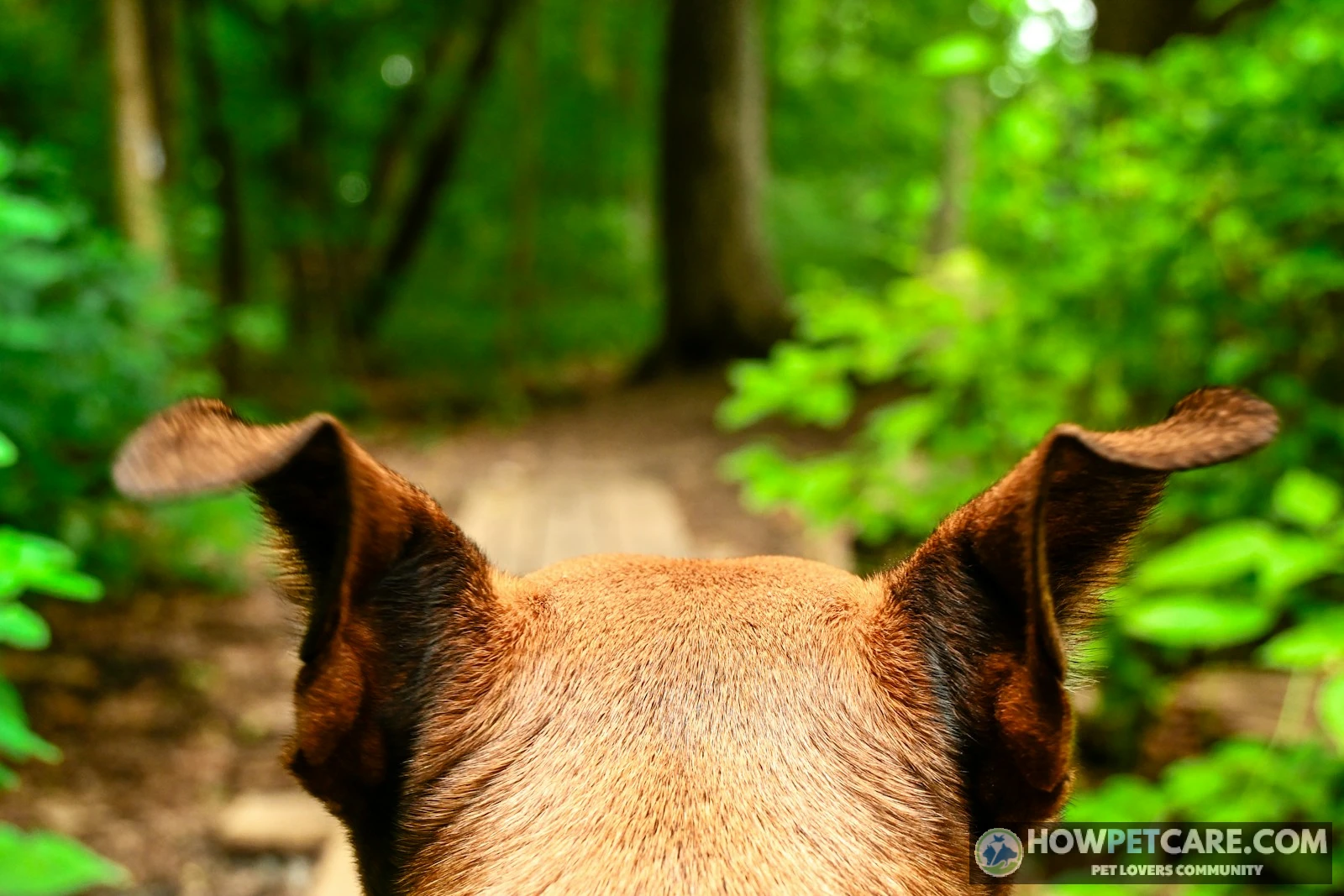
Dogs can hear higher-pitched sounds than humans, although hearing depends on the individual, sound intensity, and age. Rather than assume a fixed dog hearing range applies to every animal, watch your dog’s response to a particular environment.
A sudden appliance noise, whistle, or unfamiliar electronic sound may affect attention. Conversely, an older dog that stops responding to a familiar cue may be experiencing hearing loss rather than deliberately ignoring it.
How the senses combine into one experience
On a walk, a dog might smell another dog before seeing it, hear a leash jingle, then use movement and body posture to identify what’s happening. No single sense needs to explain the whole response.
This also shapes how to interpret tests of a dog’s senses and awareness. A mirror task privileges sight; a search task can draw on smell. A fair interpretation asks what information the dog could actually access and which cues it had learned to use.
Do Dogs Have Self-Awareness, Theory of Mind, Emotional Recognition, and a Sense of Quantity?
Self-awareness: why the mirror test can mislead
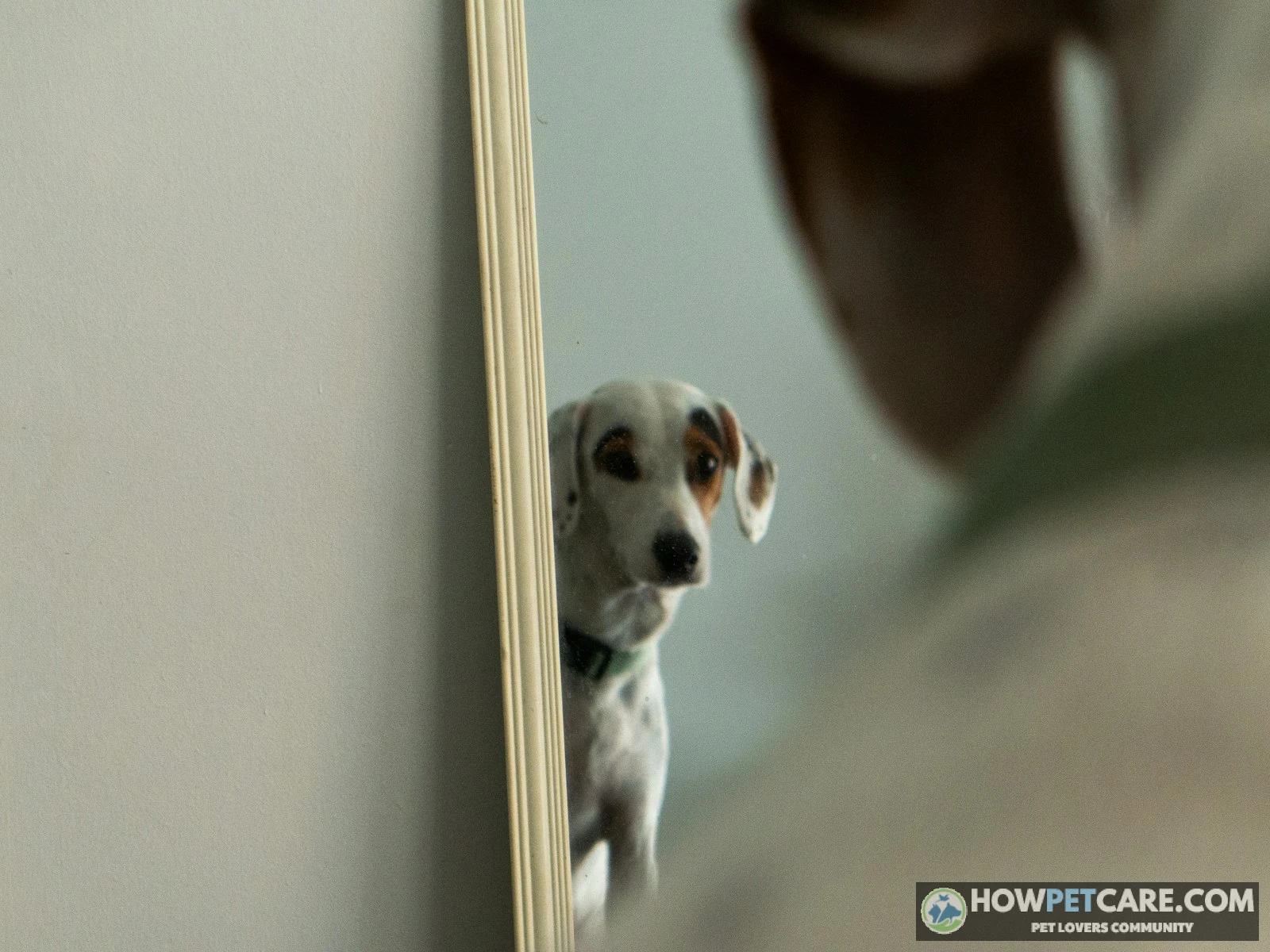
Dogs generally do not demonstrate self-recognition in the standard visual mirror-mark test. That result limits what the test shows; it doesn’t prove that dogs lack every form of self-awareness.
Alexandra Horowitz’s 2017 research found that dogs investigated altered samples of their own odor differently from unaltered samples. Other work on body awareness asks whether dogs can recognize that their own bodies obstruct an action. These findings are suggestive, but neither establishes a human-like concept of self.
Theory of mind or skilled cue-reading?
Dogs often follow a person’s pointing or gaze, and experiments have examined whether they behave differently when a person can or cannot see something. Theory of mind would involve representing what another individual knows, sees, or intends.
The difficulty is that a dog may succeed by learning observable patterns—such as which way a person’s head is turned—without representing a hidden mental state. The evidence shows sensitivity to social cues; the mental explanation remains debated.
Dogs may also remember more than simple routines. In 2016, Claudia Fugazza and colleagues reported evidence of episodic-like memory: dogs could reproduce a previously observed human action when unexpectedly asked. That doesn’t establish that they consciously travel back through time the way humans describe remembering.
Can dogs understand human emotions?
Dogs can respond to emotional information in faces and voices. Research by Natalia Albuquerque and colleagues found that dogs could match emotional expressions across visual and vocal cues. A separate study by Corsin Müller and colleagues examined discrimination of happy and angry human faces.
Emotional recognition isn’t the same as knowing exactly why someone feels sad or experiencing that emotion in the same way. A dog may combine expression, tone, smell, and a history of interactions to decide how to respond.
Can dogs count? Evidence from behavior and brain imaging
Dogs can show sensitivity to differences in quantity, but that isn’t the same as counting aloud or understanding arithmetic as people do. In a 2019 brain-imaging study, Laura Aulet and colleagues examined 11 dogs and found activity in the parietotemporal cortex associated with changes in the number of visual items.
Memory and object permanence can also be studied behaviorally. For example, a researcher can hide an object and observe whether the dog searches for it, or introduce a delay before asking the dog to choose a location. A correct choice is informative, but scent, practice, and accidental cues must be considered before attributing it to memory alone.
Are Some Breeds Smarter? A Cognitive-Type Matrix and the Genetics-vs-Experience Question
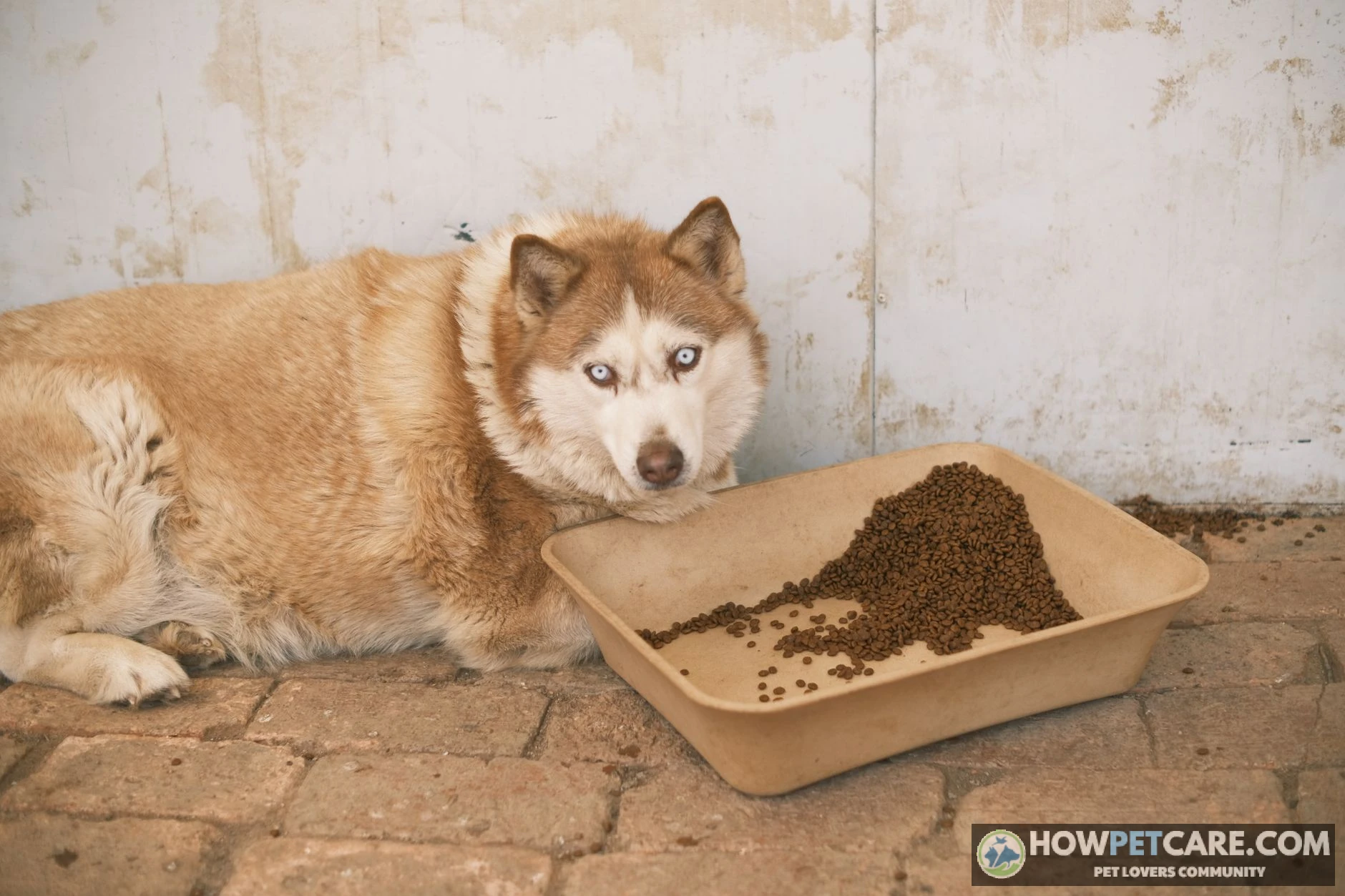
Selection for different jobs can help explain why dogs approach tasks differently. It can’t reliably predict the abilities or personality of an individual dog.
Breed cognitive-type matrix by working function
The table describes historical selection pressures and plausible task preferences—not established scores for every breed or dog. In particular, inhibitory control and persistence depend heavily on the task.
| Functional group | Typical strengths | Typical weaknesses or tendencies | Independence from humans | Inhibitory control and persistence | Caveats |
|---|---|---|---|---|---|
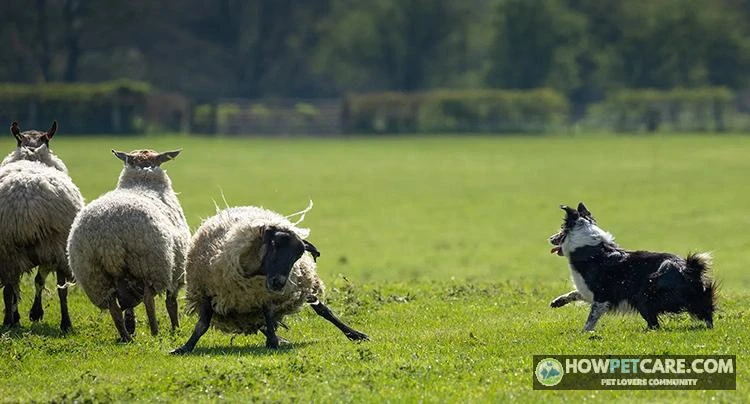
| Herding | Many were selected to attend to movement and cooperate with handlers. | Fast responses to movement may complicate quiet attention in some settings. | Often selected for cooperation. | May persist in movement-related work; self-control varies by individual and task. | Herding breeds and working lines differ considerably. |
| Scent work | Many were selected to follow odor trails. | A compelling scent can compete with attention to a handler. | Some jobs favor working at a distance. | Persistence on a scent trail does not predict performance on a visual self-control test. | A lack of response to a cue does not establish a lack of understanding. |
| Livestock guardian | Historically selected to act around livestock without continuous direction. | May be less inclined to repeat handler-directed tasks. | Often selected for independent decisions. | A repeated puzzle may not measure persistence in the original working context. | Livestock guardians are diverse; guarding behavior is not a direct measure of intelligence. |
| Companion | Many were selected primarily for living alongside people. | Some may prefer social interaction to working alone on a puzzle. | Often accustomed to close human contact. | Neither seeking help nor persisting alone is inherently the smarter response. | Companion breeds and individual dogs vary widely. |
How much is genetic? What research has found
Genes influence behavior, and selection has shaped differences among dog populations. But a breed label doesn’t tell you what proportion of one particular dog’s intelligence is genetic.
Morrill and colleagues’ 2022 Science study found that breed explains only a modest portion of variation in individual behavior. That finding concerns behavior, not a precise percentage of an individual dog’s cognitive ability. Within-breed differences can be substantial, and averages don’t determine an individual result.
Research by Daniel Horschler and colleagues has also linked estimated absolute brain size with performance on some executive-function tasks. It doesn’t show that larger dogs are generally smarter: memory and self-control are only part of cognition.
What experience and environment add
Early experiences, training history, opportunities to explore, health, and motivation all affect what a dog learns and how it performs. A dog familiar with boxes may approach a box puzzle more readily than one encountering a box for the first time.
No dependable intelligence advantage lets an owner rank a mixed-breed dog against a purebred based on pedigree alone. Look at the dog’s actual interests and behavior rather than a breed intelligence ranking.
Does a Dog’s Mind Decline With Age? Early Signs of Canine Cognitive Dysfunction
Normal aging or cognitive dysfunction?
Some older dogs learn more slowly or need adjustments as their senses change. Canine cognitive dysfunction, or CCD, describes a pattern of cognitive and behavioral changes that can interfere with daily life. It can’t be diagnosed from a checklist alone or a home game.
In 2022, Dog Aging Project research by Sarah Yarborough and colleagues examined factors associated with owner-reported cognitive dysfunction. Age was an important association; reported activity was also associated with cognitive status, but the study couldn’t establish that inactivity caused decline.
Early warning signs checklist
The DISHAA framework groups possible indicators. Note changes from your dog’s usual behavior, when they occur, and whether they’re becoming more frequent.
- ☐ D — Disorientation: Seems lost in familiar surroundings, stares at walls, or gets stuck behind furniture.
- ☐ I — Interactions: Becomes unusually withdrawn, irritable, or clingy with familiar people or animals.
- ☐ S — Sleep–wake changes: Sleeps more during the day or becomes restless or vocal at night.
- ☐ H — House-soiling: Has new indoor accidents after a history of reliable housetraining.
- ☐ A — Activity changes: Wanders repetitively, shows less interest in usual activities, or develops new repetitive behaviors.
- ☐ A — Anxiety: Shows new fears, agitation, or separation-related distress.
What to do and when to see a vet
Contact your veterinarian about a persistent or concerning change—even if it appears in only one category. Sudden or severe changes deserve prompt veterinary advice. Pain, hearing or vision loss, urinary problems, endocrine disease, and other conditions can resemble cognitive decline.
Bring notes and, if practical, a short video of the behavior. Your veterinarian can assess possible medical causes and discuss options that may include medication, diet, appropriate enrichment, and changes to the home. A predictable routine and easy access to resting places, water, and familiar routes can also help support an older dog.
Don’t assume a new behavior is simply old age. A veterinary exam is the starting point for separating possible cognitive changes from treatable medical problems.
How to Test Your Dog’s Intelligence at Home With Household Items
These activities are informal observations, not a validated assessment or an IQ test. They can help you notice how your dog approaches memory, communication, scent, and obstacles. They can’t establish how your dog compares with other dogs.
What you need and ground rules
Gather opaque cups or bowls, small treats, several empty boxes, a light towel, and a safe freestanding barrier. Work in a quiet room with a nonslip floor. Use treats your dog can safely eat and avoid items small enough to swallow.
Offer up to three brief trials per activity, with breaks between activities. You don’t need to complete everything in one day. Stop if your dog seems worried, frustrated, tired, or uninterested. Skip the activities if your dog is ill, in pain, or unable to move comfortably.
For each trial, record + for the stated response, ~ for a partial response, and – for no response. These marks are a way to organize observations—not points to add into a total.
Six tasks, step by step
1. Cup memory: where was the treat?
- With your dog watching, place a treat under one of three opaque cups arranged in a row.
- Pause for a few seconds, then release your dog to choose. Keep your hands and gaze neutral.
- Record + if the dog first noses or goes to the baited cup, ~ if it checks another cup first but then finds the treat, and – if it doesn’t engage. Vary the position across trials.
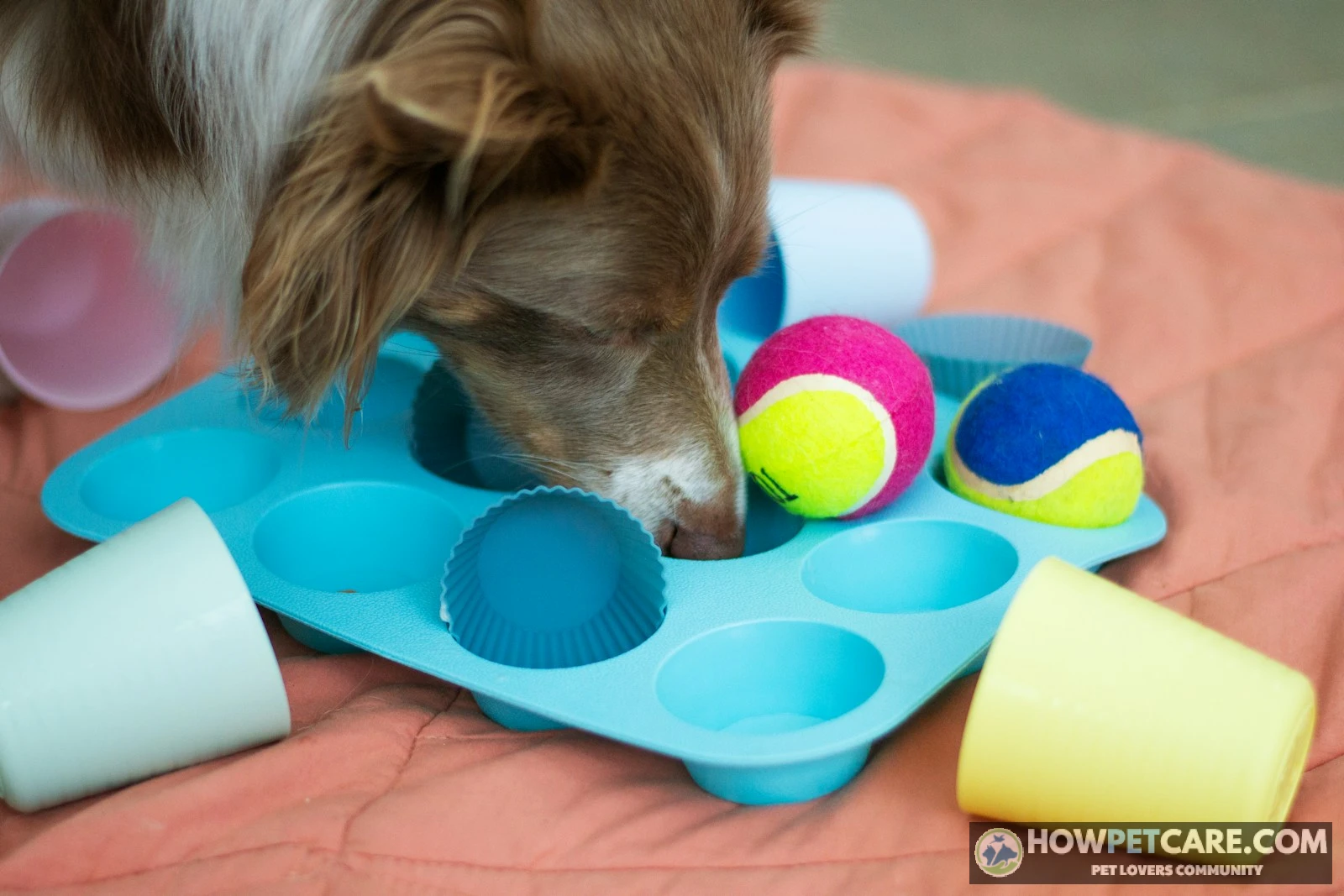
This resembles a short-delay memory task, but scent can reveal the answer. Record the delay and don’t interpret success as memory alone.
2. Pointing: does your dog follow your cue?
- Place two identical bowls apart, both containing a small treat your dog can’t see. Keep the dog from watching you bait them.
- Stand midway between the bowls and point toward one without moving closer to it. Release the dog.
- Record + if its first choice is the pointed-to bowl, – if it first chooses the other, and ~ if no clear choice is made. Alternate the pointed-to side across trials.
Reward either choice by allowing access to that bowl. A familiar pointing gesture, a side preference, or an unintended body cue can influence the result; three trials can’t establish a reliable ability.
3. Towel removal: how does your dog respond?
- Only if your dog is comfortable with handling, gently rest a light towel over its shoulders or loosely over the head without covering the nose or mouth.
- Allow the dog to move away or remove it. Remove the towel immediately if it freezes or shows discomfort.
- Record + if the dog removes or moves out from under it, ~ for an attempt that you help finish, and – for no attempt. Note the response rather than treating speed as intelligence.
Skip this task for dogs that dislike covering or handling. Calmly tolerating a towel may reflect training, not poor problem-solving.
4. Barrier detour: can your dog find a route?
- Set up a stable baby gate or line of chairs with a wide, obvious opening at one end. Avoid gaps that could trap your dog.
- Place a visible treat on the far side. Release the dog from a position where it can walk around the barrier.
- Record + if it goes around and reaches the treat, ~ if it first approaches the barrier but then detours, and – if it doesn’t reach the treat. End the attempt if it paws, pushes, or becomes frustrated.
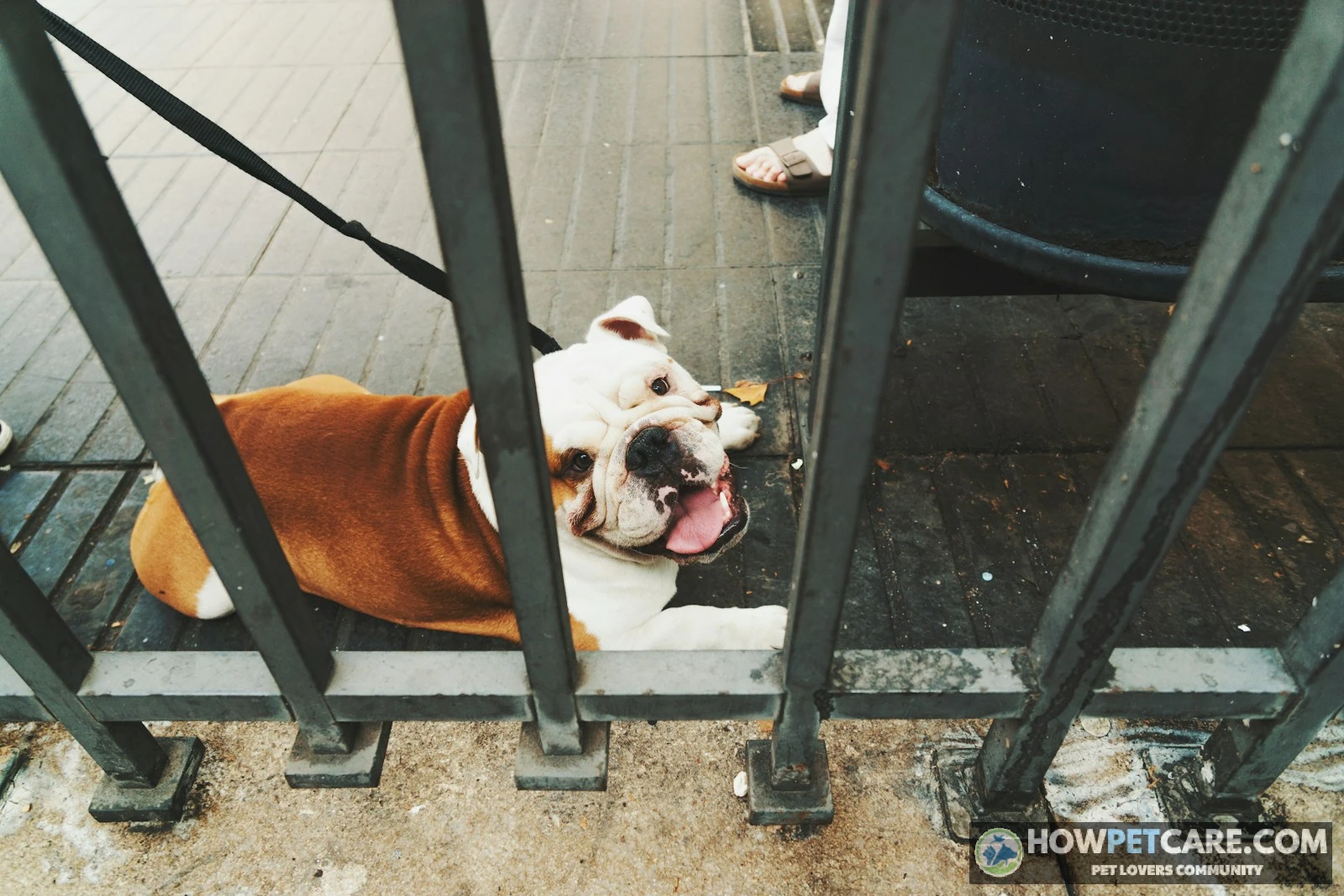
A detour can involve problem-solving and inhibiting a direct approach, but familiarity with gates and physical mobility also matter.
5. Scent search: what does the nose find?
- Place three similar open boxes on the floor. Out of your dog’s sight, put a treat in one and leave the others empty.
- Bring the dog in and let it search. Change the baited box and its position between trials.
- Record + if the first box investigated contains the treat, ~ if the dog searches and finds it after checking another box, and – if it doesn’t engage.
The dog may use residual odor, food crumbs, or location habits; this is a fun search, not a controlled measure of scent sensitivity. Let it enjoy the treat even if the first choice was wrong.
6. Help-seeking: does your dog look toward you?
- Show your dog a treat and place it in a clear, sturdy container with a secure lid. The container must be too large to swallow and safe to handle.
- Set it down while you stand nearby. Don’t encourage scratching or chewing.
- After a brief chance to inspect it, record + if the dog looks toward your face, ~ if it approaches you without a clear look, and – if it does neither. Then open the container and give the dog the treat.
A glance may be help-seeking, but it can also reflect habit or expectation. Not looking at you isn’t a failure: the dog may try another strategy or lose interest. One short attempt may be enough; don’t repeat it if it causes frustration.
How to read your results
Copy this scorecard into a notebook. Alongside each mark, note what the dog actually did.
| Task | Trial 1 | Trial 2 | Trial 3 | Notes |
|---|---|---|---|---|
| Cup memory | Delay and first choice | |||
| Pointing | Pointed-to side and first choice | |||
| Towel removal | Comfort and response | |||
| Barrier detour | Route, hesitation, or help needed | |||
| Scent search | Boxes checked and search behavior | |||
| Help-seeking | Look, approach, or other response |
Also record the date, your dog’s age, the treats used, and any distractions. A dog that eagerly searches boxes may enjoy scent games; one that frequently checks in with you may enjoy cooperative activities. Neither pattern proves a fixed personality or cognitive type.
If you repeat an activity after a few months, keep conditions similar and expect practice to affect performance. A noticeable decline in familiar everyday abilities is a reason to contact your veterinarian, not to keep testing.
Stop when your dog wants to stop. Avoid restraint, inaccessible rewards for extended periods, unstable barriers, and any item your dog might swallow.
Putting It Together: A Practical Plan Based on Your Dog’s Profile and Life Stage
Match activities to your dog’s strengths
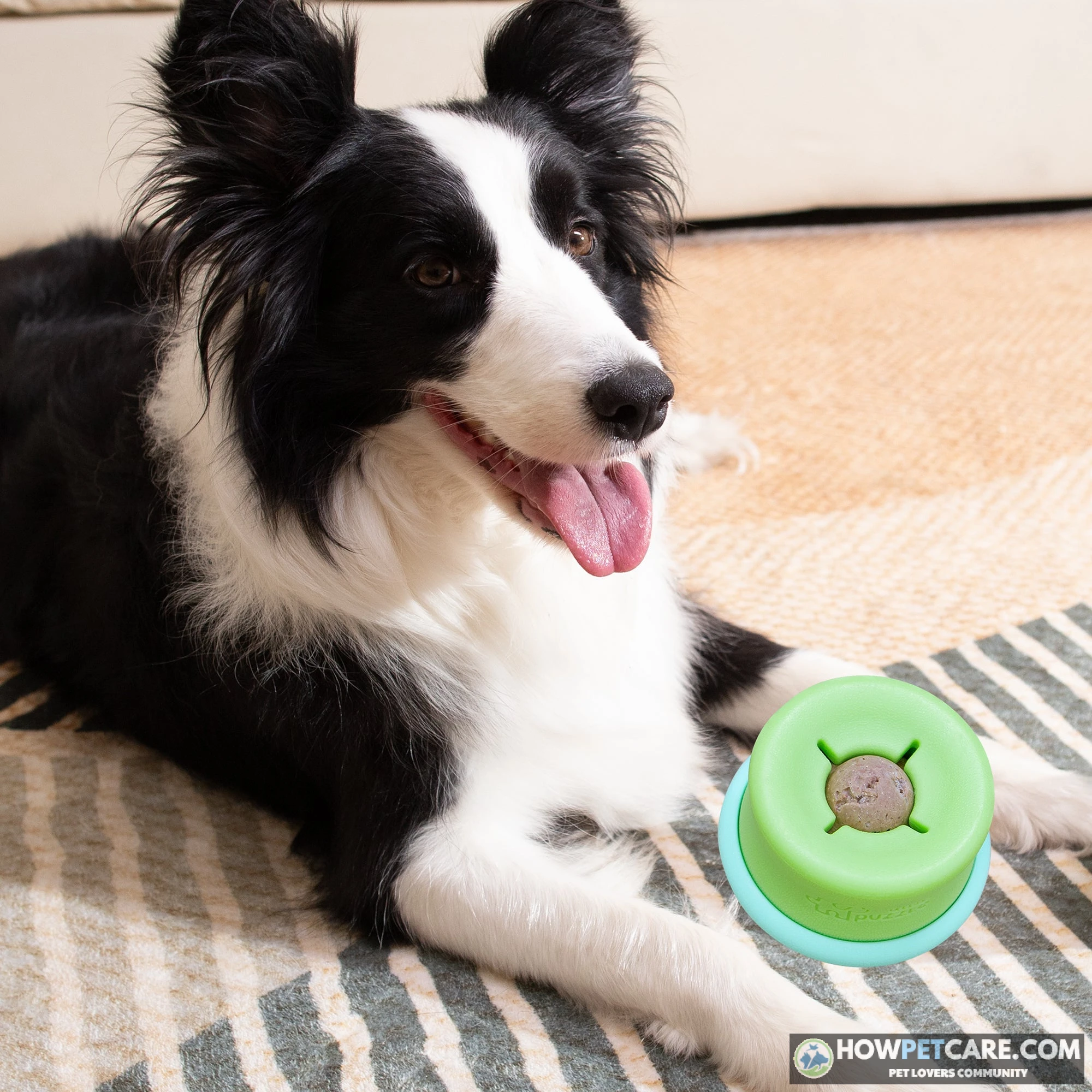
Use the home observations to choose activities your dog enjoys. A keen searcher may appreciate treats scattered in safe grass or a sniff-focused walk. A dog that likes manipulating objects may enjoy an appropriate puzzle feeder. A dog that checks in often may prefer simple cooperative games.
Make sensory information easy to access: try a blue or yellow toy against a contrasting background, use clear hand signals where the dog can see them, and avoid unnecessarily loud sounds. Cues work through consistency and timing: dogs learn associations from the whole situation, including tone and body language.
A life-stage checklist: puppy, adult, senior
- Puppy: Provide safe, positive exposure to varied people, surfaces, sounds, and experiences. Keep activities brief and allow rest.
- Adult: Rotate enjoyable scent, movement, and puzzle activities. Change the difficulty if your dog becomes bored or frustrated.
- Senior: Maintain predictable routines, adapt games to mobility and sensory changes, and discuss new behavior or memory concerns with a veterinarian.
When to talk to a vet or a certified behaviorist
Start with your veterinarian if behavior changes suddenly, your dog seems uncomfortable, or familiar tasks become difficult. For persistent fear, anxiety, or behavior that creates a safety concern, ask your veterinarian about referral to a qualified veterinary behaviorist or a credentialed behavior professional who uses humane, reward-based methods.
Choose one enjoyable activity to try this week, record what your dog does, and adjust it to the dog in front of you. The most useful profile isn’t a rank: it’s a practical record of what helps your dog engage comfortably with the world.
FAQ
Are mixed-breed dogs less intelligent than purebred dogs?
Research has not found a consistent intelligence advantage for either group. Individual variation within a breed is large, and breed accounts for only part of behavioral differences between dogs.
Are small dogs less intelligent than large dogs?
Not generally. Some studies link larger absolute brain size with better performance on specific executive-function tasks, such as self-control and short-term memory. That doesn’t make small dogs ‘dumber’ overall, because intelligence covers many skills.
Can training make a dog smarter?
Training and enrichment build skills such as learning, attention, and problem-solving, and they may help keep older dogs mentally active. There is no good evidence that they raise a dog’s underlying cognitive ceiling.
Can dogs see what’s on a TV screen?
Often yes. Dogs detect flicker faster than people, so modern high-refresh-rate screens look smoother to them than older ones did. They see fewer colors than humans do, and many dogs respond more to sound and motion than to the picture itself.