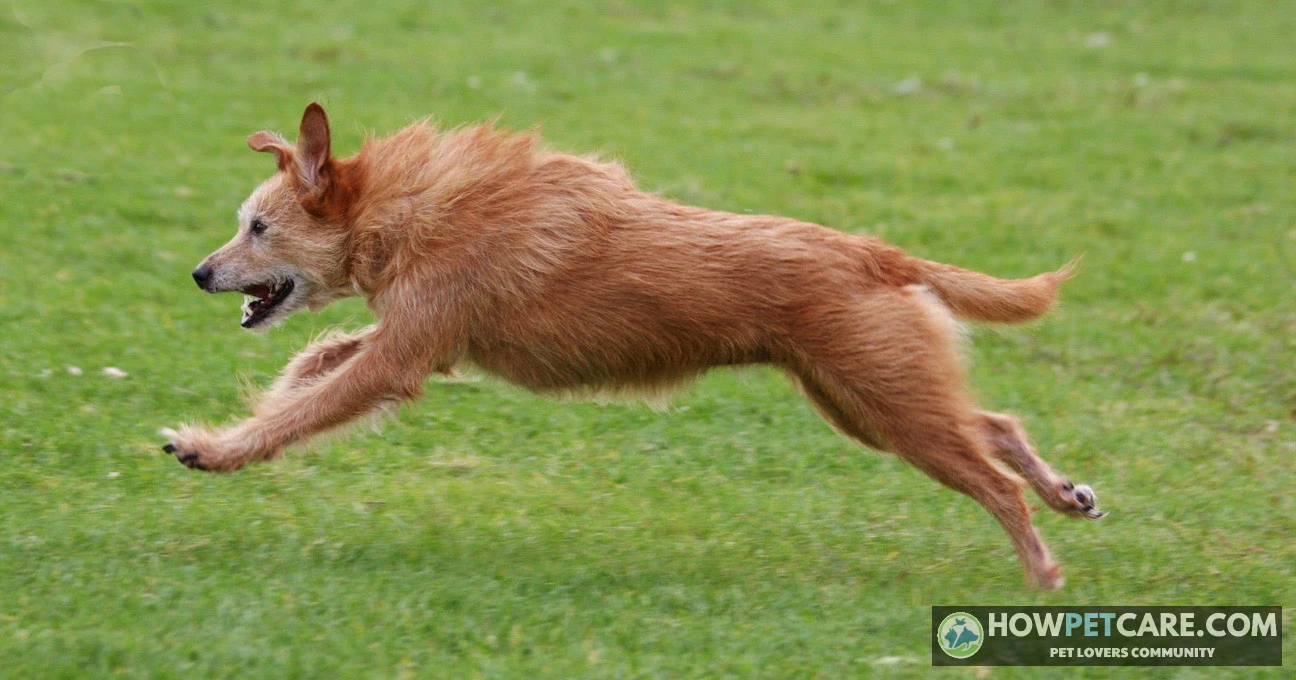

Dogs get the zoomies—frenetic random activity periods—when excitement, routine changes, pent-up energy, or arousal spill into a sudden burst of running. The exact cause isn’t proven, so read the trigger, body language, coordination, and recovery: brief playful bursts are often normal; pain, panic, or poor recovery isn’t.
Dogs get the zoomies when they suddenly burst into fast, energetic movement, often around an exciting event, a change in routine, or a stretch of inactivity. The exact cause hasn’t been established, and it may vary from one episode to the next. A brief burst of playful running followed by a normal recovery is often harmless. Running that comes with pain, panic, or trouble settling deserves closer attention.
If you’re wondering, “why do dogs get the zoomies,” the honest answer is that the setting and your dog’s behavior before, during, and after the episode offer the best clues.
What are dog zoomies and what does FRAPs stand for?
Dog zoomies are short bursts of intense running, spinning, darting, or other energetic play. They’re also called frenetic random activity periods, or FRAPs. Episodes often last from a few seconds to a few minutes.
Your dog might race in circles, make a sharp turn, bow playfully, then flop down as if nothing happened. It can look wild, but speed alone doesn’t tell you much. Pay attention to the setting, body language, coordination, and how your dog recovers.

What may be happening in your dog’s body during a zoomie
Arousal, excitement, and the burst of movement
One useful way to understand zoomies is as a burst of activity linked to a heightened state of arousal. In canine behavior, arousal means being alert and ready to react. It can come with excitement, anticipation, frustration, or stress. A bath, an energetic game, or the opening of a crate door may be enough to raise that excitement level.
The body has systems that respond to arousal. Adrenaline, for example, plays a role in the body’s response to excitement or stress, while dopamine is involved in motivation and reward. Those are general facts about biology, though—not proof that a particular chemical surge causes a particular dog’s zoomies. Researchers haven’t established a specific biological trigger for FRAPs.

Why an undetermined cause can still offer useful clues
Pent-up energy or tension may help explain some episodes, especially after confinement or an event such as a bath. But that’s a possible explanation, not a diagnosis or a complete account of every sprint.
Your dog’s exercise needs, mental stimulation, sleep, recent activity, and surroundings all provide useful context. Dogs can zoom after a satisfying walk, too. Rather than asking only whether your dog got enough exercise, consider what happened before the episode and how your dog looked during and afterward.
Triggers, age, and the difference between puppies and adult dogs
A zoomie can seem to come out of nowhere because the trigger is subtle, has already passed, or isn’t visible to us. These common patterns are possibilities, not proven explanations for an individual dog.
| Context | Possible explanation | Practical response |
|---|---|---|
| After a bath | The end of handling, excitement, or a reaction to being wet may be part of the picture. | Dry the floor, block stairs, and give your dog a clear route with traction. |
| After pooping | The bathroom routine, relief, or the prospect of moving on may be exciting; the exact reason is unknown. | Keep the leash or enclosed yard route clear. If there is straining or apparent discomfort, call your veterinarian. |
| After eating | Mealtime excitement or a familiar daily routine may coincide with a burst of activity. | Encourage a calm transition instead of rough play; ask your veterinarian about an appropriate activity schedule for your dog. |
| After confinement | Anticipation and pent-up energy may contribute once your dog has room to move. | Open the door calmly and guide your dog toward a safe area. |
| At night | Play, accumulated excitement, or a predictable household routine may be involved. | Try a quieter wind-down and make sure activity and rest are sensibly distributed through the day. |
| After guests, a walk, or play | Social excitement or a stimulating transition may come before the running. | Offer space and a quiet pause when your dog is ready to settle. |
Post-bath zoomies don’t necessarily mean your dog enjoyed or hated the bath. Look at the whole experience: a loose, bouncy dog who settles afterward is different from one who trembles, hides, or repeatedly tries to escape.
Why puppies get the zoomies more often
Puppies and young dogs often show zoomies more noticeably than older dogs, though older dogs can have them too. Puppy energy often comes in bursts, and young dogs are still learning to manage exciting situations. A busy evening, a play session, or the transition toward bedtime may bring on a sprint.
More activity isn’t automatically the answer. Give your puppy age-appropriate chances to move and explore, along with time to rest. If the behavior is hard to manage or your puppy seems distressed, ask your veterinarian for guidance rather than assuming the puppy simply needs to run harder.

Do older dogs still get the zoomies?
Yes. An adult or senior dog can still have a brief, playful burst of running. Compare what you see with that dog’s usual behavior and mobility, not with a puppy’s.
Temperament and activity needs vary between individual dogs, including high-energy breeds such as Border Collies and Australian Shepherds. That doesn’t establish a reliable ranking of which breeds zoom most or prove that a particular episode is genetic. A new or escalating running pattern in an older dog—especially alongside stiffness or other movement changes—is worth discussing with a veterinarian.

Cats can also have sudden bursts of running and play. Rabbits and other animals may show brief energetic episodes, but normal behavior and signs of distress differ by species. Judge each pet in its own context.
Normal FRAPs or a warning sign? Use the pattern and body language
A typical playful zoomie is a short, coordinated burst with loose or playful body language, followed by a return to the dog’s usual self. No single sign is a diagnosis. A dog may be too excited to respond immediately during an otherwise ordinary burst, and an episode without an obvious trigger isn’t automatically a problem.

Healthy zoomies versus anxiety-, pain-, or compulsive-driven behavior
Start with your dog’s usual behavior and consider the full combination of signs. Running that looks like a zoomie can sometimes happen alongside discomfort or distress; the behavior alone can’t tell you which explanation is right.
| What to observe | Typical playful pattern | Potential warning sign | What to do |
|---|---|---|---|
| Duration | Seconds to a few minutes, followed by slowing and recovery. | Much longer than usual, repeatedly restarts, or doesn’t settle after several minutes. | Clear the area; call your veterinarian if the episode is prolonged, repeats, or includes other concerning signs. |
| Frequency | Fits the dog’s familiar pattern, sometimes around an exciting event. | A sudden change, an escalating pattern, or episodes that disrupt daily life. | Log the pattern and discuss the change with your veterinarian. |
| Body language | Loose, bouncy movement, a soft face, or a play bow. | Trembling, a tucked tail, attempts to escape, or other signs that may suggest fear or distress. | Give the dog space; seek veterinary advice if distress is intense or recurrent. |
| Movement and comfort | Coordinated turns and normal movement after the burst. | Yelping, limping, stiffness, repeated licking or scratching, or sensitivity to touch. | Don’t force movement or examine a painful area; arrange veterinary advice. |
| Recovery | Returns to usual behavior and can settle. | Remains agitated, seems disoriented, crashes into objects, or can’t recover normally. | Contact a veterinarian promptly; seek urgent help for collapse or severe distress. |
| Repetition | The burst varies with the setting and eventually ends. | Highly similar loops are difficult to interrupt or interfere with eating, resting, or other normal activity. | If safe, record a video and ask your veterinarian to assess the pattern. |
When to call a veterinarian
There’s no established universal number of minutes or episodes per day that separates normal zoomies from a medical or behavioral problem. Several episodes in a day don’t, by themselves, prove a compulsive disorder or inadequate exercise. A change from your dog’s baseline, an abnormal recovery, or other symptoms matter more than the count alone.
Contact your veterinarian about a new or increasingly frequent pattern, episodes that are unusually prolonged for your dog, repeated distress, or signs such as limping, yelping, or persistent scratching. Pain or irritation could contribute to a sudden change in movement, but the behavior alone can’t confirm or rule that out. Anxiety or compulsive behavior can’t be confirmed from the behavior alone either; your veterinarian can assess the context and whether further evaluation is needed.
Seek urgent veterinary care if your dog collapses, has trouble breathing, has a seizure, sustains a serious injury, or appears severely distressed. After eating, a swollen abdomen, repeated unproductive attempts to vomit, or sudden collapse calls for emergency veterinary attention rather than waiting to see if the dog settles.
If it is safe to do so, take a short video and note what happened before the episode, how long it lasted, and how your dog recovered. This can help your veterinarian assess behavior that may not happen during an appointment.

Dog zoomies safety: floors, stairs, apartments, and public spaces
For a predictable burst, prepare the route in advance. If your dog is already sprinting, don’t step into the path or try to catch a moving collar.
A quick safety check before the next zoomie
- Hardwood or tile: Wipe up water, remove sliding rugs, and use securely positioned nonslip runners or mats on the route. A loose rug can slide as easily as a paw.
- Stairs and balconies: Close doors and gate stair access before a bath or another predictable trigger. Keep balconies and other fall hazards inaccessible.
- Small apartments: Clear a modest, nonslip area instead of encouraging a fast loop around furniture. Move low tables, fragile objects, and sharp-edged obstacles out of the route where practical.
- Children and other pets: Move them out of the dog’s path before excitement builds. Ask children not to chase, hug, or corner a sprinting dog.
- Kitchen and bathroom: Keep spills, cleaning supplies, hot cookware, and breakables away from the running area.
- Yard: Check that gates are latched and remove access to tools, holes, pools, and other hazards before allowing off-leash activity.
- Public spaces and dog parks: Keep a secure leash where required or appropriate; move away from traffic, bikes, and crowds. Don’t unclip in an unfamiliar or unsafe area. At a dog park, calmly leave if play becomes one-sided or dogs are colliding.

Afterward, check that your dog is moving normally. If you see a cut, limping, or persistent paw licking, contact your veterinarian for advice.
Should you interrupt a dog mid-zoomie?
An episode doesn’t always need to be interrupted. If the area is safe and your dog looks comfortable, give them room to finish. If the route is unsafe, calmly guide your dog toward a safer space when you can do so without stepping in front of them or creating another hazard.

-
Stay out of the route
Stop chasing or reaching for the collar. Keep your movements calm and let the dog pass.
-
Reduce immediate hazards
From a safe position, move people and pets aside and close access to stairs or other hazards if you can do so without crossing the dog’s path.
-
Invite, do not confront
If your dog can respond, use a familiar, calmly spoken cue to guide them toward a clear area. Do not unclip the leash near traffic or pull a sprinting dog into danger.
-
Wait for the downshift
Once the dog slows, offer a quiet place to settle. If the dog looks injured, panicked, or unable to recover, contact a veterinarian.
Chasing, yelling, grabbing, or blocking a running dog with your body can make an already unsafe situation harder to manage. Prioritize distance and a clear route.
How to reduce or calm zoomies when timing becomes a problem
The goal isn’t to eliminate every playful sprint. It’s to reduce preventable hazards and help your dog move between activity and rest comfortably.
A step-by-step calming protocol
- Notice the setup. For the next week, note the time, preceding activity, length, body language, and recovery. If your dog looks ill or distressed, call your veterinarian now rather than waiting a week.
- Prepare before the usual time. Clear the route and separate children or other pets from the space. If baths reliably trigger running, prepare the dry, nonslip area before the bath begins.
- Keep your response quiet. During the burst, avoid shouting, punishment, or physical restraint. Make room and use a familiar cue only when your dog can respond safely.
- Offer a low-key transition. Once your dog slows, invite a familiar calm activity, such as sniffing in a safe area or settling in a quiet room. Let the dog rest instead of starting another exciting game.
- Review the pattern. If episodes are becoming more frequent, disruptive, or unusual for your dog, share your notes with your veterinarian rather than assuming more exercise will fix them.

Prevention through routine, play, and mental stimulation
Match exercise to your dog’s age, health, and needs. Regular walks, appropriate play, and chances to sniff or explore provide physical activity and mental stimulation without turning every session into an intense workout. Your veterinarian can help you choose a suitable routine, particularly for a puppy, senior dog, or dog with a health condition.
Try a predictable pause after exciting events. After guests leave or a bath ends, for example, guide your dog to a quiet, nonslip area and give them time to settle. If evening zoomies follow a long inactive stretch, try an earlier walk or sniffing session and see whether the pattern changes. A consistent schedule is useful information, not proof that your dog was under-exercised.
Don’t punish normal play behavior. If your dog repeatedly seems frightened or can’t settle, focus on safety and veterinary guidance rather than trying to train through the episode.
Your next step: observe, make space, and decide whether to seek help
When the next burst happens, check the setting and your dog’s body language first. If it’s brief and coordinated, with a normal recovery, clear hazards, give your dog room, and note any recurring trigger. In an unsafe space, calmly move people and hazards away; redirect only if your dog can respond without a chase.
If the behavior is new, unusually prolonged, increasingly repetitive, or accompanied by apparent pain, distress, or abnormal movement, record what you observed and contact your veterinarian. For collapse, breathing trouble, severe distress, or another emergency sign, seek urgent care.
| What to Observe | Typical Playful Pattern | Potential Warning Sign | Practical Response |
|---|---|---|---|
| Duration | Seconds to a few minutes, followed by slowing and recovery. | Much longer than usual, repeatedly restarts, or doesn't settle after several minutes. | Clear the area; call your veterinarian if the episode is prolonged, repeats, or includes other concerning signs. |
| Frequency | Fits the dog's familiar pattern, sometimes around an exciting event. | A sudden change, an escalating pattern, or episodes that disrupt daily life. | Log the pattern and discuss the change with your veterinarian. |
| Body language | Loose, bouncy movement, a soft face, or a play bow. | Trembling, a tucked tail, attempts to escape, or other signs that may suggest fear or distress. | Give the dog space; seek veterinaryhttps://howpetcare.com/why-do-dogs-get-the-zoomies/ advice if distress is intense or recurrent. |
| Movement and comfort | Coordinated turns and normal movement after the burst. | Yelping, limping, stiffness, repeated licking or scratching, or sensitivity to touch. | Don't force movement or examine a painful area; arrange veterinary advice. |
| Recovery | Returns to usual behavior and can settle. | Remains agitated, seems disoriented, crashes into objects, or can't recover normally. | Contact a veterinarian promptly; seek urgent help for collapse or severe distress. |
| Repetition | The burst varies with the setting and eventually ends. | Highly similar loops are difficult to interrupt or interfere with eating, resting, or other normal activity. | If safe, record a video and ask your veterinarian to assess the pattern. |
| After pooping | The bathroom routine, relief, or the prospect of moving on may be exciting; the exact reason is unknown. | Straining or apparent discomfort. | Keep the leash or enclosed yard route clear. If there is straining or apparent discomfort, call your veterinarian. |
| After a bath | The end of handling, excitement, or a reaction to being wet may be part of the picture. | Not in source | Dry the floor, block stairs, and give your dog a clear route with traction. |
| After eating | Mealtime excitement or a familiar daily routine may coincide with a burst of activity. | Not in source | Encourage a calm transition instead of rough play; ask your veterinarian about an appropriate activity schedule for your dog. |
| After confinement | Anticipation and pent-up energy may contribute once your dog has room to move. | Not in source | Open the door calmly and guide your dog toward a safe area. |
| At night | Play, accumulated excitement, or a predictable household routine may be involved. | Not in source | Try a quieter wind-down and make sure activity and rest are sensibly distributed through the day. |
| After guests, a walk, or play | Social excitement or a stimulating transition may come before the running. | Not in source | Offer space and a quiet pause when your dog is ready to settle. |
FAQ
Why does my dog get the zoomies after pooping?
Some dogs sprint after pooping as part of an excitement or relief response, or because the bathroom routine itself has become stimulating. A sudden change accompanied by straining, discomfort, or other symptoms is a reason to contact a veterinarian.
Why do dogs get the zoomies after a bath?
Post-bath zoomies may follow the stress or excitement of bathing, the sensation of being wet, or the transition back to familiar surroundings. Give your dog a clear, nonslip area away from stairs and furniture.
Why do dogs get the zoomies at night?
Evening zoomies can reflect accumulated arousal, play, or a change in routine, and may be more noticeable when the household becomes active or quiet. A predictable wind-down routine and enough daytime activity can help.
Can cats and other pets get zoomies too?
Cats commonly have sudden bursts of running and play, and other animals can show brief high-energy episodes as well. The behavior and possible causes vary by species, so assess it in the context of that animal’s normal movement and body language.