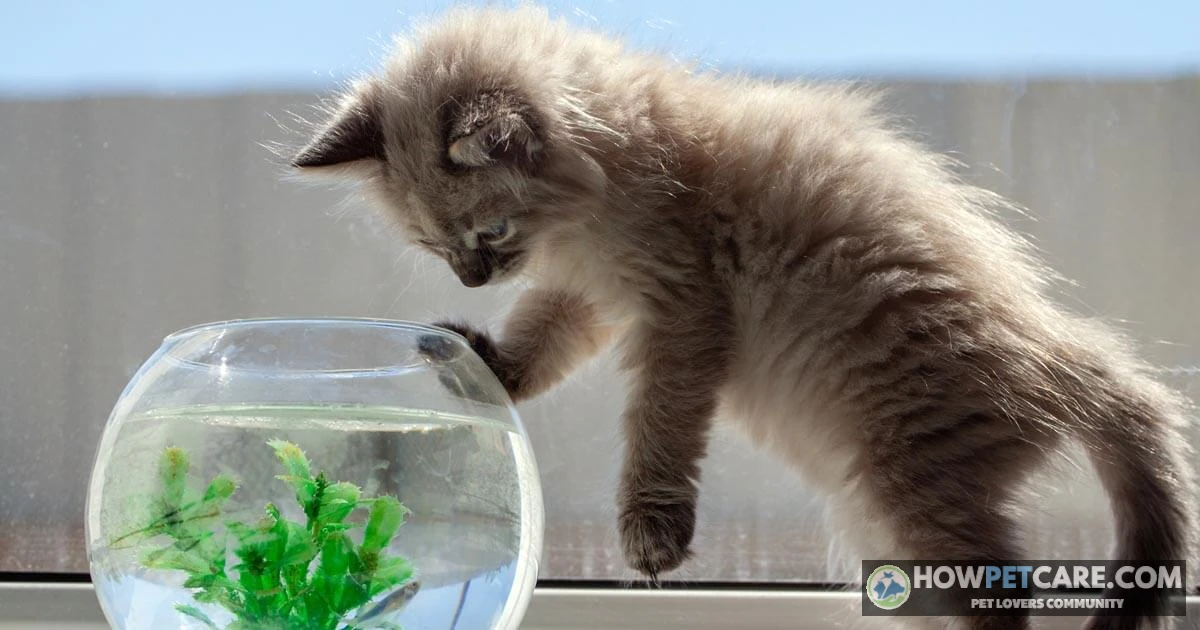

Cats knock things over to explore objects, play, practice hunting moves, or trigger a reaction they’ve learned to expect—such as attention or food. The cause depends on context: watch your cat’s timing, body language, and what it does afterward to identify the motive and choose the right fix.
Cats knock things over to investigate, play, practice hunting behaviors, or get a response they have learned to expect. The same behavior can have more than one cause, so look at when it happens, what your cat targets, and what follows.
A cat may deliberately push an object, but that isn’t evidence of spite or revenge. To reduce the behavior, protect dangerous items first, then offer a safer way to meet the likely need—whether that means play, predictable attention, food on a consistent schedule, or a quieter place to rest.
Match the clues to the cause: what your cat does before and after
Use this table as a starting point, not a diagnosis. Eye contact, timing, and body language are clues; none can prove what a cat is thinking.
| Observed clue | Possible motive | First response |
|---|---|---|
| Looks at you, pauses, and pushes an object when you are nearby | Learned attention-seeking | Stay neutral if safe; give attention for calm behavior before the next predictable incident. |
| Crouches, watches, bats, and chases the fallen object | Hunting behavior or object play | Offer interactive chase-and-catch play and rotate safe toys. |
| Sniffs and gently paws a new object, then moves on | Curiosity | Store the object safely and offer a safe box or other supervised novelty. |
| Knocks things down before breakfast or overnight | Activity, hunger timing, or a learned wake-up response | Try an evening play-and-meal routine and consider a timed feeder. |
| Behavior follows guests, a move, or a routine change | Stress or difficulty settling | Restore a predictable routine and provide a quiet hiding place or perch. |
| Incidents occur near bowls, doorways, or resting spots in a multi-cat home | Resource tension or blocked access | Separate resources and watch for staring, chasing, or blocking. |
| A previously calm or senior cat suddenly starts knocking things over | A health, sensory, mobility, or environmental change | Contact your veterinarian, especially if other behavior or health changes appear. |
Clues that suggest play, curiosity, or predatory instinct
Cats use their paws to investigate an object’s feel and movement, and an item that shifts or falls can be rewarding to bat or chase. A pen on a ledge may be a more appealing target than a heavy book because it moves easily. Paw sensitivity helps cats explore, but you cannot tell from a single tap whether the goal is investigation or play.

Clues that suggest attention, hunger, or stress
If your cat looks at you while pushing a glass, it may expect a familiar reaction. Cats can learn that knocking something over brings a person running, even if that person scolds them. Eye contact alone does not prove attention-seeking; the cat may also be watching you or the moving object.
Notice what happens next. Does the cat head to the food bowl, chase the object, or retreat when another cat approaches? Knocking near a resource may accompany tension, but it is not reliable evidence of territorial marking. Look for the broader pattern rather than assigning a motive to one incident.

For several days, record the time, object, what happened beforehand, your response, and what the cat did next. A simple log can reveal a pattern that is hard to notice in the moment.
Stop the behavior without scolding: match the fix to the motive
Replace object play with a satisfying hunting routine
If your cat stalks and chases falling objects, schedule interactive play before the usual trouble time. Move a wand toy like prey, let your cat pursue it, and finish by allowing a catch—or the wrestling bunny kick many cats use on prey. Put string and wand toys away after supervised play; loose string can be dangerous if swallowed.

Rotate appropriate cat toys, offer a cardboard box with handles removed, or use a puzzle feeder with part of the cat’s normal food allowance. Indoor-only cats often benefit from environmental enrichment and opportunities to climb, explore, and play. Introduce food puzzles gradually so they do not make meals frustrating.
Prevent accidental rewards and address resource competition
For suspected attention-seeking behavior, arrange regular play and interaction before your cat begins pushing objects. Reward a calm alternative—such as sitting on an approved perch—with attention or a small treat. This is positive reinforcement: the behavior you want earns a reward.
If an incident involves a hazard, don’t ignore a falling glass, a cord, or another danger; intervene calmly and secure the area. Yelling, spraying water, and startling the cat can cause fear without teaching a useful alternative.
If incidents cluster around meals, review the schedule and daily food amount with your veterinarian. In multi-cat homes, provide separated food, water, litter, and resting areas so one cat cannot easily block access. Add hiding spots and safe vertical space, and watch whether cats can use resources without being chased or stared down.
Night-time knocking: change the evening routine and morning payoff
Cats may be active around dawn and dusk, and a quiet household can make overnight object play especially noticeable. A cat may also be hungry or have learned that noise wakes someone who feeds it. The pattern, not the hour alone, helps distinguish these possibilities.

A practical pre-bed routine
Try this routine consistently for seven nights, adjusting play length to your cat’s age and abilities.
-
Clear the launch zones
Before bed, put phones, glasses, medication, jewelry, and cups in closed storage. Secure anything else that could break or be swallowed.
-
Play, then feed
Offer about 10–15 minutes of interactive chase play, ending with a catch. Follow with a measured meal or portion of the cat’s usual daily food.
-
Wind down
Allow a quiet period before bed. If the cat stays outside the bedroom, provide access to water, litter, a comfortable resting place, and a safe perch.
-
Respond calmly
If something falls, deal with hazards promptly but without chasing, yelling, or immediately feeding. Leave harmless cleanup until morning if practical.
-
Review the pattern
Each morning, note the time, target, your response, and whether play and feeding happened as planned. Compare the entries after a week.
What to change when the knocking happens before breakfast
If the cat consistently wakes you just before its meal, a timed feeder can separate breakfast from your getting out of bed. Try setting it to open 15–30 minutes before the usual disturbance, using food from the normal daily allowance rather than adding extra calories. Check the schedule with your veterinarian if your cat has a medical condition or dietary restrictions.
A sudden new nighttime pattern, especially with increased thirst, weight change, vomiting, or confusion, calls for a veterinary conversation rather than a longer training experiment.
Water-bowl tipping is different: identify the cause before changing the bowl
Water play and bowl tipping can look like ordinary object pushing, but the setup matters. Your cat may enjoy ripples, find a light bowl easy to move, dislike the bowl’s shape or location, or have trouble reaching water without another cat interfering.
| What you observe | Possible cause | What to try |
|---|---|---|
| Paw dips make ripples, followed by normal drinking | Interest in moving water or sensation play | Try a stable fountain or refresh still water more often; observe the response. |
| The bowl slides or flips during use | Lightweight or unstable bowl | Try a heavy, wide bowl on a non-slip mat. |
| The cat hesitates at a narrow or deep bowl | Bowl shape or possible whisker contact discomfort | Offer a wider, shallower dish and see whether the cat uses it more comfortably. |
| The bowl is beside food or litter | Location may be unappealing | Try a quiet, accessible water station separated from food and litter. |
| The cat splashes and walks away | Play may be rewarding | Add scheduled play and keep another stable water bowl available. |
| Another cat guards the route or bowl | Competition or blocked access | Set up multiple water stations in separate locations. |
| Tipping is new and drinking or urination has changed | Possible health issue | Contact your veterinarian rather than relying on a bowl change. |
Choosing between a weighted bowl and a fountain
Start with a weighted bowl if the main problem is sliding or spilling. A fountain may be worth trying if your cat seems drawn to moving water, but it is not automatically better. Choose a stable model, consider the motor noise, follow cleaning instructions, and protect the cord. Keep a clean still-water option available while your cat adjusts.
When water-bowl behavior may signal a health problem
Contact your veterinarian if tipping is new and your cat is drinking more or less, urinating differently, losing weight, vomiting, or acting lethargic. Do not restrict water while trying to prevent spills.
Cat-proof rooms and protect high-risk objects
Prioritize hazards before valuables
Start with objects that can injure or poison a cat, then secure fragile or valuable belongings. A tidy surface is often the simplest way to prevent cats from pushing objects off ledges.
If your cat may have swallowed an object, chewed an electrical cord, contacted a toxic plant or food, or been injured by broken glass, contact a veterinarian or emergency veterinary clinic promptly. Repeated vomiting or signs of injury also warrant urgent advice. Do not induce vomiting unless a veterinary professional instructs you to do so.
Proofing counters, shelves, and bedside tables
- Kitchen: Put knives, glass, medications, chocolate, onions, and other hazardous foods in closed storage. Clear wrappers and food scraps from counters.
- Desk: Cover or route cords behind furniture; store batteries, earbuds, rubber bands, and other small objects in drawers. Anchor unstable lamps and monitors.
- Shelves: Move fragile items away from edges. Use museum putty only where suitable for the object and surface; it is not a substitute for anchoring a heavy item or moving a hazard.
- Bedside and bed: Put phones, glasses, chargers, jewelry, and water cups in a drawer or lidded container. Cats may push items off a bed for the same mix of play, exploration, or learned attention as items on a table.
- Bathroom and laundry: Store medicine, razors, floss, hair ties, cleaners, detergent pods, and string behind closed doors. Keep the toilet lid down.
- Whole home: Offer a stable cat tree, window perch, or cleared shelf as an approved alternative near a favorite lookout.

A shelf barrier or closed cabinet can protect vulnerable objects. Some owners try removable deterrent surfaces such as double-sided tape, but cats respond differently; check that the material is suitable for the surface and cannot be chewed or swallowed. Avoid painful or frightening deterrents. Motion-activated devices that startle a cat may increase stress and do not address the underlying reason for the behavior.
Age, household, and health changes can alter the pattern
What changes across kitten, adult, and senior cats
Kittens often investigate and practice object play; keep small swallowable items out of reach and provide supervised play. Adult cats vary in their preferences and opportunities for enrichment. There is not enough evidence here to predict how often an individual cat will knock things over based on breed alone.
In a multi-cat household, one cat may learn from another or encounter competition for a favorite route or resting spot. Give each cat access to separated resources and observe whether one is being blocked. For a senior cat, new clumsiness or a change in nighttime behavior deserves attention because health, mobility, or senses may have changed.

Red flags that warrant a veterinary check
Call your veterinarian about sudden, escalating, unusually intense, or out-of-character knocking, especially alongside hiding, overgrooming, house-soiling, apparent pain, confusion, changes in appetite or thirst, or litter-box changes. Repetitive behavior that is difficult to interrupt also deserves assessment.
After medical concerns are assessed, a qualified cat behaviorist or veterinary behaviorist can help with persistent behavior or conflict between cats. Bring your incident log so the professional can see the timing and context.
Use this first-week plan to test what works
On day one, secure hazards and start a log. Choose one main change that fits the strongest clue: scheduled play for a cat that chases objects, a stable water setup for a bowl tipper, or predictable attention for a cat that appears to seek a reaction. Keep necessary safety changes in place throughout.
Copy this template into a note and record each incident:
| Date and time | Object and room | What happened just before | Your response | Cat’s next action | Possible motive or next test |
|---|---|---|---|---|---|
| Tuesday, 6:10 a.m. | Water glass, nightstand | Breakfast was approaching; evening play was missed | Got up and fed the cat | Went to the kitchen | Hunger or learned response; try a timed feeder and secure the glass. |
Review several entries after a few days or at the end of the week. Keep a change that helps, adjust it if the pattern points elsewhere, and share the log with your veterinarian if red flags appear. Progress may be gradual, and the goal is a safer home and a better outlet—not a guarantee that your cat will never bat an object again.
1According to the source, why might a cat deliberately push an object off a surface?
Cats explore their environment through touch and movement, and past reactions from owners can reinforce this deliberate interaction.
2If a cat looks at its owner, pauses, and pushes an object off a counter while the owner is nearby, what is the most likely motive?
Pausing and making eye contact while moving an item suggests the cat has learned this action reliably prompts a human reaction.
3What interactive play strategy is recommended to satisfy a cat's hunting drive and reduce object play?
Allowing a cat to successfully capture prey at the end of structured play satisfies its predatory sequence and safely expends energy.
4How should an owner address object-knocking incidents that cluster around bowls, doorways, or resting spots in a multi-cat home?
Distributing essential resources prevents individual cats from blocking access and reduces environmental tension between pets.
5If a cat consistently knocks objects over to wake its owner right before morning mealtime, what strategy is suggested?
Providing food automatically breaks the learned connection between waking the owner and receiving breakfast.
6If a cat hesitates at a narrow or deep water bowl before knocking it over, what change should be tried first?
Broad dishes prevent delicate whiskers from brushing against the sides, eliminating whisker contact discomfort.
7When cat-proofing a room, which items should be secured before protecting valuable decor?
Preventing access to toxic substances, swallowable items, and sharp objects takes priority to protect pet health.
8Why does the source advise against using motion-activated deterrent devices that startle cats?
Startling devices induce anxiety and fail to provide an acceptable alternative outlet for the cat's underlying drive.
9What step should be taken if a previously calm or senior cat suddenly begins knocking objects over?
Abrupt behavioral shifts in senior cats frequently stem from underlying medical conditions, sensory loss, or mobility changes.
10What primary benefit does maintaining a multi-day behavior log provide when addressing object knocking?
Tracking timing, antecedents, and outcomes helps owners identify specific motives and test effective routines.
| Observed Clue or Behavior | Possible Cause or Motive | Recommended Response or Action | Context or Trigger | Target Object |
|---|---|---|---|---|
| Looks at you, pauses, and pushes an object when you are nearby | Learned attention-seeking | Stay neutral if safe; give attention for calm behavior before the next predictable incident. | When you are nearby | An object |
| Crouches, watches, bats, and chases the fallen object | Hunting behavior or object play | Offer interactive chase-and-catch play and rotate safe toys. | Object moving/falling (light, easy-to-move objects) | Fallen object (e.g., a pen on a ledge) |
| Sniffs and gently paws a new object, then moves on | Curiosity | Store the object safely and offer a safe box or other supervised novelty. | Encountering a new object | New object |
| Knocks things down before breakfast or overnight | Activity, hunger timing, or a learned wake-up response | Try an evening play-and-meal routine and consider a timed feeder. | Before breakfast or overnight / quiet household / dawn or dusk | Things (e.g., phones, glasses, medication, jewelry, cups) |
| Knocked over water glass | Hunger or learned response | Try a timed feeder and secure the glass. | Breakfast was approaching; evening play was missed (6:10 a.m.) | Water glass, nightstand |
| Knocking things down / behavior follows changes | Stress or difficulty settling | Restore a predictable routine and provide a quiet hiding place or perch. | Follows guests, a move, or a routine change | Things |
| Incidents occur near bowls, doorways, or resting spots | Resource tension or blocked access | Separate resources and watch for staring, chasing, or blocking. | In a multi-cat home near bowls, doorways, or resting spots | Things near bowls, doorways, or resting spots |
| Suddenly starts knocking things over | A health, sensory, mobility, or environmental change | Contact your veterinarian, especially if other behavior or health changes appear. | Sudden onset in a previously calm or senior cat | Things |
| Paw dips make ripples, followed by normal drinking | Interest in moving water or sensation play | Try a stable fountain or refresh still water more often; observe the response. | Near water bowl / drinking | Water bowl / water |
| The bowl slides or flips during use | Lightweight or unstable bowl | Try a heavy, wide bowl on a non-slip mat. | During drinking/use | Water bowl |
| The cat hesitates at a narrow or deep bowl | Bowl shape or possible whisker contact discomfort | Offer a wider, shallower dish and see whether the cat uses it more comfortably. | Approaching a narrow or deep bowl | Water bowl |
| The bowl is beside food or litter / unappealing setup | Location may be unappealing | Try a quiet, accessible water station separated from food and litter. | Bowl positioned right next to food or litter | Water bowl |
| The cat splashes and walks away | Play may be rewarding | Add scheduled play and keep another stable water bowl available. | At the water bowl | Water bowl / water |
| Another cat guards the route or bowl | Competition or blocked access | Set up multiple water stations in separate locations. | Multi-cat dynamic near water station | Water bowl / access route |
| Tipping is new and drinking or urination has changed | Possible health issue | Contact your veterinarian rather than relying on a bowl change. | New tipping behavior accompanied by changes in drinking or urination | Water bowl |
FAQ
Do cats knock things over on purpose?
They may intentionally paw or bat an object, but that does not mean they are acting out of spite. The behavior can come from play, curiosity, instinct, or a learned result such as getting attention.
Why does my cat knock things over and look at me?
Your cat may have learned that your reaction is rewarding, or may simply be checking what happens when the object moves. Look at the timing and what the cat does next rather than treating eye contact alone as proof of attention-seeking.
Do some cats knock things over more often than others?
It can be more noticeable in kittens exploring their surroundings and in cats without enough play or enrichment, but age alone does not explain every case. A new or escalating pattern in an adult or senior cat deserves attention to changes in routine, environment, and health.
Can a motion-activated deterrent stop a cat from knocking things over?
It may keep a cat away from a particular location, but it can also frighten or stress some cats and does not address the reason for the behavior. Prioritize safe barriers, removing tempting or dangerous objects, and providing an appealing alternative.