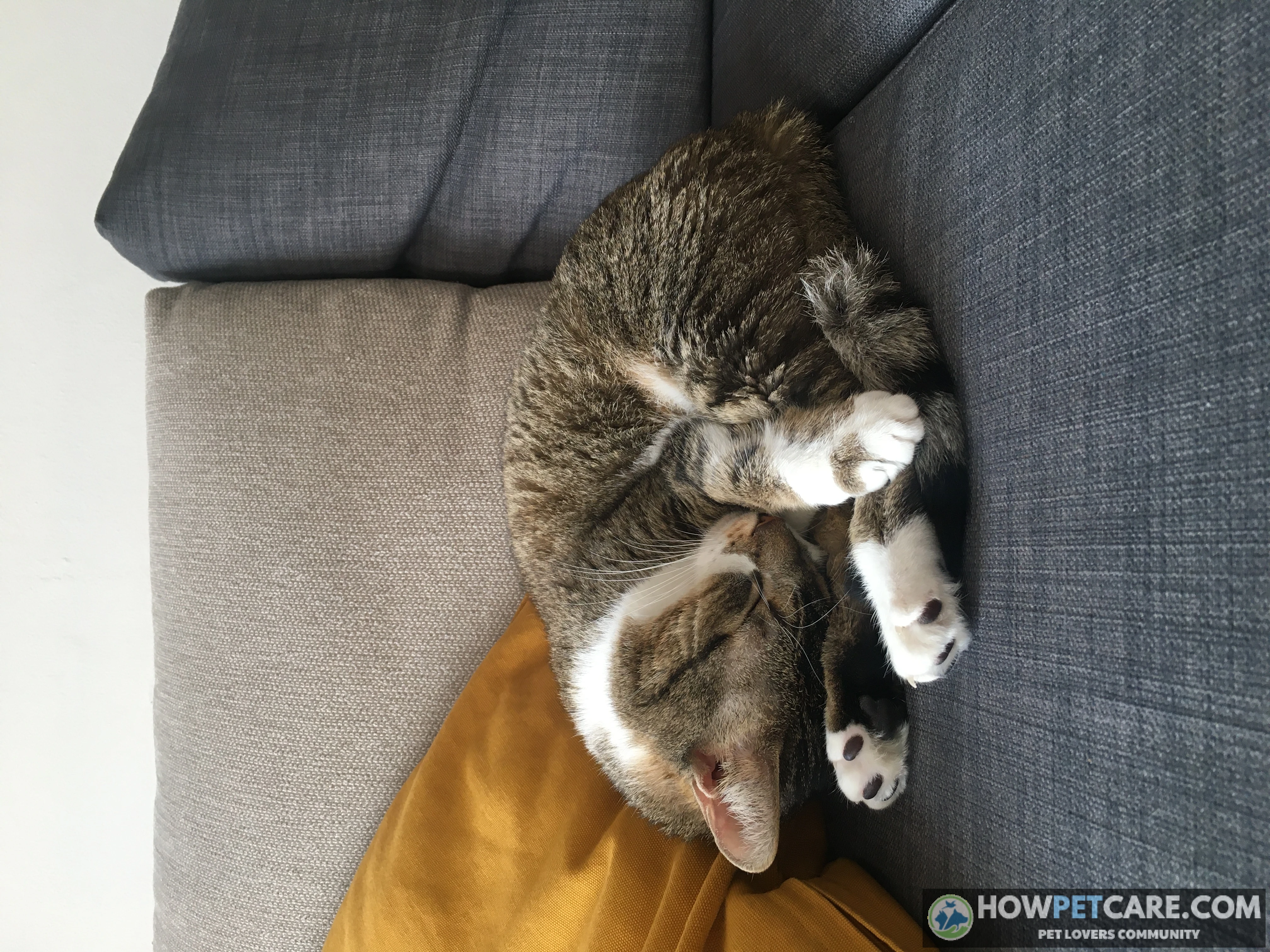

Most adult cats sleep 12–16 hours a day, though kittens and seniors often reach 16–20. Sleeping a lot is normal for cats — they’re crepuscular, polyphasic sleepers. Worry only when sleep increases suddenly alongside changes in appetite, thirst, breathing, or litter-box habits.
Most adult cats sleep about 12–16 hours a day. Some commonly cited ranges stretch to 12–18 hours, because sources count light dozing differently and include cats of different ages. Kittens and many senior cats may sleep around 16–20 hours. The number matters less than whether your cat wakes normally, eats and behaves as usual, and stays close to its own sleep pattern.
How Many Hours Do Cats Sleep a Day? The Short Answer by Age
Cats sleep in short bouts, and some of what looks like sleep is light dozing rather than deep sleep. That makes a single precise daily figure hard to pin down. Cats Protection and Sleep Foundation give an adult range of 12–18 hours, while VCA Animal Hospitals gives 12–16 hours. The two ranges overlap heavily, so they don’t really contradict each other.
A cat nap may last around 78 minutes on average, but individual naps vary. Most sleep isn’t continuous, and only part of it is deep sleep or REM sleep. There is no reliable, universal REM percentage to apply to every cat, so treat sleep-stage estimates as approximate rather than a target to measure at home.
| Life stage | Typical total sleep per day | Deep sleep / REM notes | Normal behaviors | Red flags to escalate |
|---|---|---|---|---|
| Kitten, 0–6 months | Up to about 18–20 hours; newborn kittens may sleep even longer | REM-related twitching and movement can be noticeable during development | Intense play followed by sudden naps; naps in varied places | Hard to rouse, weak when awake, missing meals, or no interest in play when awake |
| Junior, 6 months–2 years | About 14–18 hours | Sleep needs often remain higher than in mature adults; individual patterns vary | Long naps between energetic periods | A sudden change, hiding, or sleeping through meals along with other behavior changes |
| Adult, 2–10 years | About 12–16 hours, with 12–18 hours also commonly reported | Most apparent sleep may be light dozing; REM is only part of total sleep | Regular naps, waking alert to familiar sounds | More sleep than the cat’s baseline for several days plus changes in appetite, thirst, or litter-box habits |
| Senior, 10+ years | Often around 16–20 hours, though there is no exact universal senior range | Sleep may become lighter or more broken; do not infer health from hours alone | Longer recovery naps and more time in warm resting spots | New night restlessness, hunched posture, weight change, increased thirst, or confusion |

These are practical ranges, not diagnostic cutoffs. Reports differ because they may count light dozing differently, include different age groups, or observe cats living in different environments. One study summary reports that nearly 40% of cats sleep more than 18 hours a day, which shows why a single upper limit doesn’t fit every cat. Compare your cat with its own usual pattern, not with a chart that works like a pass-or-fail test.
Is it normal for cats to sleep 16 hours a day?
Yes. Sixteen hours falls within commonly reported adult ranges, and it can be normal if your cat wakes readily and acts like itself when awake. A cat sleeping 16 hours isn’t automatically sleeping too much. A noticeable change from its usual routine tells you more, especially alongside changes in appetite, drinking, breathing, or litter-box habits.
How many hours a day do senior cats sleep?
Older cats may sleep more, or in shorter, more fragmented bouts. A senior cat that naps longer but stays comfortable, responsive, and interested in food may simply have a different routine. New nighttime yowling, difficulty settling, hunched sleeping, or changes in weight or thirst are reasons to arrange a vet checkup rather than blaming age alone.
How kitten sleeping habits differ from adults
Sleep supports kitten development, and young kittens alternate energetic play with long naps. Newborn kittens may sleep about 22 hours a day, while a three-month-old kitten may sleep around 18 hours. That play-and-crash pattern usually looks different from an adult’s steadier rhythm. Don’t keep a kitten awake so it sleeps later. Provide safe play and let it rest.

Why Do Cats Sleep So Much? Crepuscular, Polyphasic Sleep Explained
Cats are polyphasic sleepers: they spread sleep across multiple bouts over 24 hours instead of sleeping in one long block. They’re also crepuscular, meaning activity often peaks around dawn and dusk. Both patterns reflect the timing of prey activity and the demands of short bursts of hunting. Even a well-fed house cat keeps those instincts, which helps explain the reasons cats sleep so much.
A cat may look asleep while staying alert to sounds and movement. Light dozing can end quickly. Deeper sleep and REM sleep are different stages, and REM can include eye movement and small twitches. Kneading before settling is common too and may be comforting; it’s linked to kitten nursing behavior.
A cat that sleeps a lot because it has few daytime activities may still wake at night ready to play. That differs from lethargy, where a cat is unusually unresponsive or shows little interest in food, play, or familiar interaction when awake. Look at behavior, not just nap totals.
Why does my cat sleep all day and wake at night?
If you’re wondering whether cats are truly nocturnal, the answer is that cats don’t necessarily sleep through the night. Dawn-and-dusk activity, daytime naps, household feeding times, and artificial light all shape when a cat is awake. An indoor cat may also have fewer reasons to explore during the day, then look for interaction just as you’re trying to sleep. Offer enrichment and a consistent evening routine, and don’t wake a sleeping cat or force it to stay awake.

What Do Cat Sleeping Positions Mean? A Visual Guide
Positions can offer clues about comfort, warmth, and how ready a cat is to respond, but they can’t diagnose illness. The same cat may rotate between a tucked-up nap and a sprawled-out sleep as the room and its comfort change. Cats may also change sleeping spots around their territory.
| Position | What it looks like | Likely meaning | When to pay attention |
|---|---|---|---|
| Curled ball | Nose tucked toward tail, paws drawn in | Conserving warmth or resting in a guarded pose | A tense, hunched posture with reluctance to move may indicate discomfort |
| Loaf | Upright, paws tucked underneath | Light rest while staying ready to move | A new withdrawn pattern matters more than the pose alone |
| Belly-up | On the back with belly exposed | Relaxed and comfortable in that spot | Usually ordinary; do not assume the cat wants its belly touched |
| Side sprawl | Lying on one side, body extended | Relaxed sleep; may be comfortable enough to stretch out | Watch for labored breathing or difficulty getting comfortable |
| Superman | Belly down, legs stretched forward and back | A relaxed position, sometimes on a cool surface | Usually unremarkable on its own |
| Head-down nap | Head resting on paws or a surface | A convenient resting posture | New persistent hunching or an unusual posture paired with pain signs deserves attention |
| Hidden sleep | Under furniture, in a closet, or in a covered spot | Seeking quiet, darkness, or security | New persistent hiding with appetite or behavior changes warrants a vet call |
| Litter-box sleep | Curled or resting inside the box | Not simply a sleeping-position preference; may signal discomfort or another problem | Contact a vet, especially if the cat strains or produces little urine |

A cat sleeping right by your head may be seeking warmth, a familiar scent, or a place where it feels secure. Kneading, circling, or shifting position before settling can also be ordinary settling behavior. A sudden pattern of tense, hunched, or hidden sleep says more than one unusual nap.
Why does my cat sleep with its eyes partly open?
Some cats doze with their eyes partly open or show the third eyelid during light sleep. That alone isn’t necessarily concerning. If your cat is difficult to rouse, seems unresponsive, or has eye redness or discharge, contact a veterinarian. Use the twitching checklist below if you’re unsure whether movement is ordinary sleep behavior.

Cat Twitching in Sleep: REM Dreaming vs a Seizure
Small movements during REM sleep, such as whisker, paw, or eyelid twitches, can be normal. REM sleep in cats can include twitching, eye movements beneath the lids, and relaxed muscles, which is why many owners ask whether cats dream during REM. A possible seizure is more concerning when movement is forceful or whole-body, the cat can’t be roused, or it seems confused or unsteady afterward. These observations can’t confirm what happened, so call a veterinarian if you’re uncertain.
| Feature | Normal REM twitching | Possible seizure | What to do |
|---|---|---|---|
| Movement | Small, brief twitches of paws, whiskers, tail, or eyelids; possibly a soft chirp | Whole-body stiffening, repeated forceful paddling, or jaw movements | Keep nearby objects away; do not restrain the cat |
| Responsiveness | Usually remains in a relaxed sleeping posture and may wake to a voice or sound | May be unresponsive during the event | Do not shake or grab the cat; speak softly and observe |
| Drooling or elimination | Not typical | Drooling or loss of bladder or bowel control can occur | Note what you see for the vet |
| Afterward | Wakes and returns to normal behavior | May seem confused, wobbly, restless, or unusually tired | Record the recovery and contact your vet |
| Duration or recurrence | Brief movement during a nap | A prolonged or repeated episode is more concerning | Time it; an episode lasting about five minutes or repeated episodes needs emergency veterinary advice |

If an episode is happening, move hazards away, keep children and other pets back, and time it. If it’s safe, film the event from a short distance so your veterinarian can review the movements. Keep your hands away from the cat’s mouth, and don’t try to hold it down. When in doubt, record a video and call your vet. A prolonged episode or repeated seizures in a row warrants emergency care.
How to film an episode for your vet
Start recording when it’s safe, capture the whole body and face, and include the time or estimate how long the event lasts. Describe what happened just before and after, including responsiveness, drooling, and whether the cat could walk normally afterward. Don’t delay urgent care to get a video.
When Is Cat Sleeping a Lot a Health Problem? Warning Signs and Vet Thresholds
A long nap isn’t the same as lethargy. What matters is whether your cat’s normal behavior has changed. Does it still respond to food, greeting, and play? Is it eating, drinking, breathing, and using the litter box as usual?
A sustained increase in sleep combined with a change in appetite, thirst, urination, weight, or mobility deserves a veterinary checkup. Pain, arthritis, kidney disease, hyperthyroidism, diabetes, anemia, and infection are among the possible health issues a veterinarian may consider; sleep changes alone can’t identify a cause. FIV and other conditions can also affect overall health, so don’t use sleep duration to diagnose or rule out illness.
Sleeping in the litter box is a reason to contact a veterinarian, especially if it’s new or the cat seems weak or uncomfortable. A male cat that strains to urinate but produces little or no urine needs emergency care, because a urinary blockage can be life-threatening. Labored or open-mouth breathing, collapse, and inability to rouse are also urgent signs.

Printable vet-escalation checklist
Work from the top down. Choose the first tier that fits, and call your veterinarian if you’re unsure.
☐ Tier 1 — Monitor
- Your cat sleeps more but wakes normally, eats, drinks, plays, and greets you as usual.
- The change is brief and has a plausible context, such as a household disruption or a change in routine.
- No breathing, mobility, appetite, or litter-box changes are present.
☐ Tier 2 — Book a checkup within a few days
- Your cat has slept noticeably more than its own baseline for three or more days.
- Appetite, thirst, litter-box habits, or weight has changed.
- Your cat has started sleeping in hiding places instead of its usual spots.
- A senior cat has newly become restless or vocal at night.
☐ Tier 3 — Call the vet the same day
- Increased sleep comes with multiple changes, such as reduced eating and new hiding.
- Your cat is sleeping in the litter box, is harder to rouse than usual, or is weak or wobbly when awake.
- Vomiting or diarrhea occurs alongside unusual tiredness.
☐ Tier 4 — Seek emergency care now
- Your cat has labored or open-mouth breathing, has collapsed, or cannot be roused.
- Your cat has not eaten for 24 hours or more.
- A seizure lasts about five minutes or longer, or episodes repeat without a normal recovery.
- A male cat strains in the litter box and produces little or no urine.
For a useful baseline, keep a one-week log of sleep patterns, appetite, water intake, and litter-box habits. If you count sleeping breaths, do it when your cat is relaxed and undisturbed. Tell the vet what you observed rather than treating a home count as a diagnosis.
Do Breed and Indoor Life Change How Much a Cat Sleeps?
There isn’t enough reliable breed-specific evidence to assign precise sleep-hour targets to individual breeds. Breed may influence activity and comfort, but a cat’s age, health, routine, and individual temperament matter too. Compare the cat with itself, not with a breed stereotype.
Siamese cats and Maine Coons may be energetic or highly engaged with their surroundings, so regular interactive play and enrichment can help meet their needs. That doesn’t mean they need a different fixed number of sleep hours. If an active cat naps more because its indoor environment is unstimulating, adding chances to play and explore may help. Don’t try to keep it awake.
Persians, British Shorthairs, and other flat-faced cats can have airway concerns tied to their facial structure. Loud breathing, persistent snoring, restless sleep, or sleeping with the neck extended are signs to raise with a veterinarian. Don’t assume these sounds are simply a breed trait, and don’t try to diagnose sleep apnea at home.

Are flat-faced cats at risk of sleep-disordered breathing?
They may be more vulnerable to breathing problems related to a shortened, flat face. If a flat-faced cat snores loudly, wakes repeatedly, breathes noisily while resting, or stretches its neck to breathe, arrange a veterinary assessment. Open-mouth or labored breathing needs urgent veterinary advice.
Indoor-only vs outdoor-access cats
An indoor-only cat may have long stretches with little to do and take frequent boredom naps. An outdoor-access cat may spend more time exploring and respond more directly to dawn and dusk, but outdoor activity doesn’t guarantee a particular amount of sleep. Both may wake at night. Indoor cats benefit from climbing areas, window access, food puzzles, and short play sessions. Outdoor access shouldn’t be treated as a sleep remedy.

Best Sleep Environment: Light, Temperature, Cat Beds and Heated Gear Safety
Keep sleeping areas quiet and predictable, with choices: a covered bed, a soft open bed, and a higher resting spot if your cat likes to perch. Cats often prefer warmth, but no single room temperature works for every cat, home, coat, or season. Offer both warmer and cooler places so the cat can choose, and keep the sleeping area away from drafts and direct, intense heat.
Bright artificial light late at night and changes in household activity can shift cues around sleep and waking. Seasonal daylight changes too, but evidence doesn’t establish a precise seasonal sleep increase for every cat. Keep feeding, play, and bedtime routines consistent as daylight changes. Screens matter less than the overall light and activity in the room, so dim the space and lower noise as bedtime approaches.
| Gear | Safety view | Main concern | Safer use |
|---|---|---|---|
| Pet-specific heated bed | Use according to its instructions | Damaged cords, overheating, or a cat unable to move away | Check cords and surface regularly; choose a design with temperature controls and an automatic shutoff where available |
| Self-warming bed | Generally lower electrical risk | Dirt, wear, or a design the cat will not use | Wash as directed and let the cat leave freely |
| Human electric blanket | Avoid as a cat bed | Heat and chew or claw damage to wiring | Choose an unpowered blanket or pet-specific heated option instead |
| Radiator or window hammock | Use with caution | Falls, unstable fittings, or a surface that becomes too hot | Check attachments and ensure the cat can get off easily |
| Covered bed | Usually a simple option | Poor placement or infrequent cleaning | Put it in a quiet spot and clean it regularly |
| Your bed | Usually workable for healthy adult cats and people | Allergies, disrupted sleep, or risk to a tiny kitten under a deep sleeper | Keep young kittens out of beds where they could be trapped; consider allergies and sleep quality |

A heat source should never trap a cat or get hot enough to burn. Skip human electric blankets and direct access to a hot radiator. Co-sleeping is a household choice, not a sleep treatment. Make sure the cat can leave the bed and that everyone can sleep safely.
If your cat cannot move away from a heat source, or the surface feels hot rather than gently warm, change the setup. Inspect cords, mounts, and heated surfaces regularly.
Tonight’s Routine: A Timed Play, Meal, Wind-Down Plan for Nighttime Sleep
Cats often get active at night because their natural activity peaks around dawn and dusk, or because daytime sleep leaves them ready to interact. A repeatable play-meal-wind-down sequence can shift some of that activity toward evening. It won’t change every cat’s rhythm in one night, so use the same routine consistently for one to two weeks and adjust it to your household.
The example below assumes an 11:00 p.m. bedtime. Shift the times, but keep the order and roughly similar gaps.
-
9:15–9:30 p.m. — Hunt
Use a wand toy for 10–15 minutes. Move it like prey: dart, pause, and hide it, then let your cat catch it at the end. Keep the play safe and let the cat set the pace.
-
9:30–10:00 p.m. — Eat
Offer the main meal or a substantial portion within about 30 minutes after play. That gives the evening a predictable play-then-food sequence.
-
10:00–10:30 p.m. — Settle
Allow time for grooming and rest. Dim the lights, lower noise, and keep interaction calm. Don’t start another high-energy play session.
-
10:30–11:00 p.m. — Prepare the room
Refresh water, clean the litter box, and reduce access to particularly stimulating areas if needed. Set out a puzzle feeder only if it won’t teach your cat that waking you earns food.
-
Overnight — Keep the response consistent
Avoid rewarding 3 a.m. demands with food, play, or attention. Even getting up to scold can become interaction. Make sure your cat has access to water, litter, and a safe resting area.
During the day, add a few short play opportunities, a window perch, and rotating toys. Don’t keep your cat awake or interrupt needed sleep. If an automatic feeder can deliver a planned meal without involving you, use it consistently rather than turning nighttime waking into a food signal.
Run the routine for one to two weeks, noting when the cat wakes and what happens before it does. Sudden night waking, loud new vocalizing, weight loss, increased thirst, or confusion in an older cat isn’t just a schedule problem. Contact a veterinarian, because these observable changes may need assessment.

Why is my cat active all night?
A cat may be active at night because its natural dawn-and-dusk rhythm overlaps with your sleep, it has slept through much of the day, or nighttime attention has become rewarding. A consistent evening play-and-meal routine and daytime enrichment can help. If the behavior is new or comes with changes in weight, thirst, breathing, or confusion, arrange a vet checkup.
Next steps: your 7-day cat sleep plan
- Days 1–2: Record approximate sleep periods, meal interest, water intake, litter-box habits, and nighttime waking. Note what’s normal for your cat.
- Days 3–7: Keep the evening play, meal, and wind-down sequence consistent. Add short daytime play and enrichment without interrupting naps.
- At the end of the week: Compare the pattern with your baseline. If sleep has increased and there are concrete changes in appetite, thirst, mobility, breathing, or litter-box use, use the escalation checklist and contact your veterinarian.
The goal isn’t to make a cat sleep on command. It’s to support normal rest, build a predictable evening rhythm, and recognize when a change in sleep comes with signs that need veterinary attention.
| Position | What it looks like | Likely meaning | When to pay attention |
|---|---|---|---|
| Curled ball | Nose tucked toward tail, paws drawn in | Conserving warmth or resting in a guarded pose | A tense, hunched posture with reluctance to move may indicate discomfort |
| Loaf | Upright, paws tucked underneath | Light rest while staying ready to move | A new withdrawn pattern matters more than the pose alone |
| Belly-up | On the back with belly exposed | Relaxed and comfortable in that spot | Usually ordinary; do not assume the cat wants its belly touched |
| Side sprawl | Lying on one side, body extended | Relaxed sleep; may be comfortable enough to stretch out | Watch for labored breathing or difficulty getting comfortable |
| Superman | Belly down, legs stretched forward and back | A relaxed position, sometimes on a cool surface | Usually unremarkable on its own |
| Head-down nap | Head resting on paws or a surface | A convenient resting posture | New persistent hunching or an unusual posture paired with pain signs deserves attention |
| Hidden sleep | Under furniture, in a closet, or in a covered spot | Seeking quiet, darkness, or security | New persistent hiding with appetite or behavior changes warrants a vet call |
| Litter-box sleep | Curled or resting inside the box | Not simply a sleeping-position preference; may signal discomfort or another problem | Contact a vet, especially if the cat strains or produces little urine |

FAQ
Do cats sleep more in winter?
Many cats nap more in colder, darker months because there is less daylight and they seek warmth. A modest seasonal increase is normal, but a sudden big change in energy, appetite, or behavior is worth a vet call.
Do cats sleep through the night?
Not always. Cats are crepuscular, so many are most active around dawn and dusk and can wake at night, especially if they are bored or sleep heavily during the day. A consistent evening routine helps them sleep longer overnight.
Should I wake my cat up if it sleeps all day?
Usually no, since healthy cats need long sleep. Instead, add daytime play and enrichment, and check on your cat if it is unusually hard to rouse or uninterested in food.
Do indoor cats sleep more than outdoor cats?
Indoor cats often nap more out of boredom, while outdoor cats spend more energy on patrolling and hunting. Either way, a sharp change from your own cat’s normal pattern matters more than the comparison.
Why does my cat sleep on my bed or by my head?
Cats seek warmth, safety, and the scent of someone they trust. It is generally a sign of bonding rather than a problem.
Is it normal for my cat to sleep with its eyes open?
A cat may doze with eyes partly open during light sleep, and this is typically normal. If the eyes stay open and your cat does not respond, or you see discharge or redness, contact your vet.