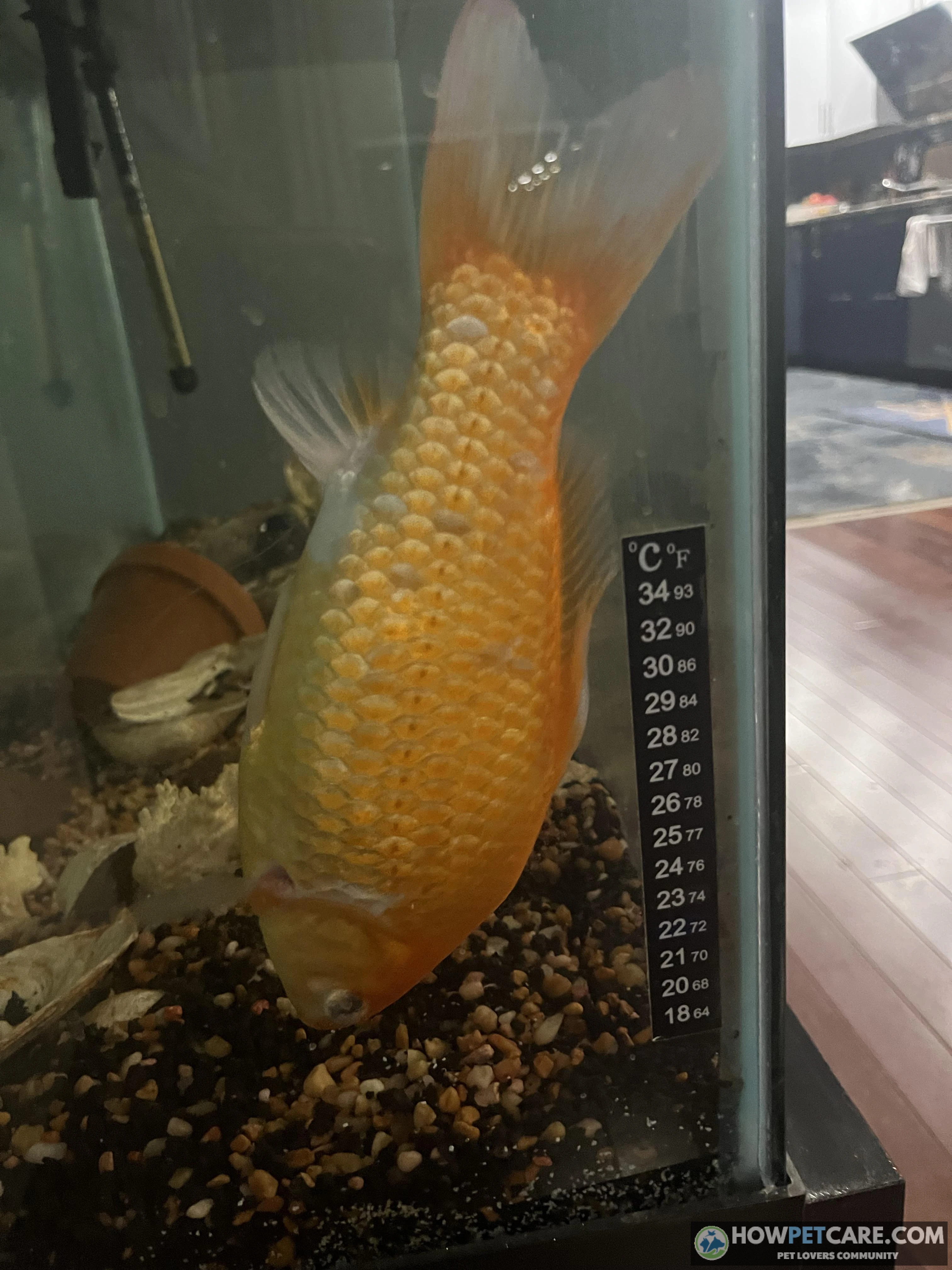

Swim bladder disease is a symptom, not a single illness: a fish loses buoyancy control and floats, sinks, or lists sideways. Most home cases stem from constipation, overfeeding, dry food expansion, or poor water quality. Test water, fast 24–72 hours, then feed a skinned pea or daphnia before reaching for medication.
If your fish is floating upside down, bobbing at the surface, or sinking to the gravel, don’t panic, but don’t wait. Buoyancy failure is a symptom, not a death sentence. In most home aquariums, an abnormal swimming posture is triggered by acute digestive compaction or poor water conditions. You can start correcting both immediately, without buying expensive medications tonight.
Swim bladder disease in fish, also called swim bladder disorder, refers to any condition in which a fish loses its ability to regulate buoyancy properly. Before trying complex treatments or adding chemicals, stabilize the fish’s immediate environment and rule out life-threatening systemic emergencies.
Fish Floating Upside Down? Do These 5 Things Tonight
If a fish is floating upside down or stuck at the water line, focus first on reducing harm. Physical exhaustion and drying of skin exposed at the surface are the most urgent threats.
The 5-Step First-Night Checklist
Follow these five interventions in order before introducing treatments:
- Test your water chemistry immediately. Use a reliable liquid test kit to check ammonia, nitrite, nitrate, and temperature. Poor water quality is the single most common trigger for buoyancy disorders. If ammonia or nitrite reads above 0 parts per million (ppm), immediately change 25% to 50% of the water using dechlorinated, temperature-matched water.
- Stop feeding immediately. Fast the entire tank. A healthy adult goldfish or betta fish can comfortably fast for two to three days without nutritional stress. If intestinal gas, an impacted fecal plug, or overeating is causing the buoyancy issue, more food will worsen internal organ compression.
- Lower the effective water depth or move the fish to a shallow hospital tank. If the fish struggles to reach the surface for air, which is critical for betta fish, or can’t easily swim off the bottom, lower the water to 5 to 6 inches or transfer the fish to a bare-bottom hospital container. This reduces physical exertion and hydrostatic stress.
- Baffle your filter flow. Turbulent water forces a disoriented fish to spend considerable energy just staying upright. Reduce the filter output, direct a spray bar toward the glass, or temporarily switch to a gentle air-driven sponge filter.
- Hold off on medications and salts. Don’t add broad-spectrum antibiotics, tonics, or salt to the main aquarium yet. Adding chemicals before identifying whether the problem is dietary, environmental, parasitic, or bacterial often destroys the aquarium’s biological filter, causing lethal ammonia spikes.
Never attach weights, homemade harnesses, or mechanical restraints to force a positively buoyant fish under water. Doing so can tear delicate scales, cause catastrophic stress, and suffocate the animal. Let the fish rest in shallow water while you address the root cause.
Red Flags That Mean Skip Ahead to the Diagnosis Table
Not every floating fish has simple swim bladder disease. Use a bright flashlight to inspect your fish closely from above and from the side. The following critical red flags indicate that the condition has progressed beyond simple digestive buoyancy loss and requires urgent isolation and intensive care:
- Pineconing scales: Viewed from directly above, the scales stick outward like a pinecone, alongside severe abdominal swelling. This is dropsy, indicating active internal kidney or multi-organ failure.
- Bulging, protruding eyes (Exophthalmia / Popeye): These suggest systemic fluid retention or advanced internal infection.
- Vivid red streaks or open ulcers: Blood streaks across the fins, belly, or tail stem indicate advanced bacterial septicemia, often caused by Aeromonas or Pseudomonas bacteria.
- Clamped fins and gasping: Rapid opercular (gill) movement at the bottom or surface, with all fins held tight to the body, indicates severe gill damage, nitrite toxicity, or acute systemic collapse.
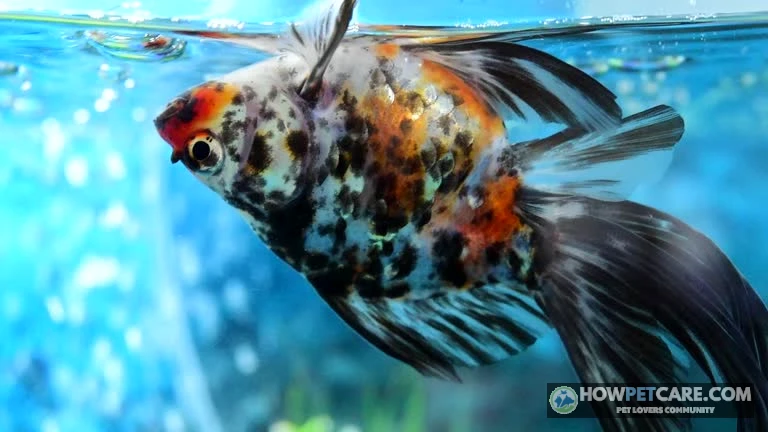
If none of these severe indicators are present, your fish is likely experiencing non-infectious buoyancy impairment or gastrointestinal compaction. The comparisons below can help you work out what is happening.
What Swim Bladder Disease Is and What Floating vs. Sinking Looks Like
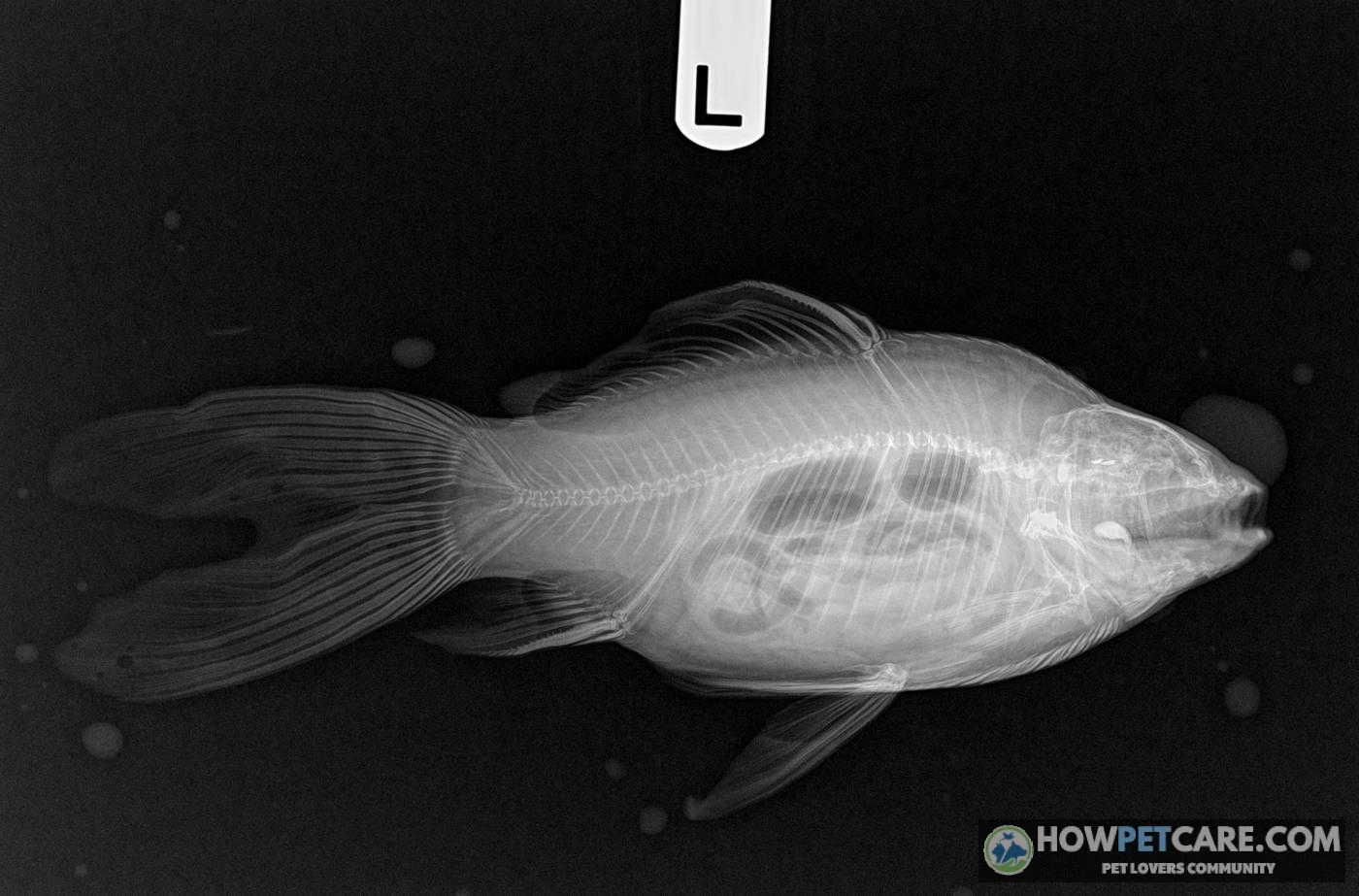
Swim bladder disease is an umbrella term for impaired buoyancy regulation caused by an abnormally inflated, deflated, compressed, or infected swim bladder. The swim bladder is an internal, gas-filled epithelial sac in the dorsal portion of the abdominal cavity, directly beneath the spine. By adjusting the volume of gas in this organ, a fish achieves neutral buoyancy: the state of neither floating upward nor sinking downward in the water column.
Swim bladder problems generally appear in one of two categories: positive buoyancy or negative buoyancy.
Floating Presentations
Positive buoyancy occurs when the swim bladder contains excess gas, or when adjacent organs are packed with digestive gas that forces the fish upward:
- Surface Bobbing: The fish floats like a cork at the water line. It may try to swim down, but pops back to the surface as soon as it stops paddling.
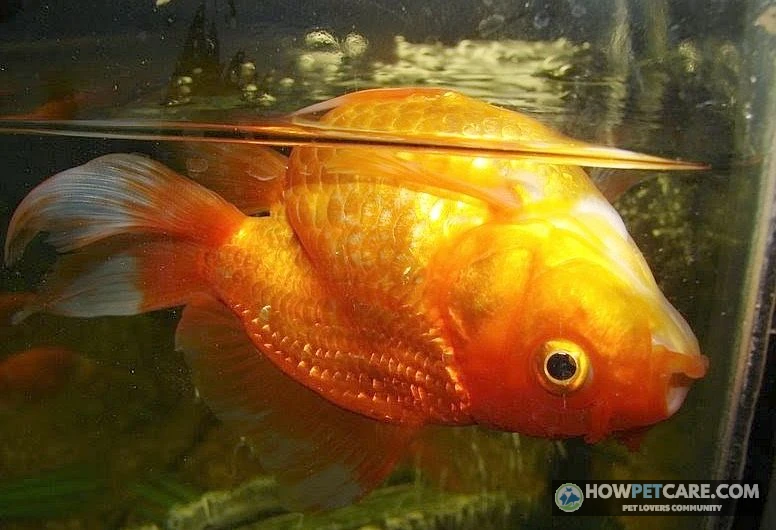
- Inverted / Upside-Down Swimming: The center of gravity shifts. Because the gas organ sits dorsally, severe abdominal distention or an asymmetrical bladder flips the fish completely belly-up.
- Tail-High Listing (Head-Standing): The fish tilts with its nose down and its tail drifting toward the surface. This posture frequently reflects severe compaction in the lower digestive tract pressing against the posterior bladder chamber.
Sinking Presentations
Negative buoyancy occurs when the swim bladder fails to inflate, ruptures from physical trauma, collapses from fluid accumulation, or is mechanically crushed by internal organ swelling:
- Bottom Sitting: The fish rests permanently on the substrate. When prompted, it may flutter its pectoral fins frantically to hover for a few seconds before sinking back to the gravel.
- Side Lying: The fish rests horizontally on its side along the bottom. It remains responsive and alert to visual stimuli and attempts to eat, but can’t generate vertical lift.
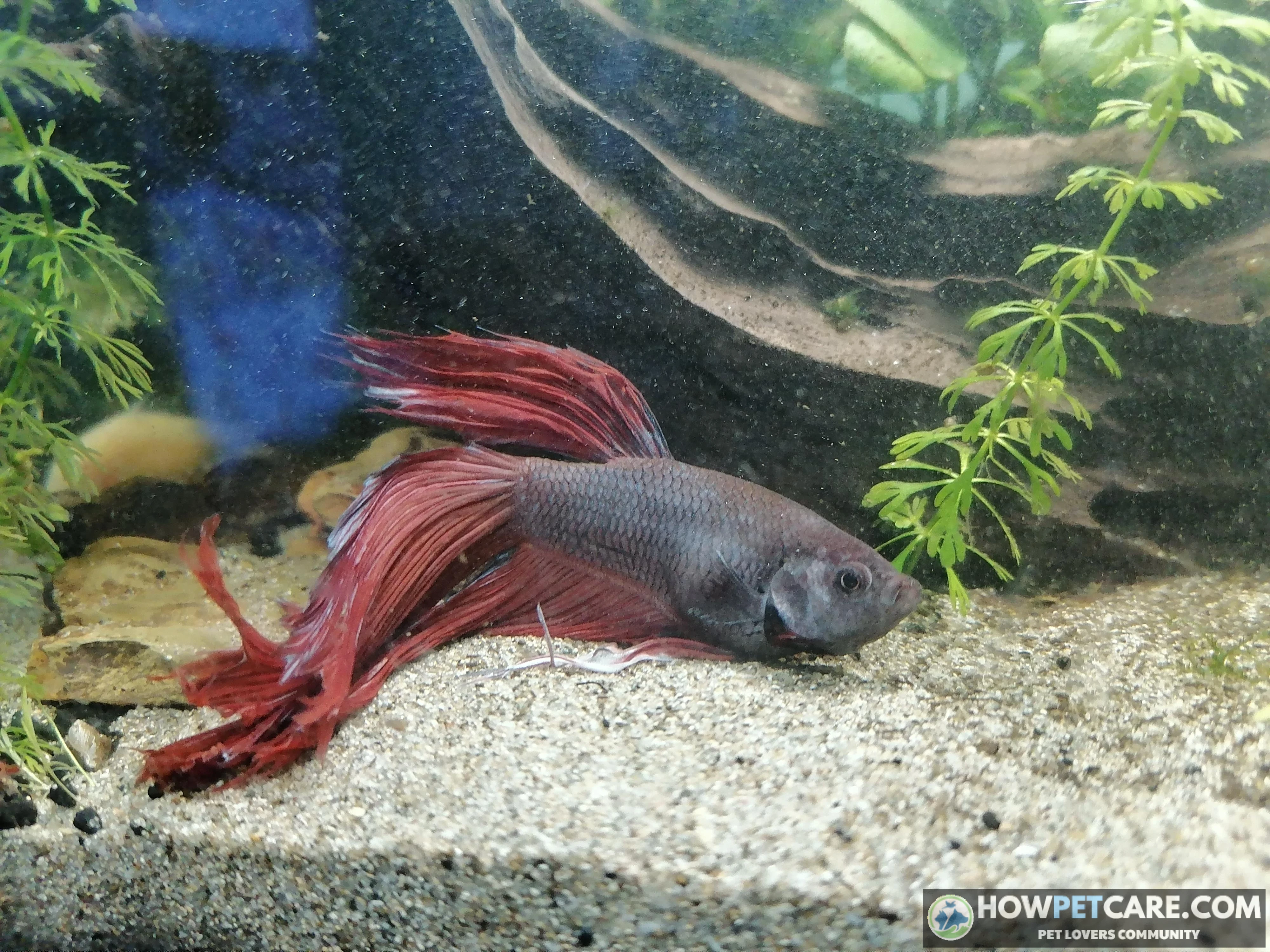
Anatomy in 60 Seconds: Physostomous vs. Physoclistous
Fish manage swim bladder gas through one of two anatomical mechanisms. The distinction affects how their buoyancy problems are evaluated and treated:
- Physostomous Fish (e.g., Goldfish, Koi, Minnows, Catfish): These species retain a physical duct, the ductus pneumaticus, connecting the swim bladder directly to the esophagus. They can inflate the bladder by gulping air at the surface and deflate it by burping gas through the mouth. When fancy goldfish gorge on dry flakes at the surface, they gulp substantial volumes of ambient air into their digestive systems, triggering rapid gas imbalances.
- Physoclistous Fish (e.g., Betta Fish, Cichlids, Gouramis, Marine Perch): These fish have no physical connection between the gut and the swim bladder. Gas moves into and out of the bladder entirely through vascular diffusion via specialized capillary beds, the rete mirabile and the oval body. Because physoclistous fish can’t burp out air, their buoyancy disorders are rarely caused by acute air gulping; instead, they are driven by systemic bacterial infection, organ pressure, metabolic shock, or fluid accumulation.
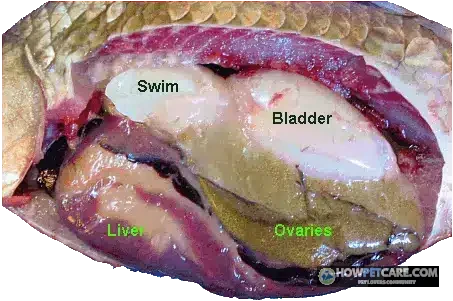
Betta fish have a specialized labyrinth organ in addition to their swim bladder, allowing them to breathe atmospheric air directly from the surface. A sinking betta that can’t reach the water surface will drown. Lower the water column immediately for any sinking betta.
Swim Bladder Disease, Dropsy, Constipation or GI Gas: How to Tell Them Apart
Confusing swim bladder disorder with dropsy or simple gastrointestinal gas can lead to the wrong treatment. Cooked peas won’t treat dropsy, while heavy, kidney-toxic antibiotics for simple constipation can kill a recovering fish.
Use the comparison below to distinguish the conditions before starting treatment.
Symptom Comparison Table
| Condition | Posture / Swimming | Belly and Scales | Feces and Appetite | Onset and Likely Cause | Prognosis and First Action |
|---|---|---|---|---|---|
| Non-infectious swim bladder disorder | Floats top, sinks, lists sideways, or swims head-down; still tries to eat | Belly may be normal or mildly round; scales lie flat | Often normal stool; appetite present until buoyancy makes feeding hard | Days after overfeeding, chilling, injury, or anatomy stress in fancy goldfish/bettas | Fair to good. Test water, fast 24-72 hours, shallow warm hospital water |
| Constipation / GI pressure | Rear-heavy floating, tail-up, wobbly swimming; improves after passing stool | Rounded belly; scales flat; no pineconing | Stringy, pale, long-trailing feces or no feces; still begs for food | Often 12-72 hours after dry flakes/pellets, overfeeding, or gulping air | Usually good. Fast, then skinned pea or daphnia; pre-soak pellets afterward |
| GI gas ("fish farts") | Slightly floating rear end or brief sideways tilt; may release bubbles | Belly only mildly puffy; scales flat | Appetite usually normal; stool may be bubbly | Soon after a food change or frantic surface feeding; no scale lift | Often self-limiting. Reduce air gulping, soak food, reassess in 24-48 hours |
| Dropsy | Weak swimming plus hanging at surface or bottom; may gasp or hide | Marked bloating with raised pinecone scales when viewed from above; eyes may bulge | Poor appetite; wasting despite swollen body | Gradual or sudden; signals kidney/organ failure or severe internal infection | Guarded to poor. Do not rely on peas; isolate, perfect water, escalate quickly |
| Infection-driven swim bladder disease | Buoyancy loss plus lethargy, clamped fins, fin rot, red streaks, ulcers | Belly variable; scales may pinecone late; lesions possible | Refuses food or spits food; ragged feces | No improvement after 3-5 days of water correction and fasting | Needs medication/vet. Isolate, remove carbon, use labeled antibiotic only if indicated |
The 2-Minute Home Diagnostic Checklist
To assess the fish without veterinary diagnostic tools, conduct this physical survey:
- The Aerial View Check: Look straight down at the fish from above the aquarium. If its body outlines look smooth and sleek, the scales are flat. If the scales flare outward, creating a serrated silhouette like a pinecone, you’re dealing with dropsy (edema from fluid accumulation), not simple swim bladder disease.
- The Fecal Examination: Inspect the substrate or the fish’s vent. A healthy fish produces firm, discrete fecal drops that fall away quickly. A constipated fish produces long, pale, hollow, or stringy fecal trails that cling to the vent for hours, or no waste at all for several days.
- Dietary History Check: Did the fish consume dry, unsoaked commercial floating flakes, dry freeze-dried bloodworms, or an oversized meal within the last 48 hours? If so, physical intestinal impaction or air swallowing is overwhelmingly likely.
- Temperature History Check: Has the tank heater failed, or was there an unmonitored drop in room temperature over the preceding 48 hours? Cold water severely depresses fish metabolism, halting gut peristalsis and triggering sudden constipation.
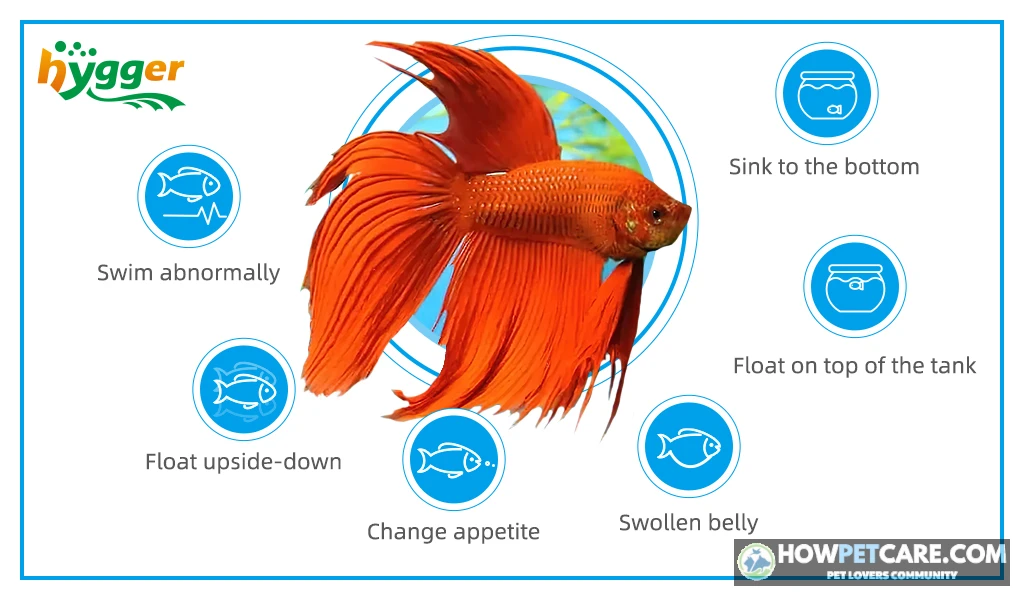
When it’s unclear whether the problem is mild swim bladder disease or simple constipation, treat conservatively for constipation and water quality stress first. Never administer systemic antibiotics speculatively during the first 48 hours unless clear signs of infection (ulcers, red streaks, or fin rot) are visible.
Water Parameters to Test and Hit Before and During Treatment
Advice to "keep the water clean" isn’t enough on its own. Aquarium water quality has precise, quantifiable chemical thresholds. As organic waste products accumulate, they alter blood pH, destroy gill lamellae, induce chronic stress, and trigger secondary bacterial inflammation of internal organs, including the swim bladder lining.
Before treatment, test the water with an accurate liquid reagent kit, such as the API Freshwater Master Test Kit. Test strips are notoriously inaccurate for tracking precise ammonia and nitrite thresholds.
Target Numbers Table
Maintain these chemical parameters in both your display tank and hospital tank:
| Species | Ammonia (NH3/NH4+) | Nitrite (NO2-) | Nitrate (NO3-) | Temperature Range (Maintenance) | Treatment Temperature Target | Notes |
|---|---|---|---|---|---|---|
| Fancy Goldfish | 0.0 ppm | 0.0 ppm | < 20.0 ppm | 65°F – 72°F | 72°F – 74°F | Raise temperature slowly (1°F per 4 hours) to increase digestive motility |
| Common / Comet Goldfish | 0.0 ppm | 0.0 ppm | < 20.0 ppm | 60°F – 70°F | 70°F – 72°F | Highly cold-tolerant, but sluggish digestion occurs below 64°F |
| Betta Fish (B. splendens) | 0.0 ppm | 0.0 ppm | < 20.0 ppm | 78°F – 80°F | 80°F – 82°F | Requires stable tropical warmth; cold water (<76°F) paralyzes digestive motility |
| Koi (C. carpio) | 0.0 ppm | 0.0 ppm | < 20.0 ppm | 65°F – 75°F | 72°F – 75°F | High waste producers; maintain aggressive biological filtration and aeration |
| Tropical Community Fish | 0.0 ppm | 0.0 ppm | < 20.0 ppm | 75°F – 79°F | 78°F – 80°F | Covers tetras, rasboras, and livebearers; avoid extreme heat spikes |
Ammonia and Nitrite Emergencies
Ammonia and nitrite are biological poisons. Any reading above 0.0 ppm indicates biological filter failure, overstocking, or overfeeding:
- Ammonia Toxicity: Ammonia enters the bloodstream by diffusion across the gills, raising blood pH and damaging internal vasculature. At high levels, it causes internal bleeding, neurological dysfunction, and swim bladder inflammation.
- Nitrite Toxicity: Nitrite oxidizes hemoglobin into methemoglobin, creating "brown blood disease." The blood loses its capacity to transport oxygen, starving the fish’s swim bladder control centers and organs of oxygen and causing collapse and listing.
If a water test reveals ammonia or nitrite above 0.0 ppm, immediately perform a 50% water change. Treat incoming tap water with a reputable conditioner that neutralizes chlorine and chloramines and temporarily binds free ammonia. Perform 25% daily water changes until biological balance is re-established (ammonia 0.0 ppm, nitrite 0.0 ppm, nitrate < 20.0 ppm).
How to Treat Swim Bladder Disease at Home: Fasting, Peas and Salt Dosing
If your fish shows classic symptoms of non-infectious buoyancy disorder or constipation-induced swim bladder problems, follow this at-home protocol.
Step-by-Step: Fast, Pea, Reassess
Follow this 72-hour clinical protocol:
-
Hour 0 — Isolate and Fast
Stop feeding immediately. If possible, transfer the fish to a clean, bare-bottom hospital tank, or lower the main tank water level to reduce swimming fatigue. Check that ammonia and nitrite are both at zero. Fast the fish completely for 24 to 72 hours (48 hours is optimal for adult fancy goldfish and bettas; cap fasting at 24 hours for juveniles or underweight fish).
-
Hour 48 — Prepare and Feed the Pea
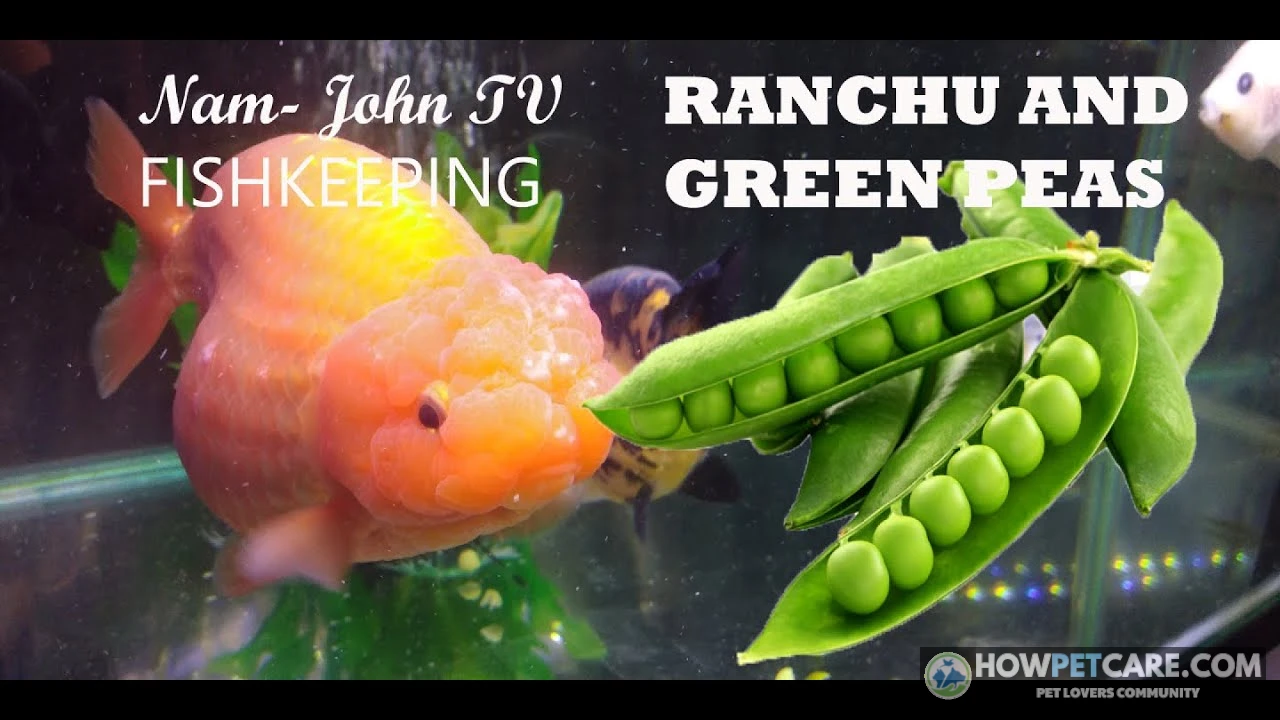
Use ordinary frozen green peas, not canned peas, which contain high sodium, preservatives, and seasonings. Boil or microwave a single frozen pea in aquarium-safe water for 60 seconds until softened. Plunge it into cool water, then pinch off and discard the tough, fibrous outer clear skin. Mash the soft inner cotyledons. Feed a small piece (one half of a cotyledon for goldfish, or a tiny pinhead-sized fragment for a betta fish).
-
Hour 72 — Evaluate Waste and Buoyancy
Watch the aquarium floor for dark green fecal waste, indicating that the fiber-dense pea has cleared the intestinal obstruction. If the fish has passed stool and regained its horizontal balance, the issue was dietary compaction. Continue light feeding for an additional 24 hours, using pre-soaked food or live/frozen daphnia, an outstanding natural laxative.
Epsom Salt vs. Aquarium Salt Dosing Table
Aquarium hobbyists often confuse ordinary aquarium salt (Sodium Chloride, NaCl) with Epsom salt (Magnesium Sulfate heptahydrate, MgSO₄·7H₂O).
- Epsom Salt (MgSO₄): Acts as a muscle relaxant and osmotic laxative. It draws excess fluid out of swollen tissues and promotes clearing of the intestinal tract. It’s the primary salt used for constipation, abdominal bloating, and internal swelling.
- Aquarium Salt (NaCl): Promotes gill function, restores electrolyte balance, and aids osmoregulation during general stress, but doesn’t act as an osmotic digestive laxative. In cases of internal fluid retention, high sodium levels can sometimes compound tissue edema.
Use this table to dose salts according to container volume:
| Tank Volume | Epsom Salt Dose (Constipation/Edema) | Aquarium Salt Dose (Mild Stress/Wounds) | Soak or Exposure Duration | Cautions |
|---|---|---|---|---|
| 1 Gallon | Bath: 1/2 tsp fully dissolved Continuous: 1/8 tsp | Up to 1 tsp maximum | Epsom Bath: 15–30 min Aquarium Salt: Continuous bath | Never leave fish unattended in an Epsom bath; stop if fish rolls over |
| 2.5 Gallons | Bath: 1 1/2 tsp fully dissolved Continuous: 1/4 tsp | Up to 2 1/2 tsp | Epsom Bath: 15–30 min Aquarium Salt: Continuous bath | Pre-dissolve all crystals completely in tank water before adding |
| 5 Gallons | Bath: 1 tbsp fully dissolved Continuous: 1/2 to 1 tsp | Up to 5 tsp | Epsom Bath: 15–30 min Continuous: 3–5 days max | Do not combine Epsom and aquarium salt together in the same container |
| 10 Gallons | Bath: 2 tbsp fully dissolved Continuous: 1 to 2 tsp | Up to 10 tsp (roughly 3.3 tbsp) | Epsom Bath: 15–30 min Continuous: 3–5 days max | Discontinue immediately if fish shows signs of lethargy or gasping |
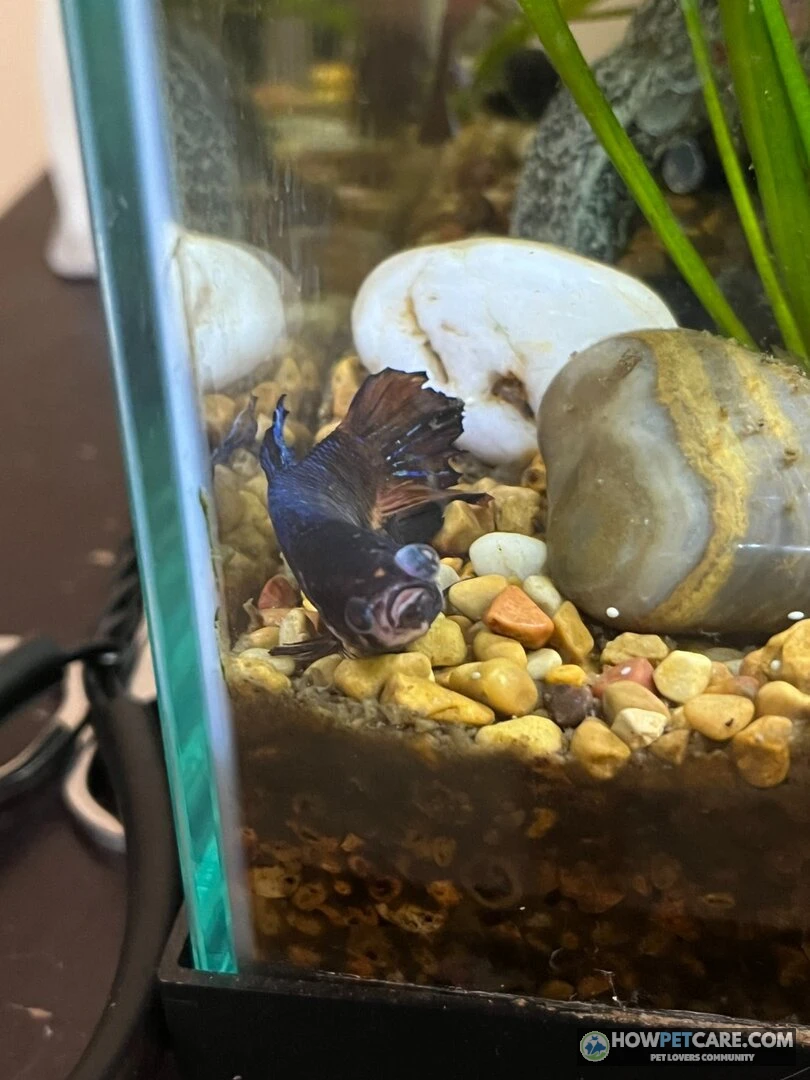
Always dissolve salts fully in a separate cup of aquarium water before pouring them into the tank. Undissolved crystals settle to the bottom and will burn the skin, slime coat, and scales of bottom-sitting fish. For an intensive short-term bath (15–30 minutes), transfer the fish using a soft container and watch it continuously. Immediately move it back to clean water if it shows distress, thrashing, or loss of equilibrium.
Hospital Tank Setup Basics
A hospital tank doesn’t need to be expensive or elaborate, but it must provide a controlled, safe recovery space. A simple 5- to 10-gallon plastic storage tote or bare glass aquarium works well:
- Bare Bottom: Remove gravel and rough substrate. Fish with negative buoyancy sit on the bottom, where rough gravel can rub away their protective mucus coating and lead to secondary bacterial skin infections and ulcers.
- Shallow Water: Keep the water depth between 5 and 8 inches. This lets bottom-sitting fish surface for feeding without excessive strain and lets floating fish reach the floor without fighting crushing hydrostatic buoyancy.
- Gentle Filtration: Use a seasoned sponge filter powered by an air pump. Power filters with strong impeller intakes can pull weak or buoyant fish against the intake strainer, causing lethal internal trauma.
- Stable Heating: Install an adjustable, fully submersible heater with a plastic safety guard. The guard prevents contact burns if the fish rests against the heating element.
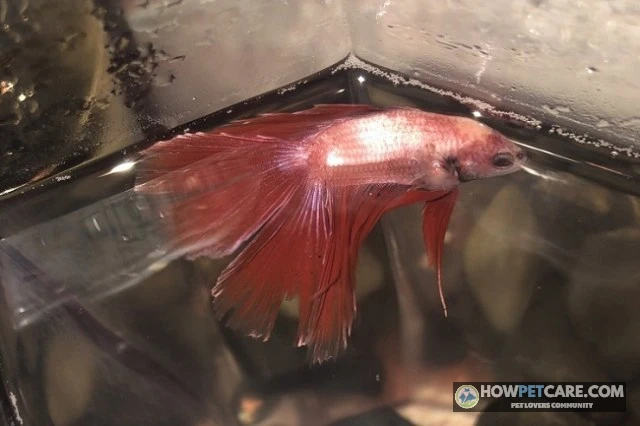
What Causes Swim Bladder Problems in Goldfish, Bettas, Koi and Tropical Fish
Because swim bladder disease is a symptom, effective prevention and cure depend on eliminating the underlying cause. Buoyancy problems stem from four primary categories:
- Gastrointestinal Compaction and Dry Diet: Commercial dry flakes and unsoaked expanding pellets swell dramatically when exposed to moisture inside the stomach. The expanding food mass and accumulated digestive gases press against the adjacent swim bladder walls, preventing the organ from expanding or venting gas normally.
- Environmental Water Stress: Sudden drops in water temperature freeze digestive peristalsis. Chronic exposure to nitrates (>40 ppm) or trace ammonia suppresses the fish’s immune system, allowing opportunistic environmental bacteria to colonize the vascular lining of the swim bladder.
- Systemic Bacterial or Parasitic Infection: Pathogenic bacteria, most notably Aeromonas hydrophila and Pseudomonas species, or myxosporean parasites such as Sphaerospora renicola in cyprinids, cause infectious air bladder inflammation. This fills the lumen of the organ with purulent exudate or fluid.
- Selective Breeding and Anatomical Deformity: Fancy goldfish varieties such as Ryukins, Orandas, and Ranchus, and double-tail betta fish have been selectively bred for deeply shortened, spherical body structures. Their spine is severely compressed, forcing the internal organs, intestinal tract, and two-chambered swim bladder into an unnaturally compact space, leaving zero margin for normal digestive expansion.
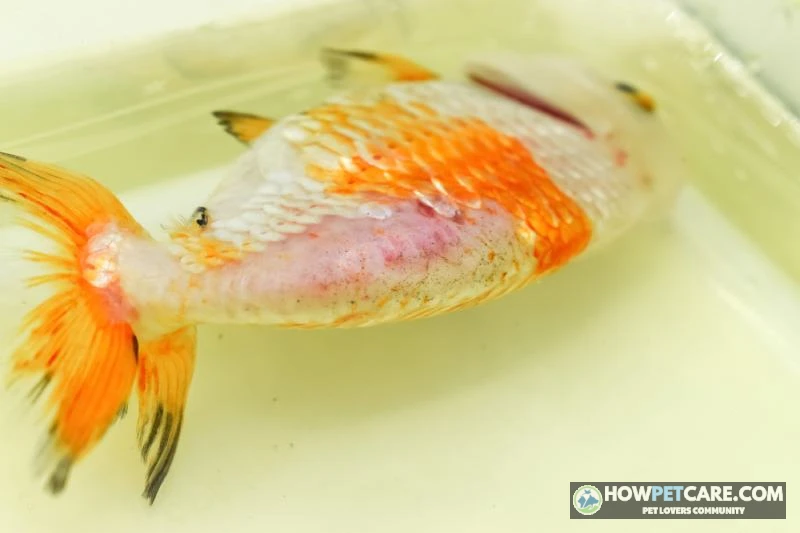
Cause-to-Treatment Matcher
Use these clues to match a likely cause with a first step, and avoid applying the wrong remedy:
- If clue = Recent heavy meal, floating dry flakes/pellets, surface air gulping, stringy or absent stool → Likely root = Constipation / GI pressure → First move = Water test + 24–72 hour fast + skinned pea/daphnia → Do NOT = Dose broad-spectrum antibiotics.
- If clue = Ammonia or nitrite above 0.0 ppm, nitrate over 20–40 ppm, recent heater failure, or uncycled new tank → Likely root = Environmental water stress → First move = Daily 25%–50% temperature-matched water changes until parameters reach 0/0/<20 ppm → Do NOT = Use salt as a substitute for clean water.
- If clue = Red streaks, external ulcers, clamped fins, ragged feces, sick tank-mates, or zero response to 5 days of fasting and pristine water → Likely root = Bacterial infection or internal parasites → First move = Isolate in hospital tank, remove carbon, administer targeted antimicrobial treatment → Do NOT = Keep waiting and feeding peas.
- If clue = Lifelong compact fancy body morphology, curved spine, repeated chronic relapses despite pristine water and high-fiber diet → Likely root = Congenital anatomical compression → First move = Permanent shallow water, resting hammocks, soaked sinking gel diets → Do NOT = Subject the fish to endless cycles of harsh chemical medications.
- If clue = Protruding scales (pineconing) viewed from above, bulging eyes, extreme fluid distention → Likely root = Dropsy / systemic internal organ failure → First move = Isolate, pristine water, vet-level evaluation, quality-of-life assessment → Do NOT = Treat as simple swim bladder disease.
Species Variations: Goldfish, Bettas, and Koi
- Fancy Goldfish: Fancy goldfish account for the majority of severe swim bladder complaints in the aquarium hobby. Their shortened abdominal cavity leaves the posterior chamber of the swim bladder vulnerable to displacement or pinching from even minor intestinal swelling. Switch fancy goldfish permanently to moist gel foods, such as Repashy, or sinking pellets pre-soaked in tank water for 5 minutes before feeding.
- Betta Fish: Bettas are strict carnivores. While a fancy goldfish can readily digest high-fiber plant matter like peas, a betta’s short digestive tract can’t easily process complex plant carbohydrates. For bettas with constipation-induced buoyancy failure, live or thawed frozen daphnia is vastly superior to peas. Daphnia provides natural chitin that functions as a gentle, carnivore-safe laxative.
- Koi and Pond Fish: In outdoor ponds, buoyancy problems in koi frequently occur in early spring or late autumn. When pond water drops below 50°F to 55°F, a koi’s digestive enzymes become dormant. Feeding protein-heavy foods during seasonal transitions leads to food rotting inside the gut, triggering severe bacterial enteritis and secondary swim bladder infection. Koi in intensive pond setups are also vulnerable to Aeromonas ulcers that penetrate deep into the body wall.
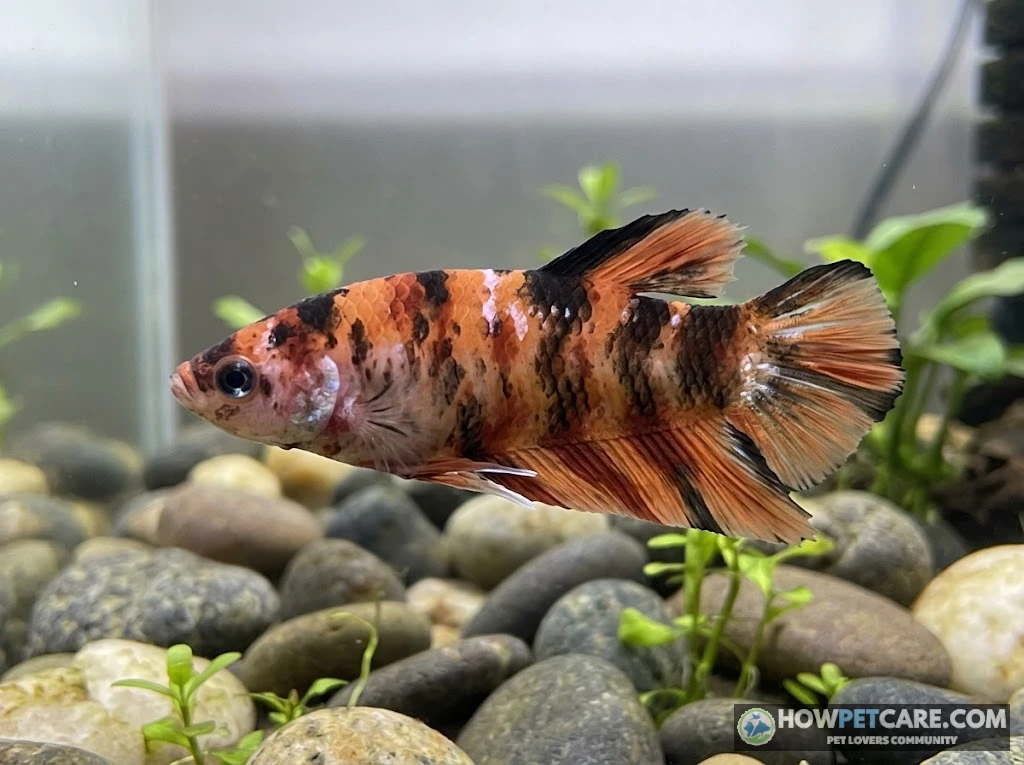
Is Swim Bladder Disease Contagious or Fatal?
Buoyancy loss itself is non-contagious. A fish with a deformed swim bladder or an impacted gut can’t transmit that mechanical condition to other tank inhabitants.
The underlying cause can be contagious, however. If the buoyancy issue is driven by systemic bacterial pathogens (Aeromonas), flagellate parasites, or systemic poor water conditions, every other fish sharing that environment is under identical physiological stress. If multiple fish begin listing, sitting on the bottom, or floating within the same 48-hour window, the tank is experiencing an acute water quality crisis or an active infectious outbreak.
Swim bladder disease is rarely fatal if addressed early through fasting, water correction, and dietary adjustment. It becomes fatal only when ignored, leading to organ rupture, systemic septicemia, or physical exhaustion in which the fish collapses, develops secondary skin ulcers, and suffocates.
Infection-Driven Cases: Antibiotic Options and When You Need an Aquatic Veterinarian
When a fish doesn’t respond to 72 hours of fasting, dietary corrections, and pristine water parameters, or shows overt signs of infectious disease such as red streaks along the ventral body, frayed fin margins, blood spots, or profound lethargy, the cause is almost certainly infectious swim bladder inflammation (aerocystitis).
Internal swim bladder infections require targeted antimicrobial intervention.
Medication Classes at a Glance
Before administering medication, remove all chemical filtration media (activated carbon, Chemi-Pure, Purigen) from the filter. These media instantly adsorb and neutralize pharmaceutical compounds.
- Kanamycin Sulfate (e.g., Seachem KanaPlex): An aminoglycoside antibiotic widely considered the premier over-the-counter treatment for internal bacterial infections in ornamental fish in the United States. Kanamycin is easily absorbed through the gills and skin, making it effective for systemic internal infections when the fish has stopped eating. Follow label directions every 48 hours for up to three doses, performing a 25% water change before each subsequent redosing.
- Nitrofurazone (e.g., Furan-2, API Fungus Cure): A nitrofuran antimicrobial effective against gram-negative bacteria (Aeromonas, Pseudomonas, Flavobacterium). It works in synergy with Kanamycin as a broad-spectrum bath for open lesions, fin rot, and systemic septicemia.
- Minocycline / Erythromycin (e.g., Maracyn, Maracyn-Two): Broad-spectrum antibiotics used when gram-positive or specific gram-negative bacterial strains are suspected. Minocycline penetrates tissue well through the body wall.
- Medicated Antibiotic Food: If the fish is still eating eagerly, internal administration of antibiotics is exponentially more effective than treating the water column. Commercial antibiotic foods containing oxytetracycline or kanamycin ensure therapeutic concentrations reach the internal organs directly without crashing the tank’s biological filter.
- Antiparasitics (Metronidazole, Praziquantel): Indicated when pale, stringy, mucous-filled feces appear alongside emaciation or sunken-belly syndrome, pointing to internal protozoan or helminth parasites compromising the gut wall.
Water-column antibiotics can damage the beneficial nitrifying bacteria in your biological filter. Monitor ammonia and nitrite daily throughout any antibiotic regimen. If ammonia appears, perform immediate water changes and dose an aquarium detoxifier to protect the fish.
When to Call an Aquatic Veterinarian
In the United States, Europe, and many other jurisdictions, advanced veterinary pharmaceuticals such as enrofloxacin or injectable ceftazidime require a formal prescription from a licensed veterinarian. Seek veterinary consultation through organizations such as the American Association of Fish Veterinarians (AAFV) or the World Aquatic Veterinary Medical Association (WAVMA) under the following conditions:
- The fish has shown no clinical improvement after 5 to 7 days of home interventions.
- The fish has deep, open, ulcerated body sores or severe tissue necrosis.
- The patient is a prized koi or valuable breeding specimen.
- An accurate microscopic evaluation or needle aspiration of the swim bladder gas/fluid is required to prevent organ rupture.
Recovery Timeline and Pass/Fail Checkpoints: Continue, Escalate or Euthanize
Buoyancy recovery doesn’t happen overnight. Damaged swim bladder tissue and stretched intestinal tracts need days to regain proper elastic tone. Use this day-by-day timeline to track your fish’s progress.
Day-by-Day Recovery Timeline
- Day 0 to 1 (Stabilization): Begin fasting. Keep tank parameters at 0.0 ppm ammonia, 0.0 ppm nitrite, and < 20.0 ppm nitrate. The fish rests in low-flow, shallow water. Positive signs: less frantic struggling and a stable breathing rate.
- Day 2 to 3 (Evacuation): Feed blanched skinned pea or daphnia. Watch closely for dark or bulky feces within 12 to 24 hours. Positive signs: the fish begins attempting horizontal stabilization and its tail tilt decreases.
- Day 4 to 5 (Reassessment): If the fish has passed stool and is swimming upright, keep water pristine and begin re-introducing high-fiber, pre-soaked sinking foods. If it hasn’t improved, look closely for emerging red streaks or scale pineconing. Initiate an Epsom salt bath regimen or begin targeted antimicrobial therapy.
- Day 7 (Escalation Threshold): If the fish has been unable to swim, orient itself, or eat for 7 consecutive days despite clean water and fasting, home remedies have failed. Escalate immediately to an aquatic veterinarian or initiate dedicated long-term supportive care.
- Day 10 to 14 (Chronic Decision Point): If the fish remains buoyant or bottom-bound but is bright and alert and eats eagerly without pain, transition it to a permanent-care hospice environment. If the fish is physically deteriorating, losing skin, or suffering, evaluate humane euthanasia.
Pass/Fail Checkpoints Checklist
Use these criteria to assess whether your fish is improving or failing:
- ☐ Day 0–1 Pass: Ammonia and nitrite read 0.0 ppm; water flow reduced; fish resting comfortably without physical abrasions.
- ☐ Day 2–3 Pass: Fish accepted pea/daphnia; dark stool passed; swimming orientation improved by at least 25%.
- ☐ Day 4–5 Fail: No waste produced; swelling has increased; scales begin flaring from the flank; fish refuses food; red veining appears on fins.
- ☐ Day 7 Fail: Fish remains inverted or pinned to the floor for >160 continuous hours; skin ulcerations developing on exposed body parts; opercular gasping observed.
When to Stop Treatment and Euthanize Humanely
Aquarium keepers have an ethical responsibility to prevent prolonged suffering. When medical interventions fail and a fish’s quality of life collapses permanently, humane euthanasia is the most compassionate choice.
Evaluate euthanasia when your fish meets at least two of these criteria:
- Complete inability to eat or swallow food for more than 7 to 10 days.
- Extensive secondary pressure sores, red open ulcers, or raw exposed tissue from continuous rubbing against the substrate or drying out at the surface.
- Full-body scale pineconing (advanced dropsy) paired with severe lethargy and non-responsiveness.
- Constant physical panic and exhaustion without the ability to rest.
The veterinary-approved standard for humane home fish euthanasia is an overdose of pure clove oil (eugenol), a powerful aquatic anesthetic.
- Fill a clean container with 1 quart of tank water.
- In a separate small, sealed bottle, mix 4 to 5 drops of 100% pure clove oil with warm water and shake vigorously until it forms a milky white emulsion.
- Gently stir this emulsion into the container and add the fish. The fish will lose equilibrium and drift to sleep peacefully within 2 to 3 minutes.
- Once the fish is deeply anesthetized (lying motionless with gills moving very slowly), add an additional 10 to 12 drops of pre-shaken clove oil emulsion to the water.
- Leave the fish undisturbed for at least 30 to 45 minutes. Confirm death by observing complete cessation of all opercular (gill) movement for a minimum of 20 continuous minutes.
Never flush a live fish, place it in a domestic freezer, or drop it into boiling water. These outdated methods cause severe, prolonged neurological distress.
Long-Term Care for a Fish with Permanent Buoyancy Problems
Some fish, particularly heavily deformed fancy goldfish or double-tail bettas, sustain permanent structural scarring or congenital displacement of the swim bladder. A fish with permanent buoyancy impairment can still enjoy a happy, pain-free life for years if you adapt its environment:
- Shallow Aquarium Setup: Maintain a permanent water column depth of no more than 8 to 10 inches to eliminate excessive hydrostatic pressure and make surfacing easy.
- Soft, Smooth Surfaces: Cover the floor with soft, rounded sand or leave the glass bottom bare. Remove jagged driftwood, coarse gravel, and plastic decor that could strip away the fish’s protective slime coat.
- Surface and Mid-Water Resting Shelves: Position broad-leafed aquatic plants, such as Anubias barteri, or artificial floating betta hammocks 1 to 2 inches below the surface. These give buoyant or sinking fish comfortable perches where they can rest without rolling over.
- Direct Hand-Feeding: Use blunt aquarium tweezers or a feeding pipette to deliver pre-soaked sinking gel foods directly to bottom-sitting fish, so faster tank-mates don’t outcompete them for food.
Saltwater and Marine Fish: How Swim Bladder Disorders and Treatment Differ
Buoyancy disorders aren’t confined to freshwater aquariums. Marine fish, including clownfish, tangs, angelfish, and wrasses, regularly suffer from swim bladder trauma and bacterial aerocystitis. Marine physiology creates critical diagnostic and treatment differences, however, making standard freshwater home remedies inapplicable.
Nearly all modern marine teleost (bony) fish are physoclistous. They lack a pneumatic duct connecting the swim bladder to the esophagus. A marine fish can’t burp out excess gas or gulp surface air into its bladder. Acute positive buoyancy in a marine fish is therefore almost never caused by simple dietary air gulping; it is triggered by barotrauma (rapid decompression during deep-water capture in the wild), severe bacterial gas production from internal infections, or physical trauma from tank-mate aggression.
Maintain these chemical parameters in your marine quarantine setup:
- Specific Gravity / Salinity: 1.020 to 1.025 SG (30 to 34 ppt).
- Ammonia: 0.0 ppm (marine fish have virtually zero tolerance for un-ionized ammonia).
- Nitrite: 0.0 ppm.
- Nitrate: < 10.0 to 20.0 ppm.
- Temperature: 76°F to 80°F.
Don’t administer freshwater aquarium salt or standard Epsom salt baths directly to marine fish using freshwater protocols. Altering marine osmotic pressure improperly causes acute cellular dehydration or osmotic shock. If using magnesium sulfate for a marine fish, consult a qualified marine veterinarian for species-specific hypomagnesemia dosing or manual needle decompression protocols.
When a marine fish has severe, unyielding positive buoyancy from gas-bladder hyperinflation, manual aspiration of the excess gas via sterile hypodermic needle decompression is frequently required. This delicate surgical procedure should only be performed by an experienced aquatic veterinarian or advanced marine aquarist. Penetrating internal organs, the spinal cord, or the kidney will cause fatal internal hemorrhaging.
Your Next Steps: A Decision Checklist for Tonight, This Week and Long Term
Use this roadmap to act now, reassess your fish, and reduce the risk of future buoyancy relapses.
1When a freshwater fish displays sudden buoyancy problems, what is the single most urgent diagnostic step to take before introducing any medications?
Poor water quality, such as elevated ammonia or nitrite, is the single most common environmental trigger for acute buoyancy failure.
2How do physostomous fish (such as goldfish) differ from physoclistous fish (such as bettas) in their regulation of swim bladder gas?
This physical duct allows physostomous species to inflate the swim bladder by gulping surface air and deflate it by burping gas.
3During an aerial view check from directly above the aquarium, which visual signal indicates systemic fluid retention (dropsy) rather than simple dietary constipation?
Elevated, protruding scales viewed from above reflect severe abdominal edema caused by kidney or multi-organ failure.
4Why is thawed, frozen daphnia preferred over cooked green peas when treating constipation-induced buoyancy issues in betta fish?
Daphnia provides natural indigestible chitin, acting as an effective, carnivore-safe laxative for strict insectivores.
5What is the main functional difference between Epsom salt (MgSO₄ · 7H₂O) and ordinary aquarium salt (NaCl) during buoyancy treatment?
Magnesium sulfate draws out retained fluids and relaxes intestinal muscles, making it ideal for constipation, abdominal bloating, and tissue edema.
6What are the target water chemistry thresholds for Ammonia (NH₃/NH₄⁺) and Nitrite (NO₂⁻) in display and hospital tanks?
Ammonia and nitrite are biological poisons; any reading above zero indicates biological filter stress or failure.
7Why should a hospital tank designated for a fish with negative buoyancy (bottom-sitting) have a bare glass bottom without gravel?
Continuous friction against coarse gravel damages the protective slime coat of bottom-bound fish, inviting bacterial skin ulcers.
8Which over-the-counter antibiotic is absorbed through the gills and skin, making it effective for internal bacterial swim bladder infections when a fish refuses food?
Kanamycin is an aminoglycoside antibiotic absorbed directly through skin and gills, making it effective for systemic internal infections when the fish has stopped eating.
9What is the veterinary-approved standard method for conducting humane home euthanasia on a suffering fish?
Clove oil acts as a smooth aquatic anesthetic, drifting the fish into sleep before high doses cease respiration peacefully.
10How does nitrite toxicity cause physiological collapse and swimming failure in aquarium fish?
Known as brown blood disease, methemoglobin cannot bind oxygen, starving the swim bladder control centers and vital organs of oxygen.
Printable One-Page Action Checklist
Tonight: Immediate Triage
- ☐ Test water parameters using a liquid reagent kit (confirm Ammonia: 0.0, Nitrite: 0.0, Nitrate: <20 ppm).
- ☐ If ammonia or nitrite is present, perform an immediate 25%–50% water change with temperature-matched, dechlorinated water.
- ☐ Stop feeding the entire tank immediately.
- ☐ Lower the water depth to 5–8 inches or isolate the fish in a gentle, bare-bottom hospital tank.
- ☐ Check closely from above for pineconing scales to rule out dropsy.
- ☐ Baffle high filter flow to prevent physical exhaustion.
Days 1 to 3: The Digestive Reset
- ☐ Continue strict fasting for 24 to 48 hours.
- ☐ Retest water chemistry daily; maintain 0.0 ppm ammonia and 0.0 ppm nitrite.
- ☐ On Day 2 (or Day 3 for large goldfish), feed a single blanched, skinned, mashed green pea (goldfish) or thawed daphnia (betta fish).
- ☐ If abdominal bloating is pronounced, administer an Epsom salt bath (1/2 tsp to 1 tbsp, pre-dissolved and scaled to bath volume per the dosing table) for 15 minutes while supervising closely.
Days 4 to 7: Reassessment or Medical Escalation
- ☐ If swimming posture and waste elimination have normalized, re-introduce small amounts of pre-soaked sinking pellets or gel food.
- ☐ If buoyancy remains unimproved and signs of infection (red streaks, ulcers, clamped fins) appear, begin targeted antimicrobial therapy using Kanamycin or seek veterinary guidance.
- ☐ If the fish shows severe distress, relentless deterioration, and meets the failure criteria, evaluate humane euthanasia via clove oil.
Long-Term Prevention
- ☐ Discard low-quality, expired flake foods; switch permanently to high-grade sinking pellets or moist gel diets.
- ☐ Pre-soak all dry pelleted foods in a small cup of tank water for 3 to 5 minutes before feeding so expansion happens outside the fish’s body.
- ☐ Incorporate high-fiber dietary days once weekly (feed exclusively blanched peas, daphnia, or live spirulina-rich foods).
- ☐ Maintain a strict weekly 20% to 25% water change schedule to prevent nitrate accumulation and chronic biological stress.
Follow the checkpoints as your fish recovers, and address any underlying environmental or bacterial issues rather than treating buoyancy loss alone.
| Condition | Posture / Swimming | Belly and Scales | Feces and Appetite | Onset and Likely Cause | Prognosis and First Action |
|---|---|---|---|---|---|
| Non-infectious swim bladder disorder | Floats top, sinks, lists sideways, or swims head-down; still tries to eat | Belly may be normal or mildly round; scales lie flat | Often normal stool; appetite present until buoyancy makes feeding hard | Days after overfeeding, chilling, injury, or anatomy stress in fancy goldfish/bettas | Fair to good. Test water, fast 24-72 hours, shallow warm hospital water |
| Infection-driven swim bladder disease | Buoyancy loss plus lethargy, clamped fins, fin rot, red streaks, ulcers | Belly variable; scales may pinecone late; lesions possible | Refuses food or spits food; ragged feces | No improvement after 3-5 days of water correction and fasting | Needs medication/vet. Isolate, remove carbon, use labeled antibiotic only if indicated |
| Dropsy | Weak swimming plus hanging at surface or bottom; may gasp or hide | Marked bloating with raised pinecone scales when viewed from above; eyes may bulge | Poor appetite; wasting despite swollen body | Gradual or sudden; signals kidney/organ failure or severe internal infection | Guarded to poor. Do not rely on peas; isolate, perfect water, escalate quickly |
| Constipation / GI pressure | Rear-heavy floating, tail-up, wobbly swimming; improves after passing stool | Rounded belly; scales flat; no pineconing | Stringy, pale, long-trailing feces or no feces; still begs for food | Often 12-72 hours after dry flakes/pellets, overfeeding, or gulping air | Usually good. Fast, then skinned pea or daphnia; pre-soak pellets afterward |
| GI gas ("fish farts") | Slightly floating rear end or brief sideways tilt; may release bubbles | Belly only mildly puffy; scales flat | Appetite usually normal; stool may be bubbly | Soon after a food change or frantic surface feeding; no scale lift | Often self-limiting. Reduce air gulping, soak food, reassess in 24-48 hours |
FAQ
Is swim bladder disease contagious to other fish?
The buoyancy problem itself is not contagious, but underlying bacterial or parasitic infections can spread, and shared poor water quality can affect all fish. If more than one fish shows symptoms, test your water and consider quarantining the affected fish.
Can fish recover from swim bladder disease?
Many fish recover fully, especially when the cause is constipation, overfeeding, or poor water quality, often within 1-7 days of treatment. Cases caused by infection, organ damage, or deformity are less predictable, and some fish live with permanent buoyancy problems.
Why is my fish floating at the top of the tank?
Common causes are constipation, swallowed air, overfeeding, or poor water quality, but it can also be low oxygen or temperature shock. Test water first, then check for pineconing scales or sores to rule out dropsy or infection.
Can I use aquarium salt and Epsom salt together?
Generally, treat them as separate options and avoid combining them in the same container without guidance, since the total salinity and stress can add up. Start with Epsom salt for bloating or constipation, and use aquarium salt only for species that tolerate it.
How can I prevent swim bladder problems in goldfish?
Feed small portions of pre-soaked pellets or sinking food, add blanched peas or greens weekly, and keep ammonia and nitrite at 0 ppm with nitrate under 20 ppm. Keep temperature stable and avoid overfeeding.