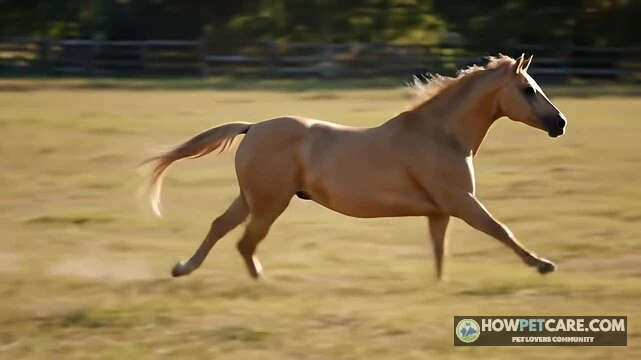

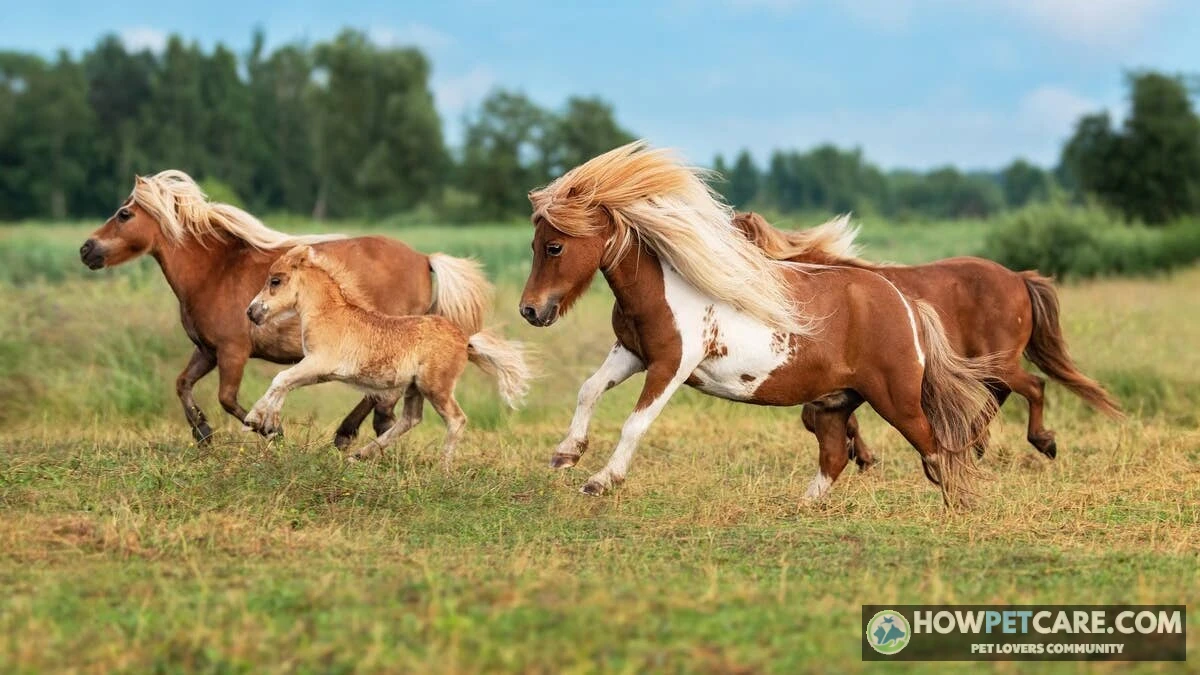
A horse’s typical gallop is roughly 25–30 mph (40–48 km/h), but this is a general estimate, not a fixed speed for every horse. Elite racehorses can go faster over short distances. Race averages and brief peak speeds measure different things, so compare figures only when their distance and timing method are clear.
How fast can a horse run? A horse at a typical gallop travels roughly 25–30 mph (40–48 km/h), though that range serves as a general guide rather than a fixed rule for every animal or run. Elite racehorses travel faster, especially over short distances. Understanding conflicting claims requires separating ordinary gait speeds from full-race averages and brief peak measurements. Guinness World Records lists the racehorse Winning Brew at 43.97 mph over two furlongs; that figure is an average over a recorded sprint, not a momentary peak or an everyday cruising pace.
The sections below examine speeds across gaits from the walk to the gallop, explain record claims and mile times, and explore how breed, stamina, and rider weight influence performance.
How Fast Can a Horse Run? A Typical Gallop Is Roughly 25–30 mph
The short answer to “how fast a horse can run in mph?” depends on what kind of speed you mean. A useful rough estimate for a typical gallop is 25–30 mph, while the fastest moments of an elite racehorse may be higher. In practice, speed varies with fitness, effort, stride mechanics, ground conditions, terrain, and total distance.
Three distinct measurements often get conflated:
- Typical gait speed: A broad estimate for a gait such as a walk, trot, canter, or gallop.
- Race-average speed: The total race distance divided by the horse’s finishing time.
- Brief peak speed: A measurement over a short part of a run, which may be faster than the race average.
These figures answer completely different questions. A peak burst cannot be sustained over distance, and a race average alone cannot reveal peak instantaneous speed. Keeping them separate clears up much of the confusion around horse-speed records.
Horse Speed by Gait: Walk, Trot, Canter and Gallop in mph
A horse’s gait describes its pattern of footfalls rather than a locked-in pace. Every gait covers a range, and those ranges often shift or overlap depending on the horse and situation.
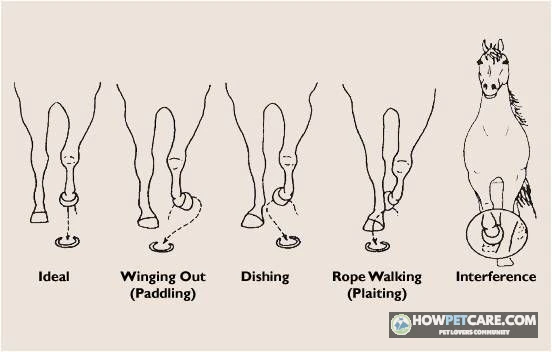
Approximate speed ranges by gait
| Gait | Approximate speed (mph) | Approximate speed (km/h) | What affects the range |
|---|---|---|---|
| Walk | 3–4 | 5–7 | Horse size, stride, terrain, and whether it is relaxed or purposeful |
| Trot | 8–12 | 13–19 | Stride, training, footing, and whether it is slow or extended |
| Canter | 10–17 | 16–27 | Stride, balance, terrain, and chosen pace |
| Gallop | 25–30 | 40–48 | Fitness, effort, footing, and whether it is sustained or a short burst |
These figures offer general estimates instead of hard boundaries or official records. The gallop range is a broad guide, while walking, trotting, and cantering speeds also vary with the horse’s size, stride, training, and footing. A horse might canter slowly in collection or lengthen out into a brisk hand gallop, meaning no single number defines the gait.
Most recreational riding takes place at a walk, trot, or canter. Galloping is faster and far more demanding physically; riders generally use it for short stretches where the horse, rider, and ground conditions are suitable.
How to estimate your own horse’s speed
For a rough estimate, clock your horse over a known distance and divide that distance by the elapsed time. A GPS watch or phone app can also estimate speed, though readings often jump around during short sprints or under spotty satellite coverage. Intuition rarely matches a stopwatch.
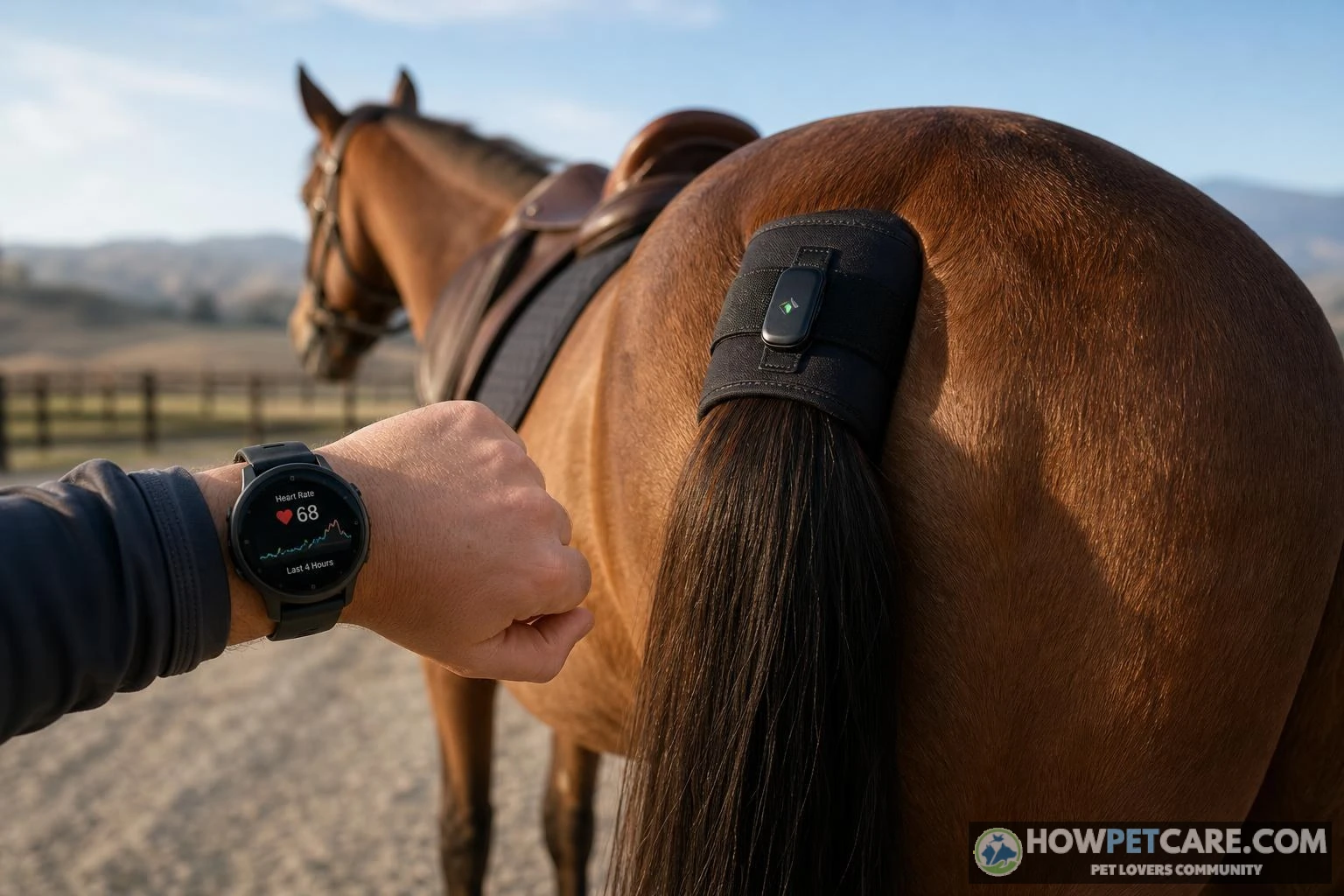
Use these calculations to get a sense of everyday pace, not to test maximum athletic capacity. Acceleration, turns, terrain, and footing all distort short-distance tracking.
 You might be wonderingHow long can a dog go without water?How Long Can a Dog Go Without Water? Safe Limits & SignsRead the answer
Typical Gallop vs Race Average vs Brief Peak Speed: What Each Number Measures
A typical gallop is a general gait estimate. A race average summarizes a complete contest from start to finish. A brief peak records an isolated burst. Treating them as identical produces misleading comparisons.
| Speed type | What it measures | Typical distance or context | Example | How to read it |
|---|---|---|---|---|
| Typical gait speed | An approximate pace associated with a gait | General riding or movement | A gallop around 25–30 mph | A rough guide, not a limit or record |
| Race-average speed | Total race distance divided by official finishing time | A full race, including changes in pace and turns | One mile divided by the time taken | Averages the whole performance, not just the fastest moment |
| Brief peak speed | The highest speed recorded over a short segment | A timed split or short sprint | A measured peak during a race | Depends on the segment and timing method |
Calculating a race average means dividing distance by total elapsed time. Because that calculation incorporates the start, any turns, tactical changes, and late-race fatigue, the result is generally lower than the speed clocked through a fast split. The peak figure itself depends directly on split length and the timing equipment used.
A single runner will almost always post a race average below its maximum instantaneous speed. An elite horse might hit high velocity along the backstretch yet post a lower overall average across the full racecourse. A headline stat only makes sense when paired with the distance, equipment, and tracking method behind it.
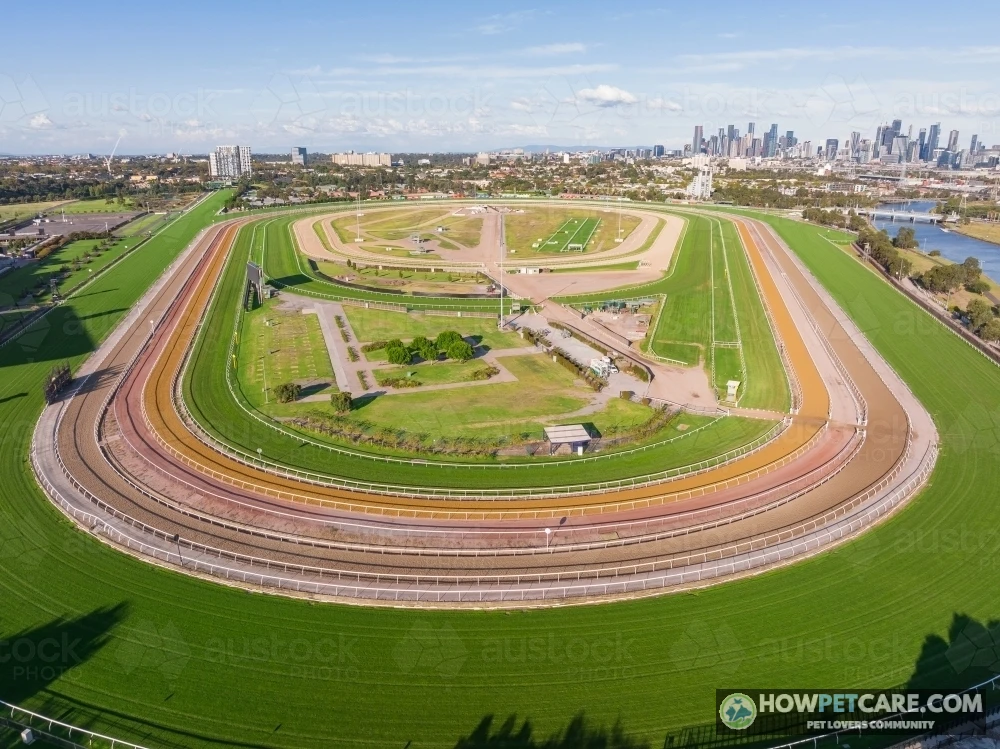
A horse-speed figure is meaningful only when its distance and measurement context are clear. Repeating 25–30 mph as if it applied to every horse and every gallop ignores individual variation and the difference between a typical pace and an elite peak.
Winning Brew’s 43.97 mph Record and Higher Quarter Horse Claims: Why They Aren’t Directly Comparable
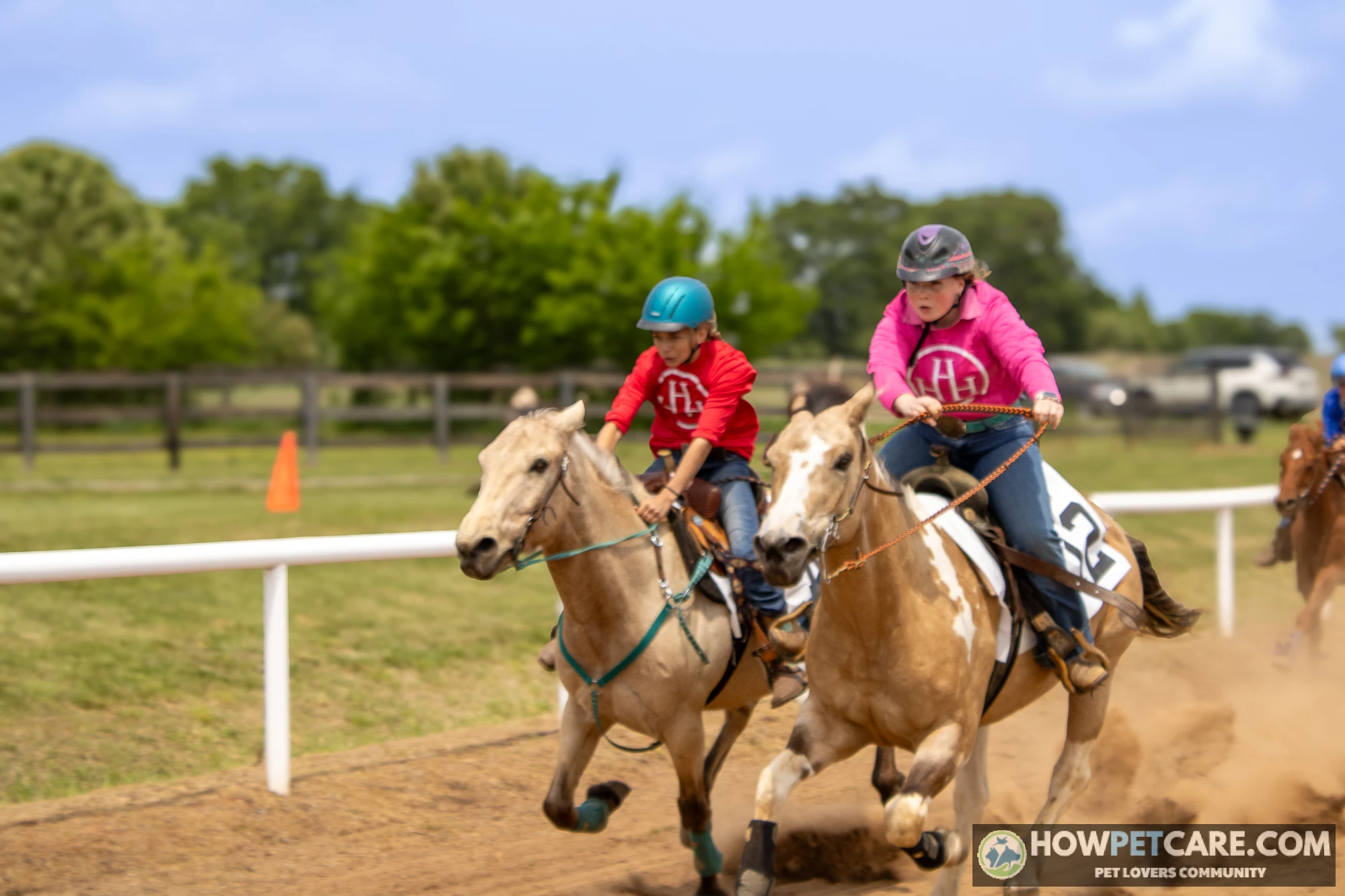
Guinness World Records identifies Winning Brew as the racehorse with the fastest recorded speed, reporting 43.97 mph over two furlongs at Penn National in 2008. Two furlongs equals a quarter mile. That record captures an average over a short distance; it should not be read as a cruising speed any horse can sustain over a longer race.
What the Winning Brew record measures
Winning Brew’s record reflects an average calculated from the official time over two furlongs. It differs fundamentally from an everyday gallop estimate and from speeds recorded over longer stakes races. The recorded distance and time do not prove that higher figures posted on the internet relied on equivalent timing equipment or calculation methods.
Why higher Quarter Horse peak-speed claims are a different kind of figure
Figures around 55–57.6 mph appear in discussions of American Quarter Horse sprints, often linked to the horse A Long Goodbye or research by Nielsen. However, the available data does not provide a verified distance or timing protocol for those numbers, nor does it prove they represent full-course averages rather than momentary peak readings.
That distinction is critical. An instantaneous radar reading on a straightaway cannot be compared directly with an average speed calculated over two furlongs. A higher headline figure alone does not prove which horse ran faster under like-for-like conditions.
A quick test for any record claim
Before evaluating any speed record or high-velocity claim, check:
- The measured distance and whether the figure covers the whole race or a short segment.
- The starting conditions, including whether the horse started from a standstill or was already moving.
- The timing method, such as an official race clock, a timed split, or a sensor.
- The surface, track layout, and other reported conditions.
- The named source that recorded or reported the figure.
The Winning Brew record and higher Quarter Horse peak claims should not be presented as equivalent measurements without confirming these details. The evidence here supports reporting the claims with their stated context, not declaring them a definitive head-to-head result.
How Fast Can a Horse Run a Mile? Time, Distance, Surface and Race Conditions
A mile time measures average pace over the whole distance, not maximum instantaneous velocity. Converting a recorded mile time to miles per hour requires dividing one mile by the elapsed time in hours.
Converting mile time to mph
Take a horse that finishes a one-mile race in 1 minute 36 seconds:
- Convert the time to seconds: 1 minute 36 seconds is 96 seconds.
- Convert seconds to hours: 96 divided by 3,600 is about 0.0267 hours.
- Divide the distance by the time: 1 mile divided by 0.0267 hours is about 37.5 mph on average.
This calculation is a simple arithmetic example rather than a standard benchmark or a statement about an individual horse. The figure averages the entire mile—factoring in acceleration out of the gate, navigation around turns, and mid-race pacing. It does not reflect peak speed at any single stride.
Why two identical-looking mile times can mean different things
Race times reflect far more than pure speed. Dirt, turf, or synthetic surfaces—and the condition of the surface—can affect performance. Track layout, turns, pace, weather, the horse’s fitness, and its age also matter. Comparing times from different tracks and days is therefore imprecise unless the conditions and race context are considered.
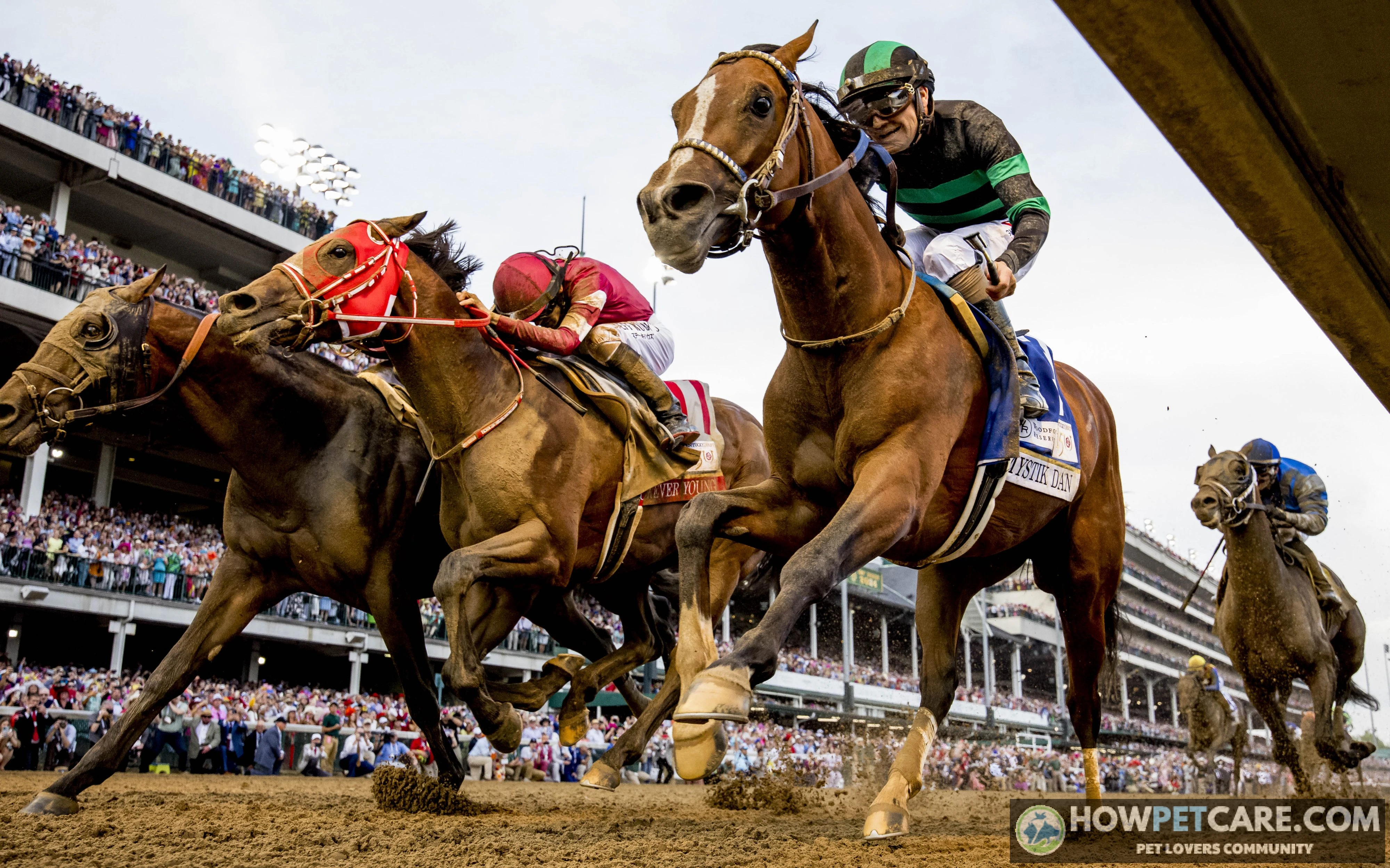
Elite racehorses can post very fast times over race distances. Secretariat, for example, holds the Belmont Stakes record of 2:24.00 for 1.5 miles, a different distance from a mile and not a direct substitute for a one-mile comparison. A recreationally ridden horse may take much longer than an elite racehorse to complete a mile, though the evidence provided does not support a single typical time for all recreational horses.
Which Horse Breeds Run the Fastest? Sprint Speed vs Speed Over Distance
There is no single breed that is fastest in every context. A short sprint and a longer race reward different combinations of acceleration, stride, conditioning, and stamina. Organized race results describe selected racing horses, not the average speed of every horse in a breed.
| Breed | Where it is fast (sprint vs longer distance) | Type of evidence | Source type | Evidence caveat |
|---|---|---|---|---|
| American Quarter Horse | Known for short sprints, including quarter-mile racing | Short-distance race data and reported peak-speed claims | Organized race records and reported research claims | Peak figures around 55–57.6 mph lack verified comparable timing details in the evidence here. |
| Thoroughbred | Commonly races over middle and longer distances, including a mile or more | Race times over defined distances; Secretariat’s Belmont record is one example | Official race records | A record performance does not establish the breed’s average speed. |
| Arabian | Often associated with endurance over distance | Breed reputation rather than comparable speed records in the evidence here | No comparable race-speed source supplied | Do not infer a precise top speed from the breed label. |
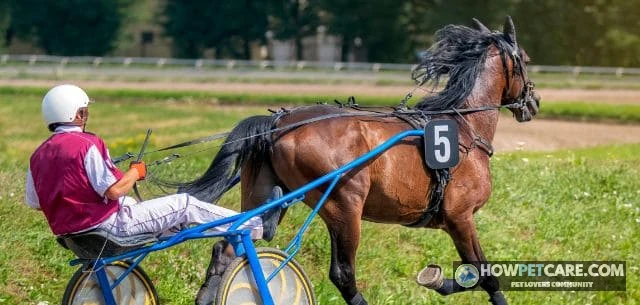
| Standardbred | Races in harness at a trot or pace | Harness-racing performances | No comparable speed figures supplied here | Harness results and running race figures measure different contexts. |
The American Quarter Horse’s association with short-distance racing is supported by the reported short-sprint evidence, but its higher headline peak claims need distance and timing details before they can be compared directly with other records. Thoroughbreds are associated with racing over longer distances; Secretariat’s recorded Belmont performance illustrates a documented result over 1.5 miles, not a universal breed speed.
Arabians are often described in connection with endurance, while Standardbreds are known for harness racing at the trot or pace. The evidence supplied here does not provide comparable, sourced top-speed numbers for those breeds, so precise speed rankings would overstate what is known.
In short, race data can show what selected horses have achieved under organized conditions. It cannot tell you the top speed of a typical horse of that breed. Treat a breed-speed figure with no distance, source, or measurement method as an unverified claim.
How Long Can a Horse Run at Full Speed? Why There Is No Universal Gallop Limit
A horse can sustain an all-out sprint for only a fraction of the time it can maintain an easy canter or steady gallop. As distance stretches, pace generally must drop. Even so, the evidence here offers no reliable universal distance that every horse can safely gallop or a single full-speed limit that applies to all horses.
Top speed vs sustainable speed
The answer to “how long can a horse run at top speed?” depends on what counts as top speed and how the horse is moving. A brief peak during a race is not the same effort as a sustained gallop. Race times and peak readings alone do not establish a general endurance limit for all horses.
What changes a horse’s stamina
Fitness and conditioning, breed and type, age, health, terrain and footing, weather, temperature, rider weight and skill, and the chosen pace all affect how long a horse can keep moving quickly. Two horses—or the same horse on different days—may respond differently.
For a beginner, the practical point is not to chase a distance or a top-speed figure. Do not ask an unconditioned horse for sustained galloping. Pay attention to its breathing, sweating, and recovery, and ask a veterinarian or experienced trainer for guidance when you are unsure. Any effort should be appropriate to the horse and the conditions.

Speed With a Rider and Tack vs Without: What Is Known and What Isn’t
A rider and tack add load, so it is reasonable to expect them to affect a horse’s performance. But the evidence available here does not support a dependable, widely accepted figure for how many mph—or what percentage—a rider and tack reduce a horse’s speed. Assigning a precise penalty would imply more certainty than the evidence allows.
What rider and tack weight might do
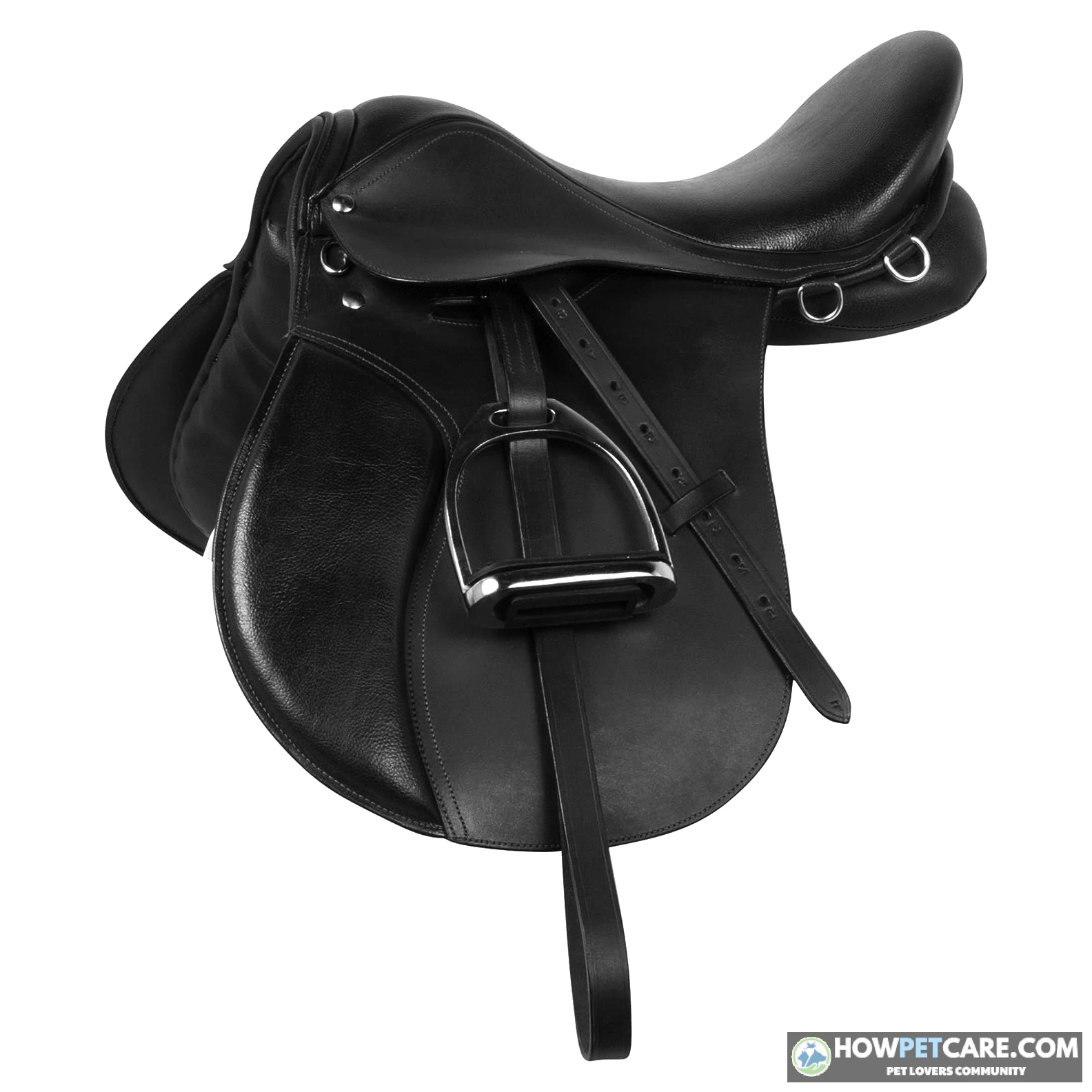
Racing handicap and weight-carried information can show that weight matters in racing, but it does not translate into a simple speed rule for every horse and condition. Rider balance and skill, tack, the horse’s fitness, pace, and surface also shape performance. Weight is one factor, not a complete explanation.
Why unridden top speed hasn’t been reliably measured
A freely running horse is rarely timed over a measured distance under controlled conditions in the same way as a racehorse. Many available speed figures come from ridden racehorses and organized races. The absolute top speed of an unridden horse has not been established by reliable, comparable measurement in the evidence available for this article.
That uncertainty is a reason to be cautious with claims about how fast a horse can run without a rider. It is not evidence that a horse has a particular unmeasured speed.
How to Read Any Horse-Speed Claim: A Beginner’s Checklist
Use this checklist when you see a dramatic number or want to compare your horse’s pace with a record:
- Identify the kind of speed: Is it a typical gait estimate, an average over a race, or a brief peak?
- Check the distance: A quarter-mile race, a timed short segment, and a mile-long race do not measure the same thing.
- Check how it was timed: Look for an official race time, timed split, or sensor reading; do not assume they are interchangeable.
- Check the conditions: Note the surface and footing, track layout, weather, and whether the horse was racing or exercising.
- Find the source: Prefer a record-keeping body or official race data over an unsourced round number.
- Ask what population it describes: An elite racehorse’s result is not a typical speed for every horse of that breed.
If the distance, timing method, or source is missing, treat the number as an unverified claim rather than a settled record. For general curiosity, use gait ranges as rough guidance. For breed comparisons, compare horses over the same distance and in similar conditions. For your own horse, time a measured distance only when the horse is fit and the work is appropriate; prioritize conditioning and safety over a top-speed target.
 You might be wonderingHow long are horses pregnant?How Long Are Horses Pregnant? Mare Due Dates and CareRead the answer
FAQ
How fast can a horse run compared to a human?
A galloping horse is generally much faster than a human sprinter. The fastest measured human sprinting speed is about 27–28 mph (Usain Bolt’s peak in 2009), while a typical horse gallop is often put at roughly 25–30 mph, and racehorses can go faster over short distances. The comparison depends on the distance and on how each speed was measured.
How fast can a horse run in km/h?
A typical gallop of about 25–30 mph is roughly 40–48 km/h. Racehorses can briefly exceed this, and the Winning Brew record of 43.97 mph is about 70.8 km/h.
How fast does a beginner rider usually go on a horse?
Most beginner riding happens at a walk, trot or slow canter, which is roughly 4–15 mph depending on the horse and the gait. Full galloping needs a fit horse, suitable ground and a rider with enough balance and control.
Do horses run faster than they can trot or canter for long?
Yes. A gallop is the fastest gait, but a horse can hold it for a much shorter time than a trot or canter. Speed and distance trade off, and how long a horse can keep going depends on its fitness, the terrain and the pace.