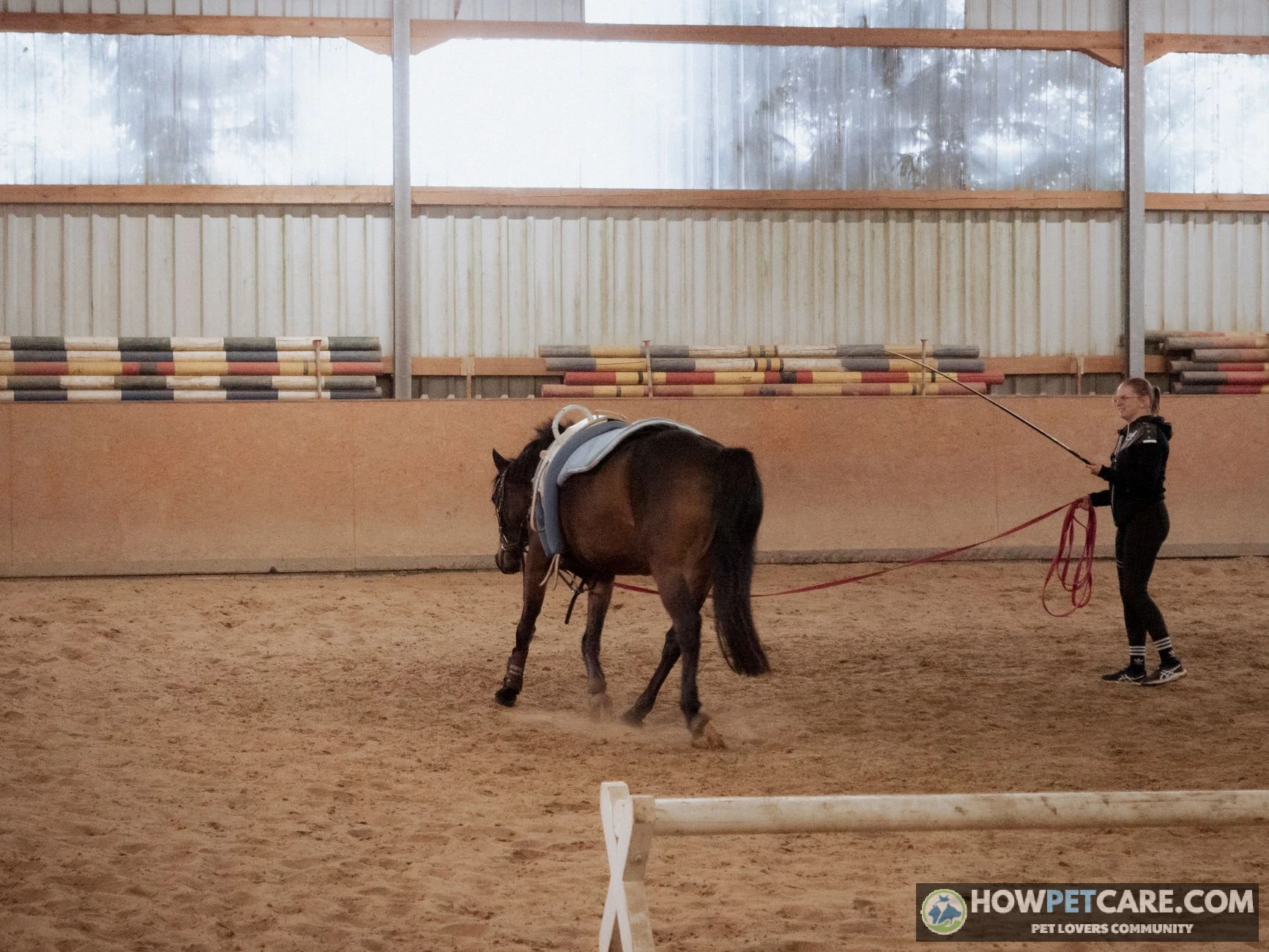

To find and hire the right equine trainer:
- Define the job: your horse’s history, the specific goal, and your total budget including care and travel.
- Build a shortlist of three to five candidates from associations, vets, farriers, barns, clinics, and directories.
- Watch each candidate work an ordinary session before committing.
- Call references, verify credentials and insurance, and rule out pain with your veterinarian first.
- Get scope, rates, care terms, and exit terms in writing, then start with a defined trial period.
An equine trainer works with a horse to improve its handling, responses, or skills. A riding instructor focuses mainly on teaching the person, though many professionals do both. To find a good fit, define what you need, gather three to five local candidates, watch them work, check references and insurance, and compare written terms before committing your horse.
This guide covers the services you can hire, questions to ask, and costs to investigate. It also outlines paths into the profession for those considering equine training as a career.
What an Equine Trainer Does and How One Differs From a Riding Instructor
Trainer vs. instructor vs. clinician: who works on what
“Equine trainer” and “horse trainer” generally describe the same kind of professional: someone who works on a horse’s behavior, handling, or performance. A riding instructor focuses on the rider’s position, timing, confidence, and communication. Some trainers teach lessons, and some instructors school horses.
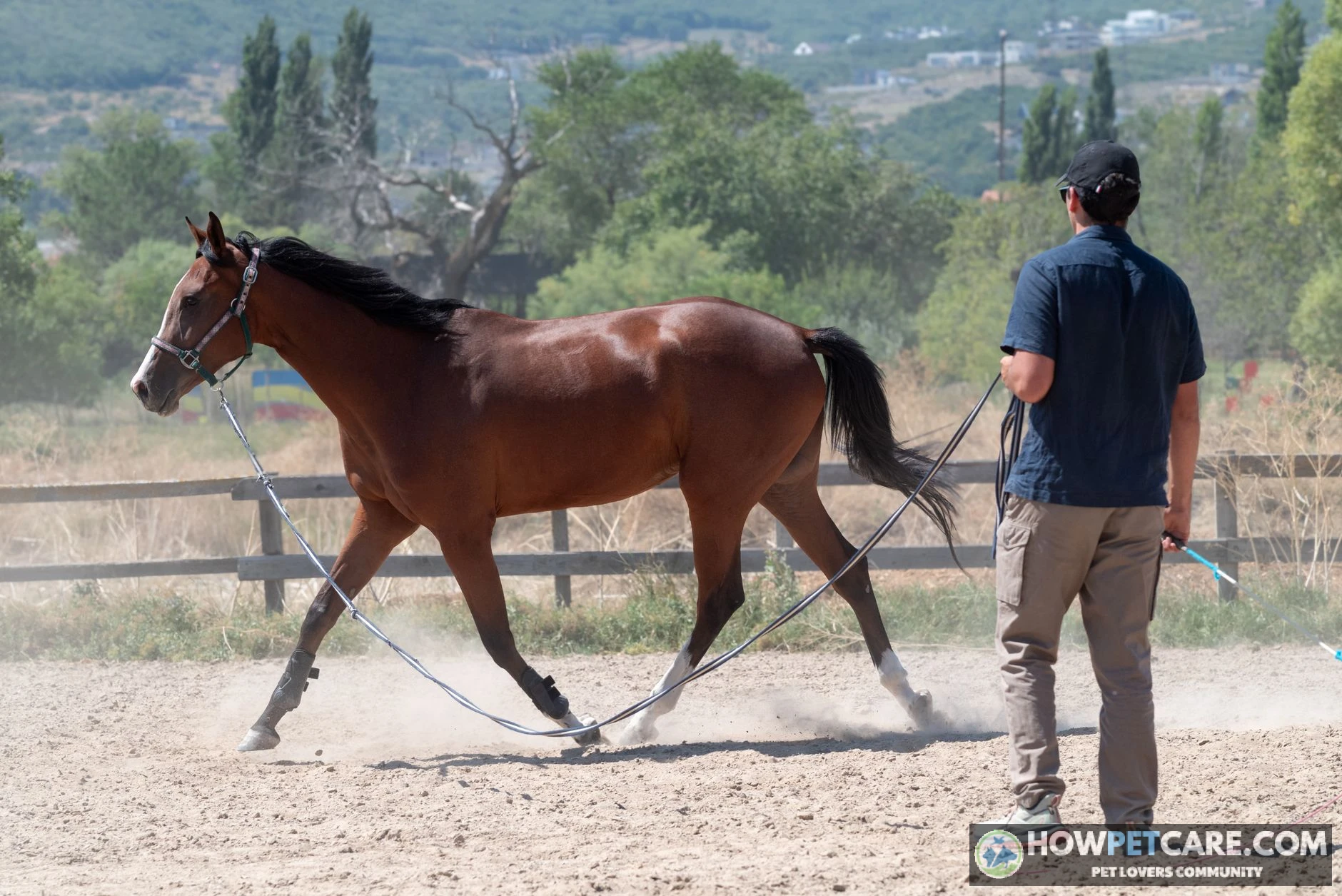
A trainer’s work may include groundwork, lunging, desensitization, colt starting, conditioning, or ridden schooling, depending on their experience and discipline. They might teach a young horse the basics, help a trail horse that struggles to load, or school a competition horse in discipline-specific skills.
A clinician usually teaches at a clinic or another short-term educational event. The title alone doesn’t tell you whether someone is qualified to work with your horse. Ask about their experience and watch their methods.
When a trainer is the wrong professional
Pain or illness can look like a training problem. A trainer can describe what they observe and coordinate with your veterinarian, farrier, or saddle fitter, but they shouldn’t diagnose a medical condition.
| Your goal or concern | Call first | Why | Where a trainer may help |
|---|---|---|---|
| Lameness, sudden behavior change, girthing pain, or appetite changes | Veterinarian | A medical problem needs assessment before more training | Rebuild skills after the veterinarian advises it is appropriate |
| Lost shoe, hoof cracks, uneven wear, or hoof-care concerns | Farrier; veterinarian if the horse is sore or lame | Hoof care and possible pain need attention | Report when difficulty appears and support handling for hoof care |
| Slipping saddle, back soreness, or resistance under saddle | Veterinarian for pain; qualified saddle fitter for fit | Both health and equipment may contribute | Resume schooling when the horse is comfortable and cleared |
| Rider feels unbalanced, inconsistent, or fearful | Riding instructor | The rider needs instruction | School the horse alongside the owner’s lessons if appropriate |
| Horse struggles with leading, loading, or basic handling | Trainer with relevant experience | The horse needs a tailored handling plan | Teach the owner how to maintain the responses |
| Young horse needs first rides or a horse needs sport-specific schooling | Trainer specializing in that work | Starting and discipline skills require suitable experience | Include owner lessons and a handover plan |
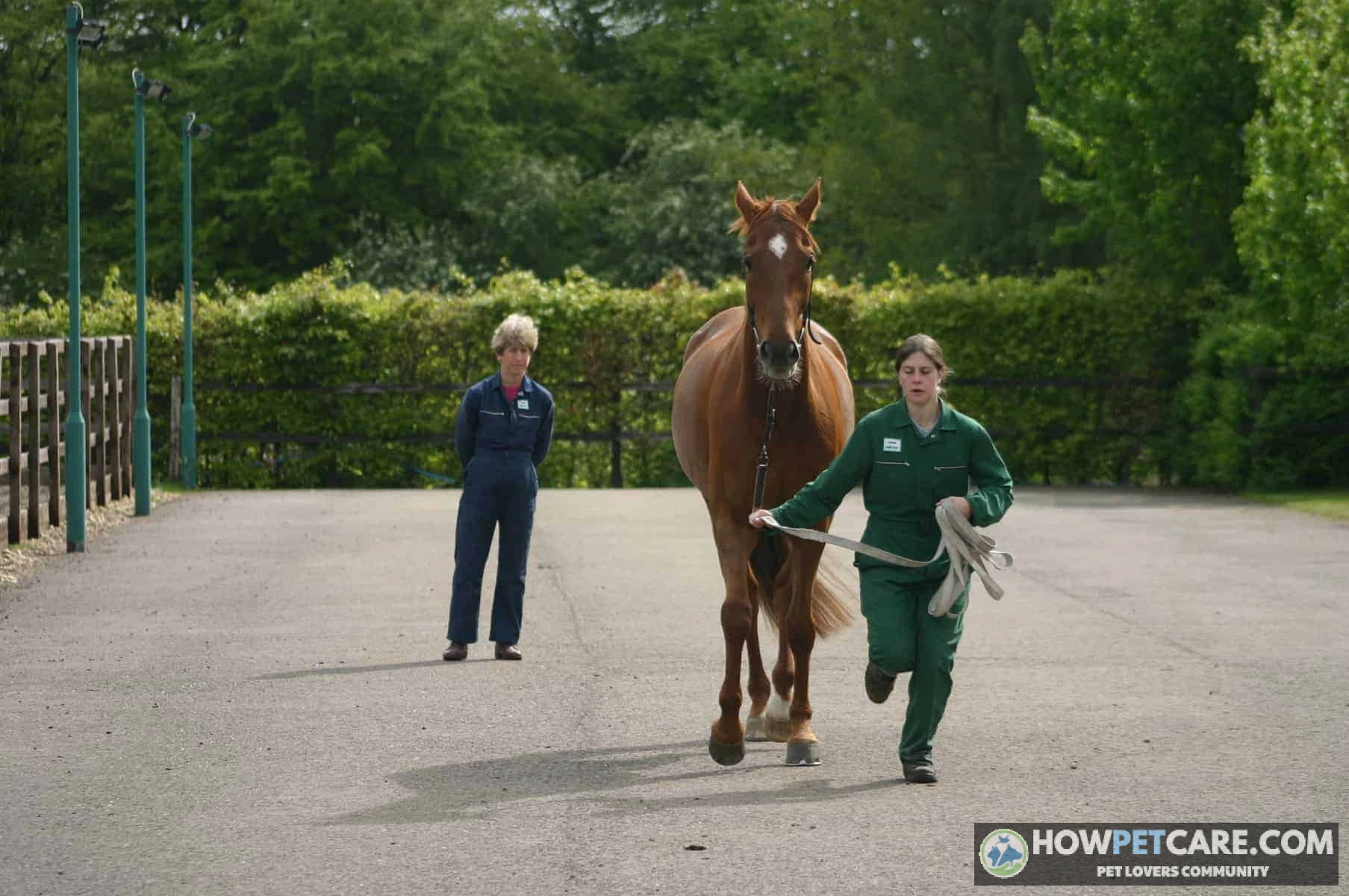
A sudden change in behavior, lameness, or pain when saddled warrants a call to your veterinarian before you escalate training. If a horse is unsafe to handle, keep people clear and ask the veterinarian how to proceed safely.
Which Training Service Fits Your Horse: Lessons, Colt Starting, Problem-Behavior Work, Board-and-Train, or Send-Away
Lessons and coaching when the rider is the variable
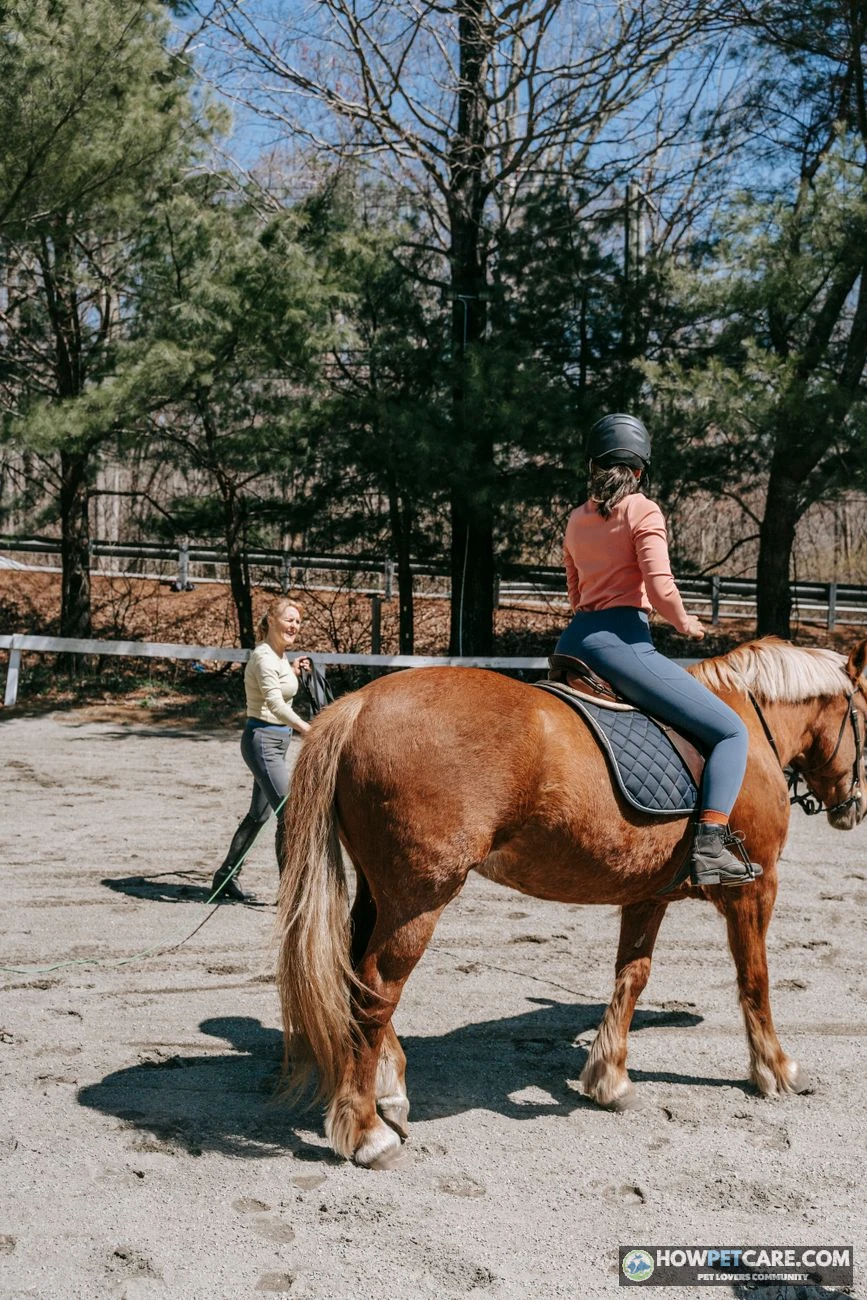
Choose rider lessons if you need help with balance, confidence, cues, or a riding discipline. An instructor may teach on your horse or a suitable lesson horse. If both horse and rider need support, ask whether the professional can combine schooling sessions with owner lessons—or whether two complementary professionals would be a better fit.
Colt starting and young or problem horses
Colt starting introduces a young horse to the handling and ridden work required for its intended job. Ask candidates about their experience with horses of a similar age and background, how they judge readiness, and how they adapt if a horse becomes overwhelmed.
An equine behavior trainer may help with loading, handling, fear, or another specific difficulty. Describe the behavior and its history rather than relying on a label such as “stubborn.” Share veterinary findings and any safety incidents before work begins.
Board-and-train vs. send-away: what actually differs
With board-and-train, your horse lives at a facility and receives an agreed number of training sessions. A send-away program sends the horse to a trainer for a defined program; it may also be board-and-train. These labels don’t reliably tell you how many sessions are included, or what the program provides for turnout, feed, and owner access. Get those details in writing.
A trainer may instead travel to your barn or work with your horse at its current facility. You remain responsible for any care and handling the agreement doesn’t assign to the trainer.
Western, English, racing, and recreational trail goals call for different skills and contexts. Ask what training aids the professional uses, why they use them, and when they stop. A tool’s presence—or a fashionable label—matters less than how it’s used and how the horse responds.
How long training takes and what progress updates to expect
Programs may be offered in 30-, 60-, or 90-day blocks. Those are booking periods, not promises that a horse will be finished. Starting and behavior work vary with the horse’s age, health, history, the problem, and the goal. Ask for an initial assessment and review points, not a guaranteed finish date.
Agree on a schedule for notes, calls, photos, or video, along with opportunities for owner check-in rides when safe. A horse that responds to a professional may not respond the same way to its owner. Plan handling or riding lessons before pickup, and arrange follow-up support afterward.
How to Find Equine Trainers Near You, Including Rural Areas With Few Listings
Where to search, in order of reliability
Begin with sources that let you check a specific claim, then use referrals and listings to broaden your search. No search channel establishes quality on its own.
- Discipline and breed organizations: Look for professional listings, education records, or competition results relevant to your goal. Check what a listing actually means.
- Local barns, shows, and clinics: Watch professionals work and ask which horses they routinely handle. Shows and clinics can be useful places to observe them.
- Veterinarians, farriers, and saddle fitters: Ask whom they’ve worked with and whether the trainer has experience with your kind of horse.
- Feed stores, tack stores, and local owners: Gather names and ask about specific experiences, not just general endorsements.
- Online directories: Search by location and service, then investigate each candidate independently. EquineNow, for example, lists training-service advertisements with location and discipline information.
Search for a specific task and location, such as “colt starting plus county” or “trail horse loading trainer plus state.” Keep a list of three to five candidates, noting where you found them, their stated specialty, and any evidence you can check.
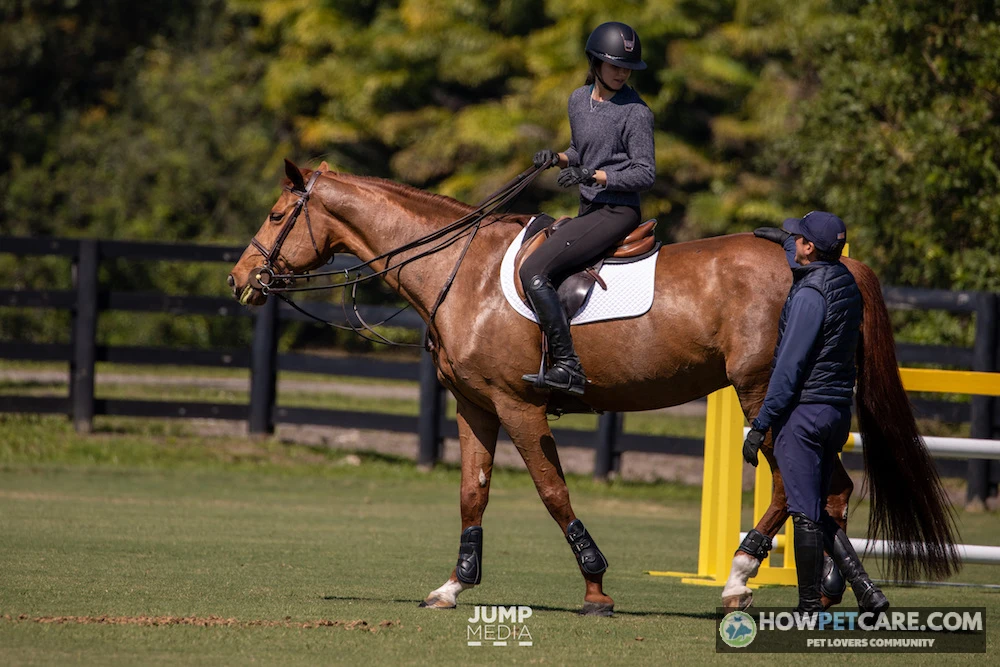
How to read a directory’s “verified” and “top-rated” claims
Ask what “verified” means: identity, insurance, credentials, reviews, or simply a contact detail. Look for dated, attributable reviews and a clear explanation of paid placement. Directories may include sponsored content; sponsorship is advertising, not an independent assessment. An appealing profile or high claimed rating is a lead, not a replacement for observation and references.
If nobody good is nearby: travel, clinics, remote coaching, or shipping
Widen your search radius and set a travel budget before ruling out a distant candidate. Attend a clinic as an observer to see how the professional communicates and handles mistakes. Remote video coaching may help you build skills when the situation is safe and appropriate, but it can’t replace hands-on assessment of a dangerous horse or veterinary care.
Shipping your horse to a program can expand your options. Before booking, compare hauling, health requirements, visiting arrangements, emergency care, and pickup costs—not just the training fee.
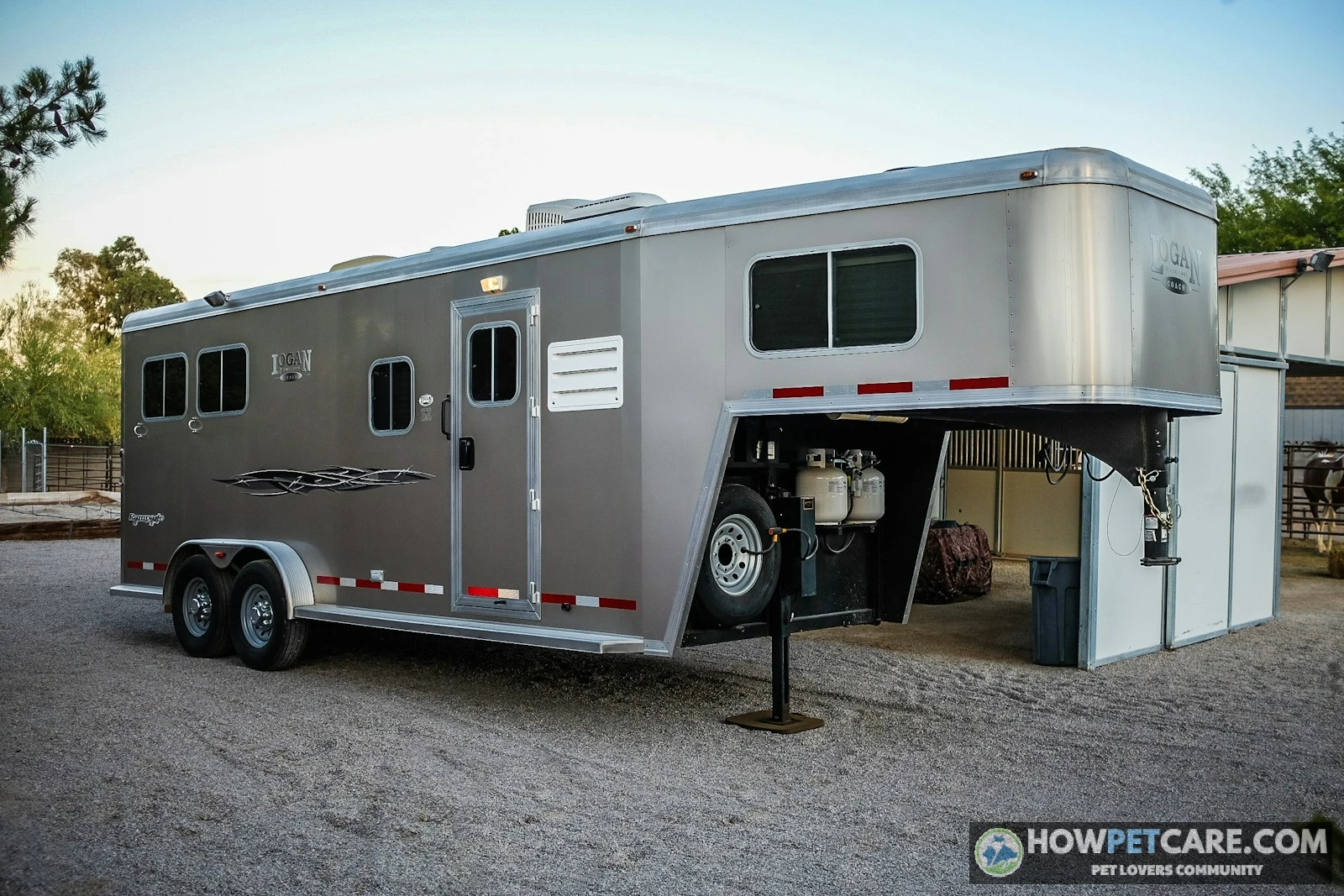
How to Evaluate a Horse Trainer: A Scorecard Built on What You Can Observe
Score each category from 0 to 2: 0 means concerning or no evidence, 1 means partly addressed, and 2 means supported by direct observation or checked documents. The maximum is 20. This scorecard helps you compare candidates; it isn’t a validated safety test. A high total can’t make up for unsafe handling or missing written terms.
| Criterion | What to observe or request | Strong signal | Warning signal | Score (0–2) |
|---|---|---|---|---|
| Relevant experience | Similar horses and goals | Specific examples and checkable references | Vague claims about handling every problem | __ |
| Horse handling | Watch a normal session | Calm, consistent cues; adjusts to the horse | Anger, repeated panic, or unexplained escalation | __ |
| Welfare and routine | Observe horses; ask about turnout, forage, water, and rest | Routine is clear and fits the horse | Basic care questions are dismissed | __ |
| Safety and equipment | Check footing, fencing, tack, and traffic | Hazards are managed and equipment is appropriate | Unsafe conditions or tools used in anger | __ |
| Methods | Ask what happens when an approach fails | Explains choices and alternatives | Relies on slogans or blames the horse | __ |
| Owner transfer | Ask about lessons and handover | A practical plan for your handling and riding | No plan beyond the trainer’s sessions | __ |
| Communication | Request a sample update and review schedule | Clear, agreed updates and specific goals | No defined contact or progress review | __ |
| References | Speak with current and former clients | Relevant experiences and candid answers | References cannot be checked | __ |
| Insurance and claims | Request documents; verify credentials and records | Appropriate coverage discussed and claims check out | No proof or unverifiable claims presented as fact | __ |
| Written terms | Review a sample contract and itemized rates | Scope, fees, care, and exit terms are clear | Refusal to provide terms | __ |
Observation checklist for a lesson or training session
Ask to watch an ordinary session, not just a demonstration. Notice the horse’s body language and whether the trainer recognizes signs of tension. Watch how they respond to mistakes, how consistently they give cues, and whether they adjust when the horse struggles.
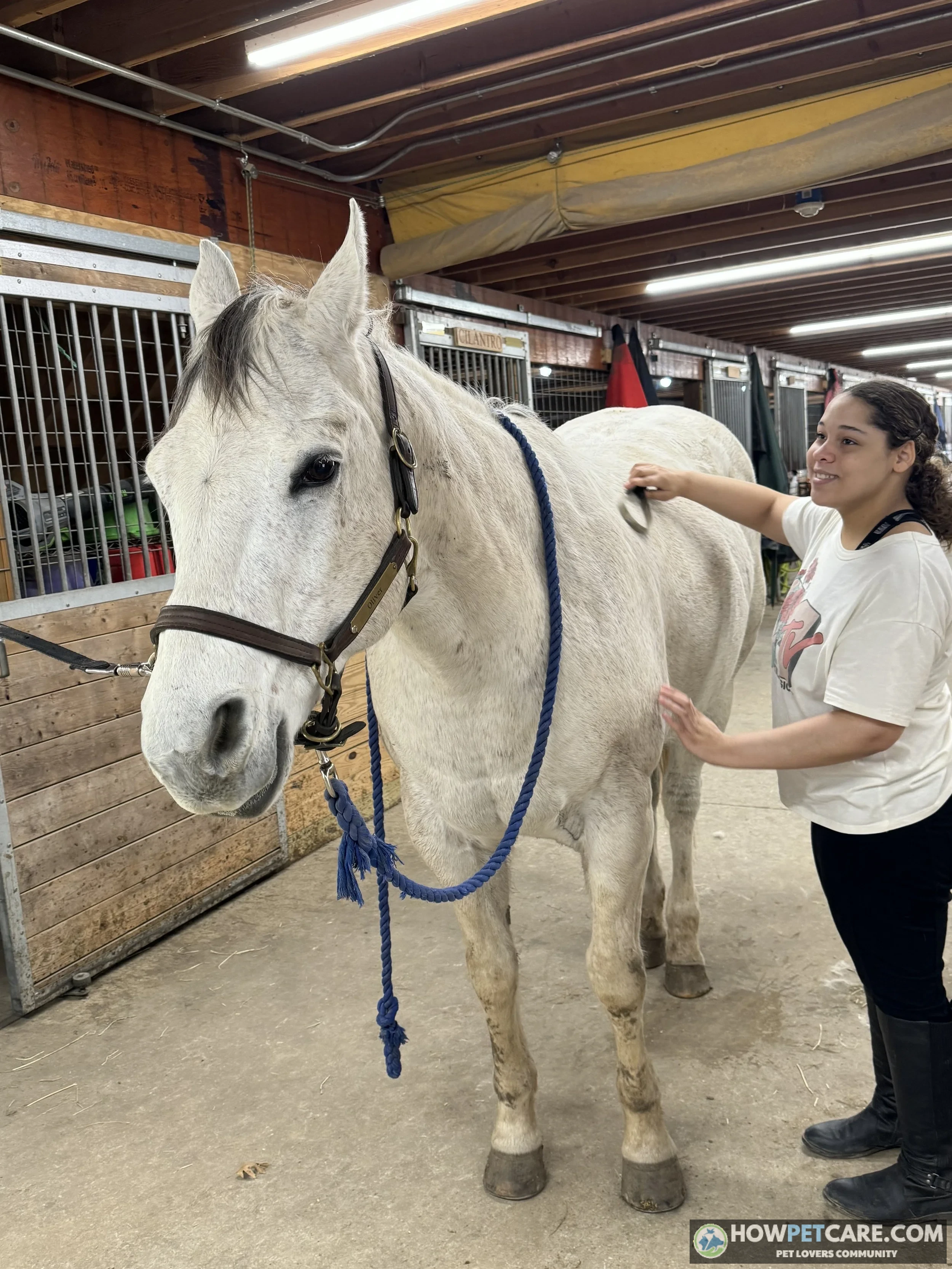
Ask how the trainer uses rewards, including positive reinforcement where appropriate, and how they decide when to release pressure. “Natural horsemanship” describes a broad family of approaches; the label doesn’t tell you what happens in a session. Check barn safety, footing, tack condition, and how the trainer manages people as well as horses.
References and what to ask them
Ask for current and former clients, including someone whose horse or goal resembles yours. Call them instead of relying only on selected testimonials:
- What was your horse like at the start, and what changed—or didn’t?
- Were updates and owner lessons provided as promised?
- Did the invoice match the quote? Were veterinary or farrier charges clear?
- How did the trainer respond to a setback or injury?
- Would you send another horse, and why?
Insurance, certification, and competition-record verification
Request a certificate of insurance and ask which activities and locations the policy covers. If your horse will stay at the facility, ask about care, custody, and control coverage as well as liability coverage. A certificate doesn’t promise every loss is covered; ask the insurer or agent about the policy’s scope and exclusions.
Confirm a claimed certification with its issuing organization, and check its status. For competition claims, look for official records from the relevant association when available. If you can’t verify a claim, mark it as unverified rather than assuming it’s false.
Red flags that should end the conversation
Walk away, or pause until the concern is resolved, if you encounter:
- Refusal to allow reasonable observation of training.
- Unsafe handling, anger, or force presented as punishment.
- Unexplained injuries or signs of distress dismissed without investigation.
- Refusal to provide written scope, rates, and terms.
- Pressure to pay the full program in advance without clear refund terms.
- Guaranteed behavior outcomes or a fixed finish regardless of the horse.
- Blaming the horse for every setback while dismissing possible pain.
- No clear answer about who will handle the horse or authorize emergency care.
Price alone proves neither quality nor poor quality. Ask what supports the fee and what supervision and care it includes.
A candidate may score well on references and paperwork but still handle horses unsafely. Resolve welfare and safety concerns before weighing the total score.
What CHA, USDF, USHJA, NRHA, AQHA, and Other Credentials Actually Prove
Teaching credentials vs. memberships vs. competition records
A teaching certification, professional membership, program enrollment, competition result, and racing license are distinct claims. Ask for the exact title, issuing body, level, and status. None guarantees humane handling, skill with your horse’s specific problem, financial reliability, or insurance.
Credentials for western, English, racing, and recreational goals
| Credential or body | Discipline or area | What it can show | What it does not guarantee | How to verify |
|---|---|---|---|---|
| Certified Horsemanship Association (CHA) instructor certification | Riding instruction and horsemanship | The person met the requirements of a stated instructor certification and level | Expertise in colt starting or complex behavior cases | Ask CHA’s certification office or use its official instructor search; confirm level and status |
| United States Dressage Federation (USDF) instructor certification or medals | Dressage | A specific instructor qualification or documented competition achievement, depending on the claim | Expertise in other disciplines or problem-behavior work | Check the relevant official USDF certification or awards records; distinguish medals from instructor certification |
| United States Hunter Jumper Association (USHJA) trainer programs | Hunter, jumper, and equitation | Participation or recognition under a named program | General business quality or suitability for every horse | Ask USHJA to confirm the exact program and status through its official resources |
| National Reining Horse Association (NRHA) professional status or results | Reining | A stated professional affiliation or recorded competition performance, depending on the claim | Beginner teaching ability or non-reining behavior expertise | Check the official NRHA professional and competition-record resources |
| American Quarter Horse Association (AQHA) professional membership or show record | Breed and affiliated disciplines | A stated professional affiliation or recorded AQHA show achievement | Ability with every breed, discipline, or behavior issue | Consult official AQHA professional listings and show records, or contact AQHA |
| State racing commission license | Racing | Authorization for a specific racing role in the relevant jurisdiction, subject to its rules | Recreational instruction or general behavior expertise | Search or contact the applicable state racing commission |
| Apprenticeship or no formal credential | Any discipline | Potential practical experience under a mentor | A verified standard by itself | Ask about dates and duties, contact mentors, and observe work |
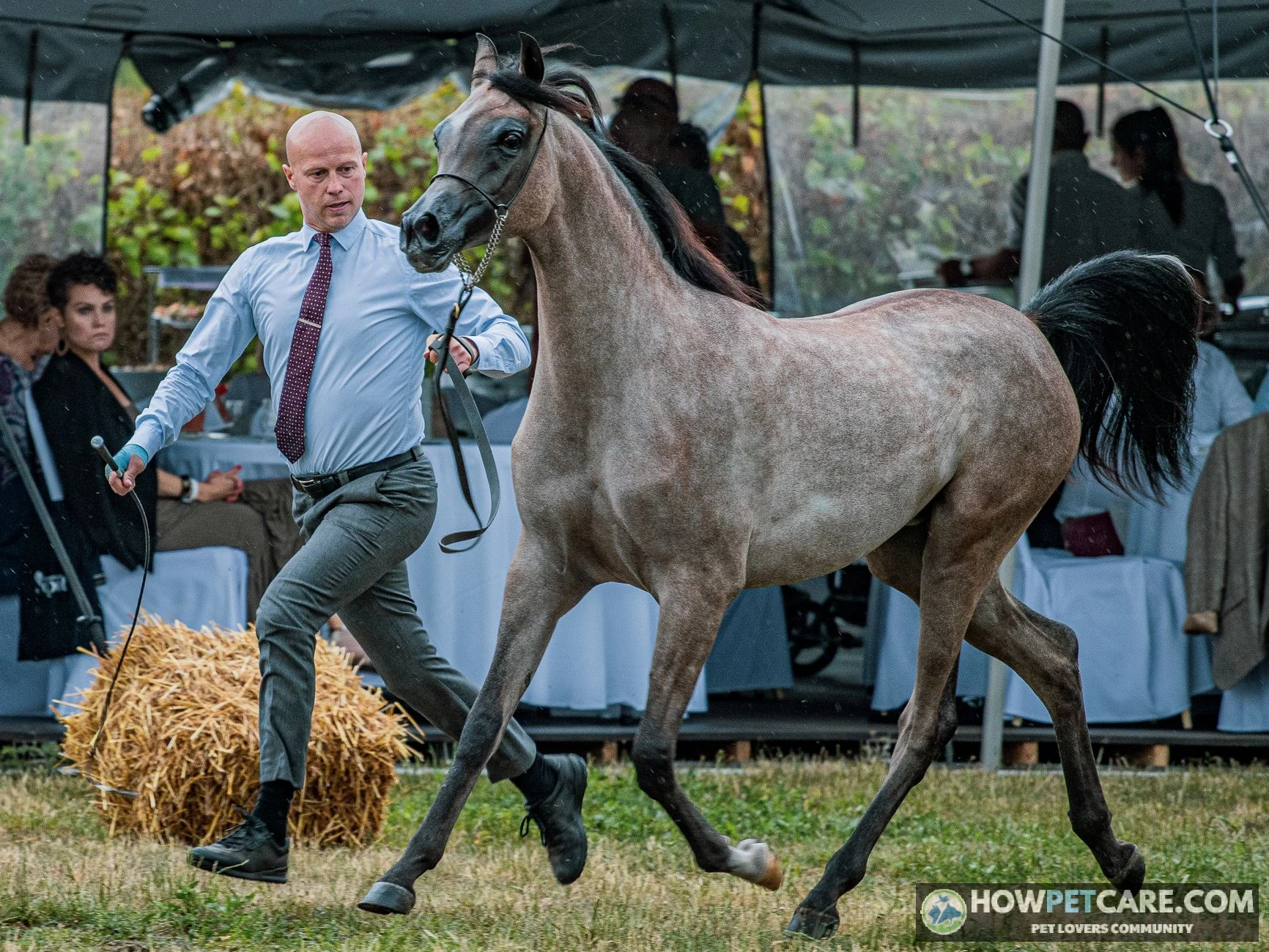
How to verify a credential in five minutes
Go to the issuing organization’s official website, search for the exact program or person, and check whether the credential is current. Match the name to the professional you’re considering. If the public search doesn’t answer your question, contact the organization directly; not every record or status is public.
There’s no single certification required for all trainers nationwide. Rules can depend on the activity and jurisdiction, particularly in racing. A documented track record and strong references may matter more than an unrelated certificate, but a certificate doesn’t replace observation.
How Much an Equine Trainer Costs: Lessons, Board-and-Train, Send-Away, and Extra Fees
Price ranges by service type
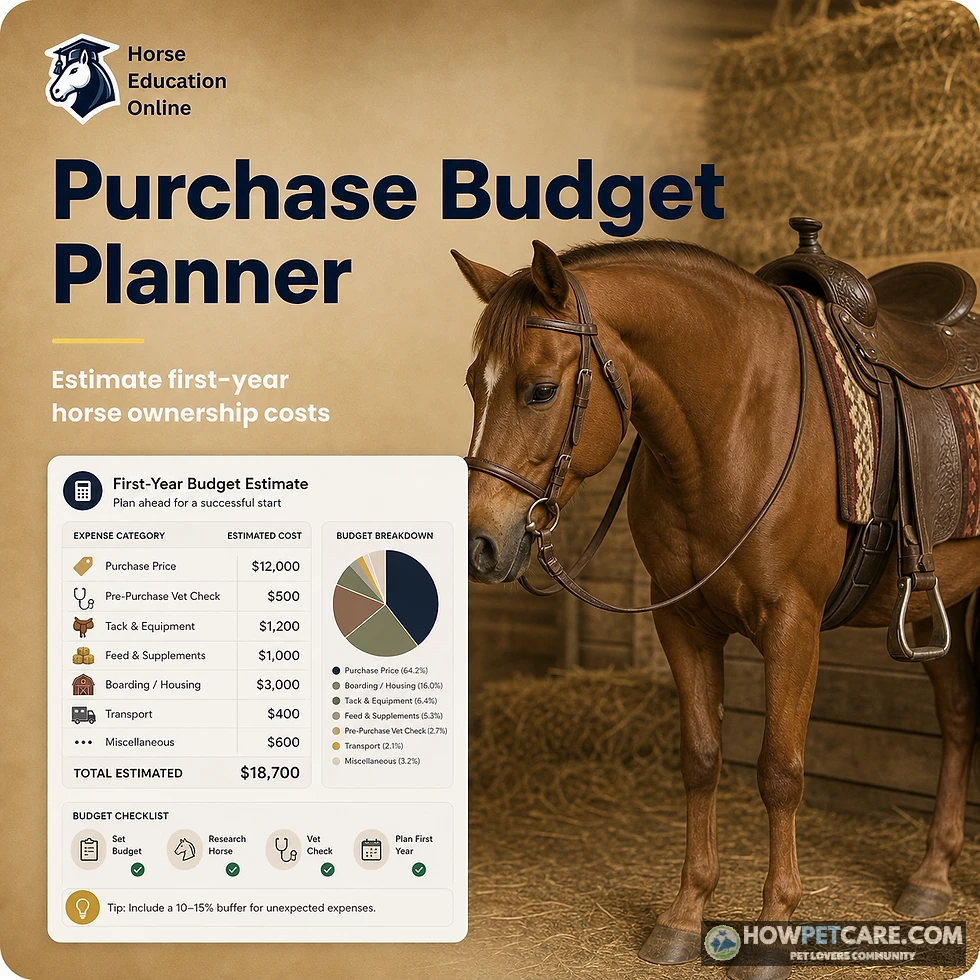
The figures below are unverified planning estimates for a US budget in 2026, not surveyed market averages or quotes. The supplied pricing information describes a January 2026 scan of public listings but doesn’t identify individual price lists that can be checked here. Treat these ranges as tentative starting points and get local written quotes before deciding. Send-away prices and commissions are particularly difficult to generalize.
| Service type | Tentative US planning range | What may be included | Common extra fees | Source and date collected |
|---|---|---|---|---|
| Private rider lesson | $45–$120 per lesson | Individual instruction, often 45–60 minutes | Horse use, arena, or show coaching | Supplied public-listing scan, January 2026; individual sources unverified |
| Group lesson | $25–$60 per rider | Shared instruction | Horse rental or haul-in fee | Supplied lesson-listing scan, January 2026; unverified |
| Training ride or schooling session | $35–$85 per session | A trainer works the horse | Grooming, facility use, or travel | Supplied rate-post scan, January 2026; unverified |
| At-home training package | $200–$700 per month | An agreed number of sessions at the existing barn | Travel, extra sessions, or supplies | Supplied package and classified scan, January 2026; unverified |
| Board-and-train | $900–$2,800 per month | Boarding and a specified number of sessions, if stated | Feed upgrades, farrier, veterinary care, or owner lessons | Supplied program-listing scan, January 2026; unverified |
| Send-away program | $1,200–$4,500 or more per 30 days | Program at the trainer’s facility; board may or may not be included | Hauling, medical care, or early departure charges | Supplied program-listing scan, January 2026; unverified |
| Trainer travel or horse hauling | $0.75–$2 per loaded mile, or a $50–$200 trip minimum | Travel under the provider’s stated policy | Tolls, waiting, or additional horses | Supplied travel-policy scan, January 2026; unverified; ask how miles are counted |
| Show-day coaching | $75–$300 per day | Coaching and warm-up assistance as agreed | Entries, stalls, hauling, and shared expenses | Supplied rate-sheet scan, January 2026; unverified |
| Sales commission | An illustrative 10%–15% of sale price | Negotiated sales services | Advertising, video, or other agreed expenses | Supplied industry estimate, January 2026; unverified and negotiable |
What changes the price: discipline, region, facility, and board
Discipline, local living costs, facility amenities, trainer demand, and the horse’s starting point can all affect a quote. A package that includes board isn’t directly comparable to a training-only fee. Ask how many sessions are included, who provides them, and whether missed sessions carry over.
For a simple comparison, imagine a written quote of $1,500 for a month of board-and-train, plus $150 in routine care, $200 in hauling, and $100 for owner lessons. The planning total is $1,950, before unexpected veterinary care or other extras. These figures illustrate the calculation; they aren’t a quote or verified market prices.
Extra fees to ask about before you sign
Ask about board, feed and supplements, farrier and veterinary care, travel, extra rides, owner lessons, show costs, tack damage, and charges if the horse must leave early. If the trainer may sell or lease the horse, agree separately on authority, advertising costs, commission, and who approves the price. Don’t assume a deposit is refundable or routine care is included.
Questions, Outreach Script, Trial Lesson Criteria, and Contract Terms to Use Before You Book
First-contact message you can copy
Hi [name], I found you through [source]. I have a [age and type] horse in [city or county]. Our goal is [specific task], and the relevant history is [training, health information, and rider experience]. I’m looking for [service], with a budget of [range].
Are you accepting clients? May I watch a normal session before booking? Please send your rates and what they include, who would work with my horse, your update schedule, a sample agreement, insurance information, and references. Thank you.
For a phone call, share the same details and ask: “What would your first assessment involve, and what would you do if your initial approach didn’t work?” Request the details by email afterward so you can compare candidates accurately.
Interview questions to ask each candidate
- What experience do you have with horses of this age, history, and goal?
- What would you assess before beginning work?
- Which methods and training aids might you use, and why?
- What do you do when a horse becomes distressed or stops progressing?
- When would you pause training and call a veterinarian?
- Who will handle or ride my horse, and how often?
- What are the daily arrangements for feed, water, turnout, stall time, and rest?
- How do you coordinate farrier visits, veterinary care, and saddle fit?
- How and how often will you update me? May I arrange visits or video?
- How will you teach me to maintain the horse’s progress?
- What is the full estimated cost, including board and likely extras?
- What happens if I cancel, the horse is injured, or the program isn’t a fit?
- What insurance do you carry for training and, if applicable, boarding?
- Can I speak with current and former clients with similar horses?
Trial lesson or barn-visit criteria
A useful first visit begins with questions about your horse and goals. The professional should explain their assessment, give clear instructions, adapt to what they see, and leave you with an understanding of the proposed next step. A trial lesson is still professional time; expect to pay the agreed rate.
For a horse-side program, a short evaluation period may tell you more than one lesson. Agree beforehand on its cost, who handles the horse, how you’ll get feedback, and whether either party can stop.
Contract terms and payment schedule checklist
Before work starts, get written terms covering:
- Scope: goals, services, session frequency, who handles the horse, program length, and review dates.
- Care: feed, turnout, medications, farrier coordination, veterinary arrangements, and owner-supplied items.
- Money: itemized rates, board inclusion, deposit, payment schedule, extra charges, refunds, and cancellation notice.
- Emergencies: contacts, injury reporting, veterinary authorization, spending limit, and who pays.
- Access: scheduled visits, updates, video, owner lessons, and pickup arrangements.
- Risk and equipment: insurance information, facility rules, tack and training aids, damage, and responsibility for loss.
- Exit and sales: termination, notice, outstanding charges, pickup logistics, and any separate sale or lease authority and commission.
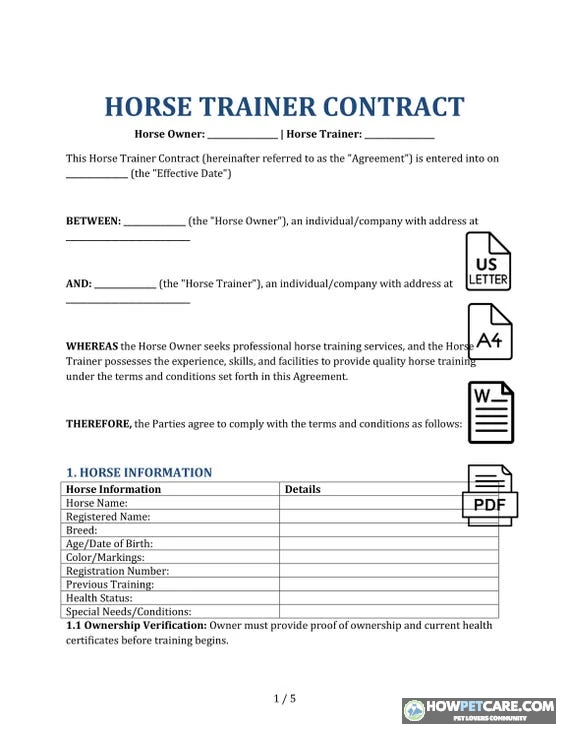
For a high-value or complex agreement, consider having a local equine attorney review it. This checklist is general information, not legal advice.
How to Become an Equine Trainer: Experience Routes, Pay, Insurance, and Business Risk
Common paths: apprenticeship, working student, school, and program routes
Many aspiring trainers begin as working students, assistants, or apprentices under established professionals. Others combine barn work with equine studies, discipline-specific education, competition experience, or a job in a racing stable. A college degree isn’t a universal requirement, and no single nationwide certification covers every equine training job. Check local and activity-specific rules before taking work.
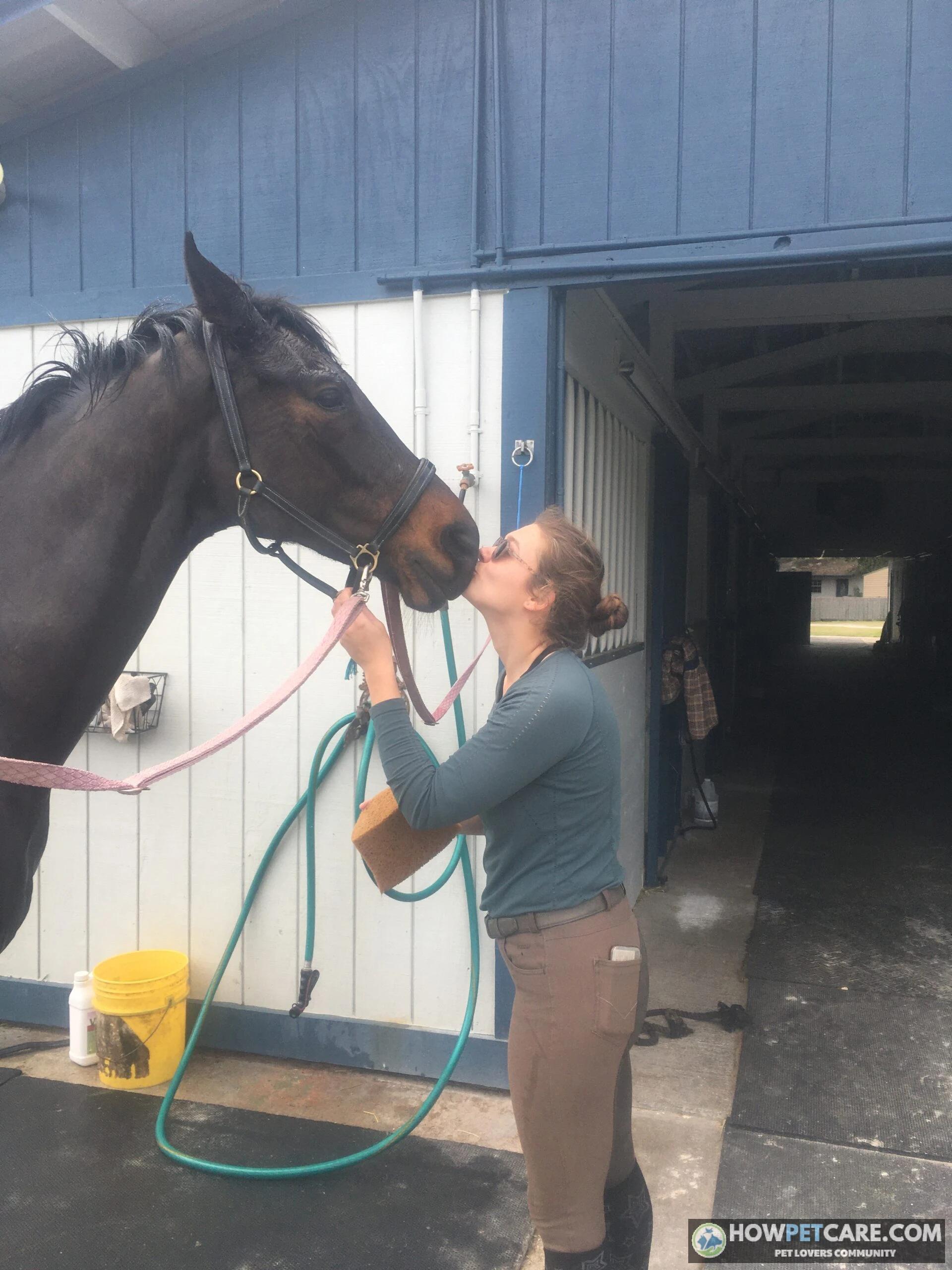
Build skills in safe handling, equine behavior, riding for your discipline, recognizing possible injury, barn safety, record keeping, and client communication. Ask potential mentors who will supervise you, what duties you’ll have, how compensation works, and what you’ll get to learn.
Equine trainer certification programs can show that you met a particular organization’s standard. Compare the syllabus, assessment, cost, and renewal requirements with your career goal. Certification can complement a checkable track record, but it doesn’t replace experience.
Equine trainer salary in the United States and why it varies
The US Bureau of Labor Statistics publishes pay information for the broader animal trainers occupation. It’s a useful starting point, but it isn’t a horse-trainer-only salary and doesn’t capture every self-employed trainer’s business income or expenses. Check the current occupational profile and its data year before relying on a figure; no verified numerical salary is supplied here.
Employee wages and an independent trainer’s business revenue aren’t equivalent. Geography, experience, season, client base, and discipline affect earnings. Independent professionals may earn income from lessons, boarding, sales, or commissions while paying facility rent, insurance, transportation, and other expenses. Compare take-home income after costs, not just advertised monthly training fees.
Insurance and business risks new trainers underestimate
Before accepting clients, discuss commercial liability coverage with an equine-insurance professional. If horses will be in your care, ask about care, custody, and control coverage and its exclusions. If you employ people, investigate applicable workers’ compensation requirements. Budget for injury-related time away from work, facility rent, equipment, contracts, and emergency arrangements, too.
Your Next Steps: Build a Shortlist, Score Candidates, and Make the Call
-
Define the job and budget
Write down your horse’s history, the specific goal, your location, and the total you can spend, including care and travel.
-
Build a shortlist
Collect three to five names from associations, local professionals, barns, clinics, and directories. Record the source of each name.
-
Contact and observe
Send the outreach message, request written rates and terms, and arrange to watch ordinary work before making a substantial commitment.
-
Check the evidence
Call references, verify relevant credentials and results, review insurance, and complete the scorecard. Resolve safety concerns before comparing totals.
-
Start with a defined trial
Choose the candidate whose experience and plan fit your horse. Agree on an evaluation period, owner lessons, review date, and exit terms in writing.
If a candidate won’t allow observation or provide written terms, handles horses unsafely, or can’t explain a plan suited to your horse, keep looking. If you’re aiming for a career in the field, seek a supervised working-student or assistant position, build first-aid and handling skills, and compare insurance options before taking responsibility for client horses.
1What primary distinction separates a riding instructor from an equine trainer?
The source explicitly states that instructors focus on human position, confidence, and cues, whereas trainers focus on equine handling and schooling.
2If a horse suddenly exhibits aggressive behavior or pain when being girthed, who should be consulted first?
Medical problems or sudden pain can manifest as behavioral issues and must be evaluated by a veterinarian before training resumes.
3What do standard 30-, 60-, or 90-day training blocks represent in a trainer's offer?
These timeframes define scheduling blocks, requiring ongoing assessments rather than promising a finished outcome.
4Which source is recommended as the most reliable starting point when building a shortlist of horse trainers?
Starting with formal discipline and breed organizations allows owners to check verifiable achievements and records directly.
5What should an owner keep in mind when evaluating directory claims such as 'verified' or 'top-rated'?
Directory designations often stem from paid placement or minor identity checks rather than rigorous quality vetting.
6Which scenario represents a immediate red flag when interviewing potential equine trainers?
Promising fixed outcomes ignores individual learning paces, medical history, and potential pain indicators.
7What does a Certified Horsemanship Association (CHA) instructor credential specifically demonstrate?
CHA credentials verify that an instructor met defined requirements for general riding instruction and horsemanship.
8When budgeting for a board-and-train package, which expense is frequently billed separately from the base rate?
Additional services like farrier work, specialized feed, and owner instruction are commonly itemized extra charges.
9How should an owner utilize the 20-point evaluation scorecard when vetting candidates?
The scorecard helps compare key operational factors, but safety concerns or bad handling must override high point totals.
10What is considered a standard foundational entry path for individuals pursuing a career as an equine trainer?
Gaining practical experience under an experienced mentor is the most common path to developing necessary skills.
| Credential or Body | Discipline or Area | What It Can Show | What It Does Not Guarantee | How to Verify |
|---|---|---|---|---|
| Certified Horsemanship Association (CHA) instructor certification | Riding instruction and horsemanship | The person met the requirements of a stated instructor certification and level | Expertise in colt starting or complex behavior cases | Ask CHA's certification office or use its official instructor search; confirm level and status |
| United States Dressage Federation (USDF) instructor certification or medals | Dressage | A specific instructor qualification or documented competition achievement, depending on the claim | Expertise in other disciplines or problem-behavior work | Check the relevant official USDF certification or awards records; distinguish medals from instructor certification |
| United States Hunter Jumper Association (USHJA) trainer programs | Hunter, jumper, and equitation | Participation or recognition under a named program | General business quality or suitability for every horse | Ask USHJA to confirm the exact program and status through its official resources |
| National Reining Horse Association (NRHA) professional status or results | Reining | A stated professional affiliation or recorded competition performance, depending on the claim | Beginner teaching ability or non-reining behavior expertise | Check the official NRHA professional and competition-record resources |
| American Quarter Horse Association (AQHA) professional membership or show record | Breed and affiliated disciplines | A stated professional affiliation or recorded AQHA show achievement | Ability with every breed, discipline, or behavior issue | Consult official AQHA professional listings and show records, or contact AQHA |
| State racing commission license | Racing | Authorization for a specific racing role in the relevant jurisdiction, subject to its rules | Recreational instruction or general behavior expertise | Search or contact the applicable state racing commission |
| Apprenticeship or no formal credential | Any discipline | Potential practical experience under a mentor | A verified standard by itself | Ask about dates and duties, contact mentors, and observe work |
FAQ
Can I watch my horse being trained during board-and-train?
You should be able to ask for scheduled visits or recorded video, and trainers who allow no observation at all deserve extra scrutiny. Agree on visit times in the contract so sessions are not disrupted.
Is a certified equine trainer always better than one without certification?
No. A certification shows that the person met one organization’s standard, which may cover teaching, safety, or competition. It does not prove skill with your type of horse, so check references and watch a session.
Do equine trainers need a college degree?
Most US trainers do not need a degree. Experience, apprenticeship, and a reputation with clients usually count for more, although equine studies programs can help with business and animal science knowledge.
Does a horse trainer also sell horses?
Many do, usually for a commission, so ask about it before training starts. The contract should say who can list the horse, what the commission is, and how price decisions are made.
When should I stop training and call a veterinarian?
Call a veterinarian when a horse shows lameness, sudden changes in behavior, pain when saddled or girthed, or appetite changes. A trainer can notice and report these signs, but should not diagnose them.