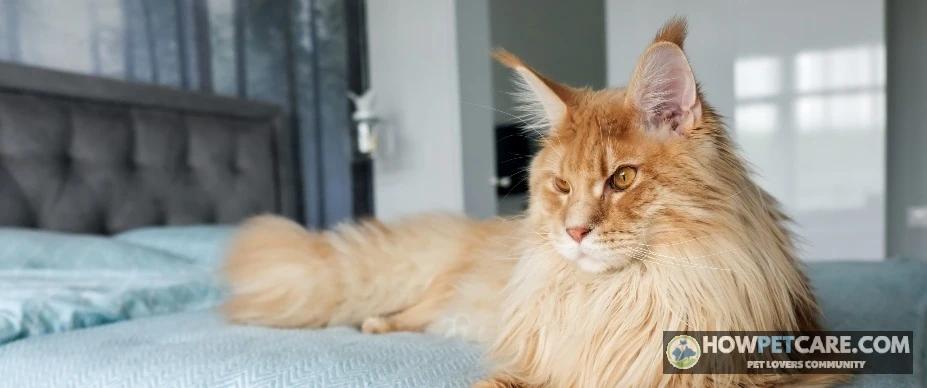

Big cat breeds can mean wild species or large domestic pets. Tigers, lions, leopards, jaguars, and cheetahs are wild animals, not household pets. Large domestic breeds such as Maine Coons, Ragdolls, Norwegian Forest Cats, Siberians, and some Savannah cats need more space, enrichment, grooming, and budget planning than typical cats.
People searching for big cat breeds usually want one of two very different things: a wild feline species such as a tiger or lion, or a large domestic cat such as a Maine Coon. Those categories are not interchangeable. Lions, tigers, leopards, jaguars, and cheetahs are wild apex predators, not ordinary companion animals, while Maine Coon, Ragdoll, Norwegian Forest Cat, Siberian, and some Savannah cats are domestic breeds that can live as pets but still need more space, food, and care than a typical house cat.
For most readers, the practical question is narrower: which large cat fits your home, budget, and local laws? Maine Coons are often considered the largest domestic cat breed by overall body size, although other large breeds can overlap in weight and individual genetics, sex, diet, and body condition create wide variation. The right choice depends on energy level, grooming, handling tolerance, cost, and legal status, not on a record-setting weight.
Decide first whether you are researching wildlife or a pet. Wild big cats belong in conservation and safety contexts; domestic breed comparisons belong in pet-ownership contexts.
Big Cat Breeds at a Glance: Wild Species vs. Large Pet Cats

What people mean when they search for big cat breeds
The phrase "big cat breeds" is ambiguous. Some searchers mean the large wild cats of the genus Panthera and related species. Others mean the biggest domestic cat breeds. A third group is curious about exotic or hybrid cats such as Savannah cats, which sit between those worlds.
Wild big cats include tigers, lions, leopards, jaguars, and often cheetahs. These animals are not domesticated breeds and are not suitable family pets. Domestic large breeds include Maine Coon, Ragdoll, Norwegian Forest Cat, Siberian, and some Savannah cats. Their size makes them impressive, but they remain domestic cats with domestic needs.
Why wildcats and domestic breeds should not be compared as pets
Comparing a tiger to a Maine Coon as a pet is like comparing a wolf to a German Shepherd. Both are felines, but their behavior, welfare needs, and legal status differ completely. A wild big cat needs specialized habitat, diet, veterinary care, and containment that most households cannot provide. Private ownership may be restricted or prohibited, and it does not make a wild feline suitable for a family home.
The Most Common Big Cat Species and How Large They Get
Tiger, lion, leopard, jaguar, and cheetah

The tiger is the largest wild cat species by maximum natural weight, reaching about 715 pounds (325 kg), with a record wild individual of 857 pounds reported in India in 1967. The lion reaches about 600 pounds (272 kg) and a maximum body length of 98 inches (250 cm) excluding the tail, which is longer than a tiger’s 90 inches despite the tiger’s greater average weight. The jaguar, the largest cat in the Americas, reaches about 300 pounds (136 kg) with a powerful skull and jaw. The leopard reaches about 200 pounds (90 kg), and the snow leopard about 110 pounds (50 kg).
These figures are maximums, not typicals. Sex, subspecies, habitat, and measurement method all affect results. Only about 3,000 tigers remain in the wild, which underscores that these animals belong in conservation contexts rather than living rooms.
Why a wild big cat is not an exotic pet
A wild big cat is an apex predator with specialized dietary, behavioral, and welfare needs. Even where private ownership is not explicitly banned, enclosure standards, permits, transport rules, liability coverage, and veterinary access can make it impractical and risky. For a beginner, the answer is straightforward: do not treat a wild big cat as a pet option.
Largest Domestic Cat Breeds Compared by Size and Temperament
Maine Coon: the largest domestic cat breed by overall build

Maine Coons are often called gentle giants. Many adult males commonly weigh 13 to 18 pounds, while females usually weigh 8 to 12 pounds. Maximum recorded weights reach about 20 pounds, but exceptional cats should not be treated as typical. Maine Coons are sociable and people-oriented, and they generally do well with children and dogs.
Savannah cats: large hybrid cats with special ownership considerations

Savannah cats are domestic-wild hybrids with ancestry from the serval. Early-generation cats (F1-F3) can be substantially larger, with females around 12 to 20 pounds and males around 15 to 25 pounds. Size varies by generation, sex, lineage, and individual. They are intense, athletic, and enrichment-heavy animals, not low-maintenance pets. Their legal status may depend on state, county, city, generation, and permits.
Ragdoll, Norwegian Forest Cat, and Siberian size profiles

Ragdolls are calm, handle-tolerant cats that reach about 12 to 20 pounds in males and 8 to 15 pounds in females, with maximum weights around 20 pounds by about four years of age. Norwegian Forest Cats are independent but affectionate, with males around 12 to 16 pounds and females around 9 to 12 pounds. Siberians are active and playful, with males around 12 to 17 pounds and females around 8 to 12 pounds, and can reach up to 25 pounds.
Which large cat breeds can make good pets?
No single breed is the best pet for everyone. Match energy level, handling tolerance, grooming needs, and household activity to the individual cat. Calm households may prefer a lower-intensity large domestic breed such as a Ragdoll. Active households with time for enrichment may suit a Siberian or Maine Coon. Savannah cats require the most time, secure enrichment, and legal certainty.
| Breed | Typical female weight | Typical male weight | Typical height or shoulder height | Typical body length | Energy level | Temperament and household fit |
|---|---|---|---|---|---|---|
| Maine Coon | 8-12 lb (3.6-5.4 kg) | 13-18 lb (5.9-8.2 kg) | 10-16 in (25-41 cm) | 19-30 in (48-76 cm), excluding tail | Moderate | Sociable, people-oriented; needs daily interaction and space |
| Savannah (early-generation, F1-F3) | 12-20 lb (5.4-9.1 kg) | 15-25 lb (6.8-11.3 kg) | 13-17 in (33-43 cm) | 20-22 in (51-56 cm), excluding tail | High | Intense, athletic, enrichment-heavy; not a low-maintenance pet |
| Ragdoll | 8-15 lb (3.6-6.8 kg) | 12-20 lb (5.4-9.1 kg) | 9-11 in (23-28 cm) | 17-21 in (43-53 cm), excluding tail | Low to moderate | Calm, handle-tolerant; still needs play and weight management |
| Norwegian Forest Cat | 9-12 lb (4.1-5.4 kg) | 12-16 lb (5.4-7.3 kg) | 9-12 in (23-30 cm) | 18-22 in (46-56 cm), excluding tail | Moderate | Independent but affectionate; climbing and outdoor-safe enrichment help |
| Siberian | 8-12 lb (3.6-5.4 kg) | 12-17 lb (5.4-7.7 kg) | 9-12 in (23-30 cm) | 17-21 in (43-53 cm), excluding tail | Moderate to high | Active, playful; individual allergen levels vary |
Use these ranges as planning targets, not guarantees. Generation, sex, neuter status, diet, and individual variation can move a cat outside any range.
Cost, Food, and Equipment: What a Large Cat Needs at Home
Monthly budget for a large domestic cat
Large cats cost more to feed and equip than average cats. A healthy adult 18-pound indoor cat in a mid-cost U.S. metro area might cost roughly $125 to $245 per month, including food, litter, preventive care, insurance, and equipment replacement. Keep an emergency fund of at least $1,000 to $2,500 before bringing a cat home, because a single urinary, dental, or orthopedic event can exceed several months of routine costs.
Example household: one healthy adult 18 lb cat, indoor-only, mid-cost U.S. metro area.
- Food: $45-75 (measured portions of a complete, life-stage-appropriate diet)
- Litter and waste supplies: $20-40
- Preventive care amortized monthly: $25-45 (annual exam, vaccines, parasite prevention, dental cleaning savings)
- Pet insurance premium: $25-60
- Equipment replacement amortized monthly: $10-25 (carrier, litter boxes, scratching posts, toys, bed)
- Estimated monthly total: $125-245
Adjust food and litter upward for multi-cat homes or high-activity cats.
Nutrition without overfeeding a giant cat
Calorie needs depend on age, body condition, activity, neuter status, and food formulation. Feed by body condition and veterinary guidance rather than by breed or body weight alone. A large cat that is overfed can develop obesity, which worsens joint stress and other conditions. Daily measured portions and regular weigh-ins are more important than the size of the bowl.
Large-cat gear that should be sized before adoption

Prepare equipment sized for the adult cat, not the kitten. You will need a sturdy carrier rated for the cat’s expected adult weight plus about 25 percent, oversized litter boxes (at least one per cat plus one extra), reinforced scratching surfaces with wide bases, tall stable climbing furniture anchored to studs, large beds, and durable toys. Plan vertical territory, secure windows and doors, safe exercise opportunities, and a separate settling-in room.
Health and Allergy Caveats for Maine Coons, Siberians, and Other Large Breeds
Genetic health questions to ask a breeder or rescue

Hypertrophic cardiomyopathy can occur across cats and is a notable screening concern in breeds including Maine Coons and Ragdolls. Health testing reduces risk but cannot guarantee outcomes. Ask about cardiac screening, hip and joint evaluations, and family health history. Other concerns include hip dysplasia, joint stress, dental disease, obesity, and inherited conditions. Consult a veterinarian before choosing a cat, especially a large breed.
Are Siberian cats hypoallergenic?
No cat breed is truly hypoallergenic. Fel d 1 allergen levels vary by individual cat, and lower average levels in Siberians do not guarantee tolerance for an allergic person. Siberians are often marketed as hypoallergenic, but that claim is not a medical guarantee. For allergy concerns, arrange repeated visits with the specific cat and consult an allergist before making a decision.
Why body condition matters more than chasing a maximum weight
Record-setting domestic cats are not useful size targets. Extreme weight can reflect obesity or unusual circumstances. For pet selection, compare healthy adult breed ranges and body condition rather than chasing a record. A lean, well-conditioned 16-pound Maine Coon is healthier than an overweight 20-pound one.
| Claim | What the evidence supports |
|---|---|
| "Siberian cats are hypoallergenic." | No cat breed is truly hypoallergenic. Fel d 1 levels vary by individual cat, and lower average levels do not guarantee tolerance for an allergic person. |
| "A calmer breed means a cat that needs little interaction." | Calm temperament is not the same as low enrichment need. Large breeds still need play, climbing, and predictable routines. |
| "The largest breed is the best pet for everyone." | Size is only one factor. Energy, grooming, handling tolerance, cost, and legality matter more than maximum weight. |
| "Hybrid cats are just big domestic cats." | Early-generation hybrids may have wild-type behavior, legal restrictions, and specialized care needs that differ from domestic breeds. |
| "A breeder’s health-tested parents guarantee a healthy kitten." | Screening reduces risk for conditions such as hypertrophic cardiomyopathy, but it cannot eliminate inherited or later-developing disease. |
Exotic and Hybrid Cat Laws: Check State, City, and Lease Rules First
Why Savannah cat generation matters

Savannah cats illustrate why generation matters. Early-generation hybrids (F1-F3) may be treated differently from later generations under state, county, or city law. Their legal status can depend on hybrid percentage, animal-control definitions, permits, enclosure standards, and transport rules. A cat that is legal in one jurisdiction may be restricted or prohibited in another.
A practical legal-check sequence for U.S. ownership
Do not rely on a general claim that an exotic or hybrid cat is legal in your area. Work through this checklist:
- ☐ Read the current state law and identify which agency regulates wild or hybrid felines.
- ☐ Check county ordinances, not just state law.
- ☐ Check city or municipal code, including animal-control definitions.
- ☐ Review HOA covenants, deed restrictions, and community rules.
- ☐ Read the lease or rental agreement and ask the landlord in writing.
- ☐ Confirm homeowner’s or renter’s insurance will cover the animal and its liability.
- ☐ Verify whether the cat’s generation, breed, or hybrid percentage changes its legal status.
- ☐ Ask local animal control how the animal would be classified if reported.
- ☐ Confirm veterinary clinics in your area will accept and treat the cat.
- ☐ Obtain any permit, registration, enclosure, or transport requirement in writing.
- ☐ Save copies of every law, email, permit, and policy you rely on.
- ☐ Do not rely on an informal assurance; verify requirements with the relevant authorities.
Exotic and hybrid ownership rules change and local restrictions can be stricter than state law. Always verify current requirements with state wildlife agencies, local animal control, landlords, insurers, and homeowners associations.
Choose and Prepare for a Large Cat: A Home-Readiness Checklist
Before you bring home a giant cat breed

Use a step-by-step filter before bringing a cat home. Confirm local legality. Calculate monthly and emergency budget. Assess your activity and grooming capacity. Identify a cat-savvy veterinarian. Review the individual cat’s health history. Match household type to needs: calm indoor households may prefer a lower-intensity large domestic breed, while highly active hybrid cats require more time, secure enrichment, and legal certainty.
Questions to ask a rescue, breeder, and veterinarian
Ask about the individual cat’s temperament, health history, diet, and any behavioral concerns. Ask about cardiac screening, hip evaluations, and family health history. Ask your veterinarian about expected adult size, feeding targets, and preventive care for a large breed.
Prepare the home before arrival with an oversized carrier, litter setup, climbing and scratching options, secure escape points, and a gradual introduction plan for other pets or children. Base the decision on an individual cat’s temperament and health history rather than appearance, exceptional size, or exotic marketing.
Entry and exits:
- ☐ Install secure screens and window stops; large cats can push weak latches.
- ☐ Add a double-door or airlock habit at exterior doors.
- ☐ Store carriers, leashes, and escape-plan supplies near the door.
Living room:
- ☐ Anchor tall cat trees and shelves to studs.
- ☐ Choose scratchers with a wide base and heavy materials.
- ☐ Remove fragile decor from jump paths and shelves.
Kitchen and utility areas:
- ☐ Secure trash, food, and cleaning chemicals in closed cabinets.
- ☐ Keep stove knobs, cords, and small appliances out of reach.
- ☐ Provide a non-slip feeding station large enough for a big cat to stand.
Bedrooms and quiet spaces:
- ☐ Create a separate settling-in room with litter box, water, food, and hiding spots.
- ☐ Use covered cable management for chargers and lamps.
- ☐ Keep medications and small objects in closed drawers.
Litter and hygiene areas:
- ☐ Provide at least one oversized box per cat plus one extra.
- ☐ Place boxes on stable, easy-to-clean flooring.
- ☐ Add a mat that traps litter without creating a trip hazard.
High-risk items to verify before bringing a cat home:
- ☐ Balcony netting or full enclosure if outdoor access is allowed.
- ☐ Breakaway collars and microchip registration.
- ☐ A carrier rated for the cat’s expected adult weight plus 25 percent.
-
Confirm legality
Verify state, county, city, HOA, lease, and insurance rules before considering an exotic or hybrid cat.
-
Set a budget
Plan $125-245 per month plus a $1,000-2,500 emergency fund for a large domestic cat.
-
Choose a veterinarian
Find a cat-savvy clinic before bringing a cat home and ask about large-breed preventive care.
-
Prepare the home
Install oversized litter boxes, anchored climbing furniture, secure windows, and a settling-in room.
-
Evaluate the individual cat
Base the final decision on temperament and health history, not size or exotic appeal.

| Breed | Typical Female Weight | Typical Male Weight | Typical Height | Typical Body Length | Energy Level | Temperament and Household Fit |
|---|---|---|---|---|---|---|
| Maine Coon | 8-12 lb (3.6-5.4 kg) | 13-18 lb (5.9-8.2 kg) | 10-16 in (25-41 cm) | 19-30 in (48-76 cm), excluding tail | Moderate | Sociable, people-oriented; needs daily interaction and space |
| Savannah (early-generation, F1-F3) | 12-20 lb (5.4-9.1 kg) | 15-25 lb (6.8-11.3 kg) | 13-17 in (33-43 cm) | 20-22 in (51-56 cm), excluding tail | High | Intense, athletic, enrichment-heavy; not a low-maintenance pet |
| Ragdoll | 8-15 lb (3.6-6.8 kg) | 12-20 lb (5.4-9.1 kg) | 9-11 in (23-28 cm) | 17-21 in (43-53 cm), excluding tail | Low to moderate | Calm, handle-tolerant; still needs play and weight management |
| Norwegian Forest Cat | 9-12 lb (4.1-5.4 kg) | 12-16 lb (5.4-7.3 kg) | 9-12 in (23-30 cm) | 18-22 in (46-56 cm), excluding tail | Moderate | Independent but affectionate; climbing and outdoor-safe enrichment help |
| Siberian | 8-12 lb (3.6-5.4 kg) | 12-17 lb (5.4-7.7 kg) | 9-12 in (23-30 cm) | 17-21 in (43-53 cm), excluding tail | Moderate to high | Active, playful; individual allergen levels vary |
FAQ
What are the most common big cats?
The wild cats most commonly called big cats are tigers, lions, leopards, jaguars, and cheetahs. Definitions vary because cheetahs are not in the genus Panthera, but they are often included in general-use big-cat lists.
What is the heaviest domestic cat ever?
Record-setting domestic cats are not useful size targets because extreme weight can reflect obesity or unusual circumstances. For pet selection, compare healthy adult breed ranges and body condition rather than chasing a record.
Can a large domestic cat live comfortably in an apartment?
Yes, many large domestic cats can do well in an apartment if they have adequate litter-box space, sturdy vertical furniture, daily play, scratching outlets, and veterinary care. An apartment is generally not an appropriate setting for a wild cat or a highly restricted hybrid.
Do male and female large cat breeds differ much in size?
Often, yes: adult males are commonly heavier and larger-framed than females, especially in breeds such as Maine Coons and Norwegian Forest Cats. Individual genetics, age, diet, neuter status, and body condition can create substantial overlap.
Are Bengal cats considered big cat breeds?
Bengals are domestic cats with ancestry from Asian leopard cats, but they are usually medium-sized rather than among the largest domestic breeds. They are better known for athleticism, high activity, and a wild-looking coat than for giant size.