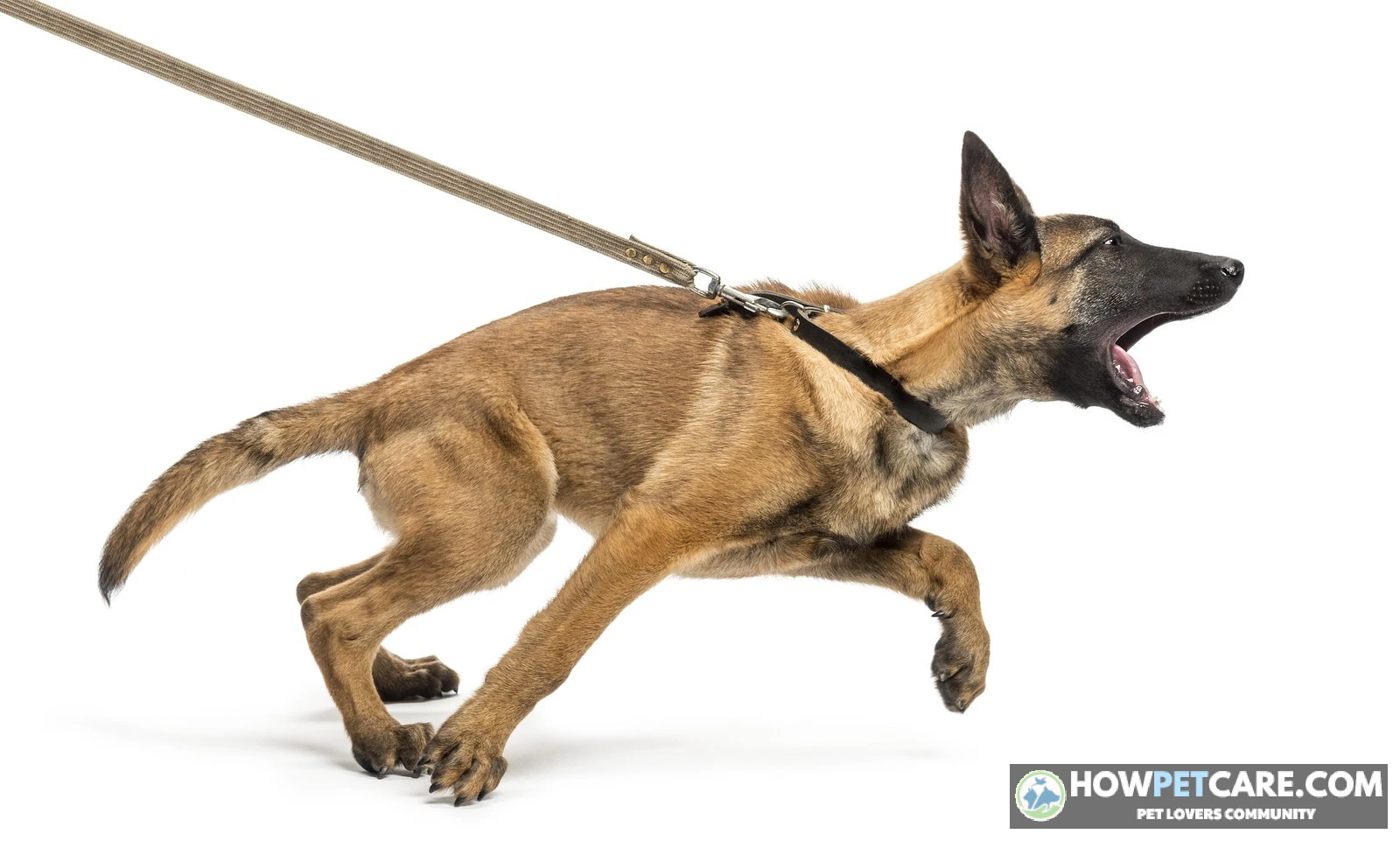

A reactive dog responds intensely to a specific trigger—like another dog, person, or sound—with barking, lunging, or spinning. The behavior can reflect fear, frustration, or excitement, and while often manageable, it does not by itself mean the dog intends to harm.
A reactive dog responds intensely to a particular trigger—such as another dog, a person, or a sound—with behaviors like barking, lunging, or spinning. Reactivity can reflect fear, frustration, or excitement; it does not, by itself, establish whether a dog intends to harm.
If walks have become stressful, start by giving your dog more space rather than asking them to get closer. Look for patterns in what sets them off, then choose between a distance-based training plan and professional help. A sudden behavior change or a bite that breaks skin calls for a more cautious approach.
What Is a Reactive Dog? A Plain-English Definition
The one-sentence definition
Dog reactivity describes an intense response to a specific situation, not a diagnosis or a character flaw. A dog may bark at a passing dog because they’re frightened, frustrated that they can’t approach, or highly excited; the outward behavior alone doesn’t reliably tell you which.
Reactivity is often manageable, but the right plan depends on the individual dog and the risk involved. Your dog doesn’t need to enjoy every stranger or greet every dog to have a good life.
Key terms you will see in this guide
- Trigger: The sight, sound, animal, person, or situation that sets off the response.
- Threshold: The point at which your dog becomes too distressed or excited to respond as they normally would. A dog who can’t take a familiar treat may be over threshold, although refusal can have other causes.
- Trigger stacking: Several stressful events adding up over hours or days, leaving a dog less able to cope with the next one.
- Threshold distance: For this guide, a practical starting distance where your dog can notice a trigger while remaining comfortable enough to eat, move away, and respond to a familiar cue. It can change with the setting and the day.
Reactive Dog Behavior Checklist: What Barking and Lunging Actually Look Like
Early warning signs most owners miss
A reaction can look dramatic, but the lead-up is often quieter. Depending on your dog and the context, watch for:
- A hard stare, closed mouth, stiff body, or brief freeze.
- Lip licking, yawning, turning the head away, or showing the whites of the eyes, sometimes called whale eye.
- Raised hair along the back, whining, panting, or sudden pulling toward or away from the trigger.
- Barking and lunging, spinning at the leash end, or struggling to disengage.
- Refusing a normally appealing treat or being unable to respond to a familiar cue.
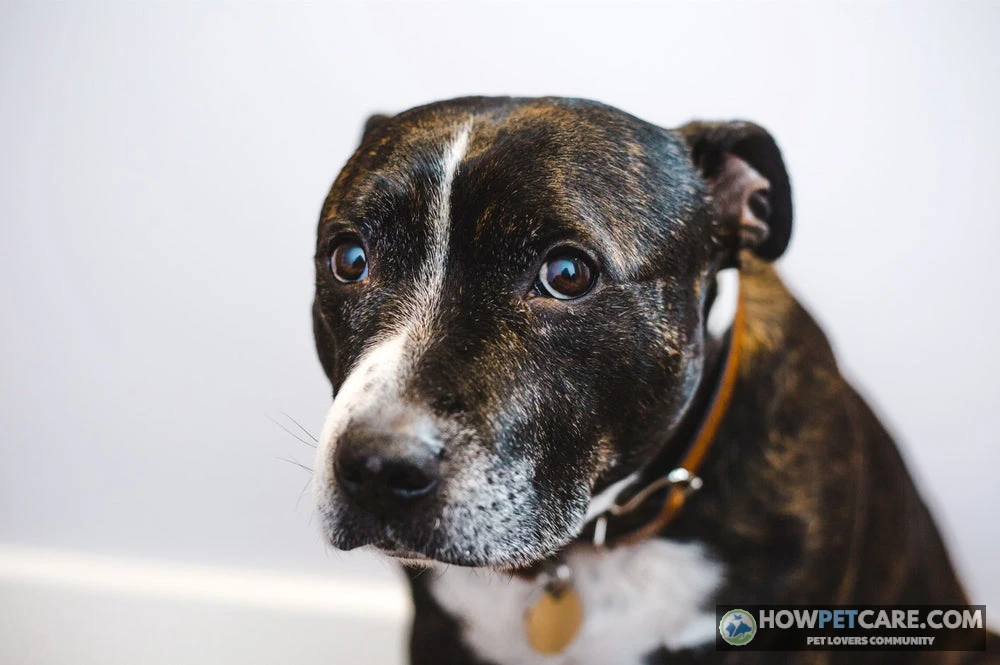
Some of these are called calming signals, but no single gesture proves what a dog feels. A yawn can mean tiredness; raised hackles can accompany several emotional states. Look at the whole dog and the situation. If you notice a change from their usual loose posture, add space before the reaction builds.
A frightened dog might retreat and then bark; a frustrated dog might pull toward another dog. Either can look different in another situation. Avoid deciding what’s motivating your dog from the direction of a lunge alone.
Reaction intensity and recovery time: a quick self-check
After an incident, note what appeared, approximately how far away it was, what your dog did, and how long they took to settle once the trigger was gone. Note whether your dog can sniff, eat, or respond again after moving away. These observations give you a baseline without forcing another encounter.
Dog Aggression vs Reactivity: Side-by-Side Comparison
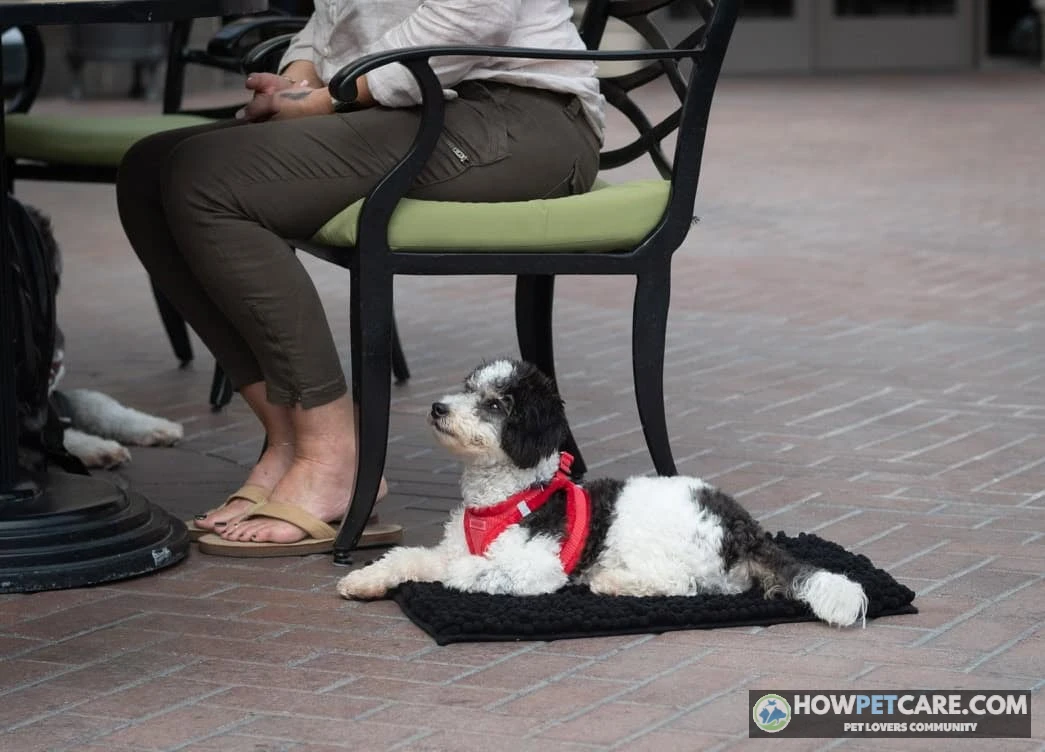
Reactivity and aggression can overlap. Reactivity describes the intensity of a response; aggression describes behaviors such as threatening, snapping, or biting in a particular context. Aggression can serve to create distance, too. Neither label tells you everything about a dog’s motivation or future risk.
| Factor | Reactive Dog | Aggressive Dog | What to Do |
|---|---|---|---|
| Behavior | May bark, lunge, spin, or vocalize intensely | May threaten, snap, or bite; a reactive dog can do these things too | Describe the specific behavior rather than relying on a label |
| Context | Often occurs around identifiable triggers | May also be context-specific; the trigger is not always obvious to an owner | Record what happened before each incident |
| Body language | Can be loose, frantic, fearful, or stiff | Can include a freeze, hard stare, growl, snap, or bite | Look at the whole sequence; no posture alone predicts a bite |
| Warning signals | May build visibly before barking or lunging | Warnings may be subtle, brief, or missed | Give space at the first change in posture; seek help if incidents seem unpredictable |
| Bite history | A dog may be reactive without ever biting | A skin-breaking bite or repeated bites raises safety concerns | Prevent contact and seek a professional assessment |
| Recovery and distance | Many dogs settle when the trigger moves farther away | Distance may also help a dog displaying aggression | Use distance for safety, not as a diagnostic test |
| Next step | Management and a gradual training plan may be suitable | A bite-risk assessment and veterinary input may be needed | When uncertain, manage conservatively and get help |
Quick classification: reactive, aggressive, or both?
A dog who barks at a distant dog and relaxes when given space is showing reactive behavior. That observation doesn’t prove they would never bite at close range. Equally, a dog who has snapped may be reacting out of fear or frustration. A qualified professional can assess the context and help you plan safely.
Red flags that mean book a professional first
Prioritize safety and professional assessment for a bite that breaks skin, repeated snapping or biting, threats toward people in the home, escalating resource guarding, or incidents that seem to occur without warning. Prevent further contact while arranging help; don’t recreate the situation to test your dog.
Why Is My Dog Reactive? Causes and Trigger Types
Fear, frustration, and overarousal: three engines of reactivity
Fear, frustration, and excitement can all contribute to reactive dog behavior. A dog may feel trapped on leash, want to approach but be prevented, or become overwhelmed by movement and noise. Genetics, temperament, early experiences, and previous encounters can also shape responses. Often there’s no single cause you can confidently identify.
A leash-reactive dog may behave differently off leash because restraint changes their options: they can’t readily move away or approach at their own pace. That doesn’t make an off-leash greeting a safe test.
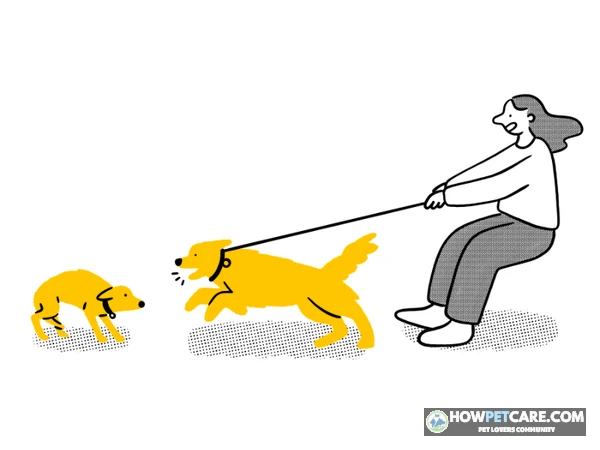
Could it be pain or a medical issue?
Pain or illness can change how a dog responds to handling, movement, or proximity. If reactivity appears suddenly, worsens without an obvious explanation, or accompanies changes in appetite, sleep, mobility, hearing, or vision, schedule a veterinary exam. Your vet can investigate possibilities such as pain or sensory changes rather than assuming the problem is purely behavioral.
Leash vs barrier vs dog vs human vs sound: how training differs
| Pattern | What You Might See | First Tactic |
|---|---|---|
| Leash reactivity | Barking or lunging while restrained on walks | Create distance and practice a turn-away cue before encounters |
| Barrier or fence reactivity | Charging a window, fence, gate, or car window | Block the view and supervise access so the dog has fewer opportunities to rehearse the reaction |
| Dog reactive to other dogs | A response to dogs but not necessarily to people | Begin with a calm helper dog far enough away for your dog to stay comfortable |
| People reactive | A response to strangers, especially those approaching directly | Give the person space and ask them not to approach or reach for the dog |
| Sound or movement reactive | A response to a doorbell, skateboard, bicycle, or traffic | Control volume or distance; start with a mild version that does not provoke a reaction |
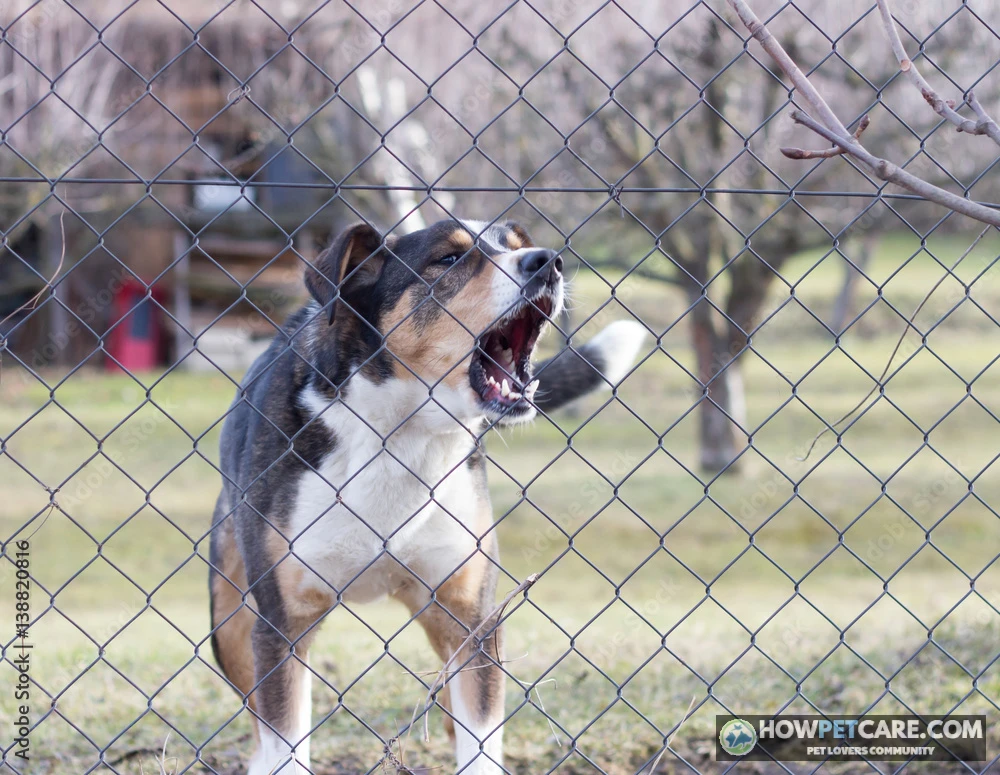
These are patterns, not diagnoses. For sound work, a low-volume recording may help if your dog notices it without distress, though it may not reproduce a real-world sound. For people-reactive dogs, you can deliver treats yourself while the person stays at a distance; avoid using food to lure the dog toward someone they fear.
What to Do in the Moment: Lunging, Slipped Leashes, and Dog Fights
The 5-step in-the-moment response
-
Spot an exit
Look for a clear route away from the trigger: cross the street, turn down a driveway, or use a parked car as a visual barrier.
-
Turn and move
Use a familiar, upbeat cue such as “let’s go” and move away. Keep the leash secure without jerking it.
-
Use food if useful
If your dog can eat, offer a treat near your leg or scatter a few on clear ground away from the trigger. Do not stop in a dangerous location to feed.
-
Create more space
Continue until your dog can move and respond more comfortably. Do not insist on a sit while the trigger approaches.
-
End or simplify the walk
Choose a quieter route or head home. Make a brief note of what happened so you can adjust the next outing.
If your dog is already barking and lunging, distance is the priority—not a perfect training repetition. Avoid scolding or trying to force a greeting.
If the leash slips or the dog gets loose
Avoid chasing your dog if you can help it; being pursued can push them farther away. Use a familiar recall or cheerful cue, move away from the trigger, and offer food if your dog approaches. Moving away yourself can sometimes encourage your dog to follow, but don’t run into traffic or leave another person at risk. Ask others to give the dog space rather than surround them.
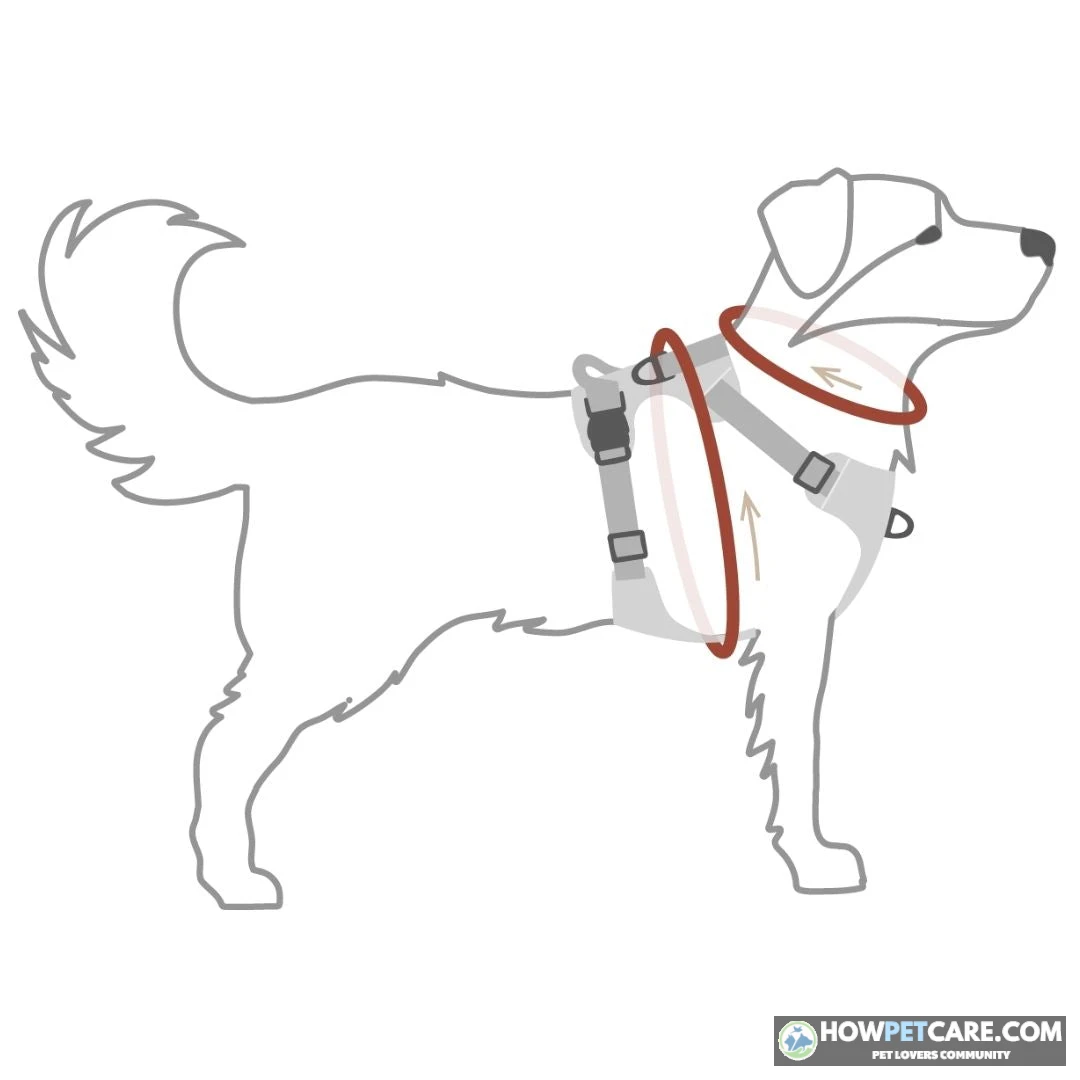
Once your dog is close enough, secure them without lunging for their collar if that could provoke a bite. If they remain loose near traffic or pose an immediate danger, contact local animal control or emergency services as appropriate. Check the fit and condition of the equipment before the next walk; a properly fitted backup attachment between harness and collar may provide extra security.
If two dogs collide: safe separation and aftermath
Don’t put your hands between fighting dogs or grab near their mouths or collars: an aroused dog may bite a person. If possible, use a solid object such as a board or closed gate to separate them from a safe position. A sudden noise may interrupt an altercation, but it isn’t reliable and can startle the dogs. Don’t attempt a hands-on separation if you can’t do it safely; get assistance.
Once separated, keep the dogs out of sight of each other. Exchange contact information and document the incident. Check yourself and your dog for injuries, and call a veterinarian promptly about any puncture or suspected bite, even if it looks small. Seek medical care for a person who has been bitten.
Give your dog a low-pressure recovery period and avoid deliberately exposing them to the same situation immediately. If there was a bite or an ongoing risk of one, arrange a professional assessment before resuming close encounters.
A muzzle, leash, or barrier adds a layer of protection; none makes a close encounter risk-free. Avoid situations you cannot safely control.
Why Punishment Makes Reactivity Worse
It’s understandable to want barking to stop immediately. But leash jerks, shock, painful collars, intimidation, and other aversive corrections can add an unpleasant experience precisely when the trigger appears. The dog may then associate the other dog or person with pain or fear, making the underlying response worse.
Punishment can also suppress a warning such as growling without resolving the discomfort behind it. A quieter dog isn’t necessarily a more comfortable dog. Instead, prevent close encounters, reward useful choices, and change the dog’s association with the trigger at a manageable distance. The American Veterinary Society of Animal Behavior recommends reward-based training and advises against aversive methods.
How to Train a Reactive Dog: A 4–8 Week Counterconditioning and Desensitization Plan
This plan is for situations you can control safely. If your dog has bitten, can’t be kept at a comfortable distance, or reacts intensely even when the trigger is far away, start with a veterinarian and qualified behavior professional rather than arranging exposures yourself.
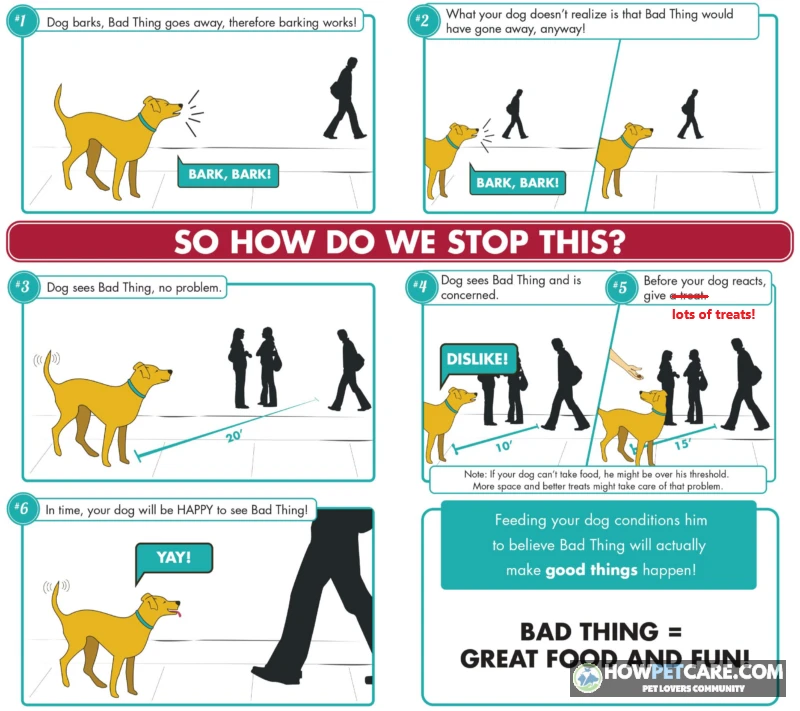
Desensitization means presenting a manageable version of a trigger and making it gradually more challenging. Counterconditioning means changing the association: the trigger predicts something your dog likes. In practice, the trigger appears, good food follows, and the trigger leaves before your dog becomes overwhelmed.
Step 0: Find your dog’s threshold distance and baseline
Choose a quiet, open location with an exit. If possible, use a calm helper and one trigger you can control. Start farther away than you think necessary; don’t edge closer to discover the point at which your dog reacts. Instead, notice whether your dog can see the trigger with a loose enough body to eat, respond, and leave with you.
Record the approximate distance, trigger, body language, and recovery time. Your starting point might be across a parking lot or farther; it isn’t a test of bravery. Select tiny, soft, dog-safe treats your dog values, such as plain cooked chicken, if suitable for their diet. Ask your vet about alternatives if your dog has dietary restrictions.
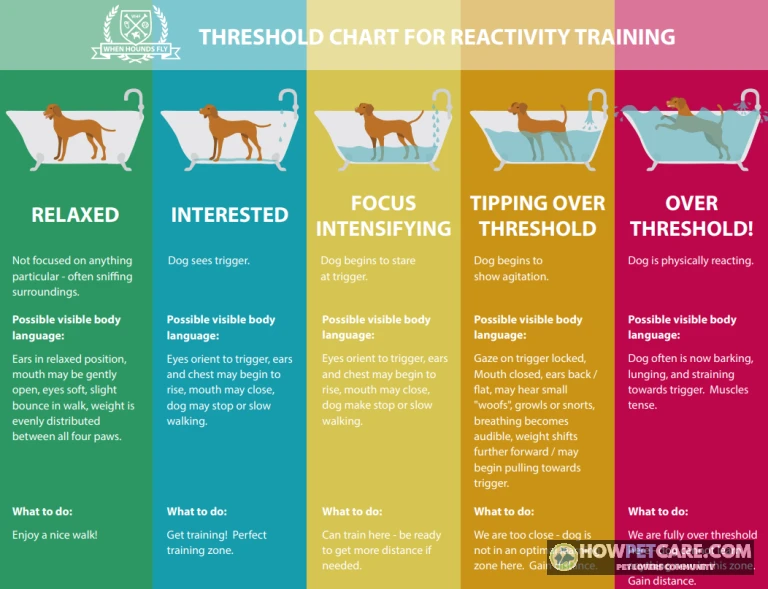
Weekly milestone plan with measurable distances
These are practice targets, not research-backed deadlines. Repeat a stage as long as needed. The example starts at 50 feet only to show the arithmetic; your dog may need much more space. For each session, aim for a few brief, successful exposures within a 5–10 minute outing, roughly 3–5 times a week if your dog is coping well.
| Week | Goal | Typical Distance Target | Session Length and Frequency | Progress Signal to Advance |
|---|---|---|---|---|
| Prep | Set up safe access and record a baseline | Your dog’s comfortable starting distance; example: 50 feet | One brief scouting outing; leave before distress | Dog notices the trigger, can eat, and can move away |
| 1 | Pair the trigger with food | Hold 50 feet in the example | 5–10 minutes, 3–5 times during the week | Loose enough to eat and disengage across several exposures |
| 2 | Build a voluntary check-in | Remain at 50 feet | Same schedule, with breaks | Dog notices the trigger and often looks back toward you without prompting |
| 3 | Make one small distance change | Example: 50 to 45 feet | Same schedule | Comfortable responses on most exposures across several sessions |
| 4 | Repeat or make another small change | Example: 45 to 40 feet, only if ready | Same schedule | Dog can eat, turn away, and recover promptly at the new distance |
| 5–6 | Introduce mild movement or slightly longer views | Return to a greater distance when the trigger starts moving | Short sessions; reduce repetitions if needed | Dog remains comfortable with the new element across several sessions |
| 7–8 | Practice in a second quiet setting | Start farther away again; distance depends on the setting | Short planned sessions or carefully managed walks | Dog can notice and disengage in the new place without repeated reactions |
For each repetition, let your dog notice the trigger, then promptly feed several small treats while the trigger is visible and your dog remains comfortable. When the trigger disappears, stop feeding for that repetition. Repeat after a break. Don’t require eye contact before feeding: at first, the sight of the trigger itself predicts food. The familiar “Look at That” game uses the same idea of noticing a trigger and then receiving reinforcement.
How to know when to move closer (and when to back up)
Move closer only when your dog’s body remains relatively loose, they take food readily, and they can disengage across several sessions. Change one variable at a time: distance, movement, duration, or location. A moving dog at 45 feet may be harder than a stationary dog at 45 feet.
If your dog freezes, refuses food, pulls hard, or barks, calmly increase distance and end or simplify the session. Next time, start farther away or use an easier version. Don’t deliberately keep the trigger present until your dog “gets used to it”; that kind of overwhelming exposure, often called flooding, can backfire.
BAT training and other methods: when they fit
Behavior Adjustment Training, or BAT, is associated with trainer Grisha Stewart. It uses carefully arranged setups that give a dog space to observe, make choices, and move away rather than forcing an approach. A qualified reward-based professional can help adapt it to your dog. BAT is an option, not a requirement or a substitute for a safety plan.
Troubleshooting stalls and setbacks
- Won’t eat: Increase distance, reduce the trigger’s intensity, and check whether the food is appropriate. If food refusal is unusual or persists outside training, contact your vet.
- Reacted anyway: Leave without correction. Record the distance and what changed; begin farther away next time.
- Several difficult encounters in a day: Choose a quiet activity and let the dog recover instead of adding another practice session.
- Progress disappears in a new place: Return to an easier distance. Dogs don’t automatically apply a skill equally in every setting.
How to Calm a Reactive Dog on Walks: Management Strategies That Work This Week
Quick wins for the next 7 days
Choose quieter hours and routes with room to cross the street. Scan ahead at corners and use cars, hedges, or driveways as visual breaks. Practice an emergency U-turn at home first: say “let’s go,” turn, and reward your dog for following. Practice “find it” by scattering a few treats on safe ground when no trigger is present.
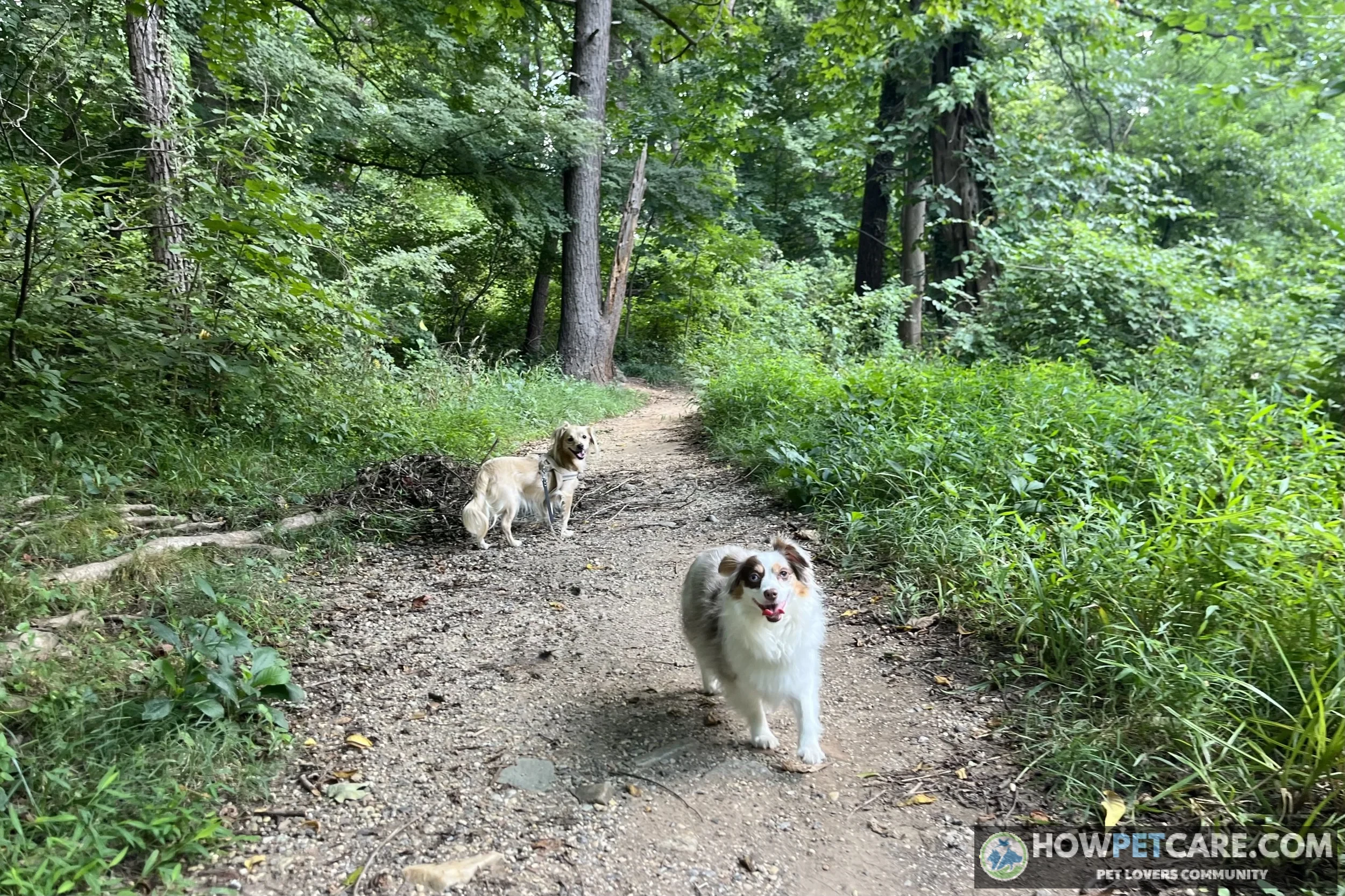
Use a secure, well-fitted harness or collar and a standard leash you can control. A front-clip or back-clip harness can be useful depending on the dog; check fit and handling with a professional if your dog slips equipment. Management strategies reduce unwanted encounters while behavior modification continues—they aren’t a failure to train.
Short sniff walks in quiet areas, food-search games, and rest days can offer alternatives when a busy route is too difficult. Skip forced greetings and dog parks if they create uncontrolled encounters.
Trigger-specific management: fence, window, car, and sounds
Use window coverings or a solid visual screen where practical, and supervise yard time. In the car, arrange a safe restraint and reduce views of triggers without compromising ventilation or the driver’s visibility. For doorbell reactions, prevent surprise approaches and practice with a quiet recording only if your dog stays comfortable.
Muzzle training as a safety tool
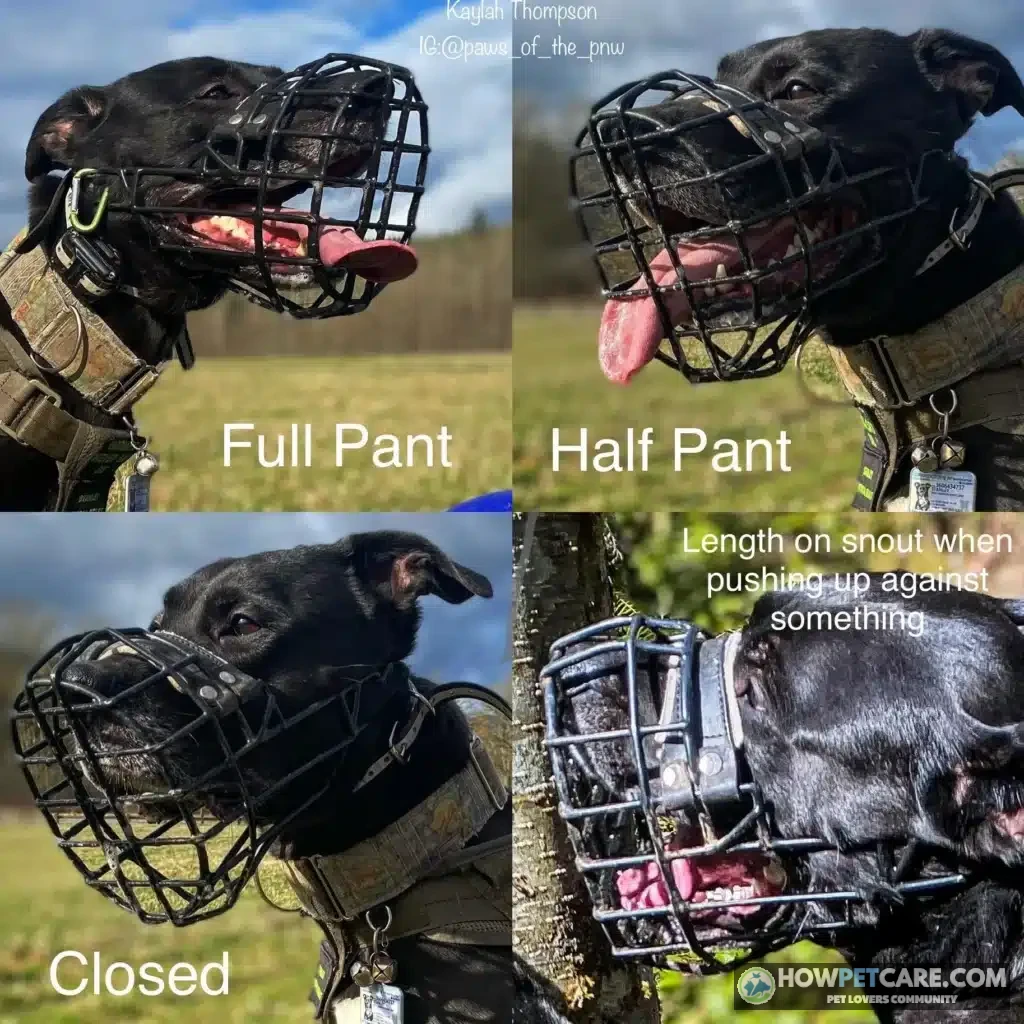
A properly fitted basket muzzle can allow panting, drinking, and treat delivery while adding protection when bite risk is a concern. Introduce it gradually: let your dog investigate, reward voluntary nose placement, and build duration before fastening. Never force it on as punishment or leave a muzzled dog unattended. A trainer or vet can help with fit and conditioning.
When Reactivity Needs a Vet, Medication, or a Behavior Professional (and What It Costs)
Signs to see a vet first
Book a veterinary appointment for a sudden change, signs of pain, changes in sleep or appetite, sensory changes, or reactivity that’s worsening despite careful management. Seek prompt help after a bite or injury. Bring your incident notes and, if safely obtainable, a video; don’t stage a reaction to get footage.
Fluoxetine and behavior medication: how it fits with training
A vet may discuss medication when anxiety is severe, daily life is significantly affected, safe exposure is difficult even at a distance, or progress remains limited despite a suitable plan. Medication can also be considered earlier when the dog’s welfare or safety warrants it.
Fluoxetine is a prescription medication that affects serotonin signaling. It isn’t an instant calming cue; benefits can take weeks, and the prescribing veterinarian should discuss side effects, monitoring, and whether it suits your dog. Some dogs receive other medications or a different plan. Medication supports management and learning; it doesn’t replace them. Don’t use human prescriptions or change a dog’s medication without veterinary guidance.
Who to hire: trainer vs behavior consultant vs veterinary behaviorist
A reward-based dog trainer can teach handling skills and set up manageable practice. A certified behavior consultant, such as an IAABC-certified consultant, may have additional experience assessing complex behavior. CPDT is a trainer credential; KPA credentials reflect a trainer education program. Credentials don’t guarantee that a particular person is the right fit, so ask about their experience with your dog’s specific risk.
A board-certified veterinary behaviorist, identified by DACVB, is a veterinarian with specialty training who can assess medical and behavioral factors and prescribe medication. Your regular vet may also diagnose medical issues, prescribe appropriate medication, and coordinate referrals.
Ask any professional what happens when a dog reacts, how they prevent bites, and which tools they use. Avoid promises of a guaranteed cure or plans that rely on pain, intimidation, or repeated forced encounters.
Cost table: what to budget in the US
The figures below are unverified planning estimates, not quoted 2026 prices or a survey. Fees vary considerably by region, provider, case complexity, and what’s included. Ask for a written estimate before booking; a local clinic or trainer can give you a more dependable number.
| Support Option | Illustrative US Cost Range | Best For | What to Ask Before Booking |
|---|---|---|---|
| Group class | Roughly $100–$300 for a course | Dogs who can participate safely at a distance | Is this a controlled reactivity class, and how are dogs separated? |
| Private training or behavior consulting | Roughly $100–$250 per session | Individual handling and exposure plans | Are an assessment, follow-up, and written plan included? |
| Veterinary behaviorist consultation | Roughly $400–$1,000 or more initially | Complex cases, bite risk, or combined medical and behavior assessment | How long is the appointment, and are follow-ups separate? |
| Prescription medication | Roughly $10–$100 or more per month | Dogs for whom a vet recommends medication | What do the drug, monitoring, and rechecks cost? |
| Basic safety equipment | Roughly $30–$150 or more | Secure walking and, if needed, muzzle conditioning | Does it fit this dog and allow safe handling? |
A group class isn’t automatically cheaper if the environment is too difficult for your dog. Ask about remote consultations, payment options, or lower-cost local services if access is difficult.
Your stress matters too: handler self-check and support
Notice whether you hold your breath, tighten the leash at the sight of another dog, dread walks, replay incidents, or avoid outings because the situation feels unmanageable. These reactions are understandable, not proof that you caused your dog’s behavior. Your handling and your dog’s response can influence each other, but blame isn’t a training plan.
Choose a route where you can breathe and move comfortably. Ask a trainer to rehearse exits with you, find a supportive reactive-dog owner community, or speak with a mental health professional if anxiety is affecting your wellbeing. You deserve support as well as practical help with your dog.
Can a Reactive Dog Be Cured? Realistic Timelines and What the Evidence Says
What does “improvement” look like?
A cure can’t be guaranteed. Some dogs make substantial progress; others need lifelong management around particular triggers. Early changes may appear over weeks, while more reliable behavior change may take months or longer. Pain, the dog’s history, the environment, and the ability to avoid difficult encounters all affect the plan.
Measure success against your own baseline: a softer body at a familiar distance, fewer intense reactions, faster recovery, or a walk you can both finish comfortably. A move, illness, or unexpected encounter can bring a setback. Return to an easier step rather than treating a difficult day as a failed plan.
The “72%” claim: what we can and can’t verify
A figure sometimes cited—that around 72% of dogs show signs of reactivity—traces to a summary that doesn’t identify the primary study or define the population and measurement behind it. It doesn’t establish that 72% of reactive dogs improve with training. Without a traceable primary source and a relevant outcome measure, neither interpretation should be used as a treatment-success statistic.
The available evidence here also doesn’t establish a reliable percentage of all reactive dogs who improve. Ask a professional how they’ll measure your dog’s progress rather than relying on a universal success rate.
Your Next Step: A Decision Guide for the Reactive Dog Owner
Choose your path: vet, trainer, or home plan
- Sudden change, possible pain, or changes in sleep, appetite, mobility, or senses: Book a veterinary exam and manage distance in the meantime.
- Skin-breaking bite, escalating threats, or incidents that seem unpredictable: Prevent further contact and contact your vet and a qualified behavior professional. Discuss a veterinary behaviorist referral.
- No bite history and a trigger you can manage at a safe distance: Begin the gradual plan, or ask a reward-based trainer to coach the setup.
- Severe distress or no practical distance at which your dog can cope: Reduce exposure and discuss a behavior referral and medication options with your vet.
A one-week action checklist
- Record up to three naturally occurring incidents: trigger, approximate distance, behavior, and recovery. Don’t create incidents for the log.
- Change one route or walking time to reduce surprise encounters.
- Practice a U-turn and “find it” at home before using them outside.
- If it’s safe, identify a comfortable starting distance and plan a short first session. If not, book professional help instead.
- If bite risk makes it appropriate, begin gradual basket-muzzle conditioning with professional guidance.
- Review your notes at the end of the week and choose one manageable goal for the next.
Avoid punishment, forced greetings, and pushing closer to prove progress. Choose a next step that keeps everyone safe and gives your dog a chance to succeed.
1According to the guide, what key distinction separates dog reactivity from dog aggression?
Reactivity refers to response intensity across various emotions, while aggression specifically involves distance-increasing threats or physical contact behaviors.
2Which of the following is identified as a subtle early warning sign of reactivity that owners often miss before barking or lunging begins?
Subtle posture changes and calming signals like lip licking or turning away often precede more intense behaviors like barking and lunging.
3If a dog is actively barking and lunging at a trigger during a walk, what should be the handler's immediate priority?
When a dog is actively reacting, gaining distance takes priority over attempting training repetitions or forcing positioning.
4What is recommended as a safe method to separate two fighting dogs if a collision occurs?
Placing a solid physical barrier between fighting dogs helps separate them without putting human hands in danger of bites.
5Why does the guide advise against using aversive corrections, such as leash jerks or shock collars, for reactivity?
Applying unpleasant consequences in the presence of a trigger can deepen negative emotional associations and suppress helpful warning signals.
6In the context of reactive dog training, what does "counterconditioning" specifically entail?
Counterconditioning focuses on altering underlying emotional associations by connecting the sight of a trigger with positive outcomes like high-value food.
7When following a gradual training plan, when is it appropriate to move closer to a trigger?
Advancing distance criteria requires consistent signals of comfort and disengagement over multiple exposures and sessions.
8Which scenario indicates that an owner should schedule a veterinary examination before starting behavioral training?
Sudden behavior shifts or co-occurring physical changes point toward potential pain or medical issues that require veterinary evaluation.
9What is the primary function of behavior medication, such as fluoxetine, in a reactive dog training plan?
Behavior medications assist by moderating emotional arousal, creating a state where learning and training can take place effectively.
10What does the guide state regarding the claim that approximately 72% of dogs show signs of reactivity?
The cited percentage lacks primary source documentation and precise population definitions, rendering it unverified as a success metric.
| Week | Goal | Typical Distance Target | Session Length and Frequency | Progress Signal to Advance |
|---|---|---|---|---|
| Prep | Set up safe access and record a baseline | Baseline comfortable distance (e.g., 50 feet) | 1 brief scouting outing (leave before distress) | Dog notices the trigger, can eat, and can move away |
| Week 1 | Pair the trigger with high-value food | 50 feet (maintain baseline) | 5–10 minutes, 3–5 times per week | Dog eats comfortably and disengages across several exposures |
| Week 2 | Build a voluntary check-in behavior | 50 feet (maintain baseline) | 5–10 minutes, 3–5 times per week (with breaks) | Dog notices the trigger and looks back to you without prompting |
| Week 3 | Make one small distance reduction | 45 feet (e.g., reduce from 50 to 45 feet) | 5–10 minutes, 3–5 times per week | Dog exhibits comfortable responses on most exposures across several sessions |
| Week 4 | Repeat current distance or make another small reduction | 40 feet (e.g., reduce from 45 to 40 feet, only if ready) | 5–10 minutes, 3–5 times per week | Dog eats, turns away, and recovers promptly at the new distance |
| Week 5–6 | Introduce mild movement or slightly longer trigger views | Increase distance when the trigger starts moving | Short sessions (reduce repetitions if needed) | Dog remains comfortable with the new element across several sessions |
| Week 7–8 | Practice in a second quiet setting | Increase distance (depends on the new setting) | Short planned sessions or carefully managed walks | Dog notices and disengages in the new location without repeated reactions |
FAQ
Is a reactive dog dangerous?
Not necessarily. Most reactive dogs are trying to create distance, not cause harm, but any dog can bite if cornered or pushed over threshold. Manage distance, consider muzzle training, and consult a professional if there are bites or no-warning escalations.
Should I let my reactive dog meet other dogs to socialize?
Generally no. Forced greetings and dog parks can make reactivity worse. Controlled, distance-based exposure and training are safer, and structured social opportunities should be guided by a qualified trainer.
Do reactive dogs get better with age?
Not on their own. Without training and management, reactivity often continues or worsens, though aging can bring changes in energy and tolerance. Consistent behavior modification gives the best chance of improvement.
Can I walk a reactive dog in public?
Yes, with planning. Use quieter times and routes, keep to your dog’s threshold distance, use secure equipment, and have an escape plan. Some dogs also benefit from muzzle training and decompression walks in low-trigger areas.
What are the best treats for reactive dog training?
Use small, soft, high-value food your dog rarely gets otherwise, such as cooked chicken, cheese, or meat-based treats. The best treat is one your dog will still take near a trigger, and it should be pea-sized so you can reward quickly.