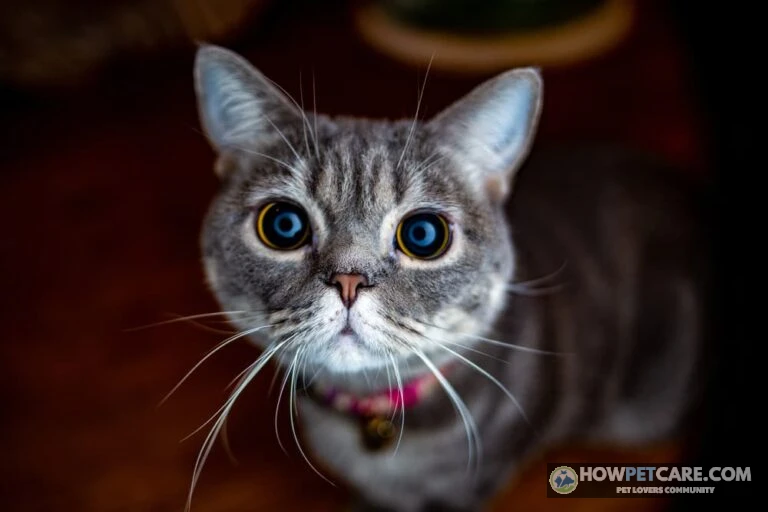

Cats do not cry emotional tears like humans. Their tears lubricate and protect the eyes, while crying sounds are vocalizations for food, attention, distress, or pain. Watery eyes often point to irritation, infection, allergies, or blocked tear ducts. Sudden redness, squinting, colored discharge, or vision changes need veterinary care.
Cats do not cry emotional tears the way humans do. When you see watery eyes on a cat, those tears are almost always a physiological response — lubrication, irritation, infection, or a blocked tear duct — rather than a sign of sadness. When you hear a cat "crying," you are hearing vocalization: meowing, yowling, or other sounds that express need, distress, or discomfort. Tears and crying sounds are two separate signals, and each needs its own evaluation. This guide helps you sort out which is which, what medical conditions commonly cause watery eyes, and when to clean at home versus call the veterinarian.
Can Cats Cry Emotional Tears?
Cats have tear ducts and produce tears continuously to lubricate the eye surface, wash away debris, and protect against infection. This process, called lacrimation, is a physiological function, not an emotional one. Humans remain the only animals known to shed tears in response to emotion. Veterinary consensus holds that cats do not cry emotional tears, and watery eyes (epiphora) in a cat usually signal irritation, blockage, infection, or anatomy rather than sadness.

That said, cats are emotional animals. They can recognize emotions in companions and express their own feelings through subtle non-verbal cues — body posture, ear position, tail movement, and vocalization. A sad or stressed cat may hide, become distant, eat less, sleep more, tuck into a ball, or vocalize more. The tears you see are a separate matter from the feelings you observe.
Crying sounds, meanwhile, are vocalizations. Cats cry vocally to ask for food, attention, access to a room, or to greet owners. Distress vocalization can signal fear, loneliness, or separation anxiety. Treat tears and crying sounds as independent signals, and evaluate each on its own terms.
Why Do Cats Cry or Make Distress Sounds?
Cats vocalize for many practical reasons, and most crying is communicative rather than medical. Understanding the pattern — and how to decode your cat’s meowing — helps you decide whether to adjust the environment or investigate a health problem.
Common behavioral reasons cats cry:
- Attention or food requests. Meowing at the food bowl or at your bedroom door is a classic demand vocalization.
- Access. Cats cry to be let into or out of a room, closet, or carrier.
- Greeting. Some cats chirp or meow when you come home — a friendly social vocalization.
- Boredom or loneliness. Cats left alone with little stimulation may cry, especially at night.
- Separation anxiety. A cat that vocalizes excessively only when you leave or are absent may be experiencing distress tied to your absence.
- Heat cycles. Unspayed female cats may yowl loudly during estrus.
- Territorial encounters. Growling, hissing, or yowling can occur during confrontations with other cats.
- Age-related changes. Senior cats may vocalize more due to cognitive decline, sensory loss, or chronic discomfort.

Night crying often relates to boredom, hunger, or age-related changes. If the crying is new, persistent, or paired with watery eyes, appetite changes, or lethargy, check for illness and consider a veterinary visit.
Persistent new crying warrants checking the environment and routine before assuming illness. Look at feeding schedules, litter-box cleanliness, playtime, and recent changes such as new pets, moves, or visitors. If adjusting these does not help, or if the crying accompanies physical signs, contact your veterinarian.
Do Cats Cry When They Are Sad or Grieving?
Cats show sadness through behavior changes, not emotional tears. If a cat loses a companion — human or animal — it may grieve, but that grief shows up in habits, not in tears.
Signs of feline grief include withdrawal, reduced appetite, changes in grooming, and increased vocalization. An emotionally distressed cat may vocalize with long yowls or high-pitched meows and show physical signs such as appetite loss, shaking, hiding, or litter-box changes.

Feline grief may last days to weeks and usually eases with routine and gentle attention. Avoid assuming tears mean sadness; look at body language and habits instead.
If your cat has lost a companion, keep feeding, play, and sleep routines stable. Offer quiet companionship without forcing interaction. Track appetite, grooming, litter-box use, vocalization, and hiding over the first one to two weeks.
A grief monitoring and escalation timeline can help:
- Days 1–3: Keep feeding, play, and sleep routines stable. Offer quiet companionship without forcing interaction.
- End of week 1: Track appetite, grooming, litter-box use, vocalization, and hiding. Note any worsening.
- Week 2: Add gentle enrichment such as short play sessions. Maintain predictable routines.
- Escalate if: Appetite drops for more than 24 hours, the cat hides continuously, or vocalization becomes distressed. Contact a veterinarian.
- Seek care sooner for: Weight loss, lethargy, dehydration, or any eye discharge, breathing change, or pain sign.
- Reassess after 2–4 weeks: Grief often eases gradually, but persistent decline needs medical and behavioral evaluation.
Medical Causes of Watery Eyes and Eye Discharge in Cats
Watery eyes in cats have many possible medical causes. Naming them helps you recognize patterns and know when to seek care.
Conjunctivitis causes red, swollen eyes with clear or colored discharge. The conjunctiva — the pink tissue lining the eyelids — becomes inflamed, often due to infection, allergy, or irritant. Redness, swelling, discharge, or frequent eye closing alongside tearing indicates a potential health issue needing prompt veterinary attention.

Corneal ulcers or injuries produce squinting, cloudiness, and watery eyes. A scratch, foreign body, or chemical exposure can damage the cornea. These are painful and can threaten vision if untreated.
Upper respiratory infections commonly cause runny eyes with nasal discharge and sneezing. Recurrent feline herpesvirus is a frequent culprit. The combination of eye watering and respiratory signs points strongly toward infection.
Blocked or narrow tear ducts lead to chronic epiphora and tear staining. Tears cannot drain normally, so they overflow onto the face. This may be congenital or acquired.
Allergies and irritants can trigger watery eyes without infection. Environmental allergies such as pollen, dust, or dusty litter are common triggers. Smoke, strong scents, certain foods, and pollen can also cause tearing.
Flat-faced breeds such as Persians and Exotics are prone to tear duct issues and chronic watery eyes due to facial structure. Long-haired breeds may develop tear staining and irritation from facial hair near the eyes.
Excessive tearing (epiphora) can result from physical causes ranging from minor irritation to serious eye disease. Watery eyes are usually caused by physiological issues such as allergies, conjunctivitis, foreign bodies, or injury.
Cat Crying Triage: Step-by-Step Owner Flow
Use this six-step flow to narrow down whether crying is behavioral, emotional, or medical.
-
Step 1: Note the pattern
Record the exact time, location, and trigger of the crying or vocalization. Is it at feeding time, at night, or when you leave?
-
Step 2: Inspect both eyes
Look at both eyes for redness, cloudiness, squinting, swelling, or discharge.
-
Step 3: Record discharge details
Note discharge color, thickness, and whether one or both eyes are affected.
-
Step 4: Assess overall health
Check appetite, energy, litter-box use, grooming, and social behavior for illness signs.
-
Step 5: Review recent changes
Consider new pets, moves, visitors, diet changes, medications, or exposure to other cats.
-
Step 6: Choose next step
Comfort and monitor if eyes are clear; clean gently if discharge is mild; contact a veterinarian for red flags.
This flow separates behavioral crying from medical tearing. If eyes are clear and the cat is otherwise healthy, focus on environment and routine. If any eye abnormality appears, shift to medical triage.
Discharge Color and Symptom Thresholds: Act, Monitor, or Call the Vet
Clear action standards help you avoid both underreacting and overreacting.
| Discharge color / symptom | Likely meaning | Recommended action |
|---|---|---|
| Clear, mild tearing with normal behavior | Irritation, allergy, or mild epiphora | Monitor 24–48 hours; gentle eye cleaning |
| Yellow, green, or thick discharge | Possible infection | Veterinary evaluation the same day |
| Red eyes, squinting, or pawing at the eye | Inflammation or injury | Same-day veterinary care |
| Cloudy cornea, unequal pupils, or sudden vision change | Eye emergency | Emergency veterinary care now |
| Tearing persists beyond 24–48 hours | Chronic epiphora or underlying cause | Schedule a veterinary visit |

Persistent tearing beyond 24–48 hours despite home care needs a vet visit. Red eyes, squinting, pawing at the eye, or visible injury are red flags requiring same-day care. Cloudy corneas, unequal pupils, or sudden vision changes are emergencies.

Safe Home Eye Cleaning and First-Aid Steps
When discharge is mild and the cat is otherwise normal, gentle home cleaning is appropriate. Follow this checklist:
- Wash hands before touching the cat’s face.
- Use a clean, soft cloth or cotton pad dampened with warm water.
- Wipe gently from the inner corner of the eye outward.
- Use a fresh pad for each eye.
- Stop if the cat resists strongly, the eye is painful, or discharge is thick or colored.
- Do not use human eye drops, medications, or homemade solutions without veterinary approval.
- Do not flush the eye or attempt to remove an object stuck in it.
- Keep the cat calm and prevent rubbing if a veterinarian advises a soft collar.

Never use human eye drops, medications, or homemade solutions without veterinary approval. Do not flush the eye or try to remove objects stuck in the eye. These actions can cause injury or worsen the condition.
First-aid before reaching a veterinarian: keep the cat in a quiet, dim room to reduce stress. If there is visible debris around (not in) the eye, gently wipe it away with a damp cloth. Prevent the cat from rubbing the eye with a soft collar if advised. Do not apply pressure. Transport the cat in a secure carrier. If the eye is severely swollen, bleeding, or the cat cannot open it, seek emergency care immediately.
Stop home cleaning and call your vet if the cat resists strongly, the eye appears painful, or discharge is thick or colored. These signs mean the eye needs professional examination, not home care.
Age, Breed, and Special-Risk Considerations
Triage should fit the individual cat. Age and breed significantly affect eye-risk profiles.
| Cat group | Specific eye risks | Triage priority |
|---|---|---|
| Kitten | Respiratory infection, congenital eye issues, rapid worsening | Faster veterinary attention for any discharge |
| Senior cat | Cognitive changes, sensory decline, chronic disease, reduced grooming | Faster attention if crying or tearing is new |
| Flat-faced breed (e.g., Persian) | Narrowed tear ducts, chronic epiphora, tear staining | Routine monitoring plus earlier vet review |
| Long-haired breed | Facial hair irritation, tear staining, debris near eyes | Gentle cleaning and prompt care if red or painful |
| Any cat with sudden change | Injury, ulcer, infection, or vision problem | Same-day or emergency care |

Kittens are vulnerable to respiratory infections and congenital eye issues. Any discharge in a kitten deserves faster veterinary attention because young cats can deteriorate quickly.
Senior cats may cry more due to cognitive changes, sensory decline, or chronic disease. New crying or tearing in an older cat warrants prompt evaluation, as it may signal an underlying condition rather than behavioral change.
Flat-faced breeds such as Persians often have narrowed tear ducts and chronic epiphora. Long-haired breeds can develop tear staining and irritation from facial hair. Any discharge in a kitten or senior cat deserves faster veterinary attention.
| Symptom or Eye Appearance | Likely Cause or Meaning | Recommended Action | Urgent Care Required (Inferred) |
|---|---|---|---|
| Severely swollen, bleeding eye, or cat cannot open eye | Severe eye trauma or acute injury | Seek emergency care immediately; keep cat calm in a quiet, dim room; transport in a secure carrier | Yes |
| Cloudy cornea, unequal pupils, or sudden vision change | Eye emergency; sudden change in eye appearance or vision due to injury, ulcer, infection, or vision problem | Emergency veterinary care now; same-day or emergency care | Yes |
| Squinting, cloudiness, and watery eyes | Corneal ulcers or injuries (scratch, foreign body, or chemical exposure); painful and vision-threatening if untreated | Seek veterinary evaluation and treatment | Yes |
| Yellow, green, or thick discharge | Possible infection | Same-day veterinary evaluation | Yes |
| Red eyes, squinting, or pawing at the eye | Inflammation or injury | Same-day veterinary care | Yes |
| Red, swollen eyes with clear or colored discharge | Conjunctivitis (pink tissue lining eyelids inflamed due to infection, allergy, or irritant) | Prompt veterinary attention | Yes |
| Runny eyes with nasal discharge and sneezing | Upper respiratory infections (e.g., feline herpesvirus or recurrent feline herpesvirus) | Veterinary care for infection | Yes |
| Any eye discharge in a kitten | Respiratory infection, congenital eye issues, rapid worsening | Faster veterinary attention | Yes |
| New crying or tearing in a senior cat | Cognitive changes, sensory decline, chronic disease, reduced grooming | Faster veterinary attention | Yes |
| Clear, mild tearing with normal behavior | Irritation, allergy, or mild epiphora | Monitor 24–48 hours; gentle eye cleaning | No |
| Tearing persists beyond 24–48 hours | Chronic epiphora or underlying cause | Schedule a veterinary visit | No |
| Chronic epiphora and tear staining | Blocked or narrow tear ducts (congenital or acquired) | Schedule a veterinary visit | No |
| Watery eyes without infection | Allergies and irritants (pollen, dust, dusty litter, smoke, strong scents, certain foods) | Gentle home cleaning; monitor or consult vet if persistent | No |
| Chronic watery eyes, tear staining, and narrowed tear ducts in flat-faced breeds (e.g., Persians) | Facial structure / facial anatomy; narrowed tear ducts due to facial structure | Routine monitoring plus earlier vet review | No |
| Tear staining and eye irritation in long-haired breeds | Facial hair irritation or debris near eyes | Gentle cleaning and prompt care if red or painful | No |
Your Cat-Crying Action Checklist
Use this final decision tool to choose your next step:
- Comfort first if crying is behavioral and eyes are clear and comfortable. Adjust feeding, play, and environment. Monitor for changes.
- Clean gently if discharge is mild and the cat is otherwise normal. Use the home eye-cleaning checklist and monitor for 24–48 hours.
- Call the vet same day for colored discharge, squinting, redness, cloudiness, or injury. Do not wait.
- Seek emergency care for sudden vision loss, severe swelling, or eye trauma.
- Monitor kittens and seniors more closely and seek care sooner. Their conditions can worsen faster.
This article is not a veterinary diagnosis tool. It provides general guidance to help you make informed decisions, but persistent, worsening, or recurrent symptoms require veterinary follow-up. When in doubt, call your veterinarian.
If your cat shows red eyes, squinting, pawing at the eye, colored discharge, cloudiness, or any sudden change in vision or behavior, contact a veterinarian the same day. Do not attempt to treat eye problems at home beyond gentle cleaning.
FAQ
Can cats cry real tears of emotion?
No. Cats produce tears to lubricate and protect their eyes, but they do not shed emotional tears like humans. Watery eyes usually indicate a physical cause such as irritation, infection, or blocked tear ducts.
Why does my cat cry at night?
Night crying is often behavioral, caused by boredom, hunger, loneliness, or age-related changes. If the crying is new or paired with watery eyes, appetite changes, or lethargy, check for illness and consider a veterinary visit.
What does cat crying mean?
Crying sounds can mean a cat wants food, attention, or access, or feels distressed or anxious. Watery eyes usually mean a separate physical issue. Look at timing, triggers, and eye symptoms to tell them apart.
How do I tell if my cat is crying from pain?
Pain-related crying often includes yowling, hiding, reduced appetite, or aggression when touched. Eye pain also causes squinting, redness, cloudiness, or pawing at the eye, all of which need prompt veterinary care.
Is cat crying a sign of separation anxiety?
It can be. Cats with separation anxiety may cry, meow excessively, or show distress when left alone. If it happens only when you are leaving or gone, behavior modification and environmental enrichment often help.
Can cats cry like humans?
No. Cats vocalize with meows, yowls, and cries, but they do not cry emotional tears. Tears in cats are almost always a physiological response rather than a sign of sadness.