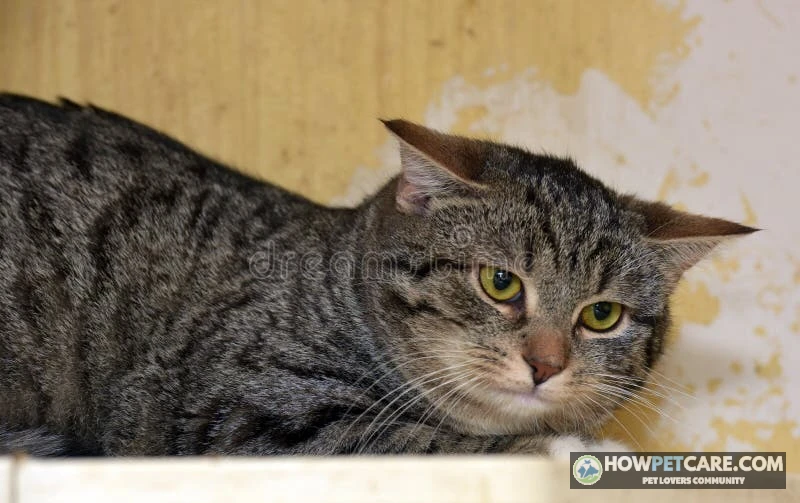

A scared cat signals fear through hiding, crouching, flattened ears, dilated pupils, and a tucked tail. To calm it: stop approaching, lower noise, give it a safe room with hiding spots, food, water, and litter, and let it emerge on its own. Sudden fear with appetite or litter-box changes needs a vet visit.
A scared cat is not being difficult or spiteful; it is communicating that something in its environment feels unsafe. Hiding, crouching, flattened ears, and dilated pupils are all signs that a cat’s fear response has switched on. Learning to read those signals early lets you step in before anxiety turns into fear aggression or long-term stress.
This guide walks through what fear looks like in cat body language, common triggers and medical causes, how to tell sudden illness-related fear from behavioral anxiety, and concrete steps to calm a scared cat. It includes a safe-room checklist, a worked desensitization protocol with session lengths and distances, a severity triage chart, and multi-cat household tactics. All medication and medical guidance is framed as veterinary-prescription-only; dosage decisions remain with your veterinarian.
Scared Cat Signs: What Fear Looks Like in Cat Body Language
Fear shows up in a cat’s body long before it shows up in behavior you can ignore. A nervous cat often starts with subtle signals that are easy to miss if you are not looking for them.
Subtle early signs of a nervous cat
Catching fear early means watching for small changes in posture and routine — the same signals covered in our checklist of signs your cat is stressed. Common early signs include:
- Lip licking or nose licking when no food is present
- Slow, deliberate retreat away from a person or object
- Avoiding eye contact or turning the head away
- Crouching low to the floor with the body tense
- Ears slightly turned outward or sideways
- Hiding under furniture, in closets, or behind appliances
Hiding is the most common early warning sign. A scared cat typically seeks enclosed spaces with a single entrance, such as under a bed, inside a closet, or behind a washing machine. These spots let the cat observe without being seen.

Obvious fear signals and when they escalate
When subtle signs are ignored or the cat feels cornered, fear becomes active and visible. Obvious signals include:
- Dilated pupils, even in a normally lit room
- Flattened ears pinned back against the head
- Tail tucked tightly around the body or held low and puffed
- Arched back with fur standing up along the spine
- Hissing, growling, or swatting
- Biting or scratching when approached or handled

These are distance-increasing signals. The cat is asking for space, not inviting play. Continuing to approach after these signals appear raises the risk of scratches or bites.
Scared cat vs aggressive cat: how to tell the difference
Fear aggression looks similar to offensive aggression, but the motivation differs. A fearful cat is trying to escape a threat; an offensively aggressive cat is trying to control a resource or space.
A scared cat usually shows defensive posture first: crouching, flattened ears, dilated pupils, and attempts to withdraw. It only hisses, swats, or bites when escape is blocked. A confidently aggressive cat may stalk forward, hold its tail high, and display forward-pointing ears without the crouched, retreating body language.
If your cat only acts out around specific triggers such as strangers, the carrier, or loud noises, fear is the more likely explanation. If the behavior happens unpredictably with no clear trigger, a veterinary behavior consultation is warranted.
Mistaking fear for aggression often leads owners to punish the cat, which worsens anxiety and damages trust. Opponents of scruffing include AAFP, ISFM, and Fear Free.
Why Is My Cat Scared of Everything? Common Triggers and Causes
Fear rarely appears without a reason. Mapping your cat’s fear to a specific cause is the first step toward reducing it.
Loud noises, strangers, and everyday household triggers
Common environmental triggers include:
- Loud noises: vacuum cleaners, thunder, fireworks, construction, or dropped objects
- New people or unfamiliar visitors entering the home
- Unfamiliar objects: moving boxes, new furniture, or holiday decorations
- Routine disruptions: changed feeding times, a new work schedule, or renovations
- Other pets, especially if they block access to food, water, or litter boxes

Some cats are scared of new people because they did not meet enough different kinds of people during the sensitive socialization window. Loud noises trigger a startle response that can generalize, so a cat frightened by a dropped pan may later fear all kitchen sounds.
Trauma, poor socialization, and fear generalization
The sensitive socialization period for kittens runs from about 2 to 7 weeks of age [#N]. Kittens who miss gentle handling and positive exposure during this window are more likely to grow into adults scared of people, handling, or new environments.
One traumatic event can also create lasting fear through one-trial learning. A single frightening experience, such as being trapped in a carrier during a loud car ride, can make a cat fearful of carriers, cars, or veterinary clinics for months or years.
Fear generalization happens when a cat begins to fear things similar to the original trigger. A cat scared by a child screaming may eventually fear all high-pitched noises, or even all children.
Medical issues that look like fear in cats
Sudden fear can be a symptom of pain or illness rather than anxiety. Medical causes that mimic fear include:
- Pain from arthritis, dental disease, or injury
- Urinary blockage or feline idiopathic cystitis (FIC)
- Vision or hearing loss
- Hyperthyroidism
- Cognitive decline in senior cats

A cat in pain may hide, avoid being touched, or react aggressively when a sore area is approached. Because cats instinctively conceal illness, behavior change is often the first clue an owner notices.
Medical vs Behavioral Fear: Decision Tree and Vet Triage
Not all fearful behavior can be solved with a safe room and treats. Some cases need veterinary attention first, and a structured triage helps you tell fear from pain or aggression before you book a visit.
Sudden fear versus gradual anxiety: what the onset tells you
The timing of the behavior change offers the first clue about the cause.
- Sudden onset (1–3 days): Suspect pain, illness, or injury until proven otherwise, especially in senior cats.
- Gradual onset (weeks or months): More likely behavioral anxiety, poor socialization, or environmental stress.
New or sudden fearful behavior in senior cats often signals pain or illness rather than simple anxiety. Arthritis, dental disease, and sensory loss are common in older cats and can make normal handling feel threatening.
Physical red flags that mean pain or illness
Seek same-day veterinary care if fear is accompanied by any of the following:
- Not eating or drinking for 24 hours
- Litter-box avoidance or straining to urinate
- Crying, limping, or flinching when touched
- Rapid breathing, open-mouth breathing, or collapse
- Sudden confusion, circling, or vision changes
What to tell your veterinarian about fearful behavior
Before your visit, record:
- When the fear started and whether it was sudden or gradual
- Specific triggers: people, noises, rooms, or times of day
- Body language during episodes: crouching, dilated pupils, flattened ears, hiding
- Recent household changes: new pets, visitors, construction, or schedule shifts
- Appetite, drinking, litter-box, and grooming habits
This information helps your veterinarian separate medical causes from behavioral ones. This section supports veterinary care and never replaces a professional diagnosis.
Same-day vet referral decision tree
Start here: Did the fearful behavior start suddenly (within 1–3 days)?
- Yes → Check for red flags:
- Not eating or drinking for 24 hours
- Litter-box avoidance or straining
- Crying, limping, or flinching when touched
- Rapid breathing, open-mouth breathing, or collapse
- Sudden confusion, circling, or vision changes
- Any red flag = same-day veterinary care

Any red flag alongside sudden fear means same-day veterinary care. (Source: abposters) - Yes, but no red flags → Call your vet within 24–48 hours; record onset time, triggers, body language, and recent household changes.
- No → behavior built gradually over weeks or months: review environmental triggers, routine changes, and socialization history; schedule a behavior consultation if daily life is disrupted.

Medical causes to rule out first: pain, dental disease, urinary blockage, arthritis, hyperthyroidism, vision or hearing loss, cognitive decline.
Behavioral causes are more likely when: triggers are predictable, body language is fearful but physical exam is normal, and symptoms improve in a safe, quiet environment.
How to Calm a Scared Cat: Safe Space Setup and Immediate Steps
When a cat is scared, your immediate goal is to lower its stress so it can recover, not to force it to confront the trigger.
Immediate de-escalation steps when your cat is scared
- Stop approaching and give the cat an exit route.
- Lower noise and activity in the room.
- Turn off loud electronics or move the vacuum to another room.
- Let the cat choose when to emerge; do not pull it from hiding.
- Speak in a soft, calm voice if you must speak at all.
Comforting a scared cat with a gentle voice does not increase fear; it can help build trust.
Safe room checklist: what to include and where to place it
Stock these items before the cat enters the room:
| Item | Why it matters | Placement tip |
|---|---|---|
| Enclosed litter box with unscented clumping litter | Gives the cat a private bathroom area | One side of the room, away from food and water |
| Water bowl | Prevents dehydration during stress | Opposite side from food |
| Food bowl | Maintains normal eating routine | Opposite side from water |
| Hiding boxes with a single entrance | Provides security and observation point | Corners, not the center of the room |
| Familiar bedding | Carries the cat’s scent for comfort | Inside hiding boxes and on the perch |
| Elevated perch or cat tree | Lets the cat watch from above | At least 3 feet from the door |
| Scratching post | Supports natural marking and stretching | Near the hiding area |
| Pheromone diffuser | May reduce stress signals | Plugged in 24 hours before use, at cat height, away from vents |
| Soft towel or blanket with the cat’s scent | Familiar smell reduces alarm | In hiding spots and on perches |

Choose a quiet room with one door and no direct window to high-traffic areas. Keep food, water, and litter in a triangle rather than clustered together. Add a second exit route through a cracked closet or open carrier. Remove mirrors, loud electronics, and unfamiliar scents.
Do not add strong cleaners, scented candles, essential oils, or forced interaction.
Pheromone products: placement and realistic expectations
Synthetic pheromone diffusers, such as Feliway F3, can help reduce stress and create a sense of safety for some cats. They work best as part of a broader calming plan rather than a standalone fix. Place the diffuser in the room where the cat spends the most time, not inside a small hiding box.
Set realistic expectations for adjustment. Most scared cats begin to settle within a few days to two weeks. A fearful rescue cat may take a month or longer to feel fully safe. Progress depends on the cat’s history, the consistency of the safe space, and whether forced interaction is avoided.
Desensitization and Counterconditioning for Cats: A Copy-Ready Protocol
Desensitization and counterconditioning (DS/CC) are the two most effective techniques for changing a cat’s fearful response [#N].
What desensitization and counterconditioning actually mean
- Desensitization: Gradual exposure to a trigger at a low enough intensity that the cat notices it but does not react with fear.
- Counterconditioning: Pairing the trigger with something positive, such as a high-value treat or play, so the cat forms a new, calm association.
The goal is to keep the cat below its fear threshold throughout every session.
Session template: length, distance, and progression rules
| Session step | Time | Distance from trigger | What to do | End condition |
|---|---|---|---|---|
| 1. Setup | 5–10 minutes | Starting distance where cat notices but does not react | Place trigger at distance or lowest volume | Cat remains relaxed |
| 2. Observation | Within session | Same starting distance | Wait for cat to notice trigger | No fear signals |
| 3. Reward | Within 1–2 seconds of trigger appearing | Same distance | Offer treat or toy immediately | Calm behavior observed |
| 4. End | While cat is still relaxed | Same distance | Stop session before stress builds | Session complete |
| 5. Record | After session | N/A | Log distance, duration, body language, recovery | Notes saved |

Frequency: 1–2 sessions per day.
Distance ladder:
- Start where the cat can see or hear the trigger and still eat, blink slowly, or keep a relaxed posture.
- If ears flatten, pupils dilate, or the cat freezes, increase distance by 2–3 feet or lower the sound volume by one step.
- Only decrease distance or increase intensity after 3 sessions in a row with no fear signals.
Reward timing:
- Offer a high-value treat or play within 1–2 seconds of the trigger appearing.
- Stop the reward the moment the trigger disappears.
- Do not lure the cat closer; let the cat choose to approach.
End early if the cat hides, hisses, swats, freezes, or refuses to eat.
Progression rule: increase challenge by 10–20% only after 3 calm sessions; if fear returns, drop back one full level for 2 sessions.
Worked examples: strangers, noises, and carrier fear
New people: Have a visitor sit quietly at the far side of the room while you feed your cat treats nearby. Over several sessions, the visitor moves closer only if the cat remains calm. The visitor never reaches for or picks up the cat.
Loud noises: Play a recording of the feared sound at a volume so low the cat notices but keeps eating. Pair the sound with treats, then end. Increase volume slightly only after three calm sessions.
Carrier fear: Leave the carrier out in the safe room with the door removed or propped open. Place treats inside. Once the cat enters voluntarily, feed meals inside the carrier. Close the door for seconds at a time only after the cat is relaxed inside.

Never use flooding—forcing a cat to stay close to a trigger until it “gets used to it.” Flooding can worsen fear aggression and anxiety.
Fear in Multi-Cat Households: Contagion, Resources, and Safe Sharing
One fearful cat does not exist in isolation. Its stress can affect every other cat in the home.
How fear spreads between cats in the same home
Cats read each other’s body language. When one cat crouches, hisses, or hides constantly, other cats may interpret that as a threat signal and become tense themselves. This is fear contagion. A confident cat may begin guarding resources or blocking the fearful cat from the litter box, which raises anxiety for both animals.
Minimum isolation time when introducing a scared cat to a home with other pets is two weeks [#N].
Resource setup for anxious and confident cats
Follow the shared-resource rule: one litter box per cat plus one extra, plus separate food, water, and resting areas. Place resources in different rooms or at least in different corners so one cat cannot block another.
Signs that resource competition is worsening anxiety include guarding, blocking litter boxes, one cat consistently hiding, or one cat ambushing another near food.
Safe-space zoning gives each cat an escape route and a private core area. Use baby gates, cat trees, and multiple hiding boxes so the fearful cat can retreat without crossing the confident cat’s territory.
Reintroducing cats after fear-related tension
- Keep cats separated in their own zones with separate resources.
- Swap bedding between cats so they become familiar with each other’s scent.
- Feed on opposite sides of a closed door so each associates the other’s scent with food.
- Allow brief visual contact through a cracked door or screen, ending before either cat shows fear.
- Gradually increase supervised contact time only if both cats remain calm.
Do not force cats to share a litter box or food bowl during reintroduction.
Severity Triage Chart: Mild, Moderate, and Severe Fear in Cats
Use this quick-reference tool to gauge severity and decide whether to manage at home or seek professional help.
| Severity | Typical signs | Daily impact | Recommended action |
|---|---|---|---|
| Mild | Occasional hiding, quick recovery, normal eating and litter-box use | Minimal disruption | Keep routine steady; log triggers; practice gentle desensitization |
| Moderate | Frequent avoidance, hiding for hours, reduced appetite or litter-box visits, fear repeats with same trigger | Disrupted routines | Set up safe room; reduce triggers; begin 5-minute sessions; call vet if no improvement in 7 days |
| Severe | Hiding most of the day, not eating or drinking for 24 hours, eliminating outside the box, hissing or biting when approached | Quality of life affected | Contact veterinarian same day; no forced handling; keep cat in quiet room until advised |

FAS Severity Triage Checklist (Green / Yellow / Red)
Rate each item 0 = not seen, 1 = mild, 2 = clear, 3 = severe. Add the score.
Green zone (0–4): home management
- ☐ Cat hides briefly, then comes out within 30 minutes
- ☐ Normal eating, drinking, and litter-box use
- ☐ Body language returns to relaxed within 1 hour
- ☐ No hissing, swatting, or blocking other cats
- Action: keep routine steady; log triggers; practice gentle desensitization at the cat’s threshold.
Yellow zone (5–9): monitor and adjust
- ☐ Hiding lasts 1–24 hours
- ☐ Reduced appetite or litter-box visits
- ☐ Wide pupils, crouching, or tail wrapped when awake
- ☐ Fear repeats with the same trigger
- Action: set up safe room; remove or reduce trigger; begin 5-minute desensitization sessions; call vet if no improvement in 7 days.
Red zone (10+): seek professional help now
- ☐ Hiding most of the day or night
- ☐ Not eating or drinking for 24 hours
- ☐ Eliminating outside the litter box
- ☐ Hissing, swatting, biting, or aggression when approached
- ☐ Sudden onset in a senior cat or after a medical change
- Action: contact veterinarian same day; do not attempt forced handling; keep cat in a quiet, escape-proof room until advised.
What successful treatment looks like
Improvement is gradual. A mild case may show calmer body language within one to two weeks of consistent safe-space use and desensitization. Moderate cases often take several weeks. Severe cases may require months of work plus veterinary behavior support and, in some cases, prescription anti-anxiety medication.
Prescription anti-anxiety medications such as gabapentin, pregabalin, and trazodone are veterinary-prescription-only. Dosage decisions and side-effect monitoring must come from a veterinarian. Never give human medication to a cat.
Your Scared Cat Action Plan: Next Steps and When to Get Help
First 48 hours
- Set up a safe room with the checklist items above.
- Remove or reduce known triggers where possible.
- Begin observation logging: time, trigger, body language, and recovery.
- Avoid forced handling, scruffing, or pulling the cat from hiding.
Two-week implementation timeline
- Days 1–3: Safe room only; no visitors or new introductions; short, calm voice sessions.
- Days 4–7: Begin 5–10 minute desensitization sessions, 1–2 times daily, below threshold.
- Days 8–14: Adjust multi-cat resources if needed; continue logging; book a vet visit if no improvement.
When to book a veterinarian versus a behavior consultant
Book a veterinarian if fear started suddenly, is paired with appetite or litter-box changes, or if your cat reacts aggressively when touched in a specific area. Sudden behavioral changes in senior cats are especially likely to signal pain or illness.
Schedule a certified cat behavior consultant if the fear is gradual, predictable by trigger, and your cat’s physical exam is normal.
Printable mini-checklist
- ☐ Signs to watch: hiding, dilated pupils, flattened ears, crouching, tail wrapped tight
- ☐ Safe-space items: litter box, food, water, hiding boxes, perch, scratching post, pheromone diffuser
- ☐ Session parameters: 5–10 minutes, 1–2 times daily, start below threshold, increase only after 3 calm sessions
Setbacks do not mean failure. Fearful cats improve with consistency, patience, and veterinary guidance when needed.
| Severity Level | Typical Behavioral Signs | Daily Life Impact | Recommended Action Plan | Primary Cause Type (Inferred) |
|---|---|---|---|---|
| Mild | Occasional hiding, quick recovery, normal eating and litter-box use | Minimal disruption | Keep routine steady; log triggers; practice gentle desensitization | Behavioral |
| Moderate | Frequent avoidance, hiding for hours, reduced appetite or litter-box visits, fear repeats with same trigger | Disrupted routines | Set up safe room; reduce triggers; begin 5-minute sessions; call vet if no improvement in 7 days | Behavioral / Environmental |
| Severe | Hiding most of the day, not eating or drinking for 24 hours, eliminating outside the box, hissing or biting when approached | Quality of life affected | Contact veterinarian same day; no forced handling; keep cat in quiet room until advised | Medical / Severe Anxiety |

FAQ
How long does it take a scared cat to adjust to a new home?
Most scared cats begin to settle within a few days to two weeks, but a fearful rescue cat may take a month or longer to feel fully safe. Progress depends on the cat’s history, the consistency of the safe space, and whether forced interaction is avoided.
Are pheromone diffusers effective for scared cats?
Synthetic pheromone diffusers can help reduce stress for some cats, but they work best as part of a broader calming plan rather than a standalone fix. Place them in the room where the cat spends the most time, not inside a small hiding box.
Can one traumatic event cause lifelong fear in a cat?
Yes, a single frightening experience can create a lasting fear response, especially if it happens during a sensitive period or is never addressed. With desensitization and counterconditioning, many cats can learn to tolerate or even ignore the original trigger over time.
When should I take a scared cat to the vet?
See a veterinarian if fear starts suddenly, is accompanied by appetite or litter-box changes, or if your cat reacts aggressively when touched in a specific area. Sudden behavioral changes in senior cats are especially likely to signal pain or illness rather than simple anxiety.