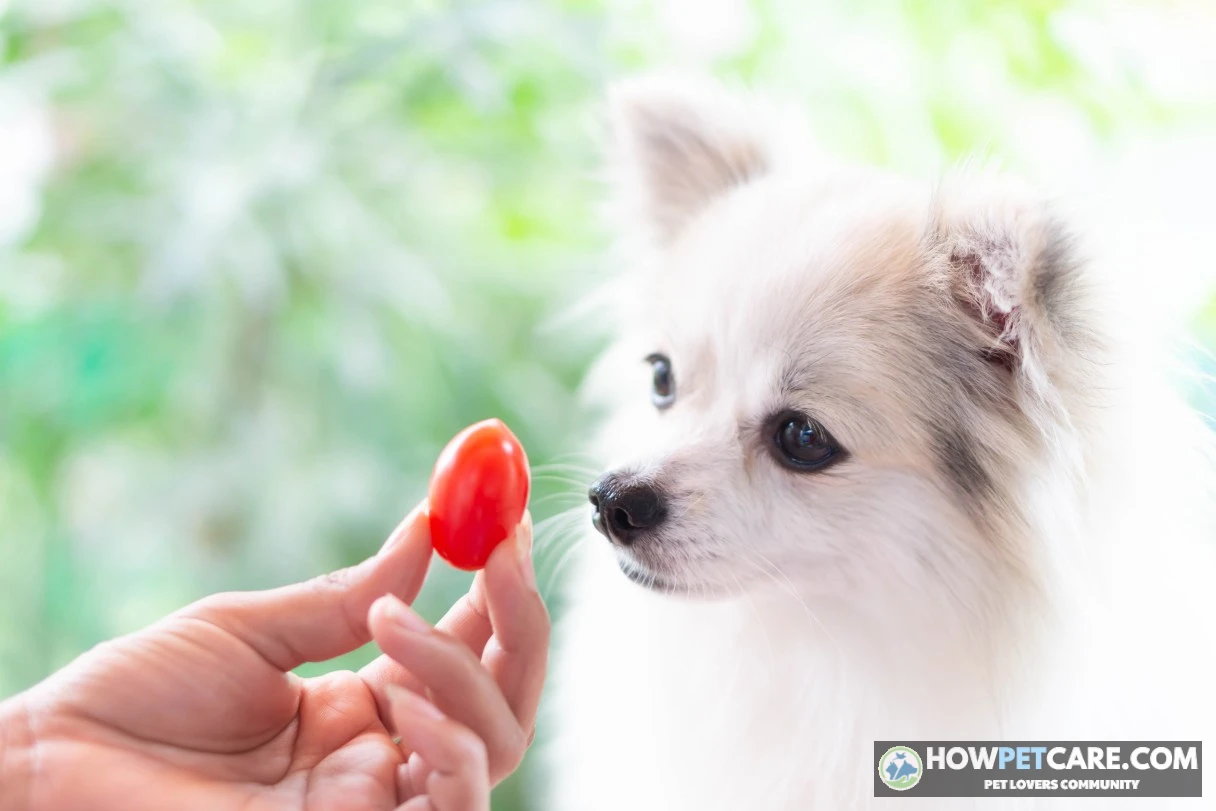

Yes, dogs can safely eat plain, ripe red tomatoes in small amounts as an occasional treat. However, green unripe tomatoes, stems, leaves, and vines contain dangerous concentrations of the glycoalkaloid tomatine, which is toxic to dogs. Commercial sauces and ketchup should also be avoided due to added salt, garlic, and onions.
Can Dogs Eat Tomatoes? The Direct Answer and Ripe vs. Green Safety Rule
Dogs can safely eat ripe red tomatoes in small, occasional portions, but green (unripe) tomatoes, leaves, stems, and vines are toxic and must be kept away from every canine []. The risk hinges on glycoalkaloids, primarily tomatine and solanine. The nightshade family (Solanaceae) concentrates these compounds in its green tissue as a natural defense mechanism. As the fruit ripens, chlorophyll breaks down, the toxin levels plummet, and the red flesh becomes safe for dogs to digest.
Ripe Red Tomatoes vs. Green Unripe Tomatoes
- Ripe red fruit: Bright red skin, soft flesh, sweet flavor. Contains negligible tomatine; safe as a treat when washed and cored.
- Green unripe fruit: Firm, yellow‑green skin, high tomatine & solanine levels. Can cause gastrointestinal upset, tremors, or cardiac irregularities if ingested in sufficient amount.

Why Tomato Vines, Leaves, and Stems Pose a Threat
Tomato plants defend themselves with the same glycoalkaloids that make unripened fruit dangerous. Leaves, stems, and vines often contain up to 0.5% tomatine by fresh weight. That concentration is high enough to trigger vomiting, diarrhea, and in severe cases, neurological symptoms like ataxia or seizures []. Treat every green part of the plant as an active canine toxicity hazard.
Tomatoes are an occasional treat, not a dietary staple. Keep total tomato calories under 10% of your dog’s daily caloric intake to avoid digestive upset from acidity and prevent excess calories.
Safe vs. Hazardous Tomato Products: Pantry and Kitchen Matrix
Not all tomato‑based foods carry the same risk. This quick‑scan matrix outlines which kitchen staples are safe, which are dangerous, and how to prepare them.
| Tomato Item / Form | Safety Status | Primary Risk or Benefit | Serving Guidance |
|---|---|---|---|
| Fresh Ripe Red Tomato (Fruit) | Safe (Moderation) | Rich in lycopene, vitamin C, potassium, and 94% hydration | Wash thoroughly, detach all green stems, and cut into bite‑size quarters. |
| Green Unripe Tomatoes | Unsafe / Toxic | High concentrations of solanine and tomatine cause severe stomach distress | Do not feed under any circumstances; block garden access. |
| Tomato Vines, Stems, & Leaves | Toxic Hazard | Maximum concentration of glycoalkaloids; cardiac and neurological risk | Prevent all ingestion; remove pruned clippings immediately. |
| Plain Canned Diced Tomatoes | Safe (Check Label) | Bioavailable lycopene with soft texture | Use only “No Salt Added” varieties with zero garlic, onion, or preservatives. |
| Sun‑Dried Tomatoes | High Risk | Frequently preserved in garlic‑infused olive oil, high sodium, or sulfites | Avoid; dense texture poses choking risk and high fat can trigger pancreatitis. |
| Ketchup | Unsafe | Loaded with high‑fructose corn syrup, heavy sodium, and powdered alliums | Keep completely off‑limits; offers zero canine nutritional benefit. |
| Pasta / Marinara Sauces | Toxic Hazard | Almost universally contains toxic garlic, onions, heavy salt, and spices | Strictly prohibited; can induce allium toxicosis and red blood cell damage. |
| Fast‑Food Burger Slices | Moderate Risk | Cross‑contaminated with onion juice, grill grease, and salted seasonings | Only feed if the slice is completely raw, dry, unseasoned, and scraped clean. |
Can Dogs Eat Tomato Sauce, Paste, Soup, or Ketchup?
Commercial sauces, pastes, and soups almost always contain onion or garlic powder. Both ingredients trigger oxidative damage to canine red blood cells and can induce hemolytic anemia. Even "low‑sodium" brands frequently rely on concentrated allium powders for flavor. Avoid all processed tomato products unless you prepare them yourself from plain, washed tomatoes with no added seasonings, oils, or salt.
Can Dogs Eat Cherry Tomatoes and Canned Diced Tomatoes?
Cherry and grape tomatoes are fine to share once fully red. Because of their size, slice them into quarters for dogs under 15 lb to eliminate choking hazards. Plain canned diced tomatoes (no salt, no garlic/onion) are also acceptable, but always rinse them first to wash off excess canning brine.

 You might be wonderingCan dogs eat cucumbersCan Dogs Eat Cucumbers? Vet-Backed Portion Charts, Prep & Safety GuideRead the answer
How Many Tomatoes Can a Dog Safely Eat? Weight‑Based Portion Limits
Portion sizes should never rely on guesswork. Use the table below to find safe daily maximums based on your dog’s body weight. These recommendations keep tomato intake well below 10 % of total daily calories (≈ 30 kcal per 100 g of red tomato flesh), aligning with standard AAFCO maintenance guidelines.
| Dog Weight Bracket | Representative Breeds | Max Daily Cherry Tomatoes | Max Daily Ripe Red Slices | Preparation Rules |
|---|---|---|---|---|
| Toy (<10 lb / <4.5 kg) | Chihuahua, Yorkie, Maltese | ½ cherry tomato (≈ 8 g) | 1 thin wedge (≈ 10 g) | Finely dice or puree; remove skin if dog has sensitive digestion; max 1–2 times weekly. |
| Small (10–25 lb / 4.5–11 kg) | French Bulldog, Pug, Shih Tzu | 1 whole cherry tomato (≈ 15 g) | 1–2 thin slices (≈ 20 g) | Cut into quarters to eliminate choking risk; strip green calyx entirely; max 2 times weekly. |
| Medium (25–50 lb / 11–23 kg) | Beagle, Border Collie, Cocker Spaniel | 2 cherry tomatoes (≈ 30 g) | 2 standard slices (≈ 40 g) | Cut in half; feed plain as an occasional training treat; max 2–3 times weekly. |
| Large & Giant (50+ lb / 23+ kg) | Labrador, Golden Retriever, German Shepherd | 3–4 cherry tomatoes (≈ 50 g) | 3–4 thick slices (≈ 70 g) | Core out the fibrous stem attachment; serve raw or lightly steamed; max 3 times weekly. |
Signs of Acidity‑Induced Digestive Upset
Even fully ripe fruit contains natural malic and citric acids. Eating too much can cause loose stool, mild gas, or a brief episode of vomiting. If diarrhea persists or your dog vomits more than once, stop feeding tomatoes and monitor their symptoms closely.
Tomatine Poisoning in Dogs: Toxicity Thresholds and Clinical Signs
Tomatine is a glycoalkaloid that disrupts cellular membranes and can depress central nervous system activity. As fruit ripens, tomatine levels decrease dramatically, leaving only harmless trace amounts in ripe red flesh. Green fruit, stems, and leaves retain high, dangerous concentrations.
Recognizing the Symptoms of Tomatine Toxicosis
- Early GI signs: hypersalivation, vomiting, diarrhea, abdominal pain.
- Neurologic signs: muscle weakness, ataxia, tremors, dilated pupils, lethargy.
- Cardiac signs: irregular heartbeat, low blood pressure.
These symptoms typically appear within 1–4 hours after ingestion of a substantial amount of green material [].
Clinical Exposure Thresholds: Nibble vs. High‑Risk Ingestion
- Low‑risk nibble: One small green leaf or a single marble‑sized green cherry tomato in a 50‑lb dog rarely produces severe poisoning, though it can cause temporary stomach upset.
- High‑risk dose: Ingesting approximately 0.5 g of tomatine per kilogram of body weight can produce noticeable toxicity. For a 10‑lb (4.5 kg) dog, that equals roughly 2–3 g of green leaf tissue or one‑to‑two whole green tomatoes. Individual sensitivity varies, and symptoms depend partly on whether the dog chewed the material thoroughly or swallowed it whole.

Never use hydrogen peroxide or any home emetic unless a veterinarian explicitly instructs you to do so. Inducing vomiting improperly can cause aspiration pneumonia or severe esophageal burns.
Tomato Pomace in Dog Food: Why It Is Safe Despite Plant Toxicity
Tomato pomace is a dry by‑product of commercial food processing made strictly from ripe tomato skins, pulp, and crushed seeds. It contains 0 % tomatine because processors harvest and mill the fruit only after it ripens and strip away all green vines and leaves.
AAFCO Definition & Safety Metrics:
- What It Is: Dried, compressed mixture of ripe tomato skins, pulp, and seeds left after juice or paste production.
- Tomatine Level: 0.0 % – no toxic glycoalkaloids remain.
- Fiber Ratio: 55‑65 % total dietary fiber, offering both insoluble (stool bulk) and soluble (gut‑flora nourishment) benefits.
- Antioxidant Retention: Concentrated lycopene and beta‑carotene without added sodium or nightshade toxins.
Garden Triage Protocol: What to Do If Your Dog Ate Green Tomatoes or Vines
If you catch your dog foraging in the garden, act promptly and methodically. Use this four‑step rapid triage workflow before contacting a veterinarian or animal poison control center.
-
1. Conduct an Immediate Oral Sweep
Inspect the mouth, gently remove any visible plant material, and wipe the gums with a damp cloth to reduce residual tomatine exposure.
-
2. Identify and Photograph the Ingested Part
Determine whether your dog ate leaves, stems, blossoms, or green fruit. Take a clear photo of the damaged plant section for the vet.
-
3. Estimate Ingested Mass Relative to Dog Weight
- Low Risk: 1–2 green leaves or a single small green tomato in a >30‑lb dog.
- High Risk: Any vine stalk, multiple green tomatoes, or flowering tops in a <15‑lb dog.
-
4. Contact a Poison‑Control Hotline & Follow Their Guidance
- Hotlines: ASPCA Animal Poison Control Center (888‑426‑4435) or Pet Poison Helpline (855‑764‑7661).
- Information to Provide: Dog’s weight, exact plant parts consumed, estimated volume (e.g., “half a cup of leaves”), time since ingestion, and any observed symptoms.
- Do Not induce vomiting unless instructed.
Veterinary Assessment and Poison Control Contacts
- When to call immediately: Dogs under 15 lb, ingestion of woody vine stalks, or any emerging neurological symptoms such as tremors or ataxia.
- What the vet will do: The clinic may induce vomiting in a controlled setting, administer activated charcoal to bind toxins, and run IV fluids to protect kidney function and combat dehydration.

Quick Reference: Safe vs. Hazardous Tomato Forms
Below is a concise reference guide to keep near your kitchen or pantry.
| Form | Safe? | Why / Why Not |
|---|---|---|
| Fresh ripe red tomato (fruit) | ✅ Safe | Low tomatine, high lycopene; feed in moderation. |
| Green/unripe tomato | ❌ Toxic | High glycoalkaloid load. |
| Leaves, stems, vines | ❌ Toxic | Concentrated tomatine & solanine. |
| Plain canned diced tomatoes (no salt, no additives) | ✅ Safe | No toxic seasonings; low sodium. |
| Tomato sauce, ketchup, marinara | ❌ Toxic | Contains garlic, onion, high sodium/sugar. |
| Sun‑dried tomatoes (oil‑packed) | ❌ Toxic | Added oil, salt, often garlic. |
| Fast‑food burger slice (raw, unsalted) | ⚠️ Caution | May be contaminated with onion/grease; only if truly plain. |
Bottom Line for Dog Owners
- Ripe red tomato flesh: safe in small, weight‑adjusted servings.
- Green fruit, leaves, stems, vines: toxic – keep them out of reach.
- Processed products: avoid unless you can guarantee zero garlic, onion, and added salt.
- Portion guidance: follow the weight‑based table; treat tomatoes as an occasional treat (<10 % of daily calories).
- If ingestion of green parts occurs: perform the 4‑step garden triage, call a poison‑control hotline, and never induce vomiting without professional instruction.
Keep tomato plants fenced off in the garden, stick to small bites of plain red fruit, and contact a veterinarian right away if your dog snacks on unripened vines.
 You might be wonderingCan dogs eat beetsCan Dogs Eat Beets? Vet-Approved Portions, Prep & RisksRead the answer
FAQ
Can dogs eat yellow, orange, or heirloom tomatoes?
Yes, fully ripe yellow, orange, and heirloom tomatoes are safe for dogs in the same small portions as red tomatoes. Ensure they are completely soft and ripe, as yellow and orange varieties can disguise unripeness if picked too early.
Do tomatoes cause joint inflammation or arthritis flare-ups in dogs?
There is no clinical veterinary evidence that ripe tomatoes worsen arthritis or trigger joint inflammation in dogs. While tomatoes belong to the nightshade family, the tiny amounts fed as occasional treats do not impact joint health.
Can dogs eat sun-dried tomatoes?
Plain, unsalted sun-dried tomatoes without added oil, salt, garlic, or herbs are safe in tiny pieces, but commercially prepared jarred versions should be avoided because their concentrated sodium, oils, and seasonings frequently trigger gastrointestinal upset or pancreatitis.
Is it safe for a dog to eat a tomato slice taken off a restaurant hamburger?
A plain raw tomato slice from a burger is generally safe, provided it has not absorbed toxic onion juice, garlic seasoning, or excessive cooking grease from the meat and bun.