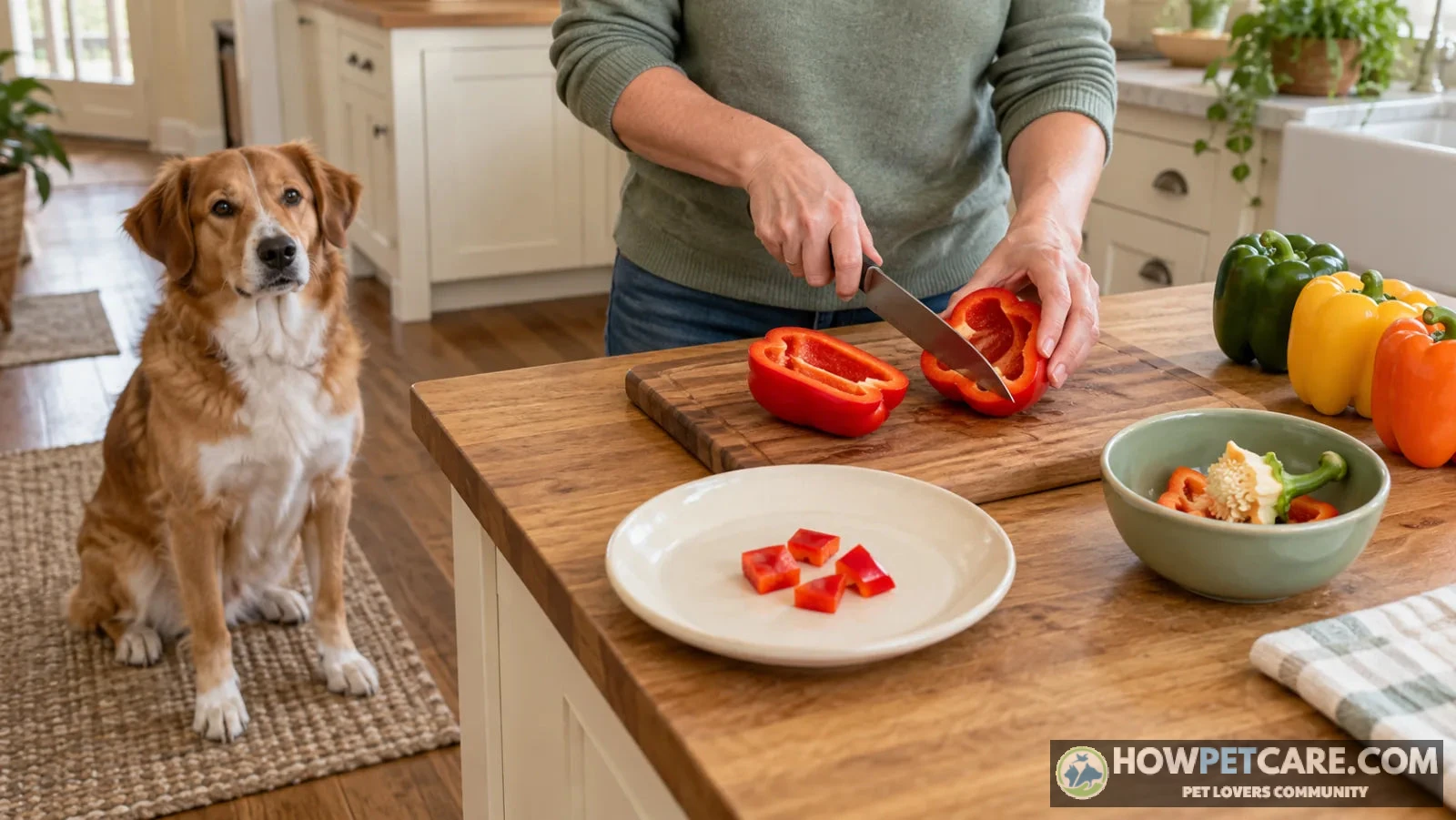

Yes, dogs can safely eat plain bell peppers of all colors. Rich in vitamins A and C, bell peppers make hydrating, low-calorie treats when served raw or cooked. Always remove the woody stem, core, and seeds, and serve them completely unseasoned without butter, oil, onions, or garlic.
Yes, can dogs eat bell peppers safely? Yes, dogs can eat raw and cooked bell peppers of all colors in controlled portions. Plain bell peppers serve as non-toxic, hydrating snacks packed with vitamins and dietary fiber. They contain negligible capsaicin, unlike hot peppers such as jalapeños, cayenne, or chilis, which trigger severe mouth pain and stomach upset in canines.
Botanically, bell peppers belong to the nightshade (Solanaceae) family, but ripe pepper flesh is safe for dogs when prepared properly. Similar questions arise with other nightshades, such as whether can dogs have tomatoes without risking toxicity from green stems or unripened vines. The core safety rules are straightforward: introduce them gradually, ensure treats never exceed 10% of your dog’s daily calorie intake (with at least 90% coming from complete, balanced dog food), and never offer peppers prepared with toxic alliums like onion and garlic, excess salt, butter, oils, or heavy seasonings. Bell peppers are an optional snack rather than a dietary necessity. While humans must consume food sources of ascorbic acid, dogs synthesize their own vitamin C in the liver. Sweet peppers provide an antioxidant boost, but your dog does not need them to prevent a deficiency.
Are Green Bell Peppers Toxic to Dogs?
Green bell peppers are not toxic to dogs. A green pepper is simply an unripe bell pepper picked before turning yellow, orange, or red. Because growers harvest it earlier in the ripening cycle, green pepper flesh contains less natural sugar and beta-carotene, giving it a firmer bite and a slightly bitter edge.
While green bell peppers are safe, their dense plant fiber can test a dog’s digestive system. Raw or oversized portions of green pepper are slightly more likely to trigger gas, stomach rumbling, or loose stool. Finely dicing or lightly steaming them makes them much easier to break down.
Bell Peppers vs. Spicy Peppers
Always distinguish sweet bell peppers from hot chili peppers. Bell peppers rate at zero Scoville Heat Units (SHU) because a recessive gene prevents them from accumulating capsaicin. In contrast, hot nightshades like jalapeños, habaneros, serranos, and cayenne peppers are loaded with it.
Capsaicin burns canine tongues, gums, throats, and stomach linings. A dog that swallows even a sliver of a hot pepper can experience acute distress: heavy drooling, face pawing, lip licking, vomiting, sharp stomach cramps, and watery diarrhea. Never feed your dog any pepper variety other than sweet bell peppers or mild sweet mini peppers. Keep raw bell peppers away from cutting boards that hold hot chili oils.

Can Dogs Eat Raw or Cooked Bell Peppers?
Dogs can eat both raw and cooked bell peppers safely. Make sure the vegetable is plain, thoroughly washed, and cut into pieces suited to your dog’s size. Each preparation method offers advantages depending on chewing habits, teeth, and digestive tolerance.
Raw bell peppers deliver satisfying crunch and moisture, making them an appealing, low-calorie reward for dogs that chew deliberately. Plant cell walls contain tough cellulose that canine digestive enzymes cannot easily break down. When dogs gulp down large raw chunks, those pieces often pass through the gut intact, providing little nutrition while potentially triggering stomach cramps.
Cooking softens these fibrous plant walls, making the vegetable easier to chew and much gentler on digestion. Lightly steaming, boiling, or baking plain bell peppers works best for puppies, senior dogs, toy breeds, or pets prone to sensitive stomachs. If you bake plain stuffed bell pepper treats formulated for dogs, veterinary nutrition guidelines suggest baking at 350°F (approximately 175°C) for around 20 minutes without added oils.

Never feed bell peppers that have been cooked alongside human meals. Peppers sautéed in olive oil, butter, bacon grease, or seasoned with black pepper, onion powder, or garlic powder present severe medical risks, including pancreatitis and red blood cell damage.
How to Prepare Bell Peppers for Dogs
Keep preparation plain and simple. Buy fresh produce that feels firm to the touch with tight, smooth skin. Wash the outside thoroughly under cold running water to remove pesticide residues, dirt, and surface bacteria.
When preparing raw peppers, dice the flesh into pea-sized bits for small dogs or bite-sized cubes for medium and large dogs. If your dog gulps food without chewing, skip long strips. Raw strips can lodge in the throat and pose an immediate choking risk. If your dog has never tasted bell pepper before, offer one tiny piece. Wait 24 to 48 hours to check their stool and verify they tolerate the new treat.
Safe Raw and Cooked Methods
To keep bell peppers safe and digestible, use these canine-friendly preparation methods:
- Raw Crunchy Bites: Finely diced raw pepper served as a standalone low-calorie training reward or mixed into a standard meal.
- Steamed Mash: Steamed plain in water for 5 to 7 minutes until fork-tender, cooled completely, and mashed lightly as a bowl topper.
- Frozen Hydration Cubes: Pureed raw or steamed bell pepper blended with plain water or unseasoned bone broth, frozen in silicone molds for hot days.
- Brocade Stuffing: Pureed steamed bell pepper mixed with plain pumpkin or a veterinarian-approved wet food, smeared inside a KONG Classic Dog Toy, and served chilled.

Seeds, Stems, Core, and Skin: What to Remove
Prepping a bell pepper for a dog demands tighter trimming than everyday cooking requires. People may roast whole peppers, but feeding stems, cores, or piles of seeds to dogs creates unnecessary physical and digestive hazards.
-
Identify and Isolate
Confirm you are working with a sweet bell pepper and clean your prep station to prevent any cross-contamination from spicy peppers, onions, or garlic.
-
Wash Thoroughly
Rinse the fresh pepper under cool running water, rubbing the skin firmly to eliminate dirt, wax, or chemical agricultural sprays.
-
Core and De-Stem
Slice cleanly around the cap, extracting and throwing away the fibrous green stem and the tough, pale central core.
-
Remove Seeds
Tap the pepper halves firmly over a trash bin and scrape out the seed clusters. While non-toxic, loose seeds irritate canine digestion.
-
Slice and Tailor Texture
Dice the clean flesh into pea-size morsels for small breeds or bite-size chunks for larger dogs. Peel or steam if your dog has a sensitive gut.
Can Dogs Eat Bell Pepper Seeds and Stems?
Dogs should never eat bell pepper stems or cores. The green stem is woody, fibrous, completely indigestible, and presents an immediate choking hazard, particularly for small breeds. If swallowed whole, a woody stem or tough core piece can lodge in the esophagus or cause an obstruction in the stomach or small intestine.
Bell pepper seeds are non-toxic, so do not panic if your dog licks up two or three stray seeds from the floor. You should still avoid feeding pepper seeds on purpose. Dense seed coats irritate the stomach and intestinal lining, which often leads to mild vomiting, loose stools, or gas. Scrape out the pale inner pith and seed clusters before chopping.

Does Bell Pepper Skin Need to Be Peeled?
Healthy adult dogs with sturdy digestion do not need their peppers peeled. The thin outer skin is safe and holds valuable nutrients. Even so, pepper skin carries insoluble fiber and can prove difficult to chew.
Veterinary authorities suggest different preparations based on your dog’s tolerance. Some recommend raw pepper slices as a crisp snack, while American Kennel Club (AKC) clinicians note that the skin can challenge sensitive stomachs, advising owners to steam or puree the pepper instead. If you have a toy breed, an older dog missing teeth, or a pet prone to colitis, run a standard peeler down the outer skin before serving, or steam the pieces until tender.
How Much Bell Pepper Can a Dog Eat by Weight?
Moderation protects canine digestion. Even non-toxic, nutrient-dense vegetables cause problems when dogs overeat them. Under standard veterinary nutrition guidelines, complete and balanced dog food must supply at least 90% of your pet’s daily calories. Treats and supplemental foods should make up no more than 10% combined. A medium red bell pepper has about 40 calories, so caloric excess is rarely the problem. High doses of plant fiber, however, can overwhelm your dog’s colon. Pet owners looking for similarly light, crunchy alternatives often ask can dogs eat cucumbers as another hydrating, low-calorie treat.
Feeding guidelines from leading pet wellness sources stay cautious. The American Kennel Club suggests less than one-quarter of a pepper for small dogs and less than one-half for large dogs. Chewy recommends a few small diced pieces for small dogs and up to one-half of a small pepper for large dogs. To avoid guesswork, use the weight-tiered chart below for concrete portion limits.
Five Weight-Tier Serving Chart
| Dog weight (lb/kg) | First serving | Suggested maximum serving | Tablespoons | Approximate medium-pepper fraction | Feeding notes |
|---|---|---|---|---|---|
| Under 10 lb (under 4.5 kg) | 1–2 g | 5 g | About 1/2 tbsp | About 1/24 pepper; roughly 1/2 thin strip | Dice into pea-size pieces. |
| 10–25 lb (4.5–11.3 kg) | 3–5 g | 10 g | About 1 tbsp | About 1/12 pepper; roughly 1 thin strip | Start cooked if the dog is fiber-sensitive. |
| 26–55 lb (11.8–24.9 kg) | 5–10 g | 20 g | About 2 tbsp | About 1/6 pepper; roughly 2 thin strips | Divide into several bite-size pieces. |
| 56–80 lb (25.4–36.3 kg) | 8–15 g | 30 g | About 3 tbsp | About 1/4 pepper; roughly 3 thin strips | Do not give as one large chunk. |
| Over 80 lb (over 36.3 kg) | 10–20 g | 40 g | About 4 tbsp (1/4 cup) | About 1/3 pepper; roughly 4 thin strips | Use the lower amount for dogs that gulp food. |
Measurement assumptions: 1 tablespoon of chopped bell pepper weighs about 9–10 g; one medium pepper provides about 120 g of edible flesh; and a pepper cut into 12 lengthwise strips yields strips of roughly 10 g each. Actual sizes vary, so use grams when precision matters.
These numbers reflect conservative upper limits rather than daily nutritional goals. Bell peppers alongside all other treats must stay within 10% of total daily calories. Stricter limits apply if your veterinarian prescribes a therapeutic or calorie-controlled diet. Cut back or stop feeding peppers if your dog shows signs of gas, loose stool, vomiting, or abdominal pain.


Starting Portion vs. Maximum Serving
Do not jump straight to the maximum serving listed on the chart. Every dog’s gut responds differently. A food that one dog tolerates easily can give another dog of the same weight loose stools or gas.
Start with the "First Serving" amount—one pea-sized morsel for tiny dogs or a single small cube for larger breeds—and monitor them for 24 to 48 hours. If stools remain firm and your dog shows no signs of belly discomfort, you can slowly work up toward the suggested maximum over several feedings. Keep bell peppers an occasional treat, offering them two or three times a week rather than at every meal.
Signs the Portion Was Too Large
Feeding too much bell pepper overloads the digestive system with water and insoluble fiber. Watch for these common signs of an oversized portion:
- Audible stomach gurgling (borborygmi) and frequent gas.
- Soft, loose stools or watery diarrhea showing flecks of undigested pepper skin.
- Abdominal tightness or an arched back from gas cramping.
- Regurgitation or vomiting shortly after eating.
If your dog shows these symptoms, pause all treats, provide clean drinking water, and feed a bland, veterinarian-recommended diet until digestion settles.
Red vs. Green, Yellow, and Orange: Which Bell Pepper Is Best for Dogs?
Every sweet bell pepper variety belongs to the same species (Capsicum annuum). Color differences reflect how long the pepper ripened on the vine and its cultivar genetics. As a pepper matures, chlorophyll breaks down, and carotenoids, natural sugars, and antioxidants build up.
Nutrient concentration climbs as peppers ripen. All colors are safe for canine snacking, but their nutritional values, sweetness, and textures vary.

Color-by-Color Nutrition Matrix
| Bell pepper color | Calories | Total sugar | Potassium | Vitamin C | Vitamin A | Beta-carotene | Best-use note |
|---|---|---|---|---|---|---|---|
| Red, raw | 31 kcal | 4.2 g | 211 mg | 127.7 mg | 157 mcg RAE | 1,624 mcg | Strong overall nutrient density, especially vitamin A activity and beta-carotene. |
| Green, raw | 20 kcal | 2.4 g | 175 mg | 80.4 mg | 18 mcg RAE | 208 mcg | Less ripe, slightly lower in sugar, and often more bitter. |
| Yellow, raw | 27 kcal | Not consistently reported in the same dataset | 212 mg | 183.5 mg | 10 mcg RAE | 120 mcg | Particularly high reported vitamin C, but not the leader in vitamin A activity. |
| Orange, raw | No directly comparable value available | No directly comparable value available | No directly comparable value available | No directly comparable value available | No directly comparable value available | No directly comparable value available | Safe when plain, but do not infer its values from red or yellow peppers. |
Values are representative USDA FoodData Central figures for raw sweet peppers, rounded for readability. The orange row is intentionally not estimated because a directly comparable color-specific entry is not consistently available alongside the other entries. Cultivar, ripeness, storage, and database updates can change the numbers. For dogs, these differences are less important than serving size, plain preparation, and digestive tolerance; bell peppers are optional treats, not vitamin supplements or disease treatments.
Why Red Bell Peppers Often Rank Best Overall
Veterinarians and animal nutritionists generally point to red bell peppers as the top pick for dogs. Red peppers sit on the vine the longest, developing high levels of phytonutrients like beta-carotene, lutein, vitamin A, and vitamin C. In fact, red peppers pack over seven times more beta-carotene and roughly nine times more vitamin A activity than green peppers. If you are comparing beta-carotene rich vegetables, learning how can dogs eat carrots safely offers another simple way to boost antioxidant intake.
Dogs convert beta-carotene into vitamin A, which supports cell health, coat quality, night vision, and immune function. Red peppers also provide lycopene, an antioxidant carotenoid that neutralizes free radicals. Their sweeter taste makes them much more appealing to picky dogs than the bitter flesh of early-picked green peppers.
If your dog turns their nose up at raw green bell pepper, try offering a small piece of steamed red bell pepper. The higher natural sugar content and softened texture make red peppers much more appetizing to canine palates.
Bell Peppers for Dogs With Diabetes, Kidney Disease, Pancreatitis, or Digestive Problems
While healthy dogs digest moderate portions of bell pepper without trouble, sharing human produce with dogs managing chronic conditions takes extra caution. A treat that suits an active, healthy dog can disrupt a medical diet or strain weakened organs.
Can Dogs With Pre-Existing Conditions Eat Bell Peppers?
| Condition | Primary concern | Potential suitability | Preparation or portion adjustment | When veterinary approval is required |
|---|---|---|---|---|
| Diabetes mellitus | Natural sugar, calories, and disruption of a timed meal plan | Possibly suitable as a measured treat | Weigh the portion; use no sauce or oil; count it with all treats and prescribed food | Before the first serving, especially when insulin dosing or meals are tightly scheduled |
| Chronic kidney disease (CKD) | Potassium and interference with a formulated renal diet | Depends on the dog’s laboratory results and diet stage | Do not assume a vegetable is renal-safe; use only the veterinarian-approved amount | Always before adding bell pepper to a renal diet |
| Calcium oxalate or other urinary stones | Mineral targets and urine-management goals vary by stone type | Cannot be determined from the stone history alone | Avoid routine feeding until the treating veterinarian confirms an appropriate produce list | Always when stones are current, recurrent, or managed with a prescription diet |
| Pancreatitis history | Added fat and rich table-food combinations | Plain bell pepper may fit because it is naturally low in fat | Steam or serve raw without oil, butter, cheese, meat drippings, or dip; begin with a very small piece | Before feeding during recovery, after a recent flare, or when a therapeutic low-fat diet is prescribed |
| IBD, colitis, or fiber-sensitive digestion | Skin and fiber may worsen gas, diarrhea, or abdominal discomfort | Sometimes tolerated in a tiny cooked portion | Peel, steam until soft, and begin below the chart’s first-serving amount; stop if symptoms recur | Before use during an active flare or with a clinical gastrointestinal diet |
| Prescription or elimination diet | A new ingredient can invalidate the diet trial or alter nutrient control | Not suitable unless specifically authorized | Add nothing—not even a non-toxic vegetable—without approval | Always for the duration of the diet or food trial |
Quick decision rule: If bell pepper would be a new ingredient and the dog has any condition in this table, treat veterinary approval as the first step rather than using the general weight chart.
Diabetes and Natural Sugar
Dogs with diabetes mellitus rely on strict calorie limits and dependable carbohydrate levels to match their daily insulin routine. Bell peppers rank low on the glycemic scale compared to fruits, but red bell peppers still hold over 4 grams of natural sugar per 100 grams. Pet parents managing diabetic diets often also research whether can dogs eat sweet potatoes, which carry a much higher starch and glycemic load.
Feeding unmeasured helpings between regular meals can cause blood sugar swings. If your veterinarian approves bell peppers for your diabetic dog, weigh servings on a gram scale and offer them only at scheduled feeding times. You might also choose green bell peppers, which contain less natural sugar than red or yellow varieties.
Kidney Disease, Potassium, and Urinary Stones
Canine chronic kidney disease (CKD) requires careful management of dietary electrolytes, including phosphorus, sodium, and potassium. Raw bell peppers provide 170 to 210 mg of potassium per 100 g. As kidney disease advances, damaged kidneys fail to excrete excess potassium efficiently, creating a risk of hyperkalemia that can disrupt normal heart rhythms.
If your dog forms bladder stones (such as calcium oxalate, struvite, or urate), extra foods can shift urinary pH and mineral levels away from your therapeutic targets. Never slip bell peppers to a dog on a renal or stone-prevention diet without checking with your veterinarian first.
Pancreatitis and Fiber-Sensitive Conditions
Pancreatitis is a painful, dangerous condition sparked mainly by dietary fat. Plain, fresh, or steamed bell pepper is naturally lean, containing under 0.3 grams of fat per 100 grams, so it does not trigger pancreatic enzymes on its own.
Trouble starts with table scraps—such as restaurant fajita peppers, roasted peppers tossed in olive oil, or slices cooked in butter. Even trace cooking fat can trigger an acute pancreatitis episode. Dogs with inflammatory bowel disease (IBD) or chronic colitis can also react poorly to tough skin fibers, resulting in loose stools, mucus, and painful gut spasms. For these pets, peel and cook peppers thoroughly or skip them completely.
Fresh, Frozen, Canned, Jarred, or Dehydrated: Which Forms Are Safe?
Smart shopping requires checking labels carefully. While fresh produce remains the safest choice, pet owners often wonder about packaged options sitting in their freezers or pantries.
Best Store-Bought Options
- Fresh Bell Peppers: The safest option. You control the trimming, washing, and exact portion size.
- Plain Frozen Bell Peppers: A convenient, budget-friendly pick. Processors flash-freeze them quickly to retain nutrients. Verify the label lists only bell peppers, with no salt, oils, or seasoning blends. Thaw and chop finely before serving.
- Plain Dehydrated or Freeze-Dried Peppers: Acceptable in strictly tiny amounts. Removing water concentrates the sugars, fiber, and calories per gram. Cut the feeding portion by roughly 75% compared to fresh produce to avoid accidental digestive upset.
Label Ingredients That Mean Do Not Feed
Processed pepper items frequently carry ingredients that can sicken your dog. Read every label and avoid:
- Canned Bell Peppers: Manufacturers often pack canned peppers in heavy sodium brine that burdens canine kidneys, or add citric acid that irritates gut linings.
- Jarred Roasted Red Peppers: These jars almost always contain olive oil, sunflower oil, vinegar, and garlic. Garlic damages canine red blood cells and causes hemolytic anemia. The heavy oil content can also spark pancreatitis.
- Frozen Fajita or Stir-Fry Mixes: These bags commonly combine sliced peppers with onions, seasoned marinades, or hot chilis. Onions and garlic poison dogs in every form (raw, cooked, dehydrated, or powdered), making the whole bag unsafe.
Phrases like ‘All Natural’, ‘Fire Roasted’, or ‘Simple Ingredients’ on jarred or canned peppers do not mean dog-safe. Turn the container around: if you spot salt, vinegar, garlic, or oil on the nutrition label, do not feed it to your dog.

Accidental Ingestion: Spicy Peppers, Onion, Garlic, and Seasoned Scraps
Dogs grab dropped food fast. A pet might swallow a hot pepper dropped on the floor, steal seasoned fajita strips off a low counter, or get into scraps cooked with onion and garlic. When that happens, take quick, systematic steps.
Accidental Pepper Ingestion Triage Checklist
- ☐ Stop access: Remove the pepper, dish, scraps, and packaging so the dog cannot eat more.
- ☐ Identify the exposure: Determine whether it was a sweet bell pepper, hot pepper, chili oil, seasoned food, or a product containing onion, garlic, onion powder, or garlic powder.
- ☐ Record the facts: Note the dog’s weight, estimated amount eaten, time of ingestion, and current symptoms. Photograph the ingredient label, recipe, leftovers, or pepper when identification is uncertain.
- ☐ For mouth or skin contact with hot pepper: Offer fresh water. Wearing gloves, gently rinse residue from the mouth area, paws, or fur with lukewarm water. Keep residue and rinse water away from the eyes.
- ☐ Do not improvise treatment: Do not induce vomiting or give milk, oil, antacids, dairy products, or human medication unless a veterinarian or animal poison service directs you to do so.
- ☐ Call promptly for any allium exposure: Contact a veterinarian or animal poison service when onion, garlic, onion powder, or garlic powder may have been eaten, even if the dog currently looks normal; red-blood-cell injury can produce delayed signs.
- ☐ Observe a mild hot-pepper exposure closely: Monitor for drooling, lip licking, pawing at the mouth, unusual thirst, vomiting, or diarrhea. Call the veterinarian if signs persist, recur, or worsen.
- ☐ Seek urgent veterinary care now: Go immediately for breathing difficulty, collapse, repeated vomiting, severe abdominal pain, marked lethargy, pale gums, tremors, weakness, or eye pain that does not improve after gentle rinsing.
When calling your clinic or an animal poison hotline, stick to these facts: “My dog weighs [weight] and ate approximately [amount] of [pepper or dish] at [time]. The ingredients include [ingredients]. Current symptoms are [symptoms]. I have/have not tried any home treatment.”
Immediate Capsaicin First Aid
If your dog grabs a hot pepper (like a serrano, habanero, or jalapeño) or licks spicy oil, capsaicin binds directly to oral and digestive pain receptors. Help ease their discomfort right away:

- Flush the Mouth: Offer cool, fresh water. Never force liquid down your dog’s throat, which risks fluid entering the lungs. If your pet allows it, wipe their lips and gums with a damp, cool cloth to pull away lingering oils.
- Avoid Dairy Remonstrations: Humans reach for milk to fight chili heat, but dogs tolerate lactose poorly. Pouring milk, cream, or yogurt into an irritated canine stomach frequently adds vomiting and diarrhea on top of capsaicin burns.
- Clean the Paws and Face: Dogs often paw at a burning mouth, spreading hot oils into their eyes. Wash their paws and muzzle with mild dog shampoo or gentle dish soap and water to break up the oils.
When Onion or Garlic Makes It an Emergency
If your dog ate peppers cooked with onions, shallots, leeks, or garlic, the problem goes beyond simple indigestion. Alliums contain organosulfoxides, which canine metabolisms break down into destructive oxidants. These compounds rupture red blood cell walls in circulation, leading to Heinz body hemolytic anemia.
Allium poisoning develops quietly; dogs rarely show severe signs immediately. While vomiting and diarrhea may appear early, critical symptoms like lethargy, pale gums, dark red-brown urine, and rapid breathing often take 24 to 72 hours to surface. Contact your veterinarian promptly if your dog ate seasoned scraps containing alliums.
Symptoms That Require Urgent Veterinary Care
Watch your pet closely after any kitchen mishap. Seek emergency veterinary care immediately if you notice:
- Pale, white, or yellow-tinged gums.
- Uncontrolled vomiting or dry heaving without holding water down.
- Sudden weakness, staggering, collapse, or loss of responsiveness.
- Swelling around the face, lips, or throat, or labored breathing.
- Black, tarry stools (melena) or fresh blood in vomit or diarrhea.
- Obvious abdominal pain, including a tucked abdomen, whimpering, or growling when touched.
Your Bell Pepper Feeding Checklist
Before dropping a piece of pepper into your dog’s bowl, run through this five-point kitchen safety check:
- Variety Confirmed: Is it a 100% sweet bell pepper (or sweet mini pepper), completely free from spicy varieties or chili contamination?
- Properly Prepped: Have you discarded the woody green stem, the hard core, and scraped out all seed clusters?
- Completely Plain: Is the pepper completely free of cooking oils, butter, salt, salad dressings, dips, onions, and garlic powder?
- Sized for Safety: Is the piece cut into small, bite-sized dice or thin strips suitable for your dog’s weight to prevent choking hazards?
- Portion Checked: Does the serving match your dog’s weight tier and remain well within their 10% daily treat calorie allowance?

| Dog Weight Class | First Serving (g) | Suggested Maximum Serving (g) | Portion in Tablespoons | Approximate Medium-Pepper Fraction | Feeding Notes |
|---|---|---|---|---|---|
| Under 10 lb (under 4.5 kg) | 1–2 g | 5 g | About 1/2 tbsp | About 1/24 pepper; roughly 1/2 thin strip | Dice into pea-size pieces. |
| 10–25 lb (4.5–11.3 kg) | 3–5 g | 10 g | About 1 tbsp | About 1/12 pepper; roughly 1 thin strip | Start cooked if the dog is fiber-sensitive. |
| 26–55 lb (11.8–24.9 kg) | 5–10 g | 20 g | About 2 tbsp | About 1/6 pepper; roughly 2 thin strips | Divide into several bite-size pieces. |
| 56–80 lb (25.4–36.3 kg) | 8–15 g | 30 g | About 3 tbsp | About 1/4 pepper; roughly 3 thin strips | Do not give as one large chunk. |
| Over 80 lb (over 36.3 kg) | 10–20 g | 40 g | About 4 tbsp (1/4 cup) | About 1/3 pepper; roughly 4 thin strips | Use the lower amount for dogs that gulp food. |
FAQ
Can puppies eat bell peppers?
Yes, weaned puppies can have a tiny piece of plain, finely diced bell pepper, but treats should not replace growth-formulated puppy food. Introduce it slowly because a puppy’s digestive system may be sensitive to extra fiber.
Can dogs eat bell peppers every day?
A healthy dog may tolerate a small portion regularly, but bell pepper does not need to be fed daily. Keep it and all other treats within 10% of daily calories and rotate treats only if doing so does not disrupt a balanced diet.
Can dogs be allergic to bell peppers?
Food allergy to bell pepper appears uncommon, but any food can cause an individual reaction. Stop feeding it and seek veterinary advice for hives, facial swelling, intense itching, repeated vomiting, or breathing difficulty.
Can dogs eat mini sweet peppers?
Yes, plain mini sweet peppers are generally safe and follow the same preparation and portion rules as full-size bell peppers. Confirm they are sweet peppers, remove the stem and seeds, and do not confuse them with similarly shaped hot chilies.