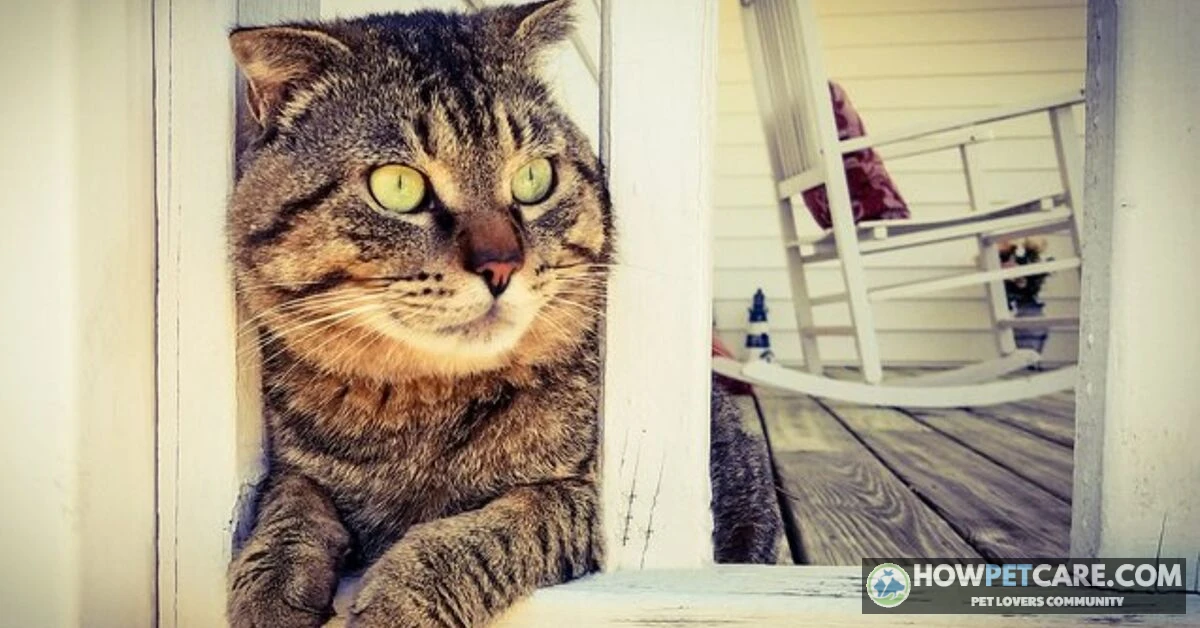

Ten fact-checked facts about cats:
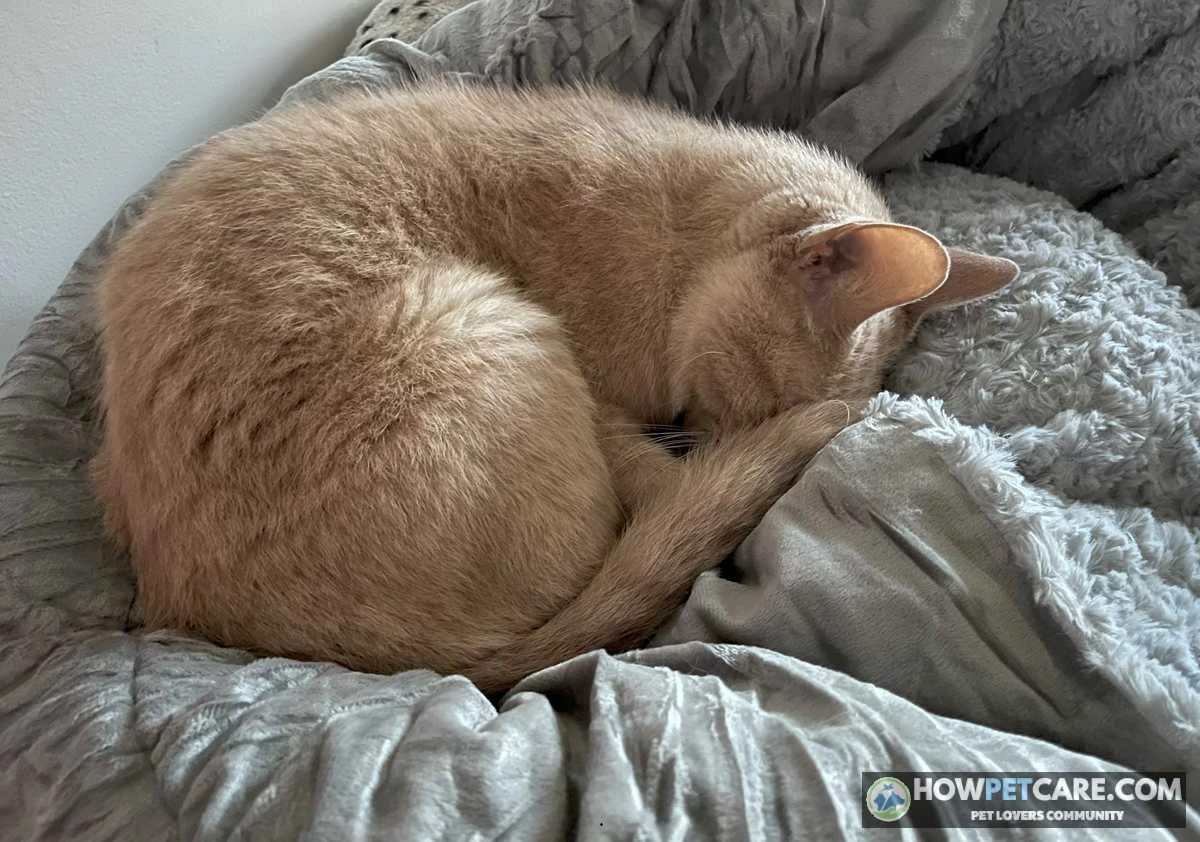
- Cats sleep 12–16 hours a day; kittens and seniors often sleep more.
- Adult cats meow mostly at humans, not at each other.
- Cats can’t taste sweet — they lack a working Tas1r2 receptor gene.
- House cats sprint at about 30 mph in short bursts.
- Cats hear up to 64–85 kHz, far beyond the human 20 kHz limit.
- Purring isn’t always happiness — cats also purr when stressed or unwell.
- The oldest verified cat, Creme Puff, lived 38 years and 3 days (Guinness).
10 Facts About Cats at a Glance, Tagged for Kids, Students, and Owners
Below is the complete list of 10 facts about cats, each with a one-line answer and an audience tag. Kid-safe facts are simple and low-risk; facts with health implications carry the Owners tag. Every fact lists a named source type (peer-reviewed study, veterinary body, Guinness World Records). The three disputed figures — domestication date, hearing limit, top speed — are resolved in the fact-check section below.
| Fact | Short version | Best for (Kids / Students / Owners) | Care takeaway |
|---|---|---|---|
| 1. Cats sleep 12–16 hours a day | Adult cats spend 12–16 hours sleeping; kittens and seniors often more. | Kids, Students, Owners | Sudden change in sleep or activity warrants a vet check. |
| 2. Adult cats meow mostly at humans | Meowing is a cat-to-human signal developed from kitten-to-mother calls. | Kids, Students, Owners | — |
| 3. Cats can’t taste sweet | Cats lack a functional sweet-taste receptor gene (Tas1r2). | Kids, Students, Owners | Cats are drawn to protein and fat, not sugar. |
| 4. A house cat’s sprint speed | Domestic cats sprint at roughly 29–30 mph in short bursts. | Kids, Students, Owners | — |
| 5. Cats in ancient Egypt | Cats were associated with the goddess Bastet, protected by law, and mummified in large numbers. | Kids, Students | — |
| 6. Cats hear ultrasonic sound | Cats hear frequencies up to 64–85 kHz, far beyond human range. | Students, Owners | — |
| 7. Cats sweat through paw pads | Cats have sweat glands only on paw pads; they cool mainly by grooming and behavior. | Owners | Provide shade, water, cool rooms; open-mouth panting means call a vet. |
| 8. Night vision and whiskers | Cats see well in low light (tapetum, large pupils) but not total darkness; whiskers sense air movement. | Kids, Students, Owners | Never trim whiskers. |
| 9. Purring doesn’t always mean happy | Cats purr when content, but also when stressed, injured, or unwell. | Owners | Read body language; sudden purring changes with lethargy or appetite loss need a vet. |
| 10. Verified records: Creme Puff to Félicette | Oldest cat: Creme Puff, 38 years 3 days (Guinness). First cat in space: Félicette, 1963, returned alive. | Kids, Students, Owners | Typical indoor lifespan 12–18 years; keep records current. |
Which facts are safe to share with kids and which need an owner’s context
Facts 1, 2, 3, 4, 5, 8, and 10 are safe for kids and students — simple, non-graphic, and curiosity-sparking. Facts 6, 7, 8, and 9 carry care or context implications — hearing-related caution, heat risk, whisker handling, and hidden pain — and are tagged for Owners so adults can act on them.
Facts 1–5: How Long Cats Sleep, Why They Meow at Us, and What They Can’t Taste
Fact 1: Cats sleep 12–16 hours a day
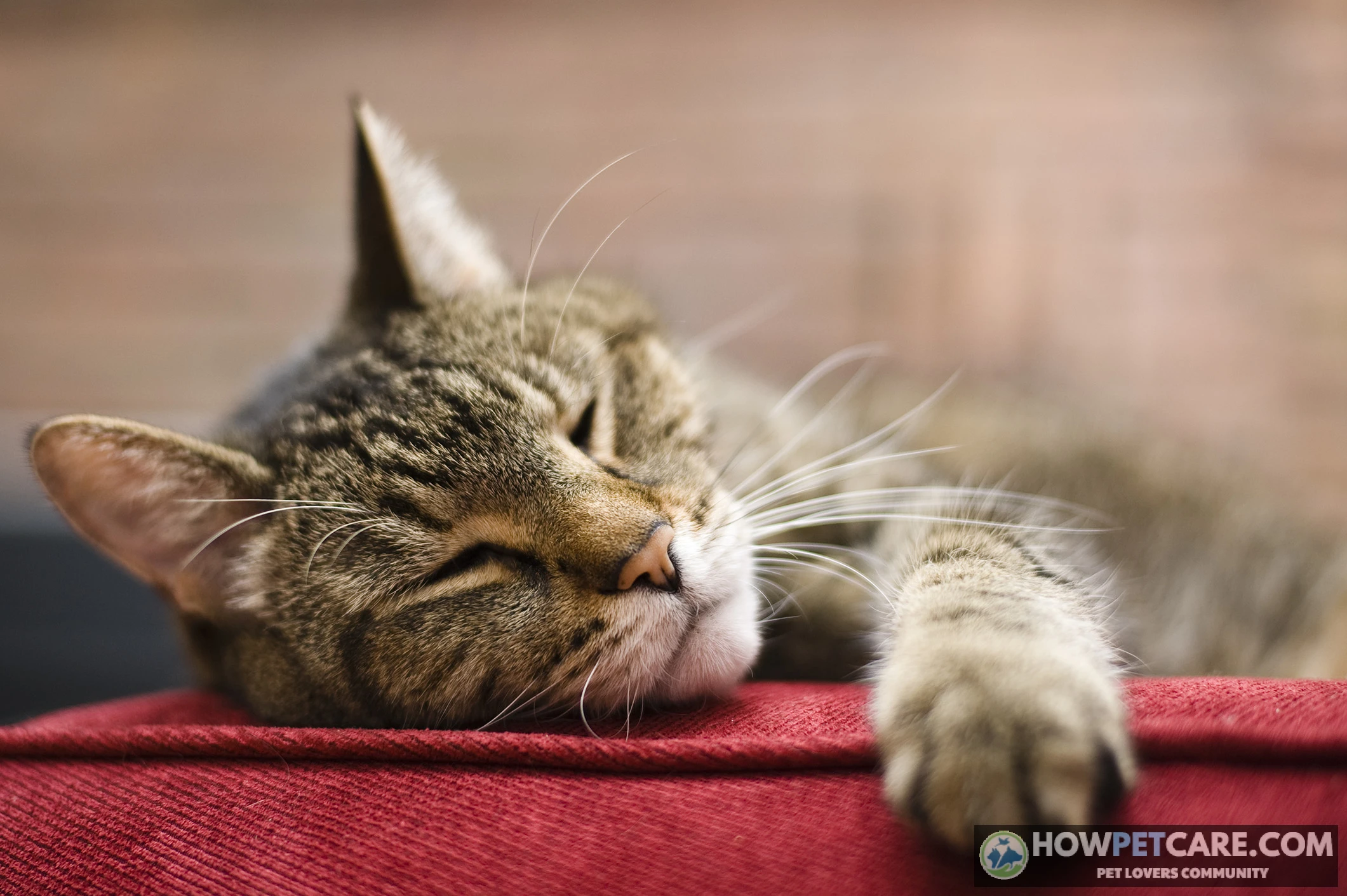
Adult cats typically sleep 12–16 hours a day, with kittens and seniors often logging more [#N]. Cats are crepuscular: they doze lightly for long stretches and drop into deep sleep in shorter cycles. A sudden increase or decrease in sleep, or a shift in activity patterns, can signal illness — worth mentioning to a veterinarian.
Fact 2: Adult cats meow mostly at humans
Adult cats rarely meow at each other. Meowing is largely a cat-to-human signal that grew out of kitten-to-mother calls. Cats also communicate with trills, chirps, tail positions, and ear movements. Learning those cues helps owners respond to their cat’s needs.
Fact 3: Cats can’t taste sweet
Cats lack a functional sweet-taste receptor gene (Tas1r2), so they can’t taste sweetness [#N]. That fits their obligate-carnivore biology — they’re drawn to protein and fat, not sugar. Skip the sweet treats: they hold no appeal and may cause digestive upset.
Fact 4: A house cat’s sprint speed
Domestic cats sprint at roughly 29–30 mph in short bursts. The 29 versus 31 mph discrepancy is resolved in the fact-check section below. For comparison, a cheetah hits 60–70 mph, while the fastest human sprinter reaches about 27 mph.
Fact 5: What cats meant in ancient Egypt
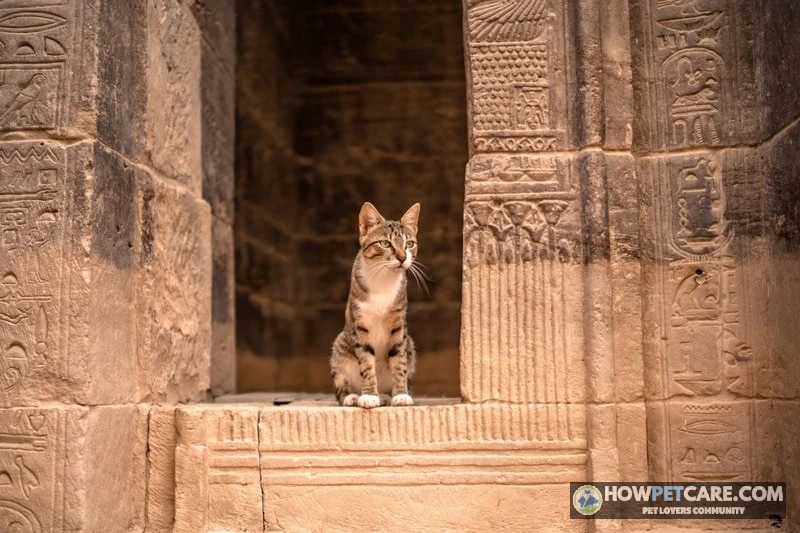
In ancient Egypt, cats were associated with the goddess Bastet, protected by law according to ancient writers, and mummified in large numbers as religious offerings. Archaeological evidence from Hierakonpolis shows cats buried alongside humans, pointing to a close relationship. Kid-friendly version: Egyptians loved cats so much they treated them like royalty — and even made cat mummies.
Facts 6–10: Hearing, Paw-Pad Sweat, Night Vision, Purring, and Verified Records
Fact 6: Cats hear ultrasonic sound
Cats hear frequencies from about 48 Hz up to 64–85 kHz, far beyond the human upper limit of 20 kHz. That ultrasonic sensitivity helps them pick up rodent vocalizations. The exact ceiling varies by study; the fact-check section reconciles the 64 kHz versus 85 kHz figures.
Fact 7: Cats sweat through their paw pads, and why summer care matters
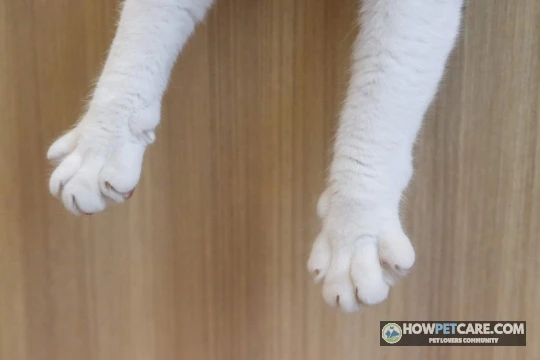
Cats don’t sweat through their skin. Their sweat glands sit only on the paw pads, and they cool mainly by grooming and behavioral adaptations. In hot weather, provide shade, fresh water, and cool rooms. Open-mouth panting isn’t normal for a cat — treat it as an emergency and call a vet immediately.
Fact 8: Night vision and whiskers
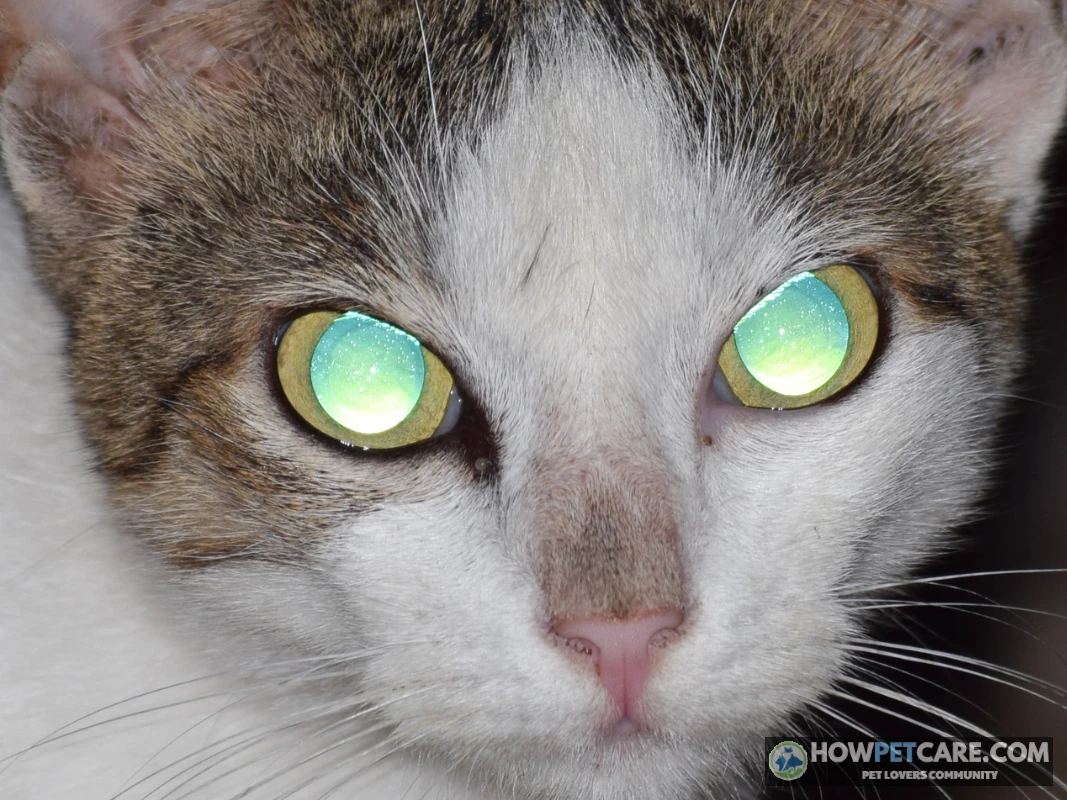
Veterinary references describe cats as seeing well in low light thanks to a reflective tapetum and large pupils, though not in total darkness. Their whiskers (vibrissae) sense air currents and nearby objects, aiding navigation. Never trim a cat’s whiskers — doing so impairs their spatial awareness.
Fact 9: Purring doesn’t always mean happy
Cats purr at 25–150 Hz, a range that overlaps with frequencies studied for tissue regeneration. They also purr when stressed, injured, or unwell. Claims that purring heals bones aren’t established veterinary fact. Watch for sudden onset, frequency changes, or accompanying signs such as lethargy or appetite loss — these warrant a vet visit.
Fact 10: Verified records, from Creme Puff to Félicette
Guinness World Records recognizes Creme Puff as the oldest cat ever at 38 years and 3 days [#N]. The first cat launched into space was Félicette, sent by France in 1963; she returned alive. Typical indoor domestic cats live 12–18 years, while outdoor cats tend to have shorter lifespans. Current pet-cat population figures (for example, the 2023 APPA survey puts cat ownership at ~46.5 million U.S. households) replace outdated 2015-era statistics.
Cat Fact Fact-Check: Why Sources Disagree on Domestication Date, Hearing Limit, and Top Speed
Domestication: ~7500 BC versus ~3600 BC
The ~7500 BC date comes from a cat burial beside a human grave at Shillourokambos, Cyprus, suggesting early taming. The ~3600 BC date reflects stronger evidence of a settled cat-human relationship in Egypt, including the Hierakonpolis burials. Genetic studies indicate cats likely self-domesticated around farming settlements earlier, with the relationship becoming archaeologically visible in Egypt later. These figures measure different events: early commensalism versus an established domestic bond.
Hearing: 64 kHz versus 85 kHz
The 64 kHz figure appears widely in comparative-hearing summaries; 85 kHz shows up in some reports using different thresholds, methods, or definitions of the audible limit. Best-supported reading: say cats hear far into ultrasound and give a range rather than a single ceiling.
Top speed: 29 mph versus 31 mph
Both numbers are estimates from short domestic-cat sprints, not lab-certified records. Best-supported reading: write “about 30 mph in short bursts” and don’t present either number as a Guinness-style record.
Contested figure 1 — domestication: ~7500 BC points to a cat buried near a human grave at Shillourokambos, Cyprus; ~3600 BC fits stronger evidence of a settled cat-human relationship in Egypt, including Hierakonpolis burials. Best-supported reading: cats were likely taming themselves around farming settlements earlier, with the relationship becoming obvious in Egypt later.
Contested figure 2 — hearing limit: 64 kHz is the widely used upper-range figure in comparative-hearing summaries; 85 kHz appears in some reports using different thresholds, methods, or definitions of audible. Best-supported reading: say cats hear far into ultrasound and give a range rather than one ceiling.
Contested figure 3 — top speed: 29 mph and 31 mph are both estimates from short domestic-cat sprints, not lab-certified records. Best-supported reading: write “about 30 mph in short bursts” and do not present either number as a Guinness-style record.
Reader rule: if a cat number has no named study, veterinary body, museum/archaeology source, or record authority behind it, treat it as approximate.
| Claim | Figure A | Figure B | Best-supported reading | Why sources disagree |
|---|---|---|---|---|
| Domestication date | ~7500 BC (Cyprus burial) | ~3600 BC (Egyptian burials) | Early commensalism ~7500 BC; established domestic bond ~3600 BC | Different archaeological events measured |
| Hearing upper limit | 64 kHz (comparative summaries) | 85 kHz (some experimental reports) | Cats hear far into ultrasound; give range 48 Hz–64/85 kHz | Threshold definitions, methods, and criteria vary |
| Top sprint speed | 29 mph (FOUR PAWS) | 31 mph (Town Cats) | About 30 mph in short bursts | Estimates from non-standardized sprint observations |
Cat vs Dog vs Human: Hearing, Taste Buds, Neurons, and Heart Rate Compared
| Trait | Cat | Dog | Human | Source |
|---|---|---|---|---|
| Hearing range | about 45 Hz–64 kHz; some reports cite higher upper limits | about 67 Hz–45 kHz, breed-dependent | about 20 Hz–20 kHz | Heffner & Heffner hearing-range literature; cat hearing-limit estimates vary by study — dispute reconciled above |
| Taste buds / receptors | roughly 470 taste buds; no functional sweet receptor Tas1r2 | roughly 1,700 taste buds | roughly 9,000–10,000 taste buds | Taste-bud counts commonly cited in veterinary anatomy; Li et al. on Tas1r2 pseudogene in cats |
| Cortical neurons | about 250 million | about 530 million | about 16 billion | Jardim-Messeder et al., 2017, Frontiers in Neuroanatomy; Herculano-Houzel cortical-neuron work |
| Resting heart rate | about 140–220 bpm | about 60–140 bpm, size-dependent | about 60–100 bpm | Merck Veterinary Manual / AVMA-style reference ranges |
| Typical sleep | about 12–16 h/day; kittens and seniors often more | about 12–14 h/day; puppies and seniors more | about 7–9 h/night | Veterinary behavior references; CDC adult sleep guidance |
| Typical lifespan | indoor cats often 12–18 years | about 8–15 years, strongly size-dependent | about 73 years global average | FEDIAF/veterinary lifespan summaries; WHO life expectancy |
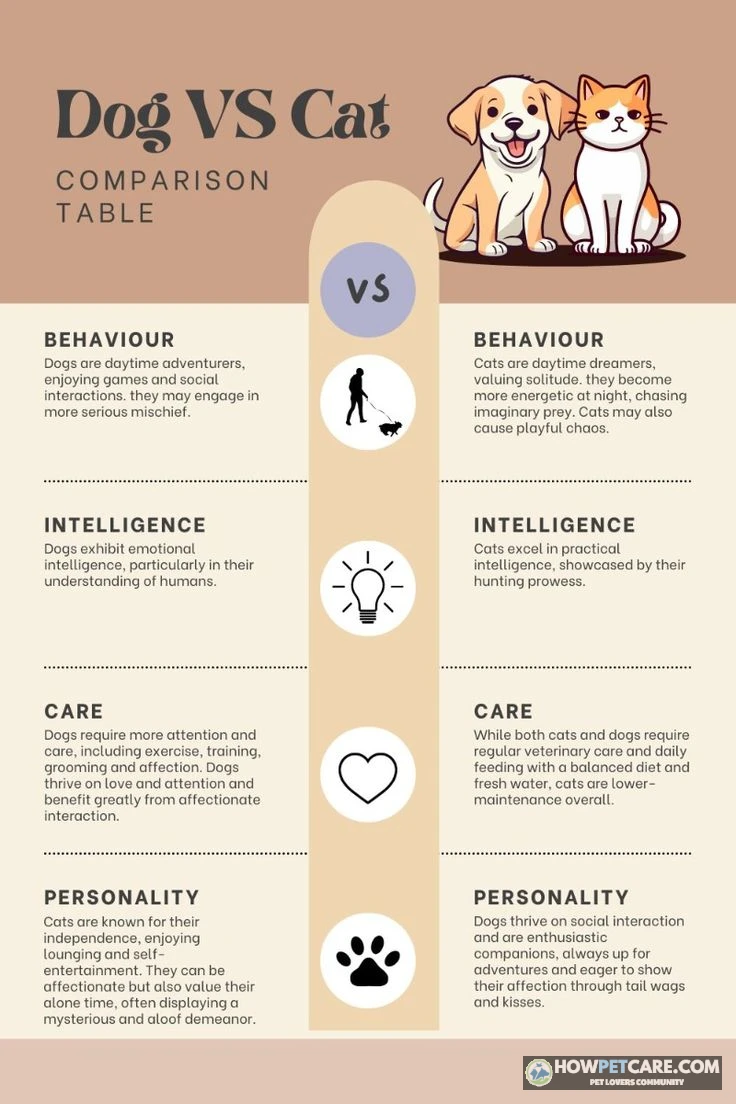
Plain-language takeaways: a resting cat’s heart commonly beats about twice as fast as an adult human’s; cats trade sweet taste for a carnivore-focused palate; the cat hearing range is built for high-frequency rodent sounds, while dogs vary more by breed and head size.
When Cat Trivia Becomes a Health Question: Hidden Pain, Purring, and Zoomies
How to tell if your cat is in pain
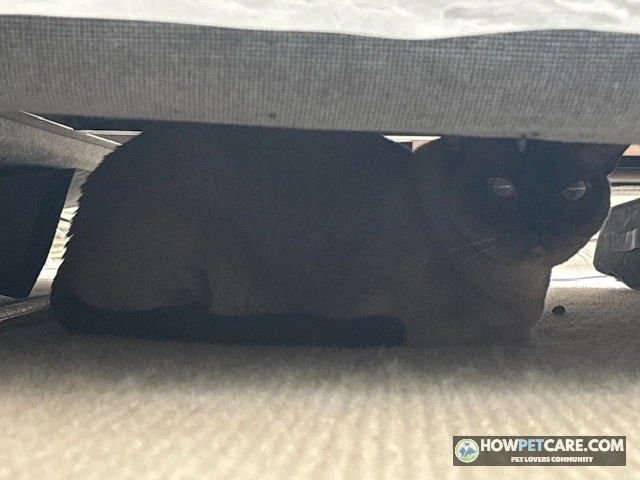
Cats instinctively conceal illness, so subtle changes matter more than obvious ones. The Feline Grimace Scale and veterinary sources flag these pain signs: hiding more than usual, reduced grooming, reluctance to jump, litter-box changes, appetite change, squinting, or a tense facial expression. If a change lasts more than a day or two, or the cat stops eating, see a vet.
Hidden-pain signs by body area (face, posture, movement, habits)
- Face: squinting, flattened ears, whiskers pulled back, tense muzzle.
- Posture: hunched back, tucked abdomen, reluctance to stretch.
- Movement: stiffness, limping, hesitation to jump or climb.
- Habits: decreased grooming, altered litter-box use, reduced appetite, increased hiding.
When purring and zoomies are a flag
Contentment brings normal purring; concerning purring appears suddenly, at unusual frequencies, or alongside lethargy or appetite loss. Zoomies — frantic running — are normal play behavior, but if they turn excessive, happen at odd times, or come with vocalization or disorientation, they may indicate pain or neurological issues.
- Myth: purring always means a happy cat. Fact: cats also purr when stressed, injured, or unwell, so read body language and context.
- Myth: purring is proven to heal bones. Fact: studies explore sound frequencies and physiology, but bone-healing claims are not established veterinary fact.
- Myth: cats can see in total darkness. Fact: the tapetum and large pupils help in low light, but cats still need some light.
- Myth: milk is a good treat. Fact: many adult cats are lactose-intolerant; plain water is the safer default.
- Myth: declawing solves scratching. Fact: scratching is normal claw maintenance, stretch, and scent marking; redirect it, and note that veterinary bodies oppose declawing except for rare medical need.
Why Cats Scratch Furniture and How to Redirect It
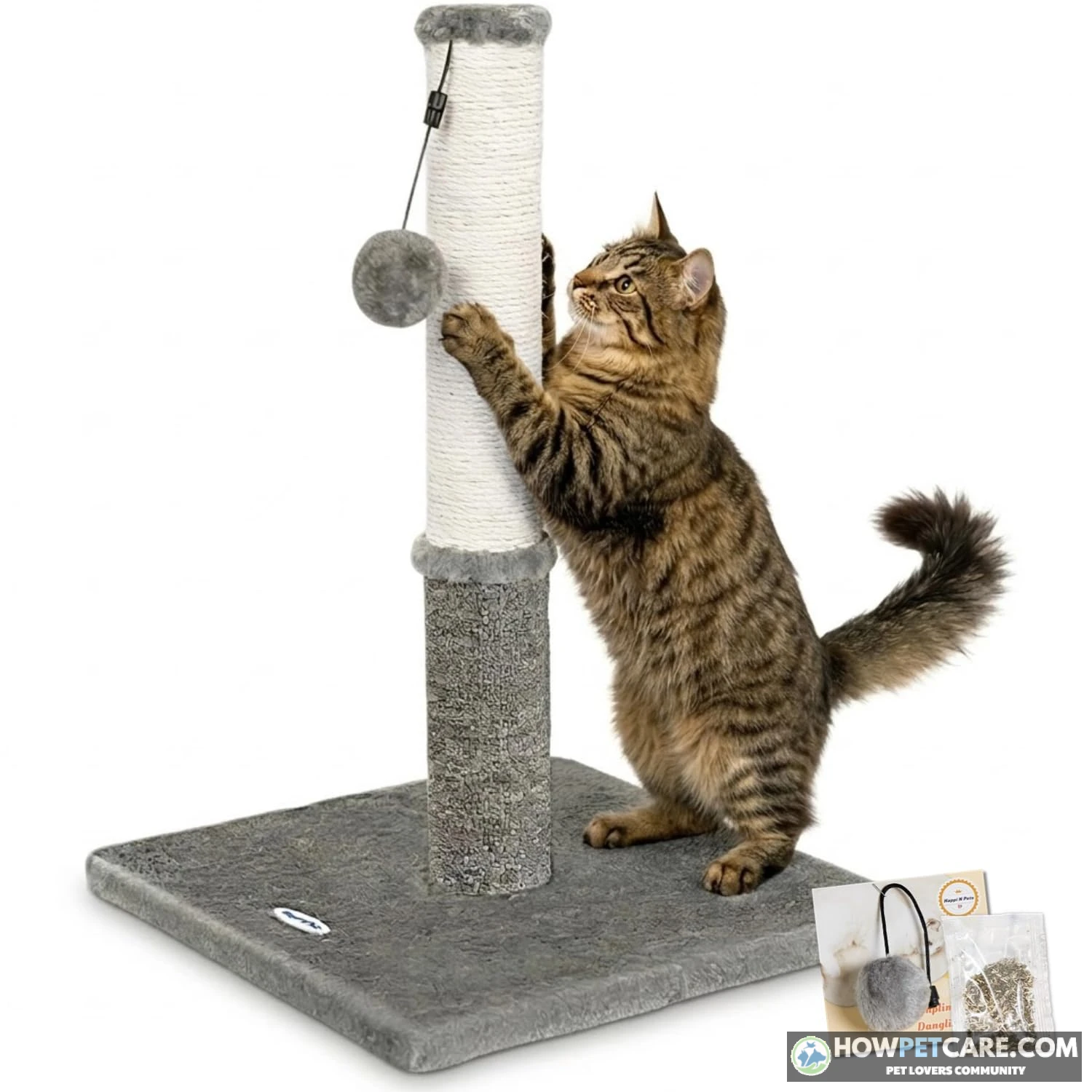
Scratching serves claw maintenance, stretching, and scent marking from glands in the paws. It’s normal feline behavior, and it can’t be trained out. Redirecting works best when you match the cat’s preferences.
-
Identify the exact target
Corner of sofa, door frame, rug edge, or chair leg.
-
Match orientation
Choose a vertical post for upright scratchers or a flat/angled scratcher for carpet scratchers.
-
Match material
Start with sisal for most cats; try cardboard or carpet only if the cat already prefers that texture.
-
Place the post directly beside the targeted spot
Not hidden in another room; stability matters more than style.
-
Make the old target less attractive for 1–2 weeks
Use a cover or double-sided tape while the new post is nearby.
-
Reward within seconds
Treat, praise, or play right after the cat uses the post.
-
Keep nails trimmed every 1–2 weeks
If the cat tolerates handling; do not declaw. Kneading on soft blankets is related comfort behavior and does not need correction.
Your Cat Facts Checklist: What to Share, What to Check, What to Change at Home
Share with kids:
- Cats sleep a lot — often 12–16 hours a day.
- Adult cats mostly meow at people, not at other cats.
- Cats cannot taste sweet.
- Cats sweat through their paw pads a little, but mainly cool off by grooming and resting.
- Cats can hear squeaky high sounds humans miss.
Double-check before citing:
- Use ranges for domestication date, hearing upper limit, and sprint speed unless a source is named.
- Say “Guinness-recognized” for Creme Puff’s 38 years, 3 days record rather than “oldest ever” without context.
- Date any pet-population figure and name the country or survey.
Change at home:
- Summer: provide shade, cool rooms, and fresh water; call a vet if a cat is open-mouth panting.
- Drinks: default to water instead of milk.
- Monthly: look for subtle pain signs — hiding more, less grooming, hesitation to jump, litter-box changes, appetite change, squinting, or a tense face.
- Furniture: put a sturdy sisal post next to the exact scratch target and reward use.
FAQ
Why do cats like squeezing into boxes and small spaces?
Enclosed spaces give cats warmth and a sense of security. A 2014 shelter study from Utrecht University found that newly arrived cats given a hiding box showed lower stress than cats without one. Frequent hiding combined with appetite or behavior changes is worth a vet check.
Are a cat’s nose prints really unique like fingerprints?
Yes, the ridge and bump pattern on a cat’s nose pad is generally described as unique to each cat, much like a human fingerprint. It isn’t used as a standard identification method, though; microchips are.
Can cats drink milk?
Many adult cats produce less lactase and can get diarrhea or an upset stomach from cow’s milk, so it isn’t a recommended treat. Fresh water is the safe default.
How long do domestic cats live?
Indoor domestic cats (Felis catus) commonly live around 12 to 18 years, and outdoor cats tend to live shorter lives. The Guinness-recognized record is Creme Puff, who lived 38 years and 3 days.