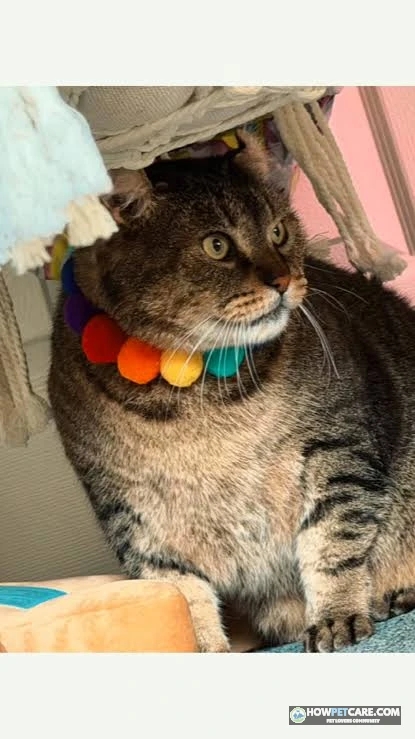

Cat grooming should combine brief coat and skin checks with gentle brushing or combing suited to the coat. Check nails every two weeks, clean only visible eye or outer-ear debris, and bathe only when needed. Stop if the cat becomes distressed, and use a groomer or veterinarian for tight mats, pain, wounds, or illness.
A Safe Cat Grooming Routine You Can Start at Home
Keep cat grooming sessions short, match them to your cat’s coat, and spread tasks across several days. Start with a head-to-tail inspection, then brush or comb. Trim nails only while your cat remains relaxed, clean visibly dirty outer eye or ear areas, and bathe only when there’s a clear need. A calm, brief session does more good than forcing every task at once. Long-haired cats may need combing most days, while many short-haired cats need only one or two brief brushing sessions each week.
Grooming doesn’t replace veterinary care. Before reaching for a brush, comb, clipper, shampoo, or flea product, check for bald patches, fleas, ticks, wounds, lumps, swelling, unusual odor, discharge, feces, urine, rice-sized particles, painful areas, or a sudden decline in self-grooming. If a cat may injure itself or its owner during grooming, seek help from a professional groomer or veterinarian.
Never use scissors against a mat, put cotton swabs into the ear canal, apply human shampoo, use a dog-only insecticide, apply essential oils, or give a sedative without veterinary direction. If a cat is panicking, stop rather than trying to finish the job.
Before You Begin: The 60-Second Skin and Coat Check
Choose a quiet room and a stable nonslip surface. Have one appropriate tool and a few high-value treats ready, and let the cat approach if possible. Run your hands gently over the coat before putting a brush through it. Check the collar line, chest, armpits, belly, groin, hind legs, tail base, and sanitary area; problems caused by friction and moisture often show up there first.
Part the coat with your fingers in bright light. Skin should move independently from a small tangle. If the skin rises with the hair, the mass feels firm, the area is painful, or the cat reacts defensively, stop checking it. Use the mat triage in this guide instead.
Wait until your cat is reasonably settled. Don’t groom immediately after a stressful event, near a noisy appliance, or on a slippery countertop. Keep doors and windows secure, but don’t trap the cat in a position it can’t move away from. Giving the cat choice and a predictable routine reduces the need for restraint.

How to Brush and De-Shed Without Scratching the Skin
Brush in the direction of coat growth, using light pressure. For a short coat, begin at the shoulders and back, then move toward the sides, belly, hindquarters, and tail if your cat accepts those areas. A rubber brush or soft brush removes loose surface hair. Use a metal comb to check for remaining loose hair and small tangles, but don’t rake it repeatedly over bare skin.
For a long or dense coat, divide the hair into small sections. Start at the ends with a wide-tooth grooming comb, gradually working closer to the skin. Switch to finer teeth only when the wide teeth pass freely. If the comb stops, pulls, or lifts the skin, you’ve found resistance. Don’t force it. Working in sections is more reliable than repeatedly brushing the surface, which can leave hidden tangles in the undercoat.
A slicker brush can separate loose hair in medium, long, or dense coats. Keep the strokes short and light: repeated scraping in one area can cause brush burn or small scratches. Use de-shedding tools sparingly during active shedding, never to tackle mats or on inflamed skin, sparse coats, or hairless cats.
Regular brushing removes loose hair before a cat swallows it, so it may reduce hairball formation, especially during shedding periods. Repeated vomiting, appetite changes, constipation, or unproductive retching calls for veterinary advice, not simply more brushing.

How to Trim a Cat’s Nails Safely
Use cat nail clippers and trim only the sharp, transparent hook when you can clearly see the quick. Support the paw without squeezing it. Many cats do better with one to three nails per session than with all four paws at once. Reward your cat after releasing each paw, and stop if they begin to struggle.
Don’t continue if a nail is split, embedded, infected-looking, or impossible to expose safely. Cutting the quick hurts and causes bleeding. If a nail is growing into a pad or your cat can’t tolerate paw handling, ask a feline groomer or veterinarian for help. Nail caps, including products such as Soft Paws, also need correct sizing, feline-safe adhesive, and monitoring for irritation. Don’t force a distressed cat through an application.

How to Clean the Eyes and Outer Ears
Inspect the eyes and ears during routine checks, but don’t clean healthy areas just to meet a fixed schedule. Wipe visible debris around the eye with a clean, damp pad, using a fresh section for each pass and each eye. Don’t scrub, pry open a painful eye, or use leftover medication.
Clean only the visible outer surface of the ears, and use a feline-appropriate product only if your veterinarian has recommended one. Never insert a cotton swab into the ear canal. Redness, swelling, foul odor, discharge, repeated scratching, head shaking, or pain needs veterinary assessment rather than deeper cleaning.

When and How to Bathe and Dry a Cat
Most coated cats need bathing only for contamination, excess oil, a veterinary-directed treatment, or a coat problem that spot cleaning can’t address. Brush and comb before bathing, since water can tighten existing mats. Bathing a matted coat won’t remove the mats.
Before bringing in your cat, prepare the towel, cat shampoo diluted if the label requires it, nonslip mat, cup or gentle sprayer, and drying area. Use shallow lukewarm water and keep it away from the face and ear openings. Massage gently, then rinse until no slippery residue remains. Towel dry while keeping the cat warm. A low-noise dryer on a cool or low setting may help if your cat accepts it. Keep the airflow moving; never use high heat or force a panicking cat to stay beside a dryer.

Follow this basic bathing sequence:
-
Set up
Place all supplies within reach and make the room warm, quiet, and nonslip.
-
Inspect and brush
Find and address tangles before water touches the coat.
-
Wet gradually
Use shallow lukewarm water and keep the face and ears dry.
-
Wash and rinse
Use only a cat-labeled product suitable for the cat and intended use, then rinse thoroughly.
-
Dry and reward
Towel dry, use airflow only if your cat accepts it, and reward calm cooperation.
How Often Should Cats Be Groomed? A Profile-Based Schedule
Grooming frequency depends on coat density, breed, shedding, age, body condition, mobility, outdoor exposure, skin health, and tolerance. Start with the closest row below. If another factor increases matting, soiling, or incomplete self-grooming, use the shortest applicable interval. Keep sessions shorter rather than forcing your cat to tolerate a complete routine.
| Cat profile | Brushing and combing | Bathing | Nail care | Eyes and ears | Skin and sanitary checks | Adjustment triggers |
|---|---|---|---|---|---|---|
| Short-haired | Brush 1–2 times weekly; comb-check belly, armpits, and hindquarters weekly | Only for contamination, excess oil, or veterinary treatment | Check every 2 weeks; often trim every 2–4 weeks as needed | Check weekly; clean visible debris only | Head-to-tail check weekly | Increase during shedding, hairballs, or dandruff |
| Long-haired or dense coat | Comb to the skin 3–4 times weekly; daily for quick tanglers | Need-based; never bathe a matted coat | Check every 2 weeks | Check weekly; face care may be more frequent | Check friction zones daily or every other day | Move to daily checks after repeated snags; seek help for skin-level mats |
| Curly-coated | Finger-check and comb close to skin 2–3 times weekly | Based on oil, debris, and condition | Check every 2 weeks | Check weekly | Check beneath curls twice weekly | Adjust for greasy, compacted, flaky, or changed texture |
| Hairless | Wipe visibly soiled areas; inspect folds several times weekly | Follow oil buildup and veterinary advice | Check nails and nail folds weekly | Check ears weekly; clean only as directed | Inspect skin and folds 2–3 times weekly | Change for redness, bumps, odor, rapid oil return, or chilling |
| Seasonal or heavy shedder | Add one brief session during high-shed weeks | Optional and need-based | Keep base schedule | Keep base schedule | Check dandruff, thinning, or irritation | Reduce pressure if skin reddens; seek care for sudden hair loss |
| Senior, obese, arthritic, or mobility-limited | Check poorly reached areas 3–7 times weekly in 2–5 minute sessions | Only when needed and safe to dry | Check every 1–2 weeks | Check weekly or more often if self-cleaning declines | Lower back, hindquarters, belly, and sanitary area at least 3 times weekly | Assess sudden self-grooming decline, pain, odor, or rapid matting |
| Outdoor or indoor-outdoor | Coat-based schedule plus debris and parasite checks after exposure | For confirmed contamination only after safety advice | Check every 2 weeks | Check after seeds, dust, or visible debris | Check paws, toes, collar area, ears, and coat | Escalate for embedded material, wounds, chemicals, or unknown substances |
| Indoor-only | Use coat-based schedule | Usually need-based | Check every 2 weeks | Check weekly | Check weekly, including under collars | Increase for shedding, weight gain, illness, or reduced activity |

Short-Haired and Seasonal-Shedding Cats
A short-haired indoor cat may do well with two three-minute brushing sessions weekly, plus a quick skin, eye, ear, and sanitary check on another day. During seasonal shedding, add a brief session instead of pressing harder or using a de-shedding tool daily. A rubber brush is often enough to remove loose surface hair. Follow with a comb check to make sure hair isn’t collecting in friction zones.
Outdoor cats need the same coat routine, with added checks for burrs, plant material, parasites, wounds, and unknown substances after outdoor exposure. Don’t automatically bathe your cat after every outing. Identify what’s on the coat first; some chemicals require poison-control or veterinary advice.
Long-Haired Cats and High-Maintenance Coats
Long-haired cats need combing that reaches the skin, not just brushing that leaves the surface looking tidy. Check behind the front legs, chest, belly, groin, hindquarters, collar line, and tail base. For a cat whose coat tangles quickly, daily one- to five-minute sessions on small sections may be safer than one long weekly session.
Bathe only as needed. A clean-looking, thoroughly combed coat doesn’t need a monthly bath by default. If mats keep forming despite appropriate home care, schedule preventive professional cat grooming before the coat becomes painful.

Kittens, Seniors, and Cats With Limited Mobility
Kittens benefit from gradual handling practice rather than full grooming sessions. Touch a shoulder, paw, ear, or tail for one second, reward, and stop. Introduce the brush, nail trimmer, carrier, and dryer sound separately. An adult unfamiliar with grooming needs the same process, though progress may take longer.
Seniors, obese cats, and cats with arthritis may no longer reach their back, hindquarters, or sanitary area. Use a padded surface and support your cat in a preferred position without extending sore joints. Sudden greasy fur, new mats, urine or fecal soiling, touch sensitivity, or a sudden decline in self-grooming warrants veterinary assessment. These changes may reflect pain or illness.

Indoor, Outdoor, and Medically Managed Cats
A cat receiving medical care may need a prescribed shampoo, cleaning method, or bathing interval. Follow the veterinarian’s label and instructions rather than substituting advice from a general cat grooming guide. Fleas, ticks, ringworm, inflamed skin, unusual hair loss, and parasites need diagnosis and treatment planning, not cosmetic grooming alone.
Best Cat Grooming Tools for Each Coat and Condition
Beginners usually need only a few tools suited to their cat’s coat: one surface brush, one comb, nail clippers, towels, and a cat-labeled shampoo if bathing is genuinely needed. Buying more tools won’t make up for a poor fit, excessive pressure, or a cat that doesn’t want to participate.
| Tool | Best for | How to use it | Limitations | Injury risks | When to choose professional help |
|---|---|---|---|---|---|
| Rubber brush or curry | Loose surface hair on short-haired cats | Light strokes with coat growth for 1–3 minutes | May not reach dense undercoat | Repeated rubbing can irritate skin | Red skin, pain, or patchy shedding |
| Grooming glove | Handling-sensitive cats that accept petting | Introduce as ordinary touch; make a few passes and reward | Can glide over hidden tangles | Surface hair may hide mats | Lumps or resistance remain near skin |
| Slicker brush | Loose hair in medium, long, or dense coats | Short light strokes in sections | Not for skin-level mats, face, genitals, or irritated skin | Wire pins can scratch or cause brush burn | A gentle snag does not release immediately |
| Metal comb | Finding tangles and checking long coats to skin | Wide teeth first, then fine teeth; work from ends upward | Must not be forced through resistance | Pulling puts tension on thin feline skin | Comb stops, skin lifts, or cat shows pain |
| Undercoat or de-shedding tool | Limited loose undercoat during shedding | Make a few light passes and inspect skin | Not for mats, sparse coats, hairless cats, or daily all-over use | Can break coat or thin and irritate skin | Sudden shedding, bald patches, or repeated catching |
| Cat nail trimmer | Sharp nail hooks | Support paw and trim a small visible tip | Not useful when cat is struggling | Cutting the quick causes pain and bleeding | Embedded, split, infected-looking, or inaccessible nails |
| Cat-labeled shampoo | Confirmed dirt, oil, or appropriate treatment | Follow label dilution, contact time, and rinsing | Not routine mat removal or skin-disease treatment | Residue or unsuitable formula may irritate | Toxic contamination or inflamed skin |
| Low-noise dryer | Finishing drying when tolerated | Cool or low setting; test on wrist and keep moving | Avoid face, heat, and forced drying | Overheating and fear | Panting, open-mouth breathing, or frantic struggling |
| Electric clippers | Specialized coat removal | Reserve for trained feline groomers or veterinary teams | Not a household mat-removal tool | Thin skin can enter blades; blades heat quickly | Any skin-level, broad, painful, or contaminated mat |

Starter Kit for Short-Haired Cats
Start with a rubber brush or soft brush, a metal comb for occasional checks, cat nail trimmers, a nonslip towel or mat, treats, and a clean damp pad for visible eye debris. Add a flea comb when parasite monitoring is appropriate. Don’t use it to detangle: its close teeth can pull a dense coat.
Tools for Long-Haired, Curly, and Dense Undercoats
Long-haired cats generally need a wide-tooth metal comb and may benefit from light use of a slicker brush. Curly coats vary widely. Repeated brushing can disrupt their texture, but too little combing can leave hidden areas of compacted hair. Check with your fingers and choose the least disruptive tool that reaches the skin.
To check the undercoat, work through a small section from the hair ends toward the skin. The comb should pass without snagging or causing discomfort. Hair collecting on a grooming glove doesn’t prove the undercoat is clear.
Best Brushes for Shedding Cats
A rubber brush is a gentle starting point for short-haired shedding cats. During a shedding period, a de-shedding tool may help with a dense coat, but it isn’t meant for daily scraping. Stop if the skin turns pink, your cat flinches, the tool catches, or the coat becomes visibly thin. Ask a veterinarian about sudden or patchy hair loss.

Tools to Avoid Using Without Professional Training
Don’t use scissors near mats, shave a pelt with household clippers, or use high-velocity dryers to pin or overpower a cat. These methods can cut folded skin, overheat the coat, increase fear, or conceal a wound. If the coat needs to be removed, leave electric clippers to an experienced feline groomer or veterinary team.
Low-Stress Grooming for Anxious, Fearful, or Aggressive Cats
If your cat hates grooming, change the goal. Rather than finishing every task, aim to stop before fear becomes defensive behavior. Pinning, scruffing, chasing, and forced restraint can make future handling harder and raise the risk of injury.
A Five-Step Cooperative Grooming Protocol
-
Prepare
Place a nonslip mat, one tool, and 6–10 small treats on a stable surface. Choose one small goal.
-
Offer a start cue
Show the tool without moving it toward the cat, say a consistent cue, and reward. If the cat refuses a normally valued treat, finish for now.
-
Test consent
Touch a familiar shoulder area for one second, remove your hand, and continue only while the cat’s body stays loose and they participate voluntarily.
-
Work briefly
Make one or two light strokes, pause, and reward. Don’t pin or scruff.
-
Finish early
Stop while the cat is still calm, give the best reward, and record the earliest stress signal for next time.
Early Stress Signals That Mean Pause or Shorten the Session
Watch for freezing, crouching, skin twitching, tail-tip flicking, ears rotating backward, widening pupils, head-turning toward the tool, repeated repositioning, escape attempts, or refusal of treats. Pause for 10–20 seconds at the first sign. If your cat relaxes and accepts a reward, try one easier repetition. Otherwise, end the session.
You can spread a five-minute routine across days: shoulders and back on day one; sides and chest on day two; hindquarters on day three; one paw or one to three nails on day four; and visible eye or outer-ear cleaning on day five. Your cat doesn’t need to tolerate every task in one appointment.

Behaviors That Mean Stop Immediately
Stop for an escalating growl or yowl, swatting, a bite attempt, frantic struggling, open-mouth breathing, marked panting, collapse, sudden pain, or loss of normal coordination. Contact a veterinarian promptly for persistent breathing difficulty, collapse, or a medical change.
Introducing Kittens and Grooming-Naive Adults
Introduce touch, tools, carrier movement, dryer sounds, and the grooming location separately. Pair each exposure with food or another reward. A kitten might first see a brush on the floor, then sniff it, then receive one stroke on the shoulder. An adult who has never tolerated grooming may need several days or weeks of these small steps.
If you can continue only by forcing the cat, stop home grooming. Ask a feline groomer about cooperative-care methods or a veterinarian about pain, anxiety, and safe options. Never improvise sedatives or use an over-the-counter calming product without checking feline safety and possible interactions.
Tangles, Mats, and Pelted Coats: Home, Groomer, or Veterinarian?
A loose tangle separates gently from the ends. A mat feels firmer and sits closer to the skin, while a pelt forms a broad, dense sheet that may restrict movement and hide painful skin. These distinctions matter: feline skin is thin and flexible, so it can easily be pulled into a mat or caught by a blade.
Loose Tangle vs Tight Mat vs Pelt
In bright light, part the surrounding coat without pulling. Home care is an option for a small, isolated tangle only when the skin is visible and mobile, the coat is dry and clean, the area is away from high-risk anatomy, and the cat stays relaxed. Hold the hair loosely between the tangle and skin, work from the ends with your fingers or a wide-tooth comb, and stop if resistance persists.
Don’t attempt home removal if the mass is larger than a coin, firm, damp, contaminated, or close to skin. The same applies to tangles in the armpit, groin, belly, genital, ear, or sanitary area, or those associated with defensive behavior. Never place scissors against a tangle.

What Can Be Managed Safely at Home
Limit home care to a small loose tangle that separates without pain, skin tension, prolonged pulling, or repeated escape attempts. Don’t bathe first; water can tighten the tangle. Avoid picking at a mat over multiple sessions in the hope that it will eventually loosen.
When a Cat Groomer Is the Right Choice
An experienced feline groomer can help with established mats that have no wounds, swelling, discharge, or other medical signs. Repeated matting, a heavy shed, a sanitary trim, or routine care you can’t safely complete are also reasons to book. Tell the groomer where the mats are, whether they’re damp or contaminated, how your cat responds to handling, and whether they have medical limitations.
When Matting Requires Veterinary Care
Contact a veterinarian for a broad pelt, marked pain, heat, swelling, bleeding, odor, discharge, wounds, parasites, fly eggs, embedded objects, restricted walking or toileting, sudden aggression, lethargy, loss of appetite, collapse, or open-mouth breathing. Veterinary care is also appropriate if safe removal may require pain control, examination, or veterinary-directed sedation.
Don’t bathe, cut, or shave a mat associated with medical concerns at home. Grooming may reveal a wound, infection, parasite problem, or illness, but it can’t diagnose or treat one.
Cat Shampoo and Product Safety
What Makes a Grooming Product Cat-Safe?
Choose a product explicitly labeled for cats and for the intended purpose. Follow the directions for dilution, contact time, and rinsing, along with any age or health restrictions. Human shampoo isn’t automatically suitable for feline skin. A strong fragrance doesn’t prove cleanliness or safety, and “Natural” and “botanical” labels don’t guarantee a product is safe for cats.
Never substitute a dog flea product for a cat product. Products containing permethrin can be dangerous to cats, particularly when a cat is exposed to a dog treatment. Don’t apply insecticides, medicated shampoos, degreasers, essential oils, or topical treatments without feline-specific directions from a veterinarian or the product label.
Ingredients and Formulations to Avoid
Avoid human shampoo, strongly fragranced products, essential oils, concentrated botanical products, dog-only flea treatments, and anything without clear cat-use instructions. Being sold for pets isn’t enough. Read the species, age, weight, dilution, and application directions before use.
For a diagnosed skin condition, use the prescribed product and method. Grooming products can’t replace treatment for ringworm, parasites, infection, allergies, or unexplained hair loss.

Signs of Irritation, Allergy, or Toxic Exposure
Stop using a product and contact a veterinarian if your cat develops redness, itching, dandruff, swelling, drooling, vomiting, tremors, lethargy, loss of coordination, breathing difficulty, or sudden severe discomfort. Systemic signs, suspected insecticide exposure, or breathing changes need urgent veterinary or poison-control guidance. Rinse only when a veterinary professional or product safety instruction supports it. Don’t delay urgent care by repeatedly bathing a symptomatic cat.
Professional Cat Grooming: Services, Costs, and Care Settings
Professional cat grooming can help with long coats, repeated mats, heavy shedding, sanitary problems, and owner limitations. It can also be useful for cats unfamiliar with grooming or unable to maintain their coats. Choose the setting based on your cat’s stress level, coat condition, medical risk, and the provider’s feline handling skills.
| Care setting | Typical cost range in 2026 | Best use case | Benefits | Stress or safety considerations | Common add-ons | Escalation capability |
|---|---|---|---|---|---|---|
| At home | Direct service cost: none; supplies and time are the main costs | Routine brushing, checks, and simple nail care | Familiar environment and flexible short sessions | Owner may miss hidden mats or struggle with handling | Shampoo, tools, replacement supplies | Veterinary referral is the owner’s responsibility |
| Mobile cat grooming | Often about $75–$200 for a routine visit, with regional variation | Cats stressed by travel or busy salons | No carrier trip; one-on-one setting | Vehicle noise, travel fees, and difficult handling can increase cost | De-shedding, mat removal, sanitary trim, travel or difficult-handling fees | Usually limited medical oversight; ask about emergency plans |
| Cat-only salon | Often about $60–$180 before complex-mat or specialty add-ons | Cats needing skilled routine coat care | Fewer dog-related sounds and feline-focused handling | Still requires travel and appointment handling | De-shedding, nail caps, sanitary trim, mat removal | Can stop and refer; generally not a medical facility |
| Mixed-pet salon | Often about $50–$150 before add-ons | Straightforward grooming for tolerant cats | Availability and broader service menu | Dog noise, shared spaces, and variable feline experience | De-shedding, nail trim, sanitary trim, difficult-handling fee | Usually limited veterinary capability |
| Veterinary grooming | Commonly about $100–$300 or more before examination, testing, or sedation | Painful, medically complex, severely matted, or high-risk cases | Medical assessment and safer planning for illness or distress | Clinical environment may be stressful; sedation is not automatic | Examination, medications, tests, medically supervised sedation | Highest medical escalation capability |

Use these ranges for planning, not as a national price list. In the United States, quotes can vary substantially by region, coat condition, cat size, behavior, service length, and provider credentials. Costs also depend on whether your cat needs a lion cut, teddy bear cut, sanitary trim, de-shedding, nail caps, flea treatment, mat removal, a difficult-handling fee, mobile travel, veterinary examination, testing, or medically supervised sedation. Ask what’s included before booking.
At Home vs Mobile vs Cat-Only and Mixed-Pet Salons
At-home care works best for routine maintenance your cat accepts. Mobile cat grooming avoids the carrier and salon trip, but it may cost more and still requires a safe handling plan. A cat-only salon can reduce dog-related noise and may offer stronger feline experience. For a calm cat, a mixed-pet salon may be suitable if the specific groomer has demonstrated feline training and follows a quiet separation policy.
Veterinary grooming isn’t just a more expensive salon appointment. It’s the appropriate setting when coat care involves pain, wounds, suspected infection, severe distress, medical disease, or a possible need for medical intervention.
How Much Does Cat Grooming Cost?
Request a written estimate that covers the base service, coat length, mat removal, de-shedding, sanitary trim, nail caps, flea concerns, difficult handling, travel, drying, cancellation terms, and any veterinary assessment. A low starting price may exclude the work a matted or defensive cat actually needs. The groomer should also explain whether they’ll stop if the cat becomes unsafe and what happens next.
How to Choose a Qualified Cat Groomer
Ask how regularly the person handles cats, how they remove mats, whether they use scissors near mats, and what restraint they permit. Find out how they dry cats, separate them from dogs, and sanitize tools and surfaces. Also ask about vaccination requirements, insurance, emergency procedures, and how they’ll contact you if your cat shows pain or stress.
A qualified provider should agree on when to stop. Be cautious of anyone who promises to complete every service regardless of behavior, recommends owner-administered sedation, or dismisses open-mouth breathing, pain, wounds, or sudden behavioral changes.
How to Prepare Your Cat for an Appointment
Leave the carrier available before the appointment, with familiar bedding inside. Don’t introduce a new food, tool, or restraint method on the appointment day. Tell the groomer about medical conditions, medications, prior bites, mats, skin findings, handling limits, and your cat’s earliest signs of distress. Bring your cat in a secure carrier, never loose in your arms.
Special Grooming Plans for High-Maintenance Cats
Persian and Dense Long-Haired Coats
Persians and similar dense long-haired cats need frequent comb-throughs that reach the skin, not just surface brushing. Focus on the face and eye area, collar line, chest, armpits, belly, groin, hindquarters, and tail. Check daily if the coat tangles quickly. Face discharge, oily fur, repeated matting, or skin irritation calls for veterinary or professional advice, not increasingly aggressive brushing.
Maine Coon and Heavy-Shedding Coats
Maine Coons and other large semi-longhaired cats often need equipment suited to their size and a plan for seasonal undercoat shedding. Groom in sections, check the belly and hindquarters, and use a comb to make sure de-shedding hasn’t left hidden tangles. Don’t repeatedly rake one area or assume heavy shedding alone is a reason for a close shave.
Sphynx and Other Hairless Cats
Hairless cats need grooming too. Inspect skin folds several times weekly, wipe only visible soil, check nail folds, and inspect ears, where wax may be conspicuous. Let oil accumulation and veterinary guidance determine bathing frequency rather than following a universal interval. Dry thoroughly and prevent chilling. Ask your veterinarian about redness, acne-like bumps, odor, rapid oil return, or persistent irritation.

Curly-Coated, Senior, Obese, and Mobility-Limited Cats
Curly coats can hide tangles and debris close to the skin. Check with your fingers and comb gently without repeatedly brushing out the curl. Adjust frequency according to coat texture and skin condition.
Seniors, obese cats, and cats with limited mobility need supported positions, shorter sessions, and more frequent sanitary checks. Don’t extend a painful joint to reach part of the coat. A sudden decline in self-grooming is a health signal, not a reason to reach for a stronger brush.
Three Worked Grooming Plans
Example 1: Healthy short-haired indoor cat. Milo is three years old, lives indoor-only, sheds moderately in spring, and accepts brushing but dislikes paw handling. Brush for three minutes on Tuesday and Saturday, then do a quick belly and armpit comb check. Check his skin, eyes, ears, and sanitary area on Sunday. Check nails every two weeks, trimming only one to three nails per session. During heavy shedding, add one two-minute session. If the skin turns pink or twitches, cut back on repeated strokes.
Example 2: Mat-prone long-haired cat. Juniper is five years old, has a dense indoor coat, and develops tangles behind the front legs. Comb one quarter of the body on Monday, Wednesday, Friday, and Sunday. Check friction zones with your fingers daily. A coin-sized loose tangle may allow one brief home attempt, but leave a firm armpit mat to an experienced feline groomer. Odor, wounds, swelling, or discharge requires a veterinarian. Bathe only as needed, and never before the mats have been addressed.
Example 3: Senior cat with reduced mobility. Olive is fifteen, has arthritis managed by her veterinarian, and no longer cleans her lower back reliably. Plan four two- to three-minute sessions each week on a padded floor mat, supporting her preferred standing or side-lying position. Check the sanitary area daily for soiling and nails weekly. Contact the veterinarian if self-grooming drops abruptly, touch becomes painful, or soiling and matting increase.
Build Your Cat’s Grooming Plan and Know When to Escalate
Your Weekly and Monthly Grooming Checklist
Choose the closest coat profile, then note the factors that apply: shedding season, long coat, outdoor exposure, age, weight, mobility, illness, repeated tangles, and tolerance. Start with essential tools only. Keep a record of the task, date, area completed, earliest stress signal, and reward accepted.
Each week, schedule brushing or combing to suit the coat, a head-to-tail skin check, visible eye and outer-ear checks, and a sanitary inspection. Check nails every two weeks even if you don’t trim them. Bathe only for a clear need. Review the coat monthly and after seasonal shedding, illness, weight change, mobility decline, or repeated matting.
The Home-Groomer-Veterinarian Decision Rule
Use home care for routine brushing, gentle comb checks, visible-debris cleaning, and nail-tip trimming your cat accepts. Choose a feline groomer for established but nonmedical mats, repeated professional coat maintenance, heavy shedding, sanitary trims, and care that’s safe but beyond your skill or tolerance. A veterinarian is the right choice for pain, wounds, inflamed skin, discharge, suspected infection, significant parasites, toxic exposure, unexplained bald patches, sudden self-grooming decline, restricted movement, breathing changes, collapse, or severe behavioral distress.
A groomer manages coat care; a veterinarian evaluates medical problems. If you can’t tell which kind of help your cat needs, call the veterinary practice before attempting removal or treatment.
Health Findings That Should Never Wait
Contact a veterinarian if grooming reveals a wound, bleeding, swelling, heat, foul odor, discharge, inflamed skin, bald patch, unusual lump, embedded parasite or object, suspected ringworm, severe matting, sudden pain, loss of appetite, lethargy, abnormal movement, open-mouth breathing, collapse, or a sudden change in self-grooming. Don’t try to cover these findings with shampoo, fragrance, shaving, or an unapproved insecticide.
An effective cat grooming plan doesn’t need to be elaborate. Aim for the shortest routine that lets you monitor the coat, nails, skin, eyes, ears, and sanitary areas without losing your cat’s trust. Start with the appropriate profile and make one small task predictable. Stop before distress escalates, and take difficult or medically uncertain problems to the right professional.

| Tool | Best For | How to Use It | Limitations | Injury Risks | When to Choose Professional Help |
|---|---|---|---|---|---|
| Rubber brush or curry | Loose surface hair on short-haired cats | Use light strokes with coat growth for 1–3 minutes | May not reach dense undercoat | Repeated rubbing can irritate skin | Red skin, pain, or patchy shedding |
| Grooming glove | Handling-sensitive cats that accept petting | Introduce as ordinary touch; make a few passes and reward | Can glide over hidden tangles | Surface hair may hide mats | Lumps or resistance remain near skin |
| Slicker brush | Loose hair in medium, long, or dense coats | Use short light strokes in sections | Not for skin-level mats, face, genitals, or irritated skin | Wire pins can scratch or cause brush burn | A gentle snag does not release immediately |
| Metal comb | Finding tangles and checking long coats to skin | Use wide teeth first, then fine teeth; work from ends upward | Must not be forced through resistance | Pulling puts tension on thin feline skin | Comb stops, skin lifts, or cat shows pain |
| Undercoat or de-shedding tool | Limited loose undercoat during shedding | Make a few light passes and inspect skin | Not for mats, sparse coats, hairless cats, or daily all-over use | Can break coat or thin and irritate skin | Sudden shedding, bald patches, or repeated catching |
| Cat nail trimmer | Sharp nail hooks | Support paw and trim a small visible tip | Not useful when cat is struggling | Cutting the quick causes pain and bleeding | Embedded, split, infected-looking, or inaccessible nails |
| Cat-labeled shampoo | Confirmed dirt, oil, or appropriate treatment | Follow label dilution, contact time, and rinsing | Not for routine mat removal or skin-disease treatment | Residue or unsuitable formula may irritate | Toxic contamination or inflamed skin |
| Low-noise dryer | Finishing drying when tolerated | Use cool or low setting; test on wrist and keep moving | Avoid face, heat, and forced drying | Overheating and fear | Panting, open-mouth breathing, or frantic struggling |
| Electric clippers | Specialized coat removal | Reserve for trained feline groomers or veterinary teams | Not a household mat-removal tool | Thin skin can enter blades; blades heat quickly | Any skin-level, broad, painful, or contaminated mat |
FAQ
Does brushing a cat help prevent hairballs?
Regular brushing removes loose hair before a cat swallows it, so it may reduce hairball formation, especially during shedding seasons. Frequent vomiting, appetite changes, constipation, or repeated unproductive retching requires veterinary advice rather than more grooming alone.
Should I brush my cat before or after a bath?
Brush and comb the coat before bathing to remove loose hair and identify tangles, because water can tighten existing mats. After the coat is fully dry, a gentle final comb-through can separate the hair and reveal any missed tangles.
Can I use a flea comb as a regular grooming comb?
A flea comb can detect fleas, flea dirt, and fine debris, but its closely spaced teeth may pull dense or tangled coats. Detangle with a suitable brush or wider comb first, and discuss evidence of fleas with a veterinarian.
Why has my cat suddenly stopped grooming itself?
A sudden decline in self-grooming can be associated with pain, dental disease, arthritis, obesity, illness, stress, or reduced mobility. Arrange a veterinary assessment, particularly if the change occurs with greasy fur, mats, appetite changes, hiding, or altered movement.
Can grooming reduce cat allergens in the home?
Grooming may remove some loose hair and surface debris, but it does not eliminate the allergen proteins cats produce. Environmental cleaning and medical allergy guidance are usually more important, and a non-allergic person should handle brushing when possible.