

Most cats are considered senior at 11 years old and super senior (or geriatric) at 15, though some guidelines use age 10 as the cutoff. The label signals it’s time for twice-yearly vet checkups and closer monitoring—not that your cat will suddenly decline.
Cats are generally considered senior at 11 and super senior at 15, although some sources use earlier thresholds. If you’re wondering when is a cat considered a senior, the label is a prompt to pay closer attention to health, not a prediction that your cat will suddenly slow down. Many older cats stay active and comfortable for years.
A Cat Is Senior at 11, Super Senior at 15: The Exact Thresholds
A widely used life-stage framework places cats in the mature adult stage from ages 7 through 10 and the senior stage after age 10. Other sources call cats senior at 10 and super senior at 14, so you may see slightly different cutoffs on food labels or at the veterinary clinic.
If your cat is 10, think of that birthday as a transition point. Some references already call your cat a senior, while the 11-and-older framework still calls a 10-year-old mature. Either way, it’s a good time to discuss an older-cat screening plan with your veterinarian.
Is a 7-year-old cat considered a senior?
Usually not under the 11-and-older definition: a 7-year-old is a mature adult. But some veterinarians begin senior-focused care around age 7, especially when a cat has symptoms or other health risks. Starting a conversation about screening doesn’t mean your cat is old or ill.
Senior vs. geriatric vs. super senior: what the labels mean
“Senior” generally describes the years beginning around age 11. “Super senior” often describes cats around 15 and older, while some sources start that category at 14. Veterinarians may also use “geriatric” for a very old cat, but the term doesn’t have one universally applied birthday.
Age is a useful guide, not a switch. Your cat’s mobility, muscle, appetite, medical history and daily comfort matter more than the label alone.
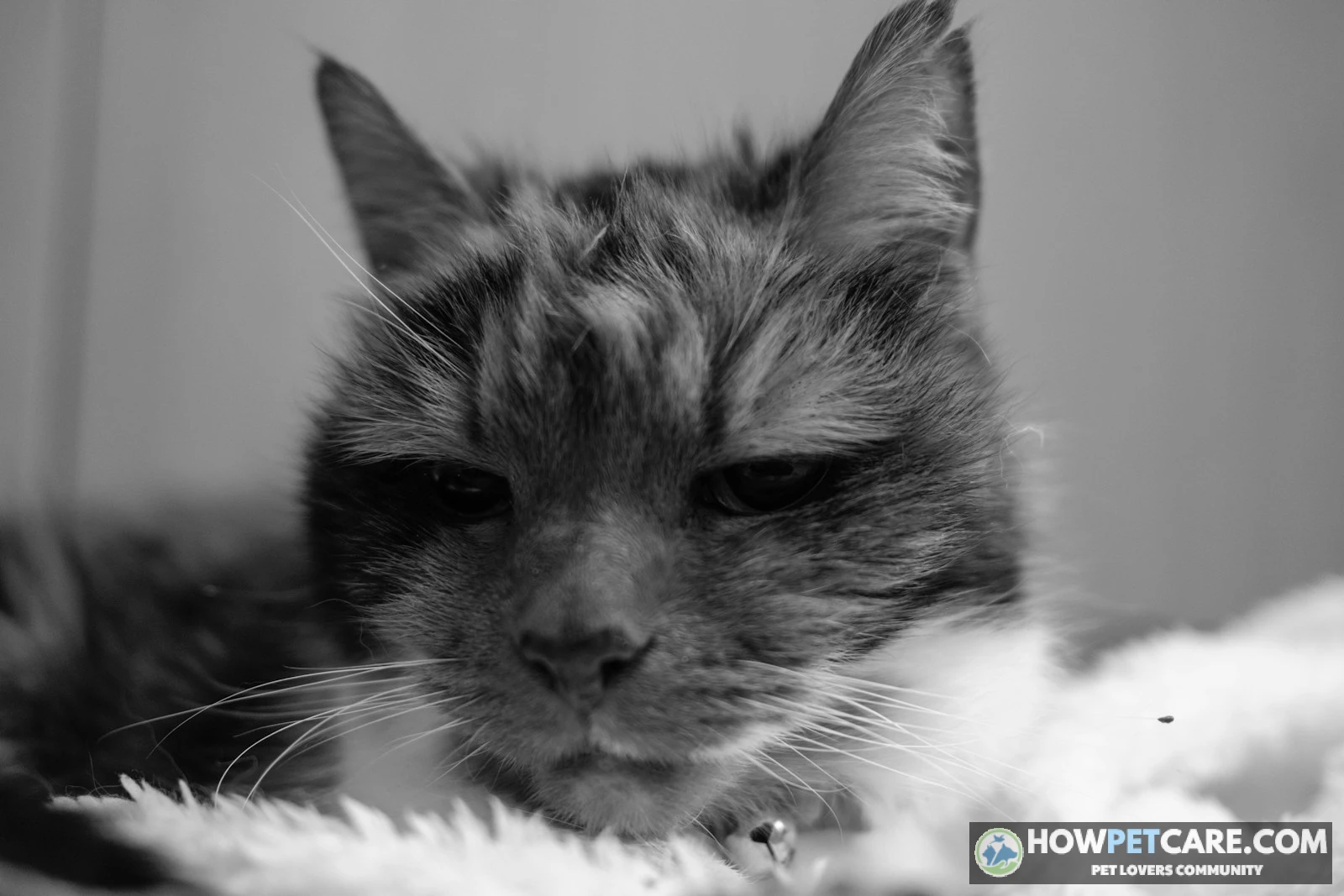
Cat Life Stages and Cat-to-Human Age Conversion Chart
Use this table to find your cat’s approximate life stage and a starting point for veterinary visits. Human-age figures are broad comparisons; they can’t tell you your cat’s health or life expectancy. Life-stage boundaries differ somewhat between sources.
| Life stage | Cat age | Approximate human age | Recommended vet visits | Key focus |
|---|---|---|---|---|
| Kitten | Birth to under 1 year | Birth to about 15 years | A series of kitten visits, then as advised | Growth, vaccines and preventive care |
| Young adult (junior) | 1–2 years | About 15–24 years | At least yearly | Weight, teeth and a health baseline |
| Adult (prime) | 3–6 years | About 28–40 years | At least yearly | Body condition, dental care and prevention |
| Mature adult | 7–10 years | About 44–56 years | At least yearly; discuss more frequent visits | Establish screening baselines and track changes |
| Senior | 11–14 years | About 60–72 years | About every 6 months | Mobility, weight, kidney and thyroid health |
| Super senior or geriatric | 15 years and older | About 76 years and older | About every 6 months, or more often if advised | Comfort, chronic conditions and quality of life |
Where does your cat fall on the chart?
The old advice to multiply a cat’s age by seven misses the rapid development of the first two years. Conversion charts vary, but a useful rule of thumb is approximately 15 human years for the first cat year, roughly 24 by the second, and about four more human years for each additional cat year. Later-life estimates are approximate: one source places a 15-year-old cat near 73 human years rather than the 76 shown here.
| Cat’s age | Approximate human age |
|---|---|
| 1 year | 15 years |
| 2 years | 24 years |
| 5 years | 36 years |
| 7 years | 44 years |
| 10 years | 56 years |
| 12 years | 64 years |
| 15 years | 76 years |
| 18 years | 88 years |
| 20 years | 96 years |
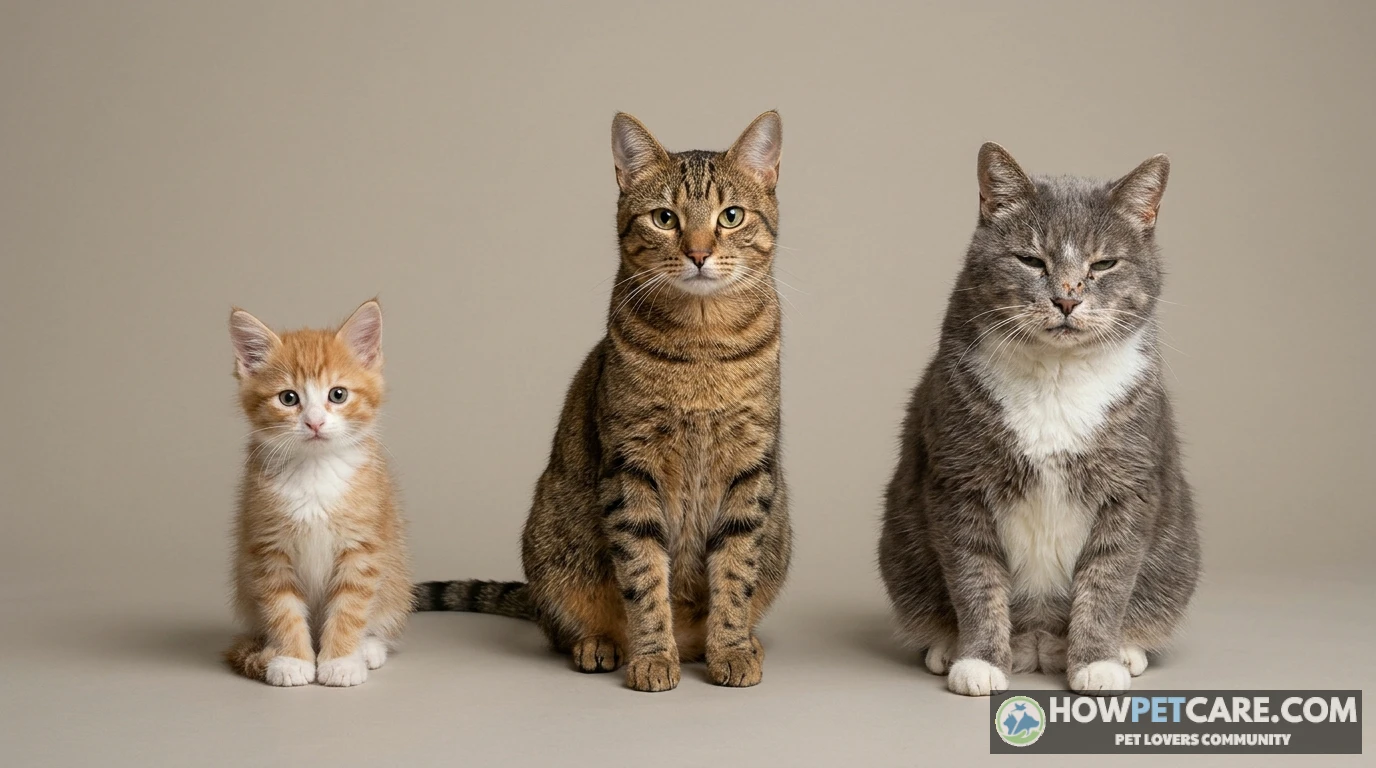
A 12-year-old cat is therefore a senior, roughly comparable in age to a person in their mid-60s. Use that comparison for perspective, not to decide which tests or treatments your cat needs.
If you adopted an adult cat and don’t know its birthday, look at several clues together rather than relying on one. Adult teeth, tartar or wear, a coarser coat, a blue-gray haze in the lenses, lost muscle and changes in mobility can help a veterinarian estimate a broad age range. These changes can also result from disease at a younger age. The checklist later in this guide explains what to record before an exam.
Does the Senior Threshold Change by Breed, Size or Indoor Lifestyle?
The age labels are a common starting point for all cats. Breed, body condition and lifestyle can change an individual cat’s risks and care needs, but they don’t give an indoor cat a separate senior birthday.
Indoor vs. outdoor cats
An indoor cat is considered senior at approximately the same age as a cat that goes outside. Outdoor access brings additional exposure to traffic, injuries, infections and parasites. A cat with those exposures may need a different preventive-care plan regardless of age.
Many indoor cats live into their teens, and some live longer. Indoor living doesn’t eliminate the need for dental care, weight monitoring, appropriate vaccines or screening for age-related disease. Ask your vet to tailor vaccination and parasite prevention to your cat’s actual exposure and health.
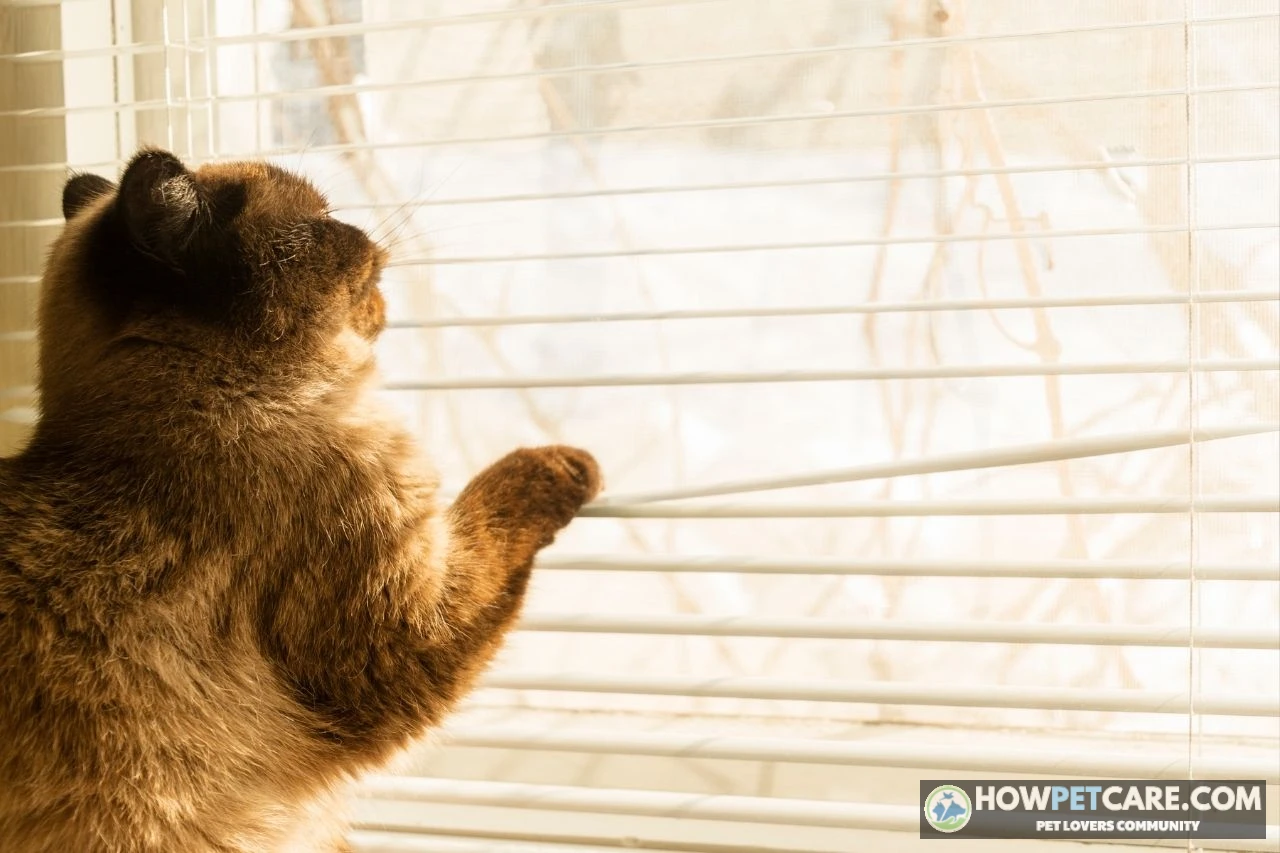
Breed and body-size considerations
Breed-associated risks can influence what a vet looks for and when. For example, a veterinarian may discuss heart screening for a cat with a breed or family history associated with heart disease. Being a large breed alone doesn’t mean a cat automatically becomes senior earlier.
Body condition matters, too. Extra weight can make movement harder and complicate conditions such as arthritis or diabetes. Unexplained weight or muscle loss deserves investigation; don’t assume it’s inevitable with age. Use the age chart as a baseline, then let your cat’s history and exam guide the schedule.
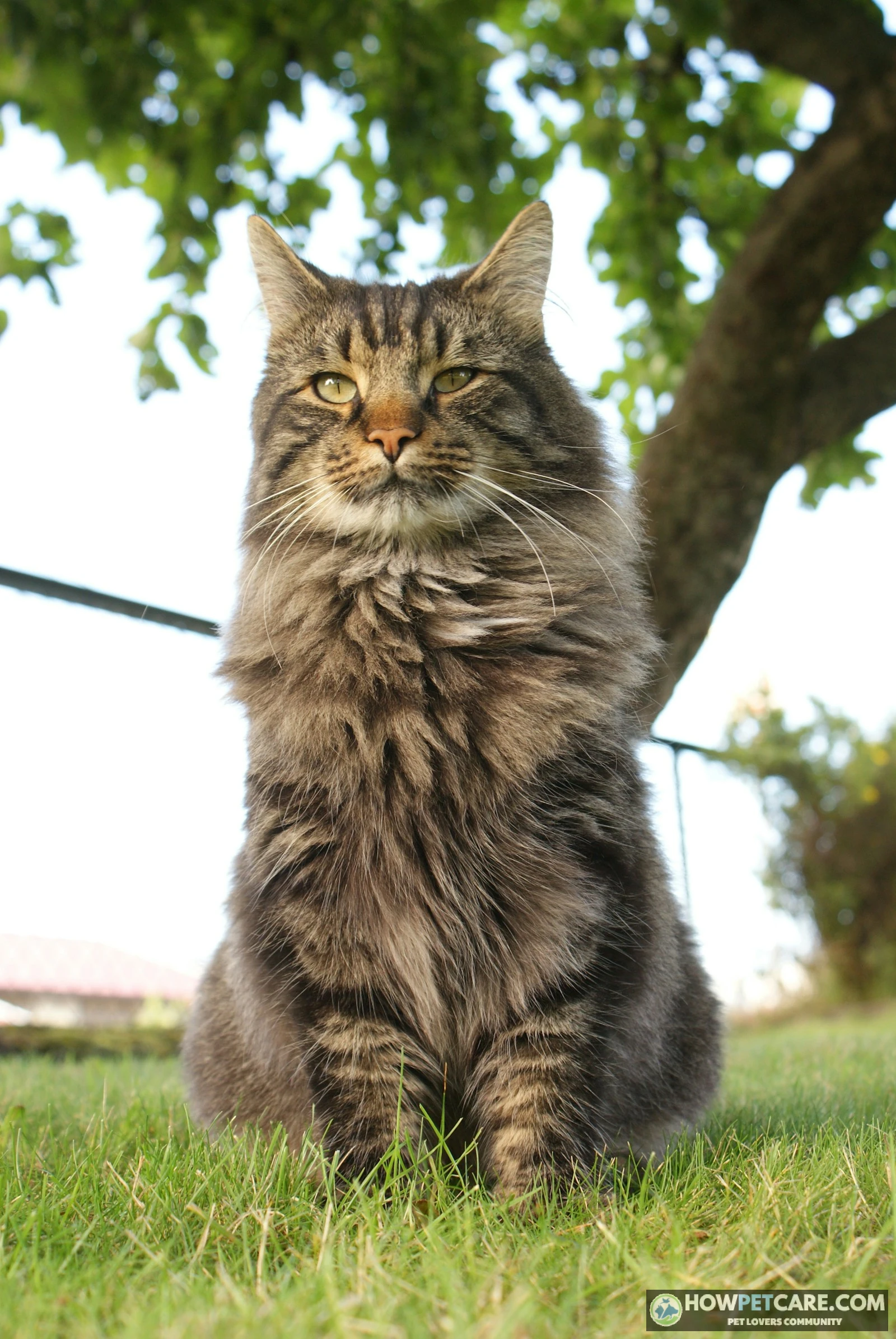
How to Tell if Your Cat Is Becoming a Senior: Signs of Aging
Your cat’s birthday is the clearest way to identify a life stage, but everyday habits can reveal changes worth discussing. Older cats may sleep more, play less, groom less or have more difficulty moving. Tracking common aging cat symptoms like these gives your vet useful context. None of those signs proves that a cat is healthy or unhealthy.
Physical changes
Watch for a cat that pauses before jumping, takes shorter jumps or uses furniture as a step. Arthritis can make ordinary movements uncomfortable even when a cat doesn’t visibly limp.
A coat may become oily, dull or matted if grooming is difficult; claws can become thick or brittle. Check for changes in weight and muscle, too. Dental problems can make eating uncomfortable, while hearing or vision changes may alter how your cat navigates the house.
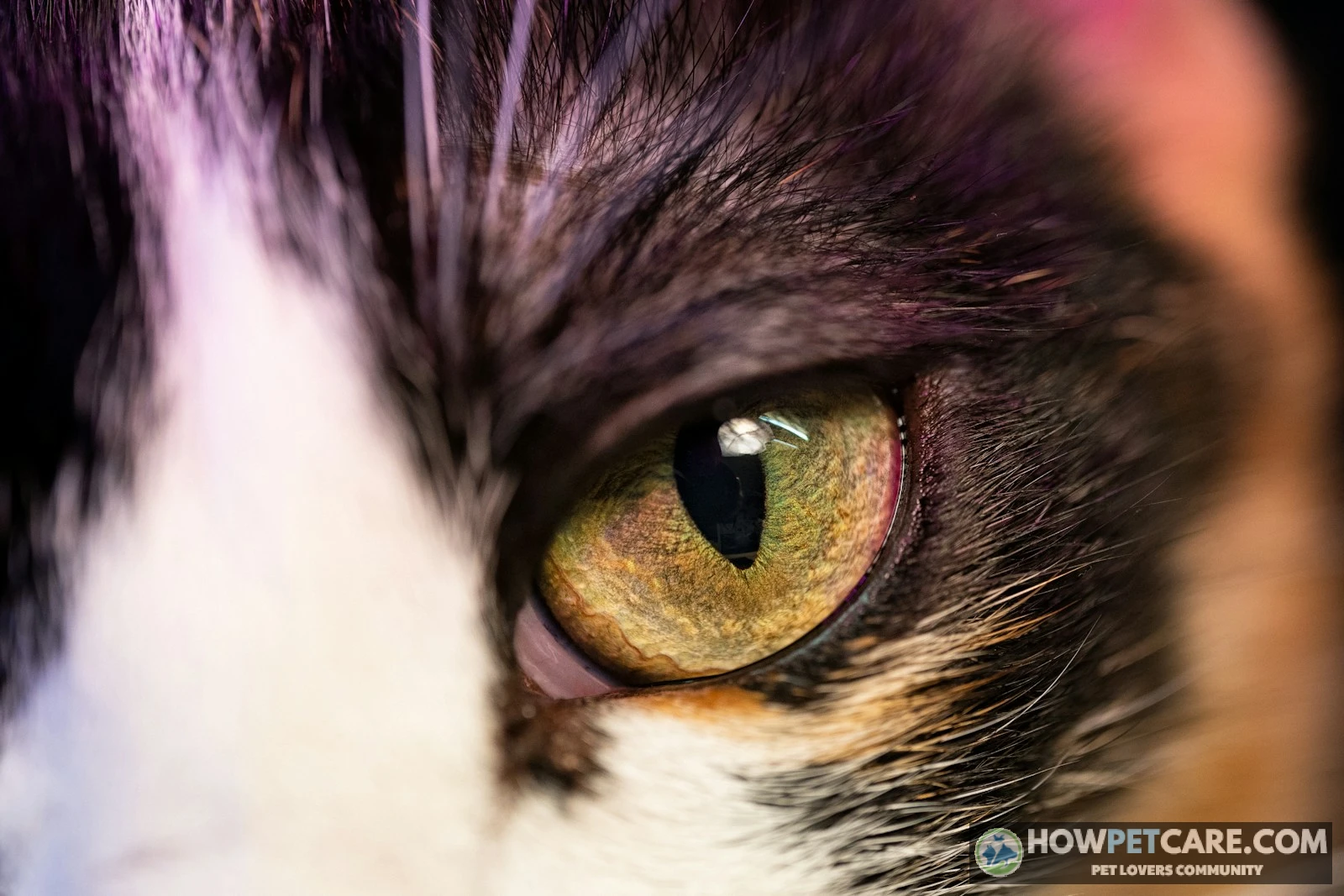
A blue-gray haze inside the eye can be lenticular sclerosis, an age-related lens change. Don’t try to identify eye changes yourself. Ask a vet to examine a cloudy, red or painful-looking eye, especially if the change is sudden.
Behavior and routine changes
Notice whether your cat sleeps in different places, hides more, avoids the litter box, vocalizes at night or seems confused. These changes have several possible causes, including pain and illness. Record when they started and whether appetite, drinking or movement has changed too.
To notice sensory changes, observe whether your cat still responds to familiar sounds and can navigate familiar spaces. Avoid startling a cat with possible hearing loss, and keep pathways predictable for a cat with possible vision loss. Tell your vet about gradual changes; sudden vision loss or disorientation needs prompt attention.

Normal Aging vs. Call-the-Vet-Now: A Symptom Triage Guide
Cats can hide discomfort, and an age-related change isn’t necessarily harmless. The timeframes below are practical starting points. If your cat seems distressed or you’re unsure, call a veterinary clinic for advice rather than waiting for a routine appointment.
| Symptom or change | Likely normal aging? | Urgency level | What to do |
|---|---|---|---|
| Open-mouth breathing, gasping, or blue or very pale gums | No | Emergency now | Go to an emergency vet immediately; keep handling and stress to a minimum. |
| Straining to urinate with little or no urine | No | Emergency now | Go to a vet immediately, especially if your cat repeatedly enters the box or cries. A urinary blockage can be life-threatening. |
| Sudden hind-leg weakness or paralysis, especially with cold feet or obvious pain | No | Emergency now | Go to an emergency vet immediately. |
| Collapse, unresponsiveness or a seizure | No | Emergency now | Go to an emergency vet immediately; call ahead if possible. |
| Repeated vomiting, marked weakness or not eating for 24 hours | No | Same-day veterinary care | Call a vet today; go to emergency care sooner if your cat is weak, distressed or unable to keep water down. |
| Sudden vision loss, a painful eye or sudden severe confusion | No | Same-day veterinary care | Call a vet immediately for an urgent examination. |
| Much more thirst or urination, or noticeable weight loss | No | Call within 24–72 hours | Arrange an exam; ask whether bloodwork and urinalysis are appropriate. Call sooner if your cat also seems ill. |
| New litter-box avoidance or a new lump | Not safely assumed | Call within a few days | Schedule an exam. If your cat is straining with little or no urine, go to an emergency vet now. |
| Gradual, mild decrease in jumping or grooming | Can occur with age, but may indicate pain | Call for an appointment | Ask the clinic how soon your cat should be seen; bring a video and do not wait months if the change persists. |
| Slightly more sleep without other changes | Can occur with age | Discuss at the next routine visit | Track the pattern. Call sooner if the change is sudden, pronounced or accompanied by poor appetite. |
Emergency signs
Breathing difficulty, inability to pass urine, collapse and sudden paralysis aren’t normal consequences of feline aging. Go to an emergency vet now rather than watching overnight. Call ahead if someone can do so without delaying the trip.
See a vet within a few days
Increased drinking and urination can occur with chronic kidney disease or diabetes; weight loss despite a good appetite can occur with hyperthyroidism. These signs don’t identify a disease on their own. A vet can decide which tests are appropriate.
Normal aging to mention at the next visit
A modest, gradual shift in sleep or play can be worth tracking until a scheduled visit if your cat otherwise seems well. New stiffness, poor grooming or dental changes deserve more attention because they may be treatable. Call for an appointment rather than assuming they can wait if they persist or interfere with daily life.
A cat that cannot breathe comfortably, cannot pass urine, collapses or suddenly cannot use its hind legs needs emergency veterinary care now.
Common Health Conditions in Senior Cats
Older cats are more prone to conditions including chronic kidney disease, hyperthyroidism and arthritis. Screening looks for problems before signs become obvious, while an exam helps distinguish disease from changes that may accompany normal aging.
Kidney disease and hyperthyroidism
Chronic kidney disease affects how well the kidneys function. A vet may use blood and urine results together, along with blood pressure and the cat’s history, to assess kidney health. Increased thirst or urination can be a clue, although not every affected cat shows the same signs.
Hyperthyroidism involves excess thyroid hormone. Weight loss, a strong appetite and restlessness can prompt a vet to investigate. A blood test called total T4 is commonly used as part of the assessment. Neither thirst nor weight loss should be used to diagnose a cat at home.
Dental disease, diabetes, high blood pressure, heart disease and cancer are also among the problems a veterinarian may consider when an older cat develops changes. The right workup depends on the individual cat.

Arthritis and mobility
Arthritis in cats may look like reluctance to jump, difficulty climbing into a litter box or less grooming, rather than an obvious limp. Record a short video of the change if it’s safe to do so. Your vet can assess mobility and discuss pain treatment and home adaptations. Never give a cat human pain medication unless a veterinarian specifically directs you to do so.
Cognitive dysfunction syndrome
Cognitive dysfunction syndrome is an age-related decline in brain function that can resemble dementia. Possible signs include getting lost in familiar rooms, altered sleep, night vocalization and litter-box accidents. Pain, sensory loss, high blood pressure and other medical problems can look similar, so a vet needs to investigate other causes before attributing changes to cognitive decline.
What Happens at a Senior Wellness Exam: Tests, Frequency and Cost
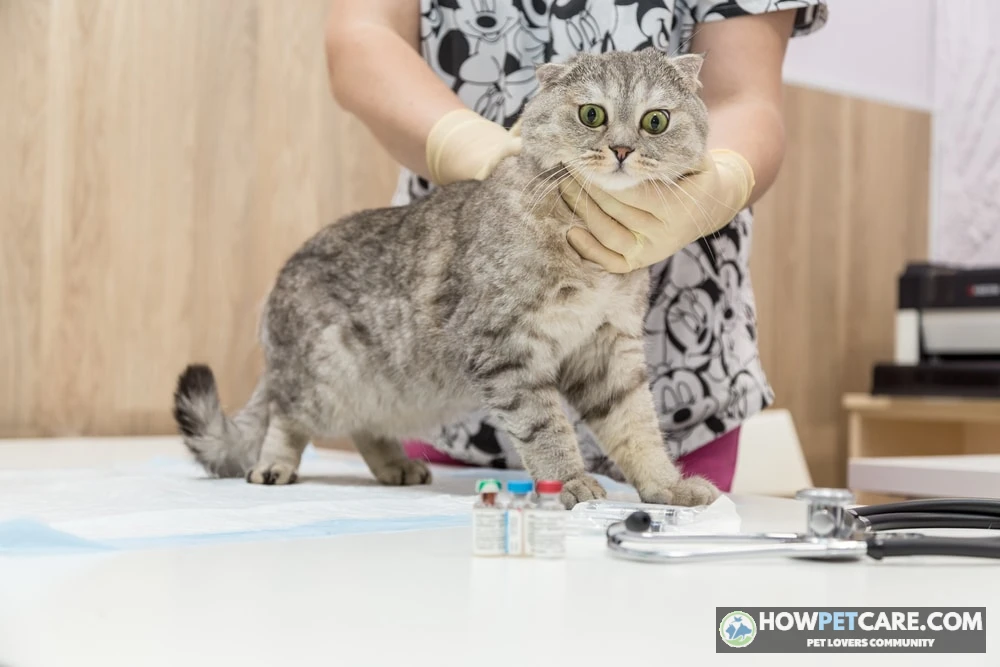
A wellness exam is a chance to discuss subtle changes before they become crises. Bring a list of medications and supplements, notes about eating and drinking, and any videos of changes in movement or behavior.
How often should a senior cat see the vet?
For a cat around 11 or older, plan on a wellness visit about every six months. Cats with chronic disease, new symptoms or medication changes may need more frequent visits. Mature cats also benefit from an individual schedule; ask your vet whether annual or more frequent exams make sense for your 7- to 10-year-old.
At the visit, the vet can compare weight, body condition and muscle condition with previous records; examine the mouth, eyes, heart and abdomen; and assess mobility. Ask ahead whether the clinic wants your cat fasted or needs a urine sample. Don’t withhold food or medication without the clinic’s instructions.
Typical screening panel and what each test checks
| Test or assessment | What it checks for | How often | Typical cost range |
|---|---|---|---|
| Physical exam, weight and body/muscle condition | Changes in comfort, weight, teeth, movement and general health | At wellness visits; commonly every 6 months for seniors | Ask the clinic for its examination fee. |
| Complete blood count, or CBC | Red and white blood cells and platelets; may reveal anemia or other abnormalities | As recommended based on age, history and findings | Ask whether it is included in a senior panel. |
| Blood chemistry, sometimes including SDMA | Kidney and liver values, glucose, electrolytes and other measures; SDMA can add information about kidney function | As recommended; trends can guide rechecks | Ask for an itemized panel estimate. |
| Total T4 | Thyroid hormone level used when screening for or investigating hyperthyroidism | As recommended for the cat’s age and symptoms | Ask whether thyroid testing is included in the panel. |
| Urinalysis | Urine concentration and findings such as glucose, protein or inflammatory changes | As recommended alongside bloodwork or for urinary signs | Ask about collection and laboratory charges. |
| Blood pressure | High blood pressure that may affect organs including the eyes and kidneys | Ask at senior visits; repeat as your vet advises | Ask whether measurement is included in the visit. |
A single result rarely tells the whole story. Ask which values should be followed over time and when results will be available. Depending on the findings, the vet may recommend a urine culture, imaging, an ECG or an echocardiogram. A heart murmur doesn’t automatically mean every cat needs the same cardiac tests.
What senior wellness care costs
Prices vary substantially by location, clinic, collection method and what a package includes. The available evidence doesn’t establish a reliable national price range for an exam or individual tests, so request a written estimate rather than treating an online figure as a quote.
Ask the clinic to separate the exam fee, blood panel, total T4, urinalysis, blood pressure and any follow-up charges. If the total is difficult to manage, ask which tests are most important now, whether a bundled senior panel is available and which tests can safely be scheduled later. Wellness plans may help spread routine costs; insurance policies differ and commonly limit coverage for pre-existing conditions.
Bring your cat’s previous lab results if you have changed clinics. Comparing results over time can help your veterinarian decide what needs a closer look.
Senior Cat Diet: When to Switch Food, Protein Targets and Calorie Needs
There’s no automatic requirement to change food on a particular birthday. Around ages 7–10, ask your vet to review your cat’s current diet, weight and muscle condition. A healthy cat maintaining muscle and an appropriate weight may not need a new food simply because a package says “senior.”
Look for a food labeled complete and balanced for adult maintenance, and discuss the actual nutrient profile with your vet. Senior formulas vary: the front-of-package label alone doesn’t tell you whether a food has the right calories or protein for your cat.
Healthy older cats generally need adequate, digestible protein to support muscle. There’s no single protein percentage in the supplied evidence that’s appropriate for every senior cat. Percentages on wet and dry labels also aren’t directly comparable without accounting for moisture. Ask your vet or a veterinary nutrition professional for a target appropriate to your cat and for help comparing foods on the same basis.
Calorie needs vary too. A cat carrying extra weight may need a measured weight-management plan, while a cat losing weight or muscle may need an investigation and a different feeding plan. Weigh your cat regularly and review the trend with your vet; don’t put an older cat on a restrictive diet without advice. Wet food, multiple clean water bowls or a fountain can help offer more opportunities for hydration.
Switchover timeline
If your vet recommends a new food and your cat is eating normally, introduce it gradually over about 7–10 days. Start with a small amount mixed into the familiar food, then increase the new food as your cat accepts it. Some cats need a slower transition.
Don’t let a picky cat go without food to force a switch. Call your vet if your cat refuses food, and seek same-day veterinary advice if your cat has not eaten for 24 hours. Ask about omega-3s, joint supplements or other additions before using them; supplements aren’t a substitute for a diagnosis or pain plan.
When prescription diets are needed
A vet may recommend a therapeutic diet for chronic kidney disease, diabetes, urinary disease or certain digestive conditions. Some cats with hyperthyroidism may be managed with an iodine-restricted diet under veterinary supervision. These diets have different goals and aren’t interchangeable.
Don’t restrict protein solely because your cat is older. Kidney disease and other conditions call for an individualized plan: a vet can balance the benefits of a therapeutic diet with the need to maintain weight and muscle.
How to Estimate a Cat’s Age When the Birth Date Is Unknown
A shelter record, microchip history or previous veterinary record may narrow the range. Without a known birth date, a vet can combine the physical exam with dental, coat, eye, body-condition and mobility findings to make an estimate. Bloodwork helps assess health; it can’t reveal an exact birthday.
Age-estimation checklist
- Teeth: Adult teeth are generally present by around six to seven months. Tartar, worn teeth or missing teeth can occur in older cats, but dental disease, diet and previous care make them unreliable as a stand-alone clock.
- Mouth: Bad breath, drooling, pawing at the mouth or chewing on one side can signal a dental problem at any adult age. Schedule a vet visit rather than using these signs to assign an age.
- Eyes: A vet can assess whether a blue-gray lens haze is lenticular sclerosis or another eye problem. Redness, pain, sudden cloudiness or apparent vision loss needs prompt veterinary attention.
- Coat and claws: Coarse, greasy or matted fur and overgrown claws may reflect reduced grooming or activity, which is often why an old cat’s fur changes. They can also reflect pain or illness, so note whether they’re new.
- Muscle and mobility: An easily felt spine or hips, smaller thigh muscles, hesitation before jumping and stiff movement are useful observations, not proof of a specific age.
- Daily habits: Record appetite, drinking, litter-box use, play and sleep. A change from your cat’s usual pattern is often more useful to the vet than a guess based on energy alone.
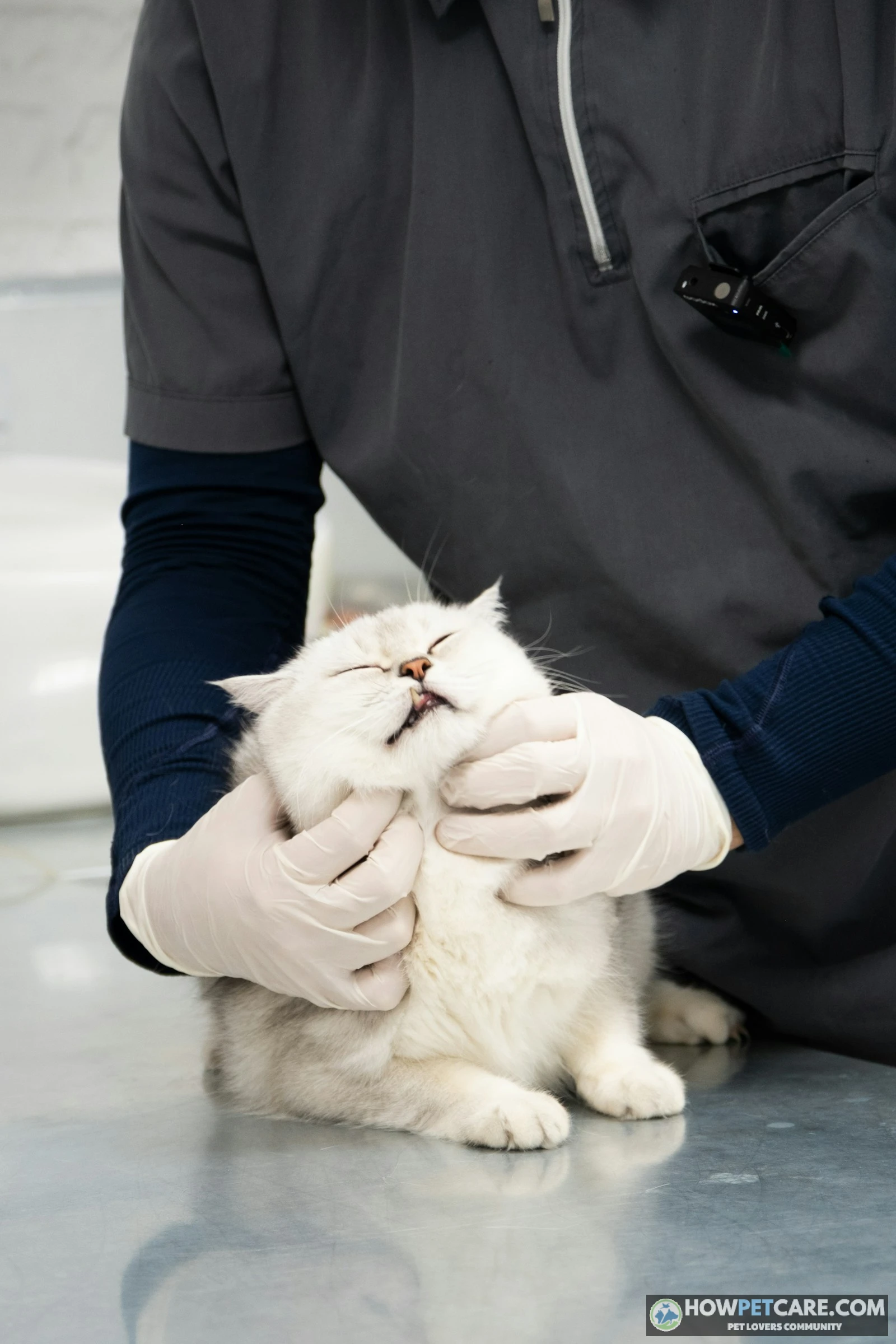
Ask for a broad estimate—young adult, mature or likely senior—and a care schedule based on the exam. If your cat appears mature or older, discuss baseline screening and whether twice-yearly visits are appropriate, even if the precise age remains unknown.
Caring for an Older Cat at Home and Planning for Quality of Life
For anyone caring for an old cat, small changes can make food, rest and the litter box easier to reach. They also give you a better view of whether your cat’s comfort is improving.
Home adjustments that make a difference
- Place a low-entry litter box on each level your cat uses, in a quiet, accessible location.
- Add stable steps or a ramp to favorite resting places, and use nonslip surfaces where your cat walks or lands.
- Keep food and water easy to reach without requiring a jump or a long trip across the house.
- Offer a soft, warm bed. If using a heated bed, choose one intended for pets and make sure your cat can move away from the heat.
- Help with gentle grooming and check claws regularly. Ask your vet for help with painful mats or difficult nail trims.
- Keep routines predictable and offer short, comfortable play or food-puzzle sessions suited to your cat’s abilities.

These changes support comfort but don’t replace treatment. If your cat needs a ramp because jumping has recently become difficult, arrange a veterinary assessment for possible pain.
Cognitive support and quality-of-life check-ins
For a cat with suspected cognitive dysfunction, keep furniture and daily routines predictable, provide easily reached resources and discuss treatment options with your vet. New confusion, night vocalization or accidents still need a medical assessment; they shouldn’t be written off as dementia.
A weekly record can make a quality-of-life conversation more concrete. Rate each area from 0 to 10, where 10 means normal or comfortable for your cat, and add a short note:
- Mobility: Can your cat reach food, water and the litter box comfortably?
- Appetite and weight: Is your cat eating reliably and maintaining weight?
- Litter-box use: Can your cat get in, posture and use the box without distress?
- Engagement: Does your cat still enjoy familiar people, activities or surroundings?
- Hygiene: Can your cat groom, or comfortably accept help?
- Comfort and sleep: Can your cat rest peacefully and breathe comfortably?
- Orientation: Does your cat navigate familiar rooms and routines?
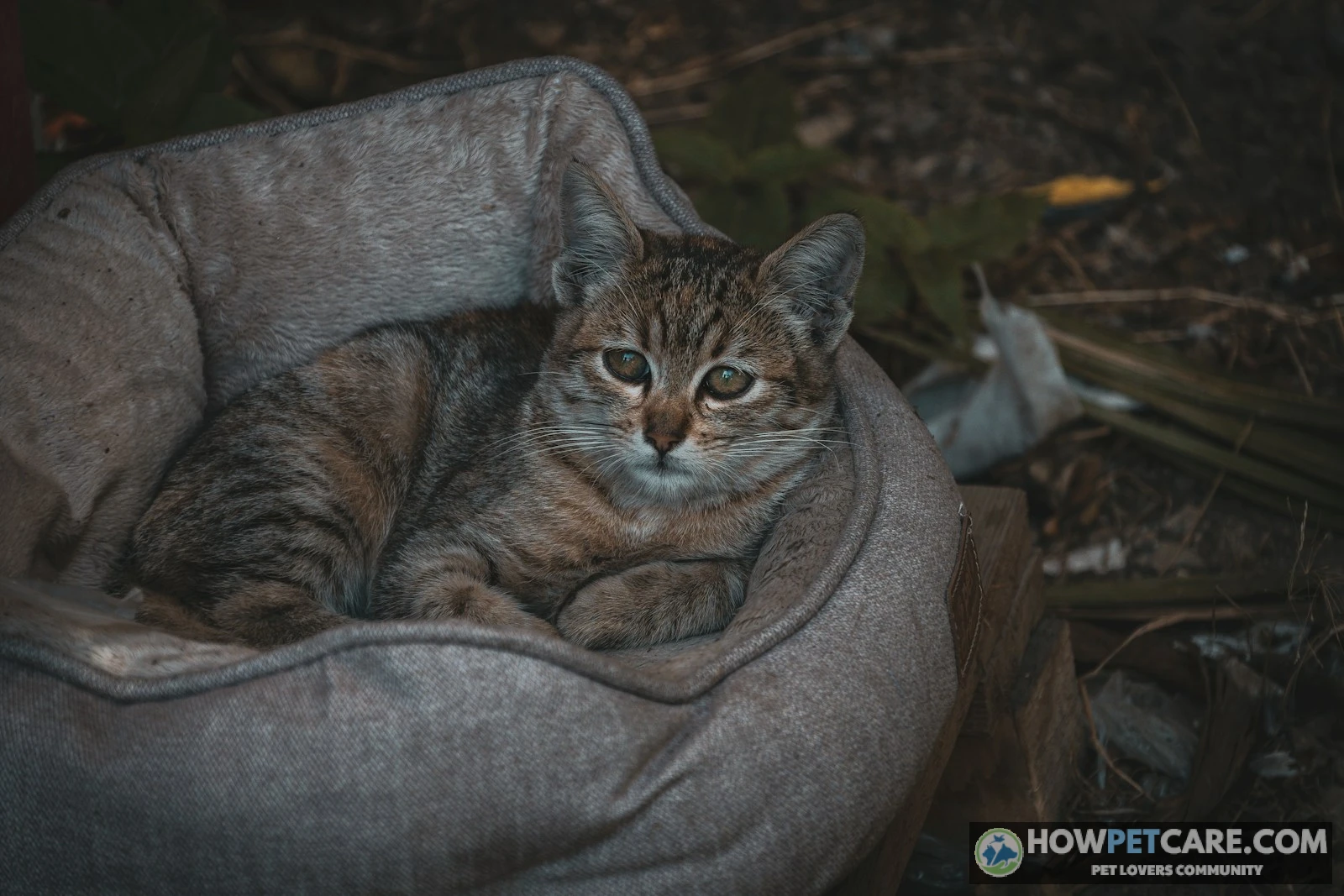
Record good and bad days alongside the scores. The numbers are a conversation aid, not a validated diagnosis or a fixed decision threshold. Discuss a downward trend, recurring bad days or concerns about pain with your vet. Ask about a structured tool such as the HHHHHMM quality-of-life scale, and whether pain management, palliative care or hospice support could help.
Don’t wait for the weekly score if breathing, urination, movement or consciousness changes suddenly: use the emergency guidance above and seek veterinary care immediately.
Your senior cat action checklist
- Book a visit: If your cat is senior, arrange a wellness exam about every six months. If your cat is 7 or older, ask what screening schedule fits their history.
- Prepare your observations: Note appetite, drinking, litter-box habits, sleep, grooming and movement; bring videos and previous records when available.
- Review the plan: Ask which blood tests, urine tests and blood pressure checks are appropriate, what they cost and when results should be rechecked.
- Check food and body condition: Discuss protein, calories and any unexplained weight or muscle change before switching diets.
- Make access easier: Adjust the litter box, resting places, food and water to suit your cat’s mobility.
- Keep a record: Track weight and meaningful changes over time, and call your vet promptly when something is new or worsening.
1Under the widely used 11-and-older life-stage framework, at what exact age is a cat classified as entering the senior stage?
The standard life-stage framework explicitly defines cats aged 11 to 14 as senior and those 15 and older as super senior.
2Using the cat-to-human age conversion rule of thumb, how many human years are added for each cat year after the cat's second year?
Following the first two cat years (which equal roughly 24 human years), each subsequent cat year adds approximately four human years.
3How does living an exclusively indoor lifestyle impact a cat's official senior age threshold?
Indoor cats hit the senior age threshold at the exact same time as outdoor cats, even though their specific environmental risks and life expectancies differ.
4A cat owner notices a gradual blue-gray haze forming inside their 12-year-old cat's eyes without signs of pain or redness. What is the most likely non-emergency cause?
A blue-gray haze inside the lens can represent lenticular sclerosis, which is a typical age-related eye change requiring veterinary confirmation.
5According to the symptom triage guide, which of the following clinical signs requires immediate emergency veterinary care?
Straining to urinate with minimal urine output can indicate a life-threatening urinary blockage that demands immediate emergency intervention.
6When screening an older cat for hyperthyroidism, which specific diagnostic blood test is commonly utilized?
Total T4 measures thyroid hormone concentrations and is the standard initial blood test for investigating hyperthyroidism.
7What is the general dietary guideline regarding protein intake for a healthy senior cat maintaining muscle mass?
Healthy senior cats require adequate digestible protein to maintain muscle, and protein should not be restricted based solely on age.
8What is the recommended frequency for routine wellness examinations once a cat reaches senior status (age 11 or older)?
Routine wellness checkups every six months allow veterinarians to detect subtle health shifts and age-related conditions early.
9Why are dental wear and tartar accumulation considered unreliable stand-alone metrics for estimating an adult cat's exact age?
Factors such as diet, genetics, and prior dental hygiene cause significant variation in wear and tartar, making teeth unreliable as a sole indicator of age.
10Which environmental adjustment is recommended to assist an aging cat experiencing reduced mobility?
Low-entry litter boxes distributed across used floors reduce physical strain for cats experiencing stiffness or joint pain.
| Symptom or Change | Likely Normal Aging? | Urgency Level | Recommended Action |
|---|---|---|---|
| Open-mouth breathing, gasping, or blue or very pale gums | No | Emergency now | Go to an emergency vet immediately; keep handling and stress to a minimum. |
| Straining to urinate with little or no urine | No | Emergency now | Go to a vet immediately, especially if your cat repeatedly enters the box or cries. A urinary blockage can be life-threatening. |
| Sudden hind-leg weakness or paralysis, especially with cold feet or obvious pain | No | Emergency now | Go to an emergency vet immediately. |
| Collapse, unresponsiveness or a seizure | No | Emergency now | Go to an emergency vet immediately; call ahead if possible. |
| Repeated vomiting, marked weakness or not eating for 24 hours | No | Same-day veterinary care | Call a vet today; go to emergency care sooner if your cat is weak, distressed or unable to keep water down. |
| Sudden vision loss, a painful eye or sudden severe confusion | No | Same-day veterinary care | Call a vet immediately for an urgent examination. |
| Much more thirst or urination, or noticeable weight loss | No | Call within 24–72 hours | Arrange an exam; ask whether bloodwork and urinalysis are appropriate. Call sooner if your cat also seems ill. |
| New litter-box avoidance or a new lump | Not safely assumed | Call within a few days | Schedule an exam. If your cat is straining with little or no urine, go to an emergency vet now. |
| Gradual, mild decrease in jumping or grooming | Can occur with age, but may indicate pain | Call for an appointment | Ask the clinic how soon your cat should be seen; bring a video and do not wait months if the change persists. |
| Slightly more sleep without other changes | Can occur with age | Discuss at the next routine visit | Track the pattern. Call sooner if the change is sudden, pronounced or accompanied by poor appetite. |
FAQ
Is a 12-year-old cat old?
Yes, a 12-year-old cat is considered senior, roughly equal to a person in their mid-60s. Many cats stay active and healthy at this age with regular screening and care.
How long do indoor cats usually live?
Indoor cats commonly live into their mid-teens, and many reach 18-20 with good care. Outdoor cats tend to have shorter lifespans due to injury, infection and other hazards.
Do senior cats sleep more?
Yes, older cats often sleep more and play less, which is usually normal. A sudden or dramatic change in energy, however, deserves a vet check since illness can look like ‘slowing down’.
Can cats get dementia?
Yes, cognitive dysfunction syndrome is similar to dementia and can cause confusion, night-time yowling and litter box accidents. A vet must first rule out other medical causes, and treatments and enrichment can help manage it.
Should a senior cat be vaccinated?
Often yes, but the plan is tailored to lifestyle and health. Your vet will weigh risks and benefits and may adjust the schedule for indoor or frail cats.