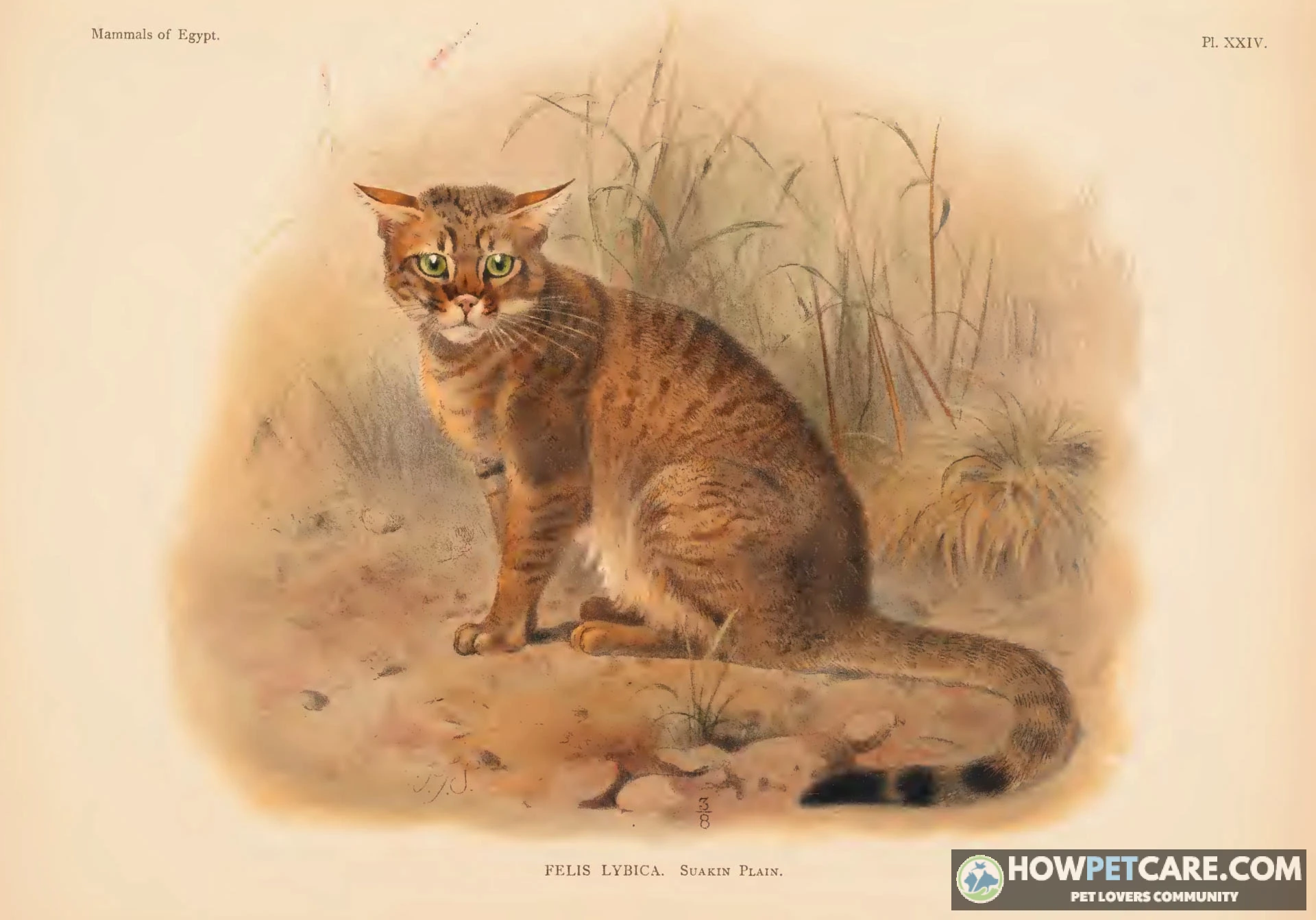

House cats evolved from the African wildcat (Felis silvestris lybica). Domestication began about 10,000–12,000 years ago when wildcats gathered at Near Eastern farms for rodents, and the tamest cats thrived alongside people. Cats then spread worldwide through trade and ships.
House cats descend from the African wildcat, domesticated about 10,000 years ago
The question “how did house cats evolve” has a short answer: house cats (Felis catus) descend from the African wildcat, specifically the Near Eastern subspecies Felis silvestris lybica. Wildcats began living near early farming settlements roughly 10,000 to 12,000 years ago, where grain stores attracted rodents and, in turn, cats. Domestication is the multigenerational process by which a wild population adapts to living alongside people; it is different from simply taming an individual animal.
DNA and archaeological finds support the broad outline. The precise pace of domestication, and how much people deliberately selected cats, remains less certain. Cats also remain closer to their wild ancestors than many domesticated animals are.
Genetic research adds a biological layer to that closeness: domestication is associated with changes in genes involved in fear response, memory, and reward learning — the systems that shape how wary an animal is, what it remembers about people and places, and whether it learns to connect humans with food.
Did house cats evolve from lions or tigers?
No. House cats and big cats share a much older common ancestor, but neither lions nor tigers gave rise to domestic cats. The cat family, Felidae, includes two broad living lineages: small cats such as domestic cats in Felinae, and big cats such as lions and tigers in Pantherinae. Their lineages diverged millions of years ago; the split is estimated at roughly 10 to 11 million years ago. Saber-toothed cats were another extinct branch, not ancestors of today’s pets.
Cat domestication timeline: from the first felids to modern breeds
The timeline separates fossil and genetic estimates from direct archaeological evidence. “Inferred” means researchers draw a conclusion from multiple clues rather than a single definitive find; “contested” marks an interpretation that remains debated.
| Approximate date | Milestone | Main evidence | Confidence |
|---|---|---|---|
| About 20 million years ago | Early felids diversify, including lineages that lead toward modern cats and extinct saber-toothed cats | Fossil record and evolutionary estimates | Well supported |
| About 10–11 million years ago | Big-cat and small-cat lineages diverge | Fossils and molecular-clock studies | Well supported |
| About 6 million years ago | The Felis lineage, including wildcats and house cats, emerges | Genetic divergence estimates | Inferred |
| About 130,000 years ago | African wildcat populations diverge from other wildcat lineages | Modern wildcat DNA and evolutionary estimates | Inferred |
| About 10,000–12,000 years ago | Wildcats begin frequenting farming settlements in the Fertile Crescent | Archaeology and the farming-and-rodent context | Inferred |
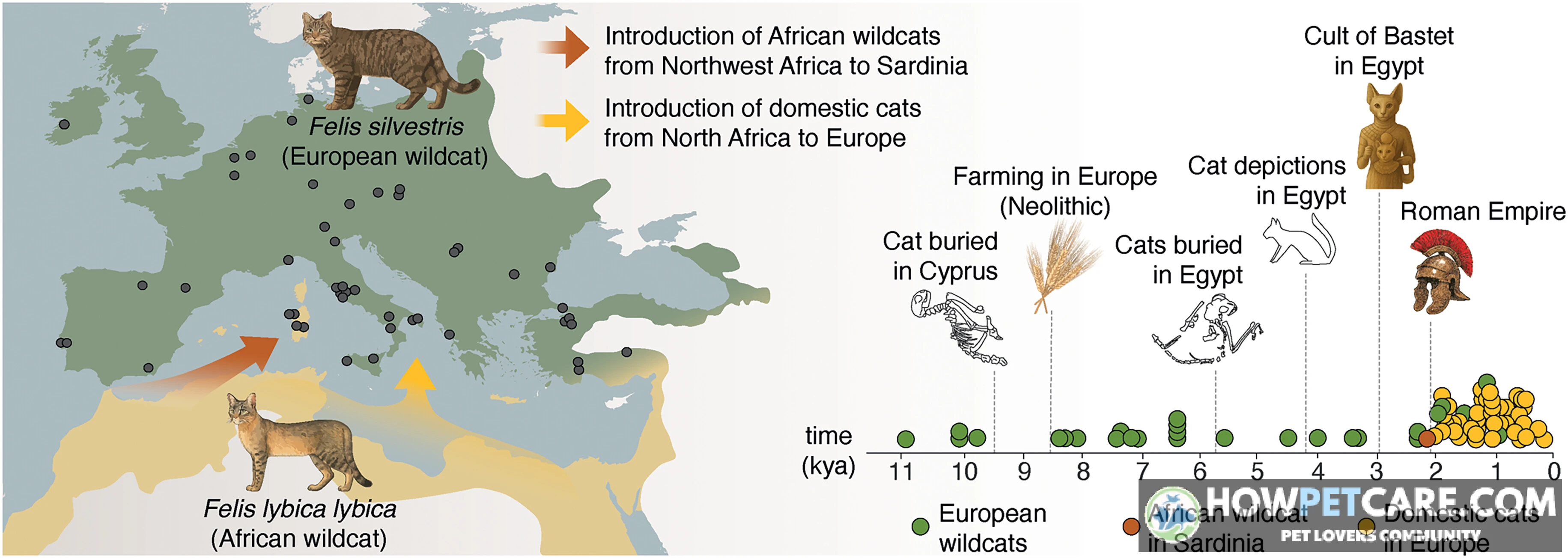
| About 9,500 years ago | A cat is buried near a human at Shillourokambos, Cyprus | Excavated human-cat burial | Well supported |
| About 6,000 years ago | Cats are buried at Hierakonpolis in Egypt | Archaeological remains | Well supported; how they were kept is inferred |
| About 5,300 years ago | Leopard cats live near millet farms at Quanhucun, China | Bones and later species identification | Well supported; domestication interpretation contested |
| About 3,000–4,000 years ago | Cats become prominent in Egyptian art and religious practice; cat mummification expands | Art, texts, and mummified remains | Well supported |
| About 2,000 years ago | A 2025 ancient-DNA study reports domestic cats reaching Europe from North Africa | Ancient DNA | New finding; interpretation is still being absorbed |
| Roman to Viking eras | Cats spread along trade and sea routes, including to Baltic sites | Ancient mitochondrial DNA and archaeological remains | Well supported |
| 1871 | The first organized cat show is held at Crystal Palace in London | Historical record | Well supported |
| 2007 onward | Genetic and ancient-DNA research refines the origin and dispersal story | Mitochondrial DNA, whole-genome studies, and ancient DNA | Well supported |
The sections below explain the evidence behind the Near Eastern origin, the spread through Egypt and trade, and the much later development of pedigree breeds.
Where do domestic cats come from? The Near East and the Cyprus burial
What the DNA says about the ancestor
In a 2007 study, researchers compared wildcat populations with domestic cats from multiple regions. The domestic cats clustered with Near Eastern wildcats, Felis silvestris lybica, rather than European, Central Asian, or southern African wildcats. That result supports the Near East as the starting region for domestic cat origins.
Farming helps explain why cats and people began sharing space. Stored grain attracted mice; mice attracted wildcats. Cats could hunt around villages without requiring people to feed or manage them, while people gained an effective predator near food stores. This is a plausible pathway, not a directly observed moment when someone decided to domesticate a cat.
What the Cyprus burial does and does not prove
At Shillourokambos on Cyprus, archaeologists found a cat buried near a human about 9,500 years ago. Because Cyprus had no native wildcat population, the cat must have been brought to the island by people. The burial is strong evidence that people and cats had a close association by then.
It doesn’t prove that the buried cat belonged to a fully domesticated population, or that domestication began on Cyprus. A wild animal can be transported, kept, or buried by people without its species having undergone domestication. The burial is best read alongside the genetic evidence and the earlier farming context.
Bones can be hard to classify as domestic or wild because early domestic cats kept a wildcat-like body. DNA can reveal relationships that appearance alone cannot settle.
Did the Egyptians domesticate cats first? What ancient DNA changed after 2014
The Egypt myth, corrected
Ancient Egypt was a major center of cat culture and later cat dispersal, but the evidence does not support Egyptians as the first people to domesticate cats. The Cyprus burial dates to about 9,500 years ago, thousands of years before the flourishing of Egyptian cat cults. Genetic evidence instead points to Near Eastern wildcats as the source population.
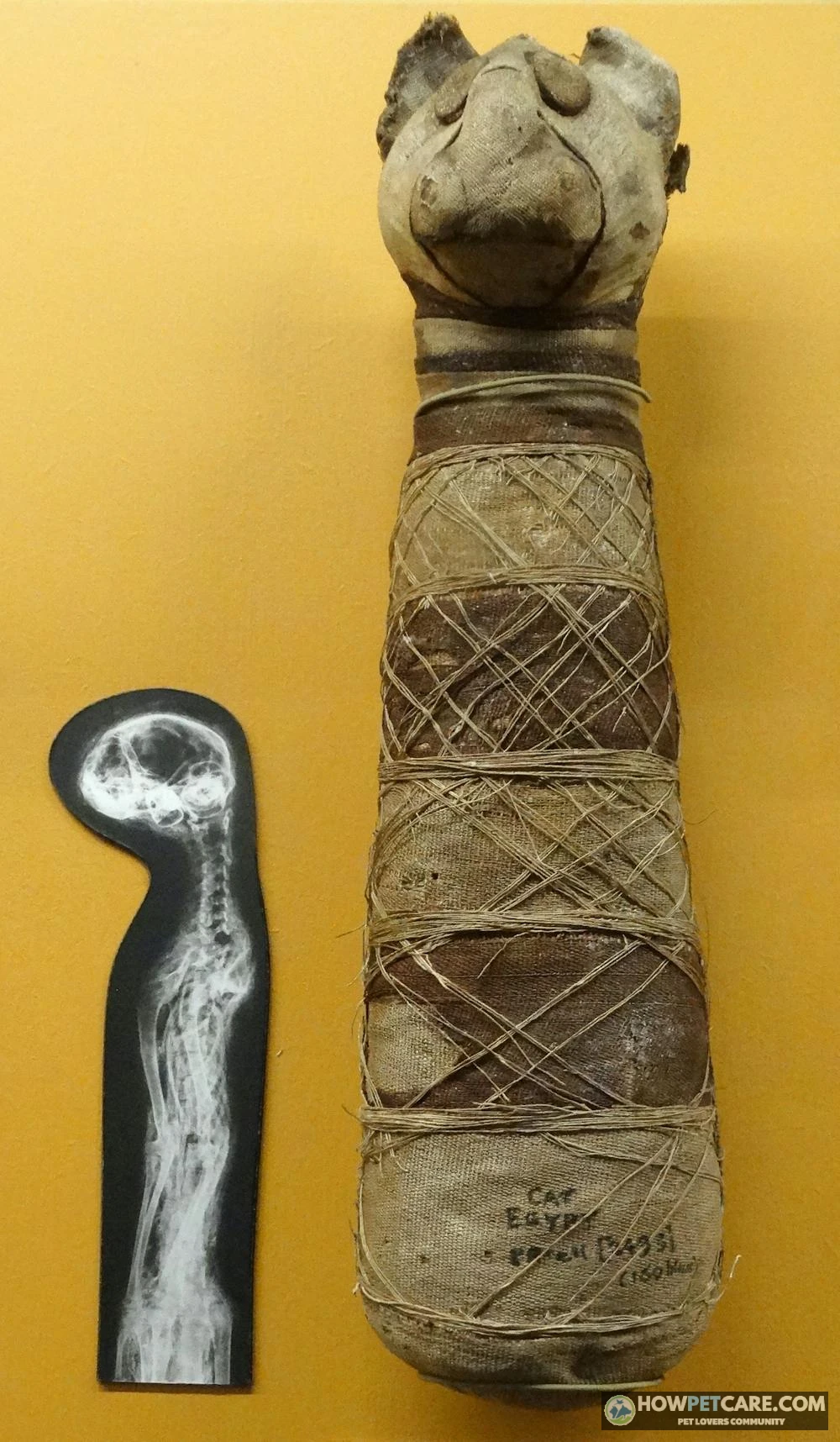
Egypt’s importance is still substantial. Cats appear in Egyptian art and religious life, and large numbers of cat mummies have been found. Earlier cat burials at Hierakonpolis suggest that people in Egypt were keeping or managing cats before cat worship became prominent. These finds show a long relationship, not the first domestication event.
Post-2014 ancient-DNA findings in plain English
A 2017 study by Ottoni and colleagues analyzed ancient mitochondrial DNA from cats across Europe, the Near East, and Africa. It described two broad dispersal episodes: cats associated with early farming communities spreading from the Near East, followed by the wider movement of an Egyptian lineage during the classical period and later. Mitochondrial DNA traces one maternal line, so it offers useful evidence about movement but does not capture every part of a cat’s ancestry.
A 2025 Science ancient-DNA study further complicates older summaries: it indicates that domestic cats reached Europe from North Africa only about 2,000 years ago. Under that interpretation, some earlier cats found at European sites were local European wildcats, not domestic cats. This is a newer finding, so treat it as a revision in progress rather than a reason to erase evidence for earlier cat-human contact elsewhere.
Older account: Egypt domesticated cats, and domestic cats then spread outward. Newer evidence: domestication began in the Near East; Egyptian cats later contributed to a major wave of dispersal, while new ancient-DNA results are refining when domestic cats became established in Europe.
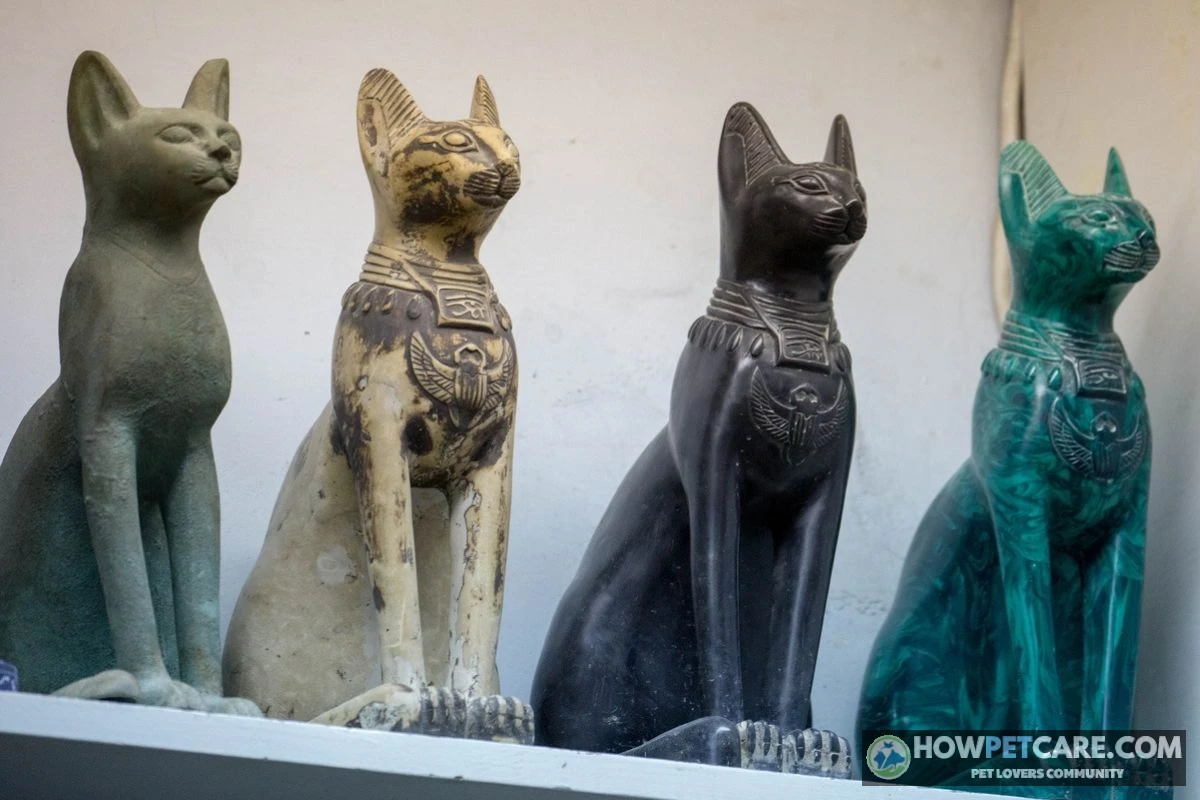
How cats became house pets worldwide: farms, ships and the leopard cat episode in China
Sea routes and trade routes
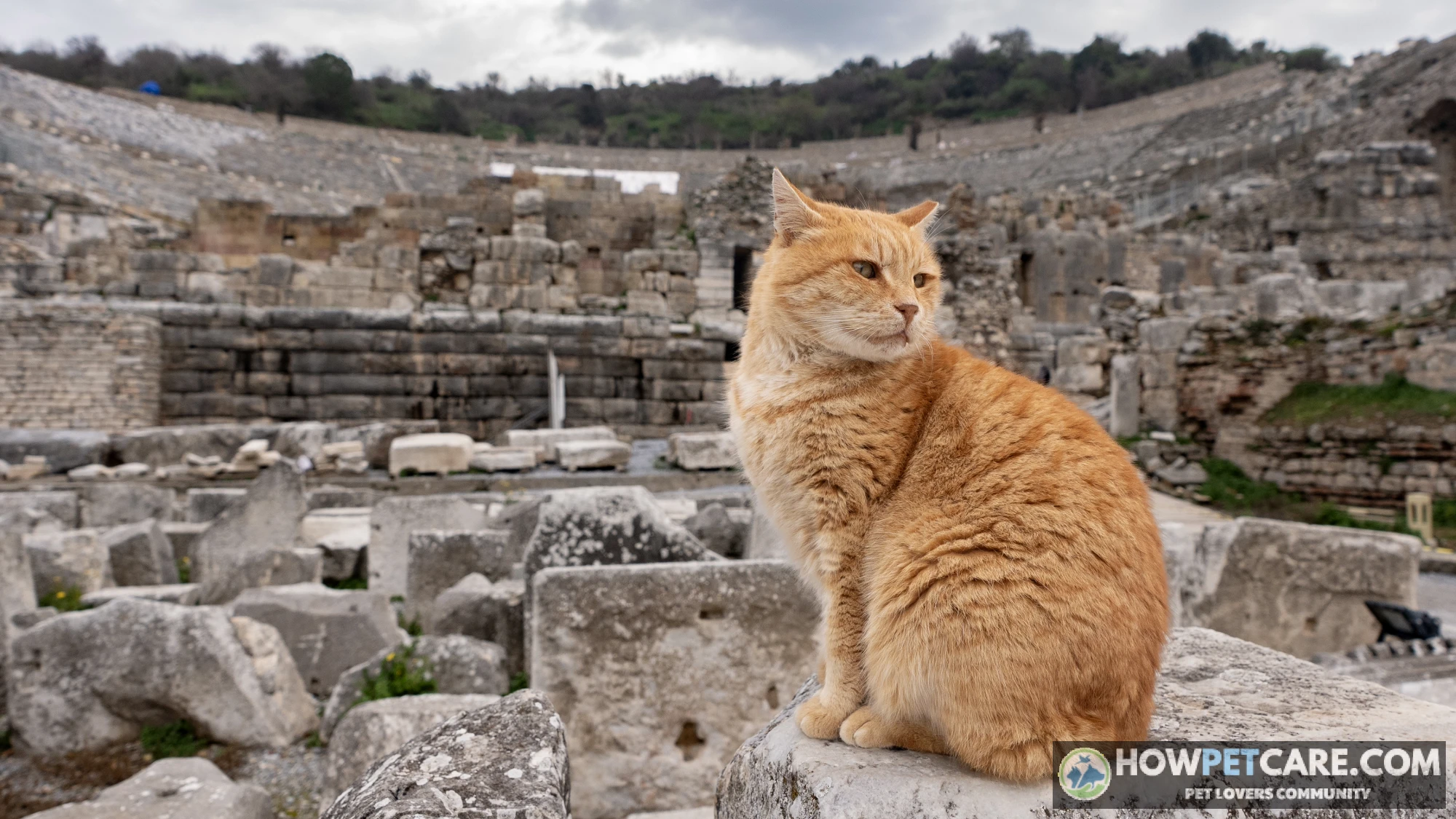
Once people began moving grain and goods, cats could travel with them. A cat that hunted rodents was useful aboard ships and around ports, granaries, and settlements. Domestic cats spread around the Mediterranean and along trade networks; ancient-DNA findings include Egyptian-lineage cats at Viking Age sites in the Baltic region. Cats also traveled through Indian Ocean and overland trade connections. European colonists later brought them to the Americas.
This was not a single, orderly migration. Cats moved in multiple waves with people, and populations mixed along the way. The ancient-DNA record is helping researchers separate local wildcats from domestic cats and trace those movements more precisely.
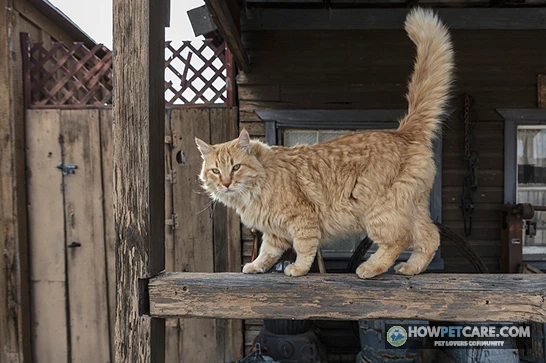
The leopard cat episode in ancient China
At Quanhucun, a Neolithic village in China, cat remains from about 5,300 years ago were once treated as evidence of early domestic cats. Later analysis identified the animals as leopard cats (Prionailurus bengalensis), a different species from the African wildcat that gave rise to house cats. The leopard cats were living around millet farms, where rodents offered an abundant food source.
This relationship did not produce a lasting population of domestic leopard cats. A 2022 ancient-DNA study indicates that true domestic cats arrived in China much later, around the Tang dynasty, likely through Silk Road trade. The Chinese case shows that farm-dwelling and hunting rodents do not, by themselves, prove domestication. Archaeological samples remain limited, and researchers continue to refine the dates and interpretation.
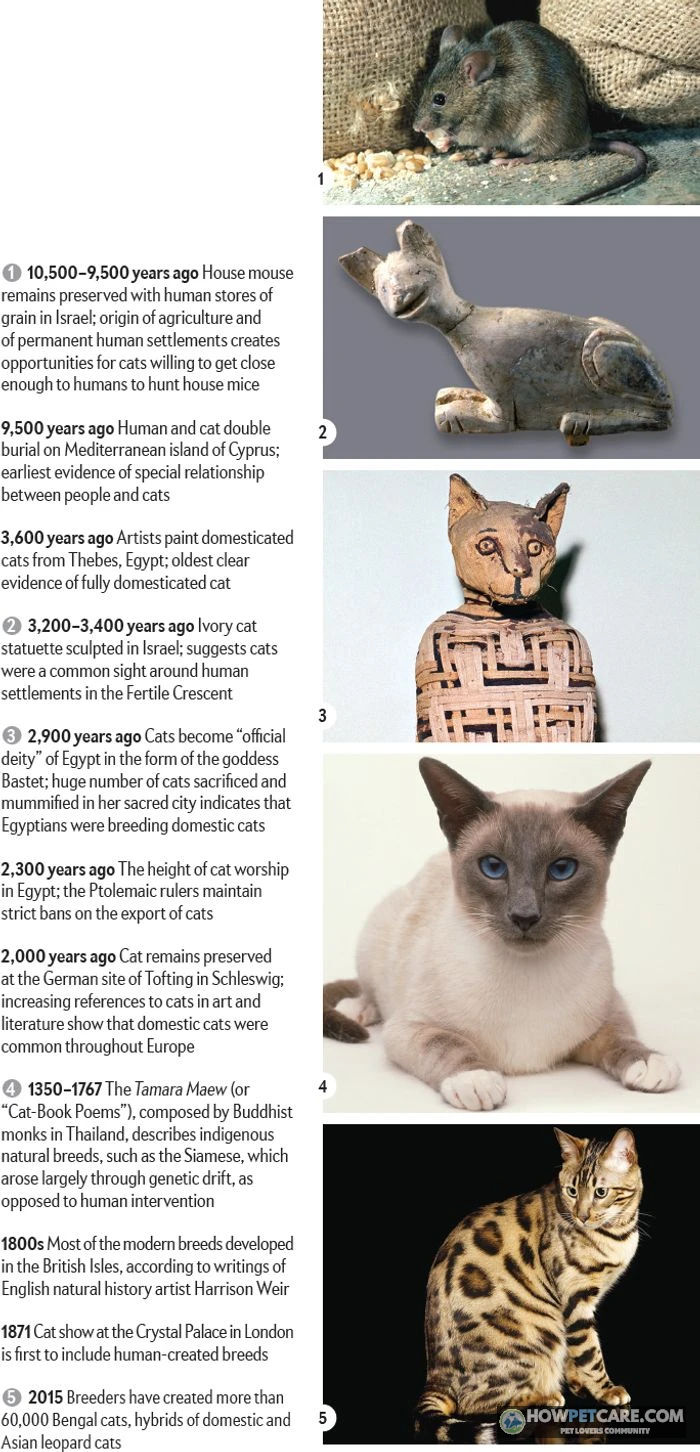
Did cats domesticate themselves? The self-domestication debate
The case for self-domestication
In the commensal pathway model, wildcats came to farms for prey, and the least fearful animals were better able to feed and reproduce near people. Over generations, that could gradually favor tolerance without farmers setting out to breed cats. Cats show relatively little body change from wildcats and were not bred for a specialized human task such as herding. Those facts fit a largely self-directed beginning.
The case for human selection
People also transported cats across water, buried them, and chose to keep living alongside them. Moving cats to islands and settlements altered which animals could reproduce in those places. Even without a formal breeding program, people may have favored cats that were calmer or more tolerant. These actions make human influence hard to separate from natural selection around farms.
| Aspect | Case for self-domestication | Case for human selection |
|---|---|---|
| Core idea | Wildcats approached farms for prey; the tamest could remain nearby and thrive | People kept, moved, and favored cats that tolerated human life |
| Supporting clues | Rodent-rich farms explain the initial attraction; cats retained many wild traits | People transported cats, including to Cyprus, and some animals received deliberate burials |
| Main limitation | Can understate the role of human movement and preference | There is little direct evidence of early, organized cat-breeding programs |
| Likely middle ground | Natural selection for tolerance may have started the process | Human choices may have strengthened it over time |
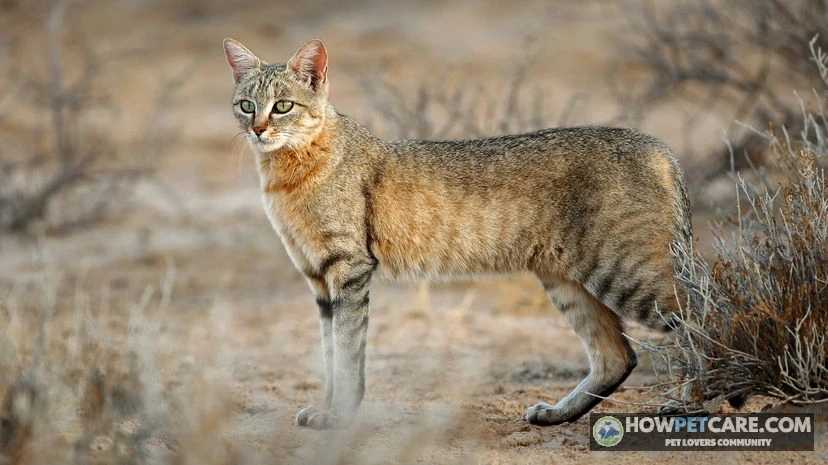
What the evidence can and cannot settle
It is well supported that cats lived near farming settlements roughly 10,000 to 12,000 years ago and that people later moved them. It is a reasonable inference that tolerance of people helped cats succeed in those settings. What remains contested is how much deliberate human selection shaped the earliest populations and exactly when to call them domesticated.
“Self-domestication” and “human domestication” may describe different parts of one gradual process rather than competing explanations. Cats are a useful case because they could benefit from human settlements without being bred to perform a specific job, yet people still affected their movement and survival.
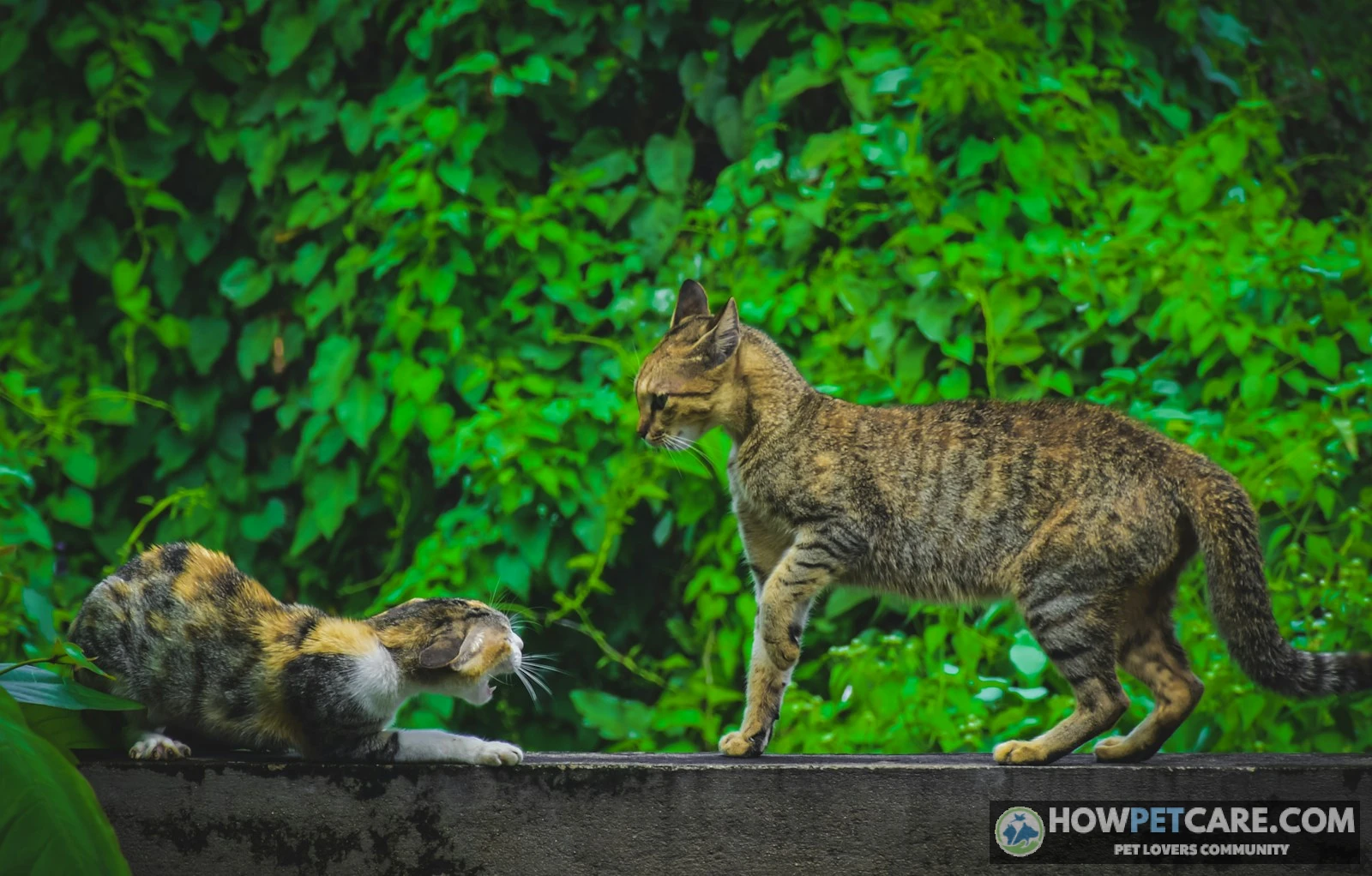
House cats vs wildcats: genetic, physical and behavioral differences
Domestic cats and African wildcats remain closely related and can interbreed. Domestic cats are commonly classified as Felis catus, while some taxonomies treat them as a domesticated form of Felis silvestris lybica. The labels differ; the close ancestry does not.
| Trait | African wildcat (Felis silvestris lybica) | Domestic cat (Felis catus) | What it suggests about domestication |
|---|---|---|---|
| Genetics | Wild population that provides the closest ancestral comparison | Genome remains very similar; domestic cats can interbreed with wildcats | Domestication changed a relatively small part of a close genetic relationship |
| Body | Lean, long-legged build suited to hunting | Usually similar in general form, with variation in size and proportions | Early domestication brought less dramatic body change than in some other domestic animals |
| Coat | Typically sandy or grayish with a striped tabby pattern | Many colors and patterns, including black, white, orange, and colorpoint | Greater coat variation became possible as people bred cats and survival depended less on camouflage |
| Response to people | Wary and generally avoids close contact | More likely to tolerate or seek contact with people | Tolerance is a central difference between wild and domestic populations |
| Social behavior | Generally solitary and territorial | Can live near other cats when food and space allow | Human settlements can support more flexible social arrangements |
| Learning | Learns from experience, as other wild animals do | Can learn to associate people with food and other rewards | Reward learning may help cats adapt to life around humans |
What the “13 genes” actually do
A 2014 whole-genome study by Montague and colleagues reported a small set of genetic changes associated with domestication; the result is often summarized as 13 genes. The study linked candidate genes to memory, fear conditioning, and reward learning. Those processes matter in everyday terms: how an animal remembers safe places and people, how strongly it reacts to unfamiliar situations, and whether it learns that approaching people can lead to food.
The findings support the idea that selection favored cats more comfortable around humans. They do not show that 13 genes independently determine tameness. Gene associations are clues about biological pathways, not simple switches that turn a wildcat into a pet. Researchers still lack a complete account of the genetic mechanisms behind the physical and behavioral changes.
Why house cats are smaller than their wild relatives
The size comparison needs care. Domestic cats are not dramatically smaller than the African wildcats they descend from; both have broadly similar bodies. Size varies among individual cats and populations, and comparisons with the larger European wildcat can make the difference seem greater. Some studies also report a smaller brain in domestic cats relative to body size, but that doesn’t mean every domestic cat is smaller than every wildcat.
A better explanation than “domestication made cats tiny” is that early domestic cats experienced limited pressure to change their overall body plan. They continued to hunt, and people did not generally breed them for a particular size or working role. Later breed selection created more noticeable differences in some cats.
How modern cat breeds formed: Persian, Siamese and Maine Coon
The original domestication process unfolded over thousands of years; modern pedigree breeds are much more recent. Organized cat shows and registries turned regional types and distinctive traits into formal breed standards. The first organized cat show was held at Crystal Palace in London in 1871. Breed totals vary by registry, so there is no single universal count.
| Breed | Region of origin | When it was formalized | What breeders selected for |
|---|---|---|---|
| Persian | Cats brought to Europe from the Near East | Developed as a formal show breed in the 19th century | Long coat and a rounded appearance |
| Siamese | Thailand, formerly known in English as Siam | Arrived in Britain in the 1880s and was later standardized | Colorpoint coat pattern and a distinctive body type |
| Maine Coon | New England, from a regional population of working cats | Shown in the late 19th century and later formalized | Large build and long coat associated with the regional type |
Natural landraces vs. engineered breeds
A landrace is a regional population shaped by local conditions and human contact without a strict written standard. The Maine Coon developed from such a population before being formalized. Modern pedigree breeding is different: breeders deliberately pair cats to emphasize selected traits, sometimes within a relatively small population. That can make appearances more predictable, but restricted breeding can also increase the risk of inherited disease in some breeds.
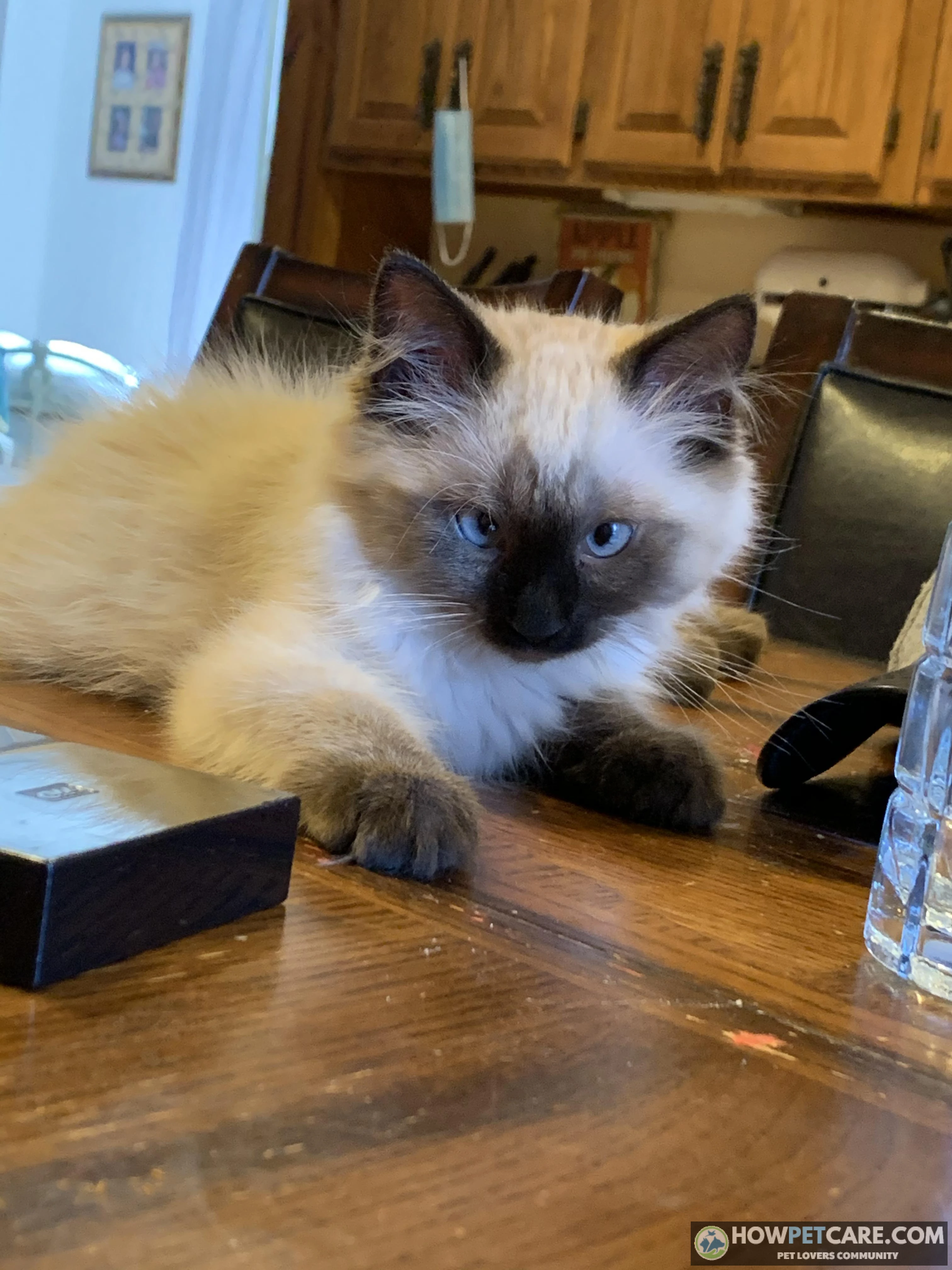
Persians developed from long-haired cats brought to Europe from the Near East beginning in the 1600s, with later breeding in Britain and the United States emphasizing coat and facial features. Siamese cats came to Britain from Thailand in the 1880s. Their colorpoint pattern is associated with a temperature-sensitive pigment mutation: cooler parts of the body develop darker color. These histories show how modern selective breeding acts on particular traits over a much shorter time than the original domestication process.
Myth-correction checklist for cat origins
When correcting a claim, separate what is known from what researchers infer:
- “Cats descend from lions.” False: cats and lions share an older ancestor, but domestic cats descend from African wildcats.
- “Egyptians domesticated cats first.” Not supported: Near Eastern origins and the Cyprus burial predate the major Egyptian cat cults.
- “Cats domesticated themselves.” Contested: natural selection around farms likely mattered, but people also moved and may have favored cats.
- “Every cat breed is ancient.” False: modern pedigree breeds largely took shape through recent, deliberate selective breeding.
- “The 13 genes are tameness switches.” False: they are candidate genetic associations linked to processes such as fear response, memory, and reward learning.
For further checking, the key research milestones include Driscoll and colleagues’ 2007 wildcat DNA study, Montague and colleagues’ 2014 whole-genome analysis, Ottoni and colleagues’ 2017 ancient mitochondrial-DNA study, and the 2025 Science ancient-DNA findings. Those milestones support the broad story while showing why details of timing and routes continue to change.
FAQ
How long ago did house cats evolve?
The cat lineage is millions of years old, but domestication began about 10,000 years ago in the Near East, when African wildcats started living near early farming settlements. The Cyprus burial from about 9,500 years ago is the earliest strong sign of a close human-cat bond.
Are domestic cats a separate species from the African wildcat?
They are usually named as a separate species, Felis catus, but many researchers treat them as a domesticated form of the African wildcat, Felis silvestris lybica. The two can still interbreed and their genomes are very similar.
Can house cats still breed with wildcats?
Yes. Domestic cats can interbreed with wildcats, and this hybridization is a conservation concern for some wildcat populations, such as the Scottish wildcat. It is one sign that cats are only partly domesticated.
Were cats domesticated before dogs?
No. Dogs were domesticated from wolves earlier, by at least about 15,000 years ago, and probably earlier. Cats came after the rise of agriculture, about 10,000 years ago.
Do house cats still behave like wild animals?
In many ways, yes. House cats keep wildcat hunting instincts and can survive without people, though they are more tolerant of humans and of living near other cats than wildcats are. Cats changed less than dogs did, partly because people rarely bred them for specific jobs.