
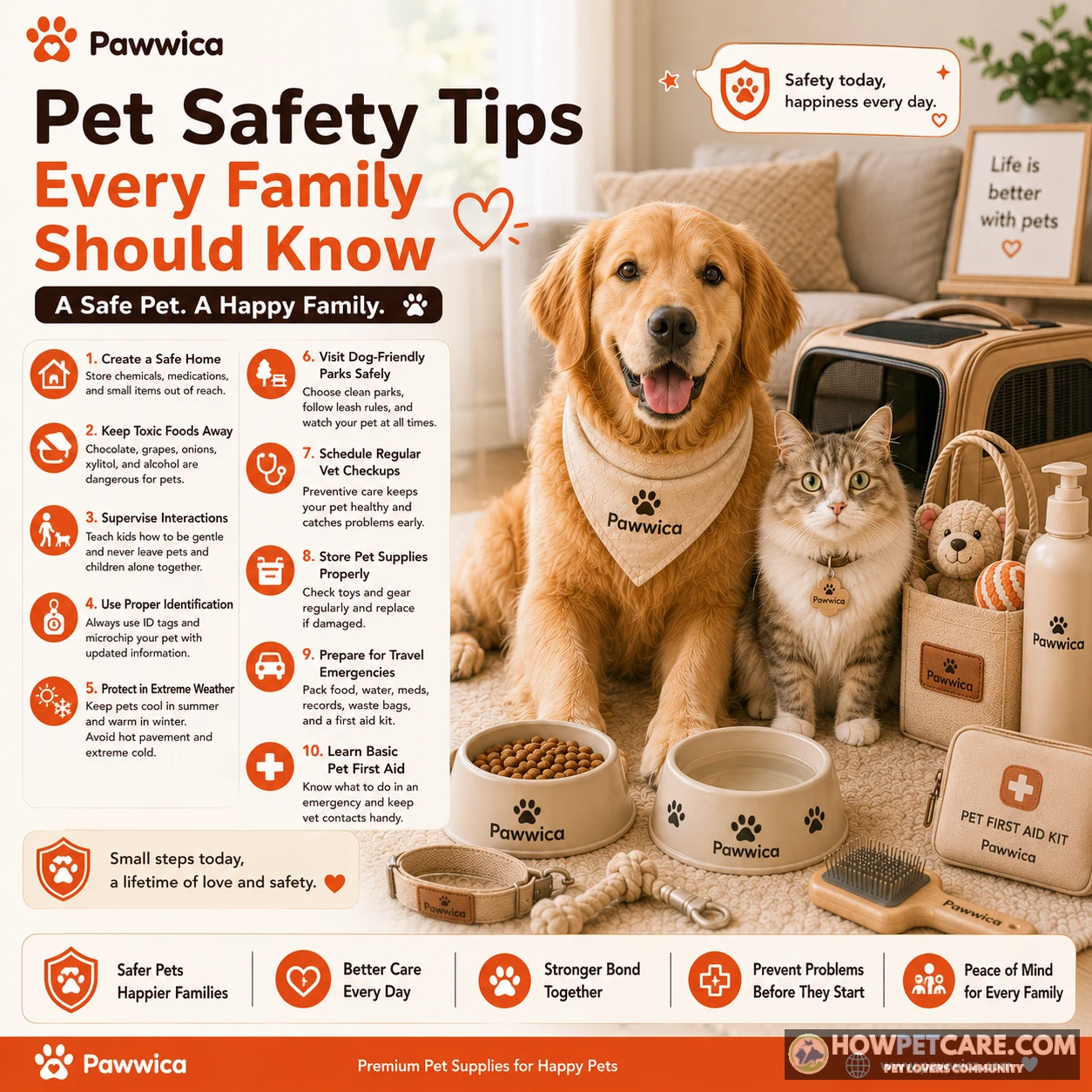
The most important pet safety tips: lock away toxic foods, medications, and chemicals; cover cords and remove small objects pets can swallow; secure windows, balconies, gates, and fences; keep ID tags and microchip registration current; never leave a pet in a parked car in warm weather; and save your vet and poison-control numbers now.
The Pet Safety Rules That Prevent Most Emergencies
Lock away toxins, secure cords and windows, keep identification current, and never leave an animal in a parked car in warm weather. Save your veterinarian’s and poison-control numbers before an emergency, and make a plan for getting to a clinic.
The habits that matter most are pet-proofing, knowing common toxins, preparing for heat and cold, preventing escapes, and having an emergency plan. This guide covers pet safety tips for year-round prevention and what to do in an emergency. It supports veterinary care; it does not replace it. Call a veterinarian immediately for suspected heatstroke or choking; for suspected poisoning, call a veterinarian or a poison-control service.
The sections below cover poison-response steps, first aid for heatstroke and choking, species and life-stage guidance, and a printable checklist.
How to Pet-Proof Your Home, Room by Room
Start at your pet’s eye level, then look up. Cats can reach counters, shelves, and windowsills that seem safely out of range. Repeat the walkthrough when you bring home a new animal, change cleaning products, or put up decorations.
Kitchen and bathroom hazards
- ☐ Store chocolate, grapes and raisins, onions and garlic, alcohol, caffeine, and raw yeast dough in a latched cabinet or another secure location.
- ☐ Check labels for xylitol, a sweetener found in some gum, mints, baked goods, and nut butters. Keep these products away from pets.
- ☐ Use a locking-lid trash can. Put bones, corn cobs, skewers, and fatty scraps where pets cannot steal them.
- ☐ Keep human and pet medications in closed cabinets, including the pills in purses and bedside organizers. Never leave doses on a counter.
- ☐ Lock away detergent pods, cleaners, and disinfectant wipes. Keep pets away from cleaning areas until products have been used according to label directions and surfaces are dry.
Cords, small objects, and chewing risks
- ☐ Use protective cord covers or enclosed cable boxes, and unplug and put away chargers when they are not in use. A deterrent spray is not a substitute for a physical barrier.
- ☐ Pick up hair ties, coins, earbuds, children’s toys, and button batteries. Chewed batteries can cause serious chemical injury; call a vet immediately if one is missing or damaged.
- ☐ Store string, ribbon, thread, needles, and fishing tackle in closed containers. If string is hanging from your pet’s mouth or anus, do not pull it; contact a veterinarian immediately. Pulling string from a cat’s mouth can injure the intestines.
- ☐ Check toys for loose parts and replace damaged items. Choose supervised play when a pet tends to tear or swallow toys.
Windows, balconies, and cat-proofing an apartment
- ☐ Keep windows closed or fit secure, appropriately supported window guards designed to prevent a fall. Ordinary insect screens can give way under a pet’s weight.
- ☐ Do not allow unsupervised access to an open balcony. Use a professionally secured enclosure or keep the door closed; check building rules before installing netting.
- ☐ Move furniture away from unsafe windows and keep dangling blind cords out of reach. Provide an indoor perch at a secure window instead.
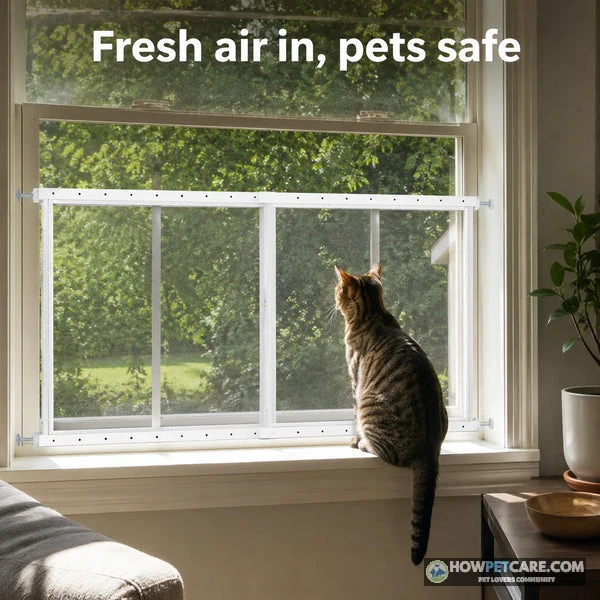
An indoor cat is not protected from a fall just because it has lived safely beside an open window before. Secure the opening or keep it closed.
Garage, yard, and garden hazards
- ☐ Clean up antifreeze spills promptly and keep pets away from the area. Store coolant and other automotive fluids in locked cabinets.
- ☐ Avoid putting rodenticides or slug bait where pets or wildlife can reach them. Pets may also be exposed by eating poisoned rodents; ask your vet about any possible exposure.
- ☐ Skip cocoa mulch, secure compost, and store fertilizers and garden chemicals in closed containers. Check treated areas and follow label restrictions before allowing pets back in.
- ☐ Inspect gates and fences for gaps, loose latches, and digging spots. Use a second barrier at busy exits when practical.
 You might be wonderingValentines day for animalsValentine’s Day for Animals: 12 Ideas, Recipes & Safety TipsRead the answer
Toxic Foods, Plants, and Household Products: What to Avoid and What to Watch For
The effects of exposure depend on the substance, its form, the amount, and the animal. Dark and baking chocolate are generally more concentrated than milk chocolate, for example. Do not try to calculate a safe amount yourself: contact a veterinarian or poison-control specialist with the product label and your pet’s weight.
Toxic foods for dogs and cats
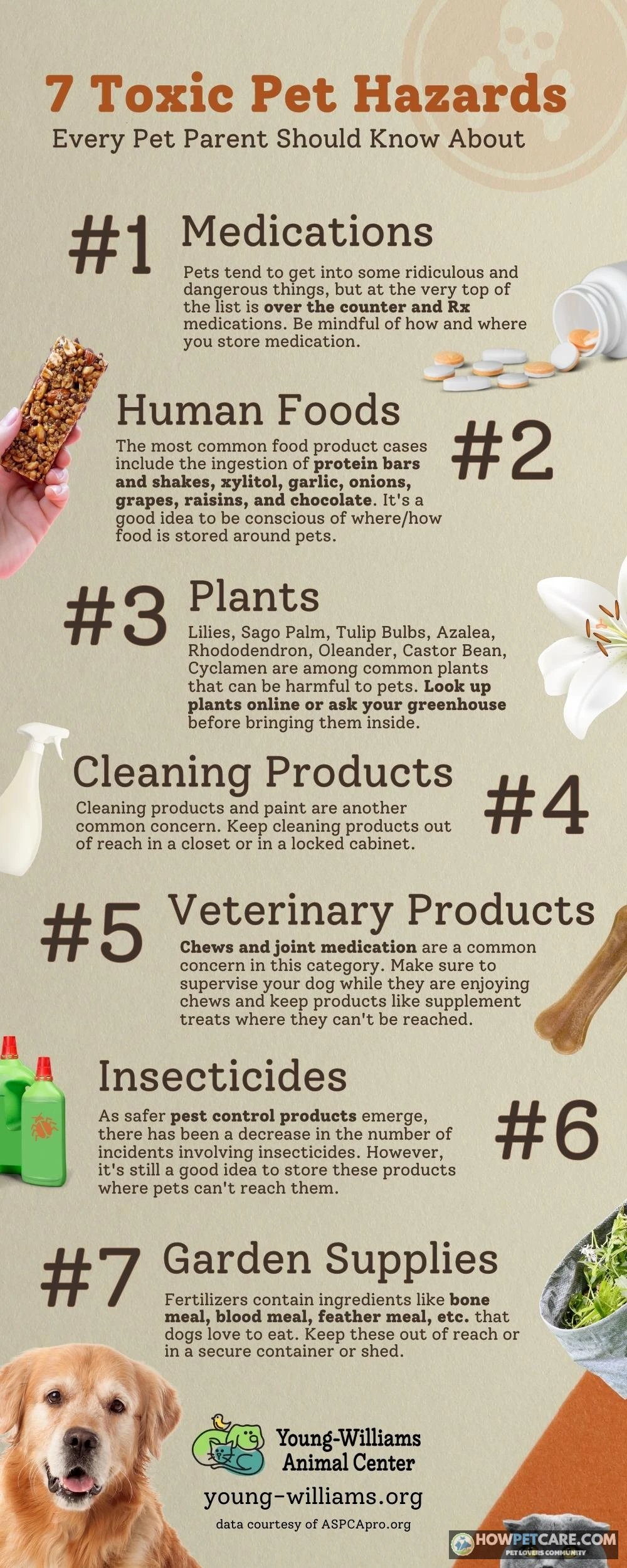
Chocolate, xylitol, onions, garlic, grapes, raisins, and macadamia nuts are among the foods that can be dangerous to pets, although susceptibility varies by species. Keep all of them out of reach, including in baked goods, trail mix, leftovers, and bags guests bring into your home.
Toxic houseplants and garden plants
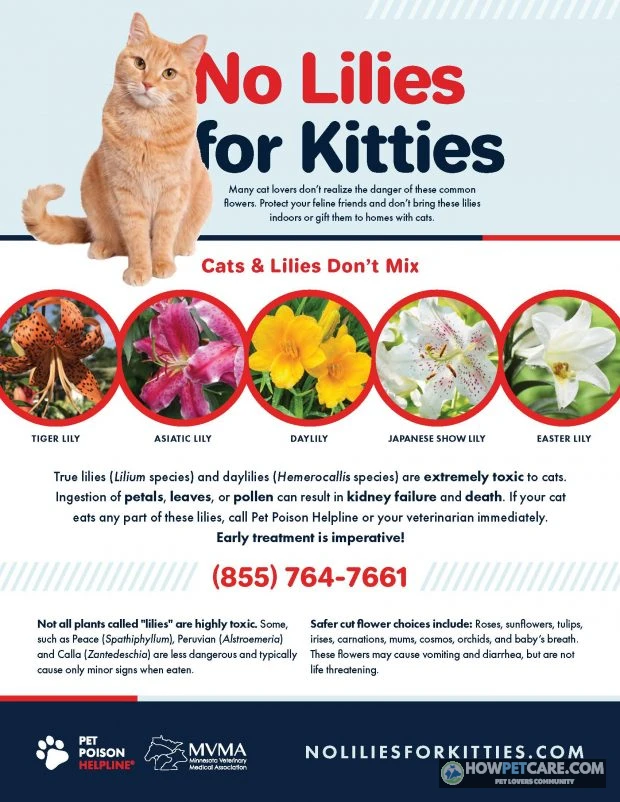
True lilies and daylilies are particularly dangerous to cats and can cause fatal kidney failure; pollen, leaves, flowers, and vase water can all be a concern. Remove them from homes where cats live rather than relying on a high shelf.
Sago palm, oleander, and tulip or daffodil bulbs are also examples of hazardous plants. Plant names can be confusing: identify the plant or take a photo, and ask a professional rather than assuming that a similarly named plant has the same risk.
Medications, cleaners, and other household products
Never give a pet human pain medication unless a veterinarian specifically instructs you to. Ibuprofen, naproxen, and acetaminophen can cause serious harm; cats are especially vulnerable to acetaminophen. Concentrated essential oils, antifreeze, rodent bait, and cleaning products also warrant prompt professional advice after exposure.
| Toxin | Affects | Why it is dangerous | Early signs | Later or severe signs | Action |
|---|---|---|---|---|---|
| Chocolate, especially dark or baking chocolate | Dogs and cats | Stimulants affect the heart and nervous system | Vomiting, diarrhea, restlessness | Tremors, abnormal heart rhythm, seizures | Save the wrapper; call with the type and estimated amount. |
| Xylitol | Especially dogs | Can cause a dangerous drop in blood sugar and liver injury | Vomiting, weakness, wobbliness | Seizures or liver injury | Call immediately, even if the dog looks normal. |
| Grapes, raisins, and dried currants made from grapes | Especially dogs; avoid for cats too | Can damage the kidneys; risk is unpredictable | Vomiting, lethargy, poor appetite | Kidney failure, reduced urine production | Treat known ingestion as urgent. |
| Onions, garlic, and chives, including powders | Dogs and cats | Can damage red blood cells | Drooling, vomiting, or no immediate signs | Weakness, pale gums, rapid breathing | Call with the ingredient and estimated amount. |
| Macadamia nuts | Especially dogs | Can affect muscles and the nervous system | Weakness, vomiting, wobbliness | Tremors or inability to stand | Call for advice. |
| Alcohol, caffeine, and raw yeast dough | Dogs and cats | Can cause poisoning; rising dough can also expand in the stomach | Vomiting, restlessness, wobbliness, or a swollen abdomen | Tremors, breathing problems, collapse | Call immediately and report the substance. |
| True lilies and daylilies | Cats | Can cause acute kidney injury | Vomiting, drooling, or no obvious early signs | Kidney failure | Contact an emergency vet immediately, including after pollen or vase-water exposure. |
| Sago palm, oleander, tulip and daffodil bulbs | Dogs and cats | Depending on the plant, can affect the gut, heart, or liver | Drooling, vomiting, diarrhea | Heart rhythm problems, liver failure, collapse | Call and take a plant photo or safely collected sample. |
| Human pain medicines and other prescriptions | Dogs and cats | Effects vary and can include ulcers, organ injury, or nervous-system problems | Vomiting, lethargy, agitation, or no early signs | Bleeding, seizures, organ failure | Call immediately; keep the container. |
| Antifreeze, rodenticides, slug bait, cleaners, and concentrated essential oils | Dogs and cats | Depending on the product, can cause kidney injury, bleeding, seizures, burns, or breathing problems | Drooling, vomiting, coughing, staggering, or no early signs | Bleeding, seizures, breathing distress, organ failure | Move the pet away and call with the product label. |
Toxin or upset stomach? Symptoms that signal a real emergency
Repeated vomiting, unusual drooling, tremors, seizures, marked lethargy, pale gums, trouble breathing, or collapse call for urgent veterinary assessment. Known access to a toxin matters even if none of those signs is present: some exposures produce delayed or initially subtle effects. Symptoms alone cannot reliably distinguish poisoning from a minor stomach upset.
For a broader list, consult the ASPCA Animal Poison Control plant and food resources or Pet Poison Helpline’s poison database. When in doubt, call rather than wait for a symptom to appear.
What to Do If Your Pet Eats Something Poisonous
The first few minutes: a step-by-step checklist
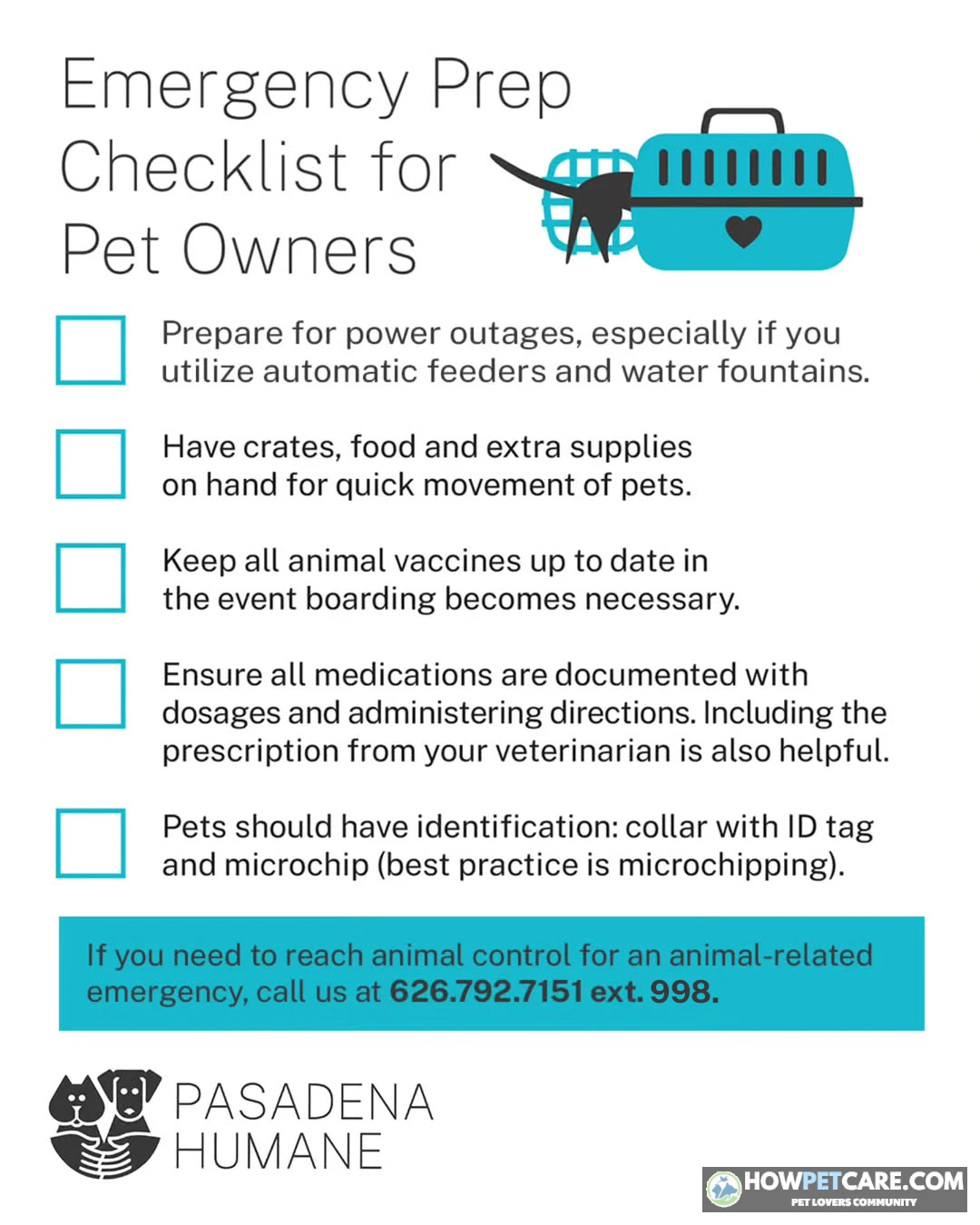
Act immediately while arranging professional advice. If your pet is struggling to breathe, having a seizure, or collapsed, head to an emergency veterinary hospital now; have someone call ahead if possible.
-
Remove the source
Move your pet away from the substance and prevent further access. Protect yourself from spills or fumes.
-
Gather the facts
Find the packaging or photograph the plant. Estimate what was eaten, how much, and when; note your pet’s weight and any symptoms.
-
Call immediately
Contact your veterinarian, an emergency clinic, ASPCA Animal Poison Control at 888-426-4435, or Pet Poison Helpline at 855-764-7661. Do not wait for signs.
-
Follow professional instructions
Do not induce vomiting or give food, medication, or home remedies unless the veterinarian or poison-control specialist directs you to do so.
-
Travel prepared
Follow the advice about transport. Bring the packaging or a safely contained sample, your notes, and a list of medications.
What to tell poison control or your vet
Give the animal’s species, approximate weight, age, health conditions, and medications. Describe the product and its ingredients, the possible amount and time of exposure, and any changes you have noticed. Say if the exposure involved the skin or eyes as well as possible swallowing. Poison-control consultations may carry a fee; check the service’s website for its current charge.
At the clinic, the team may recommend decontamination, tests, monitoring, fluids, or other treatment depending on the exposure. Early contact helps them decide what is appropriate.
What not to do
Do not give hydrogen peroxide, milk, salt, oil, or another home remedy unless a veterinary professional specifically instructs you. Making a pet vomit can be dangerous, particularly after caustic chemicals or sharp objects, and some methods are unsafe for cats. Do not delay a call while searching for a dose calculator or waiting for a reaction.
First Aid for Heatstroke and Choking Before You Reach the Vet
These steps are emergency measures, not treatment at home. Start them while someone calls the clinic or helps arrange transport. Ask your veterinarian about a hands-on pet first-aid course so you can practice safely before an emergency.
Heatstroke: cool the pet safely and go to the vet
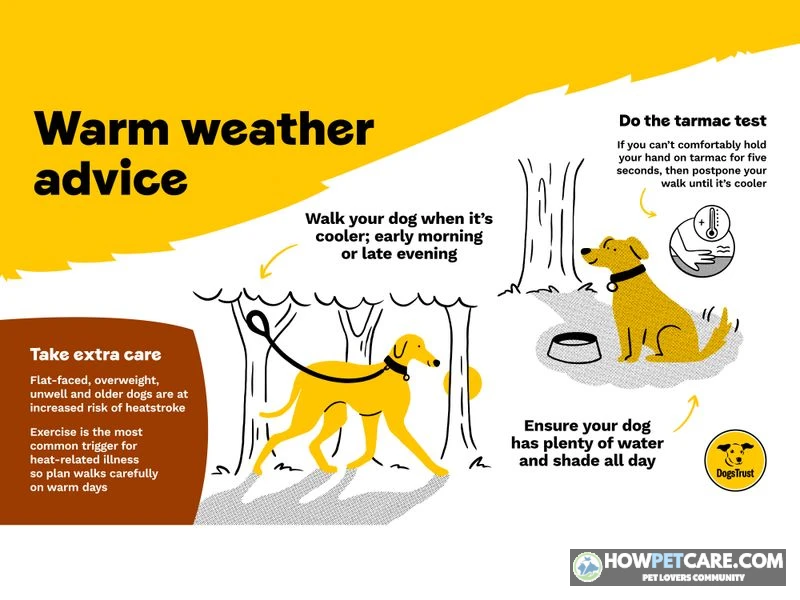
Heavy panting, drooling, weakness, stumbling, vomiting, red or pale gums, and collapse can signal overheating. Flat-faced animals, older pets, and pets with excess weight or breathing problems can be especially vulnerable.
- Move the animal into shade or air conditioning immediately. Call an emergency vet and arrange transport.
- Wet the body with cool tap water, including the belly, armpits, groin, and paws. Use a fan or the vehicle’s air conditioning if available. Do not use ice water or cover the pet with wet towels that trap heat.
- Offer small amounts of water only if the pet is alert and can swallow. Do not force water into its mouth.
- Leave for the vet promptly while continuing cooling during transport. Follow the clinic’s directions on when to stop; if you can safely measure a rectal temperature, tell the team the reading. Avoid overcooling.
- Have the pet examined even if it seems better. Serious internal injury can continue after the animal appears to recover.
Choking: what to do for dogs, cats, and small pets
A choking animal may paw at its mouth, struggle to breathe, or collapse. Keep your hands away from the mouth of a panicked pet when possible: even a normally gentle animal may bite. Do not muzzle an animal that is struggling to breathe.
- Call an emergency vet and go immediately. If someone else is present, have that person call while you help the pet.
- If you can do so safely, open the mouth and look for an object. Remove it only if it is clearly visible and easy to grasp. Do not perform a blind finger sweep, and do not pull on string or a lodged object.
- If the airway remains blocked and the pet cannot breathe, ask the veterinary team to coach you through emergency dislodging maneuvers for that animal’s size and body shape. Back blows or thrusts can cause injury if performed incorrectly; do not delay transport to practice them.
- If the pet becomes unresponsive, tell the clinic immediately and follow its instructions for checking breathing and performing pet CPR if needed.
- Even if the object comes out, have a vet examine the pet promptly for airway injury or remaining material.
For cats, rabbits, guinea pigs, and other small animals, avoid squeezing the chest or abdomen without veterinary instruction: their bodies are fragile. Safe handling and rapid transport are particularly important.
Collapse, seizures, severe breathing difficulty, suspected heatstroke, and a blocked airway require emergency veterinary care. Have someone call ahead while another person begins safe first aid or drives.
Safety Needs by Species and Life Stage: Cats, Puppies, Kittens, Seniors, and Small Pets
The same household can present different risks to each animal. Use this comparison alongside a veterinarian’s advice for your pet’s health and circumstances.
| Group | Top risks | What to do differently | Warning signs to watch |
|---|---|---|---|
| Cats and kittens | Lilies, window falls, string, concentrated oils | Remove lilies, secure windows, put away string, and discuss oil products with a vet. | Vomiting, hiding, drooling, breathing trouble, or a missing piece of string. |
| Puppies | Chewing, swallowed objects, medication, infectious disease exposure | Use a supervised, puppy-proofed area; discuss safe outdoor exposure and vaccination with the vet. | Vomiting, lethargy, coughing, or a damaged cord or toy. |
| Senior dogs and cats | Slips, stairs, temperature stress, medication errors, reduced sight or hearing | Add nonslip runners and easy access to resting places; review medications and mobility changes with the vet. | New falls, confusion, reluctance to move, or changes in appetite. |
| Rabbits, guinea pigs, and ferrets | Cords, escapes, overheating, species-specific food hazards | Secure their enclosure and play area, provide appropriate ventilation, and ask an experienced vet about diet and heat precautions. | Reduced eating, unusual quietness, drooling, or difficulty breathing. |
Cats and kittens
Cats climb, squeeze into hiding places, and groom substances from their coats. Check washers, dryers, closets, and reclining furniture before closing or operating them. Keep essential oils and diffusers out of reach; ask your veterinarian before using a diffuser, especially around a cat with breathing problems, and ensure the animal can leave the room.
Puppies and new-pet households
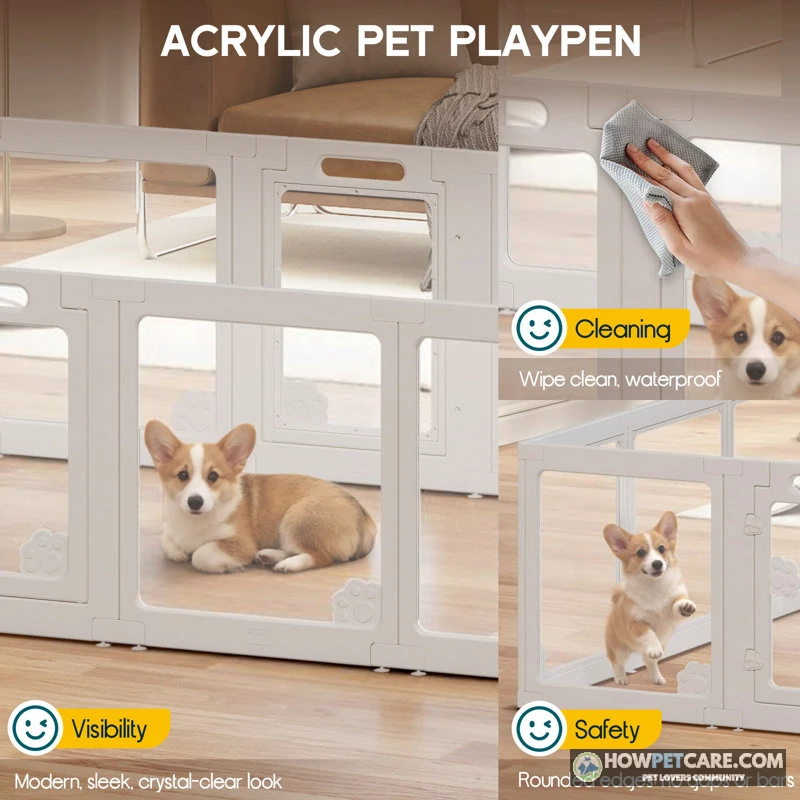
Choose a safe room, pen, or appropriately introduced crate for short periods of unsupervised time. Remove collars or other items that could snag in an enclosure if your veterinarian or trainer advises it. Arrange frequent check-ins for young animals and ask your vet when and where outdoor socialization is appropriate before vaccinations are complete.
Senior dogs and cats
Make water, food, litter boxes, and sleeping areas easy to reach without navigating slippery floors or steep stairs. A gate, ramp, or nonslip surface may help, but introduce changes gradually and discuss new mobility problems with the vet. Keep each pet’s medications labeled and separate to avoid mix-ups.
Rabbits, guinea pigs, and other small pets
Do not assume a dog-safe food, medication, or handling technique is safe for a smaller species. Find a veterinarian familiar with your animal before an emergency, and secure electrical cords wherever the pet exercises. A small pet that stops eating or has trouble breathing needs prompt species-appropriate veterinary advice.
Seasonal Pet Hazards: Summer Heat, Hot Cars, Winter Cold, and Holidays
A year-round pet safety guide should account for changing weather and household routines, including autumn hazards for pets such as rodenticide bait and wild mushrooms. Use the calendar to plan ahead rather than reacting after a holiday or temperature change.
| Season or event | Risks | First preventive action |
|---|---|---|
| Spring | Bulbs, garden chemicals, mushrooms | Inspect the yard and secure products before letting pets explore. |
| Summer | Hot cars, overheating, hot pavement | Plan walks for cooler periods and leave pets at home when errands involve parking. |
| July 4 and fireworks | Panic, escape, firework debris | Prepare a quiet interior room and check identification before events begin. |
| Halloween | Candy, frequent door opening, costumes | Put candy away and use a barrier between pets and the front door. |
| Fall | Rodenticides, mushrooms, antifreeze | Lock up bait and coolant and check the yard after rain. |
| Christmas and winter holidays | Tinsel, lilies, ornaments, tree water | Skip tinsel, remove lilies, anchor the tree, and cover its water. |
| Winter cold | Ice melt, cold exposure, slippery surfaces | Shorten outings as needed and wipe paws after walks. |
How hot does a parked car get, and is it ever safe?
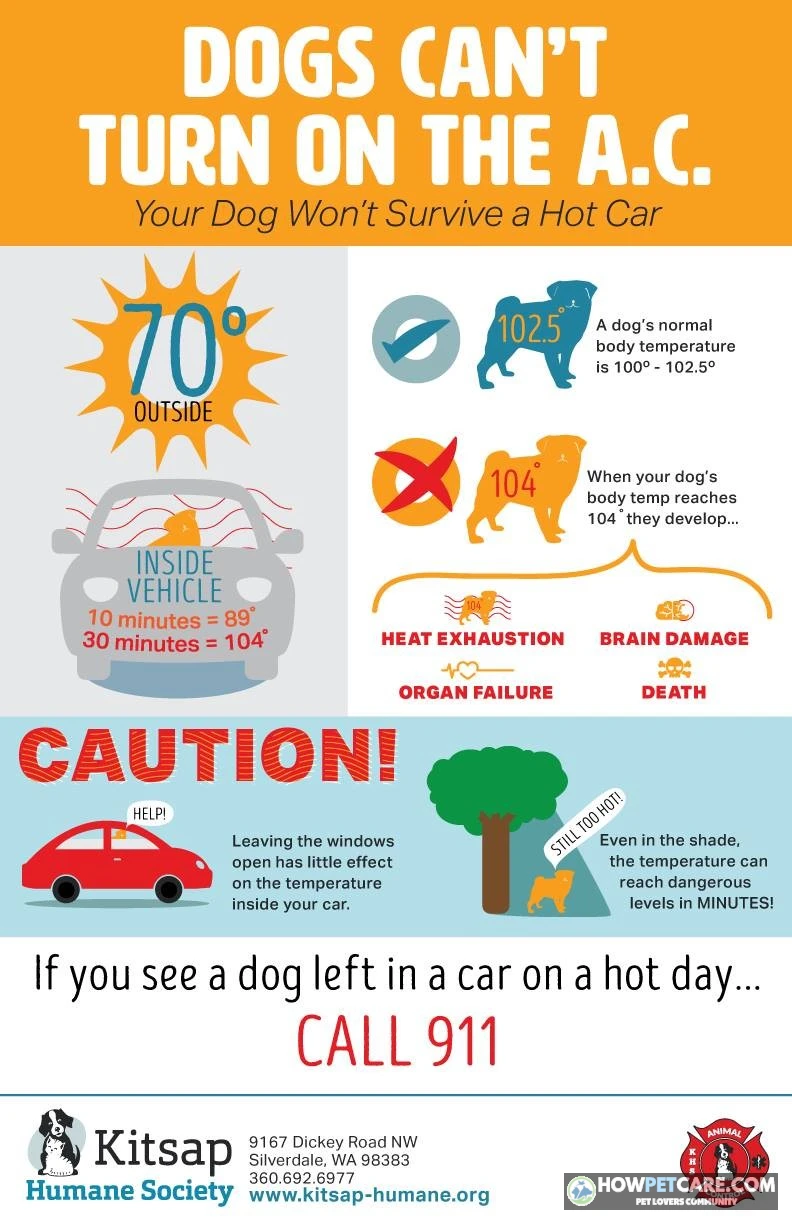
Never leave a pet in a parked car in warm weather, even with windows cracked. The study by McLaren, Null, and Quinn in Pediatrics found that parked cars heat rapidly and that cracking windows did not substantially prevent the temperature rise. Leave your pet at home if you cannot take it inside at every stop. Local laws may also restrict leaving an animal unattended in a vehicle.
If you find an animal in a hot car, contact local animal control or emergency services and seek the owner’s help through nearby businesses. Follow local law and responders’ instructions.
Summer heat and hot pavement
Choose cooler walking times, carry water, and provide shade. Put the back of your hand on the pavement: if it feels uncomfortably hot to you, choose a cooler surface or postpone the walk. This is a cautious check, not a guarantee that pavement is safe. Watch for limping or reluctance to walk, and call your vet if you suspect a burn. Ask a groomer or vet before shaving a double-coated pet.
Winter cold weather and ice-melt
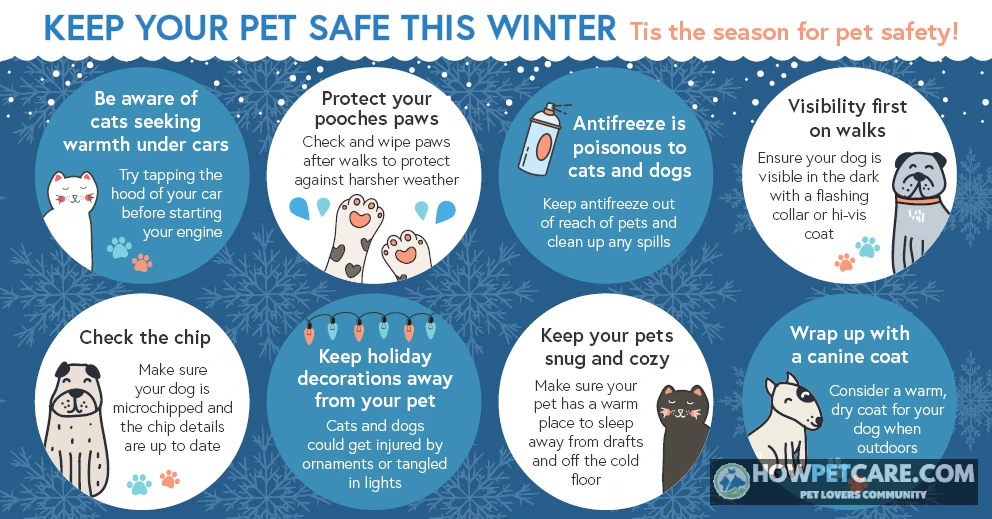
Small, short-coated, older, or ill pets may need shorter outings and extra protection. Watch for shivering, lifting paws, or reluctance to continue. Wipe paws and the underside after walks to remove salt and ice-melt residue; keep pets away from antifreeze and consult a vet after any suspected exposure.
Fireworks, Halloween, and holiday hazards
For fireworks anxiety, bring pets indoors before the noise starts. Close windows and curtains, offer a familiar hiding place, and use background sound if it helps. Check doors, pet ID tags, and microchip registration in case an animal bolts. If anxiety is severe, discuss options with your vet before the event; do not give human medication on your own.
At Halloween, keep chocolate, xylitol candy, wrappers, and glow sticks out of reach. Costumes should not restrict breathing, movement, sight, or hearing; skip them if your pet is distressed. At Thanksgiving, keep bones, skewers, rich scraps, and onion- or garlic-containing dishes off the pet menu. At Christmas, avoid tinsel and ribbon, cover tree water, and place fragile ornaments out of reach. Poinsettias can irritate the mouth and stomach, while lilies pose a much more serious risk to cats.
Preventing Escapes, Lost Pets, and Travel Mishaps
ID tags, microchips, and escape-proofing
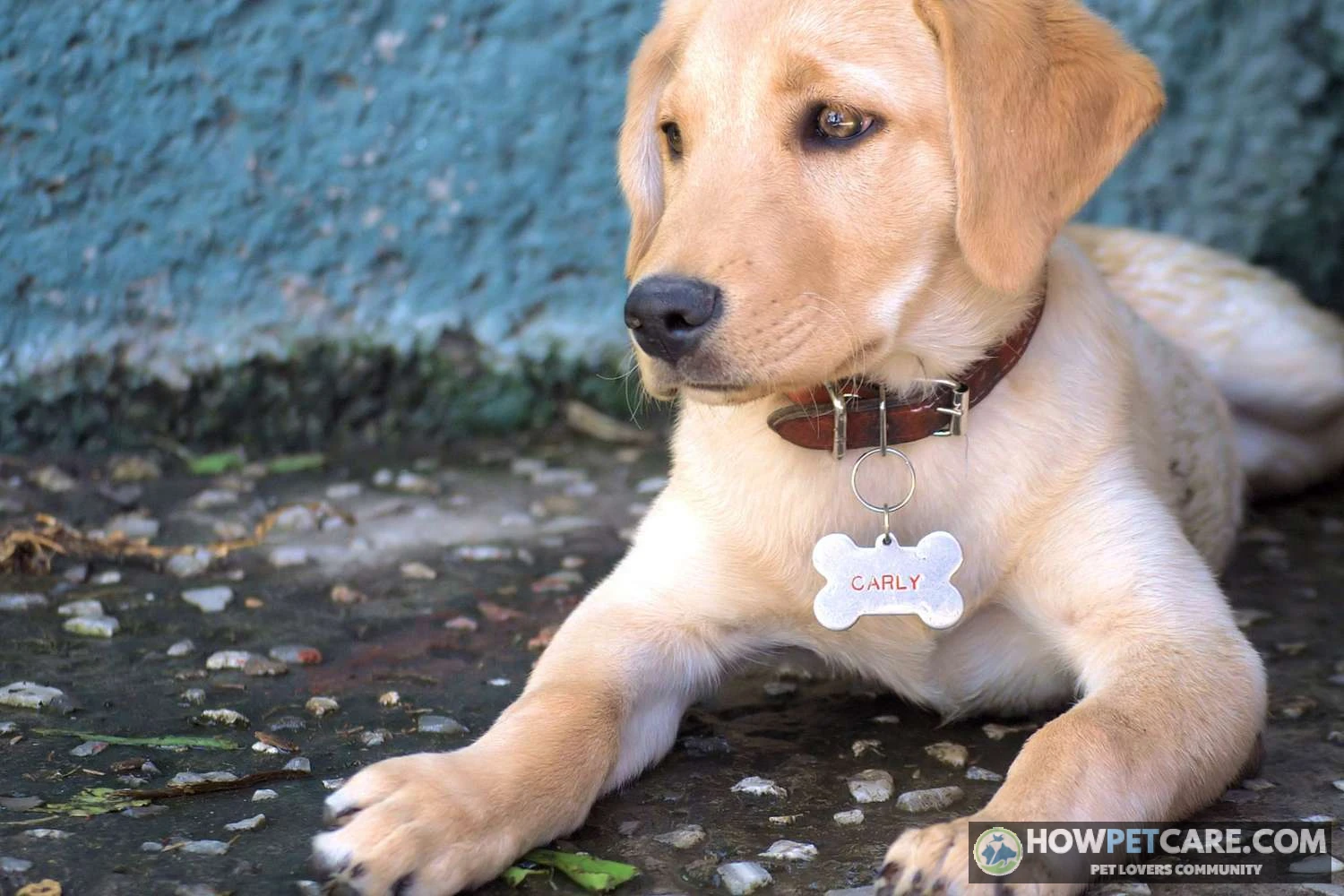
Use both a readable ID tag with a current phone number and a registered microchip. A finder can use the tag immediately; a vet or shelter can scan a microchip and look up its registration. Both are useful for reuniting lost pets with their families. Update the registry after a move or phone-number change, and keep a recent photo on your phone.
Check fence gaps, gate latches, and door screens. A second barrier at an apartment entrance can help prevent a door dash when deliveries or visitors arrive. Practice calm door routines without relying on training alone.
For home-alone pets, provide water, a comfortable resting area, and a hazard-free space appropriate to the individual. Puppies, kittens, seniors, and animals with medical needs may need more frequent visits than a healthy adult. Arrange a sitter or backup caregiver who knows how to enter, where supplies are kept, and whom to call.
Safe car and plane travel
Secure your pet in a suitable carrier or a properly fitted travel restraint used according to its instructions. Place carriers and restraints away from active airbags. Do not allow pets to ride loose in a truck bed or with their heads out of a moving window; debris can injure their eyes and ears. Plan rest stops with water and secure the leash before opening a door.
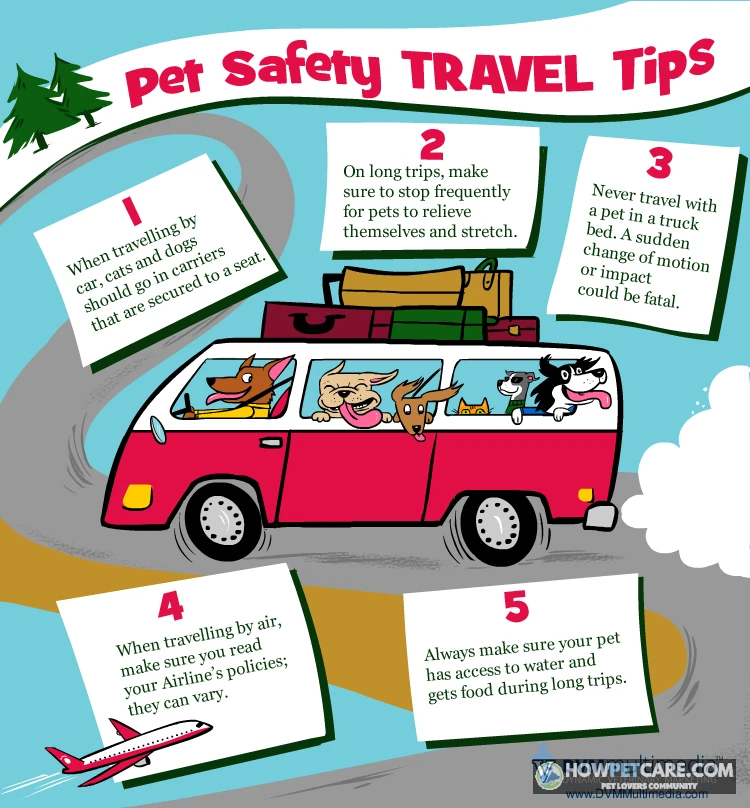
Before flying, check the airline’s current rules for carriers, reservations, health documentation, and temperature restrictions. Ask your vet whether travel is appropriate for your pet and whether any destination-specific requirements apply. Do not sedate an animal for travel without veterinary advice.
Pet first-aid kits, GPS trackers, and other tools: what is worth buying?
The right tool addresses a specific risk; none replaces supervision or veterinary care. Prices vary by size, features, and retailer, so compare current costs before buying.
| Tool | What it does | Typical cost range | Worth it for | Limitations |
|---|---|---|---|---|
| Pet first-aid kit | Keeps basic supplies and contacts together | Build or pre-made prices vary; check current local prices. | Every household, including one that travels. | Supplies do not replace training or emergency care. |
| Breakaway cat collar and ID tag | Gives a finder visible contact information; the collar is designed to release if caught. | Prices vary by collar and tag. | Cats that can wear a properly fitted collar. | A collar can come off; use a registered microchip too. |
| GPS tracker | Helps an owner locate a pet when the device and service work. | Some trackers have been reported at $99–$199, with service fees of $5–$15 per month; check current prices. | Pets with a meaningful escape risk, if the device fits safely. | Battery life, coverage, fit, and subscription terms limit reliability; it is not a microchip. |
| Travel crate or restraint harness | Helps keep a pet contained or restrained in a vehicle. | Prices vary widely with size and testing. | Pets traveling by car. | Check independent crash-test information, fit, and installation; not every restraint offers the same protection. |
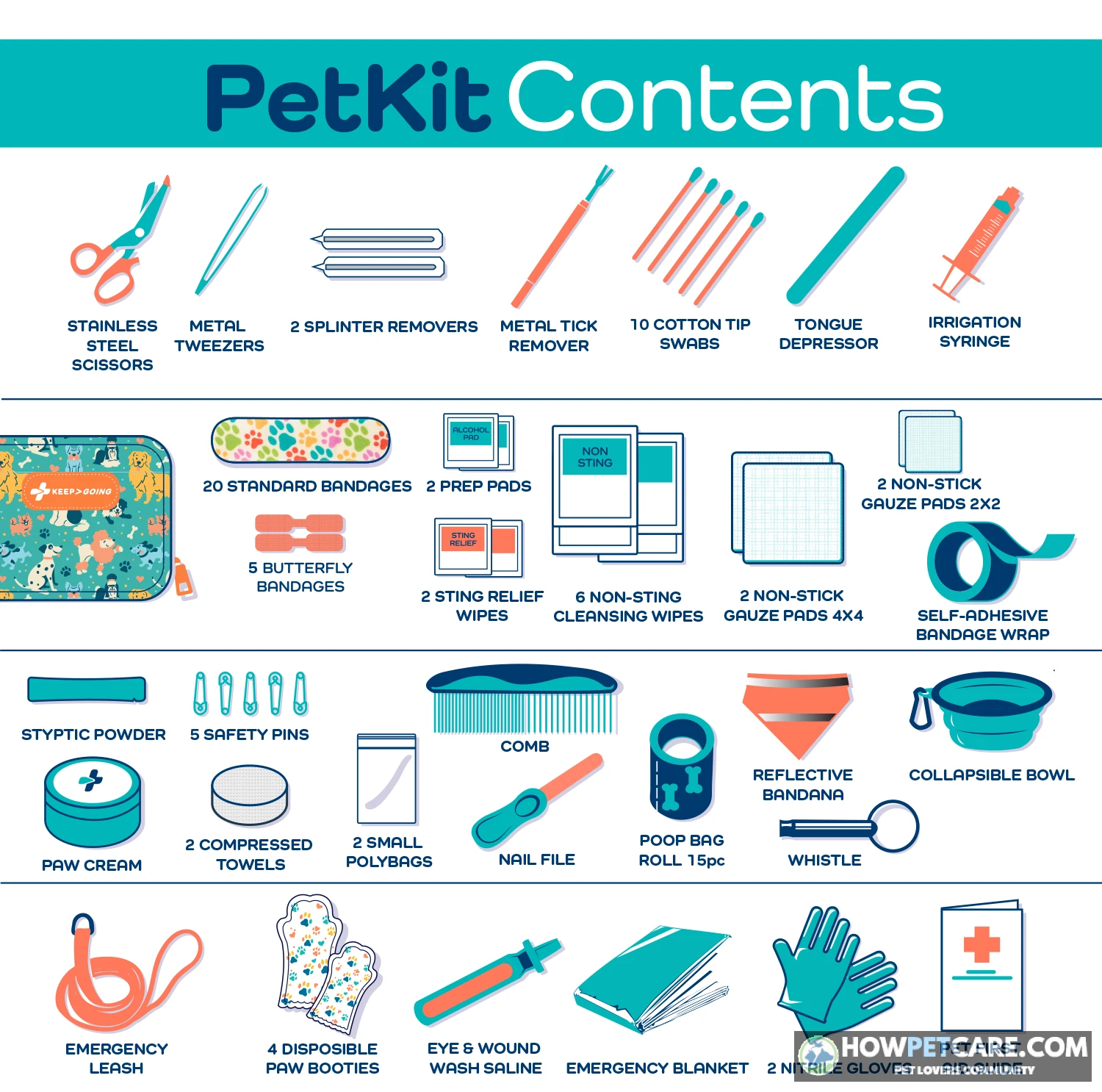
A practical pet first aid kit can include gauze, self-adhesive wrap, sterile saline, a digital thermometer, tweezers, styptic powder, gloves, blunt-tipped scissors, vet records, and emergency numbers. Ask your vet how to use the supplies and before adding any medication. Keep the kit accessible but away from curious pets and children.
Your Printable Pet Safety Checklist and Emergency Plan
The one-page printable checklist
Save or print this list, then share it with everyone who cares for your pet.
Set up now
- ☐ Store foods, medications, cleaners, and garden chemicals securely; cover cords and remove small swallowing hazards.
- ☐ Secure windows, balconies, doors, gates, and fences.
- ☐ Register the microchip and check that the contact information matches the ID tag.
- ☐ Save your regular vet, emergency clinic, and poison-control numbers.
- ☐ Prepare a first-aid kit, carrier or leash, and accessible medical records.
- ☐ Choose a backup caregiver and show them where supplies are kept.
Check monthly
- ☐ Read the ID tag and check the collar fit; replace damaged equipment.
- ☐ Inspect gates, screens, cords, toys, and the pet’s home-alone area.
- ☐ Refill used first-aid supplies and check medication and food storage.
- ☐ Keep a recent pet photo and review caregiver contact details.
Adjust with the season
- ☐ Plan for heat, cold, storms, and holiday visitors before they arrive.
- ☐ Prepare a secure indoor space for fireworks and other noisy events.
- ☐ Check gardens for hazardous plants, bait, and chemicals.
- ☐ Review evacuation supplies and any changes to your pet’s medical needs.
Numbers and apps to save today
Copy this contact card into your phone and keep a printed copy for sitters and family:
- Pet’s name, species, approximate weight, medications, and allergies: __
- Regular veterinarian and phone: __
- Emergency veterinary hospital, address, and phone: __
- ASPCA Animal Poison Control: 888-426-4435
- Pet Poison Helpline: 855-764-7661
- Backup caregiver and phone: __
- Microchip number and registry: __
- Carrier, leash, and first-aid kit locations: __
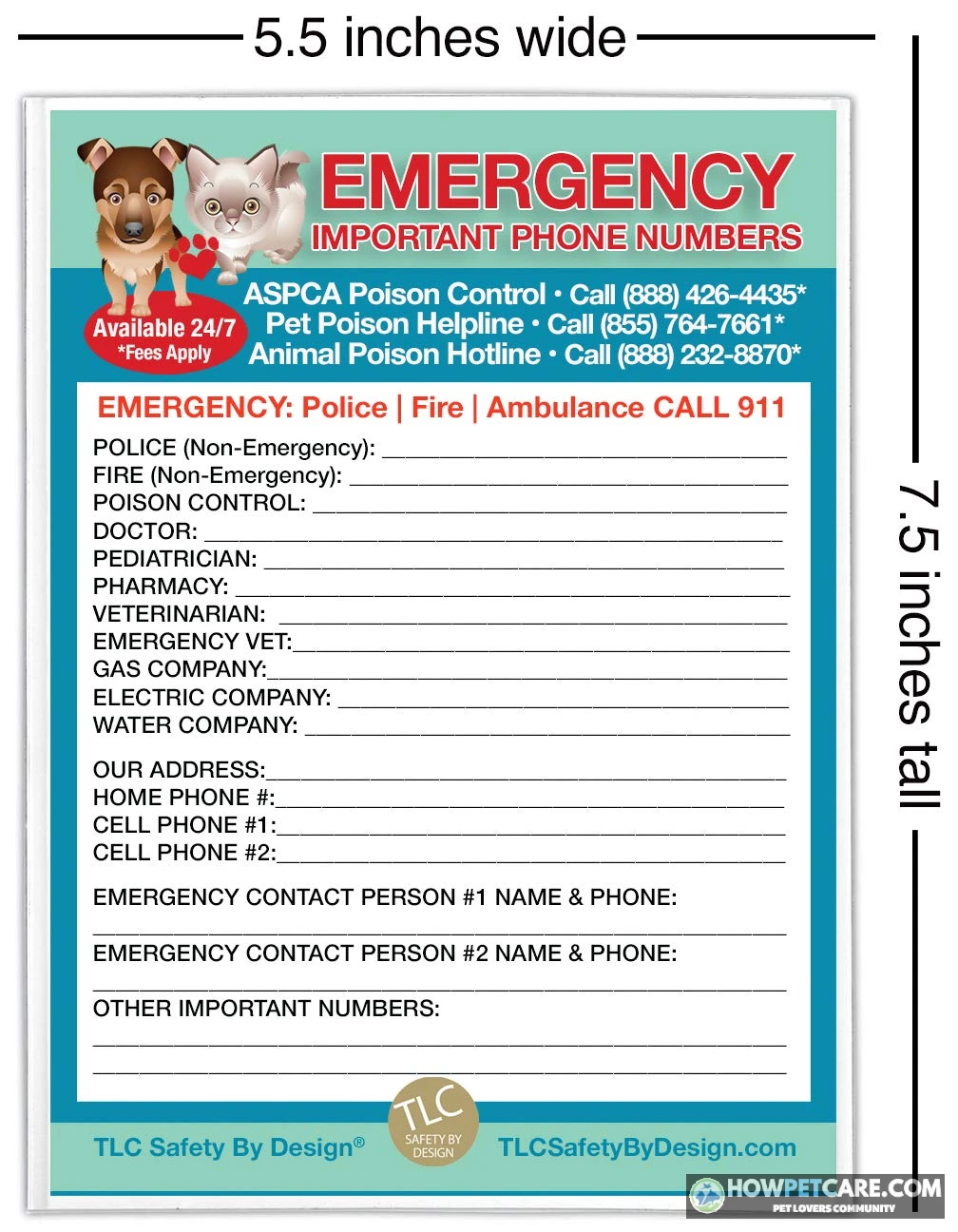
Both poison-control services may charge a consultation fee. The American Red Cross Pet First Aid app is another resource to look for, but an app does not replace a call to a veterinarian or poison-control specialist.
Your pet emergency plan
Decide who will call the clinic, who will transport the pet, and who can help if you are away. Confirm the emergency hospital’s hours and route before you need them. For evacuation, keep a carrier or leash, food, water, medications, records, and a familiar item ready to take; identify a destination that accepts your pet and a backup caregiver who can reach your home.
This week, start with three actions: save the poison-control numbers, secure toxins and cords, and confirm your pet’s microchip registration.
 You might be wonderingPet anxietyPet Anxiety in Dogs & Cats: Signs, Severity, and What WorksRead the answer
FAQ
Do microchips and ID tags really help find lost pets?
Yes. A microchip gives a shelter or vet a permanent way to look up your contact details, but only if the registration is current. An ID tag lets a finder reach you without a scanner, so use both.
How long after eating something toxic will my pet show symptoms?
It depends on the toxin. Some cause vomiting within hours, while others, such as lilies in cats or certain rodenticides, may not show clear signs for a day or more. Call a vet or poison control as soon as you know about the exposure instead of waiting for symptoms.
Is it safe to give my dog or cat human pain medication?
No, not without a vet’s instruction. Common human pain relievers such as ibuprofen, naproxen, and acetaminophen can cause serious kidney, liver, or stomach damage, and acetaminophen is especially dangerous for cats.
Are essential oil diffusers safe around pets?
Some are not. Certain oils can irritate or harm pets, especially cats, and the risk is higher for concentrated oils and for pets with breathing problems. Keep oils out of reach, use diffusers only in well-ventilated rooms the pet can leave, and ask your vet before using one.
Can I leave my dog or cat home alone while I’m at work?
Most healthy adult pets can stay alone for a normal workday if the home is pet-proofed, water is available, and they have a safe place to rest. Puppies, kittens, seniors, and pets with medical needs generally need more frequent check-ins, so arrange a sitter or visits.