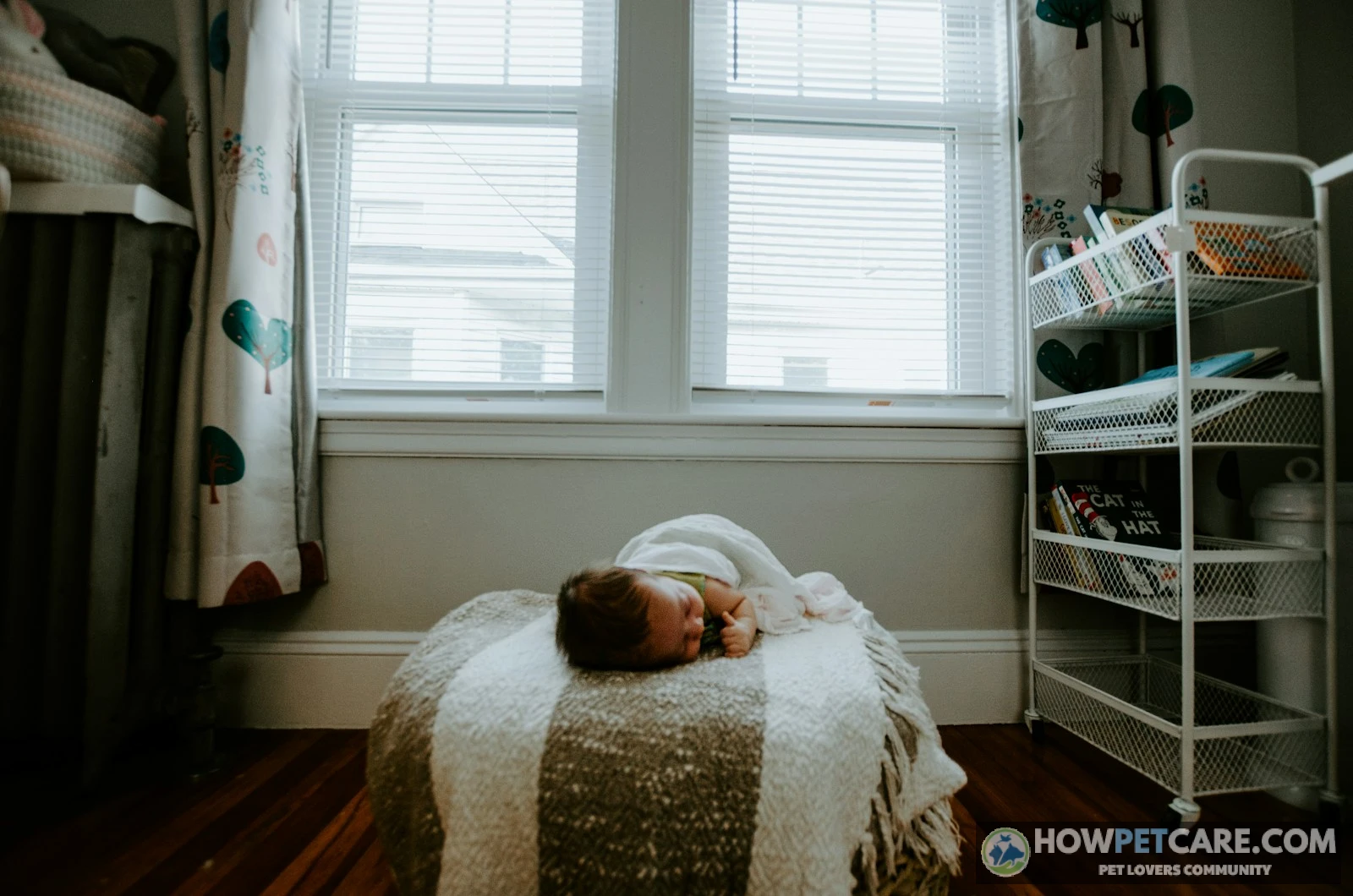

A cat and baby can share a home safely. The essential rules: keep the cat out of the baby’s sleep space at all times, supervise every interaction, maintain daily litter hygiene, and give the cat a quiet retreat. Rehoming is rarely necessary—most cats adjust with gradual, predictable preparation.
A cat and baby can share a home safely. The conditions are straightforward: adults keep the cat out of the baby’s sleep space, supervise every interaction, and keep the litter box clean. Most families do not need to rehome a cat just because a baby is arriving. Begin with a veterinary check and a plan for nursery access, then make changes gradually. If your baby is already home, the same safety rules still apply, and you can introduce the cat at its own pace.
Is It Safe to Have a Cat Around a Newborn? The Real Risks Ranked
A healthy cat with appropriate veterinary care can live safely in the same household as an infant. The cat’s temperament—affectionate or aloof—matters less than what adults do: prevent unsupervised contact, protect the baby’s sleep space, and respond to signs of stress.
Can a cat suffocate a sleeping baby? What the evidence supports
The old story about a cat deliberately stealing a baby’s breath is a myth. The real risk is mechanical: a cat that settles against an infant’s face could block breathing. Prevent that by keeping the cat out of the room where the baby sleeps—including when the baby sleeps in a crib or bassinet in your bedroom.
Place your baby on their back on a firm, flat sleep surface with a fitted sheet and no loose bedding, pillows, toys, or pets. A sleeping adult, a baby monitor, or the cat’s previous good behavior is no substitute for a closed door.
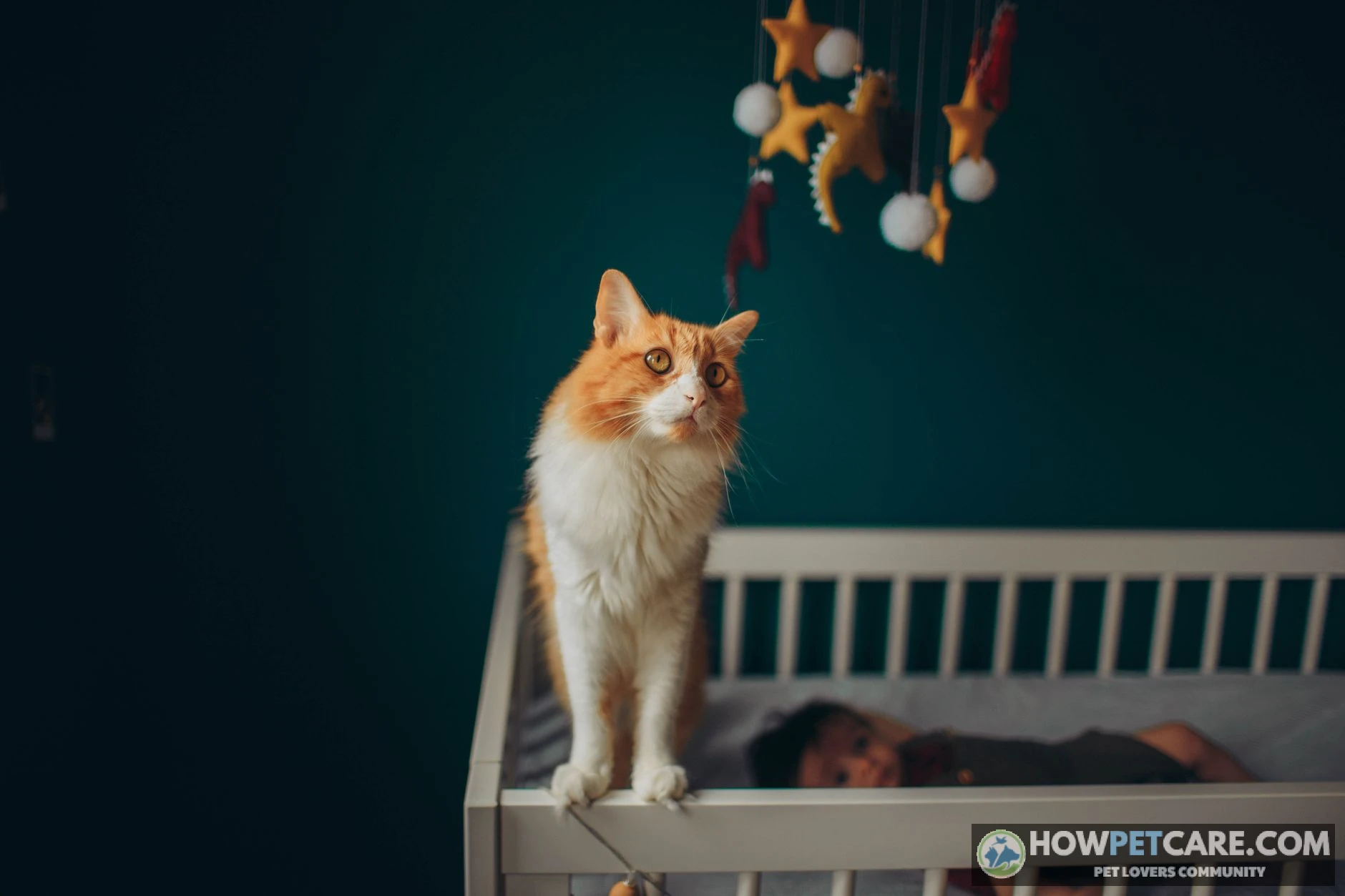
Risk ranking at a glance: what to worry about and what to ignore
What follows is a practical order of attention, not a statistical ranking; this guide does not supply reliable comparative rates.
- Sleep-space access: The consequences of a blocked airway can be severe, so make physical separation a fixed rule.
- Scratches and bites: Even a gentle cat may scratch or bite if startled, cornered, or grabbed. Broken skin needs prompt care.
- Toxoplasmosis during pregnancy: Infection can harm a developing baby, but litter and food precautions reduce exposure.
- Parasites, germs, and allergies: Stay current with veterinary parasite prevention, wash hands, and ask the pediatrician about symptoms. Cat hair on an otherwise clean item is not, by itself, a reason to panic.
How to Prepare Your Cat for a New Baby: A Trimester-by-Trimester Timeline
The goal is not to push the cat to interact with the baby. It is to make new sounds, routines, and boundaries predictable—and to preserve the cat’s access to food, litter, rest, and escape routes.
First trimester: vet visit, nails and behavior baseline
Book a veterinary visit. Discuss vaccines, flea and tick prevention, deworming, whether a fecal test is appropriate, and spaying or neutering if relevant. Mention any existing problems, such as biting, hiding, or urinating outside the litter box. Medical issues and established behavior concerns are easier to address before the baby comes home.
Get your cat used to regular nail checks and trims. Ask the veterinary team to show you a low-stress technique, and don’t force a struggling cat. Note the cat’s usual appetite, litter habits, and favorite hiding places; those notes make later changes easier to spot.

Second trimester: routine changes and sound desensitization
Make anticipated changes gradually. If the cat will no longer sleep in your bedroom, set up an appealing alternative well before the baby arrives. Adjust feeding or play times in small steps instead of changing everything on homecoming day.
Play a short recording of a baby crying at a barely audible level while you offer a treat or a favorite activity. Stop if the cat freezes, leaves, or won’t eat. Repeat at a comfortable level, and raise the volume only when the cat stays relaxed. There’s no need to hit a particular volume by a deadline.
Let the cat investigate baby equipment from a distance. Gently move the stroller or turn on a swing while rewarding calm behavior. Introduce ordinary household smells gradually, but don’t apply scented products to the cat or use baby powder around it.

Third trimester: nursery boundaries, retreat space and hospital-stay plan
Decide where the baby will sleep, and practice keeping that door closed. Give the cat a comfortable perch or bed outside the room. A high resting spot and a quiet room with access to water and litter give the cat somewhere to retreat when the home gets busy.
During the final month, confirm who will feed the cat and clean the litter box if you are away. A solo parent can ask a friend, neighbor, relative, or paid pet-care provider, and leave a short written routine. Keep a manageable daily play or cuddle session on your schedule. Even five to 10 minutes of predictable attention can give the cat continuity.
If delivery is close, put your energy into the closed sleep-room door, the litter plan, and a quiet retreat. Sound training and equipment practice can continue after the baby arrives.
Litter Box Hygiene and Toxoplasmosis: Safe Scooping While Pregnant (Including If You’re Doing It Alone)
Toxoplasmosis is an infection caused by a parasite. A person can become infected by accidentally swallowing contaminated material from cat feces, soil, unwashed produce, or undercooked meat. Infection during pregnancy can harm the fetus, so talk with your obstetrician or midwife about your individual risks and questions.
A cat kept indoors and fed commercial food rather than raw meat is a relatively low-risk source. Keeping the cat indoors and avoiding raw meat also limits the cat’s chances of acquiring the parasite. Litter hygiene still matters.
Daily litter routine for a solo pregnant parent
If someone else can clean the box, ask them to take over while you are pregnant. If no one is available, use this routine:
- Scoop at least daily. Toxoplasma in cat feces generally needs about one to five days to become infectious. Daily removal lowers the chance it reaches that stage, though it is not a guarantee.
- Put on disposable gloves. Avoid touching your face, phone, or food while cleaning.
- Bag the waste promptly. Tie the bag and put it in the trash. Keep the box and cleaning supplies away from food preparation areas.
- Remove the gloves and wash your hands. Use soap and running water for at least 20 seconds.
- Clean the box regularly. Empty and wash it with hot water and mild detergent as needed, while wearing gloves. Dry it before adding fresh litter.
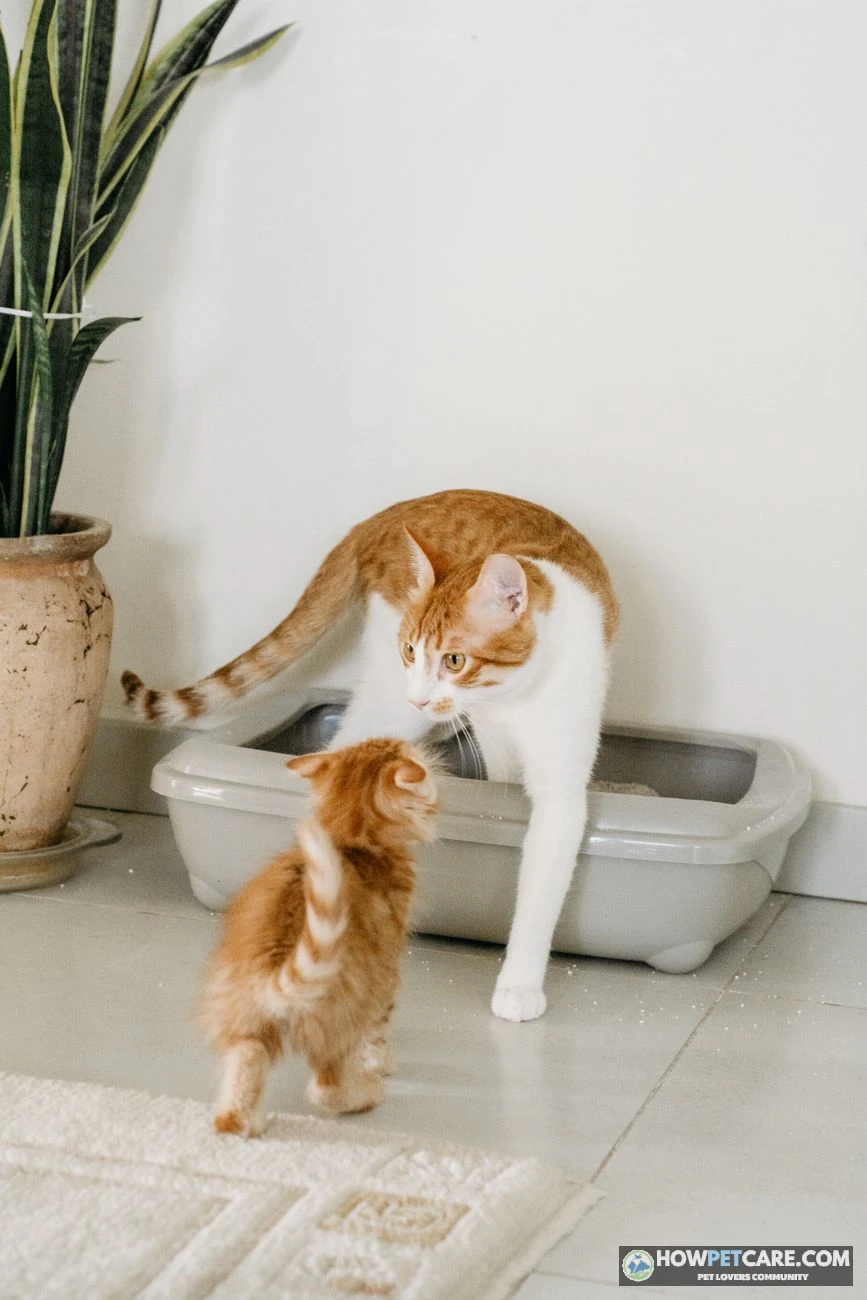
A long-handled scoop, liners, or low-dust litter can make the job easier, as long as the cat still uses the box comfortably. A covered or automatic box is optional, not a substitute for checking and cleaning it. Some cats dislike enclosed boxes.
If you miss a day or a glove tears, clean up, wash your hands, and ask your prenatal care professional whether any further action is appropriate. If you can, arrange a backup cleaner for recovery after birth. Once the baby becomes mobile, place the litter box somewhere the child cannot reach but the cat can access easily.
Other toxoplasmosis precautions that matter
Cook meat thoroughly, wash produce, clean food-preparation surfaces, and wear gloves while gardening or handling soil. Wash your hands afterward. These precautions matter whether or not you own a cat; don’t assume the litter box is the only possible source of exposure.
How to Introduce a Cat to a Newborn: A Step-by-Step Homecoming Week Plan
A successful first meeting can be brief and uneventful. The cat doesn’t have to sniff or touch the baby. A relaxed cat observing from across the room is a good start.
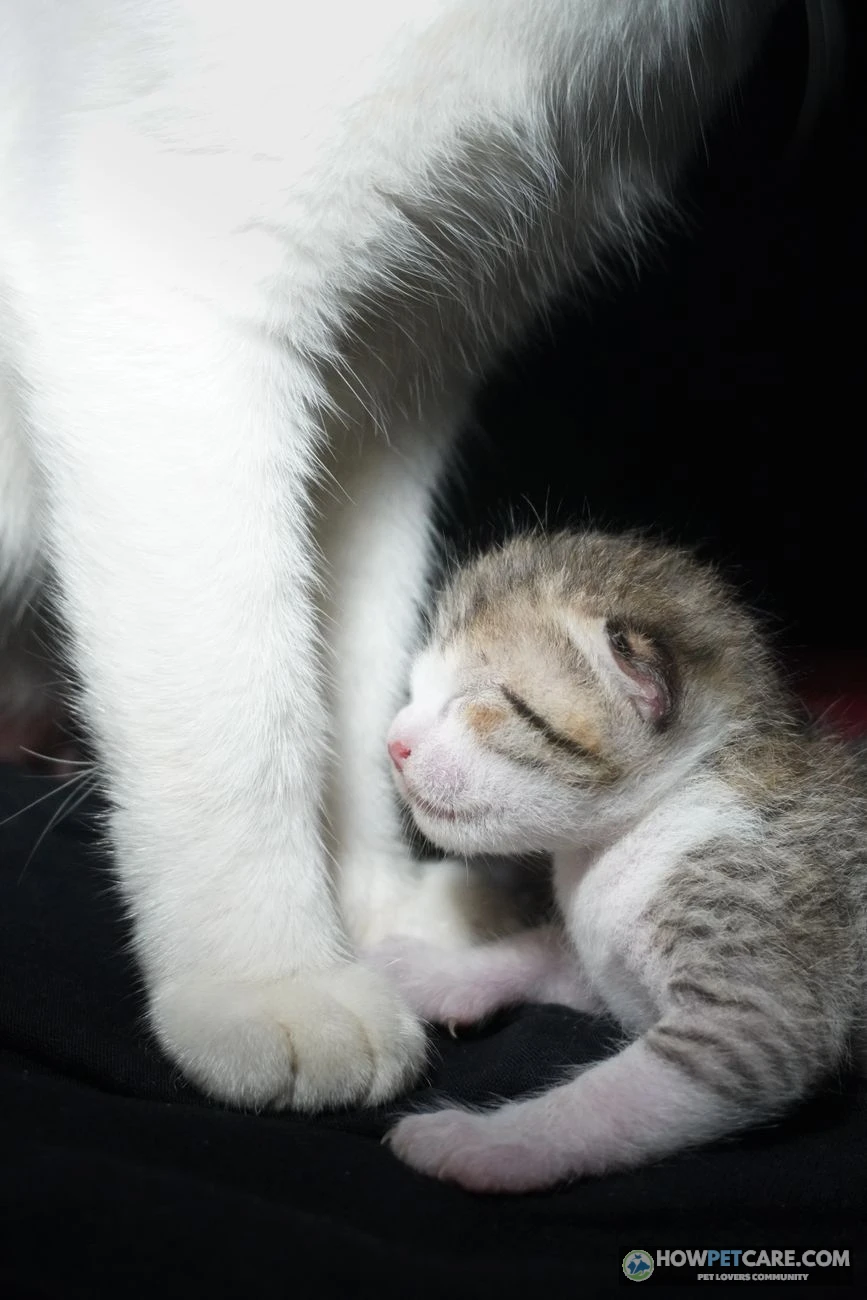
Before the baby enters the house: scent swap
If practical, bring home a worn baby hat or blanket before homecoming. Put it where the cat can choose to investigate, and reward calm interest. Skip this step if logistics make it difficult; a scent swap is helpful preparation, not a safety requirement.
The first meeting, step by step
-
Settle the cat
If another adult is available, let them greet the cat first. A solo parent can put the baby safely in the closed sleep room, then greet the cat before starting the introduction.
-
Hold the baby and leave an exit
Sit with the baby secure in your arms. Let the cat watch from a comfortable distance, with a clear route out of the room.
-
Reward calm behavior
Offer a treat for relaxed observation. Let the cat approach only if it chooses; don’t hold the cat up to the baby or place the baby beside it.
-
End early
Keep the first session short. If the cat stiffens, stares, flattens its ears, lashes its tail, hisses, or growls, calmly increase the distance and end the session.
Supervised interaction rules for the first seven days
An adult must actively watch whenever the cat and baby share a space. If you need to answer the door, shower, or sleep, separate them first. A gate or playpen may help manage daytime movement only if it reliably blocks access; many cats can jump ordinary gates. Use a closed door for sleep.
Keep feeding times steady, clean the litter box daily, and leave the cat’s retreat available. Relaxed posture, normal grooming, and voluntary movement away are more useful signs than whether the cat seeks contact. Adjustment can take weeks or months, and some cats prefer to keep their distance.
Keeping Your Cat Out of the Crib and Nursery: Safe Sleep Rules and Gear by Budget
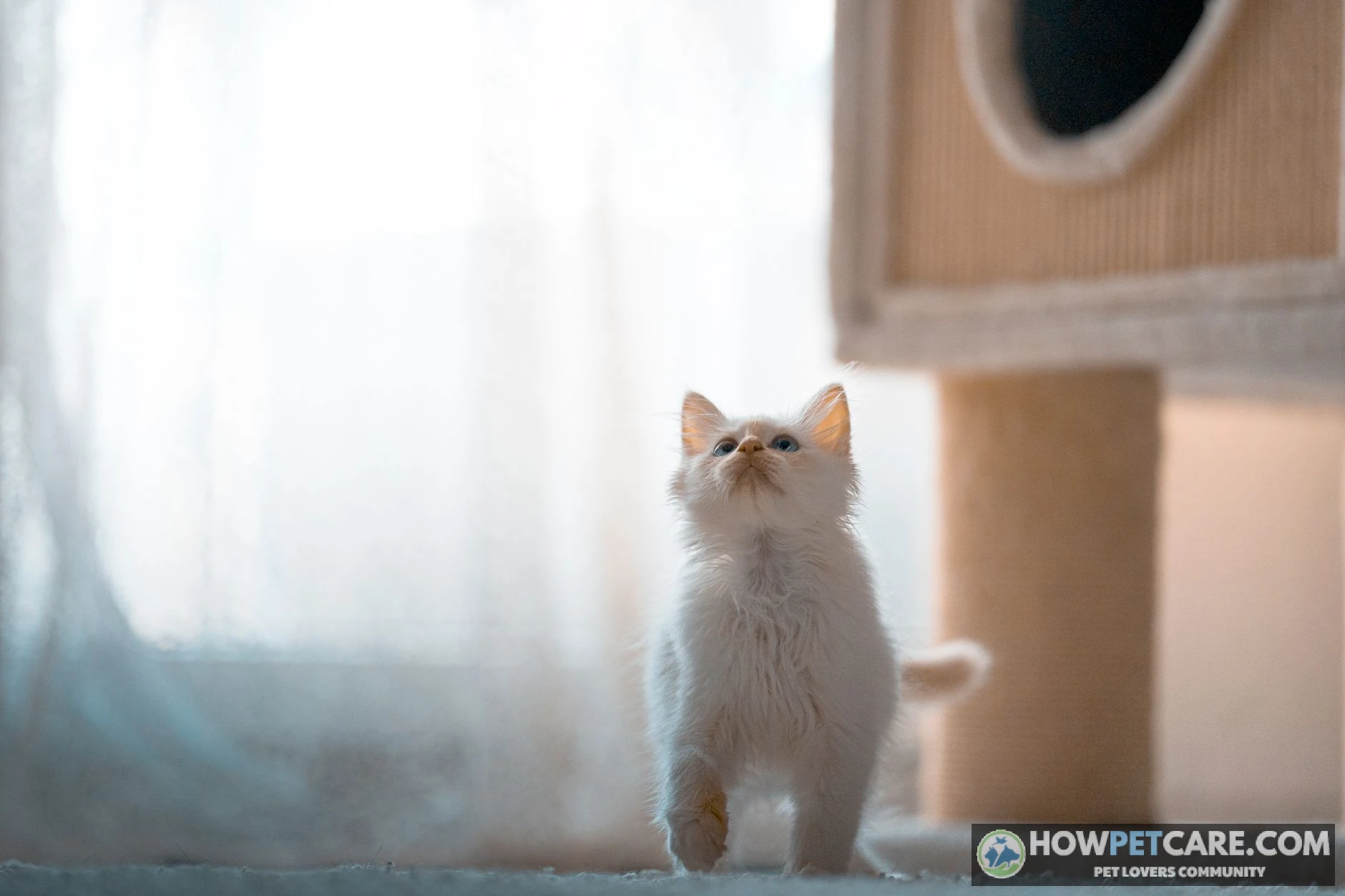
The most dependable rule is simple: the baby sleeps alone in an appropriate sleep space, and the cat stays outside the closed room. That applies to naps as well as nighttime. Keep cat bedding, toys, and loose items out of the crib, and wash baby bedding when it is soiled.
Free and low-cost nursery barriers
Close the door to the room where the baby sleeps, whether that’s a nursery or an adult bedroom. Check that the latch catches, and make sure everyone caring for the baby knows the rule. If you need to hear the baby from another room, use your usual monitor while keeping the physical barrier in place.
Give the cat a desirable resting place elsewhere. Avoid sticky tape or other deterrents on a sleep surface the baby will use; an access barrier is more dependable than trying to make the crib unpleasant.

Crib tents, cot nets, gates and pheromone diffusers: which are worth buying
Prices vary by retailer and features, and no verified current price data was supplied for this guide. Check local listings rather than treating an unverified figure as a budget.
| Gear | Safety problem it solves | Typical price range | Essential or optional | Limits to know |
|---|---|---|---|---|
| Closing door and working latch | Keeps the cat out of the sleep room | No purchase if already available; replacement costs vary | Essential function | Check the door closes securely; do not rely on a monitor instead |
| Tall gate or securely installed screen barrier | Helps separate spaces during awake, supervised time | Varies; check local listings | Optional | Many cats climb or jump gates; a gate with a cat door does not keep the cat out |
| Crib tent or cot net | Marketed to cover a sleep space | Varies; check local listings | Not recommended as a cat-safety solution | Added covers can introduce entrapment or other sleep hazards; use a closed room instead |
| Pheromone diffuser, such as FELIWAY | May support a behavior plan for some stressed cats | Varies; check local listings and refill costs | Optional | Not a barrier or a replacement for veterinary assessment |
Don’t add a crib tent, net, or other cover to a baby’s sleep space as a workaround for cat access. Keep the cat outside the closed room instead.
Introducing a Cat When the Baby Is Already Home: Late Introductions, Adoptions and Rehoming
You don’t need pregnancy preparation to start making the home safer today. Separate the cat from the baby whenever an adult cannot actively supervise, set up a retreat, and work through introductions gradually.
No preparation done: a two-week catch-up plan
Treat the following as a flexible sequence, not a deadline. If the cat is uncomfortable, stay at an earlier stage or pause.
- Days 1–2: Set up a quiet cat space with food, water, litter, and a resting spot. Offer a worn baby blanket for voluntary investigation.
- Days 3–5: Pair very quiet recorded baby sounds with treats. Keep sessions short, and raise the volume only if the cat stays relaxed. Don’t place food so close to a noisy door that the cat avoids eating.
- Days 6–8: Allow brief viewing from a distance while an adult holds the baby. Use a secure barrier if needed, and end before either becomes distressed.
- Days 9–14: If the cat is comfortable, try short shared-room sessions. Keep an exit clear and let the cat choose whether to approach. Extend the time gradually only while everyone remains calm.

Keep the closed-door sleep rule and active supervision in place after the catch-up period. If the cat cannot relax at a distance, stop and ask your veterinarian for guidance.
Adopting or rehoming a cat into a home with a baby
If adoption can wait until the household has a manageable routine, waiting may make the transition easier. Ask a shelter or previous caregiver about the cat’s history with children, noise, handling, and other pets. A calm adult with a known history may be more predictable than a highly playful kitten; no breed guarantees a particular temperament.
Give a newly arrived cat a separate room with its own resources and time to settle before baby introductions. Ask about a trial period and what support the organization offers if the placement is not safe.
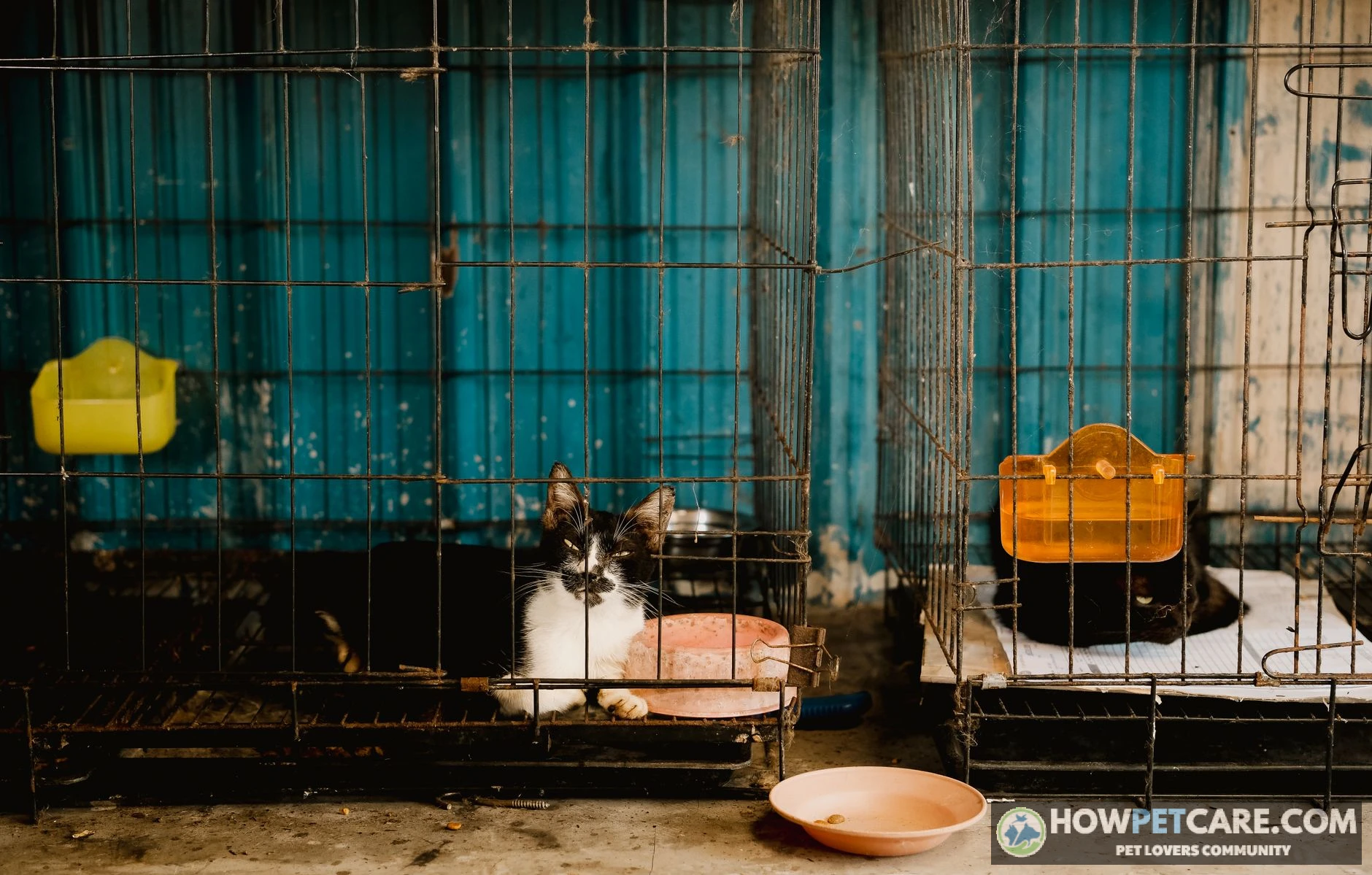
Kittens have substantial play and socialization needs and can scratch during rough play. If you’re considering one, ask a veterinarian or reputable rescue about kitten care and appropriate timing: kittens should generally remain with their mother and littermates until at least eight weeks, with the exact timing depending on their development and circumstances.
When Things Go Wrong: Scratch and Bite First Aid, and Normal Stress Versus Aggression
After an incident, separate the cat and baby calmly. Attend to the child first. Avoid shouting at or punishing the cat; that can increase fear and make future interactions harder to assess.
Cat scratch or bite on a baby: first-aid steps and when to see a doctor
- Wash broken skin under running water with soap for several minutes. If bleeding is significant, apply firm, continuous pressure with clean gauze or a cloth; don’t delay pressure in order to wash.
- Cover the wound with a clean dressing once bleeding is controlled. Don’t put rubbing alcohol or hydrogen peroxide inside it.
- Call the pediatrician promptly about any scratch that breaks an infant’s skin, and the same day for any bite that breaks skin. Cat bites can be deep even when the opening looks small. Tell the clinician where the wound is and whether the cat’s rabies vaccination is current or unknown.
- Get urgent in-person assessment for a deep or gaping wound, a bite on the face or hand, or a wound near a joint. A wound involving or close to the eye needs urgent assessment.
- Get emergency care now if bleeding does not stop after about 10 minutes of firm pressure, if there is a serious injury, difficulty waking the baby, or a baby younger than three months with a temperature of 100.4°F (38°C) or higher.

Watch for spreading redness, swelling, warmth, pus, red streaks, or fever, and seek medical advice promptly if they appear. In the following days or weeks, tell the doctor about a new bump at the scratch site or swollen nearby lymph nodes; these can be associated with cat-scratch disease. The clinician can advise on infection treatment, tetanus, and any rabies assessment.
A temperature of 100.4°F (38°C) or higher in a baby under three months requires emergency medical evaluation, whether or not a cat caused an injury.
Do cats get jealous of babies? Normal adjustment signs and when they are not
What looks like cat jealousy may actually be a disrupted routine, unfamiliar sounds, fear, or a medical problem. You don’t need to determine the cat’s motivation before taking a change seriously.
| Cat behavior | Usually normal adjustment if | Escalate if | Who to contact | What to do in the meantime |
|---|---|---|---|---|
| Hiding | The cat comes out to eat, drink, and use the box and gradually becomes more comfortable | It cannot access resources, seems ill, or hiding persists or worsens | Veterinarian first | Provide a quiet retreat; don’t pull the cat out |
| Eating less | A brief disruption improves promptly | The cat has eaten nothing for about 24 hours, or seems unwell sooner | Veterinarian promptly | Offer food in a quiet place and monitor intake |
| Extra meowing or clinginess | The cat otherwise eats and uses the box normally and settles with routine | It intensifies or accompanies appetite or litter changes | Veterinarian | Keep feeding and attention predictable |
| Hissing or growling | It stops when given space and the cat can leave | It persists at a distance, recurs, or accompanies pursuit or lunging | Veterinarian, then qualified behavior professional | Separate calmly and increase distance |
| Urinating outside the box, including on baby items | Don’t assume it is simply adjustment | Any new episode merits a veterinary call; straining or producing little or no urine is an emergency | Veterinarian; emergency veterinarian for straining or inability to urinate | Keep baby items inaccessible and clean with an enzymatic cleaner |
| Swatting, stalking, lunging, or a hard fixed stare at the baby | A defensive warning can occur when a cat is cornered, but still requires a safety change | Any contact, directed pursuit, lunge, or repeated threatening behavior | Veterinarian and qualified behavior professional | Separate fully; prevent access to the baby |

A cat that strains in the litter box, cries while trying to urinate, or produces little or no urine needs emergency veterinary care; a urinary blockage can be life-threatening. Don’t wait to see whether a behavior plan helps.
If your cat is showing serious aggression: the escalation path
First, create reliable physical separation. Don’t test the cat by bringing it closer to the baby. Arrange a veterinary examination to check for pain or illness, then ask for a referral to a veterinary behaviorist or another appropriately qualified, reward-based behavior professional. Follow their individualized plan; medication, if appropriate, is a veterinary decision.
If safe separation cannot be maintained, or serious risk remains despite professional help, discuss humane rehoming with the veterinarian and a reputable rescue. Be candid about the cat’s behavior so any future placement can protect both people and the cat.
For a cat that growls when the baby cries, increase distance and give it a quiet escape route. Later, practice with low-volume recordings paired with treats, stopping before the cat becomes distressed. A growl is a warning to respect, not a behavior to punish.
Crawling to Toddler: Updating the Rules as Your Baby Becomes Mobile
A newborn who stayed where you put them becomes a child who can reach, chase, and grab. Review the setup before crawling begins, and repeat the behavior check when the child gets louder or faster.
Crawler stage: litter boxes, cat food and escape routes
Put litter and food behind a barrier the child cannot pass but the cat can navigate. Test the arrangement: the cat must be able to reach its resources without getting trapped or being forced to pass close to the child. Raised feeding can work for an agile cat, but don’t raise a litter box or food beyond an older or mobility-limited cat’s ability.
Provide a stable high perch and a baby-free room, with more than one route away where possible. Wash the child’s hands after contact with the cat and after any accidental contact with litter or pet items. Continue veterinarian-recommended flea and worm prevention; some intestinal parasites, including Toxocara, can pose a risk to people.

Toddler stage: teaching gentle handling
Show the child a gentle stroke with an open hand. Stop tail pulling, chasing, hugging, and attempts to pick up the cat. Teach the child to leave the cat alone while it eats, sleeps, hides, or walks away. Adults must still supervise closely; a toddler cannot reliably remember or follow these rules.
Allergies are another reason to consult the pediatrician, not a reason to make assumptions. Early pet exposure may be associated with a lower allergy risk in some children, but it does not predict whether your own child will be allergic. Discuss persistent sneezing, watery eyes, eczema, or wheezing with the child’s clinician; get urgent care for breathing difficulty.
Your Cat-and-Baby Action Plan: A Milestone Checklist and What to Do This Week
Use the row that matches your household. The timing is a planning aid, not a pass-or-fail test: a cat that needs more time shouldn’t be pushed into contact.
| Milestone | Cat preparation task | Parent task | Done when |
|---|---|---|---|
| First trimester | Arrange a health and behavior check; practice nail handling | Discuss toxoplasmosis precautions with prenatal care and plan litter duty | Vet questions and a workable daily litter routine are in place |
| Second trimester | Gradually change routines and pair quiet baby sounds with rewards | Decide which rooms will be off-limits | The cat can access resources and has an alternative resting place |
| Third trimester | Practice sleep-room boundaries; introduce equipment gradually | Set up a retreat and check the door latch | The sleep room can be closed and the cat has a quiet space |
| Final month | Maintain feeding and brief daily attention | Confirm hospital-stay care and write the routine | A caregiver or backup plan is identified |
| Homecoming week | Offer an optional scent swap and a voluntary, short introduction | Hold the baby and actively supervise; separate for sleep | The cat can leave freely and the sleep-room rule is followed |
| First three months | Maintain litter, food, play, and retreat access | Watch appetite, litter habits, and stress signals | Changes are noticed and veterinary concerns are addressed promptly |
| Crawling | Protect access to litter, food, and escape routes | Prevent the child from reaching cat resources | The child cannot reach the litter or corner the cat |
| Toddler | Keep retreats and escape routes available | Model gentle touch and supervise every interaction | Adults consistently intervene before chasing or grabbing |
Start this week: If you’re pregnant, schedule the veterinary visit and ask your obstetrician or midwife about litter and toxoplasmosis precautions. If the baby is due soon, confirm the hospital-stay cat-care plan and test the sleep-room door. If the baby is already home, begin the catch-up sequence without relaxing supervision. If the cat is stalking, lunging, or has injured the baby, separate them and contact the appropriate medical and veterinary professionals before attempting another introduction.
1What is the primary physical risk posed by a cat sleeping near a newborn, according to the source material?
Identifies the primary physical hazard of blocked infant airways from a pet lying against the baby's face.
2Why is daily scooping of the litter box recommended for pregnant individuals to lower toxoplasmosis risk?
Reflects the biological timeline needed for Toxoplasma parasites in feces to mature into an infectious stage.
3How should parents introduce baby crying sounds to a cat during second-trimester desensitization?
Aligns with low-stress desensitization by pairing faint novel triggers with high-value positive rewards.
4Why are crib tents and cot nets NOT recommended as cat safety gear for infant sleep spaces?
Highlights the primary infant safe-sleep concern where added mesh or covers create suffocation or entrapment risks.
5What is the recommended first-aid step when a cat scratch breaks an infant's skin?
Follows proper wound care by gently flushing bacteria out of broken skin without causing unnecessary tissue damage.
6Which feline behavior around the litter box signals a life-threatening medical emergency requiring immediate veterinary care?
Points to a potential feline lower urinary tract blockage, which is a life-threatening medical emergency.
7Which nursery barrier method provides the most dependable physical separation between a cat and a sleeping baby?
Provides an unpassable physical barrier that reliably prevents feline entry regardless of jumping ability.
8How should cat litter boxes and feeding stations be managed once a baby reaches the crawler stage?
Protects pet resources from curious children while ensuring the cat maintains unhindered, stress-free access.
9What clinical sign in an infant younger than three months requires immediate emergency medical evaluation after a pet-related incident?
Recognizes the clinical fever threshold requiring urgent emergency evaluation for young infants.
10What is the proper interpretation of a voluntary 'scent swap' using a worn baby item before bringing a newborn home?
Correctly classifies scent introduction as a supportive familiarization tool rather than a strict safety prerequisite.
| Milestone | Cat Preparation Task | Parent Task | Completion Criteria |
|---|---|---|---|
| First trimester | Arrange a health and behavior check; practice nail handling | Discuss toxoplasmosis precautions with prenatal care and plan litter duty | Vet questions are answered and a workable daily litter routine is in place |
| Second trimester | Gradually change routines and pair quiet baby sounds with rewards | Decide which rooms will be off-limits | The cat can access resources and has an alternative resting place |
| Third trimester | Practice sleep-room boundaries; introduce equipment gradually | Set up a retreat and check the door latch | The sleep room can be closed and the cat has a quiet space |
| Final month | Maintain feeding and brief daily attention | Confirm hospital-stay care and write down the routine | A caregiver or backup plan is identified |
| Homecoming week | Offer an optional scent swap and a voluntary, short introduction | Hold the baby and actively supervise; separate for sleep | The cat can leave freely and the sleep-room rule is followed |
| First three months | Maintain litter, food, play, and retreat access | Watch appetite, litter habits, and stress signals | Changes are noticed and veterinary concerns are addressed promptly |
| Crawling | Protect access to litter, food, and escape routes | Prevent the child from reaching cat resources | The child cannot reach the litter or corner the cat |
| Toddler | Keep retreats and escape routes available | Model gentle touch and supervise every interaction | Adults consistently intervene before chasing or grabbing |
FAQ
My cat is peeing on baby clothes or the nursery floor. What should I do right now?
Book a vet visit first, because urinary infections and other medical problems often cause this. Meanwhile, clean with an enzymatic cleaner, keep baby items off the floor and behind a closed door, add an extra litter box, and keep the cat’s routine as steady as you can. Do not punish the cat, because that raises stress and makes the problem worse.
Why does my cat growl when the baby cries, and is that dangerous?
Growling at crying is usually stress or fear at a sudden loud noise. Stay calm, give the cat distance and a retreat space, and pair recorded crying at low volume with treats over several days. If the growling comes with stalking, lunging or hissing at the baby, keep them apart and call a vet or behaviorist.
Will my baby be allergic to my cat?
Nobody can predict this for an individual baby. Some research suggests that early life with a cat does not raise, and may lower, the risk of childhood allergies, but it can still happen. Talk to your pediatrician if you see persistent sneezing, eczema, wheezing or watery eyes.
Can I adopt a kitten while pregnant or with a newborn at home?
It is usually better to wait. Kittens need intensive supervision and play, and they have sharp claws and teeth that are hard to manage near a newborn. If you do adopt, a kitten should stay with its mother until at least 8 weeks, and a calm adult cat is the easier choice.
What is a baby cat called?
A baby cat is called a kitten. Kittens are weaned from their mother’s milk around 4 to 8 weeks and are usually ready to leave their mother at about 8 to 12 weeks.
Are some cat breeds better for families with babies?
Breed is a weaker predictor than the individual cat’s temperament and early socialization. A calm, confident, well-socialized cat of any breed is a better match than a particular breed label. If you are adopting, ask for a cat tested around children and noise.