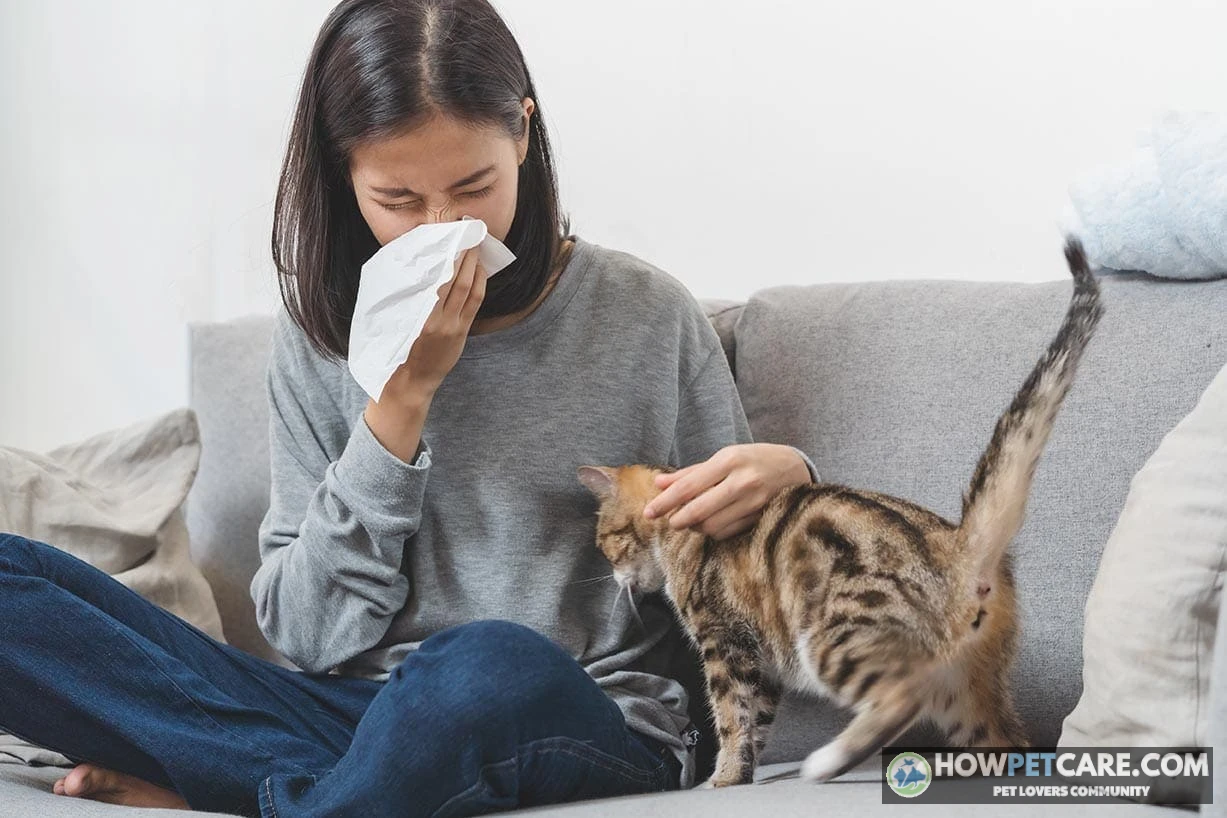

Sneezing, itchy eyes, congestion, coughing, wheezing, or a rash that flares around an animal—and eases when you spend days away—suggests a pet allergy. A two-week symptom journal plus a time-away trial can reveal the pattern, but only skin-prick or IgE blood testing read alongside your history can confirm it.
Repeated sneezing, itchy eyes, congestion, or a rash around an animal—and improvement when you spend time away—can point to a pet allergy. The pattern is a clue, not a diagnosis. A symptom journal, a careful time-away trial, and testing read alongside your history can help identify the cause.
How to Know If You Are Allergic to Pets: The Signs That Point to Your Animal
Pet allergy symptoms can hit your nose, lungs, eyes, or skin. They may show up after you touch an animal, walk into a room it uses, or handle its bedding. Some reactions flare within minutes; for others, the main hint is a stuffy nose that just won’t clear up at home.
A pet allergy is an immune reaction to animal proteins, not to fur itself. These proteins sit in dander—tiny skin flakes—plus saliva and urine, and fur can carry them around the home. In someone who is sensitized, contact with the allergen triggers the release of chemicals such as histamine, which produce the familiar allergy symptoms.
Respiratory symptoms: sneezing, congestion, cough, and wheeze
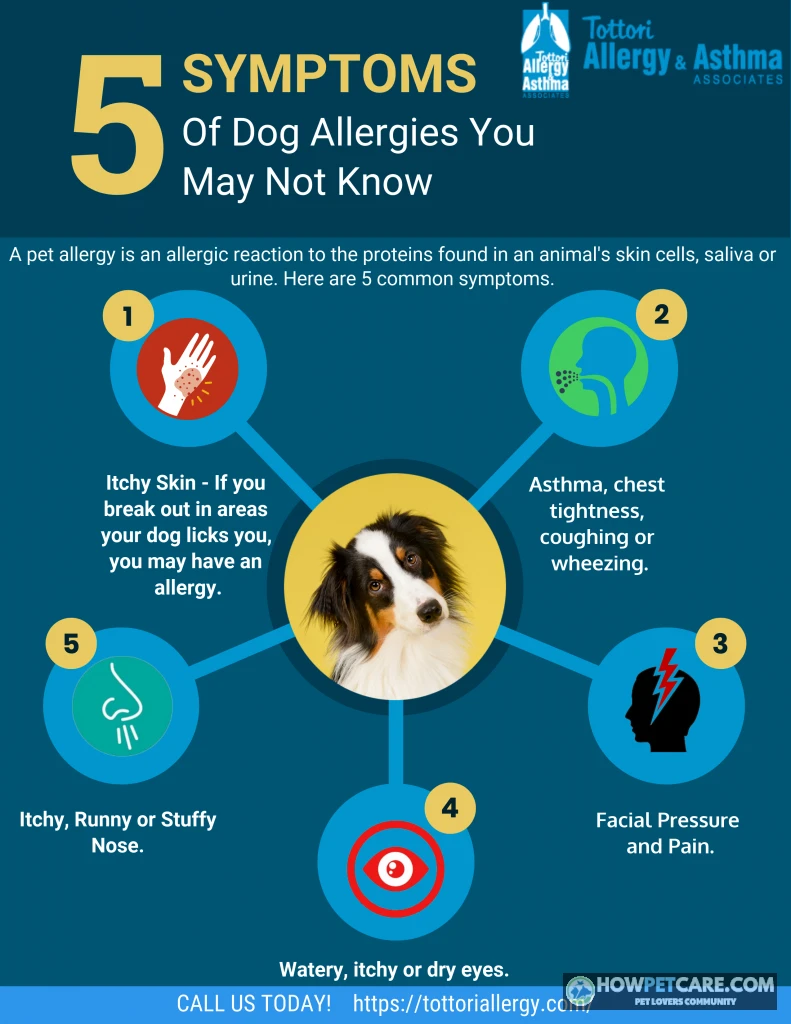
Common signs include repeated sneezing, a runny or stuffy nose, postnasal drip, and coughing. These overlap with allergic rhinitis, often called hay fever. A pet allergen can also set off or worsen asthma, causing wheezing and chest tightness.
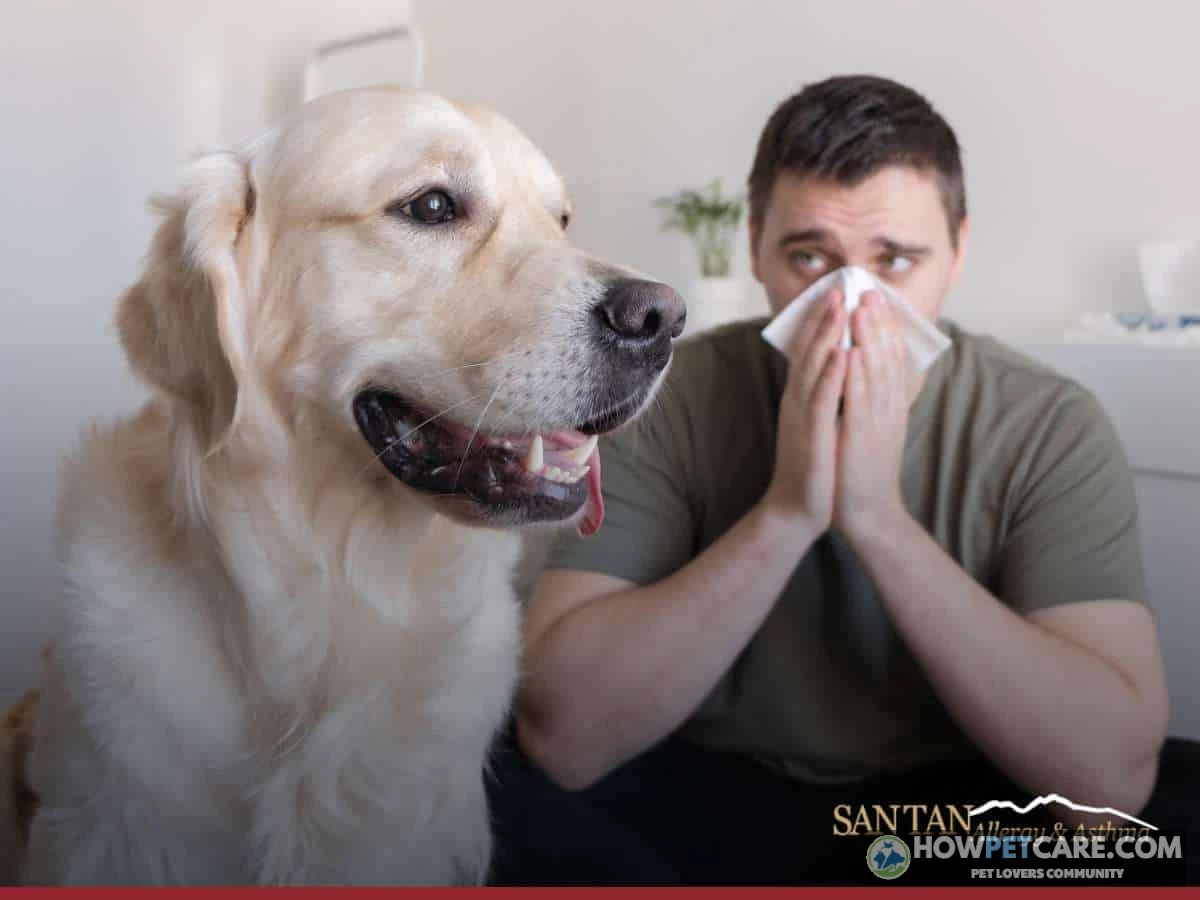
If you have difficulty breathing, severe chest tightness, faintness, or swelling of the tongue or throat, call 911. Do not attempt a home exposure trial. New or worsening wheezing also needs prompt medical assessment.
Eye and skin symptoms: itchy eyes, hives, and rash
Itchy, red, watery, or puffy eyes can occur after contact with an animal or its surroundings. Hives, itchy bumps, or an eczema flare are also possible—sometimes right where the animal licked, scratched, or rubbed against your skin.
Cat allergy vs. dog allergy: what differs and what overlaps
Cat allergy and dog allergy often look identical. The proteins differ: Fel d 1 is a major cat allergen, while Can f 1 is one dog allergen in saliva. You can react to more than one protein or animal, so symptoms alone can’t identify the exact trigger.

The Home Self-Assessment: Symptom Checklist, Journal, and Time-Away Trial
This exercise helps you gather clues before a medical visit. Its timeframes are practical observation periods, not a validated diagnostic test. You don’t need to finish it before seeking care, particularly if symptoms are severe.
Step 1: The pet allergy symptom checklist
Check each item that happens repeatedly, not just once. Note whether it starts within minutes, later in the day, overnight, or during a particular task.
- ☐ I sneeze after petting an animal or entering a room it uses.
- ☐ My nose gets runny or stuffy around the animal or its belongings.
- ☐ I cough, clear my throat, or notice postnasal drip more at home.
- ☐ I have wheezing, chest tightness, or shortness of breath around the animal.
- ☐ My eyes get itchy, red, watery, or puffy around the animal.
- ☐ Eye or nose symptoms are worse when the pet sleeps near my pillow or bed.
- ☐ I get hives or an itchy rash after touching the animal.
- ☐ My skin reacts where the animal licks, scratches, or rubs it.
- ☐ Symptoms are worse in the pet’s favorite room or after handling its bedding.
- ☐ Symptoms improve when I spend several days away from the animal and its usual environment.
There is no validated cutoff for this checklist: one clear, repeated reaction may be more informative than several vague symptoms. More consistent links make the pet hypothesis worth investigating, but none proves it. Any breathing symptom deserves medical attention regardless of the number checked.
Step 2: Keep a two-week symptom journal
For a practical starting point, record your usual routine during the first week. If you can arrange time away safely, continue the same journal during the second week. Don’t change prescribed medicines just to make the pattern easier to see.
| Date and time | Place | Pet contact | Symptoms and severity, 0–10 | Medicines | Other exposures |
|---|---|---|---|---|---|
| Example: Monday, 8 a.m. | Bedroom | Cat slept on bed | Itchy eyes 5; congestion 4 | Antihistamine, 7 a.m. | Bedding changed; high pollen forecast |
| Example: Monday, 6 p.m. | Office | None known | Congestion 2 | None since morning | Dusty filing room |
Record contact as none, animal in the room, or direct touch. Add outdoor time, weather or pollen conditions, vacuuming, cleaning products, dampness, hay, or cage cleaning when relevant. A zero means no symptoms; a 10 means the worst you can imagine. The numbers are for comparing your own days, not measuring allergy severity clinically.
Step 3: Run a time-away-from-pet trial
If practical, spend about seven consecutive days away from the pet, its bedding, and the home where it normally lives. A longer stay may be more informative if symptoms clear slowly. Simply moving the animal to another room—or staying on another floor—is a weak comparison because allergens remain throughout the home.
Continue your journal and usual medication routine. Try to keep work, sleep, and outdoor exposure as similar as practical. Record differences you can’t control: a friend’s pet-free home might have different dust mites, pollen, cleaning products, or residual animal allergens.

If you have not had wheezing, chest tightness, breathing difficulty, or a concerning systemic reaction around the animal, you can observe what happens when you naturally return to your usual environment. Log symptoms soon after returning, later that day, and the following morning. Don’t deliberately provoke a reaction or prolong contact to prove a point.
Skip re-exposure if contact has caused wheezing, chest tightness, breathing trouble, facial or throat swelling, or a widespread reaction. Discuss the history with a clinician instead.
Step 4: Read your results
- Better away, worse after returning: The pet or something else in its home environment is a plausible trigger. Bring the pattern to a clinician.
- No clear change: Consider dust mites, pollen, mold, infection, and other exposures. A pet allergy is still possible because the new setting and lingering allergens can complicate the comparison.
- Mixed or unclear: Look for differences in medication, season, sleep, and cleaning. Discuss persistent symptoms rather than repeatedly exposing yourself.
A home trial can’t establish an allergy. Even a positive skin or blood test needs to be interpreted alongside your symptoms and exposure history.
 You might be wonderingHow to care for a cat?How to Care for a Cat: A Practical Beginner’s GuideRead the answer
Pet Allergy vs. Cold vs. Dust Mites vs. Pollen on Fur: How to Tell Them Apart
| Feature | Pet allergy | Common cold | Dust mite allergy | Pollen carried on fur or clothing |
|---|---|---|---|---|
| Typical onset | May begin within minutes of exposure or become less obvious with ongoing exposure | Usually develops gradually after infection | Often noticeable in bed, on waking, or while disturbing bedding | Often worse during pollen season or after outdoor time |
| Duration | Can persist while exposure continues | Usually improves over about a week or two | Can occur year-round | Tracks the relevant pollen season and exposure |
| Nasal discharge | Often clear | May start clear and become thicker or colored | Often clear | Often clear |
| Fever or body aches | Not typical | Possible; a sore throat can also occur | Not typical | Not typical |
| Itching | Itchy eyes, nose, or skin are common | Less typical | Itchy eyes or nose can occur | Itchy eyes or nose can occur |
| Pattern clue | Follows animal contact or time in its environment | May follow contact with someone who is ill | Worse around bedding or dusting | Worse after outdoor exposure, including when a pet comes indoors |
| What may help | Reducing exposure to the animal and its allergens | Time and supportive care | Reducing dust mite exposure in bedding | Reducing pollen brought indoors and limiting exposure on high-pollen days |
Quick tells: itch vs. ache, clear vs. colored mucus
Itching and a recurring exposure pattern lean toward allergy. Fever, body aches, and a new sore throat make infection more plausible. These are clues, not rules: a cold can start with clear mucus, and colored mucus alone doesn’t establish a bacterial infection or the need for antibiotics.
Dust mite allergy can look especially similar to a pet allergy when an animal sleeps on the bed. Both exposures occur in the same room, and you can have both allergies. Tell your clinician if symptoms are worst on waking or while changing bedding.
Seek medical advice for persistent or worsening symptoms, including significant facial pain or thick nasal discharge lasting more than 10 days. Difficulty breathing is an emergency, not a reason to wait for a journal pattern.
When pollen on your pet’s coat is the real culprit
An outdoor pet can bring pollen indoors on its coat, just as people can on clothing. If symptoms follow walks or high-pollen days rather than indoor-only contact, record that distinction. Having someone else wipe the animal’s coat and paws after outings may reduce tracked-in material; it won’t prove pollen is the cause. Ask your veterinarian about safe bathing and grooming practices.

How Fast Pet Allergy Symptoms Start, How Long They Last, and Why They Linger in Pet-Free Homes
Minutes, hours, or days: the onset timeline
Some people notice sneezing, itching, or other symptoms within minutes of exposure. In susceptible people, inhaled allergens can trigger an asthma flare within roughly 15–30 minutes. With ongoing exposure, symptoms may be persistent or harder to connect to a single encounter.
After exposure stops, symptoms may ease over hours or days, but there is no dependable personal countdown: the amount of exposure, your sensitivity, other triggers, and treatment all matter. A brief trip out of the house may not reveal much, especially if allergens remain on clothing or in the destination.
Why allergens persist after a pet is gone
Removing a pet doesn’t immediately remove its allergens. They can stay in soft furnishings, bedding, carpets, and household dust; animal allergens may persist in a home for up to about six months after the pet leaves. The exact duration varies with the environment and cleaning.
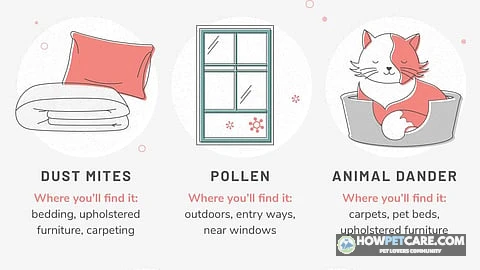
Allergens can also travel on clothing into schools, workplaces, and homes without pets. Symptoms in a pet-free place could therefore reflect transferred or residual allergen—or a different trigger altogether.
Developing a pet allergy later in life
You can develop an allergy as an adult, even after living with an animal for years. There’s no reliable deadline after getting a pet by which symptoms must appear. A new home, a change in exposure, or another allergy can also complicate the picture, so a sudden change is worth discussing with a clinician.
You may react more strongly to one cat than another because individual animals can produce different amounts of allergen and exposures differ. That doesn’t establish that another cat is safe for you. If you are wondering whether a cat is the trigger, testing and a clinician’s assessment of your history are more reliable than assuming a particular animal can’t cause symptoms.
How Doctors Test for Pet Allergies: Skin-Prick vs. IgE Blood Test, Cost, Prep, and Reading Results
A primary care clinician can assess your symptoms and help decide whether to refer you to an allergist. An allergist weighs your history alongside skin-prick or allergen-specific IgE blood testing; a test result by itself isn’t the whole diagnosis.
| Factor | Skin-prick test | Specific IgE blood test | At-home kit |
|---|---|---|---|
| What happens | Allergen extract is placed on the skin, which is lightly pricked | A blood sample is analyzed for IgE directed at a particular allergen | Methods vary: some mail a blood sample to a lab; others use unsupported approaches |
| Result timing | Usually read during the visit, in about 15–20 minutes | Usually returned after laboratory processing | Depends on the provider and method |
| Medication interference | Antihistamines can suppress the skin response | Antihistamines generally do not interfere | Depends on the method |
| Best for | Quick, clinician-interpreted testing when skin testing is suitable | People who cannot pause antihistamines or whose skin cannot be reliably tested | At most, an initial clue if it uses a reliable specific-IgE laboratory method |
| Main limitations | Skin conditions and medications can affect the result | A positive result indicates sensitization, not necessarily clinical allergy | Interpretation and quality vary; unsupported tests cannot diagnose allergy |
Skin-prick test: what to expect
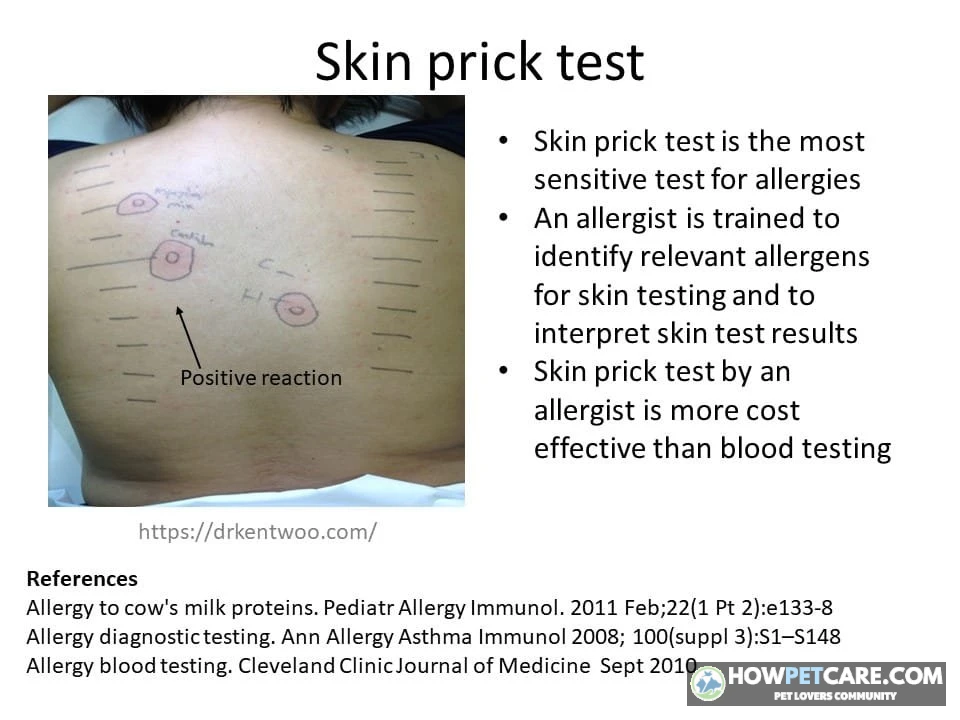
The clinician applies a small amount of an allergen extract, such as cat or dog, to your skin and makes a light prick through it. A raised, itchy bump called a wheal can indicate sensitization. The clinician compares the response with control sites and your history; a positive result doesn’t automatically mean that the animal is causing your symptoms.
IgE blood test: when it is the better option
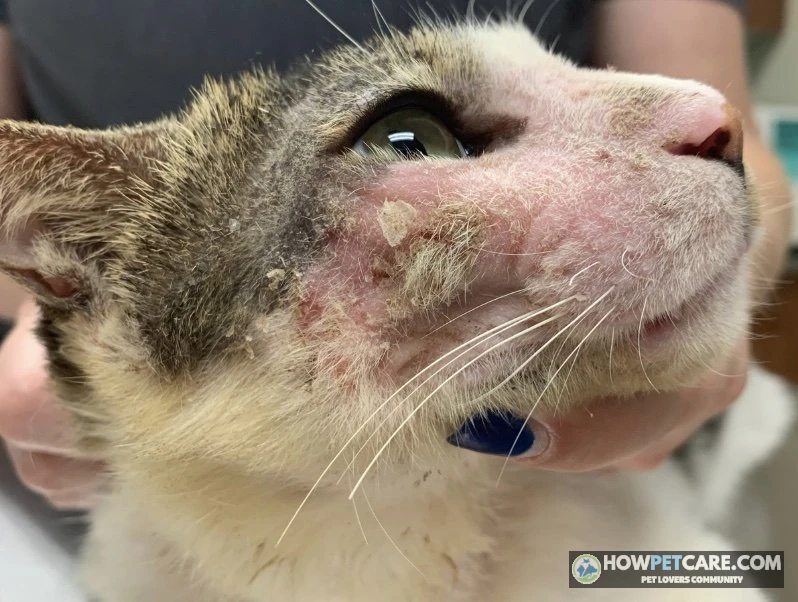
A specific IgE blood test measures antibodies directed at a particular allergen. It may be useful if extensive eczema makes skin testing difficult, or if you can’t safely stop a medicine that interferes with the skin test. Your clinician selects the allergens based on your exposure and symptoms; a broad panel isn’t necessarily more useful.
How to prepare: antihistamine washout and what to ask
Clinics commonly ask patients to stop certain antihistamines for several days before skin-prick testing; depending on the drug, instructions often fall in the 3–7 day range. The exact interval varies by medication and clinic, and some medicines need different instructions. Call before your appointment, give the clinic the name and dose of every medicine and supplement, and follow its specific directions.
Don’t stop prescribed medicines, asthma inhalers, or other treatment without medical advice. If pausing an antihistamine is unsafe or impractical, ask whether blood testing is appropriate. Antihistamines generally don’t need to be stopped for a specific IgE blood test.
How to read an IgE result
The result is often reported in kilounits per liter, or kU/L. Some laboratories also assign classes, but cutoffs and labels differ by laboratory and test. The following is an illustrative convention—not a severity scale or a substitute for the reference range on your report.
| IgE class | Typical kU/L range | Common lab label | What it may mean for you |
|---|---|---|---|
| 0 | Below 0.35 | Negative or very low | Sensitization may not be detected at this cutoff; discuss a strong symptom history anyway. |
| 1 | 0.35 to less than 0.70 | Low | A detectable response may be relevant if it fits your exposure and symptoms. |
| 2 | 0.70 to less than 3.50 | Moderate | Sensitization is more apparent; the result still needs clinical context. |
| 3 | 3.50 to less than 17.50 | High | A stronger laboratory signal does not prove the pet caused every symptom. |
| 4–6 | 17.50 or higher | High to very high | The number alone cannot reliably predict how severe a future reaction will be. |
Some tests can detect IgE below 0.35 kU/L, so don’t assume a result below that value is universally undetectable. Ask your clinician what the specific assay and its reference range mean. A positive test shows sensitization; a diagnosis of allergy depends on whether it matches real-world symptoms. A negative result also deserves discussion if the exposure history is compelling.
Cost and insurance: what to ask before booking
Costs vary by location, insurer, number of allergens tested, laboratory, and specialist visit fees, so an estimate for your own plan is more useful than a generic national figure. Testing may be covered, but deductibles, copays, prior authorization, and referral requirements can affect what you pay.
Before booking, ask the clinic for the expected visit and testing CPT codes, the number of allergens proposed, and an uninsured or self-pay estimate. Give those codes to your insurer and ask about network status, coverage, referrals, and your estimated out-of-pocket cost. Ask the laboratory separately about blood-test charges if applicable.
Are At-Home Pet Allergy Test Kits Accurate?
Not all kits measure the same thing. A finger-prick sample sent to a laboratory for allergen-specific IgE can provide a sensitization result, but its usefulness depends on the assay, sample quality, and interpretation. A positive result can occur without symptoms, and a negative result doesn’t settle every case. Direct comparisons with clinic testing depend on the specific product, so there is no single accuracy figure for all kits.
Hair analysis, bioresonance, and IgG-based sensitivity tests aren’t validated ways to diagnose a pet allergy. Don’t use them to decide that a pet must be rehomed or that breathing symptoms are harmless.
A reputable lab-based IgE result may be a starting point for a conversation when symptoms are mild, but it doesn’t replace a clinical assessment. See a clinician rather than relying on a kit if you have asthma symptoms, a significant reaction, persistent symptoms, or a major decision about keeping your pet. This guide doesn’t endorse a test product.
Allergic to Rabbits, Rodents, Birds, or Horses? How Other Pet Allergies Differ
Cats and dogs aren’t the only possible triggers. The same symptom journal can help distinguish an animal from the materials used to care for it. Ask an allergist which tests are available: not every animal or exposure is included in a routine panel.
Rodents and rabbits
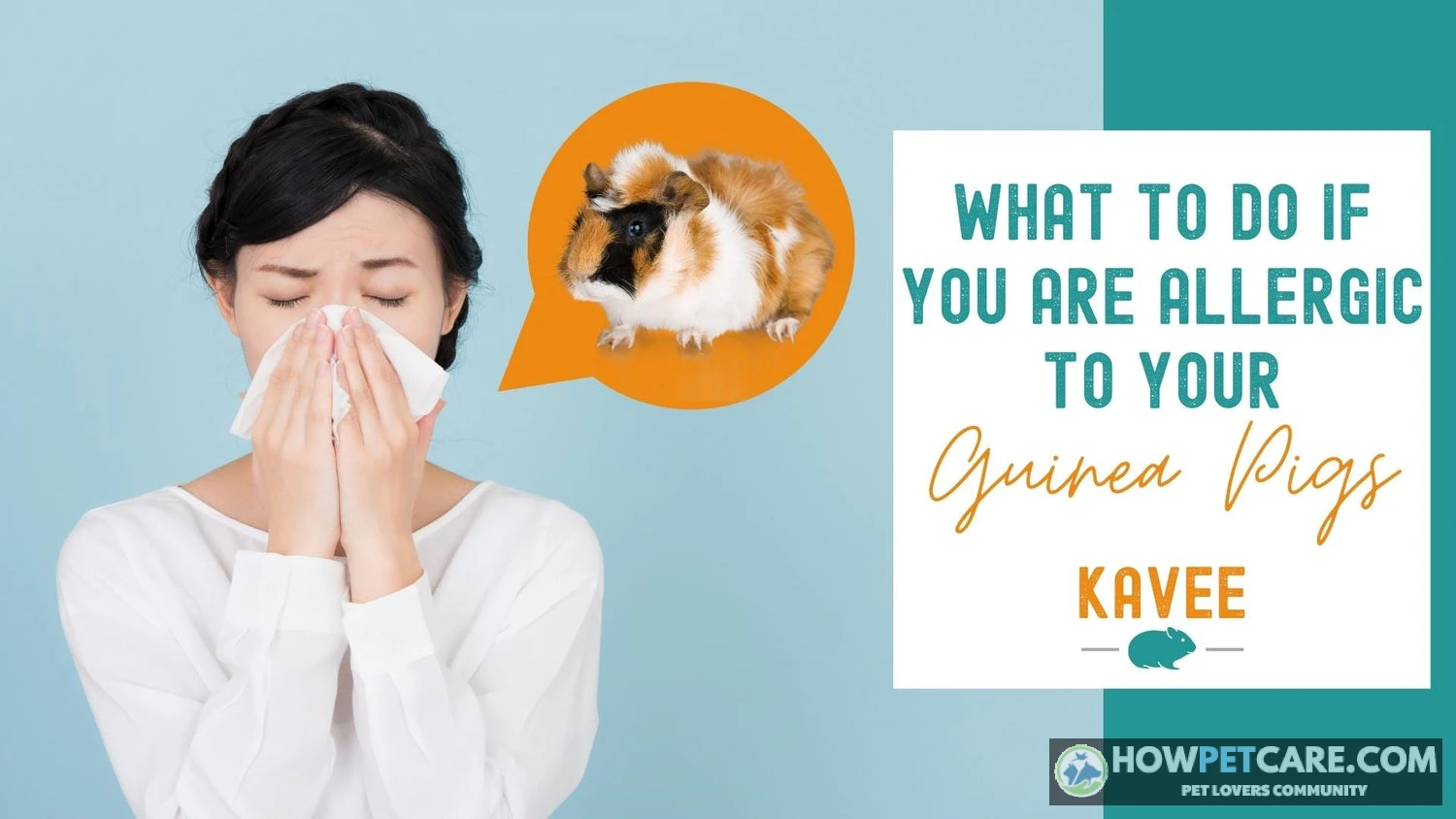
Mice, rats, guinea pigs, hamsters, and rabbits can expose people to proteins in dander, saliva, and urine. Bedding and cage cleaning can stir up material containing those proteins. Record handling, cage-cleaning, and bedding changes separately; if someone else can safely do the cleaning, note whether your symptoms change.
Rabbit and guinea pig owners should also record contact with hay. A reaction around the enclosure may involve the animal, hay, bedding, or more than one trigger.
Birds
Bird-related exposure can include feather dust and droppings. Persistent cough or breathlessness around birds needs medical evaluation: some bird-related lung problems, including hypersensitivity pneumonitis, are different from an immediate IgE-mediated allergy and require a different assessment.
Horses
Horse dander and saliva can be relevant allergens, but a stable also contains potential confounders such as hay, dust, and mold. Record whether symptoms occur during direct horse contact, in the stable without contact, or around hay elsewhere. Tell the allergist about all of those exposures.
Can You Keep Your Pet? Hypoallergenic Breeds, Realistic Management, and When Rehoming Is Advisable
A positive allergy test doesn’t automatically mean you must give up an animal. The decision depends on the diagnosis, symptoms, asthma control, and whether practical exposure reduction and treatment work for your household. Don’t wait to discuss breathing problems while trying household changes.
Are hypoallergenic cats and dogs real?
No cat or dog breed is completely hypoallergenic: all produce potential allergens. Coat type isn’t a guarantee of safety because the relevant proteins aren’t simply the fur itself. Individual animals and exposures vary, so a label isn’t a reliable substitute for medical advice.

Before bringing a new pet home, discuss suspected allergies with a clinician. Time spent with the individual animal may reveal symptoms, but a symptom-free visit doesn’t guarantee that you’ll tolerate ongoing exposure.
Ways to lower exposure at home
- Keep the pet out of the bedroom. Keep the door closed and wash bedding regularly; this creates a lower-exposure sleeping space, not an allergen-free one.
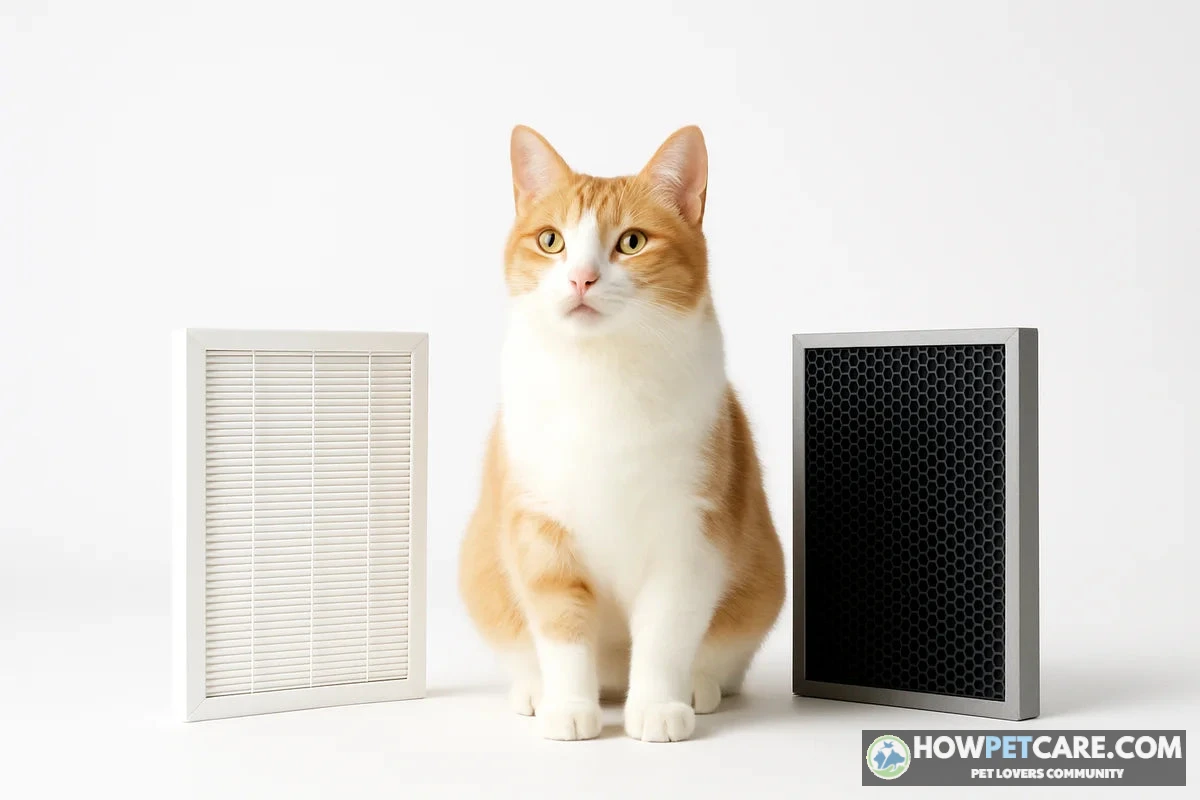
- Use HEPA filtration where practical. A HEPA air cleaner or vacuum can reduce some airborne particles, but neither removes every allergen from furniture and surfaces.
- Clean with the exposure in mind. Have a nonallergic household member vacuum or handle bedding when possible. Hard flooring can be easier to clean than carpet.
- Wash hands after contact. Avoid touching your eyes after handling the animal.
- Treat bathing as a limited measure. It may temporarily reduce material on the coat; lasting symptom benefit is uncertain, and frequent bathing may not suit every animal. Ask a veterinarian first.
Some cat foods are designed to reduce active Fel d 1 on the coat. Their effect on an individual person’s symptoms is less certain, and they don’t make a cat allergen-free. Discuss dietary changes with your veterinarian rather than relying on food as a replacement for medical care.
Treatment options to discuss with your doctor
Depending on your symptoms and health history, a clinician may suggest antihistamines or a nasal corticosteroid spray. Allergy shots, a form of allergen immunotherapy, can reduce sensitivity for some people but require a long course; maintenance treatment commonly continues for three to five years. Ask an allergist about expected benefit, risks, and whether an appropriate treatment is available for your specific allergen. Don’t assume a pet allergy will disappear on its own.
Signs it is time to talk about rehoming
If confirmed pet exposure is linked to asthma attacks, worsening asthma control, breathing difficulty, or symptoms that remain uncontrolled despite an appropriate management plan, discuss whether continued exposure is safe with your clinician or allergist. Rehoming can be a difficult but medically advisable option for some households. The decision should reflect your actual symptoms and risks, not a kit result alone.
Call 911 for difficulty breathing, throat or tongue swelling, faintness, or rapidly worsening symptoms. Widespread hives or facial or lip swelling—especially with breathing symptoms, vomiting, or dizziness—can signal a serious reaction and require emergency assessment. New or worsening wheezing needs prompt medical care.
Your Next Steps: A Bring-to-the-Doctor Checklist and Decision Guide
Symptom tracker summary to bring to your appointment
Copy this list into a note and fill in what you know. Leave an item blank if you could not safely complete it.
- Suspected animal and home setup: Species, where it sleeps, bedroom or bed access, and location of bedding, litter, or cage: ____
- Symptoms: Sneezing, congestion, itchy eyes, cough, wheeze, chest tightness, hives, rash, or other: ____
- Usual pattern: Days with symptoms during your baseline week: /7; typical severity from 0–10: ; strongest suspected exposure: ____
- Time away: Number of days away from the animal and its home: ; symptoms were better, unchanged, worse, or unclear: __
- Return to usual environment: Symptoms returned and when: ; or not attempted for safety:
- Other possible triggers: Dusting, pollen, dampness or mold, hay, bedding, cleaning products, or illness: ____
- Medical history and medicines: Asthma or breathing episodes; antihistamine name, dose, and last dose; nasal sprays, inhalers, and other medicines: ____
- Steps already tried: Bedroom restriction, bedding washing, filtration, grooming, or other changes and their effects: ____
Tell the clinician first about breathing trouble, swelling, or widespread hives. Don’t wait for an appointment if you have emergency symptoms.
Questions to ask your allergist
- Does my history point to a pet, dust mites, pollen, or another trigger—and which allergens should we test?
- Is skin-prick testing or a specific IgE blood test a better fit for me?
- How many days before testing should I stop my particular antihistamine, if it is safe to do so?
- What do my results mean alongside my symptoms, and what are the test’s limitations?
- What will the visit and tests cost under my plan, and do I need a referral?
- Is immunotherapy appropriate, and what should I do if exposure worsens my breathing?
What to do based on your results
If your journal points toward the pet, book a clinical assessment and bring the record. If symptoms don’t change away, discuss other exposures rather than ruling the pet out on your own. If the pattern is unclear or symptoms persist, testing may still be useful. The goal is a diagnosis that fits both the test and your life—not a decision based on a checklist alone.
 You might be wonderingHow to get cat pee smell out of clothes?How to Get Cat Pee Smell Out of Clothes: A Practical GuideRead the answer
FAQ
Can you be allergic to one cat but not another?
Yes. Allergen output, such as Fel d 1 in cats, varies between individual animals, so some people react more to one cat than another. Testing and time spent with a specific animal are the only way to know.
Can pet allergies cause asthma?
Yes. Pet allergens can trigger asthma symptoms such as wheezing, coughing and chest tightness, and can worsen existing asthma. If you have breathing difficulty, seek medical care promptly.
Will a pet allergy go away on its own?
Some people become less reactive over time, but this is not reliable, and symptoms often persist or worsen with continued exposure. Talk to an allergist about management rather than waiting it out.
Do allergy shots work for pet allergies?
Allergen immunotherapy can reduce sensitivity to cat and dog allergens for some people, but it takes months to years of regular treatment and is not a cure. An allergist can say whether you are a candidate.
Does bathing my pet reduce my allergy symptoms?
Frequent bathing may temporarily lower the allergen on a pet’s coat, but the effect fades and evidence for lasting benefit is limited. Treat it as one small step alongside other measures, not a fix.