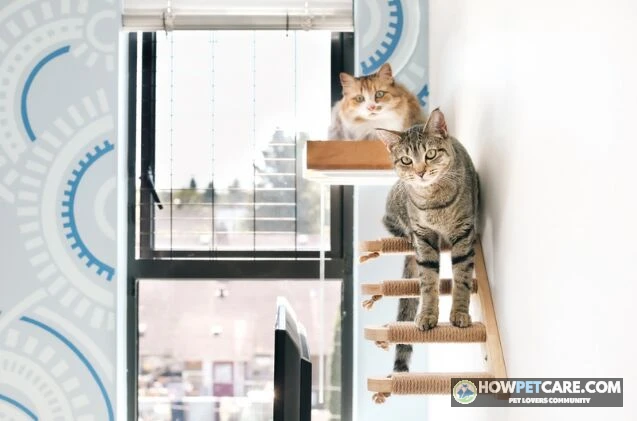

Cats seek high places for vantage, warmth, quiet, and distance from threats—an instinct tied to watching for prey and staying safe. To satisfy it, offer a stable cat tree or securely mounted shelves with easy routes up and down, anchor tall furniture, and never rely on window screens for fall protection.
Cats head upward for a clearer view, a quiet place to rest, or a little distance from something unsettling. A sunny or warm perch can also draw them in, and a raised spot lets them watch the household without being underfoot. Height-seeking is usually normal, but a sudden change in where your cat spends time—especially if appetite or movement changes too—is worth mentioning to a veterinarian.
Why Cats Like High Places: What the Research Supports and What Is Assumption
Instinct, vantage point, and territory: the consensus explanation
A high perch lets a cat spot movement below and decide whether to approach. As hunters, cats are built to watch before acting, and an elevated resting place can also create distance from a dog, child, or another cat they’d rather avoid.
That doesn’t mean every cat climbing high is preparing to hunt or escaping a threat. Some may simply like the view, a sunny window, or a warm resting surface. Warm air rises, but the temperature of a particular shelf depends on the room, sunlight, and nearby heat sources; an appliance top isn’t automatically a safe warm bed.
Cats also differ in their preferences. A cat that favors a covered bed at floor level isn’t necessarily missing out if it has other safe places to rest and explore.
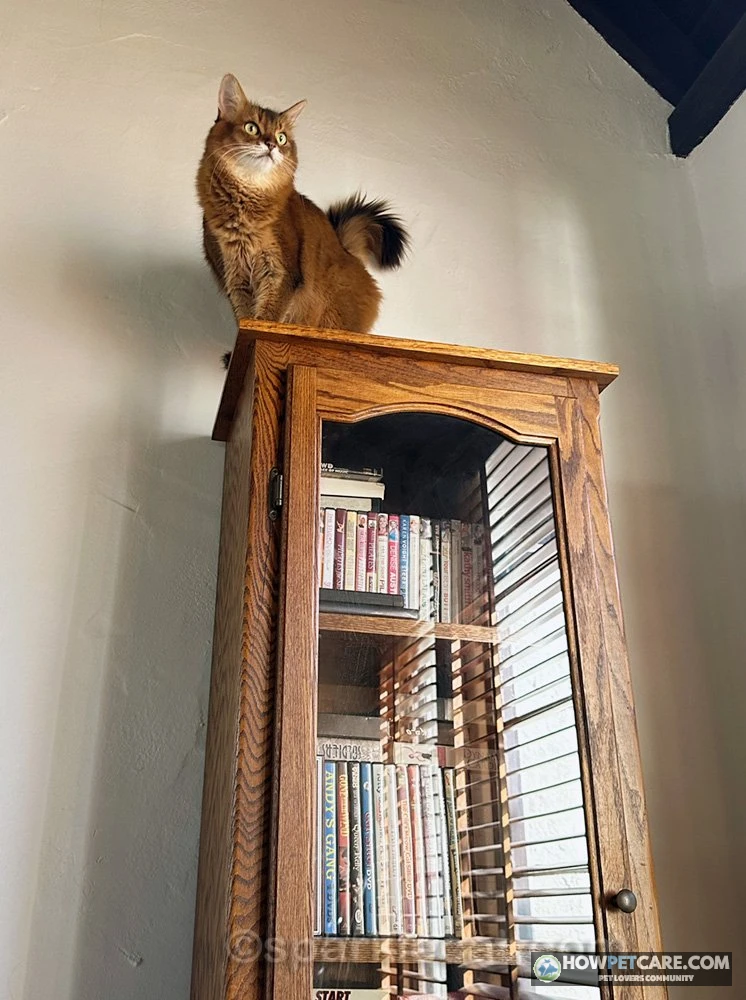
Is there real research behind cats seeking height?
The American Association of Feline Practitioners and International Society of Feline Medicine’s 2013 Feline Environmental Needs Guidelines, by Ellis and colleagues in the Journal of Feline Medicine and Surgery, recommend safe places and opportunities for cats to control their environment. Elevated resting places are one way to provide them. The guidelines are practical veterinary recommendations, not proof that every cat feels safer on the highest shelf.
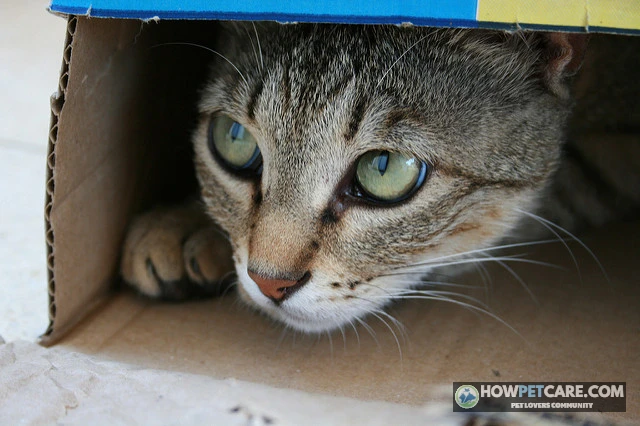
Research on hiding offers a useful but narrower finding. Vinke and colleagues studied newly arrived shelter cats and reported that cats given hiding boxes showed lower stress scores during their initial shelter adjustment than cats without boxes. That study investigated hiding boxes, not whether elevated shelves prevent stress. It supports offering a secure retreat; it does not establish that height itself caused the effect.
The familiar explanation that cats climb because ancestors needed to scan for prey and predators is plausible, but it is difficult to prove for an individual pet. Treat it as an interpretation rather than a diagnosis of your cat’s motives.
A useful early check:
- Relaxed perching usually looks like a loose body, a normal appetite, and free movement between resting spots.
- Possible warning signs include a sudden retreat to a high spot combined with eating less, avoiding the litter box, moving stiffly, or seeming painful.
- A cat straining to urinate with little or no urine needs emergency veterinary care.
The detailed checklist later in this guide can help you decide what to watch.
How to Give an Indoor Cat More Vertical Space: Cat Trees, Wall Shelves, and Window Perches Compared
Vertical space is simply usable room above the floor—a stable tree, an accessible shelf route, a secured bookcase top, or a window perch. The best option gives your cat a comfortable way up and down; it doesn’t need to touch the ceiling.
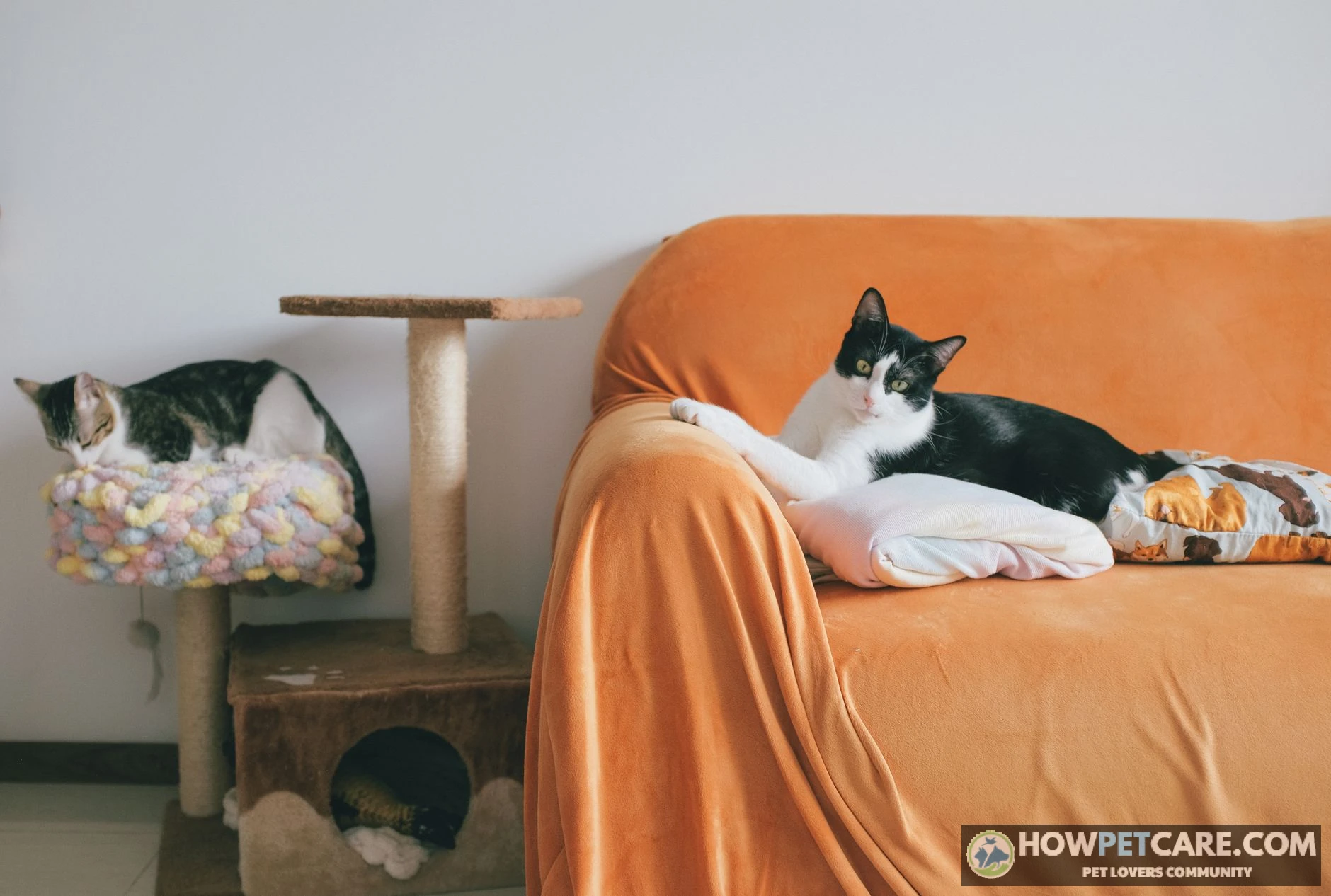
Floor cat tree vs. wall shelves vs. window perch: cost and durability
The following US dollar ranges are illustrative planning estimates, not verified 2026 market prices or promises of service life. Size, construction, installation, and local labor costs can change the total substantially. Inspect any setup regularly rather than replacing it on a calendar.
| Option | Approximate planning cost | Durability considerations | Space needed | Main risks | Best for |
|---|---|---|---|---|---|
| Floor cat tree or tower | $40–$150 or more; larger models can cost more | Fabric and scratching surfaces wear; joints can loosen | Floor footprint plus overhead clearance | Tipping, wobble, top perch too small | A freestanding starting point with room for a broad base |
| Wall-mounted cat shelves | $15–$40 per shelf, often plus installation hardware | Solid surfaces may last years; coverings and fasteners need inspection | Wall area and clear landing zones | Incorrect mounting, loosened hardware, dead-end routes | Small rooms where secure wall mounting is permitted |
| Window perch | $15–$60 | Fabric, fixings, and suction attachments need regular checks | A suitable secured window or sill | Attachment failure; access to an unsafe window | A cat that enjoys watching outside |
| DIY boards or repurposed furniture | Roughly $20–$80 or more in materials, excluding tools or labor | Depends on materials, construction, and maintenance | Varies with design | Unrated parts, unstable furniture, unsuitable wall fixings | Owners able to build and install safely |
A cat tree can combine a resting place with a scratching post or sisal-wrapped trunk. For a tall model, look for a broad, heavy base, a rigid structure, platforms sized for your cat, and a stated weight capacity. A cat condo adds a covered retreat, but check that the opening and interior fit your cat comfortably.
DIY vertical space: what saves money and what is not worth the risk
An existing sturdy bookcase may cost less than a new cat tower. Still, adding traction, protective edging, and a wall restraint costs money. For shelves, include the price of boards, rated brackets, screws, wall-appropriate fasteners, covering, tools, and any professional installation before comparing totals.
DIY isn’t automatically cheaper or safer. Do not use a decorative bracket of unknown capacity, a loose ladder, or a lightweight bookcase that can tip when a cat jumps on it. If you can’t work out how the load transfers into the wall, choose a different setup or ask a qualified installer.
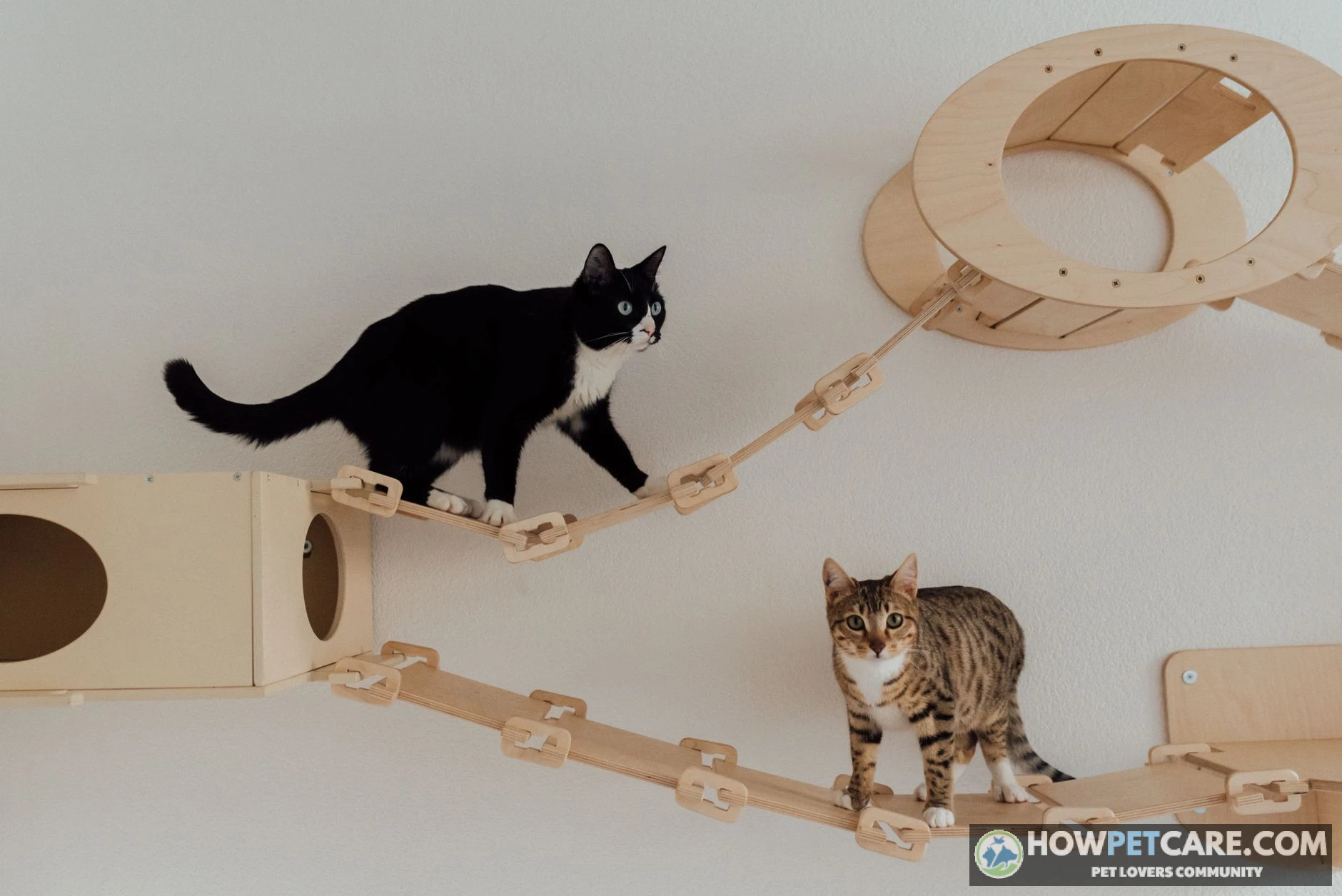
Vertical space for small apartments and renters
Start with the routes your cat already uses. A stable tree beside a secured window can provide a view and a scratching surface without a long wall installation. A broad base matters more than a narrow footprint: a tall, narrow tower is not a good space saver if it tips.
Ask your landlord before drilling or installing an enclosure. If wall restraints are not permitted, use a lower, stable freestanding setup rather than assuming an unanchored tall tree is safe. Keep exits, heaters, and walking paths clear.
 You might be wonderingWhy do cats suck on blankets?Why Do Cats Suck on Blankets? Normal vs. Pica ChecklistRead the answer
Cat Wall Shelf and Perch Specs: Spacing, Depth, Jump Distance, and Weight Ratings
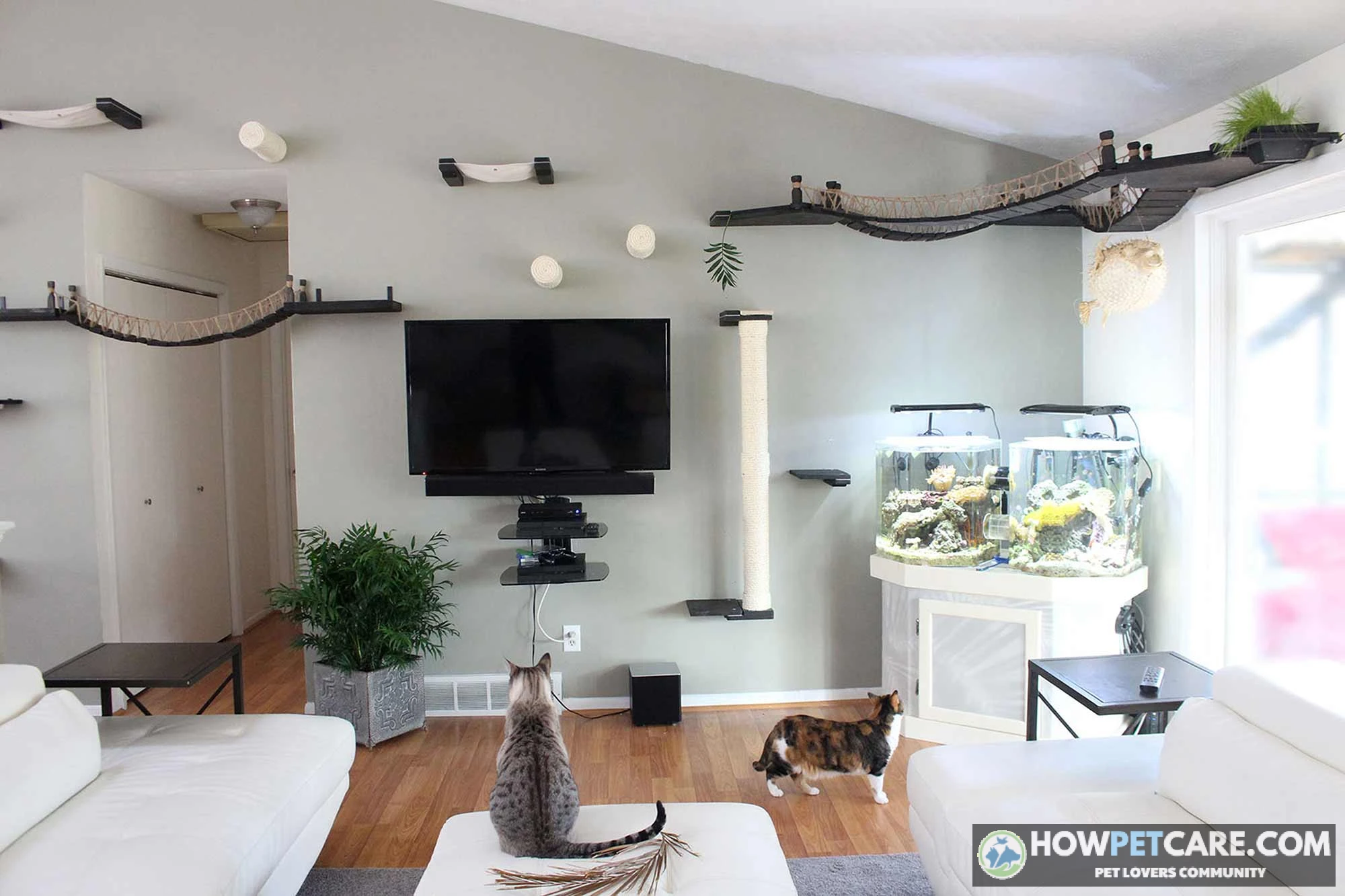
Are cat wall shelves safe for cats? They can be, when the entire assembly suits the cat, the wall, and the route. There isn’t a verified universal shelf-spacing or load standard in the evidence available for this guide. The dimensions below are conservative starting points for planning, not tested safety thresholds; individual ability and installation details matter.
| Cat size or life stage | Starting step height between perches | Starting perch depth and width | Load planning | Notes |
|---|---|---|---|---|
| Kitten | About 8–12 in | About 8–10 in deep by 10–12 in wide | Size the assembly for the cat’s expected adult weight | Supervise practice and reduce gaps for a very small or hesitant kitten |
| Average adult, roughly 8–12 lb | About 12–18 in | About 10–12 in deep by 12–16 in wide | Consider a conservatively rated assembly; see mounting guidance below | Use lower steps if the cat hesitates or lands awkwardly |
| Large or heavy cat, roughly 13–20 lb or more | About 10–14 in | About 12–14 in deep by 16–20 in wide | Account for actual weight and any second cat | Choose wider, rigid platforms and a stable base |
| Senior, arthritic, or mobility-limited cat | About 6–10 in, or use a ramp | At least about 12 in deep, with a wide landing | Account for actual weight; avoid flexing | Ask the veterinarian what movements are appropriate |
Measure your cat while it is lying comfortably. If its body hangs over or it can’t turn around without stepping off, increase the surface size. These dimensions are not substitutes for observing the cat.
How high can a cat jump, and how far apart should shelves be?
There is no reliable jump height that fits every cat. Age, body size, health, confidence, and the available takeoff and landing surfaces all affect what an individual can manage. A maximum jump is also a poor target for a route used daily.
For an average adult, start with short horizontal gaps—roughly 6–12 inches at most—and shorten them until the cat can move confidently. Where practical, connect platforms so the cat can step across rather than take a running leap. A 12-inch gap can still be too large for a particular cat, especially with a change in height. Make the descent as easy as the climb.
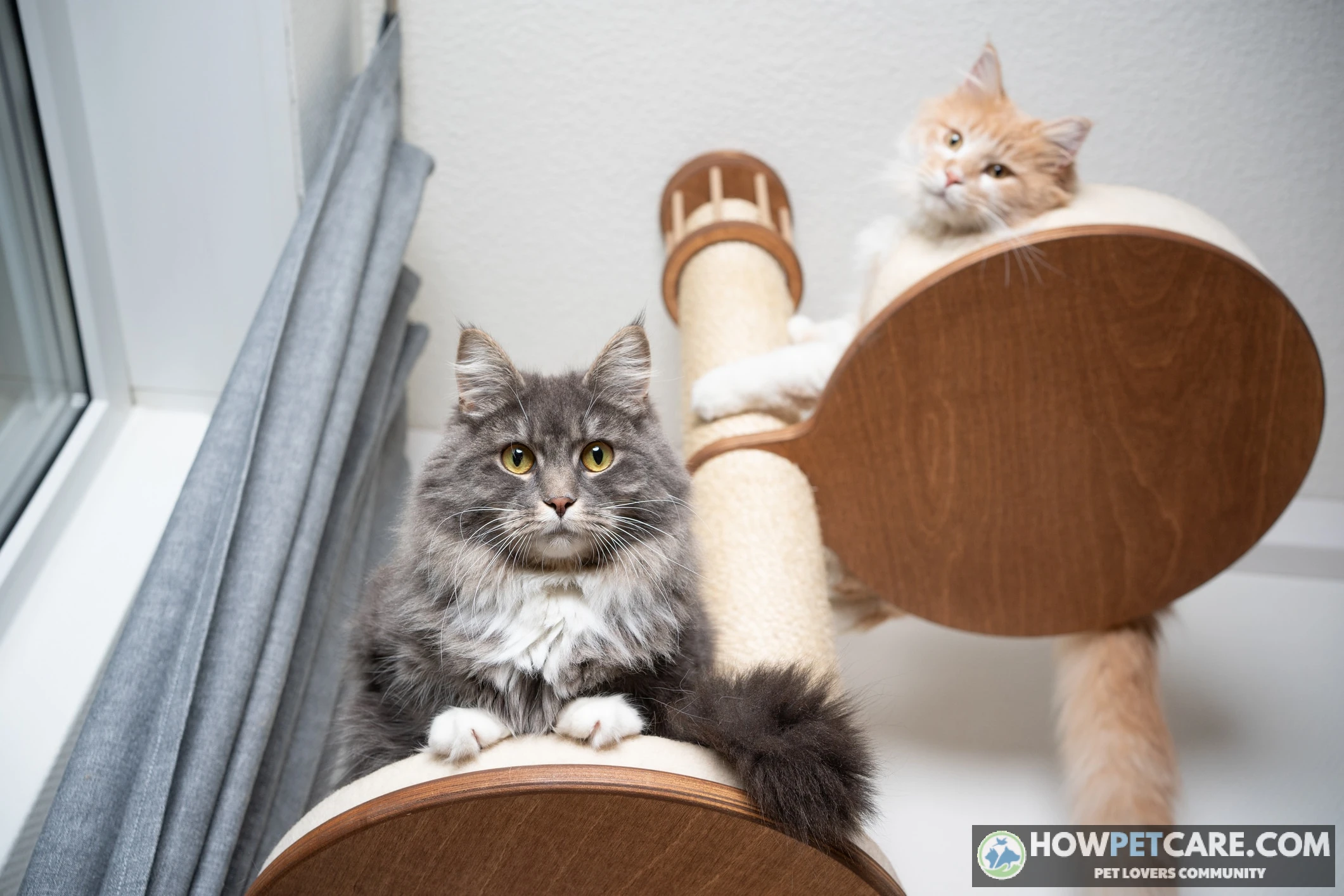
Use non-slip, securely attached coverings and rounded edges. Clear the area underneath of glass and sharp furniture. A raised edge can help contain bedding, but it must not block access or turn the perch into a trap.
Weight capacity and mounting hardware
A shelf’s advertised rating matters only for the specified brackets, fasteners, wall material, and installation method. Landing and jumping can exert more force than a cat’s resting weight, but the multiplier varies; no simple factor guarantees safety.
As a cautious purchasing screen—not an engineering certification—some owners may choose components with stated ratings several times the combined expected cat weight. For example, four times a 12-pound cat’s weight is 48 pounds. That number alone does not establish the capacity of drywall, screws, studs, brackets, or the finished installation. If two cats can land on the same perch, account for both. Follow the manufacturer’s instructions and consult a qualified installer when the wall or load rating is uncertain.
Fasten into suitable structural framing where the design calls for it, or use anchors specifically rated for the actual wall material and application. Don’t assume an anchor rated for a static load will handle repeated jumping. Check all parts for movement, damage, and loosening regularly and after any hard impact.
A strong board does not compensate for an unsuitable bracket or a fastener pulling out of the wall. If the complete installation cannot be assessed, do not put it into use.
Perch size by cat size
When evaluating the best tall cat trees for large cats, focus on fit and stability rather than height alone. The top bed should support the whole cat, the posts and joints should resist flexing, and the base should stay planted during a normal climb and descent. A large cat may need a lower, wider setup even when the advertised capacity appears adequate.
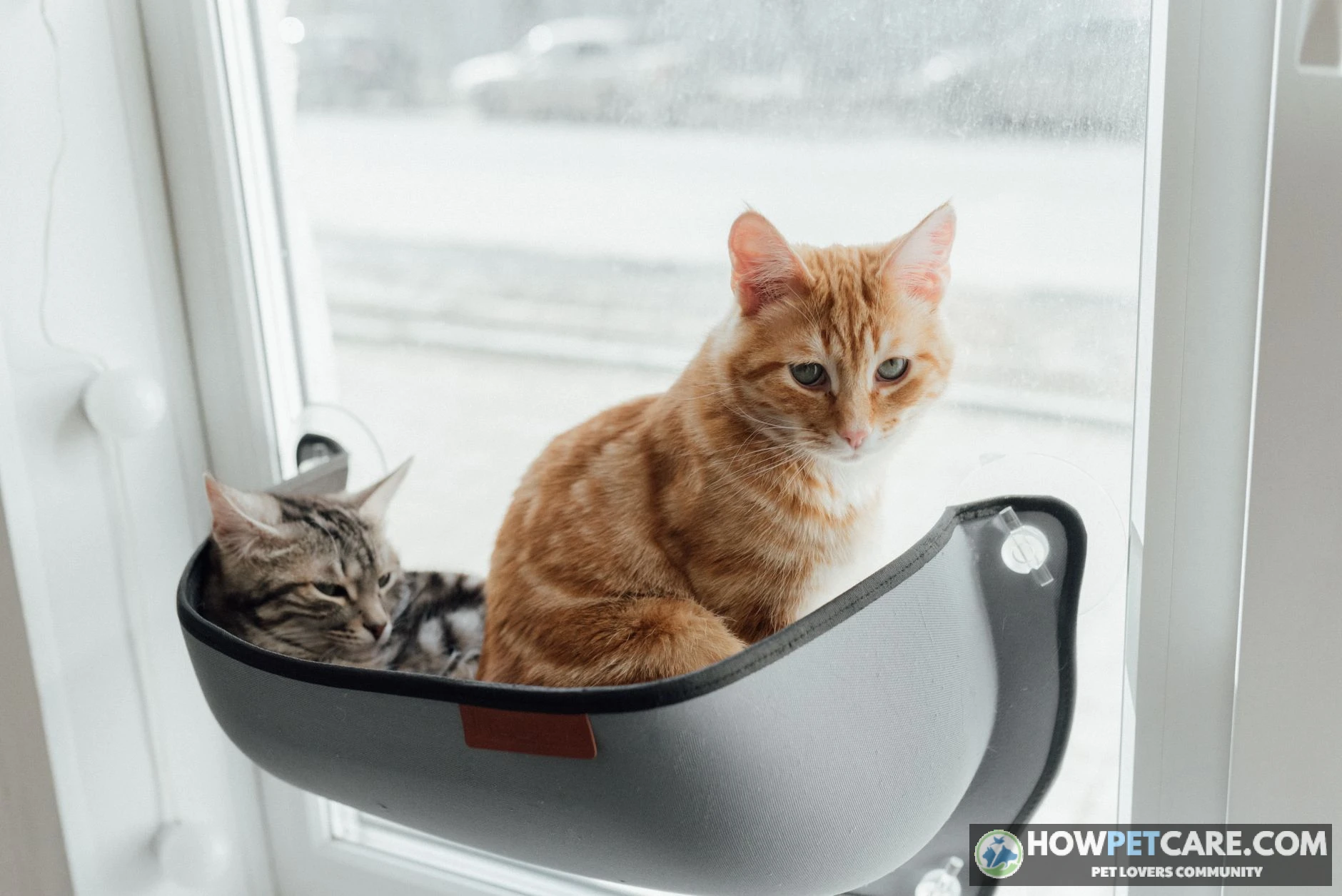
Vertical Space in a Multi-Cat Household: Status, Ambush Spots, and Traffic Flow
Extra usable space can give cats more chances to separate and avoid one another, which matches feline environmental-needs guidance. It’s not a guaranteed cure for conflict: cats also need separate, accessible resources and may require a veterinary assessment or behavior plan.
Does the cat on the highest perch outrank the others?
Not necessarily. A favorite perch may offer sun, a view, warmth, or distance from another cat. Height alone does not establish a fixed social rank. Watch what happens around the resource instead: Can both cats pass? Does one stare, block access, or repeatedly drive the other away?
Designing a vertical highway with no dead ends
A vertical highway is a connected route of perches that lets a cat travel and descend without depending on one narrow path. Aim for two practical exits from shared high areas where the room permits; a cat should be able to use either route without an unsafe jump. A single-entry perch is not automatically unusable, but it can become a trap if another cat controls the exit.
Worked layout: In a 12-by-14-foot living room, imagine two adult cats, Milo and Nala. Milo blocks the base of a corner tree, so Nala is reluctant to descend. The owner keeps the tree and adds a securely mounted shelf route beside it, with approximately 14-inch vertical steps leading toward an anchored bookcase. A second safe descent from the bookcase leads toward a stable couch, provided the actual gaps are comfortable for both cats. A separate window-level resting spot gives each cat another place to settle. Food, water, and litter remain accessible away from the traffic route.
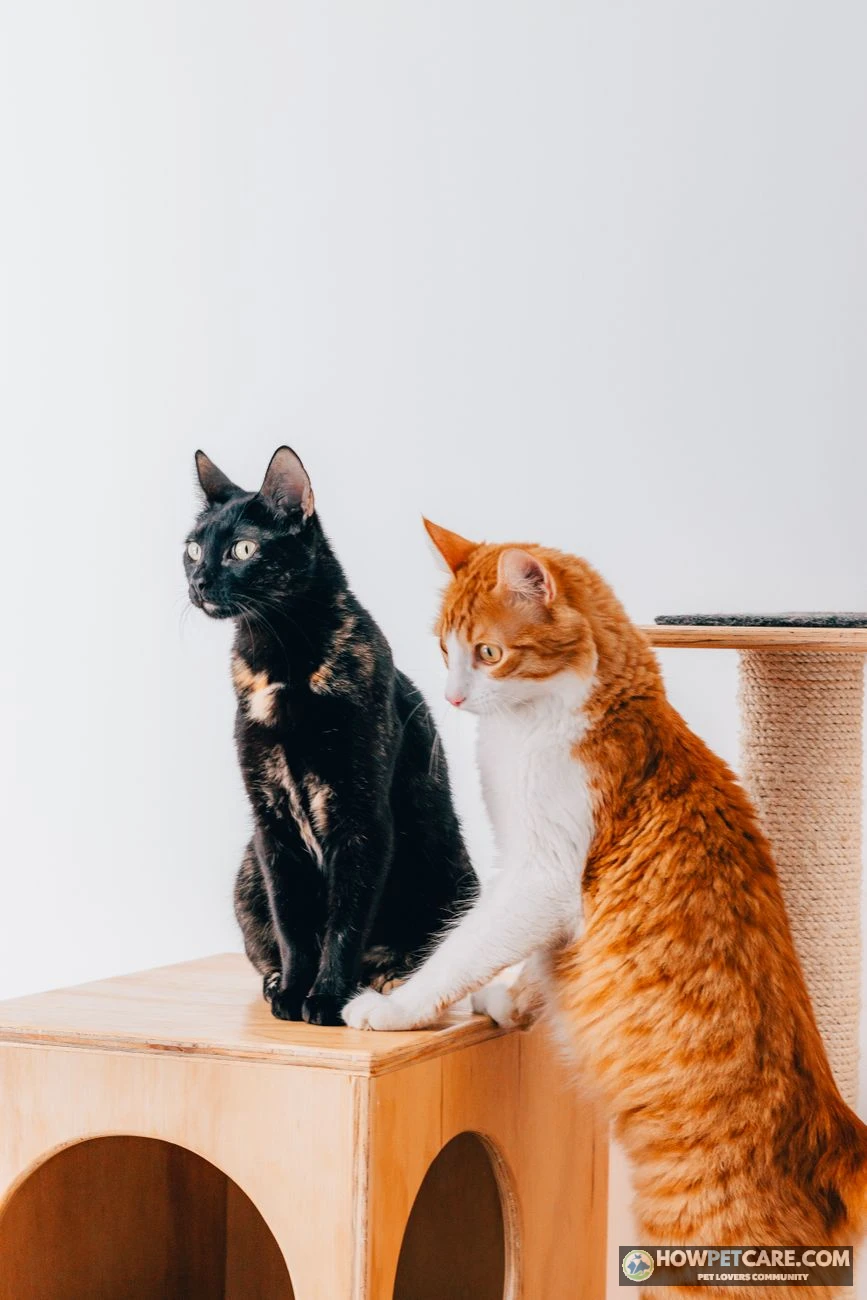
This is a hypothetical design, not a promised result. The owner should watch whether both cats actually use both exits and adjust if either route funnels through a guarded doorway. Provide multiple appealing resting places rather than making one high perch the only desirable destination.
Staring, blocking, avoiding a room, or staying on a perch because another cat guards the descent are reasons to reassess. Keep routes away from litter-box entrances and other chokepoints. Persistent tension deserves veterinary and, where appropriate, qualified behavior support.
How to Keep Your Cat Off Counters, the Fridge, and Other Unsafe High Spots
First identify the likely reward. Is there food on the counter, a view of meal preparation, a warm appliance, or simply a convenient route to a window? Remove the reward where possible and provide an acceptable alternative. No single deterrent reliably prevents counter surfing in every home.

What to do when your cat ignores foil and double-sided tape
A cat may stop responding to a passive deterrent. Rather than escalating to punishment, combine consistent management with an attractive alternative. Avoid yelling, spraying water, or using a device that frightens the cat; fear can add another problem without teaching the cat where to go.
The weeks below are a rough schedule, not a promised timeline. During the first two weeks, clear food, crumbs, dishes, and wrappers, and close cupboards or doors that give access to food. Keep the cat out of the kitchen during cooking if necessary. A baby gate alone may not contain a cat that can jump it.
During weeks three and four, continue managing the counter and reward use of the alternative. If you try a harmless texture barrier, remove it if the cat chews it, becomes distressed, or simply walks over it. There is no dependable timetable for a cat to stop responding to foil or tape.
During weeks five and six, review what still draws the cat to the counter. Improve food storage, block access during tempting activities, and keep rewarding the preferred perch. If the behavior continues alongside a sudden change in appetite, activity, or hiding, consult your veterinarian rather than layering on more deterrents.
Giving the instinct an acceptable outlet near the forbidden spot
Place a stable perch roughly at counter height and close enough for the cat to observe the action without reaching the stove or food-preparation area. Reward the cat on the perch with a small treat, play, or attention it enjoys. A washable blanket can make the spot comfortable; avoid unattended heating devices unless specifically designed and used safely for pets.
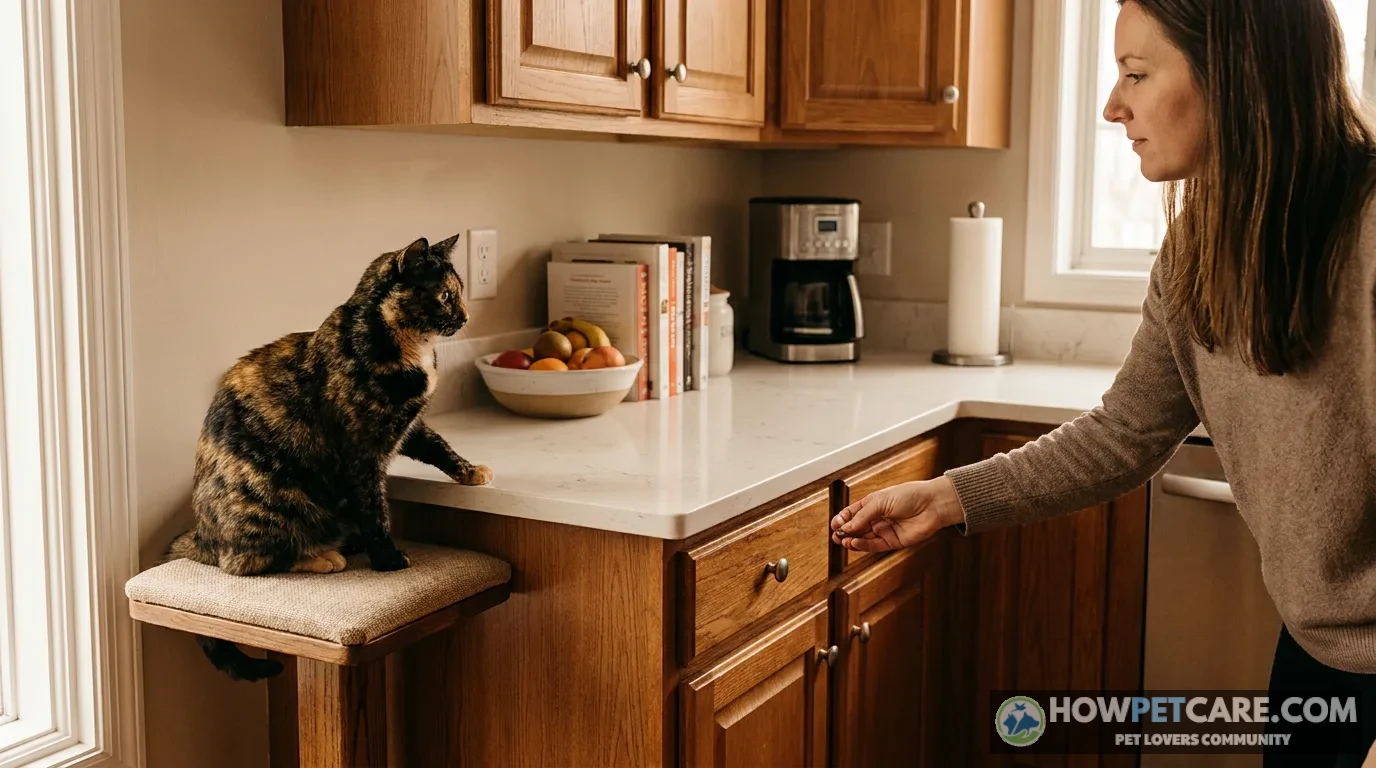
A refrigerator top isn’t automatically safe. Check for instability, heat, ventilation restrictions, chemicals, and a difficult descent; offer a lower perch or a stepped route instead. For a Christmas tree, use a stable base and secure the tree against tipping. Keep tinsel, fragile ornaments, and electrical cords out of reach, and provide another climbing spot nearby.
Relaxed Perching or Stress and Illness? A When-to-Worry Checklist
Compare your cat with its own usual behavior. No single posture or facial expression proves that a cat is relaxed, stressed, or ill; context and changes over time matter.
| Observation | Relaxed perching | Possible stress or illness signal | What to do |
|---|---|---|---|
| Posture and face | Loose body, neutral ears, soft eyes | Persistent tension, a hunched posture, flattened ears, or a fixed stare | Give the cat space and look for other changes |
| Movement | Comes and goes using familiar routes | Suddenly avoids descending, moves stiffly, or appears unable to get down | Provide a safe intermediate route and contact a vet if movement seems painful or impaired |
| Food and water | Eats and drinks normally | Eats less, refuses food, or drinks noticeably more or less | Call a vet promptly for a meaningful change; do not wait if other symptoms are present |
| Social response | Normal interest in play or contact for that cat | New hiding, flinching, hissing, or withdrawal | Reduce pressure and check for a household trigger; consult a vet about a sudden change |
| Grooming | Usual grooming and coat condition | New excessive grooming or an unkempt coat | Discuss persistent changes with a vet |
| Litter box | Usual frequency and ease of use | Accidents, changed frequency, or straining | Call a vet; straining with little or no urine is an emergency |
| Overall pattern | Similar to the cat’s normal routine | Sudden or persistent retreat, especially with lethargy, vomiting, or breathing changes | Seek veterinary advice promptly; breathing difficulty is an emergency |
Signs your cat enjoys its perch
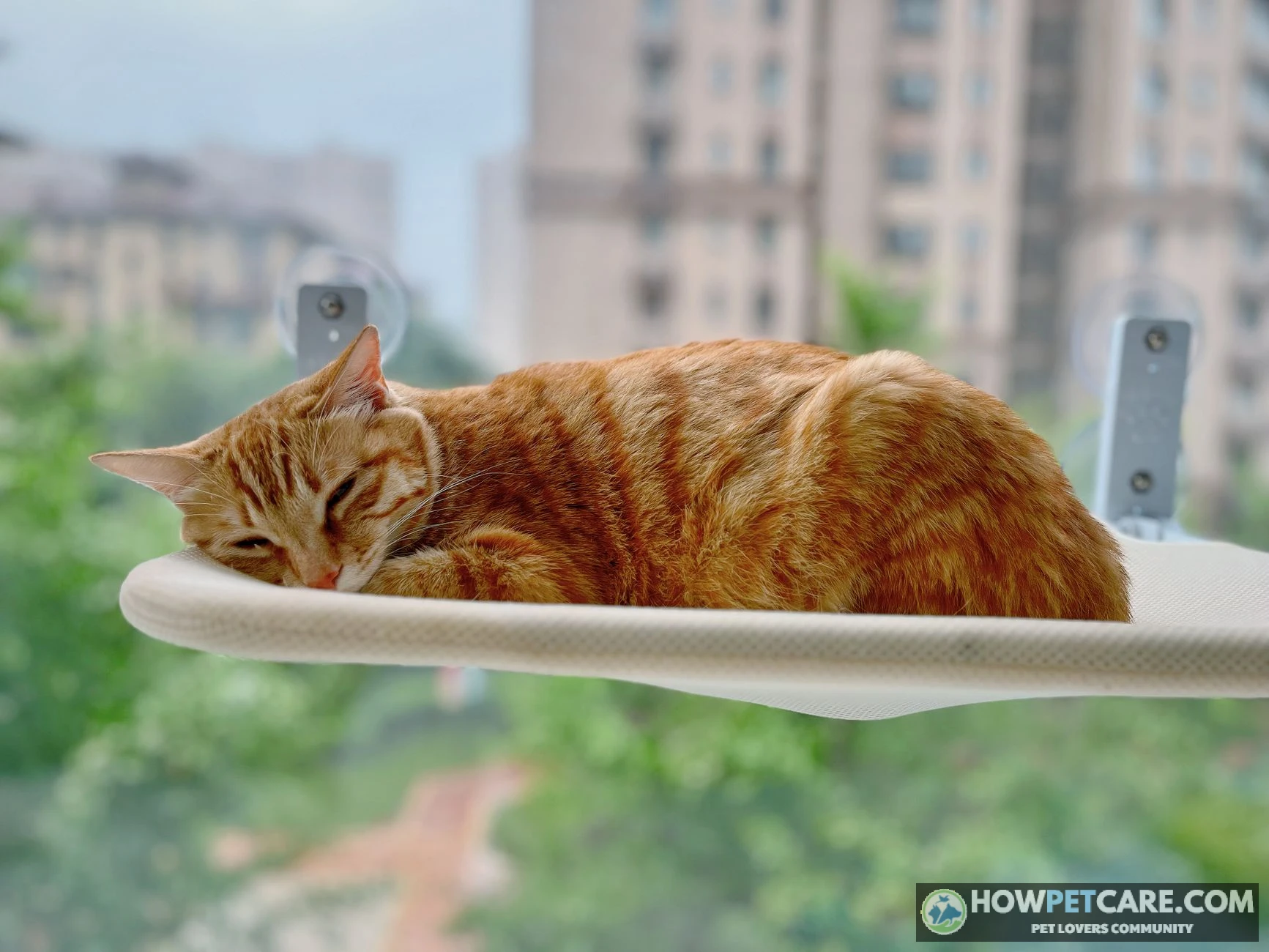
A comfortable cat may nap with relaxed muscles, watch the room, and move freely between resting places. It should still be able to reach food, water, and a litter box without being blocked. Some cats naturally prefer less interaction, so declining affection alone isn’t a diagnosis.
Signs your cat is hiding up high
Consider recent changes: a move, construction noise, a new pet, altered routines, or another cat guarding a route. Give the cat a quiet retreat and an easy way down; don’t pull it from a perch unless immediate safety requires intervention.
If the cat cannot descend, place a stable intermediate platform or steps within reach without forcing it to jump. If it appears injured, trapped in a dangerous position, or unable to move normally, contact a veterinarian or appropriate local rescue service for guidance.
When to call the vet
Call promptly about a sudden behavioral change accompanied by reduced appetite, pain, vomiting, lethargy, or changes in drinking or litter-box habits. Don’t wait 24–48 hours to see whether a cat that isn’t eating improves, particularly if it is a kitten, has another health condition, or has additional symptoms. Breathing difficulty, collapse, and straining to urinate with little or no urine require emergency care.
For a mild change without other symptoms, note when it started, check for environmental triggers, and contact your vet if it persists or you are uncertain. Cat anxiety is one possibility, but medical problems can look similar; start with a veterinary assessment before treating the issue as purely behavioral.
Vertical Space for Senior, Arthritic, Overweight, and Disabled Cats
A cat may still want a window view after jumping has become difficult. Reluctance to jump, stiffness, or a change in landing can be associated with pain or other health problems, so arrange a veterinary check rather than assuming the cat is simply getting old.
Ramps, stairs, and low perches: what to choose
Start with a low, wide platform and add stable steps or a gently inclined ramp with a firmly attached, non-slip surface. As a planning starting point, steps about 6–10 inches high may be easier than standard adult shelf spacing; some cats need lower steps or a different arrangement altogether. Choose a ramp angle your cat can walk comfortably, with level landings at both ends, rather than relying on one universal angle.
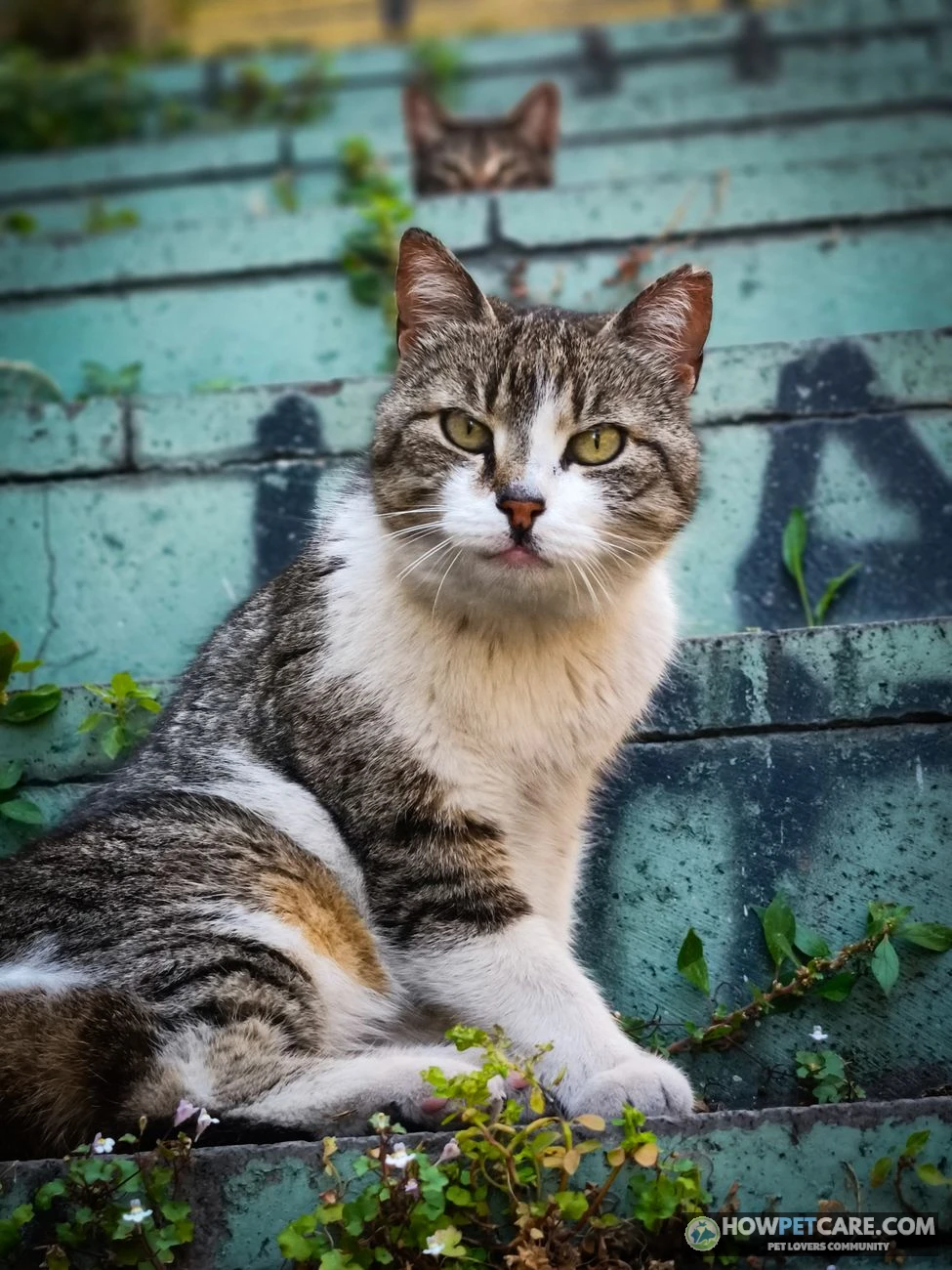
A soft resting pad at bed or window height can offer comfort without a tall climb. Keep food, water, litter, and a resting place accessible on the same level. Use non-slip flooring where the cat takes off and lands, and remove access to a high route that requires an uncomfortable drop.
Signs a cat has outgrown its climbing setup
Watch for hesitation, missed landings, using claws to pull up, avoiding a favorite perch, or needing help down. For a heavier cat, confirm that the entire assembly accommodates its actual weight and does not wobble. Introduce activity gradually and ask the veterinarian about a suitable mobility and weight-management plan.
Kittens need shorter steps and supervision too. Their size and coordination change quickly, so reassess the route as they grow.
Preventing Falls from Windows and Balconies: A Checklist for Apartments and Renters
What is high-rise syndrome?
High-rise syndrome describes injuries cats sustain after falls from buildings or other significant heights. The righting reflex can help a falling cat orient its body, but it doesn’t prevent serious injury. Veterinary reports by Whitney and Mehlhaff in the Journal of the American Veterinary Medical Association and Vnuk and colleagues in the Journal of Feline Medicine and Surgery describe cats treated after such falls. These clinical reports concern cats brought for treatment; they do not establish that a fall from any particular height is safe.
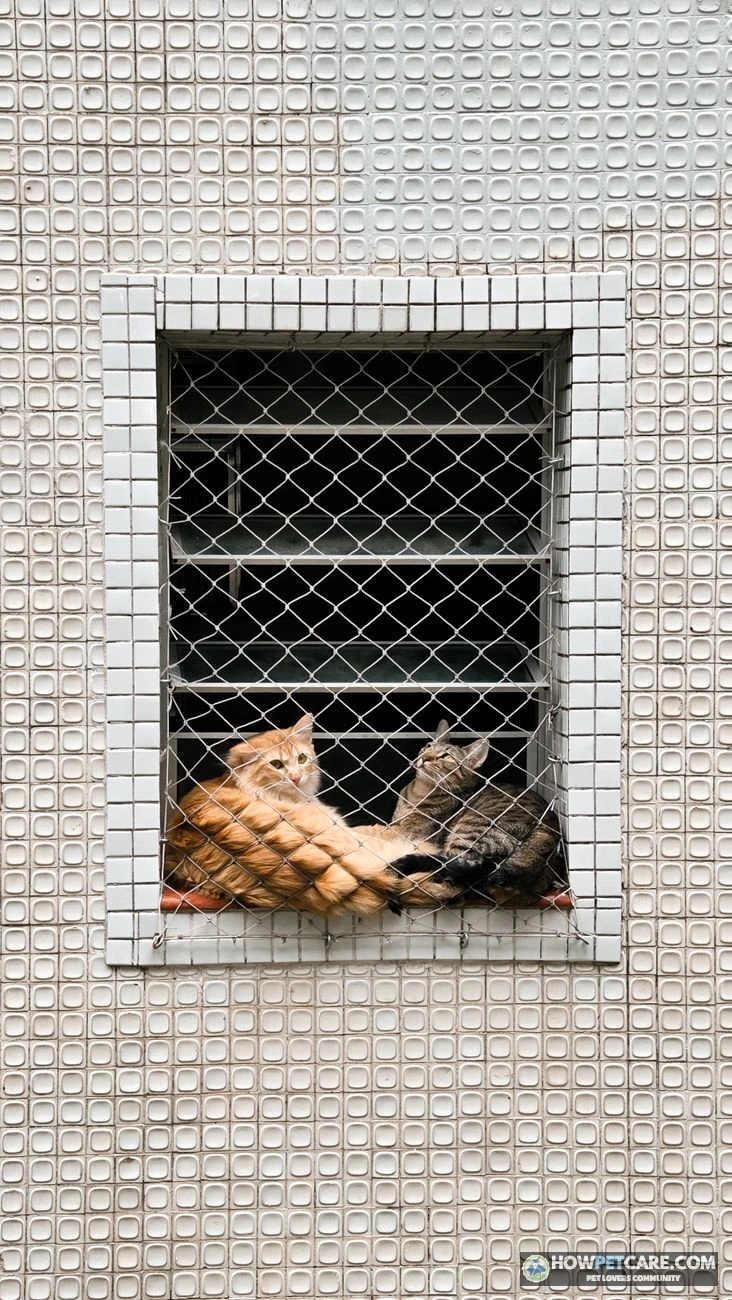
A secure perch and a secure window are separate requirements. Never rely on a standard insect screen to contain a cat at an open window.
Window and balcony safety checklist
- Assess every opening. Keep windows closed or restrict openings so a cat cannot squeeze through. Check window type and household emergency-egress requirements before adding a restriction.
- Inspect screens and frames. Ordinary insect screens can loosen or tear. A pet-resistant screen or insert must also have a securely fitted frame and fastenings; mesh strength alone is not enough.
- Secure the perch separately. Install it as directed, respect its stated limits, and check its attachments. Suction cups can lose their hold, so do not position a suction-mounted perch where failure exposes the cat to an open window or a dangerous fall.
- Treat an open balcony as a fall hazard. Do not leave a cat unattended on an unprotected balcony. A properly designed catio or enclosure needs suitable mesh and secure edges, corners, and overhead coverage; netting with gaps or weak attachments is not reliable protection.
- Recheck after changes. Inspect screens, enclosure fixings, tree restraints, and shelf brackets regularly, and after storms, cleaning, repairs, or an impact.
Anchoring tall furniture without damaging a rental
Check the lease and ask the landlord about approved restraints or professional installation. Removable inserts and tension-mounted devices vary in strength: use one only when its manufacturer specifically supports the application and the window or wall can hold it securely. Window film is not a substitute for a barrier or a closed window.
If a tall tree or bookcase cannot be securely restrained, choose a lower, stable alternative. A weighted base can improve stability but doesn’t automatically prevent tipping; test the setup conservatively and follow the manufacturer’s instructions.
Your Next Steps: Choosing a Safe Vertical Setup for Your Cat and Home
Choose the first addition around the cat and the room, not the tallest available surface. For a young, agile adult in a rental, a stable low-to-medium tree near a secured window may be a practical start. For a senior or mobility-limited cat, start with a low perch and supported steps or a ramp. For multiple cats, prioritize separate resting spots and more than one accessible route. If drilling is permitted and the installation can be assessed, shelves can extend the route later.
-
Observe the current route
For the first few days, note where your cat rests, how it gets down, and whether another pet blocks access. Watch for changes in eating, movement, and litter-box use.
-
Set up one safe alternative
Place a stable, appropriately sized perch near a favored view or resting area. Add traction and a comfortable route up and down.
-
Check the whole installation
Inspect the base or wall mounting, component ratings, landing area, window security, and exits. Do not use a setup that wobbles or has an uncertain attachment.
-
Watch and adjust
Reward voluntary use, shorten any difficult gaps, and add another route or resting place if cats compete. Recheck the setup as the cat ages or the household changes.
If you notice sudden hiding, signs of illness or pain, or persistent conflict, involve your veterinarian. A veterinary behaviorist or another appropriately qualified behavior professional can help with a behavior plan after medical concerns have been assessed.
 You might be wonderingWhy do cats meow?Why Do Cats Meow? A Decision Guide for OwnersRead the answer
FAQ
Is it okay for my cat to sit on top of the refrigerator?
It is usually fine if the surface is stable and not hot, since some fridge tops get warm from vents. The main risk is the jump down onto a hard floor, especially for older cats, so offer a lower perch or a stepped route nearby.
Why won’t my cat come down from high places?
Cats often find descending harder than climbing, and some get stuck when there is no easy route down. Add an intermediate perch or ramp, and see a vet if the cat is also hiding, not eating, or showing signs of pain or stress.
Do kittens need different vertical space than adult cats?
Yes. Kittens do better with lower tiers, smaller steps, and non-slip surfaces because their coordination and judgment are still developing. Supervise early climbing and raise the setup as the cat grows.
How do I stop my cat from climbing the Christmas tree?
Anchor the tree to a wall or ceiling and use a heavy, stable base. Keep cords, tinsel, and fragile ornaments out of reach, and give the cat a nearby perch of its own. No single deterrent reliably works, so combine several.