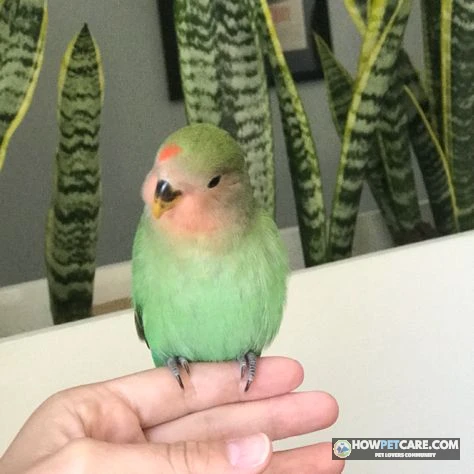

Lovebird care means a roomy 24×18×24-inch cage with ≤1/2-inch bar spacing, 60–70% pellets plus vegetables and limited fruit or seeds, daily social interaction and 1–2 hours supervised exercise, 10–12 hours dark sleep, reward-based taming, and an avian vet for exams, quarantine and emergencies.
A lovebird needs a roomy, safely furnished cage, a balanced pellet-based diet, daily social contact, supervised exercise and access to an avian veterinarian. For one bird, start with a cage at least 24 inches wide by 18 inches deep by 24 inches high, with bar spacing no wider than 1/2 inch. Aim for pellets to make up 60–70% of the diet, with vegetables and small amounts of fruit and seeds making up the rest.
A single lovebird doesn’t need a mate if it gets enough companionship, but neither a single bird nor a pair is a hands-off pet. These small parrots are active, vocal and sometimes nippy, and they commonly live 10–15 years. This lovebird care guide covers the routines that can make those years safer, from taming and a gradual food transition to quarantine and responding to suspected egg binding.
Lovebird Care at a Glance: The Setup, Diet, and Daily Routine in One View
Set up the cage before bringing your bird home, and plan for 1–2 hours of supervised out-of-cage time each day in a bird-proofed room. A solo bird also needs substantial daily interaction with its people. Make time for conversation, training and shared activities rather than treating exercise as its entire social routine. A pair can keep each other company, but both birds still need observation, enrichment and care.
Feed and check your lovebird every morning, refresh its water and clean its dishes daily, and give it a quiet, dark place to sleep. Find an avian veterinarian before an emergency occurs. If your bird bites, work at its pace. You’ll find a numbered four-stage taming protocol below, before the first-30-days checklist.
Choosing a Pet Lovebird: Species Comparison and Sexing Guidance
Lovebirds are small parrots in the genus Agapornis. The three commonly kept species are peach-faced, Fischer’s and masked lovebirds. A bird’s individual history and socialization tell you more about whether it will enjoy handling than its species label does.
Species comparison for first-time owners
| Species | Size | Temperament | Noise level | Typical lifespan | US availability | Best for |
|---|---|---|---|---|---|---|
| Peach-faced, also called rosy-faced | Small | Often active and bold; individuals vary | Sharp calls | Commonly 10–15 years | Often encountered as a pet | Someone seeking an interactive bird |
| Fischer’s | Small | Active and curious; individuals vary | Sharp calls | Commonly 10–15 years | Availability varies by location | Someone who enjoys watching and training an active bird |
| Masked | Small | Active and alert; individuals vary | Sharp calls | Commonly 10–15 years | Availability varies by location | Someone prepared for an active, vocal companion |

The lifespan range applies to the common pet species; it isn’t a guarantee for an individual bird. Listen to the bird before deciding whether its calls suit your home. Don’t buy one on a promise of silence. Lovebirds aren’t reliable talkers, although an individual may mimic sounds.
A budgie may be a more manageable first small parrot for someone concerned about a lovebird’s strong, nippy bite. Both need flight space, social interaction and veterinary care. Meet individual birds rather than assuming either species will enjoy being held.
A rescue can help match you with a bird whose established behavior is known. A responsible breeder should answer questions about diet, age, socialization and veterinary history. Look for an alert bird with clean eyes and nostrils, smooth breathing and a clean vent. Even a healthy-looking bird can carry disease, so arrange a veterinary exam and quarantine as appropriate.
How to tell if a lovebird is male or female
You generally can’t reliably distinguish the sexes of these common pet lovebirds by color or appearance. Don’t rely on pelvic-bone spacing, personality or the way a bird tucks nesting material into its feathers.
- Ask an avian veterinarian about DNA sex testing if knowing the sex will affect your care decisions.
- Have the vet collect or recommend the appropriate blood or feather sample and use a reputable laboratory. Follow its collection instructions to avoid contaminating the sample.
- Keep the result with your bird’s health records. A bird that lays an egg is female, but a bird that has never laid one could be either sex.
A female can lay eggs without a mate. Knowing your bird’s sex is useful, but an unknown result should never delay veterinary attention for signs of possible egg binding.

Best Cage Setup for Lovebirds: Size, Bar Spacing, Perches, and Placement
For one lovebird, use a cage at least 24 inches wide by 18 inches deep by 24 inches high, with bars no more than 1/2 inch apart. Larger is better, especially for horizontal movement. For a pair, provide substantially more usable flight space and enough room for separate feeding and resting spots. The one-bird minimum isn’t a useful target for two active birds. Have a second cage available in case they fight.
Step-by-step cage setup
- Choose a safe location. Put the cage in a lived-in area where the bird can observe the household, away from the kitchen, smoke, direct drafts and overheating. A wall behind part of the cage can provide a sense of security.
- Check the cage. Choose bird-safe, durable materials and secure door latches. Avoid rust, flaking coatings and questionable galvanized wire that a bird might chew.
- Add perches. Arrange several stable perches made from bird-safe natural wood, with different diameters and textures. Leave an open route for movement across the cage.
- Place food and water dishes. Make them easy to reach and remove, but don’t put them directly beneath perches where droppings will fall into them.
- Add enrichment. Offer a few appropriately sized chewable and foraging toys without crowding the flight space. Check clips, strings and damaged parts for entanglement hazards.
- Provide a cuttlebone. Secure it where the bird can reach it; ask your vet whether the bird has additional calcium needs.

Perches, dishes, and sleeping spots
Perches should let the feet grip comfortably without forcing the toes to stay flat or tightly overlapped. Natural branches of suitable bird-safe wood offer variety; inspect and clean them regularly. Skip sandpaper perch covers, which can irritate feet.

Give your lovebird a consistent 10–12 hours of quiet, dark sleep. A breathable partial cover may help if airflow remains clear and the bird tolerates it. Avoid nest boxes, enclosed huts and other dark hideaways for a pet bird: they can encourage nesting behavior.
Daylight through a window isn’t a substitute for a carefully planned lighting setup. If you’re considering an avian UVB lamp, ask your avian vet about the specific lamp, distance and exposure. There’s no safe universal distance for every product.
Lovebird Diet and Feeding Schedule: Pellets, Vegetables, Seeds, and Toxic Foods
A practical target is 60–70% formulated pelleted bird food, 20–30% fresh vegetables and no more than 10% fruit, with seeds and nuts reserved for small treats. These are proportions of the overall diet, not proof that every bird needs an identical measured volume. Your avian veterinarian can adjust the plan for your bird’s condition and needs.
A seed mix alone isn’t a balanced long-term diet. If seeds are all your bird recognizes as food, keep feeding them while you start the monitored transition described below. Don’t suddenly substitute pellets.
Daily feeding schedule
- Morning: Wash the dishes, provide fresh water and offer a small serving of washed, chopped vegetables alongside the bird’s usual food.
- During the day: Keep the appropriate formulated pellets available. Watch what your bird actually eats, not just what disappears from the bowl.
- Later in the day: Offer or refresh a small vegetable serving if useful. Remove uneaten fresh food after a few hours, sooner if it’s hot or the food spoils.
- Training: Use tiny portions of millet spray or another seed treat as rewards, accounting for them in the day’s food.

Try vegetables such as leafy greens, carrots, broccoli and bell peppers, washed and cut into manageable pieces. Introduce unfamiliar foods gradually. Fruit is an occasional small addition rather than the main fresh-food serving.
Clean water dishes daily and change the water sooner when soiled. Use safe drinking water; if your local supply is in question, ask your water provider or veterinarian about filtration. Balanced pellets and access to cuttlebone support the diet, but don’t routinely add concentrated calcium or vitamins without veterinary guidance.
Foods that are toxic to lovebirds
Keep avocado, chocolate, caffeine, alcohol, onion and garlic away from your bird. Also avoid fruit pits and apple seeds, salty foods and products containing xylitol. Remove seeds and pits before offering suitable fruit. If you’re unsure whether a food is safe, leave it out and ask an avian veterinarian.
If your lovebird eats a potentially toxic food, contact an avian veterinarian or emergency veterinary clinic immediately. Do not wait for symptoms or try to make the bird vomit.
How to Switch a Lovebird From Seeds to Pellets Without It Refusing to Eat
A bird may sort seeds out of a mixed bowl and leave every pellet behind. The percentage offered isn’t necessarily the percentage eaten. Never remove familiar food abruptly to force acceptance: a small bird can deteriorate quickly if it stops eating.
Before starting, ask your avian vet for a target weight and a plan suited to your bird, particularly if it’s ill, underweight or newly home. Establish a baseline by weighing it on a gram scale each morning before breakfast and recording the result. Monitor its droppings and watch it eat.
Week-by-week transition plan
The following is a suggested progression for the dry-food portion offered, not a deadline. Keep water and appropriate fresh vegetables available. Advance only when you can confirm that the bird is eating pellets and maintaining its weight.
- Week 1: Offer about 75% familiar seed and 25% pellets. Place some pellets in a separate accessible dish as well. Watch for the bird picking up and swallowing them.
- Week 2: If pellets are being eaten and weight is stable, offer about 50% seed and 50% pellets. Continue daily weighing and observation. Don’t reduce seed simply because the calendar says to.
- Week 3: If intake remains reliable, offer about 25% seed and 75% pellets. Use some of the seed as a training or foraging reward.
- Week 4 and beyond: Gradually make pellets the main dry food. Move toward the overall diet target of 60–70% pellets, 20–30% vegetables and a small amount of fruit, with seeds as treats. The dry-food mix isn’t the same thing as the whole diet.

For example, compare a bird whose stable baseline is 50 grams against that baseline, not a generic species average. A drop to 45 grams is a 10% loss and requires prompt veterinary contact; call sooner for a downward trend, poor appetite or reduced droppings. Don’t wait to reach a percentage if the bird appears unwell.
What to do if your bird refuses pellets
Pause at the last stage where your bird ate reliably, and keep familiar food available while contacting your avian vet for advice. Offer a suitably sized pellet in a separate dish, near a favored perch or in a simple foraging toy. Some birds need a much slower transition; a four-week schedule is a guide, not a guarantee.
Pellet dust alone doesn’t prove adequate intake: a bird may crumble food without swallowing enough. If it stops eating, produces markedly fewer droppings or seems weak, contact a vet immediately rather than attempting another week of mixing.
Taming a Lovebird That Bites: A Step-by-Step Hand-Taming Protocol
Biting is information, not a reason to punish. Fear, a hand entering a defended cage, overstimulation or hormonal behavior can all contribute. Watch the whole bird. Leaning away, lunging or a tense posture means it’s time to give it space. Eye pinning or fluffed feathers can mean different things depending on context; neither is a diagnosis on its own.
Why your lovebird bites
First, rule out discomfort with an avian vet if biting is new or accompanied by other changes. For a healthy bird, look at what happens just before the bite. A hand may be entering its cage, for example, or contact may continue after the bird tries to move away. Change that situation before asking for more handling.
The four-stage taming plan
Use a tiny piece of millet as a reward and start with two short sessions a day. Aim for up to 10–15 minutes only if the bird remains relaxed; a minute or two can be enough at first. The stages may take weeks or longer, and progress doesn’t have to follow a calendar.
- Build comfort near the cage. For the first few days, sit nearby, speak softly and avoid reaching toward the bird except for necessary care. Move closer gradually. Proceed when it eats, preens or moves normally in your presence.
- Offer a treat without pressure. Present millet on a spoon or through the bars at a distance the bird accepts. Gradually offer it at the open door, then from your fingers. Let the bird choose to approach; don’t chase it with the treat.
- Teach step-up. Present a stable handheld perch near the bird’s feet, say “step up” once and reward any voluntary movement toward or onto it. Once the bird is comfortable, practice with a finger if it accepts one. Work outside the cage when possible if the cage itself triggers defensiveness.
- Practice in a safe room. After bird-proofing, open the cage and allow the bird to come out voluntarily. Practice easy perch step-ups and reward calm choices. End while the bird is still comfortable, and use the perch to help it return without a chase.

Several relaxed step-ups in a session are a useful milestone; tolerating being grabbed isn’t. Return to an easier stage whenever the bird retreats or lunges.
What to do in the moment of a bite
Stay as calm as possible and support the bird; don’t yell, shake your hand or punish it. If needed, place it on a safe perch, pause and make the next attempt easier. Avoid automatically forcing the same interaction again. For recurring cage-territorial bites, invite the bird to step onto a perch at the door rather than reaching deep inside.
The First 30 Days: Quarantine Protocol, Bird-Proofing, and Social Needs
Have the cage, familiar food and an avian-vet appointment arranged before pickup. On arrival, place the bird in a calm room, show it where food and water are, and allow it to settle. Limit handling to essential care while it learns the new surroundings.
New-bird quarantine step by step
If you already have birds, use a separate room for at least 30 days; discuss 30–45 days and any longer period needed with your avian vet. Separate airflow is preferable, but a closed door alone doesn’t guarantee infectious-disease isolation.
- Before arrival: Set up separate food, water, cleaning equipment and toys for the newcomer. Ask the vet how to minimize shared-air exposure in your home.
- During the first week: Arrange a new-bird exam. Discuss baseline weight and appropriate testing for diseases such as psittacosis and psittacine beak and feather disease (PBFD), based on the bird’s history.
- Every day: Care for resident birds first and the newcomer last. Wash hands before and after care, and change clothes or use a dedicated cover garment when appropriate. Don’t share equipment.
- Watch for illness: Contact the vet if you see reduced appetite, breathing changes, unusual droppings or persistent fluffing. Ask when quarantine can safely end; a symptom-free interval alone can’t rule out every infection.
- After veterinary clearance: Place the birds in separate cages and introduce them gradually under supervision. Don’t assume they’ll accept each other or house them together immediately.

Quarantine reduces exposure; it cannot guarantee that a new bird is disease-free. Follow your avian veterinarian’s testing and isolation advice before introducing birds.
Bird-proofing checklist for out-of-cage time
Before opening the cage, check the room each time:
- Close windows and doors; cover mirrors and large windows until the bird can move around the room safely.
- Turn off ceiling fans, and secure electrical cords. Close toilets and remove open water containers.
- Keep dogs, cats and other animals out, even if they appear friendly.
- Remove unsafe houseplants, small objects and anything the bird could chew or swallow.
- Keep the bird away from cooking fumes, smoke, candles, aerosols and fragranced products. Overheated nonstick cookware can release dangerous fumes; keep birds out of kitchens and avoid exposing them to such fumes.
- Check behind doors and under furniture before moving them, and supervise the entire outing.

One lovebird or two?
A single lovebird can thrive without a mate when it receives adequate human interaction. Plan several hours of companionship spread through the day where possible, including training and time near family activity. A normal workday away can be manageable with food, water and enrichment, but a bird routinely left alone with little interaction needs a different arrangement.
Two birds may bond with each other and still benefit from human attention. They can also fight, and a pair isn’t guaranteed to be compatible. Introduce them gradually after quarantine, supervise shared time and maintain separate cages if necessary. Don’t acquire a second bird solely as a quick fix for biting or loneliness.

Toys, enrichment, and bathing
Offer shreddable bird-safe materials, chew toys and simple foraging opportunities, such as a small treat tucked into clean paper. Rotate a few toys weekly while leaving familiar favorites in place. Inspect them daily for loose threads or broken pieces.
Offer a shallow dish of clean, lukewarm water or a gentle mist several times a week if your bird enjoys it. Don’t force bathing; offer it early enough for feathers to dry before bedtime.

Discuss wing clipping with an avian vet rather than attempting it yourself. Clipping has welfare and safety trade-offs, and a clipped bird can still escape or fall. Bird-proofing and supervision remain essential either way.
Lovebird Health: Signs of Illness, Egg-Binding Response, and When to See an Avian Vet
Birds often conceal illness, so learn your own bird’s normal appetite, posture, weight, breathing and droppings. A change from normal can matter even when the bird still looks alert.
Signs your lovebird is sick
Call an avian veterinarian promptly for reduced eating, persistent fluffed posture, unusual droppings, discharge from the eyes or nostrils, or a change in activity. Labored breathing or tail bobbing with each breath, sitting weakly on the cage floor, active bleeding, seizures or repeated straining warrant immediate emergency assessment. If an avian vet is unavailable, call an emergency clinic and ask whether it can stabilize a bird.
Respiratory illness, feather-damaging behavior, parasites and problems associated with an imbalanced diet can have overlapping signs. Psittacosis can also affect people. Don’t diagnose a cause from a symptom list or start an over-the-counter treatment without veterinary advice.
Egg binding: emergency protocol
A hen may be egg-bound if she is repeatedly straining, sitting puffed on the cage floor, weak, passing fewer droppings or showing a swollen abdomen. These signs can have other causes, but all require urgent assessment. A bird can lay eggs without having been housed with a male.
- Call an avian veterinarian or emergency clinic immediately and leave for care as directed. Don’t wait one or two hours to see whether an egg passes, and don’t wait overnight.
- Prepare a quiet carrier. Keep the bird gently warm during transport, with a wrapped warm—not hot—heat source against only one side of the carrier so it can move away. Avoid overheating and minimize handling.
- Keep water within easy reach if practical. Give calcium or other treatment only under a veterinarian’s specific instruction. Don’t force food or fluid into a weak bird.
- Do not squeeze the abdomen, pull at the vent or try to break or remove an egg. These actions can cause serious injury. Home warmth is supportive care, not treatment.
To reduce nesting triggers, avoid nest boxes and dark huts, maintain an appropriate light-and-sleep routine, and discuss recurrent laying and calcium needs with your vet. Don’t remove eggs or change the environment as a treatment for active straining without veterinary direction.
Finding an avian veterinarian
Find a veterinarian experienced with birds before bringing your lovebird home, and save an after-hours emergency number. Schedule a new-bird exam and discuss a yearly wellness visit, baseline weight, diet, droppings, nails and beak condition. The vet can recommend testing and a follow-up schedule for your bird.

Lovebird Ownership Costs, Care Schedule, and Your Next-Step Checklist
The purchase price is only one part of the commitment. Food, replacement toys, routine exams and unexpected emergency care remain expenses throughout the bird’s life.
What lovebird ownership costs in the US
The available evidence doesn’t establish reliable current US price ranges for these expenses. Get local quotes before committing; the bird’s species, adoption arrangement, cage size, clinic and location can all change the total.
| Expense | One-time or recurring | Typical range | Notes |
|---|---|---|---|
| Bird or adoption fee | One-time | Obtain a local quote | Ask what health records or initial supplies are included. |
| Cage and initial setup | One-time, with replacements | Obtain a local quote | Include safe perches, dishes, carrier and initial toys. |
| Food | Monthly | Obtain a local quote | Include pellets, fresh produce and small training treats. |
| Toys and cleaning supplies | Recurring | Obtain a local quote | Chewed and worn items need replacement. |
| Avian wellness visit | Usually recurring | Obtain a clinic quote | Ask whether examination and recommended tests are billed separately. |
| Emergency veterinary care | As needed | Obtain an emergency-clinic estimate | Costs depend on the examination, stabilization and treatment needed. |
Ask your chosen clinics about exam fees and payment policies, and build an emergency fund or explore available coverage before you need it.
Daily, weekly, and monthly care schedule
The times below are planning suggestions, not a substitute for the interaction and exercise your bird needs.
| Frequency | Task | Time needed | Why it matters |
|---|---|---|---|
| Daily | Refresh food and water; wash dishes; change soiled liner; check appetite, posture and droppings | Allow time each morning and evening | Keeps essentials clean and makes changes easier to notice. |
| Daily | Supervise out-of-cage exercise and provide interaction and short training sessions | Plan 1–2 hours out of the cage, plus social time | Supports movement, companionship and training. |
| Weekly | Wash cage surfaces and perches as needed; rotate and inspect toys | Set aside a dedicated cleaning session | Reduces buildup and reveals damaged equipment. |
| Monthly | Deep-clean the cage and reusable accessories with bird-safe methods; inspect bars, latches and perches | Allow additional cleaning and drying time | Helps catch wear and reach areas missed during spot cleaning. |
| At least annually | Arrange an avian-vet wellness exam | Ask the clinic how long to allow | Establishes ongoing preventive care and a chance to review diet and weight. |

Weighing is especially useful during diet changes or health concerns; ask your vet how often to weigh a stable bird. Use a bird-safe cleaning product as directed, rinse thoroughly where required, and let surfaces dry before the bird returns.
Your first-week action checklist
- ☐ Find an avian veterinarian and an emergency clinic; save both numbers.
- ☐ Prepare a cage meeting the one-bird minimum, with safe perches, dishes and toys.
- ☐ If you have other birds, arrange the quarantine room and separate supplies before arrival.
- ☐ Ask what the newcomer currently eats, provide that familiar food and discuss a gradual transition with the vet.
- ☐ Bird-proof the exercise room and establish a quiet sleep routine.
- ☐ Book the new-bird exam, record a baseline weight and begin calm, reward-based taming when the bird is ready.
FAQ
Can lovebirds be left alone while I’m at work?
Yes, a lovebird can handle a normal workday if it has toys, food, water, and sufficient time with you in the evening. A single bird left alone for long periods with little interaction can become bored, loud, or stressed, so consider a companion or more daily time with you.
Are lovebirds noisy?
Lovebirds are quieter than larger parrots but they produce sharp, high-pitched chirps, especially at dawn and dusk. They are generally apartment-friendly but not silent.
Do lovebirds need a bath?
Most lovebirds enjoy bathing a few times a week, either in a shallow dish of lukewarm water or with a light mist from a spray bottle. Bathe earlier in the day so feathers can dry before bedtime.
Can lovebirds talk?
Lovebirds are not known as strong talkers, though some may mimic a few sounds or words. They are more likely to communicate through chirps, whistles, and body language.
Do lovebirds need a night cover?
A light cover on part of the cage can help a lovebird get 10 to 12 hours of quiet, dark sleep. Make sure the cover is breathable and does not block airflow.