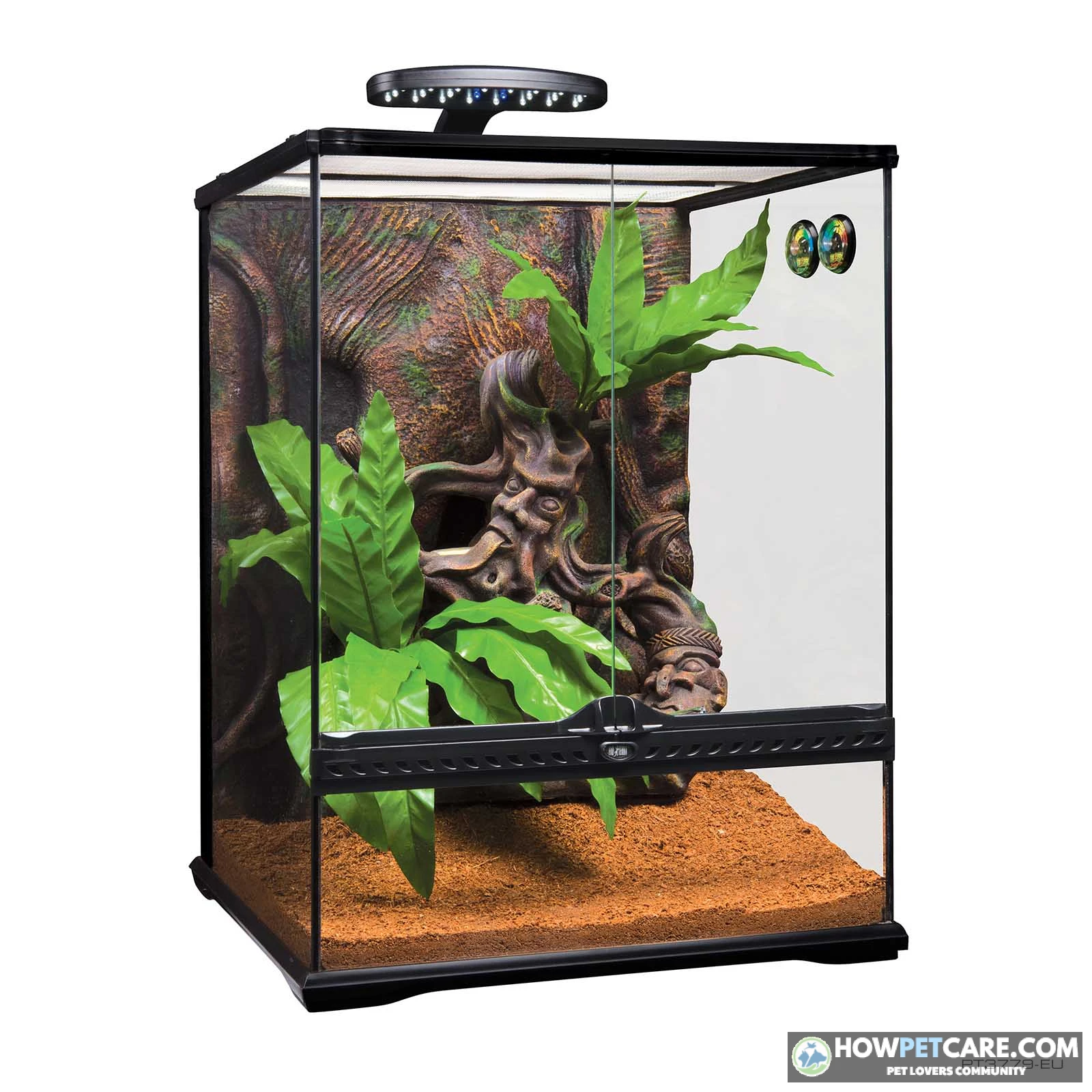

When buying a crested gecko, consider the species’ long lifespan (15‑20 years), its need for a tall, humid arboreal enclosure, and a complete powdered diet supplemented with occasional insects. Verify seller health records, morph legitimacy, and live‑arrival policies, then budget for the enclosure, misting system, and veterinary contingency before the animal arrives.
A crested gecko can be a good fit for a beginner who wants a quiet, display-oriented reptile, can maintain a humid vertical enclosure, and accepts a potential 15- to 20-plus-year commitment. It’s a poorer match for anyone looking for a cuddly pet, frequent daytime interaction, or an animal that can safely share an enclosure with a companion.
Before buying, budget roughly $50–$300 for most pet-quality animals, more for premium morphs, plus several hundred dollars for a complete setup, food, monitoring equipment, and veterinary contingency. Prepare the habitat first, compare sellers by their records and policies rather than photos alone, and put health ahead of color. Correlophus ciliatus is the scientific name for the crested gecko.
Is a Crested Gecko Right for You? Suitability and Solitary Housing
Crested geckos offer several practical advantages. A nutritionally complete powdered diet can form the foundation of their feeding plan, reducing reliance on live insects. They need less floor space than many terrestrial reptiles because their habitat extends vertically. They’re also quiet, produce relatively little waste, and often tolerate short, gentle handling sessions once settled.
The drawbacks matter just as much. These geckos are most active in the evening and at night, can jump without warning, and may drop their tails when frightened. The tail doesn’t regrow. They also need daily environmental checks, regular misting, fresh food, cleaning, and access to a reptile-experienced veterinarian. Heat is a particular concern in warm U.S. homes because prolonged excessive temperatures can become dangerous quickly.
Choose a crested gecko if your schedule allows evening care and you enjoy watching climbing, feeding, and natural behavior. Reconsider if young children expect unrestricted handling, household temperatures regularly become hot, or veterinary and long-term costs don’t fit your budget.
Compared with a leopard gecko, a crested gecko needs a tall, densely furnished environment and a pronounced humidity cycle. A leopard gecko uses a terrestrial enclosure, depends more heavily on live insects, and requires a managed warm area. Neither species is maintenance-free; the better choice depends on whether you prefer an arboreal vivarium and prepared diet or a ground-dwelling insectivore setup.

Handling Expectations and Activity Cycles
Give a newly acquired gecko time to settle before beginning optional handling. Once it’s eating and producing normal droppings, start with brief sessions over a bed, couch, or low surface. Let it walk between open hands rather than restraining it. Return it to the enclosure if it squeaks, repeatedly tries to flee, breathes with its mouth open, or becomes frantic.
Crested geckos are better described as handling-tolerant than affectionate. Some remain calm; others prefer not to be touched. Their evening activity can be rewarding to watch, but it may not suit someone who wants an interactive daytime pet.
Why Solitary Housing Is Mandatory for Pet Keepers
Keep one crested gecko per enclosure. They don’t need companionship, and apparent peaceful coexistence doesn’t prove that both animals have equal access to food, resting sites, and cover. Cohabitation can cause chronic stress, weight loss, bites, unwanted breeding, and tail loss. Males may fight, while male-female housing exposes the female to repeated mating pressure.
Crested geckos are solitary pets. Separate housing is the safest default regardless of sex, age, or whether two animals came from the same breeder.

Crested Gecko Price Breakdown: Morph Tiers and True First-Year Costs
A fair crested gecko price depends on health, age, sex, appearance, lineage, and seller support. As broad U.S. shopping benchmarks for 2026, pet-quality animals may fall near $50–$100, common designer morphs near $100–$300, and select premium animals from about $400 to $1,500 or more.
Actual listings can fall outside those ranges. Reported listing examples include ordinary babies starting at $39.99 at Imperial Reptiles and a MorphMarket animal at $70. A Frappuccino baby was listed at $349.99 by Imperial Reptiles, and one female Red Extreme Harlequin was listed at $1,229 on MorphMarket. Reported MorphMarket shipping estimates span about $30–$100. These examples are asking prices, not confirmed sales or current quotes. Verify the current animal, policy, and total delivered cost before paying.
Understanding Animal Price Tiers and Morph Premiums
| Category / Morph Tier | Approximate Price Range (USD, 2026 planning benchmark) | Distinguishing Visual Traits | Primary Buyer Profile |
|---|---|---|---|
| Pet-grade / wild-type | $50–$100 | Standard coloration or light patterning without a large rarity premium | First-time owners and budget-conscious keepers |
| Common designer morphs: Flame, Harlequin, Pinstripe, Dalmatian | $100–$300 | Flame emphasizes dorsal contrast; Harlequin adds side and limb patterning; Pinstripe outlines dorsal crests; Dalmatian adds spots | Pet owners who value a specific appearance |
| Premium lineage morphs: Lilly White, Axanthic, Cappuccino, Frappuccino | $400–$1,500+ | Uncommon inherited traits, documented ancestry, or highly selected expression | Collectors and experienced buyers comfortable evaluating genetics |

Crested gecko morphs include Lilly White, Axanthic, Cappuccino, Frappuccino, Harlequin, Dalmatian, and Tri Color. A morph describes visible or inherited traits; it doesn’t make an animal healthier, friendlier, or easier to care for. Labels can overlap on the same animal, and a premium label alone doesn’t establish its value.
At least five variables can legitimately change the price:
- Morph and expression: An uncommon genetic trait or exceptional contrast may command a premium.
- Lineage: Documented parentage can matter when a buyer values predictable traits or future breeding potential.
- Sex: Confirmed females may cost more in some market segments, while particular proven or visually exceptional males can also be expensive.
- Age and size: Older animals cost more to raise and may have clearer coloration and more reliable sex identification.
- Structure: Broad crests, head shape, pattern coverage, and overall conformation influence collector demand.
- Seller reputation: Care records, transparent policies, responsive communication, and post-sale support can justify a higher price.
Morph, age, and lineage are established major price influences. For a pet-only home, pay extra only when the visible trait genuinely matters to you. Don’t pay a breeding premium for undocumented genetics, vague labels, or the promise that a juvenile will develop into a high-value adult. Breeding also introduces sex-specific health, genetics, incubation, and offspring‑placement responsibilities beyond ordinary pet care.
Complete First-Year Ownership Budget Beyond the Animal
These approximate U.S. planning allowances vary by retailer and location. Initial food and supply purchases overlap with recurring costs; don’t automatically count both columns in full.
| Expense Item | Initial Setup Cost (USD) | Annual Recurring Cost (USD) | Budget Notes & Considerations |
|---|---|---|---|
| Vertical enclosure | $150–$250 | — | Budget for secure ventilation and enough adult height |
| Controlled heating, if the room is cool | $30–$50 | Varies | Use only with a thermostat; overhead heat is generally easier to control than a floor heat mat for an arboreal enclosure |
| Hand mister or automatic misting equipment | $20–$150 | $10–$30 | Automation costs more but does not replace daily checks |
| Substrate, branches, vines, and foliage | $60–$100 | $20–$60 | Replacement frequency depends on the substrate system |
| Digital thermometer and hygrometer | $30–$50 | $0–$20 | Use separate probes or devices to check more than one area |
| Complete powdered diet | $40–$80 | $40–$80 | Buy package sizes the gecko can use while fresh |
| Feeder insects, gut‑load, and calcium | $15–$30 | $30–$100 | Cost varies with feeding frequency and local availability |
| Water and feeding dishes | $5–$20 | $5–$20 | Ledges reduce contamination and improve access |
| Reptile veterinary contingency | $150–$250+ | Replenish after use | An emergency visit or diagnostics may exceed this reserve |

A proposed budget of $560 for an enclosure, monitoring, misting supplies, furnishings, diet, insects, dishes, and a veterinary reserve falls below even the combined low-end allowances here. Adding a $175 common morph and $65 shipping brings that proposal to about $800, but doesn’t make it a complete first-year budget. Price your actual equipment and ongoing supplies separately. Optional UVB, automated misting, bioactive materials, and veterinary care can raise the total.
How to Vet a Seller and Inspect Gecko Health Before Buying
Where to buy a crested gecko in the USA depends less on the sales channel than on the individual seller. Reputable breeders, specialty reptile stores, and carefully screened expo vendors can all be reasonable options. MorphMarket aggregates animals from breeders and pet stores in the United States and Canada, but marketplace presence isn’t a substitute for vetting the seller.
Prefer a seller who provides the hatch date, current weight, feeding history, accepted diet brand and flavor, shedding history, sexing method, and known health concerns. Request recent, unedited photographs of the whole animal, feet, jawline, spine, and vent area. For a premium morph, request parent photographs and lineage documentation.
A written live‑arrival policy should explain shipping days, destination pickup rules, weather restrictions, carrier‑delay exclusions, reporting deadlines, and the evidence required for a claim. A health warranty is useful only when its duration, exclusions, and remedy are explicit. Verify all terms immediately before purchase because policies can change.

Healthy Animal Physical Checklist
Use appearance to screen for concerns, not to diagnose disease:
- ☐ Eyes: Clear and open without discharge, crusting, or obvious clouding.
- ☐ Body condition: Muscular limbs and a filled‑out body without prominent bones or unexplained swelling.
- ☐ Toes: Complete digits with no bands of retained shed constricting them.
- ☐ Vent: Clean and free of visible swelling, discharge, or adhered waste.
- ☐ Skin: No unexplained sores, persistent retained shed, mites, or spreading discolored areas.
- ☐ Jaw and spine: Straight alignment without visible deformity; don’t press the jaw to test firmness.
- ☐ Movement: Coordinated walking, gripping, and climbing without tremors or dragging limbs.
- ☐ Breathing: Quiet at rest, without wheezing, bubbles, or persistent open‑mouth breathing.
- ☐ Weight history: Stable or increasing measurements supported by dated records rather than a single claimed weight.
- ☐ Feeding and stool history: Documented acceptance of a complete diet and recent normal fecal output.

A gecko may freeze during a daytime inspection or after shipping, so alertness alone doesn’t establish health. Persistent lethargy, breathing difficulty, injury, tremors, jaw or spinal changes, diarrhea, or weight loss warrants assessment by a reptile‑experienced veterinarian.
Questions to Ask Breeders at Expos or Online
Ask every seller the same questions so visual excitement doesn’t drive the decision:
- What are the hatch date, current weight, and dated weight trend?
- Which complete diet brand and flavors does the gecko reliably eat, and how often?
- Does it eat insects, and what calcium or vitamin products have been used?
- Has it had retained shed, injury, tail loss, medication, parasites, or veterinary treatment?
- How was sex determined, at what weight, and is the sex guaranteed?
- Are the displayed photos current and unedited, and are parent photos available?
- What are the live‑arrival, health‑warranty, cancellation, and refund terms?
- Who bears risk when a carrier is delayed or the buyer misses pickup?
Use this seller‑evaluation checklist as a 45‑point scorecard, not a 50‑point scale: it contains nine five‑point categories. Treat the score as a comparison aid, not a validated health assessment.
| Evaluation Category | Score (1–5) | Notes / Evidence |
|---|---|---|
| Feeding records: brand and frequency | ||
| Hatch date and weight history | ||
| Lineage documentation | ||
| Health and injury disclosure | ||
| Recent unedited photos | ||
| Live‑arrival and health terms | ||
| Communication quality | ||
| Shipping method and packaging | ||
| Post‑sale support |

A high score can’t guarantee health, but missing records, evasive answers, pressure to pay immediately, and unclear claim terms are reasons to walk away. For a pet‑only purchase, missing ancestry records matter less than missing health or feeding records.

Habitat Essentials: Enclosure Size, Humidity, and Temperature Gradient
The best enclosure for a crested gecko is taller than it is wide, escape‑resistant, well ventilated, and densely furnished in its upper half. Set it up and log conditions for several days before the animal arrives. This exposes overheating, poor ventilation, misting problems, and inaccurate equipment while the enclosure is still empty. The ranges below are starting guidance, not universal safety guarantees; confirm the setup with a reptile‑experienced veterinarian, especially for a very small or unwell animal.
Vertical Terrarium Dimensions Across Growth Stages
| Age & Weight Bracket | Approximate Length | Enclosure Planning Guidance | Feeding Frequency |
|---|---|---|---|
| Hatchling, approximately 1.5–5 g | Roughly 3–5 in including tail | A 6 × 6 × 9 in nursery is restrictive; prefer a larger, suitably furnished ventilated enclosure | Fresh complete diet every 24–48 hours |
| Growing juvenile, approximately 5–20 g | Roughly 5–7 in including tail | A 10‑gallon vertical conversion or about 12 × 12 × 18 in may serve temporarily; increase space as needed | Every 24–48 hours |
| Subadult, approximately 20–35 g | Roughly 7–9 in including tail | Transition toward an adult vertical enclosure | Every 2 days |
| Adult, commonly 35–55+ g | Roughly 8–10 in including tail | Prefer 18 × 18 × 36 in or larger; don’t choose 18 × 18 × 24 in as the default permanent adult setup | Every 2–3 days |
These are practical ranges, not deadlines. Growth varies with genetics, nutrition, temperature, and individual development. A small nursery can make food and droppings easier to find, but it must still provide cover, ventilation, climbing surfaces, and room to move. Move the gecko up sooner if the enclosure restricts normal climbing. A larger enclosure can work for a small gecko when food is easy to locate and intake is monitored.

Humidity Cycling and Thermal Safety Limits
Aim for a daytime ambient temperature near 72–78°F, with a nighttime reduction near 65–70°F. Create a mild temperature gradient by positioning equipment and foliage so the animal can choose among slightly different conditions. Avoid placing the enclosure in direct sun or beside an HVAC vent.
Treat 82°F as a conservative heat‑warning threshold rather than a normal target or a sharp boundary between safe and unsafe conditions. If the enclosure overheats, move it to a cooler room and increase safe airflow; don’t rely on misting to cool a hot enclosure. Don’t press ice packs against the glass, expose the gecko to rapid temperature swings, or place it in cold water. Signs of heat distress require prompt veterinary guidance.
Crested gecko humidity requirements are best understood as a cycle. Evening misting may briefly raise relative humidity to about 80–100%, providing droplets for hydration; sustained saturation isn’t the goal. Ventilation should then allow a daytime dry‑down toward approximately 50–60%. Constantly saturated air and substrate can encourage microbial growth, while an enclosure that remains dry can contribute to dehydration and molting problems. Use screened ventilation and unobstructed vents, adjusting misting so the measured cycle occurs without leaving the habitat persistently wet.
Measure conditions with a digital hygrometer and thermometer rather than guessing from condensation. Place sensors where the gecko spends time, and periodically compare them with another device. A single reading can’t describe the whole vivarium.

Never use an unregulated heater. Any heat source should run through an appropriate thermostat, and the enclosure should be checked during the hottest part of the day.
Substrates, Furnishings, and the Role of UVB
Paper towel is practical for quarantine and health monitoring. For a permanent habitat, suitable options include coconut fiber blends or an ABG‑style substrate over drainage where needed. Mossy accents can hold localized moisture, but the entire floor shouldn’t remain waterlogged. Avoid loose particulate substrate if the gecko is ill or repeatedly consumes it while striking at insects.
Fill the upper half with stable branches, cork, vines, broad leaves, and horizontal resting ledges. Secure heavy furnishings so they can’t shift. Dense cover helps the gecko choose between exposed and sheltered areas without sacrificing ventilation.
Provide a consistent day‑night light cycle using a timer, with darkness overnight. Low‑level UVB lighting can be appropriate, but an approximate 2.4–7% product range is not an exposure prescription for this shade‑dwelling species. The resulting exposure depends on fixture distance, mesh, reflectors, and foliage—not the percentage printed on the bulb alone. Follow qualified reptile‑veterinary or lighting guidance for placement, and provide shaded retreats. UVB can support natural behavior and vitamin D synthesis, but it doesn’t correct an incomplete diet.

Crested Gecko Diet: Powdered Nutrition, Insect Enrichment, and Hydration
What do crested geckos eat? Use a reputable commercial complete crested gecko diet as the nutritional foundation. Products such as Pangea and Repashy include complete formulas designed to provide fruit components, protein, calcium, vitamins, and minerals when mixed according to their labels. Check that the specific formula is a complete diet rather than a treat or supplement.
Offer juveniles fresh mix every 24–48 hours and adults every two to three days, adjusting to the product’s life‑stage directions, intake, and body condition. Remove leftovers within about 24 hours, sooner in hot conditions, and wash feeding cups between uses. Monitor consumption through lick marks, droppings, and weight trends; a tiny gecko may eat too little to leave an obviously empty bowl.
Provide clean water in a small dish even if the gecko usually licks droplets from leaves and walls. Replace it daily and whenever soiled. Mist to support drinking and humidity, but don’t assume misting replaces continuous access to clean water.

Commercial Fruit Diets vs. Purees
Plain mashed fruit and human baby food aren’t complete diets. They don’t reliably provide the required calcium‑to‑phosphorus balance, protein, vitamins, and trace nutrients. Fruit may be present in a formulated food, but improvising a fruit‑only diet can contribute to serious nutritional disease.
Mix the commercial powder only as directed. Avoid adding calcium, vitamins, honey, or fruit unless a reptile veterinarian or the manufacturer specifically advises it. Unnecessary supplementation can unbalance a formula designed to be complete.
Gut‑Loading and Dusting Feeder Insects
Properly sized crickets or dubia roaches can provide enrichment and support growth. Offer them once or twice weekly to growing geckos; many healthy adults need them less often, and insects may be optional when the complete diet’s directions allow. Choose prey no wider than the space between the gecko’s eyes. Feed insects a nutritious gut‑load before use and remove uneaten insects so they don’t disturb the gecko.
Dust feeders lightly with an appropriate calcium supplement. Whether that supplement should contain vitamin D3 depends on the complete diet, insect frequency, and effective UVB exposure. Avoid stacking multiple D3‑containing products without professional guidance. A reptile veterinarian can tailor supplementation for growing, breeding, or medically vulnerable animals.
Growth, Size, Sexing, and Long-Term Lifespan Expectations
A hatchling may begin around 1.5–2 grams and eventually reach roughly 8–10 inches including the tail and commonly 35–55 grams or more as an adult. Many may approach adult size over approximately 18–24 months, but there’s no reliable promise that a healthy juvenile will gain a fixed number of grams each week. These are approximate expectations, not weight targets; tail loss also changes length and weight comparisons.
The crested gecko lifespan in captivity is often described as 15–20 years or longer. Longevity depends on genetics, balanced nutrition, temperature control, hydration, sanitation, preventive veterinary care, and avoidance of chronic reproductive or environmental stress. Buy only if future housing, moves, college, family changes, and veterinary expenses can accommodate a multi‑decade pet.
Growth Milestones and Weight Trajectory
Weigh a juvenile on a gram scale at consistent intervals and record the result. Look for a long‑term trend rather than reacting to one measurement after a meal, bowel movement, or shed. Appetite may fluctuate during molting or environmental change, but continuing weight loss needs investigation.
Growth is influenced by food intake, inherited size, incubation history, illness, stress, and enclosure conditions. Don’t power‑feed insects to force rapid growth. Steady development with coordinated movement, sound body condition, and normal shedding matters more than reaching an arbitrary weight by a particular birthday.

Sex Identification and Its Influence on Housing
Males develop a visible hemipenal bulge at the tail base, while pore examination with a 10×–30× loupe may support earlier identification. Sellers may make a more confident determination around 15–20 grams, but timing varies and an early assessment may be sold as probable rather than guaranteed.
Sex can affect price because confirmed animals reduce uncertainty for breeders. It shouldn’t change the solitary‑housing rule. Breeding brings additional health risks and responsibilities beyond ordinary pet ownership. Pet owners don’t need to breed a female for her health; females may lay infertile eggs without a male, so ask a reptile veterinarian about signs of laying complications.
Arrival Protocol: Safe Shipping, Live‑Arrival Claims, and Quarantine Setup
Online reptile sales can be conducted with purpose‑designed packaging and appropriate shipping practices, but the buyer must verify the seller’s current terms. Ask whether the shipment uses a certified reptile‑shipping service and Priority Overnight delivery, whether pickup at a staffed carrier hub is required, and which origin, hub, and destination temperatures are acceptable.
An approximate 45–80°F planning window is sometimes cited, but it isn’t a universal safe‑shipping range. Follow the shipping service’s current restrictions and the seller’s weather assessment; the seller’s written policy controls claim coverage, not biological safety. Ask what happens if weather changes, the carrier delays the box, or the package arrives after the guaranteed time. Never assume “live arrival” includes delayed pickup, an unattended doorstep, or a claim submitted outside a short reporting window.
Shipping Temperature Windows and Carrier Requirements
Confirm these points before final payment:
- Exact shipping date, service level, tracking method, and delivery location.
- Safe‑weather criteria at the origin, transit hub, and destination.
- Use of insulated packaging and an appropriate heat or cool pack when needed.
- Whether a staffed carrier‑hub pickup is mandatory.
- Who may receive and sign for the animal.
- The live‑arrival reporting deadline and required photographs or video.
- Remedies for death, injury, carrier delay, or an incorrectly sexed animal.
Imperial Reptiles has advertised same‑day shipping for qualifying orders placed before 12:00 p.m. Eastern on designated shipping days. That cutoff doesn’t establish delivery time or guarantee coverage, so confirm the current terms directly.
Unboxing Documentation and Acclimation Steps
Have the seller’s claim instructions and a reptile veterinarian’s contact details ready before opening the box. Report concerns as soon as they’re observed; don’t wait for acclimation to finish or delay urgent care to complete documentation.
-
Verify delivery conditions
Be present for delivery or collect the package promptly from the agreed carrier hub. Note the time and exterior condition before opening it.
-
Record the complete unboxing
Film the sealed label, packaging layers, temperature pack, animal container, and the gecko’s first visible condition without pausing the recording.
-
Check before handling
Observe posture and breathing through the container. Photograph injuries, leakage, or other concerns immediately.
-
Acclimate gradually
Place a cold arrival in a quiet room near 70–75°F and allow gradual warming while seeking veterinary advice if it is lethargic or unresponsive. Do not use a heat lamp, hot water, or direct contact with a heating pad.
-
Contact the seller
Follow the written claim procedure within its stated window. Send the video, photographs, delivery time, tracking information, and a concise description.
-
Escalate medical concerns
Contact a reptile‑experienced veterinarian promptly for persistent lethargy, breathing difficulty, bleeding, visible injury, severe dehydration, or failure to recover normally.
If the gecko arrives dead, don’t discard the animal or packaging until the seller responds; the policy may require specific photographic evidence or veterinary confirmation. Keep communication factual and preserve tracking records. If you’re unsure whether it is alive, seek urgent veterinary advice rather than assuming death.
The 30‑Day Paper‑Towel Quarantine Protocol
Use at least 30 days of initial isolation, but don’t treat this as sufficient disease quarantine for every household. Ask a reptile‑experienced veterinarian about a longer quarantine and appropriate testing, especially if you already keep reptiles. Keep the new gecko in a separate room from other reptiles when possible, with dedicated tools and hand hygiene between enclosures. Care for established reptiles before the newcomer.
A quarantine enclosure should include white paper towel, secure climbing surfaces, disposable or disinfectable hides, foliage, a feeding ledge, and a clean water dish. It must still provide appropriate vertical space, ventilation, temperature, and humidity cycling; quarantine isn’t an excuse for a bare, stressful box.
For the first 72 hours, minimize handling, offer the familiar diet reported by the seller, and record temperature, humidity, behavior, food response, weight when safely obtainable, shedding, and fecal output. Avoid repeated handling solely to collect measurements. During the rest of quarantine, replace soiled paper promptly and inspect for mites, abnormal stool, retained shed, respiratory signs, and weight change. Discuss fecal testing and an intake examination with a reptile‑experienced veterinarian, especially before introducing the animal to a home with other reptiles.
After at least 30 symptom‑free days, stable weight, normal stool, and reliable feeding, assess readiness for the prepared permanent habitat with your veterinarian; these observations alone don’t rule out infection or end a longer prescribed quarantine. Keep it solitary, retain the records, and continue routine environmental checks from the first night onward.

| Category / Morph Tier | Approximate Price Range (USD) | Distinguishing Visual Traits | Primary Buyer Profile |
|---|---|---|---|
| Pet-grade / wild-type | 50–100 | Standard coloration or light patterning without a large rarity premium | First-time owners and budget-conscious keepers |
| Common designer morphs: Flame, Harlequin, Pinstripe, Dalmatian | 100–300 | Flame emphasizes dorsal contrast; Harlequin adds side and limb patterning; Pinstripe outlines dorsal crests; Dalmatian adds spots | Pet owners who value a specific appearance |
| Premium lineage morphs: Lilly White, Axanthic, Cappuccino, Frappuccino | 400–1,500+ | Uncommon inherited traits, documented ancestry, or highly selected expression | Collectors and experienced buyers comfortable evaluating genetics |
FAQ
Do crested geckos drop their tails, and do they grow back?
Crested geckos readily drop their tails as a defense mechanism when stressed or startled. Unlike leopard geckos, crested geckos cannot regenerate their tails; a dropped tail leaves a smooth “frog butt” that heals quickly and has no negative impact on their health or quality of life.
Can I feed baby food or mashed fruit to my crested gecko?
No, commercial human baby food and plain mashed fruit lack the necessary balance of calcium, phosphorus, protein, and trace vitamins. Feeding them can cause severe nutritional secondary hyperparathyroidism (Metabolic Bone Disease); always use a formulated complete crested gecko diet powder.
Do crested geckos smell, and how often must the enclosure be cleaned?
Crested geckos themselves have no odor, and their low‑protein waste produces minimal smell. Spot‑cleaning soiled leaves and glass weekly, along with a full substrate change every 4–6 weeks (or running a bioactive setup with springtails and isopods), keeps the terrarium completely odorless.
What happens if a crested gecko’s enclosure gets too hot?
Temperatures exceeding 82°F–85°F (28°C–29°C) cause rapid, life‑threatening heat stress and heat stroke in crested geckos. If temperatures spike, move the enclosure to a cooler room, mist with cool water, or place an ice pack wrapped in a towel on top of the mesh screen.