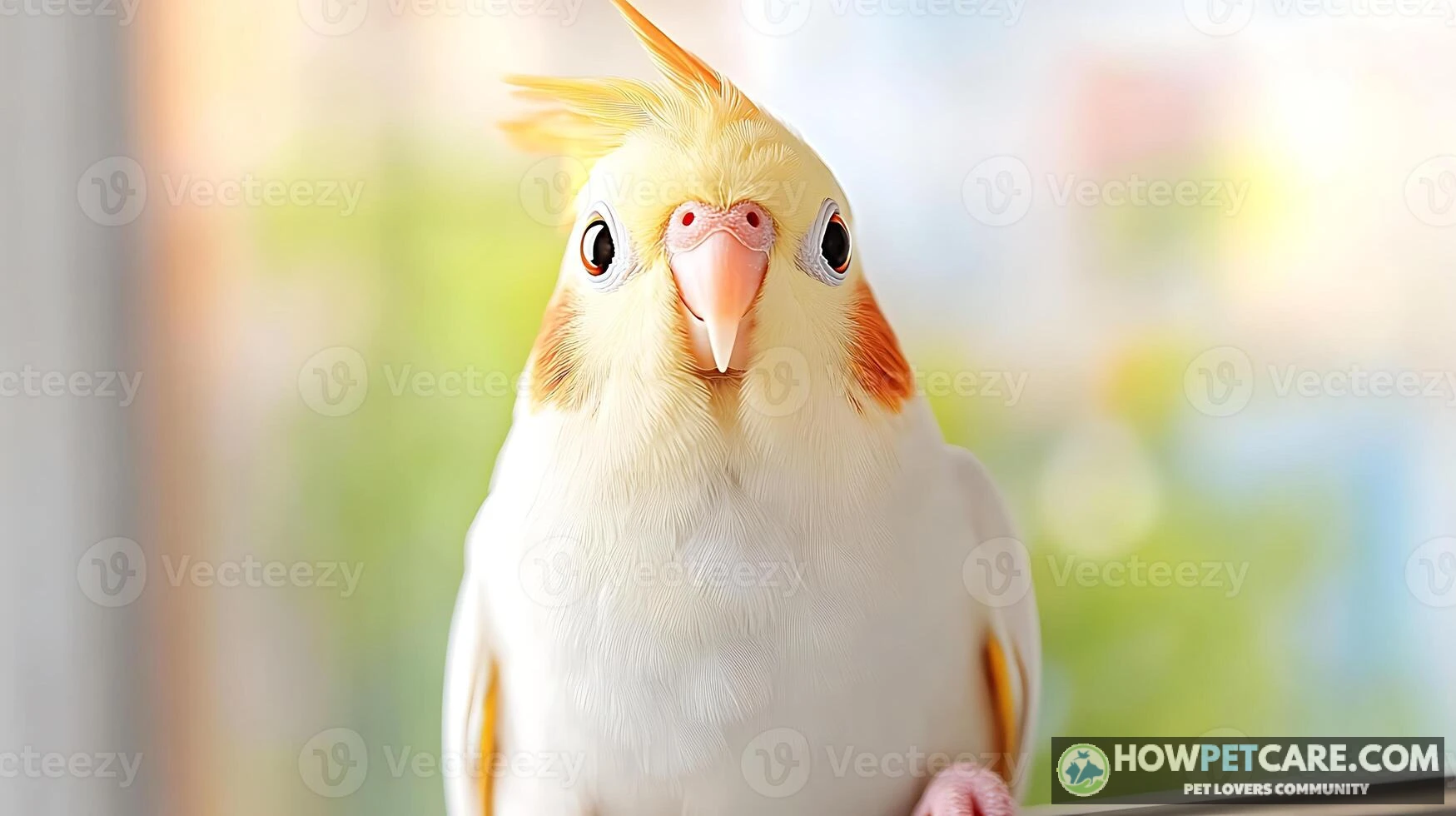

Good cockatiel care comes down to a few daily essentials:
- A cage at least 24 × 24 × 30 inches with bar spacing of 1/2 inch or less, placed away from kitchens, drafts, and fumes
- A pellet-based diet — roughly 60–70% formulated pellets, 20–30% fresh vegetables, and 10% or less seed and treats
- 1–2 hours of daily social interaction and supervised out-of-cage time
- 10–12 hours of dark, quiet sleep plus a regular cleaning and weigh-in routine
- Access to an avian vet and an emergency plan for illness, bleeding, or egg binding
Your cockatiel needs a roomy, safely furnished cage, a varied pellet-based diet, daily social time, uninterrupted sleep, and access to an avian veterinarian. Start with a cage at least 24 inches long by 24 inches wide by 30 inches high, with bar spacing of no more than 1/2 inch. Establish a daily routine that makes changes in appetite, droppings, and behavior easy to spot. This cockatiel care guide covers setup, feeding, training, costs, and what to do when something goes wrong.
Are Cockatiels Good First Birds? What Daily Care Really Takes
Cockatiels can be rewarding first birds if you’re prepared to learn their needs and make a long-term commitment. The cockatiel is a small Australian parrot, Nymphicus hollandicus, that commonly lives around 15–20 years; some live longer. These birds produce feather dust, make noise, and need attention every day, including when you’re busy or traveling.
During the first week, focus on a safe cage, familiar food, a quiet settling-in period, and an appointment with an avian veterinarian. Find an emergency clinic that accepts birds before you need one.
How Much Attention Does a Cockatiel Need Each Day?
Plan for at least 1–2 hours of supervised out-of-cage time and social interaction daily, ideally divided into sessions. Use this as a planning target, not a guarantee that every bird will be satisfied with the same schedule. Talking, training, foraging, and simply spending time near you all provide enrichment.
A cockatiel can live without another bird, but a single bird relies heavily on its household for social contact. A compatible companion may provide company, but introductions require separate cages, an avian-vet-guided quarantine, and supervision. A companion doesn’t eliminate the need for human care. Never assume two birds will get along or house them together immediately.

How to Set Up a Cockatiel Cage Step by Step
Cage Size, Bar Spacing, and Where to Put It
For one cockatiel, use a cage at least 24 inches long by 24 inches wide by 30 inches high, with bar spacing of 1/2 inch or less. Choose a larger flight-style cage when possible. Usable width matters because a bird needs room to move between perches without damaging its crest or tail. Check that your bird can’t squeeze its head between bars or catch a foot in openings.
Place the cage in a well-lit living area where your bird can see family activity but retreat from commotion. Keep it away from kitchens, drafts, direct sun, and other pets. A stable room temperature of roughly 65–80°F is a useful starting range. Don’t position the cage where your bird could overheat in sunlight without a shaded retreat.

Perches, Toys, and Enrichment Essentials
- Choose a safe cage. Look for a sturdy, bird-appropriate finish and secure latches. Avoid galvanized wire and materials that may expose your bird to zinc or lead.
- Add varied perches. Use several bird-safe natural-wood perches of different diameters, including a comfortable sleeping perch. Arrange them so droppings can’t fall into food or water. Avoid abrasive sandpaper covers.
- Install dishes. Put food and water where your bird can reach them easily without sitting over them. Use washable dishes and check that your bird knows where they are.
- Add toys without crowding. Offer chewable bird toys and a simple foraging toy, leaving a clear path for movement. Rotate items gradually, since unfamiliar objects can frighten some birds.
- Offer a cuttlebone. Secure it where your bird can explore it, but don’t assume it meets every bird’s calcium needs.
- Arrange sleep and light. Provide roughly 10–12 hours of dark, quiet sleep. A partial cage cover can help if it’s breathable and doesn’t frighten your bird; some birds do better with a dim night-light.

Cockatiels need appropriate light for vitamin D and calcium metabolism. Don’t assume window glass and ordinary household bulbs provide useful UVB. Ask your avian vet whether a bird-specific UVB lamp is appropriate, and follow the placement and replacement instructions for that lamp. Provide shade, and never use a lamp as a substitute for veterinary care.
Household Hazards and Toxic Items to Remove First
A cockatiel’s respiratory system is sensitive. Keep your bird away from overheated PTFE/Teflon nonstick cookware and appliance fumes, scented candles, air fresheners, aerosols, smoke, and strong cleaning fumes. Fumes can travel, so moving the cage across the room isn’t a reliable safeguard.
Before out-of-cage time, close windows and doors, turn off ceiling fans, cover mirrors and large windows if needed, and remove open water, hot cookware, exposed electrical cords, and unsafe plants. Keep dogs, cats, and other potential predators out of the room. Check toys and cage hardware for frayed fibers, sharp edges, and questionable metals.
Birds can become critically ill after inhaling fumes. If you suspect a fume exposure, move the bird to fresh air without delaying transport and contact an avian veterinarian or emergency clinic immediately.
What to Feed a Cockatiel: Exact Ratios, Portions, and Safe vs Toxic Foods
The goal is a varied, formulated-pellet-based cockatiel diet, not an abrupt switch from the familiar seed bowl. Seeds are useful as training rewards and foraging food, but a seed-heavy diet can leave nutritional gaps. Discuss the target diet with an avian veterinarian, especially for a growing, ill, senior, or egg-laying bird.
Daily Portions at a Glance
The following is a starting plan, not a prescription. The percentages describe the intended overall diet, not a precise conversion between dry pellets and watery vegetables. Amounts offered aren’t necessarily amounts eaten. Pellet size, waste, activity, body condition, and veterinary recommendations all matter.
| Food type | Share of diet | Approximate daily amount to offer | Notes |
|---|---|---|---|
| Formulated pellets | About 60–70% | Start with 1–2 tablespoons | Keep available; measure leftovers and confirm the bird actually eats them. |
| Fresh vegetables | About 20–30% | Start with about 1 tablespoon, chopped | Offer a variety; remove uneaten fresh food after a few hours. |
| Seeds, millet, and other treats | About 10% or less | Up to about 1 level teaspoon as a starting limit | Use small amounts for training and foraging; individual needs vary. |
| Cuttlebone | Not counted as a meal | Available in the cage | Ask the vet about calcium needs; do not add supplements automatically. |
| Fresh water | Not applicable | Available at all times | Wash the dish and replace water daily, and sooner if soiled. |
These are practical starting portions, not verified requirements for every cockatiel. Weigh your bird regularly and ask the vet to assess its body condition and actual intake. Don’t restrict a seed-dependent bird to the treat allowance before it reliably eats other foods.
Offer leafy greens, broccoli, carrots, bell pepper, and other bird-safe vegetables in manageable pieces. Small amounts of fruit can add variety, but vegetables are the better everyday fresh-food focus. Wash produce and serve it plain. An avian vet can advise whether your bird needs calcium or other supplementation; adding vitamins to water or food without advice can be harmful.

Toxic and Unsafe Foods
Keep avocado, chocolate, caffeine, and alcohol away from your bird. Avoid onion, garlic, apple seeds, fruit pits, and foods that are salty, sugary, greasy, or heavily seasoned. Don’t offer spoiled or moldy food. If you’re uncertain about an ingredient, leave it out and check with your avian vet.
A Weekly Batch Fresh Chop Recipe
For a simple vegetable mix, finely chop washed leafy greens, broccoli, carrot, and bell pepper. Add a little plain, thoroughly cooked quinoa if desired. Mix, divide into small portions, and freeze promptly. The mix offers variety, but it isn’t a complete diet or a nutritionally balanced replacement for pellets.
Thaw a portion in the refrigerator, serve it in a clean dish, and discard what your bird leaves after a few hours. Don’t refreeze thawed food. If a portion smells or looks questionable, discard it. Start with familiar ingredients and introduce new ones gradually.

How to Convert a Seed-Addicted Cockatiel to Pellets Safely
A bird may sit at a bowl of mixed food and pick out only the seeds. Seeing pellets in the cage doesn’t prove it’s eating them. Conversion can take weeks or longer, and an adopted or parent-raised bird deserves the same patient approach as any other bird.
Before You Start: Weigh Your Bird and Check With a Vet
Arrange an avian-vet check before changing the diet, especially if your bird is underweight, ill, elderly, laying eggs, or has an unknown history. Establish a baseline with a gram scale at the same time each morning, preferably before breakfast. Record weight, appetite, energy, and the amount and appearance of droppings.
Don’t use hunger to force acceptance. Keep familiar food available while introducing pellets, and ask your vet for a tailored plan if you can’t verify intake.

Week-by-Week Conversion Schedule
The proportions below describe what is offered, not what your bird necessarily eats. They’re an illustrative progression, not a deadline. Move forward only when you can see your bird eating pellets and its weight and droppings remain stable.
- Week 1 — introduce: Offer about 75% familiar seed and 25% pellets, plus pellets in a separate dish near familiar food; try a bird-sized pellet. Record morning weight and normal droppings, and watch what is actually eaten.
- Week 2 or longer — practice: Keep the same mix until pellets are accepted. Offer a few crumbled or lightly moistened pellets; remove damp food promptly. Do not reduce seed if the bird is sorting around pellets or losing weight.
- Weeks 3–4 or later — increase: If intake is confirmed, gradually move toward 50% seed and 50% pellets. Offer fresh vegetables and pellets at a consistent time; use a separate dish to assess intake. Weigh daily during the change and check droppings and activity.
- Weeks 5–6 or later — shift: Gradually move toward 25% seed and 75% pellets, if stable. Keep pellets accessible and reserve some seed for rewards. Pause or return to the last successful stage if intake or weight falls.
- Weeks 7–8 or later — maintain: Pellets form the main formulated food and seed becomes a small treat. Continue vegetables and track what is eaten, not just what is served. Confirm a stable weight and discuss the final diet with your vet.

Your bird may need to stay at one stage for weeks. Try different pellet shapes, demonstrate interest in the food, or place a few familiar seed crumbs on pellets. Avoid prolonged timed meals or withholding seed from a bird that hasn’t clearly accepted its replacement.
Warning Signs That Mean Stop and Call the Vet
If weight trends down, droppings become markedly fewer or smaller, or you can’t confirm that your bird is eating, restore access to its familiar food and call your avian vet promptly. Don’t wait for a particular percentage of weight loss. A fluffed, weak bird, a bird sitting on the cage floor, or a bird producing almost no droppings needs urgent veterinary assessment.
A small bird can deteriorate quickly. If your cockatiel is not eating or appears unwell during conversion, offer familiar food and contact a veterinarian immediately; do not continue the schedule.
Daily, Weekly, and Monthly Cockatiel Care Schedule
Use this cockatiel care sheet as a starting routine. Social time and observation are part of the work, not extras to squeeze in after cleaning.
Daily Checklist
- Wash food and water dishes with hot, soapy water, rinse thoroughly, and provide fresh water and measured food.
- Remove uneaten fresh food after a few hours; replace water sooner if food or droppings contaminate it.
- Replace the cage liner and check droppings for a meaningful change in number or appearance.
- Observe appetite, breathing, posture, activity, and how securely your bird perches.
- Provide supervised out-of-cage time, social interaction, and a chance to forage or train.
- At night, provide a quiet, dark sleeping period of about 10–12 hours.

Weekly and Monthly Cleaning Checklist
Each week:
- Weigh your bird on a gram scale at a consistent time and record the result. During diet conversion or illness, follow your vet’s more frequent monitoring plan.
- Scrub the cage tray, grate, bars, and soiled perches; rinse and dry thoroughly.
- Wash suitable toys and rotate a few enrichment items. Inspect them for loose parts, frayed rope, and sharp edges.
- Offer a bath or gentle misting 2–3 times during the week, allowing your bird to choose whether to participate.
- Prepare fresh vegetable portions and check the supply of food and liners.
Each month:
- Do a more detailed cage clean, including corners, latches, and removable fittings; dry the cage fully before your bird returns.
- Inspect perches, nails, beak, carrier, and first-aid supplies. Arrange professional grooming if needed rather than trimming on a fixed calendar.
- Review the weight log for gradual changes and call your vet about an unexplained downward trend.
For bird-safe cleaning, move your bird away from the work area. Hot water and unscented dish soap work for routine washing; rinse and dry items thoroughly. If disinfection is needed, ask your vet which product and dilution to use, follow the label, and ventilate the area. Never mix cleaning chemicals or expose your bird to fumes.
Grooming: Bathing, Nails, Wings, and Molting
Offer a shallow dish, wet greens, or a gentle mist in the warmer part of the day so your bird can dry naturally. Don’t force a bath or use soaps on your bird unless a veterinarian instructs you to.

Nails need trimming when they become overgrown or interfere with perching; the interval varies. Ask an avian vet or experienced professional to show you safe technique. An overgrown or misshapen beak also warrants a veterinary check rather than a routine home trim.
Wing clipping doesn’t make a bird escape-proof or replace supervision. It can affect flight, exercise, and confidence, and a clipped bird may still fly or fall. Discuss benefits and risks with your vet; a secured room, recall training, and careful door management are important whether wings are clipped or not.
During molting, expect some loose feathers and emerging pin feathers. Offer baths and avoid handling sensitive new feathers roughly. Call the vet about extensive bare patches, damaged skin, or a bird that seems ill rather than assuming a normal molt.
How Much Does It Cost to Own a Cockatiel?
Prices differ by location, cage quality, clinic, and your bird’s needs. The ranges below are illustrative planning allowances in U.S. dollars, not verified market averages or quotes. Ask local rescues, suppliers, and avian clinics for current prices before relying on a budget.
Setup Costs
| Cost category | Item | Illustrative range | Frequency |
|---|---|---|---|
| Bird | Adoption or purchase | $50–$400 | Once |
| Initial setup | Appropriately sized cage | $120–$450 | Once; replace as needed |
| Initial setup | Perches, dishes, and cuttlebone | $40–$120 | Once, with replacements |
| Initial setup | Toys and foraging items | $30–$120 | Initial purchase |
| Initial setup | Gram scale and travel carrier | $30–$80 | Once |
| Veterinary care | Initial wellness exam | $80–$200 | Once in first year |
| Monthly supplies | Pellets, produce, and small seed allowance | $15–$40 | Monthly |
| Monthly supplies | Liners, cleaning supplies, and toy replacements | $10–$30 | Monthly |
| Veterinary care | Routine wellness exam | $80–$200 | Usually annual; confirm with vet |
| Veterinary care | Emergency assessment and possible diagnostics | $200–$600 or more | Unpredictable; treatment may add substantially more |

Monthly Supply Budget
Using the table’s planning allowances, recurring supplies total $25–$70 per month. The listed one-time costs, initial exam, and 12 months of supplies add up to approximately $650–$2,210 for the first year, before diagnostic tests, additional visits, boarding, or emergencies. The initial exam is counted once, not added again as a separate annual exam.
After the first year, 12 months of supplies plus one routine exam would total approximately $380–$1,040, before other veterinary care and replacement equipment. These are arithmetic scenarios, not promises that adequate care will cost that amount. A larger cage or a medical problem can change the total considerably.
Avian Vet and Emergency Costs
Ask clinics separately about the exam fee, tests, emergency consultation, after-hours charges, and payment policies. Build an emergency fund as soon as possible, recognizing that a serious case can exceed the example range. If you’re considering exotic-pet insurance, check exclusions, waiting periods, and whether your bird and local clinic are eligible.
Save by making safe foraging activities and comparing supply prices, not by buying an undersized cage, withholding veterinary care, or relying on an all-seed diet.
Cockatiel Health: Warning Signs, Avian First Aid, and When to Call the Vet
Early Signs of Illness and Common Health Problems
Birds can conceal illness, so even a subtle change from your cockatiel’s normal behavior matters. Call an avian vet promptly for reduced appetite, unexplained weight loss, altered droppings, unusual sleepiness, discharge around the eyes or nostrils, repeated sneezing, or a change in voice or activity. Don’t wait 24 hours if your bird appears sick.
A bird needs emergency care now if it’s breathing with an open mouth, bobbing its tail with each breath, sitting fluffed on the cage floor, unable to perch, bleeding heavily, or becoming weak. Respiratory illness, nutritional disease, injury, and reproductive problems can all cause serious signs. Psittacosis is one possible infection; diagnosis and treatment belong to a veterinarian. Don’t give leftover medication or try to diagnose the cause from a symptom list.
Emergency First Aid: Blood Feather, Torn Nail, Sick Bird
Prepare a kit with clean gauze, a small towel, cornstarch or bird-appropriate styptic powder for nails, a secure carrier, and contact details for your avian vet and an emergency clinic. First aid buys time; it doesn’t replace an examination.
For a broken blood feather:
- Call an avian vet or emergency clinic while preparing to leave. A growing blood feather has a blood supply, and a small bird can lose a dangerous amount of blood.
- Gently contain your bird in a towel if necessary. Don’t squeeze its chest or obstruct breathing.
- Apply gentle, steady pressure with clean gauze to the bleeding area. If bleeding continues, is more than a few drops, restarts, or your bird seems weak, travel to emergency care immediately while maintaining pressure if safely possible.
- Don’t pull the feather yourself or apply styptic powder into the feather follicle or an open wound. Removal can cause further injury and is best handled by a veterinarian.
For a torn or bleeding nail:
- Restrain gently with a towel, keeping the chest free to move, and identify the bleeding nail.
- Apply cornstarch or styptic powder to the nail tip, then hold gentle, steady pressure with gauze. Keep powder away from the eyes, nostrils, skin wounds, and feather follicles.
- Contact an avian vet for advice. Seek emergency care if bleeding doesn’t stop promptly with pressure, resumes, the nail is badly torn, or your bird is weak or distressed. Even if it stops, a torn nail may need treatment.
For an ill or injured bird, place a towel-lined carrier in a quiet area and offer gentle warmth while arranging transport. A heat source under only part of the carrier gives your bird a chance to move away; avoid direct contact and overheating. Don’t force food or water. Call ahead so the clinic can prepare.

Egg Binding: Recognize It and Act
A female can lay eggs without a male. Chronic laying can deplete calcium, and egg binding is a veterinary emergency. Warning signs can include straining, weakness, a wide-legged stance, sitting on the cage floor, or difficulty perching or breathing.
If you suspect egg binding, call an avian or emergency vet and leave immediately. Keep the carrier quiet and gently warm during transport. Don’t squeeze the abdomen, try to pull out an egg, give calcium by mouth, or delay the trip to try a home remedy.
Call a prospective clinic before an emergency to confirm that it treats birds and to learn its after-hours arrangements. Keep both numbers with the carrier.
Taming and Bonding With Your Cockatiel: A Week-by-Week Progression
Taming and bonding work best when your bird can choose to approach and leave. The stages below are examples, not deadlines: a frightened rescue may need much longer at any stage, while a confident bird may progress sooner.
Week-by-Week Taming Plan
- First days: settle in. Keep the room calm, speak softly, and perform necessary care without chasing or grabbing. Sit nearby and let your bird watch you.
- Week 1 or longer: build trust. Spend short periods near the cage. Offer a small piece of millet through the bars or place it in a dish; move back if your bird is frightened.
- Week 2 or later: approach the hand. When your bird comfortably takes a treat nearby, offer it from your fingers, then just inside an open cage door. Let your bird approach rather than reaching after it.
- Week 3 or later: teach step-up. Offer a stable finger or handheld perch just in front of the lower chest, say “step up,” and reward any voluntary movement toward it. Don’t push hard or force your bird to lose balance. Reward a single foot at first if needed.
- Week 4 or later: practice outside. In a bird-proofed room, invite your bird onto a hand or perch and reward calm returns to the cage. Keep sessions short and end before either of you becomes frustrated.

Watch the whole bird, not just its crest: a raised crest may signal alertness or uncertainty, while hissing, leaning away, or a tense posture means you should give it space. Let your bird set the pace.
When Taming Stalls: Biting, Fear, and Regression
A bite often means your bird is frightened, uncomfortable, or has been pushed too far. Don’t punish or shake your hand. Calmly give your bird space, return to the last stage it handled comfortably, and reward small successes. A handheld perch can help if hands are frightening.
For screaming, check first for a need such as food, sleep, company, or a frightening change. Reward quieter contact calls and provide predictable interaction and foraging rather than shouting back. Sudden behavior changes warrant a health check.
Night frights can cause injury when a bird panics in the dark. Keep the sleep area calm and consider a dim night-light. After an episode, check for injury without causing another chase; call the vet if you find bleeding or your bird can’t perch normally.
Female Cockatiel Egg-Laying Management
Contact an avian vet if your bird repeatedly lays eggs or shows nesting behavior. Chronic laying needs an individual plan because it can exhaust calcium reserves and lead to egg binding.
Remove nest boxes, dark enclosed hideaways, and nesting material. Avoid stroking the back or under the wings; keep petting to the head and neck if your bird enjoys it. Maintain a consistent, quiet sleep schedule and review diet and calcium with the vet. Don’t remove eggs immediately or substitute dummy eggs without discussing the situation with the vet, because the right approach depends on your bird. Seek emergency care for weakness, straining, or breathing difficulty.
Telling Male From Female in Lutino and Pied Birds
Tail barring, wing markings, coloration, and vocal behavior may offer clues in some birds, but color mutations such as lutino and pied can make visual clues unreliable. Age and molting also complicate interpretation. Ask an avian vet about DNA testing when knowing sex matters; don’t assume a bird can’t lay eggs based on appearance or behavior.
Caring for a Senior Cockatiel
For a bird around 15 years or older, discuss examination frequency, weight trends, diet, and mobility with an avian vet. If arthritis or poor vision makes climbing difficult, provide stable, comfortable perches at accessible heights, place food and water within easy reach, and reduce fall risks. Keep the layout predictable, but have new weakness or an inability to perch assessed rather than treating it as inevitable aging.

Your First 30 Days: A Cockatiel Care Action Plan
Before arrival: Set up the cage and dishes, remove fumes and other hazards, identify an avian vet and emergency clinic, and assemble a carrier and basic first-aid kit. Ask what your bird currently eats and obtain that food for the transition.
Week 1: Let your bird settle. Refresh food and water daily, observe droppings and appetite, establish a gram-weight baseline when practical, and schedule an initial veterinary exam. Begin calm, low-pressure interaction.
Weeks 2–4: Build the daily and weekly routine, introduce taming at your bird’s pace, and start pellet conversion only when your bird is stable and you can monitor intake and weight. Ask your vet for help if your bird is ill, underweight, elderly, or laying eggs.
Throughout the month: Call immediately for breathing difficulty, weakness, significant bleeding, suspected egg binding, or failure to eat. For subtler changes, contact the vet promptly rather than waiting for a routine appointment. Confirm local care costs and start building an emergency fund.

1What are the minimum cage dimensions recommended for housing a single cockatiel?
These minimum measurements ensure the bird has enough usable space to move between perches without damaging its crest or tail.
2In a balanced daily cockatiel diet, what proportion should formulated pellets ideally represent?
Formulated pellets should make up the main portion of the diet to prevent nutritional deficiencies.
3Which household item presents an immediate, airborne toxic threat to a cockatiel's sensitive respiratory system?
High heat breaks down nonstick coatings into odorless fumes that are rapidly fatal to avian lungs.
4What action should be avoided when providing home first aid for a broken, bleeding blood feather?
Pulling a blood feather without proper technique can tear skin or damage the follicle, making veterinary intervention essential.
5When converting a seed-addicted cockatiel to pellets, what is a crucial safety protocol?
Small birds can quickly starve or lose dangerous amounts of weight if unfamiliar pellets are forced upon them without monitoring.
6Which combination of physical signs indicates suspected egg binding in a female cockatiel?
These signs reflect physical exhaustion and lower abdominal blockage caused by a retained egg.
7How should a keeper respond if a cockatiel bites during taming?
Biting usually indicates fear or discomfort, so stepping back rebuilds trust without forcing interaction.
8How much uninterrupted, dark, quiet sleep does a cockatiel need each night?
This duration maintains proper circadian health and prevents chronic stress and hormonal triggering.
9Which of the following items is strictly toxic to cockatiels and must be excluded from their diet?
Avocado contains persin, a fungicidal toxin that causes heart distress and fluid accumulation in birds.
10What is the recommended baseline amount of daily supervised out-of-cage time for a cockatiel?
This daily target provides essential social interaction, exercise, and mental stimulation.
| Cost Category | Item Description | Estimated Cost Range | Payment Frequency |
|---|---|---|---|
| Bird | Adoption or purchase | 50–400 | Once |
| Initial setup | Appropriately sized cage | 120–450 | Once; replace as needed |
| Initial setup | Perches, dishes, and cuttlebone | 40–120 | Once, with replacements |
| Initial setup | Toys and foraging items | 30–120 | Initial purchase |
| Initial setup | Gram scale and travel carrier | 30–80 | Once |
| Monthly supplies | Pellets, produce, and small seed allowance | 15–40 | Monthly |
| Monthly supplies | Liners, cleaning supplies, and toy replacements | 10–30 | Monthly |
| Veterinary care | Initial wellness exam | 80–200 | Once in first year |
| Veterinary care | Routine wellness exam | 80–200 | Usually annual; confirm with vet |
| Veterinary care | Emergency assessment and possible diagnostics | 200–600 or more | Unpredictable; treatment may add substantially more |
FAQ
How often should I bathe my cockatiel?
Offer a bath or misting 2-3 times per week, in the warmer part of the day so the bird can dry fully. Let the bird decide: some love a shallow dish, others prefer a gentle spray or wet greens.
Can cockatiels be kept alone?
Yes, but a single cockatiel needs daily social interaction and out-of-cage time, often 1-2 hours or more. If you’re away much of the day, a compatible companion may help, though bonding with you can be harder with pairs.
What household items are toxic to cockatiels?
Non-stick cookware (PTFE) fumes, aerosols, scented candles, cigarette smoke, and strong cleaners can be deadly. Also avoid zinc and lead objects, and keep toxic foods like avocado, chocolate, and caffeine out of reach.
Do cockatiels bite?
They can, usually from fear, hormones, or being handled too fast. Reading crest and body language and using patient step-up training reduces biting.
Do cockatiels need UVB lighting?
Many avian vets recommend access to full-spectrum or UVB lighting to support vitamin D and calcium use, especially for indoor birds. Use bird-specific bulbs placed per manufacturer guidance, and ask your avian vet about it.