
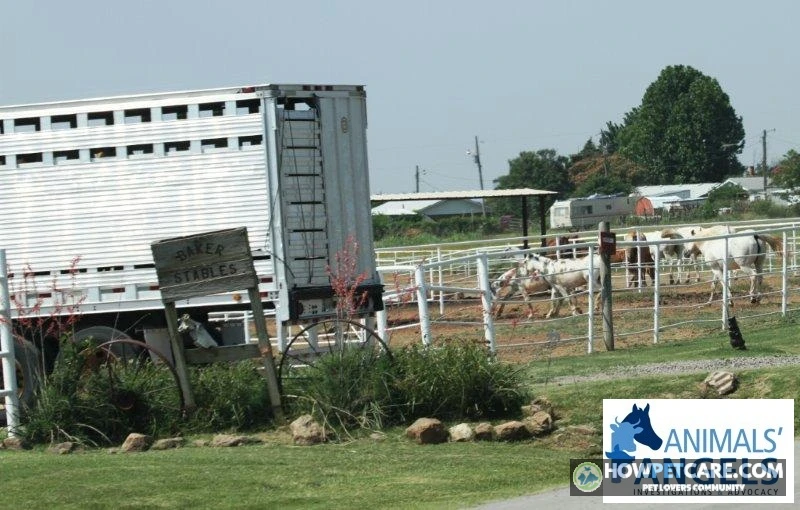
The Stroud kill pen is a horse-sales operation listing horses as Stroud Oklahoma Kill Pen Horses at George Baker Stables, 2245 E Highway 66, Stroud, Oklahoma. Visits are by appointment during listed hours of 08:30 am–05:00 pm, and horses are sold AS-IS with no health warranty.
The Stroud kill pen is a horse-sales operation in Stroud, Oklahoma, associated with George Baker Stables at 2245 E Highway 66. The business lists horses for sale as Stroud Oklahoma Kill Pen Horses and says its work gives horses a second chance.
Before considering a horse, confirm that it’s available, get the full purchase terms, and arrange transport and quarantine. The listed price is only part of the cost.
Stroud Kill Pen in Oklahoma: Location, Contact Details and Visiting Rules
Address, phone and online listings
The supplied business information gives the operation’s location as George Baker Stables, 2245 E Highway 66, Stroud, Oklahoma, and names Adina M. Baker as the owner. Search for Stroud Oklahoma Kill Pen Horses to find the operator’s listings and associated social pages.
The evidence available for this article doesn’t include a phone number or a direct URL for the listing page, so neither can be verified here. Before calling or paying, compare the contact details on the operator’s own page with its Better Business Bureau (BBB) profile. Don’t rely on a number sent by an unfamiliar account in a comment or direct message.
Hours and appointment-only visits
The listed hours are 08:30 am – 05:00 pm, and visits are by appointment. The available evidence doesn’t say which days those hours apply. Confirm the day, time, address and visitor arrangements in writing before traveling or sending a hauler.
Telling it apart from other “Stroud” results
Search results for a Stroud horse auction may include unrelated events or businesses. An auction isn’t necessarily the same operation as a dealer’s holding facility. Check the business name and location instead of assuming a local directory result or social account belongs to this seller. Directory information can become outdated.
The sections below cover how to assess a listing, buy a horse, budget for care and evaluate the operation’s claims.
How the Stroud Kill Pen Works: Kill Buyers, Auction Horses and Listings
A horse kill pen is generally a holding facility where a dealer, sometimes called a kill buyer, keeps horses for resale or onward shipment. An auction is different: sellers offer animals, and buyers bid on them. When you buy from a pen, you’re usually buying from the dealer, not bidding at the original auction.
Reading a listing: price, deadline and AS-IS terms
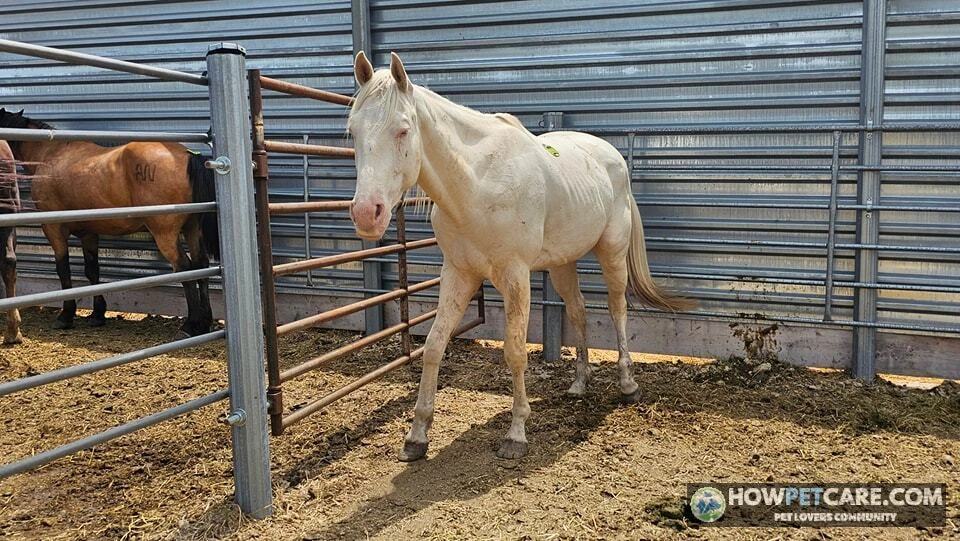
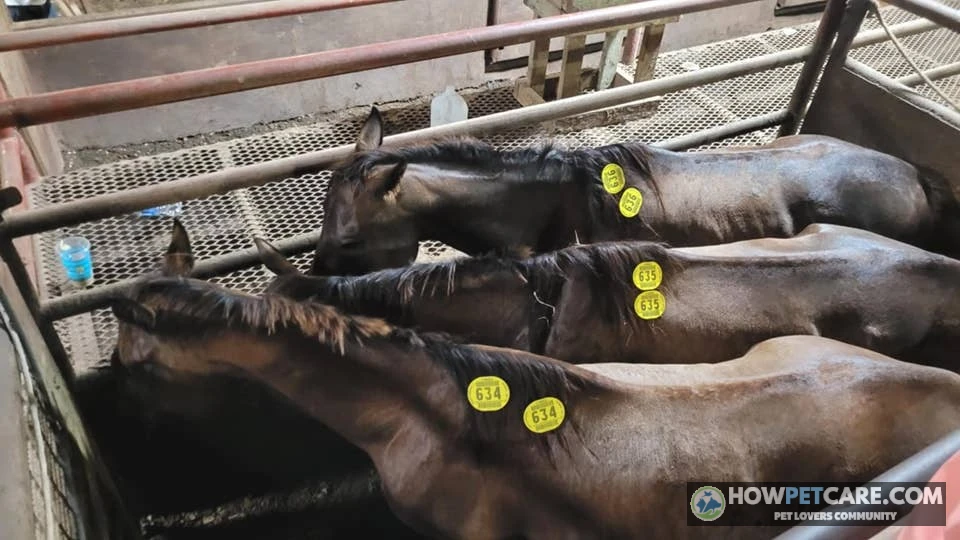
A listing may show photos or video, an identifying tag, estimated age, sex, breed, price and deadline. Those details can help identify the horse, but a photograph can’t establish soundness, training or health history. Ask for a recent video and a clear account of any known problems.
Stroud’s supplied sale terms say horses are sold AS-IS, WHERE-IS, with no health warranty or refunds, including if a horse dies. Ask for the complete terms for your purchase in writing. A claim that a horse is trained or rideable doesn’t replace an assessment by a qualified trainer and veterinarian.
What the horses cost and why prices vary
Stroud’s inventory changes, so check the operator’s current listings for available horses and their individual prices. The supplied research reports listed prices of approximately $300 to $5,800, but doesn’t establish when those listings appeared. Treat this as historical context, not a current 2026 price list.
The seller sets each asking price. The horse’s apparent qualities and buyer demand may affect it, but a listing doesn’t establish the seller’s actual costs or margin for an individual horse. Ask whether the price includes testing, paperwork, boarding or loading assistance.
Where the horses come from
The available evidence doesn’t identify the auctions or other sources for specific Stroud kill pen horses. Ask the seller for the horse’s acquisition history and supporting paperwork, if available, and be prepared for gaps. To check a Stroud Oklahoma horse auction schedule, contact the relevant auction organizer directly; its calendar may not apply to the pen.
How Stroud compares with Kaufman, Bowie and Cranbury
Buyers researching US kill pens often come across the names Kaufman, Bowie and Cranbury alongside Stroud. The supplied evidence doesn’t provide reliable comparisons of these operations’ size, sourcing regions or current practices. Their names alone don’t establish that their ownership or terms are equivalent.
| Option | How horses are sourced | How purchase works | Typical risks to investigate | Best suited for |
|---|---|---|---|---|
| Stroud listing | Individual sources not established here | Ask the seller about a specific listed horse and its terms | Limited history; care and transport costs | A buyer prepared to verify terms and arrange care |
| Kaufman, Bowie or Cranbury listing | Check the individual operator | Check that operator’s current process | Terms and animal history may differ | A buyer able to assess each seller independently |
| Auction | Horses are offered by sellers at an event | Buyers bid under auction rules | Limited time to assess the horse; competition on price | Experienced buyers familiar with that auction |
| Horse rescue adoption | Ask the organization about each horse | Application and adoption contract | Waiting period, adoption restrictions or incomplete history | Someone seeking ongoing organizational support |
How to Bail a Horse from the Stroud Kill Pen, Step by Step
“Bail” usually means paying the seller’s asking price to acquire a listed horse. It doesn’t tell you what care, transport or legal protections are included.
Step 1 to 3: pick a horse, confirm it, agree on price
- Save the listing. Keep screenshots of the horse’s identifying tag, photos, description, price and stated deadline. Ask for recent images if you’ll need help matching the horse at pickup.
- Verify the seller and availability. Use business contact details you’ve checked independently, not an unsolicited message. Confirm that the horse is still available and ask what the deadline means for that animal.
- Agree on the complete terms before paying. Ask for the total price, included services, known health information, deposit rules, refund terms and any extra boarding charges. Confirm a pickup appointment and arrange a suitable quarantine location and hauler.
Payment, hold period and paperwork
- Arrange payment and a hold. Ask which payment methods the operator accepts, whether a deposit reserves the horse and how long a paid horse can remain. The supplied evidence doesn’t verify accepted payment methods or a standard hold period. Get the answers in writing, and consider whether your payment method offers recourse.
- Obtain a bill of sale and records. The bill should identify the seller, horse, date and amount paid. Ask for any negative Coggins test, health certificate, brand inspection, registration documents and veterinary records. If the horse may be a Bureau of Land Management (BLM) mustang, request its title or adoption paperwork before paying.
Registration papers aren’t guaranteed. If a listing mentions AQHA registration, for example, ask to see the documents and confirm whether a transfer is possible. Don’t treat the description as proof.
Pickup day and horse transport options
- Confirm pickup and transport. Give the hauler the appointment, location, horse identification and paperwork requirements. Ask who will catch and load the horse, whether a halter and lead rope are provided, and what happens if the horse can’t load. If you’re hauling yourself, use a suitable trailer with safe footing.
- Check the horse and unload into quarantine. At pickup, compare the horse’s markings and tag with the saved listing. Note and photograph obvious injuries, discharge or lameness, and raise any discrepancies before loading. On arrival, put the horse in the prepared isolation area, not with resident horses.
A deadline doesn’t replace a pickup plan. Confirm the horse, total price, hold period, paperwork and appointment in writing before sending funds.
Buying through a rescue or bail network
A horse rescue organization or bail-and-shipping network may coordinate the purchase, fundraising, transport and quarantine. Ask for an itemized fee breakdown. Get in writing who will own the horse, who makes veterinary decisions and who pays if the horse needs prolonged care.
If several people contribute, settle those responsibilities before collecting pledges. An intermediary’s adoption contract may restrict resale or require the horse to be returned to the organization. Buying through a group doesn’t automatically change the seller’s AS-IS terms.
What the Stroud Kill Pen “Deadline” Means and What Happens to Unclaimed Horses
Deadline as the operator states it
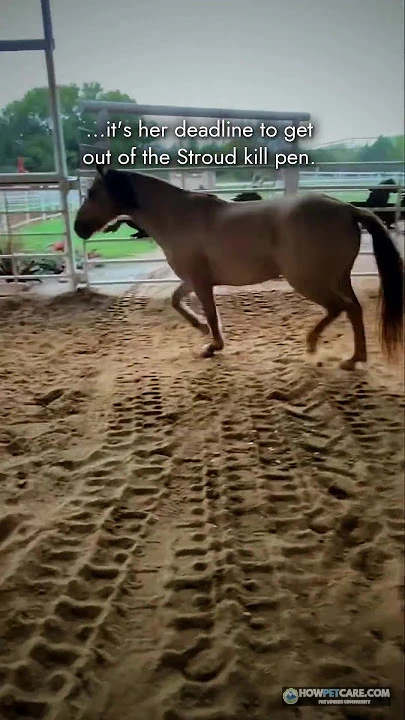
A deadline on a listing is the date or time the seller presents as the end of an opportunity to buy that horse under the stated terms. Ask whether it marks a sale cutoff, a planned movement date or something else, and whether payment changes it.
What critics say and what evidence exists
Stroud describes its work in second-chance terms. Animal-welfare critics allege that operations including Stroud use slaughter threats and inflated prices to encourage rescue purchases. Neither description, on its own, confirms what happened to a particular horse.
The evidence supplied for this article doesn’t link a specific unclaimed Stroud listing to a specific slaughter shipment. It also doesn’t establish that an unclaimed horse is safe or that a deadline is invented. A horse may be sold, moved, retained or shipped; without evidence, the outcome for an individual listing remains unknown.
How to test a deadline before you pay under pressure
Save the listing and compare it with earlier posts. If the same identifiable horse later has a new deadline, that shows the deadline was extended. It doesn’t explain why or establish the horse’s eventual outcome. Ask what happens after the deadline, whether a deposit changes it and whether the seller will hold the horse while you arrange transport.
USDA aggregate export data can provide context about shipments to Mexico and Canada slaughter plants, but aggregate figures can’t identify the destination of a particular listed horse. Any available shipment records, obtained through the relevant agencies or records requests, would need to identify the animal and movement in question.
The Real Cost of Rescuing a Kill Pen Horse: Bail Fee Plus Everything Else
Budget for the purchase and the horse’s first months of care. The figures below are illustrative planning allowances, not sourced market averages or Stroud quotes. Actual prices depend on distance, facilities, local rates and the horse’s condition. Get estimates from a veterinarian, quarantine provider and hauler.
Itemized budget from bail fee to refeeding
| Cost item | What it covers | Estimated range | What drives the cost | When it applies |
|---|---|---|---|---|
| Bail fee | Purchase price | $600–$1,800 in the examples | Seller’s asking price and horse selected | Every purchase |
| Coggins and health certificate | Testing and travel paperwork | $75–$200 | Veterinary fees and requirements | As needed before transport |
| Transport | Fuel for a self-haul or a commercial hauler | $75–$1,500 | Distance, route, trailer and service | To move the horse |
| Quarantine setup | Separate fencing, buckets and equipment | $100–$400 | Existing facilities and supplies | On arrival; boarding may cost extra |
| Initial veterinary care | Exam and routine care as advised | $250–$500 | Condition, call-out fees and local rates | After purchase |
| Dental and farrier | Initial hoof and dental work | $200–$400 | Services needed | When the vet and farrier advise |
| Illness treatment | Examination and treatment for a respiratory problem | $200–$3,000 or more | Diagnosis, severity and isolation needs | If the horse becomes ill |
| Feed and refeeding | Hay, feed and possible supplements | $150–$800 | Duration, body condition and local feed costs | Immediately and ongoing |
These ranges don’t cover every possible boarding charge, emergency procedure or long-term rehabilitation expense. A horse that needs hospitalization or prolonged isolation can exceed the upper figures.
Three scenarios: smooth, typical and complicated
- Smooth: $1,250–$2,300. A $600–$900 purchase, paperwork, short self-haul, initial vet care, basic quarantine supplies and a month of feed. This assumes suitable facilities and no major illness.
- Middle example: $2,725–$6,200. A $900–$1,800 purchase, paperwork, commercial transport, initial vet care, dental and farrier work, a mild respiratory treatment allowance, quarantine supplies and approximately two months of feed.
- Complicated: $3,825–$10,000 or more. Start with the middle example and add illustrative allowances of $800–$3,000 for a more serious illness, $150–$400 for extended isolation supplies and $150–$400 for another veterinary call. These additions assume the mild-treatment allowance remains in the original budget; an actual vet quote may combine services differently.
These examples are arithmetic exercises, not predictions of typical outcomes. They also exclude the cost of a trailer, land and most ongoing board. Ask how a commercial hauler calculates its quote rather than assuming a per-mile rate applies to your trip.
After the initial period, budget for hay and feed, routine veterinary and farrier care, shelter, fencing and an emergency reserve. Rehoming can also take time and money, especially if the horse can’t be ridden.
Ways to lower or share the cost
A group fundraiser can spread costs, but it won’t eliminate them. A rescue may already have quarantine capacity or established veterinary relationships. An adopted horse that has been assessed and received routine care may have a higher apparent initial fee but fewer unknown immediate expenses. Compare the full arrangements, not just the purchase price.
After You Buy: Transport, Quarantine, Coggins Test and Vet Checks for a Kill Pen Horse
Hauling and paperwork on the road
Check the destination state’s current equine entry requirements before booking transport. A negative Coggins test screens for equine infectious anemia; a certificate of veterinary inspection, often called a health certificate, may also be required. Requirements depend on the journey and destination, so confirm timing and paperwork with your veterinarian and the state animal-health office. Don’t assume required testing can wait until after a state crossing.
Tell the hauler about any known weakness, illness or loading difficulty. Agree on a safe route and a plan for water, stops and veterinary help if the horse’s condition worsens.
Setting up quarantine and how long to keep it
Before arrival, arrange a separate stall or paddock with no nose-to-nose contact with resident horses. Don’t share water, feed tubs, grooming equipment or manure tools. Care for resident horses first and the newcomer afterward; wash your hands and change or disinfect footwear and equipment.
Discuss a 21–30 day planning period with your veterinarian before arrival. This is a practical planning allowance, not a substitute for a facility-specific veterinary protocol or a guarantee that the horse is disease-free. Your vet may recommend a different duration, testing or longer isolation if symptoms appear. The supplied evidence doesn’t identify a veterinary source for a specific duration.
Strangles and other disease risks to budget for
Strangles, equine influenza, equine herpesvirus and other respiratory illnesses are risks to discuss with your vet when a horse’s exposure history is unknown. Watch for fever, coughing, nasal discharge, swollen lymph nodes, reduced appetite or unusual lethargy. Take and record the horse’s temperature as your vet directs, and call promptly if signs develop.
A practical arrival timeline:
- Before arrival: Arrange an initial exam, ask for a temperature-monitoring plan and prepare separate supplies.
- Arrival: Unload into quarantine, offer water and feed according to veterinary advice, and record visible injuries or concerns.
- First days: Have the vet assess body condition, hydration and any illness; discuss testing, deworming, vaccination, dentistry and farrier timing.
- During isolation: Monitor the horse and keep it separate. If illness develops, follow the vet’s testing and clearance instructions rather than relying on the original end date.
- Before herd introduction: Ask the vet when isolation can safely end, especially after suspected strangles or another contagious disease.
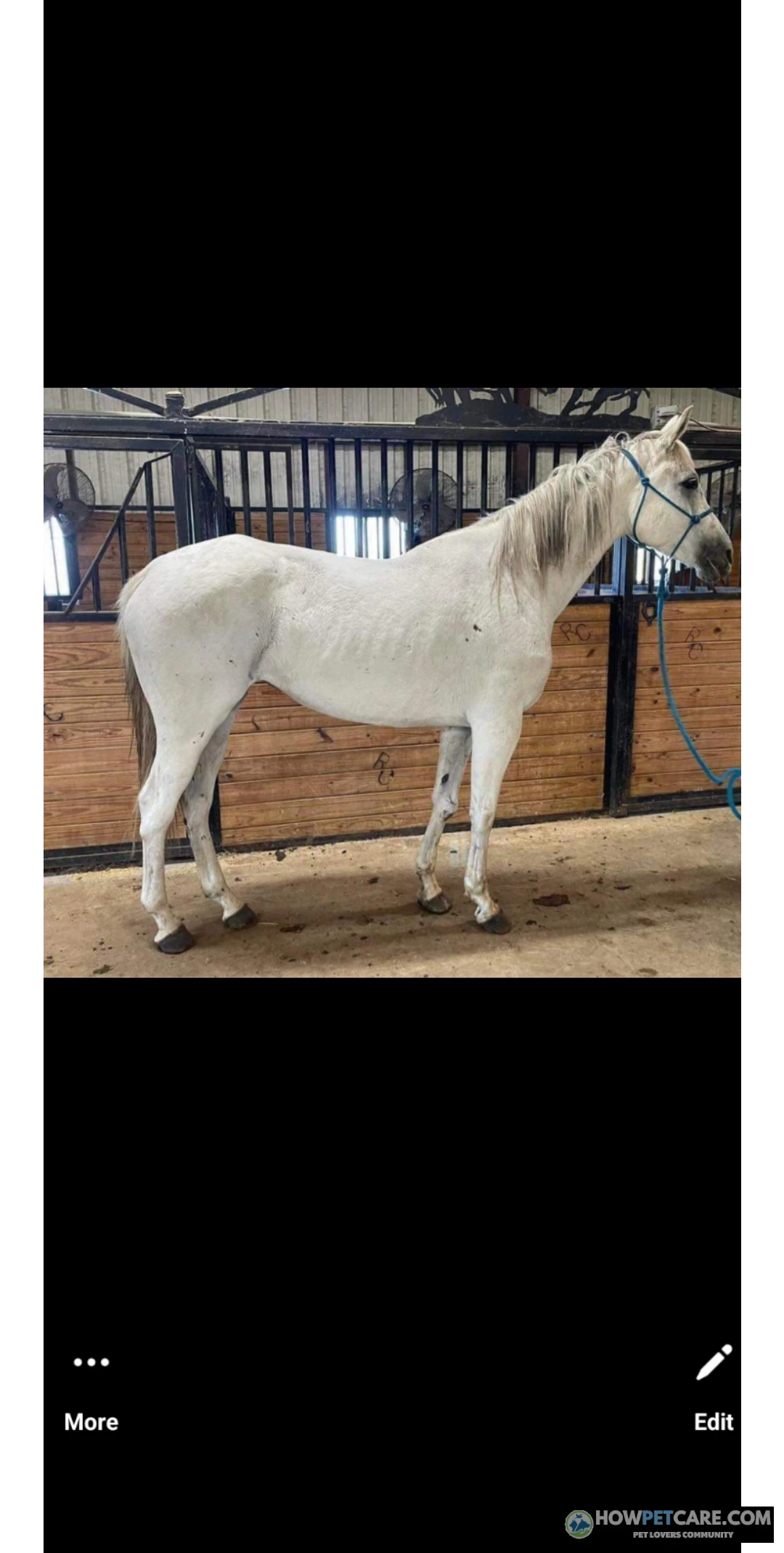
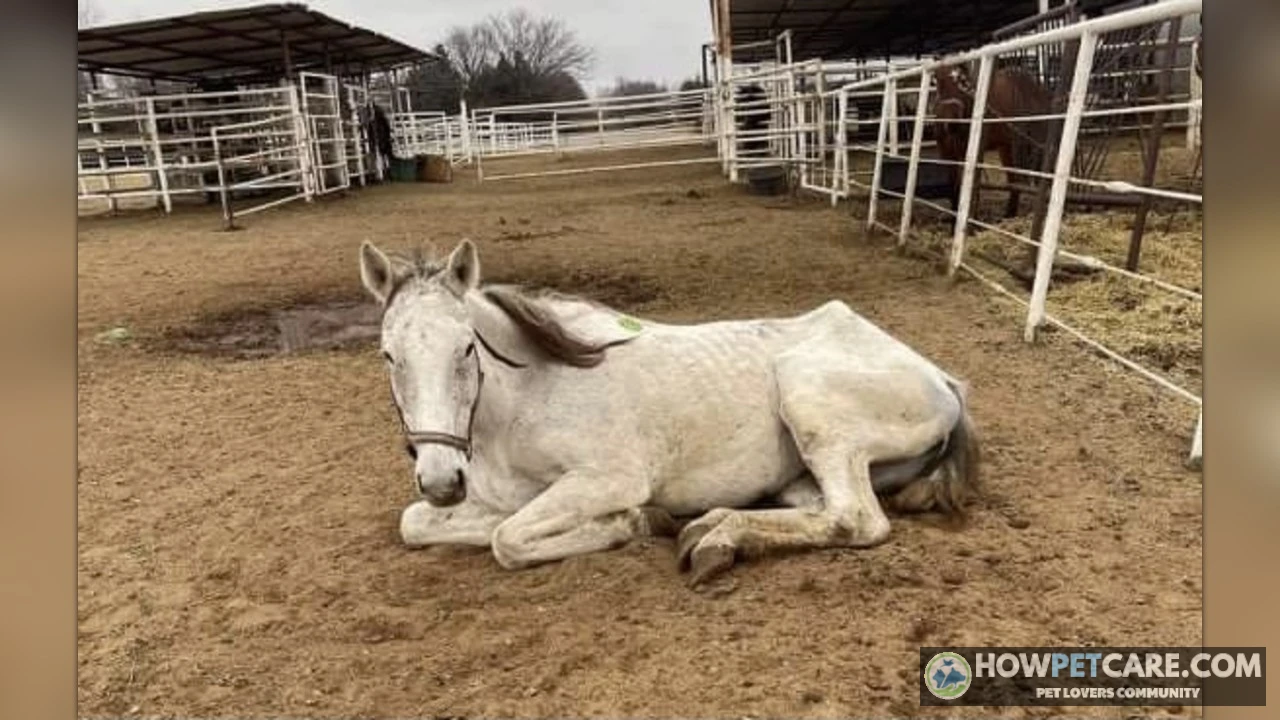
A severely underweight horse needs a veterinarian-directed refeeding plan. Don’t sharply increase feed to add weight quickly. Vaccination and deworming decisions should also reflect the horse’s condition and the vet’s assessment.
A boarding stable may not accept a horse directly from an auction or pen. Confirm that the facility accepts the horse and has an appropriate quarantine arrangement before purchasing.
BLM title transfer for mustangs
A freeze brand or description as a BLM mustang is a reason to ask for documentation, not proof that the seller can transfer clear title. Request the adoption or title paperwork, compare its identifying information with the horse, and contact the BLM to verify its status and current transfer requirements before paying. Federal conditions may differ depending on whether the horse has been titled.
If a rescue places the horse with you, read its adoption contract separately. It may include a return clause, resale restrictions, required updates or other continuing obligations.
Is the Stroud Kill Pen Legitimate? The BBB Record, Licensing Questions and Buyer Reports
What the BBB profile does and does not show
The supplied research reports an A+ BBB rating, zero complaints in the preceding three years and a business start date of July 25, 2017. Those figures can change, and the live profile wasn’t available for independent checking in this draft. The supplied evidence doesn’t establish accreditation status.
A BBB profile and rating concern business information and BBB assessment criteria. They aren’t an inspection of horse welfare, proof of licensing compliance or confirmation of individual animals’ outcomes. Read the current profile and any complaint details instead of treating a letter grade as a complete assessment.
What the exposé claims and what is documented
| Claim | Source | What is documented in supplied evidence | What is unverified | How a buyer can check |
|---|---|---|---|---|
| The operation has a BBB record | BBB information in supplied research | An A+ rating and zero complaints are reported. | Current figures and accreditation status | Read the current BBB profile |
| The seller offers horses a second chance | Business description | This is how the business describes its purpose. | The eventual outcome of each horse | Request records for an identifiable horse |
| Prices and deadlines exploit rescuers | Animal-welfare criticism summarized in supplied research | The criticism is reported. | The actual acquisition cost, margin and intent for a particular listing | Request purchase history and compare documented sale records |
| The operation lacks required slaughter-shipping authorization | Critical allegations | The supplied material reports broader allegations about some kill pens. | Which requirements apply to Stroud’s activities and whether it complies | Ask the relevant agencies about applicable rules and accessible records |
| An unclaimed Stroud horse went to slaughter | Deadline-related claims | No individual shipment record is supplied | The outcome of any specific listing | Seek identifiable movement records and ask the operator |
The evidence doesn’t identify a specific exposé or establish that a particular licensing allegation applies to this operator. It would be misleading to say either that Stroud is unlicensed or that all required approvals are in place.
How to verify licensing and past-buyer outcomes yourself
Ask USDA’s Animal and Plant Health Inspection Service and the Oklahoma Department of Agriculture, Food and Forestry which transport, animal-health, dealer or export requirements apply to the activity you’re investigating. Requirements can depend on the operator’s role, destination and type of movement. An ordinary sale and an export for slaughter aren’t necessarily subject to identical paperwork.
The supplied evidence includes no independently verifiable first-person buyer account. Ask the seller for references and look for identifiable rescue or buyer reports that describe both purchase and arrival. Treat anonymous comments and screenshots without context cautiously.
To reduce impersonation risk, verify the recipient and payment instructions through business channels you’ve confirmed independently. Be wary of gift-card requests, unexpected changes to the payment recipient and pressure to pay before you receive written terms.
Does Buying from a Kill Pen Help or Harm Horses? Both Sides and the Alternatives
The case for bailing
Buying can give a particular horse a home and take it out of the seller’s control. For a buyer prepared to manage unknown health and training needs, that individual outcome can matter even when the listing’s predicted deadline is uncertain.
The case against paying kill-pen prices
Critics argue that paying a dealer’s asking price can support the dealer’s margin and make further horse purchases possible. The available evidence doesn’t quantify the effect of a particular Stroud purchase on future buying or establish how an individual horse would otherwise have been treated.
These are separate questions: what happens to one horse after purchase, and what repeated purchases may encourage in the wider market. The supplied evidence doesn’t settle the broader debate.
Other ways to help a horse
Buying directly at auction may avoid a later dealer markup, but it calls for experience, quick decisions and a quarantine plan. Adopting from a vetted rescue may provide more assessment and support, though an adoption contract can restrict future transfers. Fostering, sponsoring care or donating to a rescue can help without taking immediate ownership.
Whichever route you consider, assess your experience, facilities, time and financial reserve. Decide who’ll care for the horse if it’s sick, unrideable or difficult to rehome. The choice is yours.
Before You Contact Stroud: A Decision Checklist and Next Steps
- Verify the operator’s current contact information and save the specific horse’s listing.
- Set a total budget that includes transport, quarantine, veterinary care, feed and an emergency reserve—not just the bail fee.
- Arrange a suitable isolation space, an equine veterinarian and a hauler who can meet the pickup appointment.
- Ask in writing about the price, inclusions, deadline, deposit, hold period, payment method, records, pickup window and refund terms.
- Set walk-away conditions: for example, no confirmed place to quarantine, no clear ownership paperwork or costs beyond your budget.
If you have the facilities and resources, proceed only after confirming the terms and logistics. If you need help coordinating care, discuss responsibilities with a reputable rescue before contributing. If you’re not ready to take ownership, consider fostering, sponsoring or supporting an established horse rescue instead.
FAQ
Are kill pen horses trained or rideable?
It varies. Kill pen horses include green, untrained, injured, aged and well-trained animals, and listings rarely verify riding history. Treat any claim of being broke or rideable as unverified until a vet and a qualified trainer have evaluated the horse.
Do I need my own farm to bail a horse?
You need a safe place to quarantine and keep the horse, which can be your property, a boarding stable that accepts new arrivals, or a rescue acting as intermediary. Many boarding barns will not take a horse straight from a pen because of disease risk, so ask first.
Can several people split the cost of a bail?
Yes, group pledges and rescue fundraisers are common. Agree in writing who owns the horse, who pays for transport and vet care, and what happens if the horse cannot be rehomed.
Do kill pen horses come with registration papers?
Usually not, though some are registered or branded. If papers matter to you, ask the seller before paying and expect that many horses will have no verifiable history.
Is a kill pen the same as a horse auction?
No. An auction is a public sale where many sellers and buyers bid. A kill pen is a holding facility run by a dealer or kill buyer who has already bought the horses and sells them at a set price.